2027 Is 40 Too Late to Earn a Human Resources Bachelor's Degree?

Co-Founder and Chief Data Scientist
Returning to school at 40 often sparks questions about balancing existing responsibilities with new academic demands. Many midlife professionals face career plateaus or seek fresh opportunities in evolving fields like human resources, where the demand for skilled practitioners is growing. Recent data shows that employment in human resources management is projected to grow 9% in recent years, indicating robust career prospects.
Adult learners can leverage prior work experience and adapt to flexible, modern learning formats to succeed. This article explores whether earning a bachelor's degree in human resources at 40 is too late and highlights key factors that influence this important decision.
Key Things to Know About Whether 40 Is Too Late to Earn a Human Resources Bachelor's Degree
- Career relevance remains strong at midlife as many organizations value diverse experience; HR roles grew 7% from 2021-2031, reflecting expanding opportunities for degree holders aged 40 and above.
- Modern degree pathways offer flexibility through online and part-time formats, enabling adult learners to balance work, family, and study effectively.
- Completing a bachelor's in Human Resources at 40 provides lasting benefits, including improved earning potential, career advancement, and personal fulfillment in a stable, evolving field.
Can You Start a Human Resources Bachelor's Degree at 40?
Beginning a human resources bachelor's degree at 40 is increasingly accessible as higher education evolves to accommodate diverse student demographics. Adult learners pursuing a human resources degree later in life benefit from inclusive admissions policies that do not restrict enrollment based on age.
Colleges and universities have expanded pathways to undergraduate education, making it easier for individuals without continuous academic histories to enter or return to degree programs. Lifelong learning is embraced, demonstrating that age alone does not prevent starting a new academic journey.
Educational institutions support adult learners by creating inclusive academic environments and offering tailored structural support. These efforts promote collaboration and recognize the unique perspectives brought by mature students, enriching classroom experiences for everyone.
Many universities provide specific pathways and resources designed to assist non-traditional students in navigating their academic progression. For those interested in finding the quickest degree to get online, human resources programs are often structured to balance accessibility with academic rigor.
What Are the Biggest Challenges of Going Back to College at 40?
Returning to college at 40 is an increasingly common decision, yet it comes with distinct challenges that adult learners must navigate. Studies show that balancing these commitments successfully can significantly impact academic outcomes.
Mature students often face hurdles unique to their life stage, especially when pursuing a human resources bachelor's degree.
Several key challenges affect those balancing work, family, and studies as a mature student:
- Time Management: Allocating sufficient time to study while juggling work and family duties requires disciplined planning. Established routines may limit flexibility, making prioritization essential to avoid burnout.
- Financial Pressures: Overcoming financial obstacles when returning to college later in life can be stressful. Budgeting for tuition, materials, and living expenses alongside ongoing personal commitments demands careful financial planning.
- Adapting to Technology: Modern college programs often use digital platforms for coursework and communication. Adult learners frequently face a learning curve with these new systems but developing proficiency is critical for academic success.
- Self-Doubt and Confidence: Feelings of uncertainty when comparing oneself to younger classmates may arise. Building confidence and embracing a growth mindset enhances motivation and performance in the academic environment.
Recognizing and addressing these challenges early supports a rewarding college experience. Many resources and networks exist to assist adult students in this journey. Those exploring their options can also consider specialized degrees like MLIS programs that offer supportive environments for adult learners.
Can You Work Full-Time While Earning a Human Resources Degree at 40?
Balancing a full-time job while pursuing a human resources degree at 40 is demanding but entirely possible with the right approach. Many adults in this age group navigate these responsibilities by maintaining strong discipline and prioritizing their time effectively.
This experience often demonstrates that age is not a barrier to returning to school, as the commitment required can coexist with career and personal obligations. The maturity and clarity of purpose that come with being an older student frequently enhance focus and perseverance.
Ultimately, working full-time while studying can affirm that advancing one's education later in life aligns well with professional growth and personal fulfillment.
A professional over 40 currently enrolled in a human resources bachelor's program shared that "it's a constant juggle to meet work demands and coursework deadlines," but emphasized that staying organized and setting clear priorities makes the challenge manageable.
He described moments of fatigue but also noted the encouragement gained from seeing progress in both areas. "Sometimes it feels overwhelming," he said, "but the support from my family and understanding colleagues really helps maintain balance." This experience highlights the real-world difficulties adult learners face but also the satisfaction that comes from successfully integrating work and study.
Flexibility plays a vital role for adults around 40 returning to education to earn a bachelor's degree in human resources while juggling work and personal responsibilities. Programs that adapt to varied schedules help alleviate stress and boost the chances for academic achievement.
Several approaches stand out for offering this adaptability.
Online Learning: Many flexible online human resources degree programs for adults provide asynchronous coursework, allowing students to study from any location and complete assignments at their convenience. This helps learners avoid commuting and tailor study times to fit their lives.
Part-Time Enrollment: Opting for part-time human resources bachelor's degree options over 40 lets students spread coursework over a longer period, reducing pressure and enabling a better balance between education, career, and family.
Evening or Weekend Classes: Courses scheduled outside regular work hours accommodate those with daytime commitments, facilitating attendance through live virtual or in-person sessions suited to busy lifestyles.
Self-Paced Study: Programs offering self-paced formats empower students to progress according to their own rhythms, ideal for fluctuating schedules or for those wanting extra time on challenging topics.
For adult learners seeking accelerated advancement, exploring options like an accelerated MBA can also be beneficial.
Completing a human resources bachelor's degree around age 40 often requires balancing education with existing life commitments, which can affect the length of time needed. While a typical full-time program lasts about four years, individual circumstances frequently lead to variations in this timeframe.
- Course Load: Students taking a full credit load typically finish faster than those enrolled part-time. Many learners at 40 choose fewer classes each semester to better juggle work, family, and other priorities, which usually extends the path to graduation.
- Prior Learning: Previous college credits or professional experience can sometimes be transferred or credited, reducing the number of courses needed. This recognition can significantly shorten the overall study period.
- Life Responsibilities: Obligations like childcare, caregiving, or work demands impact available time and energy. Effective time management and support networks are crucial to progress at a steady pace.
- Motivation and Planning: Adult learners often benefit from setting realistic goals and schedules tailored to their unique situations. Flexibility in approach helps maintain progress despite unforeseen challenges.
One adult learner who earned her human resources bachelor's degree after returning to school at 40 shared how she initially struggled to balance evening classes with full-time work and parenting. She emphasized the importance of patience and persistence, noting, "It wasn't always easy, but breaking the journey into manageable steps made it achievable."
Reflecting on her experience, she highlighted how having a clear vision of her career goals helped sustain motivation, even when life felt overwhelming. Her story illustrates that completing the degree at 40 is not only possible but can also be deeply rewarding.
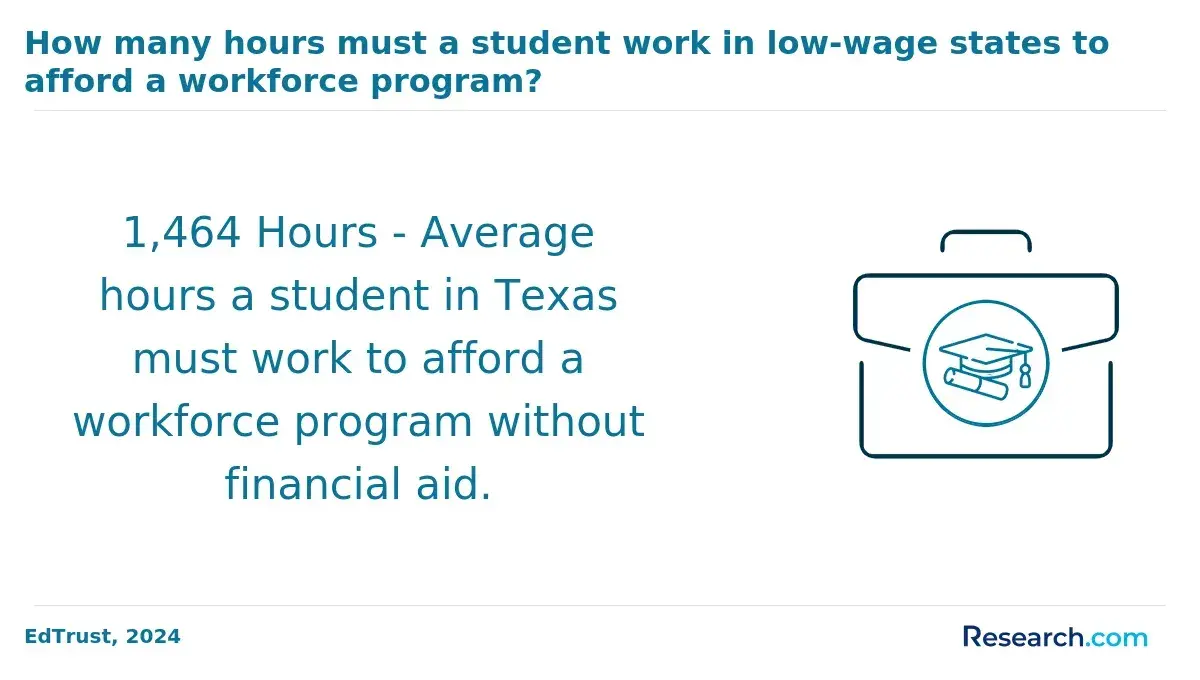
The average cost of earning a human resources bachelor's degree in the United States hovers around $40,000 to $60,000, though this varies widely based on the school and enrollment choices. For students around 40, several factors influence how this total expense breaks down and fits into their budgets.
Key cost considerations include:
- Tuition Fees: Tuition represents the largest portion of expenses and varies depending on whether a student enrolls full-time or part-time, which affects both immediate costs and overall program length.
- Learning Materials: Textbooks, software, and other course materials can add up, with some programs including these costs in tuition and others charging separately.
- Enrollment Intensity: The number of courses taken each term changes the payment schedule and total out-of-pocket costs, since faster completion often requires higher term fees.
- Additional Charges: Fees for registration, technology use, and graduation process contribute to the final cost and are usually fixed amounts applied per term or course.
- Financial Aid Availability: Access to scholarships, grants, and loans can reduce the net expense, making degree completion more accessible even later in life.
These elements combined determine the financial commitment required for earning a human resources degree at 40, illustrating that with proper planning, pursuing this credential remains a practical and valuable investment.
Returning to college at 40 to earn a human resources bachelor's degree presents unique challenges that require careful consideration. Prospective students must balance academic demands with existing personal and professional commitments.
Understanding these risks can help adult learners prepare effectively.
- Time Management: Balancing coursework with family, work, and social responsibilities can be overwhelming. Adult learners often face tight schedules that demand strong organizational skills to meet deadlines and maintain steady progress.
- Academic Adjustment: Reacclimating to study routines, research techniques, and new technology can be difficult after years away from formal education. The pace and volume of coursework may initially feel intense, especially when group projects and extensive writing are involved.
- Social Dynamics: Older students may experience feelings of isolation or discomfort when surrounded by younger classmates. This can impact confidence and active participation in discussions or collaborative activities that enrich the learning process.
- Emotional Well-being: The pressure to perform consistently and the stress of meeting academic expectations can affect mental health. Adjusting to deadlines, exams, and rigorous coursework calls for resilience and access to support services.
- Physical Stamina: Long hours of classes and study sessions can be physically demanding. Maintaining health and wellness is essential to manage energy levels and sustain focus throughout the program.
Starting a human resources career after 40 is a realistic option that many adult learners pursue with success. A bachelor's degree in human resources equips individuals with important skills such as talent management, employment law, and organizational behavior, which are highly applicable across various fields.
Those seeking a career change to human resources at 40 can leverage their prior work experience alongside this academic foundation, creating a credible profile that appeals to employers. Additionally, the maturity and perspective gained from real-world experience often complement the knowledge obtained through education, enhancing overall professional readiness.
Workforce trends increasingly support adult learners making career changes later in life, as industries value diverse skill sets and perspectives coming from non-traditional backgrounds. Educational institutions are responding by broadening access and developing programs that cater to these evolving needs, recognizing lifelong learning as a vital component of career development.
These modern pathways demonstrate that transitioning careers at 40 and beyond is becoming more common and feasible. For those interested in expanding their educational options, exploring areas such as a masters in cryptocurrency can also highlight the growing variety of fields available to adult learners seeking professional growth.
Employers generally view human resources bachelor's degrees earned at age 40 with growing appreciation for how education paired with extensive life and work experience can add value to professional settings. Research shows that 41% of employers highly regard degrees obtained by non-traditional students, recognizing the applied knowledge these learners bring to the workforce.
This positive attitude highlights the evolving importance of the value of human resources bachelor's degree for mature students.
Several key factors shape employer attitudes toward human resources degrees earned later in life:
- Skill Relevance: Employers look for degrees that reflect current HR practices, labor laws, and technology that meet organizational needs. Up-to-date skills ensure graduates can contribute effectively from day one.
- Professional Experience Integration: The ability to blend academic concepts with years of real-world experience is highly valued. This connection often leads to enhanced problem-solving and leadership capabilities.
- Continuous Learning: Commitment to ongoing education signals adaptability and a proactive mindset. This trait is critical in fast-changing work environments that demand frequent upskilling.
- Adaptability and Maturity: Candidates over 40 typically demonstrate strong interpersonal skills and the maturity to navigate complex workplace dynamics. Such qualities support team leadership and cultural fit within organizations.
Ultimately, earning a human resources degree later in life often equips individuals with a balanced mix of foundational knowledge and diverse experiences. Those interested in efficient pathways to advance their education might explore quick masters degrees online to build upon their bachelor's credential and enhance career prospects further.
Preparing to apply for a human resources bachelor's degree involves thoughtful planning to ensure academic readiness and make well-informed choices. Early preparation is especially valuable for adult learners, around age 40, who balance education with other responsibilities.
Notably, nearly 40% of undergraduates are adult students, reflecting a strong trend toward careful application readiness.
Consider these essential steps before submitting your application:
- Assess Academic Background: Review your previous coursework and transcripts to identify any prerequisite classes commonly required, such as business, psychology, or communication. Filling any gaps beforehand strengthens your application.
- Understand Program Criteria: Research admission requirements, credit loads, and curriculum options. Pay attention to different specializations or concentrations that align with your professional interests.
- Explore Learning Formats: Identify whether programs offer flexible schedules like evening, online, or hybrid classes. These formats can accommodate work and family commitments effectively.
- Organize Documentation: Gather transcripts, recommendation letters, personal statements, and resumes early. Having these materials prepared reduces last-minute stress during the application process.
What Graduates Say About Earning a Human Resources Bachelor's Degree at 40
- Danny: "Going back to college at 42 was a daunting decision, but I wanted to pivot my career toward something more people-focused. Choosing a human resources bachelor's degree felt like the perfect fit because it combines my passion for helping others with practical business knowledge. Earning this degree has opened doors I never thought possible and given me newfound confidence in my professional abilities."
- Jamir: "I returned to school in my 40s because I saw the value in formalizing my experience with an academic foundation. The human resources program offered a comprehensive insight into workplace dynamics that I hadn't fully grasped before. Graduating later in life has taught me that it's never too late to expand your expertise and that this degree can truly transform your career trajectory."
- Ethan: "At 45, I knew it was time for a change and human resources appealed to me because of its critical role in shaping company culture. Pursuing a bachelor's degree later in life challenged me in new ways but also reinforced my commitment to lifelong learning. The practical knowledge and credentials I gained have significantly enhanced my credibility and opened new leadership opportunities."
Other Things You Should Know About Human Resources Degrees
Most HR bachelor’s programs do not waive a practicum or capstone because a student is 40. Many require 1 internship, practicum, or capstone course worth 3 to 6 credits, and some programs align the capstone with SHRM or HRCI competency standards.
Older students should emphasize developing digital literacy and proficiency with HR information systems, as these are critical in modern human resources roles. Additionally, strong communication, conflict resolution, and organizational skills remain foundational. Balancing these with leadership and strategic thinking enhances employability in HR management positions.
Yes, prior work experience in other fields can enrich an HR degree by providing diverse perspectives on organizational needs and employee relations. Experience in areas like management, customer service, or administration often translates well into HR functions such as recruitment and employee development. This breadth of knowledge can enhance classroom learning and practical application.
Certification can be advantageous for those earning a human resources degree at 40 or older, as it demonstrates updated knowledge and commitment to the profession. Certifications like the SHRM-CP or PHR are widely recognized and may improve job prospects. Pursuing certification helps bridge any experience gaps and signals professionalism to employers.
- How to Earn Your Bachelor’s Degree in Human Resources https://www.allbusinessschools.com/human-resources/bachelors-degree/
- Top 10 Online Bachelor's In Human Resources Programs 2025 https://www.accreditedschoolsonline.org/business/human-resources/
- Adult Learners are an Important Employer Resource | Edcor https://www.edcor.com/blog/adult-learners-are-an-important-employer-resource/
- Thinking about going back to school at 40 or beyond? Read this exclusive guide to learn how to prepare. Well also share some of the tips and tricks. https://www.ebu.ac/blog/46-Is-40-years-or-Beyond-Too-Old-To-Get-A-Professional-Degree--blog.php
- 10 Best Affordable Accelerated 4+1 Bachelor’s to Master’s degrees in Human Resource Management 2020 - Human Resources Degrees https://www.humanresourcesmba.net/best/accelerated-bachelors-masters-degree-hr-management/
- How to Get a Degree in Human Resources: A Step-by-Step Guide https://www.rasmussen.edu/degrees/business/blog/how-to-get-a-degree-in-human-resources/
- Is Earning an Undergraduate Degree in HR the Best Way to Prepare for an HR Career? https://www.shrm.org/topics-tools/news/hr-magazine/earning-undergraduate-degree-hr-best-way-to-prepare-hr-career
- Facts about working full-time as a full-time student https://www.luminafoundation.org/topics/todays-students/working-adults/