2027 Applied Science Degree Oversupply or Undersupply? Student Volume vs Employer Demand

Co-Founder and Chief Data Scientist
Facing a decision on pursuing an applied science degree demands clear insight into labor market alignment. In 2024, the U. S. Bureau of Labor Statistics projects only 3% growth in several core applied science occupations, while enrollment in these programs increased by over 10% between 2020 and 2023. This disparity suggests potential oversupply in specific regions, intensifying competition and risking underemployment for graduates without specialized skills.
Employers increasingly seek candidates with hands-on experience and adaptive expertise. Misjudging these dynamics can devalue degrees and hinder long-term career planning. This article examines how applied science student volume compares with employer demand, job growth, industry needs, regional factors, and skill gaps to inform realistic career choices.
Key Things to Know About Applied Science Graduate Supply and Employer Demand
- Applying recent 2024 data showing a 12% increase in applied science degree completions outpacing entry-level job growth, graduates face intensified competition, especially in urban centers, emphasizing the need for strategic specialization.
- Employer surveys reveal a persistent skill mismatch in niche subfields like environmental tech, causing selective undersupply despite overall graduate abundance, compelling educators to adapt curricula to market demands.
- Regional disparities in job openings mean that while metropolitan hubs offer more positions, higher living costs and access issues create timing and financial tradeoffs that influence degree-holder employment outcomes.
- Is There an Oversupply or Undersupply of Applied Science Graduates? Graduate Oversupply or Shortage
- How is Applied Science Degree Enrollment Changing? Degree Enrollment Trends
- How Many Applied Science Graduates Enter the Workforce Each Year? Annual Graduate Workforce Entry
- Does Job Growth Support the Rising Supply of Applied Science Graduates? Job Growth Versus Supply
- How Competitive is the Entry-Level Market for Applied Science Graduates? Entry-Level Market Competition
- Which Industries Have the Greatest Demand for Applied Science Graduates? Top Hiring Industries
- Where are Applied Science Graduates Most in Demand? Top Geographic Demand
- Which Applied Science Specializations and Degree Levels Face the Strongest Demand? Which Applied Science Specializations and Degree Levels Face the Strongest Demand?
- Are Employer Skill Gaps Affecting Demand for Applied Science Graduates? Are Employer Skill Gaps Affecting Demand for Applied Science Graduates?
- What is the Future Supply-and-Demand Outlook for Applied Science Graduates? Future Supply-Demand Outlook
Is There an Oversupply or Undersupply of Applied Science Graduates?
The current landscape of applied science graduate supply and employer demand analysis reveals a nuanced mismatch rather than a straightforward oversupply or undersupply. While national figures suggest that graduate output generally aligns with employer needs, localized labor market conditions show persistent shortages, especially in specialized technology and healthcare sectors where job openings are growing faster than degree completions.
For example, in manufacturing hubs and energy-focused regions, employers often struggle to fill roles requiring niche technical skills at the bachelor's and associate levels, illustrating a critical gap between the volume of graduates and employer expectations for practical competencies.
At the same time, many urban areas experience heightened competition among graduates for entry-level applied science positions, driven by an abundance of candidates with comparable qualifications. This relative oversupply in metropolitan centers can extend average job search durations, particularly when employers favor candidates with advanced degrees or significant hands-on experience.
Such regional imbalances highlight why broad national assessments fail to capture the dynamic interplay between graduate enrollment growth, credential mismatch, and evolving occupational demands. Prospective students and degree holders must therefore weigh these factors carefully, considering opportunities like accelerated degree programs to enhance timely employability and better address the skills employers seek within a competitive applicant pool.
How is Applied Science Degree Enrollment Changing?
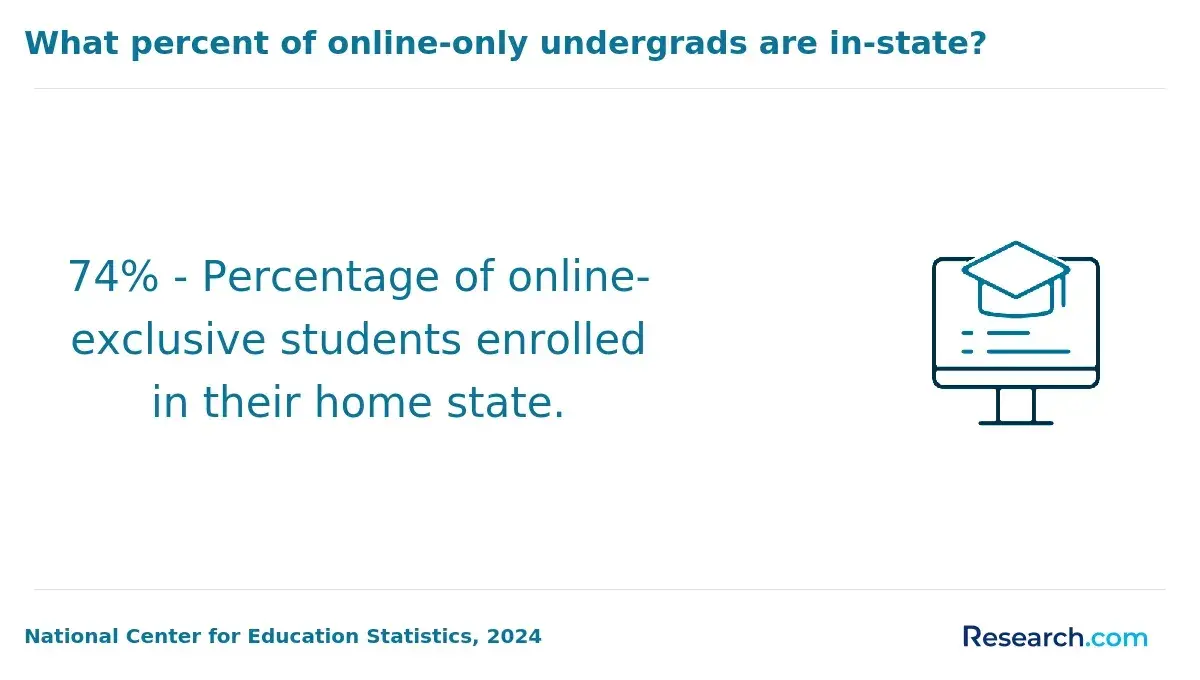
Enrollment in applied science degree programs has shown modest growth primarily at the associate's and bachelor's levels, with recent data from the National Center for Education Statistics indicating about a 5% increase between 2022 and 2024. This shift is propelled in part by expanding online and hybrid offerings, which widen access but complicate hands-on skill acquisition essential for employer standards.
Meanwhile, graduate-level enrollment remains flat, suggesting most students prefer to enter the workforce earlier. This dynamic may intensify competition for mid-tier roles while keeping advanced expertise relatively scarce.
However, interpreting national enrollment growth without considering regional labor demand and specialization saturation risks misjudging local hiring landscapes and the real balance between graduate supply and employer demand.
The demographic diversification of applied science cohorts-marked by more underrepresented minorities and first-generation college students-reflects successful outreach efforts, yet it also signals a need for enhanced support to improve persistence and completion in these programs.
Economic and institutional factors selectively limit growth at advanced levels, while the rise of flexible delivery formats caters to non-traditional students but challenges consistent quality in practical training.
Employers and workforce planners must weigh these nuances carefully; overlooking the uneven credential-level distribution or conflating online enrollment surges with readiness could lead to talent pipeline gaps or graduate underemployment. A 5% rise in enrollment doesn't automatically translate into oversupply but does demand close attention to factors affecting market absorption capacity and geographic variability.
One applied science student, entering her program as online options expanded during 2023, noticed her cohort size nearly doubled from previous years. While grateful for increased access and flexible scheduling, she expressed hesitation about whether this growth meant more opportunity or stiffer competition after graduation.
She found course availability stretched thin at peak times, and some hands-on labs felt rushed, reinforcing her concerns about balancing educational quality with rising enrollment. Her experience highlights the pressing need for institutions and employers alike to monitor how shifts in student volume and delivery modalities align with evolving workforce demands, rather than assuming enrollment trends alone predict career outcomes.
How Many Applied Science Graduates Enter the Workforce Each Year?
Annual graduation figures alone cannot clarify whether the field of applied science is experiencing oversupply or undersupply, as multiple factors influence labor market absorption. Data from agencies like the National Center for Education Statistics and IPEDS show that between 45,000 and 50,000 students complete applied science-related degrees yearly at various levels, including associate's and bachelor's programs across technical and health-related disciplines.
However, these graduates differ widely in specialization, region, and timing of entry into the workforce, with many deferring employment in favor of advanced study or alternate career paths, complicating direct comparisons to employer demand.
Employer demand varies notably by geography and subfield, with urban, tech-focused areas showing strong need for graduates in emerging technologies and manufacturing, while other applied science specializations face relative oversupply and increased competition. For instance, a mismatch between graduate skills and employer expectations-particularly practical experience and certifications alongside academic credentials-can hinder immediate placement despite adequate job openings.
Approximately 65% to 75% of graduates secure positions aligned with their training within a year, indicating that supply volume does not automatically translate into job availability, especially where skills, internships, and regional economic conditions influence hiring outcomes.
Understanding the nuanced interplay between graduate output and workforce demand requires more than raw degree counts. It demands attention to the diversity of applied science pathways, employer preferences for hands-on expertise, and the regional distribution of jobs.
Overestimating workforce readiness based solely on graduate numbers risks misguiding educational decisions and labor market expectations, while ignoring these complexities may limit graduates' prospects in a competitive environment shaped by specialization and cyclical economic factors.
Does Job Growth Support the Rising Supply of Applied Science Graduates?
Although sectors employing applied science graduates show moderate job growth, this expansion often fails to keep pace with the increasing number of degree holders entering the workforce. Job market dynamics vary widely across specializations and regions, with high-demand areas like cybersecurity and data analytics offering more openings, while fields such as manufacturing technology face stagnant or declining opportunities.
Many of these available positions require experience, certifications, or geographic mobility, limiting entry-level access and potentially increasing underemployment risks for recent graduates. Replacement demand from retirements does create openings, but it rarely offsets the surplus where graduate output outmatches genuine employer needs.
A common challenge emerges when graduates assume strong occupational growth guarantees ample employment, overlooking the importance of industry-specific skills alignment and regional labor market conditions. For example, a new graduate in healthcare technology might struggle to find local roles without practical experience or licensure, despite healthcare's overall increasing demand.
Conversely, some slower-growing fields maintain steady openings due to long-term retirements or local shortages, benefiting candidates willing to relocate or specialize. Prospective students must weigh these complexities alongside trends in job growth for applied science graduates, ensuring their educational choices reflect realistic employment prospects rather than broad expansions alone.
Informed decision-making also involves comparing career goals with the evolving marketplace, avoiding assumptions that all degree completions equate to job availability. Considering the current labor market data and evaluating programs such as a business administration degree as a complementary skill set can sometimes enhance employability in areas where pure applied science supply exceeds demand.
How Competitive is the Entry-Level Market for Applied Science Graduates?
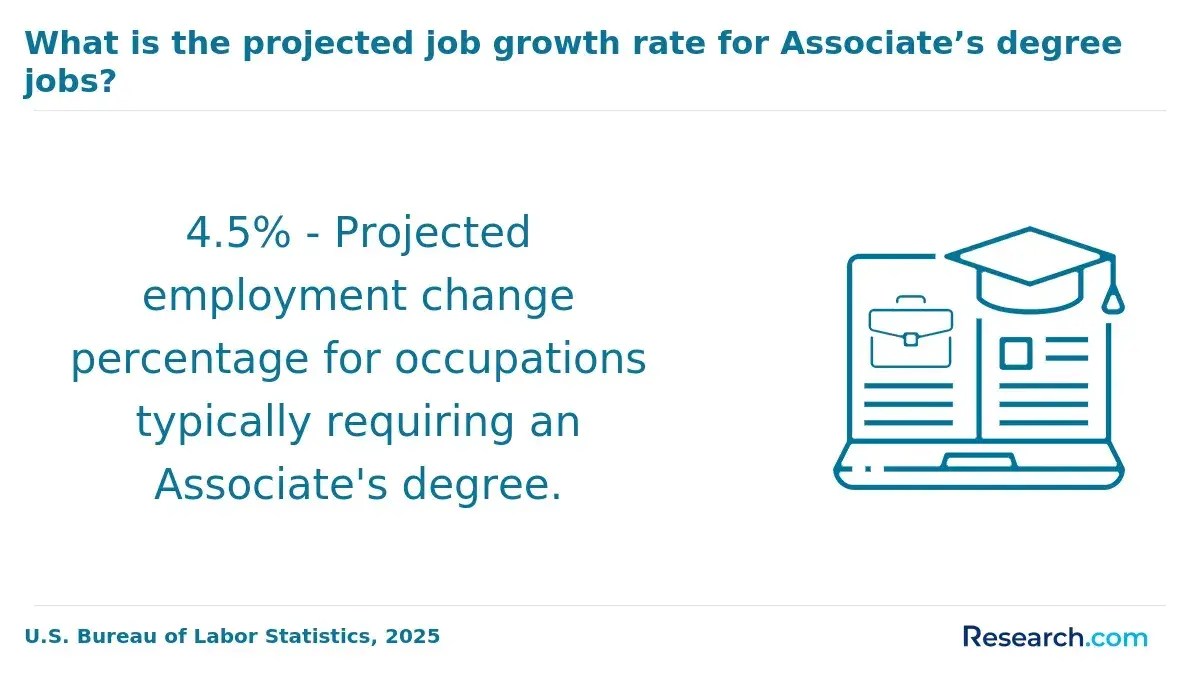
The entry-level market for applied science graduates exhibits a complex balance between graduate supply and employer demand, influenced by both industry-specific growth and skill expectations. Despite a steady increase in job postings-around 5% year-over-year as reported by the Hiring Lab-competition remains stiff due to employers frequently requiring experience beyond typical new graduates' reach.
This dynamic creates a bottleneck where degree holders often contend with both peers and seasoned professionals pivoting into the field. As a result, about one-quarter of bachelor's degree recipients work outside their field or in lower-skilled roles within their first year, according to the National Association of Colleges and Employers. The nuance lies in uneven demand across sectors and regions, plus a premium placed on practical internships and certifications.
Key factors shaping this competitive landscape include:
- Graduate Volume: The growing number of applied science graduates elevates competition, particularly where employer demand lags growth. Prospective applicants should assess regional and sector-specific hiring trends to target less saturated areas.
- Experience Expectations: Many entry-level postings expect prior internships or hands-on roles, effectively filtering out candidates lacking applied exposure. Candidates benefit from seeking early, relevant experiences.
- Industry Variability: Demand shows pockets of expansion-such as health sciences and environmental tech-while traditional manufacturing roles grow modestly. Graduates must align specialties with sectors exhibiting true growth.
- Geographic Concentration: Job availability is often regionally clustered, influencing competition intensity. Graduates open to relocation or remote roles can access broader opportunities.
- Specialization Impact: Certain subfields within applied science experience higher demand, reducing competition compared to generalist positions. Consideration of niche skills can improve market positioning.
- Skill Demonstration: Employers prioritize candidates who display applied knowledge through certifications or project work, which can differentiate applicants in crowded pools.
- Underemployment Trends: Temporary employment outside one's discipline remains a common fallback, suggesting graduates should weigh immediate job acceptance against long-term career alignment.
One recent graduate described navigating a saturated job market after earning a bachelor's in applied science. Despite submitting numerous applications, many positions required two or more years' related experience, which she had yet to accumulate. Concentrated primarily in the Midwest, she observed heightened competition for roles in mature manufacturing firms compared to expanding healthcare technology sectors elsewhere.
After several interviews yielded no offers, she strategically shifted focus to environmental technology companies in a neighboring state, where entry-level openings valued internship experience she had earned. This pivot required relocating and stepping outside her initial comfort zone but ultimately increased her prospects. Her experience illustrates that competition is not uniform and that aligning specialization, geography, and demonstrated skills critically influences hiring outcomes.
Which Industries Have the Greatest Demand for Applied Science Graduates?
Employer demand for applied science graduates is concentrated in sectors where technical expertise intersects with practical applications and evolving technologies. The strongest hiring indicators come from industries shaped by structural economic forces, such as demographic shifts, technological adoption curves, and regulatory environments that prioritize specialized scientific competencies.
Graduates comparing opportunities across sectors must consider not only job volume but also competition levels, required credentials, and long-term career trajectories. For example, while healthcare may offer abundant entry-level roles, technology firms often demand interdisciplinary skills combining applied science with computer science, requiring ongoing skill development but potentially yielding faster advancement.
- Healthcare Sector: Persistent demand driven by an aging population and advances in biomedical technology creates roles for biomedical technicians, clinical lab technologists, and health data analysts. Employers prioritize candidates with hands-on training in diagnostic tools and health informatics, valuing practical experience alongside academic credentials.
- Technology Industry: High-growth segments in software quality assurance, cybersecurity, and telecommunications seek graduates skilled in applied research and hardware testing. Employers in this sector often require interdisciplinary knowledge coupled with adaptability to rapid technological changes.
- Manufacturing and Automation: Industry 4.0 initiatives boost demand for applied science graduates in roles that integrate robotics, AI, and quality control. This sector favors interdisciplinary expertise and practical problem-solving aptitude to manage advanced production systems.
- Environmental and Energy Fields: Rising focus on sustainability and regulatory compliance leads to growing openings in environmental testing, energy efficiency, and renewable energy technologies. Skills in environmental sampling and sustainable design are critical for success.
- Regional and Market Variations: Employer expectations and job availability often vary significantly by location, company size, and degree level, making practical experience and internships crucial differentiators for graduates navigating this competitive landscape.
The alignment of applied science industry demand in the United States with these hiring sectors illustrates nuanced supply-demand dynamics that prospective students and current degree holders must analyze carefully. This practical perspective complements broader workforce insights while emphasizing that education choices must balance skill acquisition, employment prospects, and long-term career planning effectively.
For those considering cross-sector pathways or evaluating program affordability, examining resources like the top MBA online offerings can provide additional strategic context.
Where are Applied Science Graduates Most in Demand?
National employment figures for applied science graduates often mask substantial regional disparities driven by local industry clusters, educational resources, and workforce needs. Coastal technology hubs, such as Silicon Valley and Boston, showcase abundant job postings but also face intense competition due to dense applicant pools and elevated living costs.
For a graduate weighing these options, relocating to a less saturated yet growing center like Raleigh-Durham or Denver may offer better prospects in terms of both securing a position and balancing cost of living, especially where remote or hybrid roles increasingly supplement geographic constraints.
Employer demand in applied science is closely tied to sectors with concentrated innovation and capital investment, such as healthcare technology, advanced manufacturing, and environmental sciences. While metropolitan regions with significant research institutions draw established candidates, many interior and rural areas experience critical shortages, reflecting a gap between degree production and local employer needs.
This imbalance suggests graduates willing to adapt skill sets, certifications, or relocation plans can often access less crowded labor markets, though practical considerations around infrastructure, career growth potential, and specialization alignment remain pivotal for long-term success.
Which Applied Science Specializations and Degree Levels Face the Strongest Demand?
Demand within applied science specializations is highly uneven, concentrating around specific fields and degree levels that align closely with evolving technology trends and employer needs. Labor market data reveals clear disparities between degrees prone to oversupply versus those with robust demand.
For example, a bachelor's graduate in cybersecurity may experience considerably stronger hiring prospects than another graduate holding an associate degree in manufacturing technology from a region with stagnant industrial growth. This divergence highlights the importance of selecting both specialization and credential level strategically to optimize labor market outcomes. Key degree and specialization combinations with significant employer demand include the following:
- Bachelor's Computer Science Fields: High demand for expertise in cybersecurity, software development, and data analytics stems from rapid digital transformation fueling job openings. Employers prioritize candidates with practical coding skills, security certifications, and adaptability to evolving tech environments.
- Master's Bioengineering and Biomedical Fields: Advanced degrees in biomedical engineering and related applied sciences reflect growing need for leadership and specialized problem solving in healthcare innovation and medical device development. Graduate-level credentials often differentiate candidates in these complex roles.
- Bachelor's Environmental Science Specializations: Rising regulatory pressures and public health awareness drive demand for environmental scientists, particularly those with data management and policy analysis capabilities linked to sustainability and compliance.
- Associate Degrees in Technical Trades: These typically face oversupply challenges in many locales, especially where industrial sectors have stagnated or contracted, resulting in more qualified graduates than viable positions.
- Master's Data Analytics Programs: Demand for advanced analytical skills continues to expand across industries requiring data-driven decision-making, with premium placed on capabilities in statistics, machine learning, and domain expertise.
- Certification-Enhanced Bachelor's Degrees: Employers often require or strongly prefer candidates who combine formal degrees with certified competencies or relevant hands-on experience, notably in sectors like cybersecurity and environmental applied sciences.
Source data from the U.S. Bureau of Labor Statistics, LinkedIn Workforce Insights, and Lightcast converge on these patterns, reflecting how supply and demand align unevenly across applied science disciplines and education tiers.
Are Employer Skill Gaps Affecting Demand for Applied Science Graduates?
The current demand for applied science graduates reflects not a simple shortage of candidates but a deficit in graduates equipped with the specific technical capabilities, professional experiences, and industry-aligned competencies employers require.
Hiring managers often prioritize applied experience with digital tools, project-based accomplishments, and certifications over theoretical knowledge alone. For example, engineering roles demanding proficiency in specialized software or environmental science positions requiring regulatory familiarity often remain unfilled despite a seemingly adequate candidate pool, illustrating how skill mismatches distort perceptions of oversupply or undersupply.
These nuances highlight the importance of evaluating program outcomes beyond headcount to understand real workforce alignment.
Regional skill shortages for applied science graduates further complicate this dynamic, as geographic clusters of demand intensify recruitment from narrower graduate subsets while other areas face candidate surpluses. Variability in curriculum focus on communication, teamwork, and cross-disciplinary expertise increases hiring competition for candidates with well-rounded but role-specific profiles.
Prospective students and degree holders should therefore carefully consider program choices that emphasize internships, hands-on projects, and industry-standard practices. Those exploring pathways like a computer science degree online can particularly benefit from targeted skill development designed to bridge these gaps and improve employability in competitive applied science fields.
An overreliance on volume metrics risks overlooking persistent vacancies caused by employer dissatisfaction with readiness, which limits long-term workforce opportunities.
Institutions and learners must recognize that program relevance and alignment with hiring criteria-including software competencies, communication skills, and applied problem-solving-drive true demand. Failure to address these priority areas can lead to extended hiring cycles, inefficient talent matching, and missed chances to leverage graduates in critical technology and environmental domains.
What is the Future Supply-and-Demand Outlook for Applied Science Graduates?
Targeted job searches in applied science consistently yield better results than mass, unfocused applications because they allow graduates to align their qualifications with employer needs more precisely. For instance, a graduate focusing on entry-level environmental health technician roles in regions with documented shortages can better allocate their effort than someone applying broadly across unrelated specialties.
This approach prioritizes industries and locations with stronger demand, enables resume tailoring using employer language, and emphasizes relevant hands-on experience or certifications to demonstrate job readiness. Graduates who scatter applications without such focus risk lower interview conversion rates and prolonged job searches despite a growing supply of applied science graduates.
Understanding local and sectoral employment trends is crucial, as applied science graduate employment trends in the US reveal uneven demand concentrated in metropolitan tech hubs and specialized manufacturing sectors.
Networking and timing applications to coincide with hiring cycles further enhance outcomes but do not substitute for clear evidence of relevant skills and practical projects. Investing effort in roles where one's qualifications closely match stated requirements offers a more efficient path to employment than volume-based strategies, helping navigate the competitive landscape shaped by shifting economic and supply chain factors.
Integrating data from resources like the U.S. Bureau of Labor Statistics and Lightcast supports these conclusions, emphasizing specialized skills and certifications as differentiators in a market where oversupply in generalized applied science credentials can dilute individual prospects.
Graduates can also explore introvert jobs within applied science fields that suit their strengths and meet localized demand, refining their search to maximize return on effort while adapting to nuanced employer expectations.
References
- Is the STEM Job Shortage Overhyped? https://www.ascd.org/el/articles/is-the-stem-job-shortage-overhyped
- What Employers Actually Want From Graduates https://bodyswaps.co/resources/blog/what-employers-actually-want-from-graduates
- Annual Grad Report — ZipRecruiter Economic Research https://www.ziprecruiter-research.org/annual-grad-report
- Top Degrees in Demand for the Future: 2026 & Beyond https://skillifysolutions.com/blogs/career-growth/top-degrees-in-demand-for-the-future/
- How Changing College Majors Are Reshaping the Future Workforce — The Burning Glass Institute https://www.burningglassinstitute.org/bginsights/how-changing-college-majors-are-reshaping-the-future-workforce
- Does Britain have too many graduates? https://theconversation.com/does-britain-have-too-many-graduates-46349
- Learn about The 10 Most In- Demand Majors. https://studyfans.com/en/blogs/970
- Applied Sciences Degree Meets Job Market Demands – Alumni Satisfied with Career Progression https://www.novia.fi/en/news/news/applied-sciences-degree-meets-job-market-demands-alumni-satisfied-with-career-progression
- High-Paying Career Options in Applied Science https://galgotiacollege.edu/high-paying-career-options-in-applied-science
- Applied associate of science degrees: Pathways for workforce and transfer - Community College Daily https://www.ccdaily.com/2025/07/applied-associate-of-science-degrees-pathways-for-workforce-and-transfer/
Other Things You Should Know About Applied Science
Employers increasingly seek candidates with practical, hands-on experience that closely aligns with industry practices. Students should prioritize programs with strong cooperative education, internships, or project-based learning components, as these elements improve real-world readiness. Rigidly theoretical curricula, while academically thorough, may not translate into immediate workplace skills, potentially limiting early career opportunities despite degree reputation.
Degrees that incorporate interdisciplinary training can offer flexibility, but they also risk diluting technical depth that employers value. Prospective students should consider whether the program balances cross-disciplinary skills with robust core applied science competencies, as overly broad degrees might signal less specialization. In practice, graduates from narrowly focused programs tend to face clearer pathways and more targeted roles, which can be advantageous in competitive job markets.
High workload programs, while challenging, often develop critical problem-solving abilities and resilience prized by employers, but can also lead to burnout or longer time to graduation. Students must assess their capacity for sustained intensive study against these benefits.
Programs that overload students without sufficient practical application may inflate academic rigor without enhancing employability, so choosing balanced programs that integrate hands-on work with manageable coursework is generally preferable.
Many industries hiring applied science graduates anticipate continual professional development beyond the degree, often requiring certifications or specialized training. Awareness of this expectation is crucial; students should evaluate if their chosen program prepares them for these requirements or if additional investment will be needed after graduation.
Prioritizing degrees that build foundational knowledge aligned with common professional credentials can reduce the friction and cost of ongoing workforce integration.