2027 Applied Science Salary Trends Report: Are Wages Keeping Up With Tuition and Inflation?

Co-Founder and Chief Data Scientist
A prospective applied science student faces a critical decision: does the financial return from a degree justify the rising costs of tuition and the broader effects of inflation? As tuition fees climb steadily, comparing starting salaries and career growth with these expenses becomes essential.
Inflation further complicates the picture by eroding purchasing power, meaning nominal salary increases may not translate to real financial gains. This scenario highlights a key challenge for students and graduates trying to assess education value beyond headline figures.
Salary growth, tuition inflation, and overall cost-of-living changes often move at different rates, making simple comparisons inadequate. Evaluating long-term earning potential requires examining how these factors interplay over time.
This article analyzes applied science salary trends alongside tuition costs and inflation, focusing on return on investment, affordability, and the forces shaping the financial worth of an applied science degree. It aims to provide a clear, data-informed framework for students and graduates weighing their educational and career options.
Key Things to Know About Applied Science Salary Trends
- Graduate wages in applied science have grown modestly by 2.5% annually since 2022, lagging behind a 5% average rise in tuition, meaning debt repayment strain may offset income gains.
- Inflation-adjusted earnings for entry-level roles fell 1.8% in 2023, indicating purchasing power erosion despite nominal salary increases, which affects post-graduation financial stability for many.
- Specialization in emerging fields like renewable energy or advanced manufacturing correlates with 15-20% higher earnings over a decade, emphasizing targeted study to maximize long-term income potential.
- What Is the Current Salary Outlook for Applied Science Graduates? Salary Outlook
- Are Applied Science Salaries Keeping Up With Inflation? Inflation Impact
- How Do Tuition Costs Compare With Applied Science Salary Growth? Tuition vs Salary
- Does a Applied Science Degree Deliver a Positive Return on Investment? Degree ROI
- Which Industries Offer the Highest Salaries for Applied Science Graduates? Which Industries Offer the Highest Salaries for Applied Science Graduates?
- Which States and Cities Offer the Highest Pay for Applied Science Professionals? Which States and Cities Offer the Highest Pay for Applied Science Professionals?
- How Do Applied Science Salaries Grow Throughout a Career? Career Growth
- How Do Applied Science Salaries Compare With Similar Degrees? Salary Comparison
- How Is Employer Demand Affecting Applied Science Salary Trends? Employer Demand
- How Can Students Maximize Their Lifetime Earnings With a Applied Science Degree? Maximizing Earnings
What Is the Current Salary Outlook for Applied Science Graduates?
Applied Science graduate salary trends in the US reveal a cautious optimism tempered by economic realities. Median wages in this field typically range from $60,000 to $95,000, varying significantly by specialization and experience, according to the U.S. Bureau of Labor Statistics.
For example, environmental scientists earned about $78,000 in 2023, with a steady job growth forecast of 8%, while biomedical engineers commanded median annual salaries near $94,000. However, starting salaries have been increasing only slightly faster than inflation, about 5% annually, which means that rising wages are just beginning to balance the rising costs of tuition and living expenses that have been escalating at similar or higher rates over the past decade.
Consider two recent Applied Science graduates: one entering renewable energy with internship experience, and another starting in a traditional manufacturing role without such experience. Despite holding the same degree, the graduate focusing on renewable energy is more likely to surpass entry-level earnings quickly due to higher sector demand and emphasis on emerging technologies, as suggested by the U.S. Department of Education's College Scorecard data.
This example illustrates how average earnings for Applied Science degree holders can diverge substantially based on chosen industry and hands-on experience. Evaluating salary outlooks solely by initial pay risks overlooking the significant role of long-term career growth, sector dynamics, and skills development, all of which influence earning potential over time.
Graduates considering their return on investment should also be aware that programs offering practical experience, such as internships or cooperative education, often yield better early salary outcomes.
For those weighing expedited educational paths, options like 1-year online master's programs can provide cost-effective ways to gain credentials with less financial pressure. Ultimately, the salary outlook for Applied Science graduates is complex, requiring a nuanced understanding of market trends, inflation effects, and individual career decisions rather than relying on broad averages or entry-level figures alone.
Are Applied Science Salaries Keeping Up With Inflation?
Nominal wage increases in applied science roles have averaged about 3.5% annually over recent years, according to the U.S. Bureau of Labor Statistics, but this growth frequently lags behind an inflation rate near 4.2%. This disparity means that applied science salary trends vs inflation reveal a subtle erosion of real income, reducing the purchasing power of graduates and professionals in these fields.
For instance, a recent graduate entering an engineering technician role with a starting salary increase that matches the average 3.5% nominal rise may find that their actual living expenses, including housing and transportation, have increased disproportionately, effectively shrinking their disposable income and making debt repayment more challenging.
When weighing the decision to pursue an applied science degree, particularly against the backdrop of rising tuition costs exceeding 5% annually, it is crucial to consider whether applied science wages are keeping pace with tuition and other costs. Sub-disciplines tied to rapidly growing sectors, like biomedical engineering or data analytics, tend to offer wage growth that aligns better with inflation, while others such as environmental technologists often face slower increases.
Prospective students should factor in these nuances alongside institutional choices and supplemental skills acquisition. Exploring options such as a master's in psychology might provide a contrasting economic profile worth evaluating when considering long-term financial resilience in a volatile economic landscape.
How Do Tuition Costs Compare With Applied Science Salary Growth?
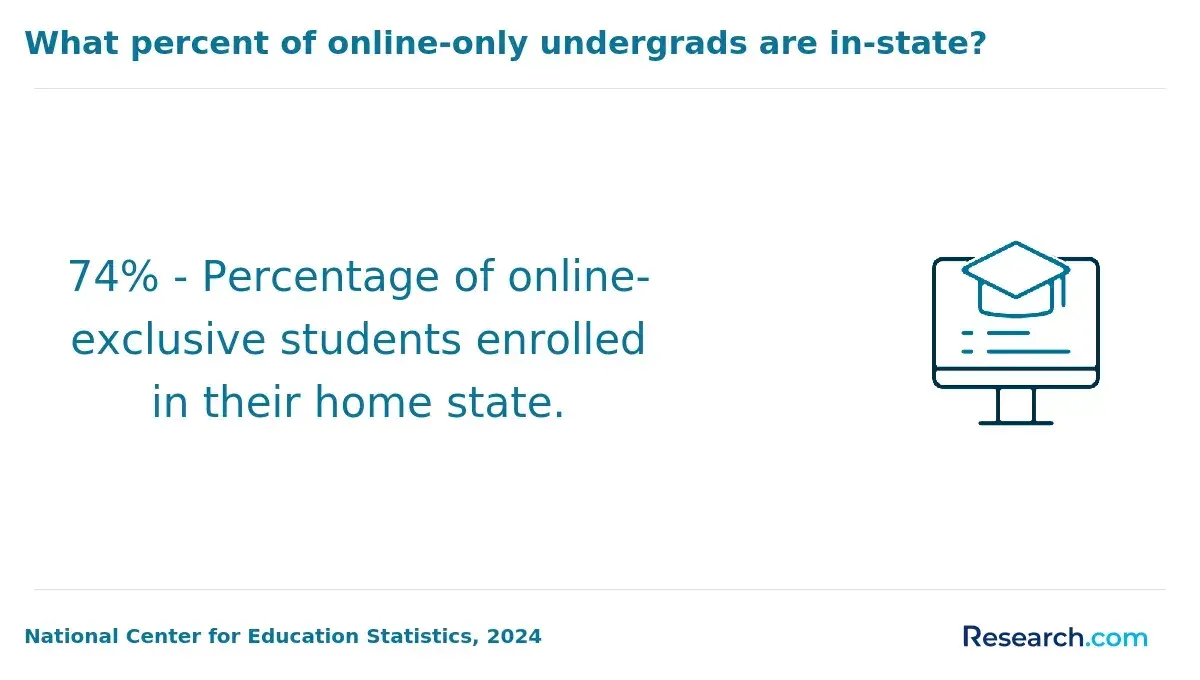
Analyzing tuition costs alongside salary progression reveals a more nuanced understanding of an applied science degree's financial value than assessing these metrics separately. From 2014 to 2024, average undergraduate tuition climbed roughly 3.5% annually, outpacing inflation and resulting in nearly 40% higher total costs over a decade, according to the National Center for Education Statistics.
Meanwhile, early-career salaries for graduates have seen nominal rises of about 2% per year, with real wages remaining stagnant or slightly declining when adjusted for inflation, based on recent Bureau of Labor Statistics data.
This divergence suggests the initial financial strain of education is increasing faster than graduates' immediate earning power, making it critical for prospective students to evaluate not only tuition but also realistic salary expectations within their regional job markets and personal financial circumstances.
Consider a student weighing two schools: one with a $10,000 annual tuition and modest local salary growth, the other with $15,000 tuition but access to a booming job market where applied science salaries increase by 4% annually after 10 years. Although the higher tuition demands greater upfront investment, the stronger mid-career wage gains may offset initial costs over time.
However, this balance is fragile, influenced by factors such as scholarship availability, loan interest rates, and cost-of-living changes. The disparity between upfront expenses and salary growth underscores the importance of personalized financial projections rather than assuming uniform returns on investment across the applied science field.
One graduate recalled hesitating before enrolling due to rising tuition but ultimately chose a public university offering scholarships and part-time work opportunities. Early on, salary increases didn't outpace living costs, which heightened financial pressure. Over time, experience and strategic job shifts led to moderate income growth, easing debt repayment.
This experience illustrated that while tuition rises have tightened budgets, careful planning and regional economic conditions can still enable a viable return on an applied science degree.
Does a Applied Science Degree Deliver a Positive Return on Investment?
The concept of return on investment in higher education goes beyond initial salaries, encompassing the balance between tuition costs, long-term earning potential, career stability, and professional advancement. An applied science degree, for instance, can provide a substantial financial advantage relative to a high school diploma by opening doors to technical roles that often pay above median income levels.
However, this return depends heavily on variables like program affordability, the specific field within applied science, and the regional job market. For example, a graduate entering environmental science through a state university with manageable debt may recoup educational expenses within a decade, whereas attending a costly private institution with weaker industry connections could extend that timeline significantly.
Recent data from the U.S. Department of Education and the National Center for Education Statistics indicate that individuals holding applied science degrees typically experience solid median earnings increases, with many recovering their educational costs between 7 and 10 years after graduation.
Still, this outcome is not guaranteed and is sensitive to factors such as rising tuition fees, inflation's impact on real wages, and economic cycles affecting job security. Programs linked closely to sectors like engineering technology or computer applications tend to yield stronger returns because of higher demand and wage growth. Ultimately, achieving a positive return requires students to carefully weigh debt load against projected income trajectories in dynamic labor markets.
Which Industries Offer the Highest Salaries for Applied Science Graduates?
Applied science graduates face critical decisions when selecting industries that not only match their skills but also maximize long-term salary growth. Rising tuition costs and inflation necessitate thoughtful career targeting toward sectors with strong wage trajectories and demand for specialized expertise.
Data from the U.S. Bureau of Labor Statistics and the National Science Foundation highlights several key industries leading in compensation for applied science professionals. For those weighing the return on investment of their education, understanding where top US sectors by applied science salary are found is essential. Below are several of the highest paying industries for applied science graduates, illustrating where the greatest earning potentials lie.
- Technology Sector: Innovation-driven fields like software publishing, semiconductor manufacturing, and information services consistently offer top compensation. Roles in product development, data analysis, and research benefit from rapid capital investment and evolving tech ecosystems, rewarding applied science graduates with skills in programming, systems engineering, and data science.
- Healthcare Industry: Biomedical engineering, pharmaceutical manufacturing, and health informatics are growth areas fueled by advancements in medical technology and personalized care. Graduates with knowledge of biology, material science, and data management secure competitive salaries aligning closely with inflation.
- Renewable Energy: As climate initiatives accelerate, renewable energy firms and environmental consulting expand employment opportunities with rising wages. Expertise in sustainable technologies, environmental impact assessment, and engineering design commands premiums driven by regulatory and corporate sustainability priorities.
- Finance and Consulting: Data science, analytics, and risk assessment roles in finance leverage applied science methods to inform investment and management decisions. These positions benefit from rapid salary growth as businesses rely more heavily on quantitative modeling and big data strategies.
- Manufacturing and Industrial Engineering: Specialized manufacturing, particularly involving advanced materials or automation, offers competitive pay that reflects technical complexity. Applied science graduates with skills in process optimization, robotics, and quality control find sustained demand in these sectors.
- Environmental Services: Demand for environmental monitoring, pollution control, and sustainability consulting drives salaries upward. Professionals integrating scientific analysis with regulatory compliance play critical roles, particularly as public and private sectors invest more in ecological stewardship.
In practical terms, a graduate choosing between a traditional manufacturing role and a position in renewable energy might find that even entry-level salaries in the latter are significantly higher and grow faster due to ongoing policy support and industry growth. Exploring specialized credentials, such as those available through UI UX master's degree online programs, can further enhance employability and earning potential in tech-driven applied science areas.
Which States and Cities Offer the Highest Pay for Applied Science Professionals?
Salary figures for applied science professionals in 2024 vary widely based on location, reflecting distinct economic ecosystems and living costs. While some high-paying areas reward specialized skills with salaries well above $100,000 annually, these come with increased expenses that can diminish overall financial gain. For students and recent graduates, weighing the balance between paycheck size, industry presence, and affordability is crucial when picking where to live and build a career.
The following locations offer some of the highest compensation for applied science roles, each shaped by unique industry drivers and cost-of-living considerations:
- California Bay Area: This tech-centric region, including San Francisco and San Jose, leads in top salaries that often surpass $110,000. The concentration of advanced engineering, software, and biotech companies fuels demand, yet the substantial cost of housing means that strong wages are often offset by steep living expenses.
- Massachusetts Research Corridor: Boston and Cambridge host a dense cluster of biotech firms and prestigious research institutions where median wages exceed $105,000. The area's innovative environment supports rapid wage growth, though tuition and metropolitan costs remain high, requiring thoughtful financial planning.
- Seattle Metropolitan Area: With major aerospace and technology employers, Seattle offers competitive pay close to $100,000. Professionals benefit from vibrant STEM ecosystems but should account for rising housing prices that impact net disposable income.
- Texas Metro Markets: Cities such as Austin and Dallas provide moderately high salaries between $80,000 and $95,000 paired with lower housing and transportation costs. This combination often allows for more disposable income and faster accumulation of savings compared to higher-cost states.
- Denver and Colorado Front Range: Offering salary ranges similar to Texas but with a growing tech and research sector, Colorado attracts applied science workers seeking a balanced lifestyle. The cost of living is higher than some secondary metro areas but remains below coastal hubs, giving it a competitive edge.
Consider a graduate choosing between San Francisco and Dallas. While San Francisco's salary might be $25,000 higher, elevated rent and taxes could consume much of that difference, making Dallas a more sustainable option for building wealth early in a career. Such decisions underscore the importance of evaluating earnings in context, factoring in both local market wages and living expenses.
How Do Applied Science Salaries Grow Throughout a Career?
Early-career salaries for applied science graduates generally fall between $55,000 and $70,000 annually, though geographic and disciplinary differences can create notable variation. Over the first five years, earnings often grow 20% to 30% as individuals build skills and earn certifications that align with their employers' pay frameworks.
Moving into mid-career stages, between five and 15 years of experience, typical salaries rise further to roughly $85,000 to $110,000, reflecting increased technical expertise and opportunities for supervisory roles.
For those who advance beyond 15 years, compensation often reaches $120,000 to $160,000 or higher, particularly when combined with leadership responsibilities or advanced degrees, according to recent reports from the National Association of Colleges and Employers and the American Society of Engineering Management.
Consider two applied science graduates starting at similar pay levels: one chooses to specialize deeply and earns a master's degree, while the other remains in generalist technical roles. With comparable work experience, the specialist's earnings tend to outpace those of the generalist as they assume leadership roles and manage complex projects.
Key factors driving substantial salary growth over time include continuous professional development, gaining cross-disciplinary knowledge, and moving into management or strategic roles within sectors that value advanced qualifications and expertise. This uneven progression demonstrates that early salary figures alone do not guarantee long-term financial benefits without critical career decisions and skill enhancements.
One graduate recalled feeling uncertain midway through their career about whether to pursue a graduate degree or remain in their current role. The decision carried financial risk and workload concerns, but after completing a specialized master's, they quickly saw salary improvements and new job offers. This experience highlighted how targeted investment in education and calculated career moves strongly influence the trajectory of applied science earnings more than tenure alone.
How Do Applied Science Salaries Compare With Similar Degrees?
The earnings landscape for applied science graduates, while competitive, reflects a nuanced hierarchy when compared with related degree programs. Median salaries for applied science hover around $75,000 annually, which is respectable but generally fall below the early-career pay seen in engineering and computer science fields. This pay scale difference often stems from the specific technical depth and demand in these latter areas.
However, when accounting for real-world factors such as tuition inflation and steady income growth, applied science remains a practical choice, especially for those targeting sectors like manufacturing and technology.
Understanding these distinctions in salary trajectories helps students and career movers assess the true value behind an applied science degree amid economic pressures and rising education costs. The following points highlight key contrasts in salaries and career prospects across related fields.
- Engineering: Engineering graduates tend to earn a median salary near $85,000 early on, benefiting from specialized, high-demand technical expertise. Careers often focus on design, development, and problem-solving in complex systems, driving higher pay due to critical industry needs and licensure opportunities.
- Computer Science: Median earnings for computer science grads exceed $90,000 early in their careers, reflecting strong market demand for programming, software development, and data analysis skills. Wage premiums here are tied to rapid sector growth and innovation-driven company investments.
- Pure Science Fields: Fields like physics and biology usually feature lower median salaries than applied science, emphasizing theoretical knowledge with less direct industry application. These jobs, often in research or academia, may have slower income growth and less resilience against inflation.
- General Technology Studies: Applied science salaries are often higher than general technology graduates due to a more targeted skill set aligned with industry needs. Practical training in applied science attracts employers seeking immediate technical contributions, resulting in steadier wage growth.
For those exploring education options aligned with career goals, considering annual salary benchmarks alongside post-graduation income trends offers valuable insight into the investment payoff of an applied science degree.
Applied science programs, in many cases, balance cost versus return effectively, particularly compared with non-STEM or purely theoretical paths. Prospective students can also examine fields offering specialized credentials or pathways, including sectors connected to ASHA-accredited SLP programs, as part of their broader research into viable professions.
How Is Employer Demand Affecting Applied Science Salary Trends?
Employer demand significantly shapes applied science salary trends by intensifying competition for qualified candidates and influencing hiring activity. For instance, in sectors like renewable energy-where shortages of specialized talent persist-companies often enhance compensation packages, including signing bonuses and benefits, to attract skilled professionals.
According to a 2024 U.S. Bureau of Labor Statistics report, demand for applied science occupations grows faster than average, pushing wages upward but not uniformly across all specialties. This employer demand impact on applied science salaries varies based on industry-specific needs, often rewarding those with niche expertise more generously.
However, strong employer demand alone does not guarantee consistent salary growth outpacing inflation. The National Association of Colleges and Employers highlights that while areas such as data analytics exhibit notable gains, overall salary trends in applied science struggle to fully offset rising tuition and living costs.
Factors like experience level, economic fluctuations, and organizational budget constraints also play critical roles in determining pay. Prospective students evaluating whether an applied science degree justifies its cost should consider both short-term wage prospects and potential long-term growth.
In assessing educational pathways, those balancing cost and time investment might explore options like a shortest MBA program online to complement their technical skills with business acumen, potentially enhancing earnings. Understanding how employer demand affects salary trends by industry demand is essential for making informed decisions about return on investment in applied science careers, especially amid ongoing shifts in labor market conditions and tuition dynamics.
How Can Students Maximize Their Lifetime Earnings With a Applied Science Degree?
Maximizing lifetime earnings with an applied science degree requires focused decisions beyond merely completing coursework. According to 2024 data from the U.S. Bureau of Labor Statistics and the National Center for Education Statistics, graduates who strategically navigate industry demands and skill development see significantly improved financial outcomes.
For instance, a student specializing in data science who pursues advanced certifications while gaining experience through internships in a technology hub may realize a 20-30% income premium over peers. The following strategies help applied science students translate academic credentials into enduring economic value.
- Industry Specialization: Target high-growth sectors like biotechnology, renewable energy, or healthcare where demand and salaries are rising rapidly. Focusing studies and job searches in these fields aligns skills with market needs, supporting sustained earnings increases.
- Advanced Credentials: Earning master's or doctoral degrees can boost lifetime earnings by up to 30%, as reported by the Georgetown University Center on Education and the Workforce. Pursuing these during or post-degree strengthens expertise and opens leadership opportunities.
- Emerging Technology Skills: Building competence in AI, machine learning, or cybersecurity addresses talent shortages and commands premium pay. Continuous learning ensures relevance amid evolving tech landscapes.
- Location Strategy: Living in metropolitan areas with strong research clusters enhances access to better paying roles and professional networks, crucial for salary growth.
- Practical Experience: Internships and co-op programs provide real-world skills and increase employability, often resulting in higher starting salaries and faster progression.
- Interdisciplinary Capabilities: Combining technical knowledge with business, communication, or project management skills enables graduates to pursue leadership positions associated with the highest income levels.
References
- Is College Worth it? | Return on Investment Analysis of College Degree https://educationdata.org/college-degree-roi
- High-Paying Career Options in Applied Science https://galgotiacollege.edu/high-paying-career-options-in-applied-science
- Why is the cost of college rising so fast? https://ssti.org/blog/why-cost-college-rising-so-fast
- Polish Graduate tracking system - articles https://ela.nauka.gov.pl/en/labor-market/earnings_and_regions_poland
- Applied Sciences Degree Meets Job Market Demands – Alumni Satisfied with Career Progression https://www.novia.fi/en/news/news/applied-sciences-degree-meets-job-market-demands-alumni-satisfied-with-career-progression
- Does College Pay Off? A Comprehensive Return On Investment Analysis - FREOPP https://freopp.org/whitepapers/does-college-pay-off-a-comprehensive-return-on-investment-analysis/
- Five careers you can explore when studying Applied Science https://www.midkent.ac.uk/news/blog/five-careers-you-can-explore-when-studying-applied-science
- Data scientists: High demand, rebounding wage growth https://www.adpresearch.com/main-street-macro/data-scientists-high-demand-rebounding-wage-growth
- How much do graduates of universities of applied sciences earn? https://www.organisator.ch/en/further-education/2025-05-19/wie-viel-verdienen-fachhochschul-absolventen-und-absolventinnen/
- Top 15 Highest Paying Business Degree Jobs in 2025 UK & Global Guide https://apexlearning.org.uk/highest-paying-science-jobs-2026/
Other Things You Should Know About Applied Science
The significant variation in curricula and experiential learning opportunities across applied science programs directly affects graduate preparedness and, consequently, salary potential. Programs emphasizing practical internships, industry projects, or certifications generally position students for higher initial wages, as employers value tangible skills and real-world problem-solving.
Prospective students should prioritize programs with strong employer connections and hands-on components over those with purely theoretical approaches, as this tradeoff often leads to better early-career compensation.
Applied science degrees often demand rigorous coursework and substantial time investment, which can delay entry into the workforce and add to personal costs. While high workload intensity may indicate a quality program that builds advanced skills, it can also lead to burnout and reduce opportunities for work experience or networking during study.
Students must balance the depth of skill acquisition against the opportunity cost of extended study; choosing programs that integrate practical experience and manageable workloads may better support salary growth in the long term.
Rising employer emphasis on communication, teamwork, and adaptability creates a salary premium for graduates who complement technical knowledge with strong soft skills. Applied science graduates lacking these competencies may experience slower wage growth despite technical proficiency. Therefore, investing effort in developing leadership and collaboration abilities alongside technical training is often critical for maximizing salary potential across diverse employers and sectors.
Timing plays a crucial role in recouping tuition investment given rapid cost escalation. Applied science graduates whose salaries increase gradually over an extended period face a longer break-even horizon, amplifying financial strain amid inflation.
Prioritizing programs or specializations known for quicker salary advancement-such as those with clear paths to certifications or licensure-can shorten this timeline and make the financial tradeoff more manageable. In contrast, delaying workforce entry for degrees without strong early earning prospects risks deeper debt without immediate compensation benefits.