2027 Best Online Finance Degrees for Long-Term White-Collar Career Stability

Co-Founder and Chief Data Scientist
Facing a volatile job market and rising living costs, many professionals seeking stability in white-collar finance roles find traditional degree timelines impractical. The Bureau of Labor Statistics projects a steady 9% growth in financial analyst positions through 2032, yet balancing full-time work with degree completion often stalls career progress.
Meanwhile, the National Center for Education Statistics reports a 25% surge in adult enrollment in online finance programs since 2023, reflecting increasing demand for flexibility. These trends reveal a shifting landscape where access, timing, and program format critically influence successful career pivots and advancement. This article examines the best online finance degrees that optimize employability and long-term career stability under such constraints.
Key Things You Should Know
- Data from the U.S. Bureau of Labor Statistics shows online finance degrees accelerate entry into roles paying 15% above median early-career salaries, but limited in-person networking reduces access to exclusive employer pipelines.
- Employers prioritize candidates with integrated certifications-66% prefer degrees paired with CFA or CPA coursework-forcing tradeoffs between program length, cost, and credential stacking within online formats.
- Recent NCES data reveals online finance degree holders face 12% longer time-to-employment post-graduation than on-campus peers, amplifying opportunity costs critical for mid-career professionals balancing income loss and skill upgrading.
What is an online finance degree and how can it support long-term white-collar careers?
Online finance degrees offer measurable value beyond flexibility, particularly for professionals navigating the demands of full-time work while pursuing credentialing. Graduates must demonstrate technical skills in financial modeling, risk analysis, and regulatory compliance to meet employer expectations in sectors like banking or corporate finance.
Without integrated experiential components-such as virtual internships or case-based instruction-programs risk leaving students less prepared for immediate workforce application. Prospective students weighing online finance degree benefits for white-collar careers should consider tradeoffs in program design. Purely asynchronous formats may hinder networking and mentorship opportunities critical for mid-career pivots.
Conversely, programs emphasizing instructor engagement and practical exposure better position graduates for competitive hiring markets. Long-term career stability often depends on supplementing the degree with employer-recognized certifications such as CFA or CPA. This alignment with credential pathways supports sustained salary growth and mobility across industries, including healthcare administration and technology firms.
Access to partnerships with financial firms for real-world experience remains a decisive factor. Those evaluating an online education option might also explore related pathways, including an MBA operations management, which can expand leadership opportunities. Balancing program rigor against practical outcomes remains essential for candidates prioritizing both career transition and ongoing work responsibilities.
For working professionals, an online finance degree supports long-term career stability by equipping them with transferable skills valued across diverse white-collar fields.
How do online finance degrees compare with on-campus programs for quality and credibility?
Employers in financial services increasingly regard the quality and credibility of an online finance degree quality comparison with on-campus programs as largely equivalent when accreditation, curriculum rigor, and graduate preparedness align. This shift reflects in hiring practices where regional accreditation and synchronous, interactive learning formats of online programs match expectations previously dominated by traditional campuses.
For example, a personal financial advisor role, projected to grow 13% through 2032 by the U.S. Bureau of Labor Statistics, demands proficiency often validated through CFA or CFP preparatory courses accessible in both online and on-campus settings. However, tradeoffs exist between delivery modes. On-campus students benefit from direct access to local industry networks, internships, and alumni connections crucial in finance hubs like Boston or New York City.
Online learners, navigating the credibility of online versus on-campus finance programs, must intentionally cultivate virtual internships and digital networking, requiring advanced self-discipline but offering flexibility for those outside major markets. Logistical challenges such as coordinating live sessions across time zones and reduced in-person mentoring impact online students' experiential learning depth.
Despite these hurdles, the affordable online MBA landscape demonstrates that flexibility and comprehensive instruction can coexist without compromising professional readiness. Selecting a program demands assessing how well it supports career-relevant hands-on experience alongside accreditation and alumni outcomes.
What types of online finance degrees are available and which level do employers prefer?
Employers overwhelmingly prioritize candidates with at least a bachelor's degree in finance or related business disciplines when filling long-term white-collar roles. For instance, a large bank seeking financial analysts typically requires a bachelor's in finance or economics, ensuring applicants possess foundational skills in financial modeling and market analysis.
This preference reflects broader trends seen across the finance sector, where preferred education levels by finance employers in the US have steadily solidified around bachelor's credentials as the standard entry point. Master's degrees, including the online Master of Finance or MBA with a finance focus, open pathways toward senior roles or niches like portfolio and risk management in asset-heavy industries.
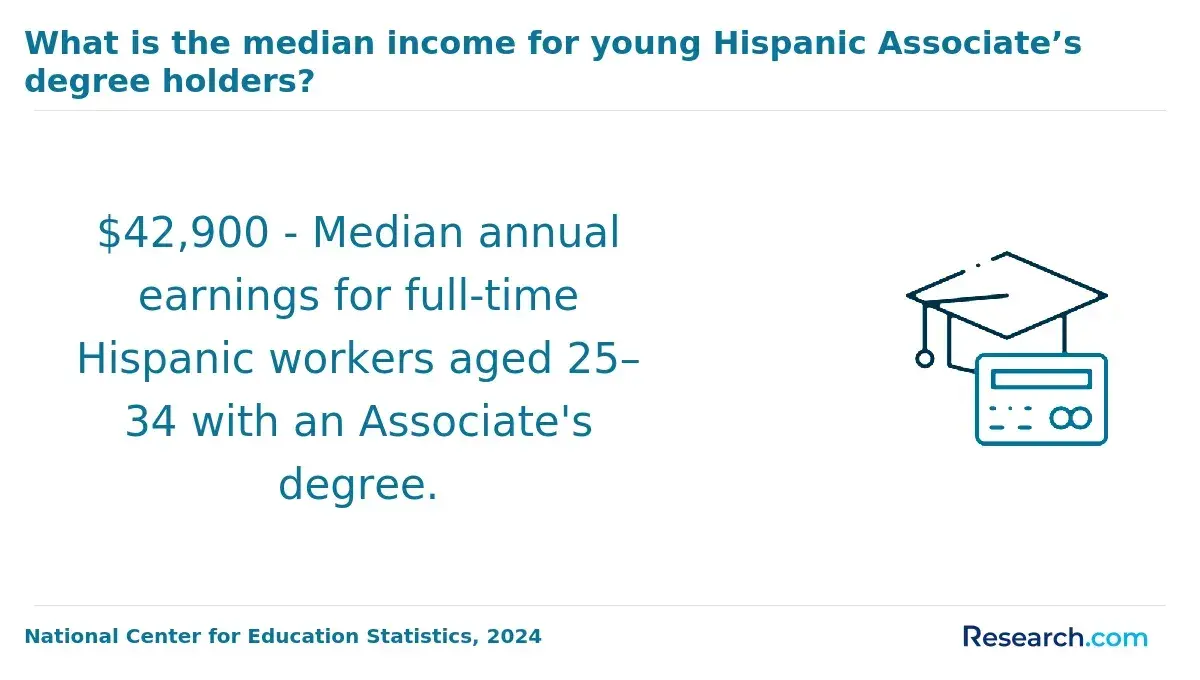
Such advanced programs often justify their time and cost with higher starting salaries and accelerated career trajectories. For professionals balancing work with study, considering the shortest MBA program online can reduce friction without sacrificing long-term returns. Associate degrees and certificate programs serve mainly as supplements for upskilling or career pivots but seldom secure white-collar stability alone.
They function best when integrated into a broader educational plan culminating in a bachelor's degree. The U.S. Bureau of Labor Statistics quantifies the impact, reporting a median wage of $80,050 for business and financial roles-about 55% higher than the median for all occupations-highlighting tangible earnings advantages linked to formal finance education.
When evaluating types of online finance degrees for career growth, candidates must thoughtfully balance immediate workforce entry using associate credentials against the evident long-term benefits of bachelor's and master's pathways, especially those offering practical components like internships or capstone projects that address employer demands for applied experience.
What accreditation should an online finance program have to protect my career options?
Regional accreditation recognized by the U.S. Department of Education or the Council for Higher Education Accreditation (CHEA) remains the defining standard affecting career options for online finance degrees in the United States. Degrees lacking this accreditation often face rejection by employers, graduate programs, and licensing bodies, significantly narrowing mobility across sectors like banking, corporate finance, and government roles.
National or programmatic accreditations carry limited practical weight when considered independently. Beyond regional recognition, accreditation from business-focused institutions such as the Association to Advance Collegiate Schools of Business (AACSB) or the Accreditation Council for Business Schools and Programs (ACBSP) shapes employer perceptions in investment banking and financial analytics.
Finance professionals targeting Fortune 500 corporate finance roles encounter a distinct advantage if their program is AACSB-accredited, often making the difference between eligibility and exclusion for internal corporate advancement or professional certifications like the Chartered Financial Analyst (CFA). Such credentials directly impact long-term earnings potential and career flexibility.
Considering lifelong earning potential exceeds $3 million-approximately 17% above the median for all bachelor's degrees, per Georgetown University CEW data-choosing a fully accredited online finance program carries tangible economic consequences. This underscores the importance of rigorous accreditation standards for online finance degrees in the United States, ensuring a degree's sustained relevance amid labor market fluctuations.
Students exploring cost-effective advanced education paths should also weigh options like a cheapest eMBA for strategic financial and managerial skill development. Deciding on an accredited program fundamentally influences access to credentials and roles critical for pivoting or advancing within the finance profession.
What courses and specializations are typically included in an online finance degree curriculum?
Quantitative proficiency and applied financial knowledge are essential prerequisites in online finance degree curricula, shaping candidates who meet employer demands for analytical rigor. Core courses cover financial accounting, corporate finance, investment analysis, and managerial economics-enabling graduates to analyze financial statements, assess capital frameworks, and weigh risk-return dynamics.
Specializations such as financial planning, risk management, banking, and data analytics offer targeted skills aligned with traditional and emerging sectors. In practice, corporate finance roles demand expertise in budgeting and capital markets, while positions in financial services emphasize compliance and portfolio oversight. Complementary courses in statistics, business law, and ethics reinforce decision-making capabilities.
Cost significantly impacts access: online options like Florida State College at Jacksonville's financial services degree, at $3,495 per year in-state, represent a fraction of the average $70,000 four-year tuition at traditional U.S. institutions. This affordability may broaden candidate diversity but requires students to balance specialization choices-such as risk management, which can narrow entry points-against broader finance tracks that allow greater employment flexibility.
Success in online finance programs also hinges on disciplined self-study and time management, essential for mastering quantitative methods and financial modeling without in-person instruction.
- Financial planning emphasizes client portfolio and regulatory knowledge.
- Risk management specialization may limit initial employment sectors.
- Cost-efficient online degrees expand workforce inclusion but require high self-motivation.
What are the admissions requirements and typical time to complete an online finance degree?
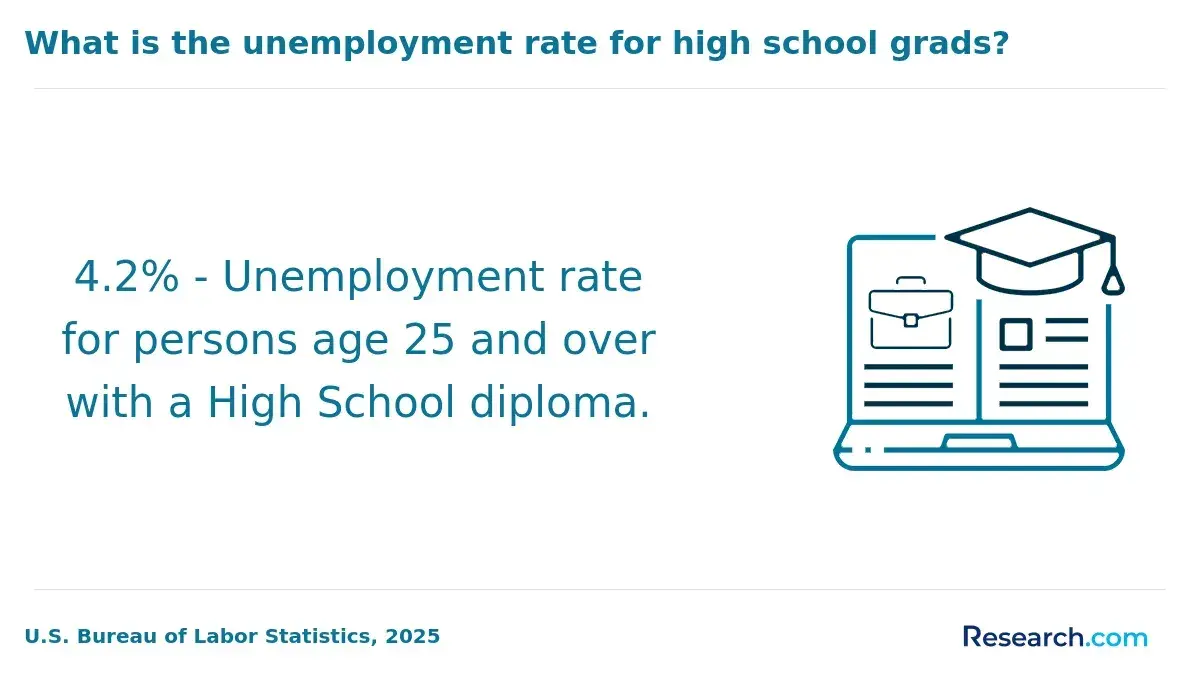
Admissions for online finance degrees increasingly prioritize academic performance and relevant experience over standardized test scores, reflecting a shift away from SAT or ACT requirements. Undergraduate applicants generally need a high school diploma or equivalent, while graduate candidates must hold a bachelor's in a related discipline, supported by competitive GRE or GMAT results and demonstrable quantitative skills.
Applicants lacking direct finance exposure often face prerequisite coursework before full acceptance. This selective baseline ensures a workforce-ready cohort, aligning academic entry with employer expectations. The realistic timeframe to complete such degrees depends heavily on enrollment status and credit transfers.
Bachelor's programs typically demand around 120 credit hours, equating to 3-4 years full-time study, though accelerated routes and credit transfer can reduce this to 2.5 years. Part-time students generally require 5 years or more, balancing professional duties alongside coursework.
Master's programs commonly stretch from 1 to 2 years full-time, with flexibility extended to 3-5 years for working professionals, a necessity given that about 33% of U.S. finance sector workers operated remotely part-time by early 2024. Effective planning requires a pragmatic approach:
- Assess program pacing relative to work cycles in finance sectors like asset management.
- Prioritize institutions with clear credit transfer policies to avoid redundant classes.
- Confirm curricula include applied skills such as financial modeling software and regulatory frameworks to meet employer demands.
- Seek programs offering robust advising and technical support to mitigate administrative delays.
This operational rigor reduces risk of protracted degree completion and enhances employability upon graduation, factors that directly impact career trajectory in a competitive market.
How much does an online finance degree cost and what financial aid can students use?
Selecting an online finance degree requires balancing upfront tuition costs with realistic employment outcomes. Bachelor's programs typically cost between $15,000 and $60,000, while graduate degrees often exceed $30,000, with public institutions offering lower rates for in-state residents compared to private schools. This price variance matters especially for professionals seeking to pivot careers, where immediate ROI depends on salary growth linked to newly acquired analytical competencies.
Financial aid strategies must be meticulously planned. FAFSA grants access to Pell Grants and subsidized loans, reducing financial strain for many students. Employer tuition reimbursement programs can fully offset costs if the finance role aligns with company priorities, a critical factor for working learners. Scholarships increasingly target finance and STEM fields, responding to projections of 30% growth in AI and data analytics roles in finance by 2027.
Market realities demand that roughly 44% of finance professionals refresh their core skills. Without such alignment, graduates risk investing in credentials with limited workforce relevance. Prospective students should synthesize federal aid, employer support, and targeted scholarships to mitigate net costs while emphasizing programs aligned with employer expectations and evolving analytics demands.
What finance careers, industries, and entry-level roles can graduates pursue with this degree?
Graduates holding an online finance degree face nuanced hiring dynamics that extend beyond credential acceptance to the practicalities of sector-specific skills. Though 92% of HR professionals now equate accredited online degrees with traditional credentials, employers in banking, investment, or corporate finance expect precise technical competencies and domain experience.
For instance, a budget analyst in corporate finance must master internal controls and forecasting software tailored to industry-specific operations. Conversely, a financial analyst role in investment firms demands advanced quantitative analysis, data modeling, and adherence to regulatory frameworks. Online degree programs vary widely in how well they prepare students for these expectations, often necessitating supplemental certifications like CFA or CFP for career advancement.
Real-world employability hinges on combining the degree with sharpened skills in platforms such as Bloomberg Terminal or SAP and relevant internships that provide practical exposure. Students should prioritize programs offering specialized tracks-risk management, financial planning, or corporate finance-that align with their targeted roles.
Key considerations for prospective students:
- Technical proficiency in financial tools is non-negotiable for competitive entry-level roles.
- Industry-recognized certifications amplify upward mobility beyond initial placement.
- Sector-specific knowledge varies; graduates must plan for continuous skill development.
This integrated approach directly influences a graduate's capacity to transition from entry-level roles-financial analyst, credit analyst, investment analyst-into sustainable, higher-tier positions, counterbalancing the generic value proposition of an online degree alone.
What salary ranges and job outlook can finance graduates expect in the coming decade?
Starting salaries for finance graduates vary widely depending on specialization and industry. Entry-level financial analysts typically see earnings near $55,000, while roles in financial management or corporate finance at established firms can exceed $120,000. Over the next decade, job growth in business and financial operations is projected at 9%, outpacing the average for all occupations, highlighting demand stability despite economic cycles.
Unemployment volatility in finance-related jobs has been limited compared to the broader labor market, with peaks during the pandemic around 6.3%, substantially below the overall rate of 14.8%, and a rapid return to roughly 2.3%. Positions tied to corporate strategy or risk management tend to rebound faster post-downturn than roles heavily reliant on consumer spending.
Long-term career resilience is closely linked to skills in data analytics, regulatory compliance, and financial technology. For example, specializing in financial compliance within fintech hubs like New York or Chicago can secure starting salaries over $80,000 and shield professionals from economic headwinds. Conversely, traditional roles such as bookkeeping often see stagnated wages and slower growth.
Finance graduates seeking durable career pathways should prioritize interdisciplinary training that integrates technology and regulatory knowledge. This approach not only enhances compensation but also equips professionals to navigate market rigidity and automation risks. Employers increasingly demand adaptable skill sets, making continuous upskilling essential to avoid limited mobility and job vulnerability.
How can I choose the best online finance degree program for my goals and background?
Choosing an online finance degree requires aligning program strengths with your career goals and market demands. Candidates aiming for investment banking roles should prioritize quantitative rigor and strong placement support, while those targeting corporate finance leadership need programs focused on financial strategy and management accounting.
For midcareer professionals switching from unrelated fields, programs offering foundational modules are essential to build technical skills without losing momentum. In contrast, students with finance or accounting backgrounds benefit more from advanced electives that deepen strategic and analytical expertise.
Beyond curriculum, accreditation and industry ties impact credential value and networking opportunities. Flexible delivery and reliable technology platforms are nonnegotiable for working students balancing multiple commitments. Cohort size and program support also influence student engagement and peer learning quality.
Data from GMAC's 2024 Prospective Students Survey shows that 27% of MBA and specialized master's applicants have undergraduate finance or accounting degrees, illustrating how an undergraduate foundation remains a significant gateway to graduate education and senior roles in business.
Operationally, this means a finance bachelor's choice should reflect not only immediate employability but also pathways for specialization or graduate study. Employers increasingly expect applied skills, so sought-after programs integrate internships or live projects to bridge theory with real-world application.
Other Things You Should Know About Finance
Graduates of online finance degrees in 2027 can pursue entry-level roles such as financial analyst, accountant, or loan officer. These positions require foundational finance knowledge and analytical skills provided through degree coursework, offering a pathway to long-term stability in white-collar careers.
General finance degrees provide broad knowledge valuable across various industries. However, specific finance specializations, like investment banking or risk management, offer targeted skills and may lead to faster career advancement and stability in niche sectors, especially in fluctuating job markets.
The average completion time for an online finance degree in 2027 is typically between 2 to 4 years, depending on the program structure. Full-time students might finish in two years, while part-time learners may take longer due to flexible scheduling options.
An online finance degree should come from a school with regional accreditation in the United States, and the business school should hold AACSB accreditation when possible. Employers and licensing bodies usually recognize degrees from regionally accredited institutions, and AACSB adds a stronger signal of academic quality.
References
- What jobs can I get with a finance degree? | Distinct https://www.distinctrecruitment.com/uk/resources/blog/what-jobs-can-i-get-with-a-finance-degree/
- What Major is Best for Finance? Top 10 Picks https://zoetalentsolutions.com/what-major-is-best-for-finance/
- Online bachelor's in finance degrees | edX https://www.edx.org/bachelors/online-bachelors-degree-finance
- 4 Types of Finance Degrees: A Complete Guide for Aspiring Professionals https://www.applash.ai/four-types-of-financial-degrees
- Is Finance a Good Career? | CSU Global https://csuglobal.edu/blog/is-finance-a-good-career
- Finance Certifications https://www.fma.org/finance-certifications
- Types of Finance Degrees | Accounting.com https://www.accounting.com/degrees/finance/
- Online Degree vs. Traditional: Choosing the Right Path https://beal.edu/online-degree-vs-traditional/
- What careers are possible with a finance degree? https://www.rmit.edu.vn/study-at-rmit/study-areas/business/what-jobs-can-you-do-with-a-finance-degree-top-common-jobs
- How to Choose the Best Online Degree Program for Your Career Goals https://jamiahamdardonline.in/blog/best-online-degree-program-for-your-career-goals.html