2027 Online Finance Degrees With Long-Term Career Stability in Finance

Co-Founder and Chief Data Scientist
Mid-career professionals aiming to enter or advance within finance often confront a critical timing dilemma: how to gain credentials without sacrificing income or delaying workforce reentry. Conventional degree formats, with fixed schedules and campus requirements, regularly clash with such constraints, prompting many to abandon or defer reskilling efforts. According to the National Center for Education Statistics, flexible online enrollment among adult learners surged by 14% in 2023, signaling widening demand for adaptable finance education that supports career mobility. This article examines the most effective online finance degree options designed for long-term career stability, equipping readers to identify programs that align with practical career goals and life demands.
Key Things You Should Know
- Data from the Bureau of Labor Statistics shows finance degree holders face an 8% wage growth plateau after five years compared to MBA holders, forcing a tradeoff between early hiring and long-term career acceleration.
- Employers increasingly prioritize candidates with practical CFA or CPA credentials alongside degrees, reducing the standalone degree's hiring premium in finance sectors demanding regulatory and analytical expertise.
- Rising tuition inflation-averaging 5% annually since 2022 per the National Center for Education Statistics-creates a timing risk, pressuring candidates to weigh accelerated programs versus cost accumulation and delayed labor market entry.
What is an online finance degree and how can it support long-term career stability in finance?
Choosing an online finance degree program impacts career trajectories significantly, especially given the clear demand in sectors like banking, corporate finance, insurance, and asset management. According to the CFA Institute's 2026 Global Graduate Outlook Survey, 32% of students see finance as the top career path, with 25% viewing it as the most stable industry-outperforming fields such as IT/telecom at 9%. Professionals pursuing online finance degree programs for career advancement should weigh not just curriculum content but also real-world applicability, employer recognition, and practical skill development.
Programs that integrate asynchronous coursework enable working professionals to balance upskilling with ongoing roles. For example, finance professionals involved in corporate budgeting or portfolio management can apply new techniques immediately, reinforcing learning through practice. However, those entering finance from unrelated fields often encounter challenges gaining tangible experience, making program features like virtual simulations, case studies, and capstone projects critical for demonstrating practical problem-solving.
Long-term job security hinges on more than credentials alone. Employers increasingly expect hybrid skill sets that combine finance principles with data analytics and financial technology. Graduates should consider supplementing their degree with targeted certifications, internships, or networking to validate applied expertise. For individuals exploring parallel pathways, options like an online MBA operations management can offer complementary strategic insights relevant to finance-focused roles.
How do online finance degrees compare with on-campus programs for quality, rigor, and employer respect?
The choice between online and campus finance degree programs involves critical tradeoffs tied to employer perception and career trajectory. Employers in relationship-centric sectors such as investment banking still prioritize candidates with on-campus experience due to networking and internship pipelines, underscoring a limitation of many online pathways. However, the practical value of an online finance degree program quality comparison reveals that programs integrating synchronous learning, industry case studies, and applied quantitative tools can approach on-campus rigor and maintain employer credibility.
In fintech and technology-focused subsectors, hiring preferences increasingly weigh demonstrated coding or data analysis skills alongside degrees, softening biases against online credentials. Yet, candidates who forgo campus recruiting sacrifice access to alumni networks and real-time engagement, which can constrain mobility in niche markets over time. For professionals balancing work or pivoting careers, online formats provide flexibility without necessarily compromising content depth if curricula remain aligned with industry compliance and strategic management demands.
The U.S. Bureau of Labor Statistics projects strong demand with 942,500 openings annually in business and financial occupations through 2034, validating the practical relevance of well-constructed online degrees. Prospective students should evaluate programs on curriculum substance, faculty expertise, and employer connections rather than focusing solely on delivery mode. Those interested in flexible graduate options may consult MBA without GMAT offerings tailored for career advancement without standardized test barriers.
What types of online finance degrees are available and which level is best for my career goals?
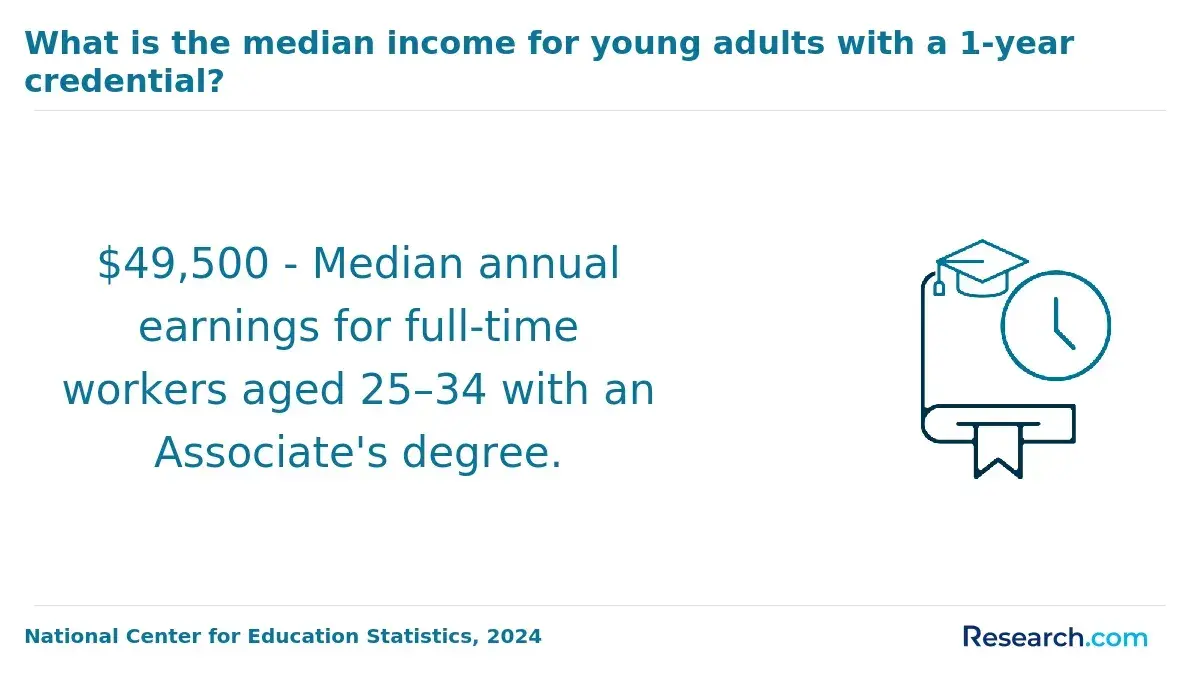
Deciding on the right online finance degree program requires weighing practical workforce expectations against long-term career aspirations. Employers reliably view a bachelor's degree as the baseline for meaningful roles such as financial analyst or advisor, reflecting a median annual wage near $80,920 for finance-related occupations. Associate degrees provide entry points into lower-tier roles but rarely deliver significant pay increases or promotion pathways. For students focused on career advancement, assessing how a program integrates applied coursework or internships is critical to enhancing employability in competitive sectors like investment banking.
Online finance degree programs for career advancement commonly spot a pivot at the master's level, where mid-career professionals seek specialization in financial modeling, risk assessment, or quantitative analysis. This transition often correlates with accessing senior roles, but the elevated costs and time investment require deliberate justification linked to measurable outcomes. A tradeoff emerges between deepened expertise and the opportunity cost of extended study, particularly in fast-evolving fields like fintech or private equity.
Strategic choices also involve program affordability and duration. Prospective students exploring graduate options might consider the cheapest 1 year online MBA programs, which can deliver focused credentials with less time and financial burden-making a critical difference when balancing work and education. Ultimately, the best degree level for long-term finance career growth hinges on combining educational credentials with relevant experience, recognizing that measurable specialization and market demand will shape opportunities more than degree titles alone.
How can I verify that an online finance degree program is properly accredited and reputable?
Accreditation directly influences credential legitimacy, professional certification eligibility, and employer acceptance in finance fields. Programs must be accredited by agencies recognized by the U.S. Department of Education's Database of Accredited Postsecondary Institutions and Programs (DAPIP) to meet federal standards. Degrees from unverified or non-recognized institutions often hinder career mobility and exclude graduates from credentials like CFA or CFP.
Prospective students who verify accreditation of online finance degree programs should also evaluate outcome metrics such as graduation, retention, and loan default rates available through independent sources like the National Center for Education Statistics (NCES) College Navigator. These indicators offer crucial context on program quality and workforce readiness.
Employers within investment banking, corporate finance, and financial planning increasingly mandate degrees from accredited providers due to compliance and fiduciary requirements. For instance, hiring managers overseeing departments audited by third parties typically exclude candidates with degrees from non-accredited online providers. This creates real barriers to entry despite the growing availability of online options.
Additional considerations include transfer credit acceptance and employer tuition reimbursement, which usually recognize only accredited programs-an operational reality affecting working professionals. A 2026 study from DegreeCalc quantifies the significance, estimating a finance major's net lifetime ROI at $931,100 after costs.
Prospective students should review detailed syllabi and faculty qualifications to confirm curriculum currency in emerging finance technologies and practices, ensuring skillsets align with evolving industry demands. This also illustrates why it's necessary to check reputation of finance degree online universities beyond accreditation alone.
What core courses, concentrations, and technical skills are typically included in an online finance curriculum?
Online finance degrees must be evaluated through the lens of relevance to specific career trajectories and the tangible skill sets employers demand. Core courses covering financial accounting, corporate finance, and investment analysis form the baseline knowledge, but true employability depends on mastering practical tools like Excel, Bloomberg Terminal, SQL, and Python, which shape daily financial modeling and data analysis tasks.
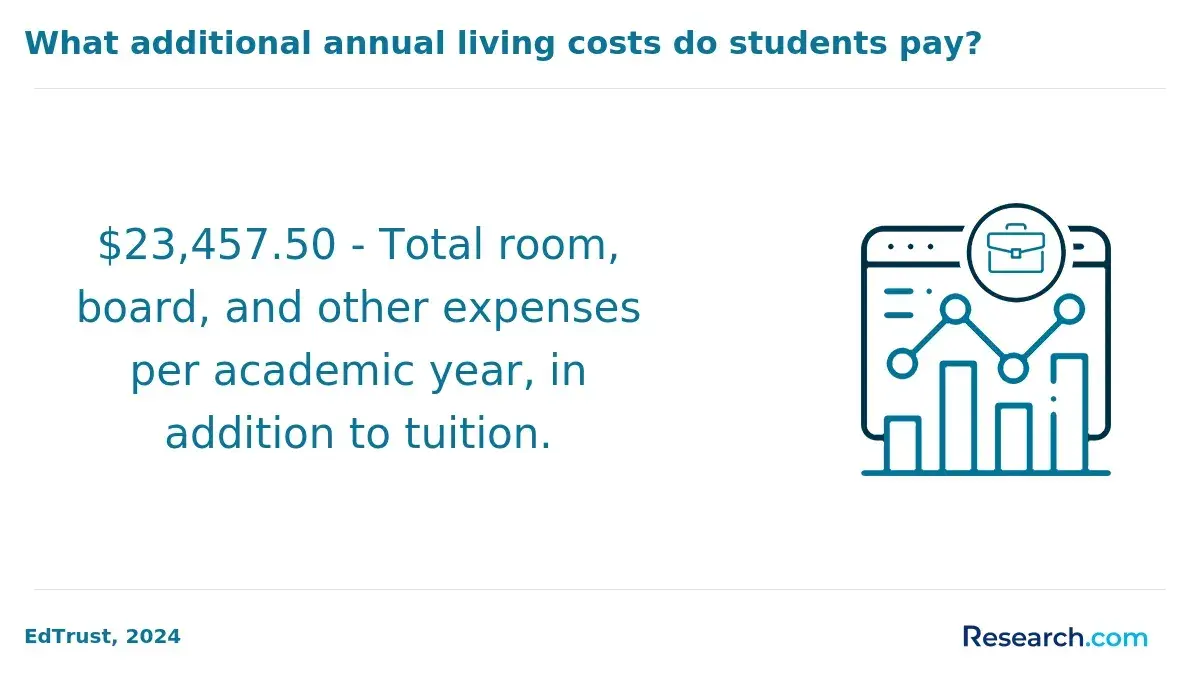
Cost disparities heavily influence program choice: public institutions average $9,800 annually, compared to private programs at $40,700, a significant tradeoff for students weighing ROI against curriculum depth. Public offerings often match essential finance topics but may lack specialized concentrations needed for niche roles. For instance, a candidate targeting commercial banking benefits most from strong accounting and credit training, while those entering fintech must seek programs emphasizing quantitative methods and coding.
Employers increasingly prioritize candidates with applied experience in financial reporting standards, regulatory compliance, and analytics tools. Online curricula that integrate up-to-date case studies and real-world scenarios reduce onboarding time and hiring risks. Graduates without hands-on practice face steeper learning curves, which can delay productivity. To align education with job market demands, students should critically compare course offerings against targeted employer expectations and consider practical competencies over theoretical coverage alone.
What are the typical admission requirements, prerequisites, and application materials for online finance programs?
Online finance program admissions balance academic readiness against demonstrated professional competence, which influences long-term employment stability more than immediate income gains. Candidates must typically hold a high school diploma for bachelor's tracks or a relevant bachelor's degree for graduate-level entry, supported by transcripts showing proficiency in quantitative subjects like algebra or accounting. Standardized tests such as the SAT or GRE are often waived if applicants present substantive finance-related work experience.
Prerequisites extend beyond formal credentials to include foundational coursework in mathematics, economics, and basic finance-sometimes requiring bridge classes for those without prior business education. This step reflects employer demand for candidates capable of handling risk modeling, regulatory compliance, and financial analysis with technical precision.
Application packages frequently demand targeted personal statements explaining the choice of an online format relative to career goals, as well as references or recommendation letters that reinforce analytical and professional discipline. Resumes highlighting relevant industry experience further align academic and occupational objectives, signaling preparedness to admissions committees.
A 2025 Journal of Education and Human Development study revealed graduates from these online finance programs maintain 7.1% longer average employment over a decade than traditional program alumni, despite a modest 3.9% lower adjusted income. This suggests programs select candidates who fit practical workforce needs and navigate economic cycles with greater adaptability.
How long do online finance degrees take to complete, and what scheduling options do working adults have?
Choosing the pacing and format of a finance master's program significantly shapes a student's ability to integrate education with professional demands. Programs designed for working professionals commonly extend beyond two years through asynchronous coursework, modular weekly or biweekly classes, and rolling start dates, offering flexibility without compromising competency development.
For example, a risk management analyst seeking promotion might prioritize part-time, accelerated enrollment that spans approximately 2.5 years rather than a full-time schedule demanding upward of 40 hours weekly, which risks compromising on-the-job performance. Employers generally favor demonstrated skill mastery and sustained practical experience over rapid degree completion.
Scheduling often accounts for the typical corporate 9-to-5 by offering evening and weekend live sessions, while self-paced curricula serve professionals working irregular hours such as independent advisors or consultants, providing access across time zones and on demand for review.
According to BusinessAdministrationInformation.com, 83% of finance master's alumni report job security or high job security, and 96% expect to remain in the field for at least five years, underscoring the long-term relevance of well-timed, professionally aligned study pathways.
What do online finance degrees cost, and how can students reduce tuition through aid or employer support?
The cost of online finance degrees in 2026 presents a significant financial decision, with total tuition spanning from approximately $15,000 for in-state public university programs to over $60,000 for private or out-of-state options. Programs focused on an MBA with a finance concentration or master's degrees typically fall at the upper end of this range, a material consideration for professionals weighing career pivot costs against expected returns.
Employer tuition reimbursement programs frequently offset a substantial portion of expenses, especially in corporate banking or financial consulting roles, where employers offer tuition aid-sometimes tax-free-conditioned on continued employment. For example, a mid-level analyst at a regional bank might receive up to $5,250 annually to ease upfront costs, making such benefits a critical factor in employer-driven talent development strategies.
Additional strategies to reduce net tuition include:
- Leveraging federal and state financial aid such as Pell Grants and subsidized loans for undergraduates
- Identifying scholarships awarded by finance-specific professional associations that target commitment to the field
- Opting for accelerated or competency-based online programs that reduce credit hour requirements by 20% to 30%
A 2024 CFA Institute survey showed 30% of students perceive finance degrees as pathways to stable employment, a perception that contextualizes willingness to invest despite the financial barriers. For working professionals, aligning study choices with employer support and aid opportunities is a practical way to balance educational investment against the long-term trajectory within finance-related careers.
What finance careers, titles, and advancement paths can an online finance degree prepare me for?
An online finance degree often channels graduates into roles such as financial analyst, corporate finance specialist, or risk management associate, where practical skills in budgeting, forecasting, and financial modeling are essential. A financial analyst at a manufacturing firm, for instance, must apply strong analytical techniques to manage complex budgets and deliver actionable forecasts, reflecting the curriculum's emphasis on real-world reporting tools.
Advancement typically requires 3 to 5 years of proven analytical performance to move from entry-level to senior analyst or FP&A manager roles. However, progression to director-level or CFO positions usually demands further qualifications such as an MBA or certifications like CFA or CPA, paired with cross-departmental experience. This illustrates the tradeoff between foundational knowledge gained online and the professional credentials valued in executive finance roles.
Employers prioritize specialties with measurable impact and longevity-corporate finance, FP&A, and risk management remain central to sustained demand, consistent with U.S. Bureau of Labor Statistics projections for above-average job growth in these sectors from 2024 to 2034. The emphasis on data-driven decisions and regulatory fluency in online programs aligns well with these market needs.
Online learners must compensate for limited campus networking by actively pursuing internships, mentorships, and certifications to validate skills-critical for lateral moves and leadership opportunities. Focusing academic choices on advanced analytics, financial planning, and enterprise risk enhances adaptability, recognizing that transaction-heavy roles face increasing automation risks.
What are the salary ranges and job outlook for finance graduates, and which roles offer the most stability?
Choosing finance as a pathway requires weighing stable demand against evolving skill requirements. Entry-level positions begin near $60,000, with seasoned financial managers earning over $150,000. Job growth at 8% aligns closely with national employment trends, indicating reliable-but not rapid-expansion. Roles like financial analysts, accountants, and compliance officers persist due to their essential function in regulation and business integrity.
Employers prioritize candidates with solid quantitative capabilities and tangible experience, often gained through applied coursework or projects common in online finance degrees. The average ROI for a business bachelor's stands at 915%, far exceeding the -16.54% average for bachelor's degrees overall, signaling that the initial investment is generally recovered within seven years.
Mid-career salaries for risk analysts and corporate finance managers typically range from $90,000 to $130,000, suggesting upward mobility if skills evolve accordingly. Automation is reshaping routine tasks, shifting demand toward advisory and analytical expertise. Professionals pivoting from non-finance backgrounds should target financial planning and analysis roles, since these areas emphasize strategic decision-making and reduce exposure to automation pressures.
This practical focus offers both protection against workforce disruption and opportunities for sustained salary growth, especially for those combining quantitative skills with real-world business insight.
Other Things You Should Know About Finance
Employers in traditional financial sectors increasingly accept online finance degrees, but respect depends heavily on the program's accreditation and reputation. Degrees from recognized institutions with robust curricula that incorporate practical skills and real-world case studies hold more weight. Candidates should prioritize programs that offer networking opportunities, internships, or live projects, as these enhance employability beyond the degree itself.
Incorporating specialized certifications like CFA, CFP, or CPA alongside an online finance degree significantly boosts career stability and employer appeal, especially in competitive finance roles. Certifications demonstrate up-to-date industry knowledge and practical expertise beyond academic credentials. Prioritize certifications that align directly with your target finance sector and career path to maximize return on time and expense invested.
Most online finance programs require college algebra, statistics, microeconomics, and macroeconomics before upper-division finance classes. Some schools also expect accounting and calculus. If these prerequisites are missing, applicants may need to complete 12 to 24 foundation credits before full admission or progression.
References
- Accreditation Explained: Guidelines for Global Verification https://www.motaword.com/blog/understanding-accreditation-how-to-verify-institutions-globally
- Are Online Degrees Accredited? How to Identify Quality Distance Learning Programs https://www.umassglobal.edu/blog-news/online-degrees-accredited-identify-quality-distance-learning-programs
- 5 Ways to Lower the Cost of Tuition Before Considering a Student Loan https://www.elementfcu.org/5-ways-to-lower-the-cost-of-tuition-before-considering-a-student-loan/
- Accredited Finance Courses https://www.accreditedfinancecourses.co.uk/verify-certificate
- What Can You Do with a Finance Degree? https://www.kaplanfinancial.com/resources/getting-started/what-can-you-do-with-a-finance-degree
- How Long Does It Take to Get a Finance Degree | ValidGrad.com https://validgrad.com/blog/how-long-does-it-take-to-get-a-finance-degree-the-complete-timeline-guide-you-need-to-know/
- Online Bachelor's in Finance https://www.monroeu.edu/academics/undergraduate-programs/school-business-and-accounting/online-bachelors-finance
- 4 Types of Finance Degrees: A Complete Guide for Aspiring Professionals https://www.applash.ai/four-types-of-financial-degrees
- Financial Aid For Online Colleges https://www.affordablecollegesonline.org/financial-aid/financial-aid-for-online-colleges/
- Is Your Online Degree Legitimate? How to Verify Private University Approval https://matchtocollege.com/blog/verify-private-university-online-degree-approval