2027 Best Online Bachelor's in Finance for Healthcare and Insurance Finance Roles

Co-Founder and Chief Data Scientist
Health systems and insurance firms face intensifying pressure to optimize financial operations amid regulatory shifts and cost containment demands. Professionals aiming to lead Finance functions in these sectors cannot rely solely on traditional credentials or rigid schedules. The National Center for Education Statistics reported a 12% rise in online bachelor's degree enrollments among working adults since 2023, signaling a pivotal shift toward flexible, career-compatible learning. This growth reflects increasing constraints on time and availability for mid-career learners balancing employment and family.
Choosing a program that aligns with industry needs and personal circumstances directly influences employability and advancement in healthcare and insurance Finance roles. This article identifies the best online bachelor's in finance programs tailored to these challenges, offering clear guidance for strategic educational investment and career progression.
Key Things You Should Know
- A 2024 U.S. Bureau of Labor Statistics report shows healthcare and insurance finance roles growing 12% faster than broader finance jobs, pressuring candidates to prioritize domain-specific financial analytics over generalized curricula.
- Employers in health insurance increasingly require proficiency in regulatory compliance and actuarial software, creating a gap where programs without these modules yield 18% lower job placement according to recent industry hiring data.
- Online bachelor's in finance programs commonly reduce costs by 25-40% versus campus options but extend completion times by up to 30%, challenging candidates balancing workforce entry speed and total debt accumulation.
What is an online bachelor's in finance with a healthcare and insurance focus?
An online bachelor's in finance for healthcare management equips students with targeted skills that extend beyond generic financial expertise. This degree merges core finance capabilities-like budgeting, investment analysis, and risk management-with healthcare-specific knowledge such as insurance regulations, reimbursement models, and policy impacts. Graduates are uniquely prepared for roles where financial decisions influence both operational sustainability and patient care quality, a reality particularly relevant in healthcare organizations and insurers.
Employment for medical and health services managers is projected to grow significantly, reflecting the sector's complex regulatory environment. Such demand emphasizes the practical value of a bachelor's degree finance with insurance specialization, which provides a foundation tailored to the financial challenges of healthcare. However, this focus inherently narrows career flexibility outside the healthcare sector, requiring graduates to balance specialized industry knowledge with broad finance fundamentals and ongoing learning to adapt to regulatory changes.
Prospective students should scrutinize whether online curricula provide experiential learning such as case studies or internships that meet employer expectations for practical problem-solving in this tightly regulated environment. For those also considering graduate options, the one year online MBA entrepreneurship may offer complementary business perspectives. These integrated insights support strategic pivots and advancement in specialized finance roles.
How can an online finance bachelor's prepare me for healthcare and insurance finance roles?
Success in healthcare and insurance finance roles depends on mastering complex budgeting and regulatory compliance tailored to sector-specific demands. An online finance bachelor's degree equips graduates with skills crucial for navigating frameworks such as HIPAA and the Affordable Care Act, enabling professionals to resolve real-world challenges like reconciling patient billing with multi-insurer reimbursement schedules. This blend of financial acumen and regulatory knowledge is vital in healthcare finance departments.
Skills gained from an online finance bachelor's for healthcare and insurance financial management roles include cost containment strategies and revenue cycle management, taught through industry-relevant case studies and simulations. Graduates learn to assess investment risks and optimize capital allocation-capabilities essential for positions like health finance analysts or insurance underwriters. Proficiency in financial modeling and data analytics software reflects the increasing emphasis on data-driven decision-making in these sectors.
The financial manager career Outlook signals a 14.8% job growth through 2034 with a median salary of $161,700, driven by healthcare's growing economic footprint and insurance complexity. However, graduates must anticipate continuous adaptation to evolving insurance regulations and healthcare policies to maintain relevance, making ongoing education and practical experience, such as internships or cooperative education-sometimes offered online-important for workforce readiness. Those considering a strategic pivot might evaluate program flexibility and rigor carefully; for instance, options like an easiest online MBA could serve complementary goals but differ significantly in sector focus and outcomes.
Which accredited schools offer the best online finance degrees for healthcare and insurance?
Employers in healthcare and insurance finance increasingly seek candidates who navigate regulatory complexity with precision, a critical factor shaping the utility of the best accredited online finance degrees for healthcare fields. Programs at institutions like University of Florida and Pennsylvania State University World Campus emphasize practical mastery of compliance, risk management, and healthcare economics aligned with real-world expectations. For example, financial examiners benefit from training in quantitative risk analysis, reflecting a Bureau of Labor Statistics projection of 20% job growth between 2022 and 2032 in these sectors.
Top online finance programs for insurance finance careers address tradeoffs experienced by working professionals, offering asynchronous courses and flexible schedules that accommodate workload balance. Candidates must distinguish programs that integrate internship opportunities or maintain active advisory boards from those that do not, as these factors significantly influence employability in tightly regulated fields. Curriculum focusing on healthcare finance and insurance markets also reduces onboarding time by aligning with evolving regulatory demands.
Outcomes-oriented evaluation demands scrutiny of placement rates and graduate readiness in data analytics and regulatory adherence. Prospective students might also consider foundational financial skills reflected in related areas; for insights on accessible accounting options supporting this pathway, visit online accounting degree resources. Aligning educational choices with immediate and long-term workforce needs sharpens decision-making in competitive finance roles tied to healthcare and insurance.
What admission requirements and prior experience do these online finance programs expect?
Admission criteria for online finance bachelor's programs in the US often extend beyond academic transcripts to capture applicable real-world finance experience, especially in healthcare and insurance sectors. Candidates with prior healthcare and insurance experience required for finance degrees secure a distinct advantage, as employers value familiarity with billing, claims processing, or financial support roles. For instance, an applicant with two years in insurance underwriting better grasps risk assessment concepts taught in these programs, aligning education closely with job market demand.
Programs typically mandate a high school diploma or equivalent, with minimum GPA thresholds around 2.5 to 3.0 to maintain competitive standards. While SAT or ACT scores are increasingly optional, submitting them can differentiate applicants in selective cohorts. Prerequisite coursework in math or introductory business establishes necessary analytical foundations, essential given the rigor of advanced financial topics specific to healthcare finance and insurance underwriting.
Quantitative aptitude and analytical skills are evaluated through placement exams or prior coursework, reflecting an industry preference for candidates capable of complex financial modeling and risk management. Nontraditional students often leverage professional certifications or employer recommendations to demonstrate practical competence, offsetting traditional academic metrics.
Failing to meet foundational requirements may prolong degree completion and defer entry into roles with median salaries such as $76,000 for insurance underwriters, underscoring the importance of early assessment and targeted preparation. Balancing existing employment while fulfilling prerequisites demands strategic planning to optimize educational outcomes within pressure-filled work environments.
For those evaluating cost-effective pathways to elevate finance expertise, exploring affordable online executive MBA programs can complement bachelor's credentials and further strengthen market positioning.
What core courses and specializations are included in a healthcare and insurance finance curriculum?
Degrees integrating healthcare and insurance finance prepare students for nuanced employer demands by combining core financial management with specialized industry insights. Graduates navigate complex reimbursement structures such as Medicare and Medicaid, while managing capital flows and assessing insurance risk exposures under dynamic regulatory constraints. This field requires proficiency in financial modeling and forecasting, tailored to fluctuating policy landscapes and claim environments.
Specializations typically concentrate on either healthcare finance-focused on hospital budgeting, revenue cycle management, and regulatory compliance-or insurance finance, which centers on underwriting, claims analysis, and catastrophe modeling. For example, a hospital financial analyst must grasp patient billing cycles and federal funding frameworks, whereas an insurance finance professional interprets actuarial data for accurate risk pricing.
The workforce reflects a notable earnings advantage for those with finance-focused credentials: business and finance occupations command a median annual wage of $79,050 versus $48,060 for all occupations, per BestColleges' analysis using BLS data. However, candidates must balance technical financial expertise with industry-specific standards and legislation to remain competitive.
Employers expect graduates to apply these skills practically, often prioritizing demonstrated familiarity with healthcare laws, risk assessment tools, and financial reporting standards over broader finance credentials. This emphasis influences both hiring outcomes and career trajectory within these specialized sectors.
How do online finance programs compare with on-campus options for credibility and employer respect?
Employer respect for online finance degrees rivals that of traditional on-campus programs when the institution holds regional accreditation and solid industry ties. In-demand healthcare and insurance finance positions assess candidates more on concrete financial expertise and applicable skills than the mode of instruction. However, online programs typically reduce costs significantly-for example, in-state tuition at public universities can start around $4,630 annually, often less than half that of private four-year colleges-translating to less student debt and appeal for employers tracking career longevity.
Choosing between formats involves weighing networking and experiential learning opportunities. Healthcare finance roles, demanding familiarity with compliance and complex billing processes, often need in-person internships or direct faculty mentorship, a hurdle for primarily online pathways. Meanwhile, insurance finance roles with an emphasis on analytics and actuarial software skills may accommodate remote education more readily.
Key considerations include a program's ability to deliver credible internships, faculty access, and industry partnerships. Working professionals in healthcare or insurance who need to maintain jobs while upgrading credentials often find online programs advantageous. In contrast, entry-level candidates benefit more from the structured recruiter access and alumni networks typically stronger in campus-based settings.
How long do these online finance degrees take and what do they typically cost?
The timeline and cost of online bachelor's degrees in finance, tailored to healthcare and insurance sectors, vary significantly depending on enrollment status and prior credit. While a traditional full-time path takes about four years, accelerated tracks leveraging transfer credits can shorten this to two or three years. Part-time students-often working professionals-should expect five to six years, requiring a careful balance between work and study commitments.
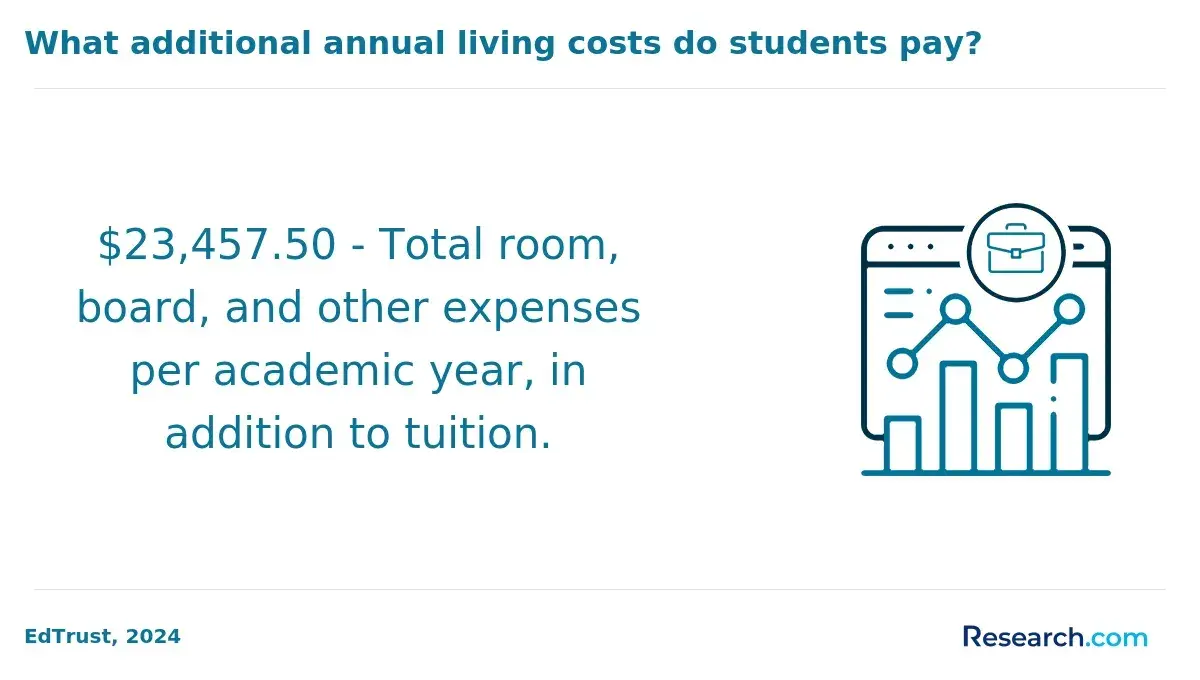
Tuition fees range broadly from $20,000 to $60,000, influenced heavily by institution type and residency. Public universities offer more accessible pricing for in-state students, whereas private institutions tend to command higher costs. Beyond tuition, students must factor in indirect expenses such as technology fees and textbooks, which can extend total investment.
Employers in healthcare and insurance emphasize candidates' practical skills alongside theoretical knowledge. Thus, programs incorporating internships or project-based learning-even when delivered online-offer a stronger foundation for navigating complex regulatory and actuarial challenges common in these fields. Accelerated programs risk sacrificing sector-specific depth for speed, potentially limiting readiness for nuanced roles.
More than half of undergraduate business and finance students now engage in online coursework, signaling employer acceptance of these credentials according to BestColleges 2024. Nevertheless, students should verify program accreditation to ensure the degree's recognition within the healthcare and insurance finance labor market. Financial aid and employer tuition reimbursement could offset costs but require proactive qualification.
What jobs, titles, and advancement paths can this degree lead to in healthcare and insurance?
Healthcare and insurance sectors require professionals who combine finance expertise with in-depth knowledge of industry-specific regulations and reimbursement mechanisms. This dual competency is critical as employers actively seek candidates who can navigate complex Medicare and Medicaid rules while driving strategic financial decisions.
Graduates from online bachelor's programs tailored to these fields typically begin as financial analysts or claims analysts within hospitals, insurance firms, or managed care organizations. A practical example is a healthcare financial analyst tasked with interpreting nuanced reimbursement data to project revenues accurately. This role requires synthesizing clinical workflow insights with financial metrics, which can accelerate advancement to senior finance management or executive positions.
The Healthcare Financial Management Association notes a persistent shortage of professionals skilled in both finance and healthcare domains, compelling employers to prioritize candidates with specialized education bridging these areas. Those moving from general finance roles need deliberate upskilling or certifications aligned with healthcare systems to stay competitive.
Ultimately, the combined demands of finance competence and healthcare operational understanding shape employability and long-term career pathways across this specialized sector.
What salaries and job outlook can finance graduates expect in healthcare and insurance sectors?
Entry salaries for finance graduates aiming at healthcare and insurance commonly start between $65,000 and $85,000, with mid-career compensation often climbing to $110,000-$150,000. These figures vary notably by region and employer scale. Hospitals, employing nearly 40% of healthcare finance professionals per Healthcare Financial Management Association data, generally offer higher wages due to more complex financial operations. Conversely, health plan and consulting positions may provide lower base pay but compensate with performance bonuses and profit sharing, affecting total earnings.
Job growth for financial analysts in this sector is forecast at 12% through 2032, reflecting increased demand for fiscal oversight amid healthcare policy shifts and insurance product innovation. Candidates who master healthcare economics, risk management, and reimbursement frameworks stand better chances of long-term viability as regulatory environments evolve.
Finance skills are largely transferable across hospitals, physician practices, and insurance companies, yet adapting to specialized systems-such as EHR finance modules or insurance actuarial models-is critical. Physician practice roles might offer quicker advancement but with lower initial salaries, while hospital roles provide greater job stability and benefits at the expense of steeper knowledge requirements.
Targeted certifications and data analytics expertise are not optional but strategic necessities for employers expecting nuanced insight into financial health operations and risk management. Graduates should weigh these practical tradeoffs when selecting educational programs to support credentialing and marketability.
How do I evaluate accreditation, quality, and industry recognition when choosing a program?
Employers in healthcare and insurance sectors prioritize graduates whose programs hold accreditation from agencies recognized by the U.S. Department of Education or CHEA. This credential ensures your degree meets essential quality standards and is accepted by relevant employers and graduate programs. For Finance-focused curricula, program-specific accreditation like AACSB signals rigor and industry alignment, directly influencing hiring decisions.
Coursework must address practical sector needs: reimbursement models, regulatory compliance, and insurance risk management form the core competencies employers expect. Programs offering capstone projects or practicums connected to real-world healthcare systems or insurance firms provide critical hands-on experience, which is often a differentiator in a competitive job market.
Consider labor market data: chief financial officers and financial managers in these industries earn median salaries near $140,000, with Finance management positions growing 16% faster than average through 2032 (BLS data via the University of Minnesota). Alumni employment outcomes and employer networks are key indicators of a program's ability to open these roles.
Additional operational factors impacting program quality include faculty with relevant industry experience, access to up-to-date software, and flexible formats that accommodate working professionals. Beware programs overly focused on theory without applied skills, as they may impede certification success and readiness for sector-specific challenges.
Ultimately, selecting a Finance program requires balancing accreditation, applied curriculum, career outcomes, and flexible delivery against your personal and professional context to capitalize on healthcare and insurance finance career growth.
Other Things You Should Know About Finance
Programs that emphasize healthcare industry regulations provide a practical edge for insurance finance roles because regulatory knowledge directly affects financial decision-making and risk assessment. However, overly narrow focus might limit exposure to broader finance principles applicable in versatile settings. Prioritize programs that balance regulatory coursework with core finance skills to enhance both compliance expertise and transferable financial analysis capabilities.
Online finance programs often demand the same rigor as on-campus courses, with added responsibility for self-paced learning. Working professionals must realistically assess their capacity to meet deadlines alongside job duties, especially since complex topics like healthcare reimbursement models and insurance underwriting require focused study. Selecting programs with structured schedules or hybrid options can mitigate risks of falling behind and support steady progress.
Look for regional accreditation from a U.S. institutional accreditor recognized by the Department of Education, plus business accreditation such as AACSB or ACBSP when available. Healthcare and insurance employers also value programs with 120 semester credits, applied coursework in risk, accounting, and analytics, and a capstone or internship.
General finance degrees offer broad financial theory and skills, allowing career flexibility but may require additional training to fully understand healthcare/insurance specifics. Specialized tracks accelerate readiness for niche roles by integrating sector-specific knowledge, but they can narrow job prospects outside healthcare. For students committed to healthcare and insurance finance, a specialized program offers immediate relevance and employer alignment, while others should consider starting broader to maintain adaptability.
References
- Top Options for Healthcare Career Advancement https://www.baypath.edu/news/bay-path-university-blogs/post/top-options-for-healthcare-career-advancement/
- Top Jobs in Healthcare Management and Degrees to Get There https://www.chcp.edu/blog/top-healthcare-management-jobs/
- How Credible Are Online Degrees? And are they worth it? https://potomac.edu/are-online-degrees-taken-seriously-by-employers/
- Top 10 jobs for finance majors and who’s hiring | Handshake https://joinhandshake.com/blog/students/top-jobs-for-finance-majors/
- Online Bachelor's Degree in Finance | CSU Global | Accredited https://csuglobal.edu/academic-programs/undergraduate-degrees/bachelors-degree-finance
- Health Care Finance Career Path Options https://www.columbiasouthern.edu/blog/blog-articles/2022/august/healthcare-finance-career-path/
- What Employers Should Look for in Accredited Qualifications https://www.internationaleducationboard.co.uk/post/what-employers-should-look-for-in-accredited-qualifications
- Online bachelor's in finance degrees | edX https://www.edx.org/bachelors/online-bachelors-degree-finance
- Accreditations: What They Are and Why They Matter - The Renewable Energy Institute https://www.renewableinstitute.org/accreditations-what-they-are-and-why-they-matter/
- Streamlining Accreditation Preparation with Program Review https://www.qualitymatters.org/qa-resources/resource-center/articles-resources/streamline-accreditation-prep