2027 Finance Specializations for Investment Analysis Careers

Co-Founder and Chief Data Scientist
Faced with the challenge of selecting a finance specialization that aligns with shifting employer demands, many candidates struggle to balance program accessibility, duration, and career impact. A recent report from the National Center for Education Statistics reveals a 22% increase in graduate-level finance enrollment among working adults since 2022, emphasizing a trend toward flexible, career-focused education. This shift reflects a practical need for specializations offering timely credentials without sacrificing depth, as hiring managers prioritize both technical expertise and adaptability in investment analysis roles. This article evaluates key specializations to guide strategic choices that enhance employability and career mobility in this competitive field.
Key Things You Should Know
- Data from the U.S. Bureau of Labor Statistics shows that quantitative finance specializations deliver a 12% higher median salary but require advanced math skills, creating entry barriers that delay career progression for many candidates.
- Employers increasingly prioritize competency in financial technology platforms and regulatory knowledge, with 68% of hiring managers valuing certifications over traditional degrees, impacting curriculum relevance and hiring filters.
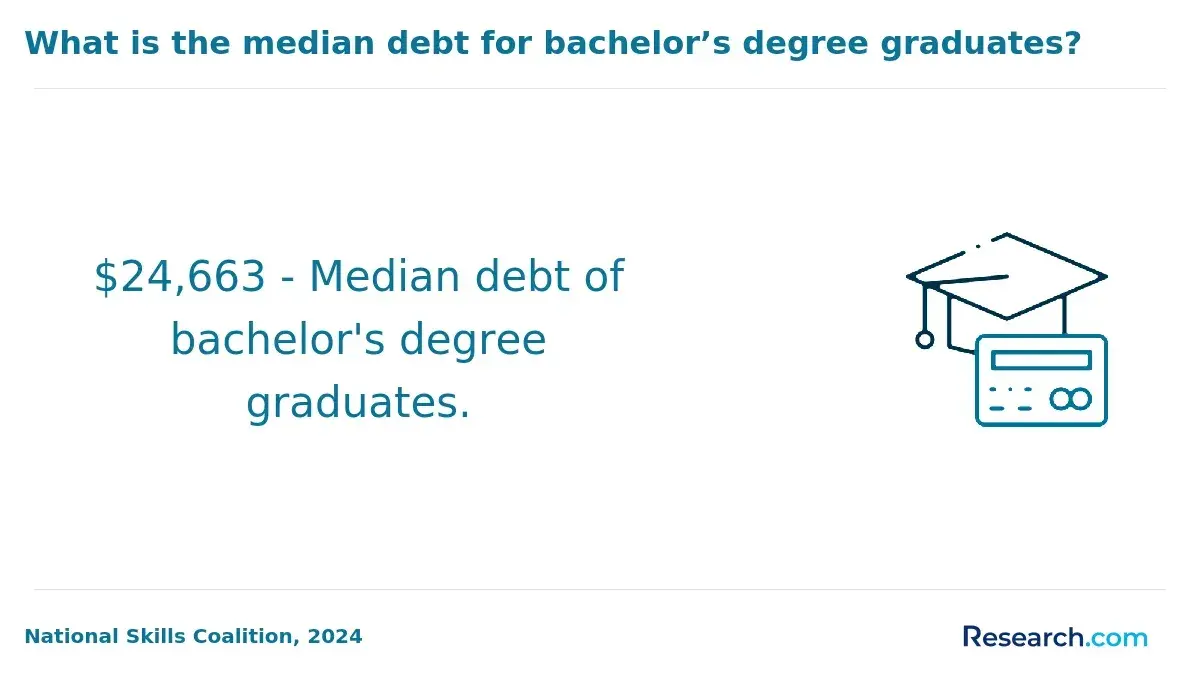
- The rising cost of specialized credentials, averaging $25,000 per program per the National Center for Education Statistics in 2024, forces candidates to balance debt risk against accelerated placement in investment analysis roles.
What are the main finance specializations that prepare you for investment analysis careers?
Specializations in corporate finance, financial modeling, economics, and quantitative finance distinctly shape investment analyst career trajectories by aligning technical competencies with sector demands. For instance, graduates focused on corporate finance leverage capital budgeting and mergers knowledge directly in investment banking advisory, while those in quantitative finance apply algorithmic models for portfolio optimization amid volatile markets. Selecting a specialization within the diverse field of investment analysis finance specializations in the United States requires assessing employer expectations and skill applicability to target roles such as equity research, which prioritizes accounting and modeling proficiency, compared to fixed income analysis, grounded in macroeconomic and quantitative expertise.
Key workforce implications include mastering software platforms like Bloomberg terminals and programming languages such as Python or R, which substantively enhance job readiness. Regulatory knowledge related to securities and derivatives compliance also affects employability in highly regulated environments. The U.S. Bureau of Labor Statistics projects 29,900 annual job openings for financial analysts through 2034, with a median pay of $101,350, reflecting sustained demand for specialized analytical skill sets over generalist credentials.
Students often confront trade-offs between theoretical grounding and practical experience; programs emphasizing real-world case studies and internships better prepare candidates for employer requirements. Balancing these factors while navigating top finance degrees for investment analyst careers sharpens strategic decision-making about educational investment.
For professionals considering transitions or skill augmentation, evaluating options like the best MBA in operations management can provide complementary insights into organizational strategy alongside traditional finance expertise.
How do corporate finance, investment management, and quantitative finance differ for analysts?
Choosing between corporate finance, investment management, and quantitative finance fundamentally shapes an analyst's career trajectory, given their distinct skills and workplace demands. Corporate finance roles, central to internal capital allocation, require robust competencies in accounting, strategic forecasting, and regulatory frameworks to support decisions like capital structure optimization or merger modeling. For professionals weighing corporate finance vs investment management for analysts, it's important to recognize that investment management prioritizes client-driven portfolio construction, asset valuation, and active market monitoring, demanding adaptability to shifting economic conditions and compliance mandates.
Quantitative finance career paths for investment analysts lean heavily on technical skills, including advanced statistics, programming in Python or R, and financial modeling, typically serving hedge funds or proprietary trading desks where algorithmic strategies and risk models dominate. These differences carry hiring and experiential implications: corporate finance often favors business operation acumen, investment management demands market responsiveness and client communication, and quantitative roles require rigorous analytical precision.
Projected 6% growth in financial analyst employment underscores the expanding valuation of specialized expertise. Students targeting these paths should align educational investments with job function focus and sector expectations, especially since each path entails unique challenges-from regulatory complexity to data scale management.
For those considering an educational pivot, programs like a 1 year online MBA no GMAT can accelerate access to these finance disciplines with reduced entry friction.
Which finance degrees and concentrations best align with entry-level investment analyst roles?
Undergraduate finance degrees with concentrations in investment analysis, financial modeling, or portfolio management align most directly with entry-level investment analyst roles, providing targeted quantitative skills prized by employers. Accounting degrees focused on financial reporting offer a solid base for evaluating corporate health and valuation, essential to analyst functions. Economics degrees specializing in financial markets add macroeconomic perspective but typically require supplementary technical training in securities analysis to match hiring expectations. These are some of the best finance specializations for entry-level investment analysis careers, where specialized coursework can influence employability and long-term career trajectory.
Employers consistently seek proficiency in Excel, Bloomberg Terminal, and statistical software-skills best cultivated through internships or applied coursework embedded in degree programs. Candidates pursuing equity research roles benefit from electives in corporate finance, securities analysis, and financial econometrics. Graduates holding dual degrees or minors in data analytics outperform peers due to the rising importance of big data interpretation in asset valuation.
The practical impact of degree concentration varies by sector: for instance, those emphasizing quantitative risk assessment often succeed in hedge funds, whereas candidates grounded in corporate finance are better suited for sell-side research positions. The Bureau of Labor Statistics notes a median annual wage of $101,350 for financial and investment analysts as of May 2024, reflecting the market value of rigorous, specialized education. Candidates should anticipate a steep initial learning curve bridging theory and live market dynamics, with programs offering case studies, internships, and mentorships speeding job-readiness.
Choosing less quantitative finance degrees risks extended job searches and slower skill acquisition. Prospective students weighing advanced options might explore an online MBA under 30000 to complement undergraduate analysis-focused credentials and enhance competitive positioning.
What coursework and technical skills do investment-focused finance specializations typically include?
Investment-focused finance specializations demand rigorous coursework focused on corporate finance, investment analysis coursework requirements, portfolio management, and financial modeling. Success depends on mastering quantitative methods such as discounted cash flow, risk assessment, and valuation techniques performed in Excel and specialized platforms like Bloomberg Terminal or FactSet. Increasingly, practical skills in programming languages like Python, R, or SQL and familiarity with statistical tools are essential for analyzing large financial datasets and automating forecasts.
Programs stress understanding market structures, securities analysis, and regulatory frameworks to navigate equities, bonds, and other instruments effectively. For example, a financial analyst at an energy-focused firm prioritizes commodity price trends and geopolitical risks, contrasting with a technology-sector analyst who must evaluate tech valuations and competitive landscapes. Such distinctions illustrate the need for specialized expertise and the challenge prospective students face balancing breadth and depth.
Employers expect not only technical proficiency but also the ability to communicate complex analysis clearly to nontechnical stakeholders, highlighting the value of coursework in financial communication and ethics. Experience through internships or case studies involving negotiation or capital allocation decisions prepares candidates for roles demanding strategic influence and risk management. Candidates without certified technical skills or applied exposure often encounter significant barriers to hiring.
The U.S. Bureau of Labor Statistics estimates nearly 30,000 annual openings for financial analysts, underscoring workforce demand for those capable of evaluating budgets and investment decisions with real-world tools. For those weighing programs, options like the easiest MBA may provide accessible pathways, but may also trade off depth in advanced investment analysis coursework requirements for speed and simplicity.
How do online finance programs for investment analysis compare with campus-based options?
Investment analysis programs delivered online match traditional campus-based options in quantitative rigor but diverge sharply in how they facilitate experiential learning and professional networking. Candidates aiming for financial risk roles with median wages around $106,000, as per BLS May 2024 data, must show applied analytical prowess-both formats provide this through robust curricula. Yet, campus settings offer enhanced access to internships, face-to-face mentorship, and live case competitions, which matter for immediate workforce integration and entry into competitive firms.
Online programs offer flexibility critical for working professionals or those in dynamic sectors such as hedge funds or fintech, allowing skill updates without interrupting careers. However, the absence of in-person interaction constrains spontaneous networking, often essential for front-office roles like portfolio analysis within private wealth management.
- Campus programs accelerate problem-solving through direct collaboration and mentorship, vital for high-pressure roles in capital markets or risk management.
- Online learners must self-manage rigorously, potentially slowing mastery of complex financial modeling tools required in quantitative specialties.
- Alumni networks accessible on campus remain a key gateway for entry-level analyst positions at major financial institutions.
- Professionals targeting boutique advisory firms or remote quantitative roles benefit from online programs that allow immediate application without sacrificing employment continuity.
Choosing between these formats requires weighing current employment status, industry focus, and capacity to engage deeply in experiential components that influence employability and long-term salary growth.
What accreditation should finance programs have for credible investment analysis training?
Employers evaluating investment analysis candidates differentiate sharply between graduates of broadly accredited business programs and those recognized by finance-specific bodies like the CFA Institute's University Affiliation Program. Such targeted accreditation signals that a program's curriculum aligns with the practical complexities of equity valuation, fixed income, and alternative assets-skills essential in professional roles demanding quantitative rigor and fiduciary compliance.
For instance, an investment firm vetting entry-level talent will favor applicants schooled in up-to-date financial regulations, risk frameworks, and analytical technologies over those from generic programs. The practical implication is often reflected in initial salary offers and promotional trajectories, where specialized accreditation can serve as a gatekeeper for desirable roles.
Programs lacking this focus risk leaving graduates well-versed in theory but underprepared for real-world applications such as compliance adherence or the nuanced modeling used in asset management or insurance underwriting. Augmenting degree programs with certifications like Certified Financial Risk Manager (FRM) or CFA preparation can enhance marketability, particularly given that financial risk specialists command median wages exceeding $106,000 according to the U.S. Bureau of Labor Statistics.
Prospective students should rigorously assess curriculum relevance, faculty expertise, and direct industry alignment rather than institutional prestige alone. This approach better positions graduates to meet evolving regulatory demands and the operational analytic challenges across finance sectors.
What are typical admission requirements for finance degrees with investment analysis specializations?
Admission to finance degrees with an investment analysis focus demands more than basic academic qualifications; it requires measurable quantitative competence and demonstrated analytical readiness. A candidate typically needs a minimum high school GPA around 3.0 paired with strong performance in math subjects such as calculus and statistics. Standardized tests like the SAT (1200-1400 range) or ACT (25-30) often serve as filters to validate numerical proficiency essential for investment roles.
Yet, beyond these benchmarks, real-world program admissions weigh practical experience or exposure. For example, degrees emphasizing wealth management may prioritize applicants who have completed Advanced Placement economics or business courses, or vocational training that aligns with client advisory functions. Admissions committees often incorporate evaluations of personal statements and letters of recommendation to assess commitment and client engagement potential, key traits given a median financial analyst salary above $100,000.
Those lacking strong math credentials can enhance their profiles through finance certificates or relevant internships, showing readiness for quantitative investment coursework. Transfer students recalibrating career paths benefit from completed quantitative classes, reducing the time spent on preliminary requirements. However, extended prerequisite coursework can delay entry into well-paying finance roles, forcing students to balance thorough preparation against timely workforce integration.
Choosing a program should weigh these tradeoffs carefully, as the path heavily influences employability and practical readiness for the investment analysis sector.
How long do finance programs for investment analysis take, and what do they cost?
Investment analysis roles in finance demand a strategic balance between education depth and practical timelines. Bachelor's degrees usually require four years with tuition ranging from about $40,000 at public institutions to over $100,000 for private colleges. Master's programs, taking 1 to 2 years, cost between $20,000 and $70,000, offering more specialized, technical training crucial for credit risk and securities valuation roles-areas with projected employment growth of 6% through 2034.
Certificate programs, while affordable (generally under $5,000) and quicker to complete, rarely provide the comprehensive skill set or employer recognition necessary for senior analysis positions. Professionals transitioning fields-such as a banking employee moving into credit risk-should weigh these distinctions carefully. Opting for a master's degree or a focused finance specialization will better align with employer expectations for quantitative rigor and relevant experience despite higher costs and longer commitment.
Key strategies to offset financial and time barriers include financial aid, employer tuition reimbursement, and part-time enrollment. It is vital for candidates to assess how well any program's curriculum meets targeted career demands, since shortcuts often result in limited advancement potential and insufficient mastery of complex analytical tools.
- Degrees enhance opportunities for roles involving risk modeling and financial statement analysis.
- Certificate options allow quick entry but confine candidates mostly to junior or supporting positions.
- Employer preference strongly favors bachelor's degrees minimum with quantitative skills and internships.
What finance certifications support investment analysis careers, and how do they relate to majors?
Investment analysis roles heavily favor candidates with certifications aligned to their academic backgrounds, reflecting industry demands for specialized expertise and demonstrated proficiency. The CFA designation remains the benchmark for finance, economics, and accounting majors, requiring deep knowledge in portfolio management, equity, and fixed income analysis. Candidates from quantitative fields often confront gaps in financial reporting and ethics, necessitating supplemental study to meet exam standards.
Alternative certifications like the CAIA specialize in private equity and alternative assets, providing a bridge for professionals from business analytics or economics to enter asset management niches focused on hedge funds and real assets. Such targeted credentials can open doors in firms prioritizing alternative strategies but may offer less versatility than broader finance certifications.
Graduates with actuarial science or mathematics degrees face steeper learning curves with market analytics and valuation-heavy credentials, often needing practical financial modeling skills or boot camps to compensate. Meanwhile, those outside finance-such as marketing or general business majors-must invest significantly in upskilling through internships and rotational programs to compete effectively.
Employers prioritize candidates who balance intensive credential prep with work demands, especially as roughly 29,900 financial analyst positions open annually. This dynamic introduces tradeoffs between time commitment and competitive advantage, particularly within urban job markets where certifications can influence hireability more than degree alone.
What are the salary ranges and job outlook for graduates in investment analysis specializations?
Investment analysis salaries are shaped heavily by specialization, technical skill, and geography, presenting clear tradeoffs for new graduates and mid-career professionals. Entry-level roles generally range from $65,000 to $90,000 annually, with asset management analysts often starting near $75,000 due to client-facing demands and analytical complexity. Corporate finance positions might offer more modest initial compensation but typically provide steadier wage growth and stability over time.
Employers now expect strong proficiency in data tools, financial modeling, and fintech applications, favoring candidates who combine investment theory with coding or quantitative analytics capabilities. Without certifications like the CFA or hands-on project experience, salary ceilings and career progression slow considerably. Internship experience can boost starting offers by 10-20%, emphasizing practical readiness over theoretical credentials alone.
Location impacts earnings significantly. Analysts in financial hubs such as New York or San Francisco command salaries 15-30% above national averages but face higher living costs, requiring candidates to weigh immediate pay against quality of life and professional growth opportunities. The BLS projects a 6% growth in financial analyst roles through 2034, accelerated by fintech expansion and demand for data-centric expertise, though this signals more competition among technically adept candidates.
For those strategically navigating this market, focusing on specializations that fuse financial fundamentals with data science and emerging technologies offers a tangible advantage over traditional paths. Programs emphasizing real-world analysis and algorithmic decision-making principles yield a clearer alignment with employer expectations in a competitive labor landscape.
Other Things You Should Know About Finance
In 2027, a balanced approach can be beneficial. Starting with a broad finance focus provides a solid foundation, while specializing later allows students to tailor their expertise based on emerging industry trends and personal interests in investment analysis.
Graduate programs tend to require a higher workload intensity and more independent research, often emphasizing advanced quantitative tools and financial theory. These programs expect candidates to engage with real-world datasets and sophisticated models, which better prepare students for analyst roles at competitive firms. Undergraduates might experience more guided learning and less complexity, so choosing graduate study aligns best with candidates targeting specialized investment analysis roles or leadership tracks.
Employers in investment analysis increasingly value candidates with proficiency in tools like Python, R, SQL, and Bloomberg Terminal since technical skills directly translate to efficient data handling and decision-making. However, a robust theoretical foundation remains critical for understanding why models behave as they do and for strategic judgment. Ideally, prioritize programs that integrate technical skill training within a solid theoretical framework rather than focusing exclusively on one at the expense of the other.
Yes. In 2027, most finance specializations tied to investment analysis include 1 to 3 required courses in ethics, regulatory compliance, or professional standards. Many also align with CFA Institute topics on fiduciary duty, conflicts of interest, and research integrity, which are central in analyst work.
References
- Master’s in Financial Analysis https://www.kaplanfinancial.com/wealth-management/masters-program/ms-financial-analysis
- Compare Degrees https://finance-degree.com/compare/
- A career in finance : Careers and training https://www.trainy.co/en/blog/career-finance-jobs-training
- Top Investment Banking Skills for Aspiring Students & Professionals https://mentormecareers.com/investment-banking-skills/
- What Major is Best for Finance? Top 10 Picks https://zoetalentsolutions.com/what-major-is-best-for-finance/
- Our Global Accreditations https://fitchlearning.com/our-global-accreditations/
- Financial analysis – a component of the FP&A process. High-level financial planning | Website Style https://incube.pl/en/articles/financial-analysis-a-component-of-the-fpa-process-high-level-financial-planning/
- What careers and jobs to consider after following IUM’ MSc in Finance? - IUM https://www.monaco.edu/en/what-careers-and-jobs-to-consider-after-following-ium-msc-in-finance/
- What careers are possible after a Master’s in Corporate Finance? https://www.edcparis.edu/en/faq/what-careers-are-possible-after-masters-corporate-finance
- Certified Real Estate Financial Modeling, Investment Analysis and Valuation Professional (CRE) https://charteredcertifications.com/learning/courses/cre