2027 Best Online Bachelor's in Finance With Career-Focused Analysis Projects

Co-Founder and Chief Data Scientist
Mid-career professionals aiming to shift into finance increasingly face a bottleneck: how to gain relevant, hands-on experience without quitting their jobs or relocating. The rise of online bachelor's degrees helps, yet many programs emphasize theory over practice, leaving graduates unprepared for immediate workplace impact. According to the National Center for Education Statistics, online enrollment jumped 9% in 2023 alone, driven largely by adult learners seeking flexible, career-aligned education.
This trend reflects a demand for programs that integrate real-world analysis projects, enabling skill application that employers prioritize during hiring. This article evaluates top online bachelor's in finance programs emphasizing career-focused projects to guide those balancing learning with practical career moves.
Key Things You Should Know
- Over 60% of U.S. finance employers prioritize applied project experience over GPA, making programs with robust career-focused analysis projects essential for direct job market relevance.
- Investing 18-24 months in such bachelor's degrees often delays workforce entry but leads to a 12% higher median starting salary, according to 2024 National Center for Education Statistics data.
- Programs emphasizing real company datasets reduce skill gaps by 35%, enhancing employability but requiring access to proprietary industry tools, which may limit program scalability and affordability.
What is an online bachelor's in finance?
Choosing an online bachelor's degree in finance programs in the US demands scrutiny of how well career-focused finance projects prepare students for evolving employer expectations. Programs that integrate applied learning, such as simulating portfolio management or startup budgeting scenarios, offer critical hands-on experience beyond theory. These practical projects sharpen the analytical skills employers seek, notably in sectors like banking, insurance, and corporate finance, where the ability to interpret data and propose actionable strategies is essential.
One real-world application involves analyzing quarterly earnings for tech firms to guide investment decisions-an in-demand skill as the Bureau of Labor Statistics forecasts an 8% growth in business and financial roles through 2034, adding approximately 913,000 jobs. Yet, students must navigate challenges unique to the online format, including the need for self-discipline and access to financial software, which directly affect employability outcomes.
Key factors for prospective students include mentorship availability and project rigor, especially since practical experience weighs heavily in hiring decisions. Those assessing programs should consider how well their chosen path aligns with industry demands and whether opportunities for meaningful applied practice are present. To explore options in this area, reviewing comprehensive finance degree online resources can clarify which programs balance flexibility with practical rigor.
How do career-focused projects strengthen finance programs?
Employers prioritize candidates with practical skills that reflect real workplace challenges, making career-focused finance projects essential for bridging theoretical knowledge with applicable expertise. For example, a graduate who completes an investment portfolio analysis project can clearly demonstrate analytical methods and outcomes, distinguishing themselves from peers who only have academic credentials. This hands-on experience sharpens skills such as risk assessment, data interpretation, and strategic decision-making-competencies that directly impact employability and reduce employer onboarding time.
Such projects mirror industry environments across sectors like banking and asset management, emphasizing tools like Excel, Bloomberg, or Python and fostering collaboration under deadlines. Consistent integration of these career-focused finance projects for practical experience within the curriculum is critical, as isolated capstone projects do not sustain the evolving skills employers demand. Without ongoing exposure to market conditions and regulatory factors, graduates risk a disconnect between academic learning and workforce expectations.
Cost considerations also influence the decision to pursue online finance programs. For instance, Florida State University's online finance bachelor's degree is roughly 16% less expensive in-state compared to its on-campus counterpart ($21,658.80 vs. $25,866), offering a pragmatic balance between affordability and meaningful project work. Students should also explore related options such as MBA online programs to deepen financial expertise and expand career trajectories.
What should finance programs be accredited and regionally approved?
Employer recognition and practical skill development hinge fundamentally on program accreditation, particularly regional approval, for finance degrees. Without such credentials, graduates often encounter obstacles like poor credit transferability and exclusion from certifications such as CFA or FRM, which explicitly require accredited degrees. For example, a candidate aiming for a data-intensive analyst role at a top firm requires demonstrated competence in quantitative methods-something typically underemphasized in non-regionally accredited finance bachelor programs.
Regional accreditation validates curriculum rigor, faculty expertise, and the availability of institutional resources aligned with workforce demands. According to the Graduate Management Admission Council's 2024 Corporate Recruiters Survey, 72% of employers prioritize analytical and quantitative skills when assessing business graduates, pressuring programs to incorporate applied projects that build these competencies.
Beyond labor market alignment, accreditation affects financial access, as federal aid eligibility is tied to recognized programs. This dimension influences affordability and direct pathways for career pivots or advanced study. Prospective students weighing their options for best MBA programs online or undergraduate finance studies should scrutinize institutional accreditation status alongside their career goals. Choosing finance programs without regional accreditation can thus create lasting barriers in employment outcomes, credential recognition, and educational value-factors critical to strategic career decisions amid dynamic financial industry standards.
How do online and campus finance degrees compare?
Deciding between online and campus finance degrees hinges largely on credit transferability and the nature of learning experiences valued by employers. National Student Clearinghouse data reveals only 33.8% of credits from two-year institutions transfer effectively toward four-year bachelor's finance degrees, creating delays especially pronounced in traditional campus programs with fixed course sequences.
In contrast, online finance programs often feature more flexible transfer-credit policies and competency-based assessments, streamlining progression for working professionals balancing jobs or family. These programs align well with needs in sectors such as corporate banking or financial planning, where practical experience combined with updated credentials supports advancement. When comparing differences between online and traditional finance degree programs, students should weigh this flexibility against potential limitations in immersive and collaborative learning.
Campus finance education, though less flexible, offers hands-on experiences like real-time trading simulations and face-to-face networking with faculty and recruiters. This type of engagement enhances analytical abilities critical for investment management or risk analysis, where employer preference leans toward campus-honed soft skills and mentorship relationships.
Prospective students evaluating benefits of campus versus online finance education should consider their career goals carefully. Rapid credential completion and flexibility favor online pathways, while mastery of complex financial modeling and direct industry connections usually require a campus setting. For tailored options that bypass standardized testing, consider exploring the online MBA no GMAT.
What courses are in a finance bachelor's curriculum?
A bachelor's degree in finance hinges on robust quantitative and analytical training directly tied to decision-making in finance roles. Candidates proficient in core areas such as financial accounting, corporate finance, and investments can critically assess financial statements, optimize firm valuation, and manage portfolio risk-skills directly applicable to roles in investment banking, wealth management, or trading.
Understanding financial markets, institutions, and regulatory environments positions graduates to navigate complex monetary policies and banking structures, a necessity for risk management and compliance roles. Economics coursework provides essential context on market forces influencing finance strategies.
Applied data analysis and statistics refine abilities needed for financial modeling and forecasting, often culminating in capstone projects addressing industry scenarios like merger valuation or market risk assessment. This practical emphasis aligns with employer expectations for real-world problem-solving.
Tuition inflation-up 14% since 2014-15 per The College Board's Trends in College Pricing and Student Aid 2024-raises the stakes for balancing cost against career ROI. Affordable online programs that integrate rigorous core learning and applied projects can offer more efficient pathways for professionals targeting strategic pivots or advancement within finance sectors.
What admission requirements do online finance programs usually ask for?
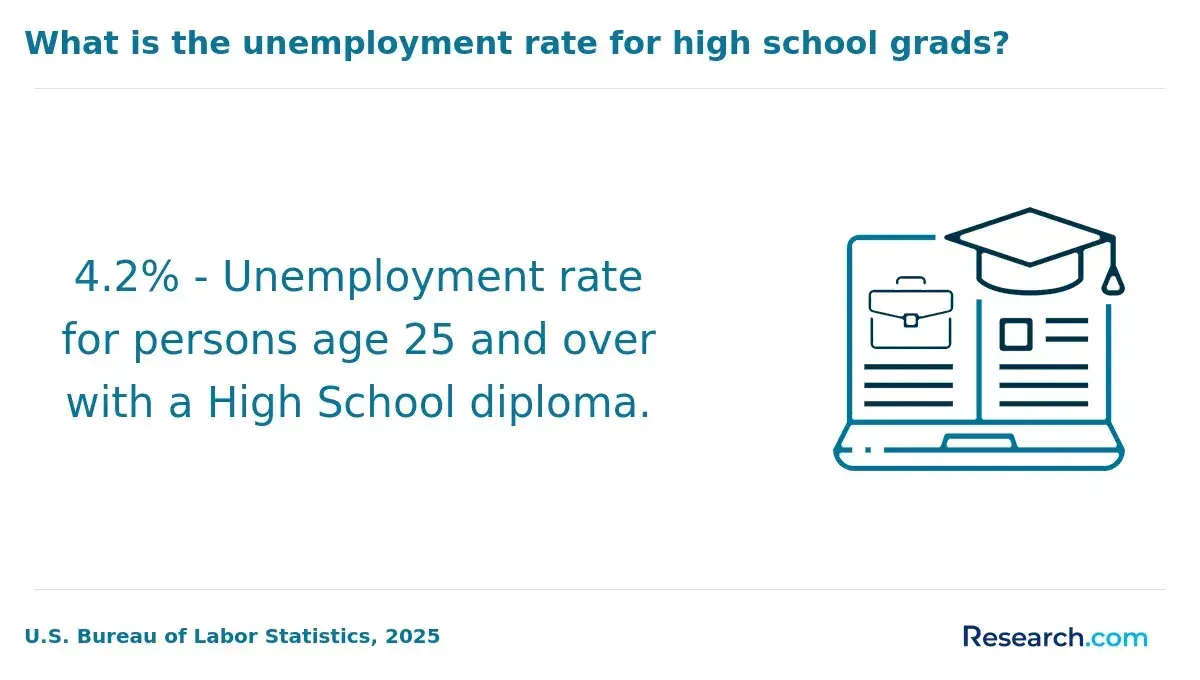
Admissions policies for online finance programs reflect practical challenges that shape student outcomes and workforce readiness. Baseline requirements typically include a high school diploma or equivalent, with a preference for candidates demonstrating solid academic preparation: official transcripts are scrutinized, particularly GPA levels usually ranging from 2.5 to 3.0.
Quantitative skills and communication abilities, verified through college preparatory coursework in math and English, are often prerequisites given finance's analytical demands. Standardized tests like the SAT and ACT have become optional in many cases, yet some programs still value these scores when candidates lack collegiate-level credits or have nontraditional academic backgrounds.
International candidates must prove English proficiency via TOEFL or IELTS, aligning language capabilities with the rigorous financial lexicon and problem-solving expected in coursework. For transfer or returning students, prior college transcripts and evidence of foundational business or finance classes can be decisive.
Work experience or a curated portfolio can offset limited academic credentials, especially in accelerated or executive-track programs where demonstrated practical skills enhance employability prospects. Motivation and the ability to complete career-focused finance projects-often assessed through essays or interviews-are critical, reflecting employer demand for time management and analytical rigor. Cost is a significant barrier; online program pricing, such as Western Carolina University's $42 per-credit in-state rate noted by Forbes Advisor, can save students thousands versus traditional options. Such financial accessibility affects applicant pools and the feasibility of sustaining education while working.
How long does an online finance degree take and cost?
Completing an online finance degree often spans four years full-time but extends beyond six years for many part-time students juggling work and personal responsibilities. This extended timeline requires balancing coursework with employment, and the resulting delay can impact income and career trajectory. Cost-wise, accredited programs generally run between $40,000 and $70,000, excluding additional fees. These expenses should be weighed against the program's career support and employer recognition, which directly affect hiring prospects.
Employment growth for financial analysts is projected at 9% from 2024 to 2034, adding roughly 38,000 jobs annually. Employers prioritize candidates demonstrating practical skills in financial modeling, risk assessment, and portfolio management, which must be cultivated through targeted projects during the degree. For working adults, accelerated or certification-enhanced routes may improve market entry speed but require careful assessment of workload and return on investment. Ultimately, students should align program selection with their employment context, balancing affordability, duration, and skill development to optimize career outcomes in finance.
What finance jobs can you get with this degree?
A bachelor's degree in finance equips graduates with essential analytical skills but does not guarantee seamless entry into the field. Most roles begin with financial analyst positions, which demand proficiency in evaluating investments and generating data-driven reports that directly impact strategic decisions. For instance, a financial analyst at a hedge fund will heavily rely on market trend data to adjust portfolios, whereas one in manufacturing will focus on capital budgeting, illustrating how job functions diverge by industry.
Employers expect candidates to demonstrate practical experience with advanced Excel, financial modeling, and data visualization tools. Without internships or hands-on projects, graduates often struggle to differentiate themselves despite theoretical knowledge. The median annual wage for financial analysts was $103,260, with top earners exceeding $179,530, reflecting that skill level and experience heavily influence earning potential.
Other career paths include financial planning, treasury management, and credit analysis, each requiring not only quantitative expertise but also strong communication to handle negotiations and cross-departmental collaboration. Advanced certifications like CFA or CPA can enhance career prospects but necessitate significant additional effort beyond the bachelor's degree.
How much do finance graduates usually earn?
Starting salaries for finance graduates in the U.S. vary significantly by location, role, and experience, typically ranging from $55,000 to $75,000 for entry-level positions. Professionals with five to ten years of experience can expect median salaries between $85,000 and $110,000, while senior specialists such as financial analysts or portfolio managers often surpass $130,000. These figures represent key sectors including banking, corporate finance, and investment management, but geographic cost-of-living considerations frequently require tradeoffs that entrants should weigh carefully.
Employer perspectives on credentialing have evolved: 61% of hiring leaders in a 2024 survey by Northeastern University's Center for the Future of Higher Education and Talent Strategy regard online degrees from reputable institutions as equivalent or superior to traditional formats. This broader acceptance expands pathways but demands that candidates demonstrate applied skills through career-focused projects, often used to offset scarce internship experience.
Practical choices matter in shaping earning potential and career trajectory: finance graduates often must decide between time-intensive bachelor's degrees and accelerated certifications like CFA or CFP, each with distinct implications for salary and professional readiness. Emphasizing quantitative aptitude, industry-specific software proficiency, and demonstrated project experience overrides the mode of education delivery in employer evaluations.
What certifications help finance graduates advance their careers?
Certifications such as the CFA, CFP, and CPA each serve distinct roles in shaping finance professionals' trajectories by confirming specific competencies valued by employers. The CFA is preferential for positions involving portfolio management and equity research, where analytical rigor and ethical standards impact client trust and investment outcomes. Conversely, the CFP is tailored to wealth management, validating expertise in comprehensive financial planning, tax nuances, and retirement considerations. The CPA remains indispensable for those targeting accounting-focused finance roles, especially in compliance and auditing, where precision and regulatory knowledge are essential.
For example, an online finance graduate aiming for investment banking should prioritize passing CFA Level I, as many firms treat this as a baseline qualification for analyst roles. Meanwhile, a professional interested in corporate treasury roles often finds the CPA more directly aligned with internal financial controls and governance responsibilities. Pursuing multiple certifications without regard for target industry demands risks slowing momentum and inflating costs unnecessarily.
Gallup's 2024 State of Higher Education report notes 56% of adults completing mainly online bachelor's programs strongly agree their education was worth the investment, compared to 47% of in-person students. This suggests online learners who strategically complement degrees with targeted credentials benefit from efficient pathways to recognized workforce qualifications. Employers frequently require these certifications to supplement bachelor's-level practical gaps, underscoring the need for deliberate credentialing post-graduation rather than broad credential accumulation.
Other Things You Should Know About Finance
Finance graduates from accredited online programs in 2027 have comparable career opportunities to those from traditional programs. Employers often value the flexibility and self-discipline that online students demonstrate. Additionally, career-focused projects help online graduates develop practical skills that are highly valued in the finance industry.
Online finance programs often demand greater self-discipline because they condense the same volume of material into flexible schedules without scheduled in-person class time. This structure suits motivated learners but can be challenging without strong time-management skills. Prospective students should prioritize programs that provide clear pacing guides and accessible faculty support to mitigate the risk of falling behind and to maintain consistent progress.
Focusing on subfields like corporate finance, investment analysis, or financial planning can provide a competitive edge, especially for niche roles that require specific knowledge. However, overly narrow concentrations may limit broader career flexibility early on. It is advisable to select a program offering a balance of foundational finance topics alongside specialization options, enabling adaptiveness to varied employer needs and evolving market demands.
Applicants should know college algebra, introductory statistics, and basic spreadsheet use before starting. Many programs expect placement into calculus or pre-calculus, and analysis projects usually require Microsoft Excel, financial calculators, and sometimes SQL or Tableau for data work and forecasting.
References
- Finance Certifications https://www.fma.org/finance-certifications
- Online bachelor's in finance degrees | edX https://www.edx.org/bachelors/online-bachelors-degree-finance
- Getting a Finance degree: All you need to know https://www.study.eu/article/getting-a-finance-degree-all-you-need-to-know
- Online Bachelor's Degree in Finance | CSU Global | Accredited https://csuglobal.edu/academic-programs/undergraduate-degrees/bachelors-degree-finance
- Accreditation https://www.greenclimate.fund/accreditation
- Stockholm School of Economics https://www.hhs.se/en/education/msc/mfin/mfin-admission/
- New accounting rules for supplier finance programs - Accuity https://www.accuityadvisors.com/insights/new-accounting-rules-for-supplier-finance-programs/
- PCAF partners | PCAF https://carbonaccountingfinancials.com/en/partners
- Best Finance Degrees Online | Accounting.com https://www.accounting.com/degrees/finance/bachelors/best-online-programs/
- How applied finance can boost your career goals | Kaplan Professional https://www.kaplanprofessional.edu.au/blog/how-applied-finance-courses-can-boost-your-career-goals/