2027 Best Online Master's in Finance With Financial Analytics Tracks

Co-Founder and Chief Data Scientist
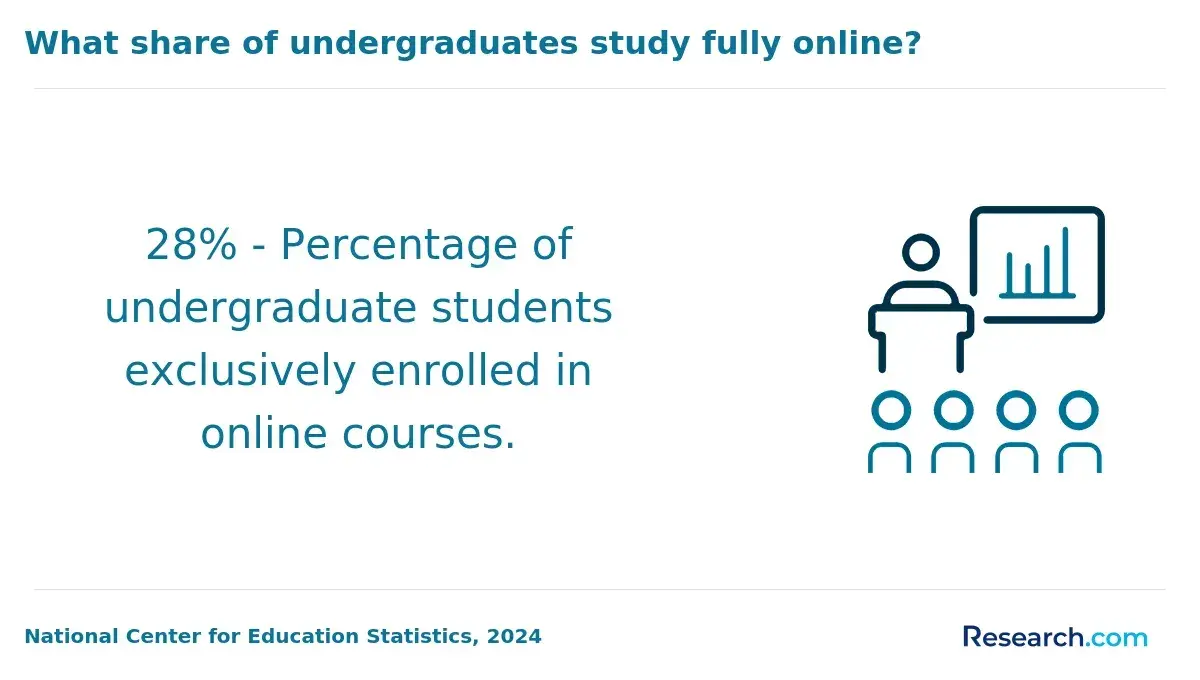
Facing the demand to master data-driven financial strategies while maintaining full-time employment, many professionals find traditional master's programs impractical. The National Center for Education Statistics reports a 14% surge in online master's enrollment since 2023, underscoring a shift toward flexible learning formats tailored for adult learners balancing careers and family. Yet, not all online finance programs integrate advanced financial analytics rigorously, a skillset increasingly mandated by top employers assessing candidates for quantitative roles. This article evaluates the best online master's in finance with financial analytics tracks, focusing on program quality, flexibility, and career impact to guide informed decisions amid a saturated market.
Key Things You Should Know
- Graduates from online master's in finance with financial analytics tracks face a median 15% salary premium over general finance degrees, but programs lacking integrated hands-on data projects show 22% lower employer placement per recent National Association of Colleges report.
- Employers increasingly demand proficiency in Python and SQL alongside traditional finance, with 68% of surveyed firms prioritizing technical fluency, forcing candidates to balance advanced analytics skills versus core finance theory mastery.
- Online cohorts experience 12-18 month average completion timelines, yet accelerated 9-month tracks report 30% higher burnout and lower long-term certification pass rates, amplifying the tradeoff between speed and sustained credential value.
What is an online master's in finance with a financial analytics track and who is it best for?
The surge in demand for financial analytics skills-job postings grew roughly 32% from 2019 to 2024 compared to 18% for general finance roles-reflects a growing employer emphasis on blending quantitative analysis with traditional finance expertise. An online master's in finance with financial analytics specialization positions candidates to meet this hybrid demand, especially those in asset management or corporate finance aiming to enhance predictive modeling and portfolio optimization capabilities.
Best candidates for an online master's in finance with analytics track typically possess either a solid quantitative foundation or relevant finance experience but must weigh program emphases carefully. Some curricula heavily integrate data science and programming languages like Python, R, and SQL, aligning better with professionals from analytics or IT backgrounds. Others maintain a finance-first approach supplemented by analytic tools, serving those looking to deepen financial decision-making without pivoting fully into data science. Access to hands-on data projects and alignment with certifications like the CFA or FRM also influence practical program value.
Consider a corporate treasury analyst focused on liquidity risk modeling who requires granular scenario analysis and forecasting: this track offers immediate applicability by strengthening data-driven decision skills. Conversely, candidates without quantitative training should anticipate investing extra effort upfront to master statistical foundations, a significant tradeoff in time and workload. For those evaluating multiple pathways, comparing specialized options such as an online MBA programs comparison may clarify which route best aligns with their career objectives and operational needs.
How do online finance master's programs with analytics tracks compare to on-campus options?
Choosing between online master's in finance with analytics and on-campus programs involves balancing practical integration against immersive networking. Employers largely equate accredited online degrees to traditional ones, particularly when programs prioritize data analysis, quantitative finance, and applicable software skills critical for investment analysis or risk management roles. However, on-campus programs offer structured, face-to-face mentorship and access to regional internships, which matter in financial hubs like New York or Chicago.
Online formats enable professionals to maintain employment while studying, immediately applying new capabilities without geographical constraints. This is particularly relevant given the U.S. Bureau of Labor Statistics' projection of 8% growth in financial and investment analyst roles by 2032 and median salaries near $108,790. For instance, a corporate finance analyst transitioning into fintech analytics can leverage online coursework alongside active projects, avoiding career interruptions.
Success in either format depends on cultivating employer connections-online students must utilize virtual fairs and platforms to offset the absence of physical interaction. Employers prioritize demonstrated analytics competency, emphasizing programs with rigorous capstone projects using real-world data. This reflects a key consideration when comparing online and campus finance master's analytics tracks.
Decision-making should weigh professional obligations, geographical career goals, and digital self-discipline. For deeper evaluations of program options, professionals often consult rankings such as the top online MBA programs as one parallel reference point for flexible graduate business education.
Which accredited schools offer the best online master's in finance with financial analytics specializations?
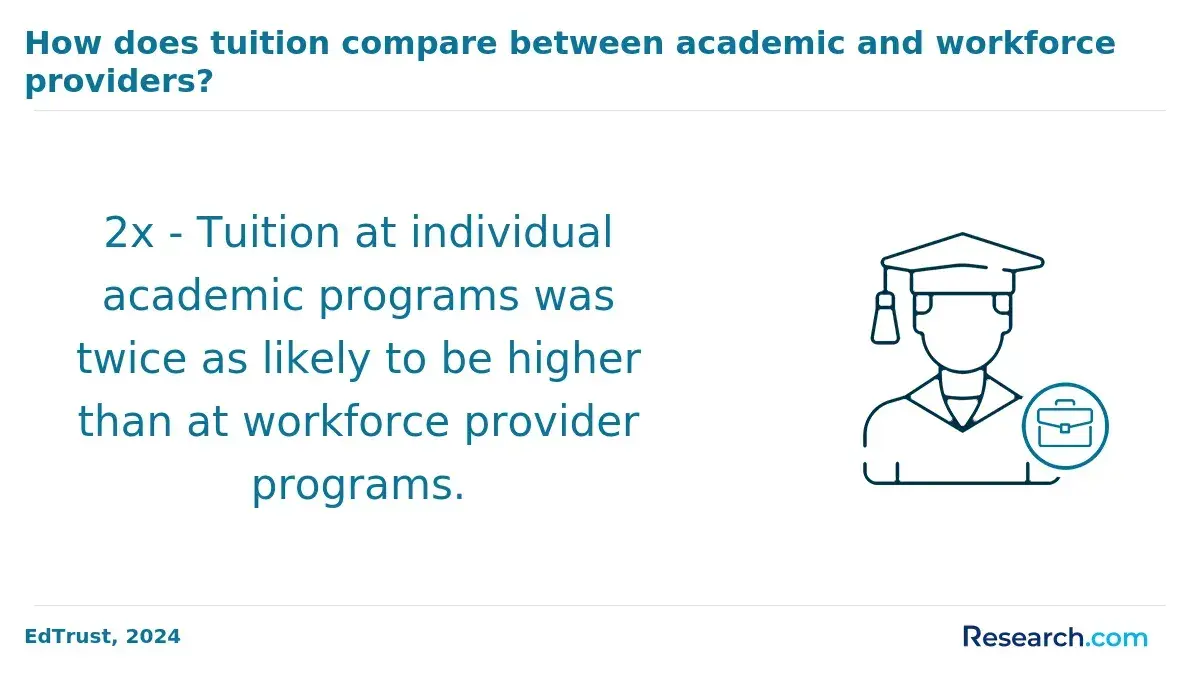
Choosing between online master's in finance programs with a financial analytics specialization demands weighing cost against career impact and industry fit. Tuition ranges widely-from the University of Georgia's $18,870 to Columbia University's $73,860-mirroring different access points to employer networks and market segments. For example, the University of Georgia's offering targets professionals aiming for roles in mid-tier enterprises or regional banks, where practical analytics skills paired with financial foundations directly enhance hiring prospects.
Conversely, Columbia University commands a premium reflecting its positioning within New York's elite financial ecosystem, which benefits candidates pursuing investment banking or quantitative roles at top-tier firms. Northeastern University blends these approaches by embedding hands-on client projects that reinforce immediate workplace applicability-an advantage given employers' prioritization of actionable data modeling experience alongside finance knowledge.
Deciding among these best accredited online master's in finance programs with financial analytics means understanding recruiter preferences and alumni outcomes as a function of specialization depth and networking potential. Graduates' employability hinges on how effectively programs integrate applied analytics within finance, not just theoretical rigor.
Those balancing ongoing employment with upskilling may prefer cost-efficient curricula, while others may invest in programs offering direct pipelines to recruiters. For professionals seeking flexible timelines, exploring the fastest MBA programs online can offer insights into accelerated pathways complementing finance-focused analytics degrees.
In sum, aligning your choice with expected industry roles, geographic mobility, and program structure is essential when evaluating top online master's in finance degrees with financial analytics specialization.
What admission requirements and prior experience do these online finance and analytics programs expect?
Quantitative aptitude remains a pivotal gatekeeper for admission to online master's in finance programs with financial analytics tracks in the United States. Applicants typically possess undergraduate degrees in finance, economics, mathematics, engineering, or related disciplines, reflecting the rigorous numerical foundation these programs require. Admission committees prioritize demonstrated proficiency in statistics, calculus, and accounting fundamentals, with some programs mandating 1-3 years of relevant professional experience, while others accept recent graduates, expecting familiarity with data analytics tools like Python, R, or SQL. This variance in prior professional experience needed for enrollment in online master's degrees in finance and analytics affects candidate readiness and program intensity.
Standardized tests such as the GMAT or GRE remain optional for many programs, yet competitive offerings may still demand scores exceeding the 600 threshold. Admission dossiers emphasize a polished quantitative resume, statements of purpose aligning career objectives with financial analytics applications, and strong academic transcripts showing GPAs above 3.0. Letters of recommendation from industry or academic professionals who can validate analytical skills are standard.
Career switchers from non-quantitative fields encounter an added layer of prerequisites, often requiring supplementary coursework in statistics or introductory programming, which lengthens time to completion and increases costs. This reflects workforce realities where employers expect graduates to build predictive financial models and automate data workflows effectively. Tuition disparities-ranging from in-state public rates around $2,578 for six credits to private tuition at $885 per credit-underscore financial tradeoffs for candidates balancing cost and curricular depth. For those exploring alternative paths, options like online medical assistant programs that accept financial aid may offer more accessible entry points into healthcare-related fields.
What courses and specializations are typically included in a finance master's with financial analytics?
A master's in finance with a concentration in financial analytics demands rigorous quantitative skills and mastery of data-driven tools, positioning graduates for specialized roles rather than generalist finance positions. For example, a risk analyst in banking leverages credit risk modeling coursework to refine borrower evaluations, while asset managers benefit from expertise in time series forecasting and alternative data for market insights. This program design favors candidates prepared to engage deeply with programming languages like Python or R and software such as SAS or Tableau, reflecting employer preferences for applied analytics over traditional theory.
Curricula typically integrate advanced financial concepts-corporate finance, investment analysis, risk management-with specialized topics like financial modeling and predictive analytics. Elective options may include machine learning applications, algorithmic trading, and blockchain, highlighting how the field's technological evolution influences course offerings. Students should expect project-driven assignments and case studies that mirror industry demands, requiring disciplined time management and prior quantitative literacy.
From a cost perspective, Our Lady of the Lake University's online Master's in Financial Analysis charges $2,973 per course for 2024-2025, approximately 31% below the $4,330 average tuition per course among peers. This cost differential directly affects accessibility for working professionals weighing specialization depth against broader credentials. Hiring managers increasingly select candidates demonstrating proficiency in financial analytics tools, equipping graduates to pivot strategically into fintech, risk oversight, or portfolio optimization roles.
How long do online finance master's with analytics tracks take and what do they cost?
Choosing an online master's in finance with a financial analytics track involves balancing time commitments, cost, and targeted skill acquisition against actual employer demand. Programs typically require 30 to 45 credit hours completed over 18 to 24 months full-time, though part-time options can stretch to 36 months. Accelerated paths condense this to 12-15 months by focusing intensely on analytics, which better suits roles in fintech and data-driven investment firms.
Tuition ranges substantially. Public institutions generally charge $20,000 to $40,000, while private schools may reach $50,000 to $75,000. This investment calls for a clear strategy, as employers increasingly prize analytics proficiency, yet the payoff hinges on securing roles with measurable salary uplifts or strategic career moves. Financial aid and employer reimbursement can offset upfront costs but require foresight due to competitive admissions.
Applicants confront rising standards: from 2022 to 2024, specialized finance and analytics master's applications grew by 13%, reflecting heightened selectivity. Prospective students should sharpen quantitative skills and accumulate relevant experience, especially those targeting quantitative asset management or algorithmic trading where rigorous math and real-time data projects are expected.
Deciding between a generalist two-year finance master's with analytics electives and a dedicated analytics track depends on career goals:
- Broader roles like consulting or corporate finance may benefit from generalist programs
- Specialized careers in credit analytics or algorithmic trading require deep analytics training
This choice impacts not only curriculum but also duration, costs, and long-term employability in an evolving financial services landscape.
How can students verify accreditation and program quality for online finance and analytics degrees?
Accreditation remains the most straightforward benchmark for assessing online finance and analytics degrees, but its practical value depends on the type and relevance of the accrediting agency. Regional or national accreditation from bodies like the Higher Learning Commission confirms basic academic legitimacy and access to federal aid, yet specialized accreditation from organizations such as AACSB signals that a program meets rigorous standards in business education and offers stronger industry relevance.
A working professional pivoting into financial management should prioritize programs that demonstrate clear alignment with current market demands, especially regarding proficiency in financial analytics tools. Some degrees may boast impressive employment statistics, but candidates must verify these claims through independent data on median salaries-around $166,050 for financial managers-and sector growth projections at 16% over the next decade, ensuring their investment correlates with realistic ROI.
Key factors include faculty expertise, student-to-teacher ratios, and the quality of remote learner support. Programs that provide real-time analytics case studies or partnerships with finance firms offer practical advantages for skills application. Conversely, programs lacking transparent employment outcomes or financial aid breakdowns can mislead candidates about postgraduation success and total cost. In such cases, weighing whether the tuition-often between $18,000 and $46,000-justifies potential career returns is crucial for an informed decision.
What careers can a master's in finance with financial analytics prepare you for?
A master's in finance with a focus on financial analytics targets professionals ready to handle complex quantitative challenges alongside strategic decision-making. For instance, a financial manager at a manufacturing company must leverage analytics to reconcile cash flow forecasts with operational cost controls and capital expenditures, balancing short-term precision with long-term strategy. Such roles demand fluency in interpreting large datasets and applying predictive models to mitigate credit risk, detect fraud, or design algorithmic trading systems.
The sector values candidates proficient in tools like Python, R, or SQL paired with solid financial theory. This dual skill set differentiates graduates from traditional finance professionals who often lack technical depth. Employment growth for roles like financial manager is projected at 16% over a decade, with median earnings around $166,050 annually. Yet achieving and maintaining employability requires navigating continuous skill development amid shifting regulatory environments and software ecosystems.
Prospective students must weigh the faster entry into conventional finance roles against the steeper learning curve of analytics tools and domain-specific applications. The most appropriate career paths often lie within multinational banks, fintech firms, or large corporations where a data-driven approach is integral. Here, graduates' advanced analytics capabilities offer competitive advantage but also necessitate ongoing adaptation as analytical demands evolve.
What salary ranges and advancement opportunities do graduates in financial analytics-focused finance roles see?
Financial analytics roles offer salary variability driven by sector and geography, with entry to mid-level positions ranging from $85,000 to $130,000, and senior roles exceeding $180,000. Investment banking and corporate analytics often start higher, contrasting with typically lower government or nonprofit sector pay. This spread demands candidates consider industry alignment when evaluating educational investments or job switches.
Progression in this field requires blending technical skills, like Python-based machine learning for portfolio optimization, with strategic business insights and effective communication. For instance, an asset management analyst who integrates predictive analytics with organizational goals can advance more rapidly by demonstrating measurable performance gains.
The increasing emphasis on hybrid or online credentials-favored by 44% of prospective finance master's students in recent surveys-offers flexibility but also requires candidates to prove applied skills beyond theory, including real-time data interpretation and proficiency in tools such as Tableau, SQL, and Python. Employers expect portfolios that document tangible outcomes, which become crucial bargaining chips in salary negotiations.
Continuous skill updating remains essential given evolving regulatory frameworks and technology shifts impacting data governance and compliance. Prospective students must weigh the practical implications of their program choices against these labor market realities to avoid investing time and resources in credentials with limited industry traction.
How should you choose the right online master's in finance with an analytics track for your goals?
Choosing an online master's in finance with a financial analytics track demands critical examination of how well a program's curriculum aligns with specific career trajectories and employer expectations. For example, candidates pursuing corporate finance analytics should focus on programs that prioritize predictive modeling and risk analytics rather than broad finance theory. Meanwhile, those targeting investment banking or asset management roles benefit from curricula that blend rigorous quantitative methods with applied analytics tools.
Employment outcomes and salary gains offer concrete measures of program value. Data from the GMAC 2024 Alumni Perspectives survey reveals that 86% of graduates from specialized business master's programs rate their degrees as providing strong ROI. However, prospective students should verify these figures through alumni career progression and recruiter insights, especially within niche finance analytics domains.
Program logistics significantly affect the learning experience and skill acquisition. Working professionals often require asynchronous course delivery, smaller cohorts, and access to experiential projects using practical toolkits like Python, R, or SQL. Programs lacking real-world application components risk leaving students underprepared for roles demanding immediate analytical competence.
Cost must be balanced against expected salary improvements and network opportunities. Finance-analytics integrated programs often carry premium tuition fees justified by superior career outcomes-particularly for roles in fintech or corporate analytics, where a blend of finance knowledge and analytical expertise drives competitive advantage.
Other Things You Should Know About Finance
Some top universities offering online master's programs in finance with financial analytics tracks in 2027 include Johns Hopkins University, Columbia University, and the University of Illinois. These programs provide rigorous coursework designed to equip students with the analytical skills necessary for high-demand roles in finance.
Employers increasingly accept online finance master's degrees from reputable, accredited institutions, especially when paired with financial analytics skills. The perceived quality depends heavily on program rigor and graduate outcomes rather than delivery mode alone. For roles requiring hands-on data modeling and programming, employers focus on demonstrated competence over the program format, so emphasizing practical projects and internships is critical. Online learners must be prepared to clearly present their applied skills to offset any residual stigma around online education.
The analytical and technical content of financial analytics tracks demands substantial study time, often exceeding general master's programs. Part-time enrollment, flexible deadlines, and asynchronous classes help many working professionals manage workload alongside jobs. However, expect peak periods of intense work around projects involving programming and data modeling. Prioritize programs that offer flexibility without compromising course rigor to maintain progression without burnout.
Many programs waive the GMAT or GRE, but some still require one test score for applicants without a strong quantitative background. Schools often ask for official transcripts, a résumé, and prerequisite coursework in calculus, statistics, or financial accounting before admission.
References
- Master’s in Financial Analysis https://www.kaplanfinancial.com/wealth-management/masters-program/ms-financial-analysis
- Analytics Degree Accreditation: What to Look For - AnalyticsDegrees.org https://www.analyticsdegrees.org/faq/analytics-degree-accreditation/
- Are Online Degrees Accredited? How to Identify Quality Distance Learning Programs https://www.umassglobal.edu/blog-news/online-degrees-accredited-identify-quality-distance-learning-programs
- What careers are possible after a Master’s in Corporate Finance? https://www.edcparis.edu/en/faq/what-careers-are-possible-after-masters-corporate-finance
- The Need of Accreditation in Online Degree Programs https://www.onlinecu.in/blog/cu/the-importance-of-accreditation-in-online-degree-programs.php
- Preparing for the MSc in Finance Program https://afewgoodminds.com/how-to-prepare-for-the-msc-in-finance-program/
- Online Master's Degree in Finance | CSU Global | Accredited https://csuglobal.edu/academic-programs/graduate-degrees/masters-degree-program-finance
- Corporate Finance Jobs: Full Guide, Salaries, Exits + More https://mergersandinquisitions.com/corporate-finance-jobs/
- ROI and Accreditation of Online Programs | 16 | Using ROI for Strategi https://www.taylorfrancis.com/chapters/edit/10.4324/9781003448587-16/roi-accreditation-online-programs-leah-matthews
- How to find a good master's degree in finance? - ESCE https://www.esce.fr/en/faq-all-the-answers-to-your-questions/how-to-find-a-good-masters-degree-in-finance/