2027 Best Online Finance Programs for Professionals Seeking Analyst-to-Manager Advancement

Co-Founder and Chief Data Scientist
Mid-career finance analysts often confront a narrowing window for advancement while balancing demanding workloads and limited time for upskilling. The challenge intensifies as management roles increasingly require both technical expertise and strategic leadership, yet traditional MBA programs demand multi-year full-time commitments or inconvenient campus presence. According to the National Center for Education Statistics, enrollment among working adults in online higher education rose 9% from 2023 to 2024, indicating a shift toward accessible, flexible learning that accommodates professional schedules without sacrificing rigor. This trend reshapes how analysts can acquire credentials critical for managerial positions without compromising income or job performance.
This article evaluates the best online finance programs designed to facilitate a smooth analyst-to-manager career leap, focusing on flexibility, curriculum relevance, employer recognition, and long-term value for professionals navigating this pivotal transition.
Key Things You Should Know
- Data from the U.S. Bureau of Labor Statistics shows analyst-to-manager promotions in finance face a 22% average earnings gap if candidates skip leadership-focused programs, pressuring professionals to balance technical skill deepening against managerial competencies.
- Employers prioritize programs integrating financial modeling with strategic decision-making, with 68% of hiring managers referencing such hybrid curricula as essential for middle-management roles, challenging pure quantitative tracks.
- Median online finance program costs rose 12% in 2024 per National Center for Education Statistics, complicating timing decisions for mid-career professionals balancing wage stagnation and upskilling urgency amid economic volatility.
What is an online finance degree for analysts seeking advancement into finance manager roles?
Advancing from an analyst to a finance manager requires mastering both technical analysis and managerial acumen, a balance that online finance degree programs for analyst career advancement address by integrating strategic decision-making and leadership skills. For instance, an analyst at a manufacturing firm must transition from routine variance analysis to overseeing capital allocation and coordinating across departments, responsibilities supported by coursework in advanced financial modeling and organizational behavior.
These programs often cater to full-time professionals, offering asynchronous formats with case studies focused on applying concepts directly to current job roles. However, candidates must weigh rigorous curriculum demands against necessary flexibility, especially given evolving industry dynamics like fintech and ESG reporting integration.
The U.S. Bureau of Labor Statistics projects business and financial roles will grow about 8% faster than average, adding over 900,000 jobs. This highlights an increasing employer expectation for finance managers who combine analytical expertise with leadership capacity to manage risks and strategic compliance.
Choosing the best online finance degrees for moving into manager roles involves prioritizing accreditation, real-world applicability, and networks connecting students with financial executives. For those seeking expansive managerial education alternatives, exploring an online MBA operations management program can offer complementary strategic and operational skills.
How can an online finance program help you move from financial analyst to manager?
Advancing from financial analyst to manager with online finance courses requires more than theoretical knowledge-it demands targeted skills aligned with supervisory roles. Employers expect proficiency in strategic decision-making, budgeting, team leadership, and advanced financial modeling integrated with up-to-date financial technologies and regulatory compliance. Analysts without formal management education risk stagnation despite strong technical abilities.
For instance, a corporate finance analyst who completes coursework in leadership and risk management gains practical capabilities in communication and performance evaluation. This enables a smoother transition to managing regional budgeting teams, leveraging case studies simulating supervisory challenges. However, the value of such programs varies; candidates should carefully assess program rigor and accreditation to avoid low-impact credentials.
Online formats address workload constraints for working professionals, balancing skill development with current job demands. Graduates deepen operational finance understanding, enhancing their ability to manage complex resource allocation and coordinate across departments-skills vital for management but absent from basic analyst training.
Key considerations for programs include:
- Alignment with 2024 financial reporting standards and software proficiency
- Inclusion of regulatory knowledge and compliance updates
- Curricula that reflect employer expectations for leadership growth
Those seeking cost-effective options might examine the most affordable online MBA offerings, which often incorporate advanced skills development for finance professionals aiming for management while balancing financial investments.
What types of online finance degrees best support analyst-to-manager career goals?
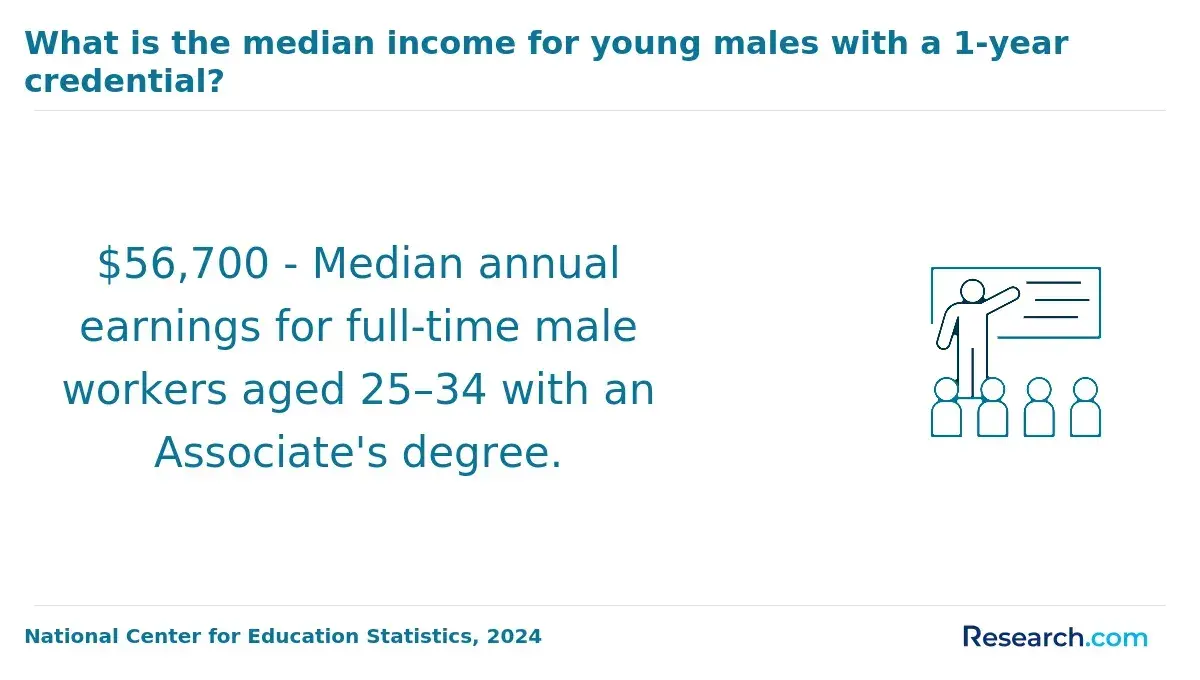
Securing a bachelor's degree in finance is often a decisive factor separating analysts from managers, with a median salary of about $76,000 compared to $48,000 for high school graduates, according to the U.S. Bureau of Labor Statistics, Education Pays report. This wage gap signals employer expectations that managerial candidates exhibit solid grounding in core financial subjects like investment analysis and risk management. Professionals pursuing managerial roles benefit from degrees integrating finance with leadership or data analytics, as these skills translate into practical supervisory competencies required beyond technical analysis - for instance, a financial analyst managing project budgets needs an understanding of operational metrics and strategic priorities.
Master's programs specializing in corporate finance or financial management-or MBA programs with finance concentrations-fast-track advancement by strengthening strategic planning, financial modeling, and cross-functional communication. Yet, these degrees require significant time and financial resources, so professionals must weigh these against their current responsibilities and career horizon.
Prioritizing programs with practical outcomes such as capstones and internships enhances leadership development and financial decision-making skills, which stand out more than certificates or short courses. Accreditation and alignment with recognized industry credentials remain critical factors influencing employer recognition and internal promotion structures within North American organizations seeking the best online finance programs for career growth in North America.
For those evaluating graduate pathways, research into the best MBA programs online under $30K offers an important benchmark for cost-effective, career-aligned options that balance rigor and accessibility.
How do online finance programs compare with on-campus options for working professionals?
The choice between online finance programs and traditional on-campus courses presents clear tradeoffs shaped by professional demands and industry expectations. Working professionals pursuing flexible finance education options for career advancement in the United States often prioritize asynchronous or hybrid online models that enable continuous employment and accommodate unpredictable schedules typical in consulting or corporate finance roles.
Employers, however, emphasize tangible outcomes over delivery format, seeking candidates proficient in quantitative analysis, risk management, and strategic communication. While online programs excel at integrating remote internships, real-time trading simulations, and certification prep tailored for busy professionals, they lack the spontaneous mentorship and networking depth found on-campus. These in-person interactions remain vital for sectors relying heavily on relationship capital, such as investment banking or private equity in financial hubs like New York or Chicago.
- Online routes maximize schedule flexibility and maintain employment continuity during study.
- On-campus programs offer richer face-to-face networking essential for industries where personal connections drive hiring.
- Cost differences have narrowed, with many universities now offering comparable tuition for online and on-campus formats.
Professionals in regional or specialized finance sectors, including risk management, may find online options that incorporate industry-specific modules and virtual cohorts provide pragmatic advancement pathways. Conversely, those targeting traditional finance careers might weigh the prestige and access benefits of selective campuses. The decision requires aligning program format with career stage, geographic mobility, and professional network needs while considering evaluative criteria such as the easiest MBA to get into.
Which accreditation and institutional quality signals matter most in online finance programs?
Regional accreditation acknowledged by the U.S. Department of Education remains the baseline for any credible online finance program, as employers and graduate schools routinely discount credentials without this validation due to uncertain quality and credit transferability. Beyond regional approval, the Association to Advance Collegiate Schools of Business (AACSB) accreditation adds a rigorous, finance-specific layer that signals strong curriculum standards and qualified faculty focused on essential competencies such as financial modeling and corporate valuation.
Choosing a program with transparent graduation rates and employment outcomes is particularly important for professionals aiming to move from analyst roles into management. These metrics provide a more reliable indicator of an institution's real-world value than marketing claims. Consider a regional banking analyst prioritizing affordability and local employer ties versus a corporate finance professional targeting Wall Street, where nationally recognized AACSB-accredited programs and strong alumni networks carry more weight.
Tuition varies widely, with annual in-state fees spanning roughly $4,600 to over $15,000 according to Forbes Advisor, reflecting tradeoffs between cost, reputation, flexibility, and career services. Prospective students must balance these factors against their own career trajectories and market demands instead of relying solely on brand recognition.
Ultimately, credibility derives from a combination of regional accreditation, specialized AACSB endorsement, and verifiable outcomes aligned with a student's targeted finance career path.
What core courses and specializations prepare analysts for senior finance and leadership roles?
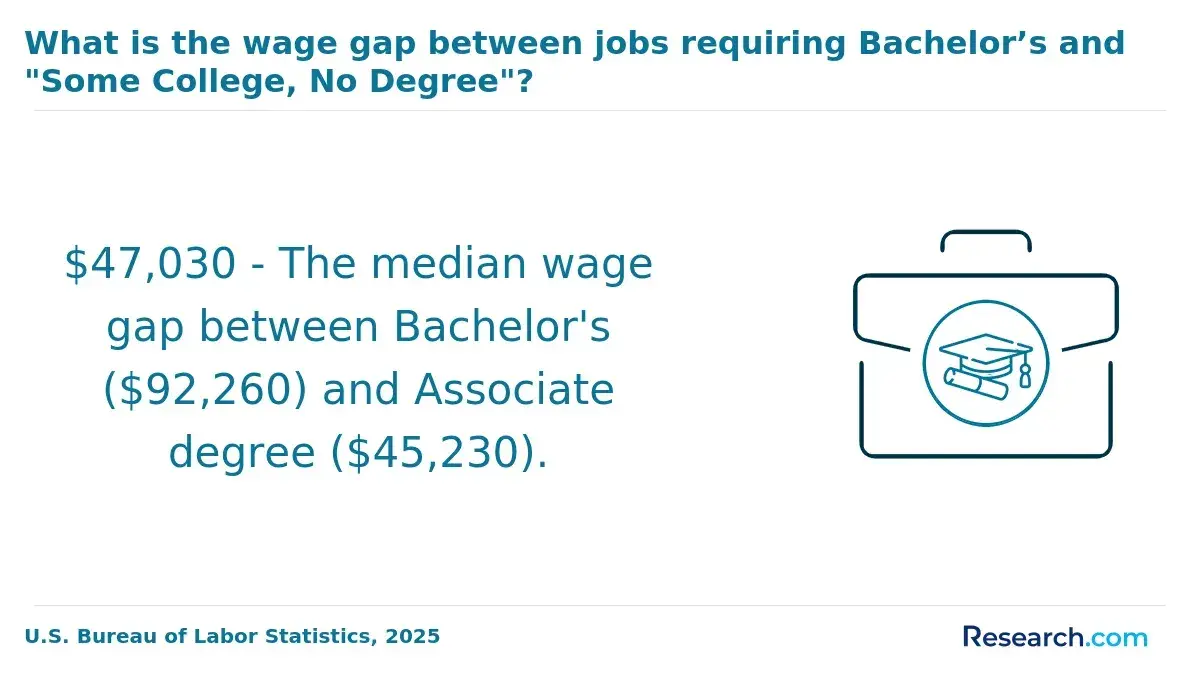
Effective preparation for senior roles in finance requires integrating advanced technical skills with leadership and strategic management competencies. Core coursework must include corporate finance, investment analysis, and financial modeling to ensure analysts can handle complex decisions in functions like portfolio management or mergers and acquisitions. Complementary subjects such as ethical leadership, organizational behavior, and risk management are necessary to navigate compliance challenges and lead diverse teams effectively.
Specializations in areas like data analytics, fintech, and financial strategy respond to shifting market demands by enabling professionals to leverage emerging technologies for predictive insight-skills increasingly valued in banking or asset management. For instance, analysts aiming for managerial roles in investment firms must master AI-driven risk assessment and regulatory frameworks beyond traditional valuation methods, reflecting a practical need to balance quantitative expertise with strategic oversight.
Practical considerations include programs that embed project management and communication modules, which address real scenarios like coordinating cross-functional teams or delivering data-driven presentations to stakeholders. Decision-makers should prioritize curricula offering applied learning through case studies or simulations to ensure smoother transitions into complex financial operations.
A 2024 survey by BestColleges Employer Survey found that 71% of hiring managers regard online business degrees from accredited institutions as credible as traditional degrees, emphasizing the importance of selecting programs with rigorous, industry-aligned coursework to enhance leadership readiness and employability.
What are typical admissions requirements for online finance degrees aimed at working analysts?
A bachelor's degree-typically in finance, economics, accounting, business, or a related quantitative area-is a near-universal prerequisite for online finance programs aimed at working analysts. However, admissions hinge critically on demonstrable professional experience, usually between two to five years in analytical roles, confirming candidates can engage with managerial-level coursework. The growing trend to waive GRE or GMAT scores reduces initial barriers, but competitive test results still offer an edge for more selective programs.
Data analysis and financial modeling competencies are non-negotiable, given that 81% of investment professionals identify these as significant skills gaps in mid-career talent per the 2024 CFA Institute survey. Students lacking these proficiencies often face prerequisite bridge courses, extending time and cost. Employment prospects improve substantially with certifications like CFA or CPA, which employers view as proxies for technical mastery and rigor.
Admissions committees also prioritize proof of quantitative aptitude-transcripts including statistics, calculus, or econometrics-and seek letters that attest to analytical rigor and leadership capability to match the managerial focus of these degrees. Realistic time-management plans become essential when juggling full-time work with the intensity of asynchronous or cohort-based structures that may require synchronous attendance incompatible with variable shift schedules.
Continuous professional development increasingly influences acceptance and success potential in these programs, reflecting employer demands for upskilling that bridges critical analytical deficiencies in finance roles.
How long do online finance programs take, and what do they typically cost?
Choosing an online finance program requires weighing time commitments against practical outcomes, especially for professionals balancing work and advancement goals. Programs geared toward analyst-to-manager transitions typically span 12 to 24 months, with accelerated tracks compressing study to 12-15 months at the expense of heavier weekly workloads. Longer, part-time options extend flexibility but may delay promotion eligibility, which can be critical when employers value timely demonstration of leadership and industry-specific expertise.
Costs vary sharply: bachelor's degree completion programs generally range from $15,000 to $40,000, while master's degrees or professional certificates can reach $60,000. Higher price points sometimes correlate with stronger employer recognition or influential alumni networks, important factors in competitive fields like investment banking or corporate finance. Yet, opportunity cost from lost income or extended study periods must be carefully evaluated.
Employment growth for financial managers is projected at 16% through 2032, adding some 126,600 jobs, increasing urgency to complete credentialing efficiently. For instance, a risk analyst aiming to move into financial management in healthcare might prioritize an 18-month curriculum with relevant industry modules rather than an elongated theoretical program.
- Prospective students should assess program pacing against career timelines.
- Cost versus network value influences ROI and job prospects.
- Employer alignment in coursework content can expedite skill validation.
What finance manager and leadership roles can graduates pursue, and what are typical salaries?
Advancing from analyst to managerial roles in finance demands more than technical proficiency; it requires leadership skills with tangible impact on organizational outcomes. For instance, a finance director in manufacturing must not only master cost control but also collaborate closely with operations teams to enhance production efficiency and profitability, demonstrating the necessity of contextual leadership alongside financial expertise.
Salary expectations vary by sector and geography, often reflecting experience in both finance knowledge and people management. Financial managers in major firms earn median salaries near $134,180 annually, while investment managers command between $90,000 and $150,000. Regional factors contribute too-finance directors in costly urban areas can exceed $180,000.
Practical experience is essential to navigate these roles effectively. Employers typically expect candidates to supplement online or hybrid finance education with applied projects or real-world financial strategy experience, as these managerial positions emphasize cross-department collaboration and leadership beyond quantitative tasks.
Statistics show that 61% of U.S. adults pursuing career advancement education select online or hybrid formats, which offer flexibility for working professionals. However, without demonstrable leadership outcomes, graduates may face slower salary growth and limited promotion potential compared to peers with richer portfolios.
- Core competencies involve budgeting, forecasting, risk management, and strategic decision-making integrated with team leadership
- Strong regulatory knowledge or investment analysis expertise can significantly enhance salary prospects, especially in specialized sectors like healthcare finance
- The gap between analyst and manager roles often hinges on proven people management and communication skills rather than pure finance acumen
How is the job outlook for finance managers, and which industries offer the strongest demand?
Projected growth for finance managers outpaces many fields, yet success depends heavily on industry-specific expertise and adaptable skill sets. For instance, finance managers in manufacturing prioritize cost control and supply chain finance, a distinct focus from healthcare managers who must integrate clinical operations knowledge with financial strategy. Employers increasingly demand candidates who combine sector-focused analytics with advanced proficiency in technology-driven tools.
The rising complexity in regulatory environments and the shift toward data-informed decisions create a tangible divide between broad managerial training and specialized curricula. Professionals aiming for roles in securities, corporate finance, or technology must weigh the benefits of technical mastery against a wider managerial perspective. This decision affects long-term employability and the ability to deliver value in sector-unique contexts.
The labor market expects finance managers to harness advanced software, Excel modeling, and relevant case studies-skills often emphasized in online programs that cater to working professionals. Such programs tend to offer modular, flexible formats that mitigate scheduling conflicts and accelerate credential attainment without sacrificing practical application.
- Projected 11% job growth through 2034, notably above the average for all occupations
- Key growth sectors: securities intermediation, corporate finance, healthcare, and technology
- Growing need for managers versed in regulatory compliance and data analytics
- Tradeoffs between broad vs. specialized finance training impact hiring and career trajectories
Prospective students and professionals should carefully evaluate program alignment with their target industry's finance function and employer expectations rather than opting for generic finance credentials.
Other Things You Should Know About Finance
In 2027, the best online finance programs incorporate management-focused curriculums with advanced financial analysis, leadership skills, and strategic decision-making. These programs also offer networking opportunities and access to mentorship, essential for analysts aspiring to transition into managerial positions.
Workload intensity varies widely, and professionals should expect 15-20 hours per week in rigorous programs. Overloading on credits or choosing accelerated options can undermine learning retention, especially for those who must balance job responsibilities. Successful programs structure pacing to incorporate time for practical application and reflection, which directly affects leadership skill development and long-term career outcomes.
Certificates can add value but typically do not carry the same weight as degrees for managerial advancement in finance, especially in competitive markets. They are most effective when stacked with relevant experience or used to target narrow skill gaps, such as data analytics or risk management. When seeking broad credibility and promotion potential, prioritizing a recognized degree remains the clearer choice.
Many 2027 online finance programs require a practicum, capstone, or consulting project instead of a traditional internship. Common expectations include 100 to 150 supervised hours, a real company case study, and a final presentation. These requirements build budgeting, forecasting, and stakeholder communication skills used in manager-track roles.
References
- Finance Managers https://augstudy.com/careers/finance-managers/
- 10 Best Corporate Financial Training Courses in 2026 https://www.d2l.com/blog/corporate-financial-training/
- Financial Management Job Requirements | Learnsignal Blog https://www.learnsignal.com/blog/financial-management-job-requirements/
- Institutional vs Program Accreditation: What You Should Look For | Articles | Unimy https://www.unimy.com/article/institutional-vs-program-accreditation-what-you-should-look-for
- How to Become a Financial Manager | Accounting.com https://www.accounting.com/careers/financial-manager/how-to-become/
- Career Spotlight on Financial Manager Jobs for MBA Graduates https://onlinemba.howard.edu/blog/financial-manager-jobs/
- What Does a Finance Manager Do? Career Pathways and Jobs in Australia - Fuse Recruitment https://www.fuserecruitment.com/blogs/what-does-a-finance-manager-do-career-pathways-and-jobs-in-australia/
- Best Financial Analysis Courses (2026) - Bankers By Day https://www.bankersbyday.com/financial-analysis-courses-certifications/
- Funded Online Degree Pathways https://www.learndirect.com/category/funded-online-degree-faculty
- Part-Time Online Master's in Finance Degree Programs (PT vs FT) https://www.onlineeducation.com/business/faqs/part-time-online-masters-in-finance-programs