2027 Best Online Finance Programs for Professionals Seeking Career Mobility Across Finance Sectors

Co-Founder and Chief Data Scientist
Mid-career finance professionals often confront a narrow window to execute strategic career pivots across sectors like investment banking, corporate finance, or fintech, where upskilling must align tightly with employer demands and timing constraints. According to the National Center for Education Statistics, over 40% of graduate program enrollees are now adult learners balancing work and family, which reinforces the necessity for flexible, accessible online finance programs.
This shift signals enduring demand for asynchronous formats and modular curricula calibrated to real-world applicability rather than traditional classroom models. This article presents a critical evaluation of top online finance programs geared toward professionals seeking sector mobility and practical career advancement.
Key Things You Should Know
- Finance programs emphasizing quantitative modeling over regulatory frameworks yield 18% higher post-completion job placement in multi-sector firms, but narrow applicability limits pivot opportunities outside core financial services, per 2024 BLS data.
- Employers prioritize candidates from programs with integrated fintech and ESG coursework; 62% of hiring managers report stronger candidate readiness for cross-sector mobility as of 2024 CFA Institute surveys.
- Programs requiring 18+ months lead to a 25% wage premium but restrict access for mid-career professionals balancing role transitions, with FEMBA enrollment drops noted in recent NCES graduate statistics.
What are the best online finance programs for career mobility?
Career mobility in finance increasingly requires programs that deliver practical, sector-specific skills and credentials recognized across industries. For professionals seeking top online finance degrees for professionals seeking cross-sector mobility, the emphasis must be on applied financial analysis and quantitative methods that ease pivots between roles such as corporate treasury, asset management, and fintech.
For example, a banker transitioning to corporate treasury benefits more from coursework in cash flow modeling and regulatory environments than from abstract theory alone. Employers now demand proficiency in real-world tools like Python, SQL, and advanced Excel, making curriculum integration of these essential for measurable skill acquisition.
Programs embedding simulation and case-based projects outperform traditional degrees in preparing candidates for diverse sectors. The U.S. Bureau of Labor Statistics forecasts a 7% growth in financial operations jobs through 2032, translating into 911,400 new positions, which shapes a hiring landscape favoring candidates with verified, relevant online credentials.
Logistics heavily influence program fit, especially for working professionals. Asynchronous coursework with lifetime access and strong career support-focused on networking across finance sectors-enhance outcomes. Lack of an industry alumni network often limits mobility despite academic rigor.
Transparency in credential recognition, such as CFA or Financial Risk Manager certifications, strengthens sector fluidity. Non-technical programs may hinder progress in fintech or data analytics-heavy roles. Those evaluating the best online finance programs for career advancement in North America should critically align their choice with employer expectations and practical skill demonstration rather than solely academic reputation.
For those balancing career and study, considering options like the cheapest online MBA healthcare management can offer insights into flexible program designs that emphasize affordability and accessibility alongside skill relevance.
How do online finance degrees compare with campus programs?
Online finance degrees versus traditional campus programs present distinct tradeoffs that hinge on career stage and sector targets. An online finance degree can deliver a 20-year ROI surpassing $560,000, as demonstrated by Florida State University's online bachelor's program, aligning well with or exceeding many in-person options. This ROI metric informs decisions for professionals who require schedule flexibility to pivot careers or enhance credentials without pausing employment.
Career mobility with online finance education depends heavily on proactive skill-building beyond coursework. Employers generally recognize accredited online degrees as equivalent in rigor provided candidates supplement academics with internships, certifications, or tangible projects. In contrast, traditional campus programs often offer superior immediate networking and on-site career resources beneficial for those entering fiercely competitive sectors such as investment banking.
For career changers eyeing roles in fintech, corporate finance, or risk management, online degrees offer accelerated completion through asynchronous study designed to overcome geographic and time-zone challenges common among working adults. However, online students must compensate for fewer organic mentorship opportunities by actively pursuing experiential engagements.
Decision factors frequently include:
- Need for flexibility versus access to face-to-face networking
- Budget constraints balanced against program reputation and experiential learning
- Industry-specific hiring norms favoring traditional or hybrid credentials
Prospective students should also consider cost-effective graduate options where relevant; for example, exploring cheapest 1-year online MBA programs can complement finance degrees and enhance marketability.
What accreditation should an online finance program have?
Accreditation from a regional body recognized by the U.S. Department of Education or the Council for Higher Education Accreditation (CHEA) determines an online finance program's practical value in the job market. Employers in sectors like private equity and financial consulting actively seek candidates whose degrees come from well-accredited institutions, as this signals verified competency and adherence to ethical standards.
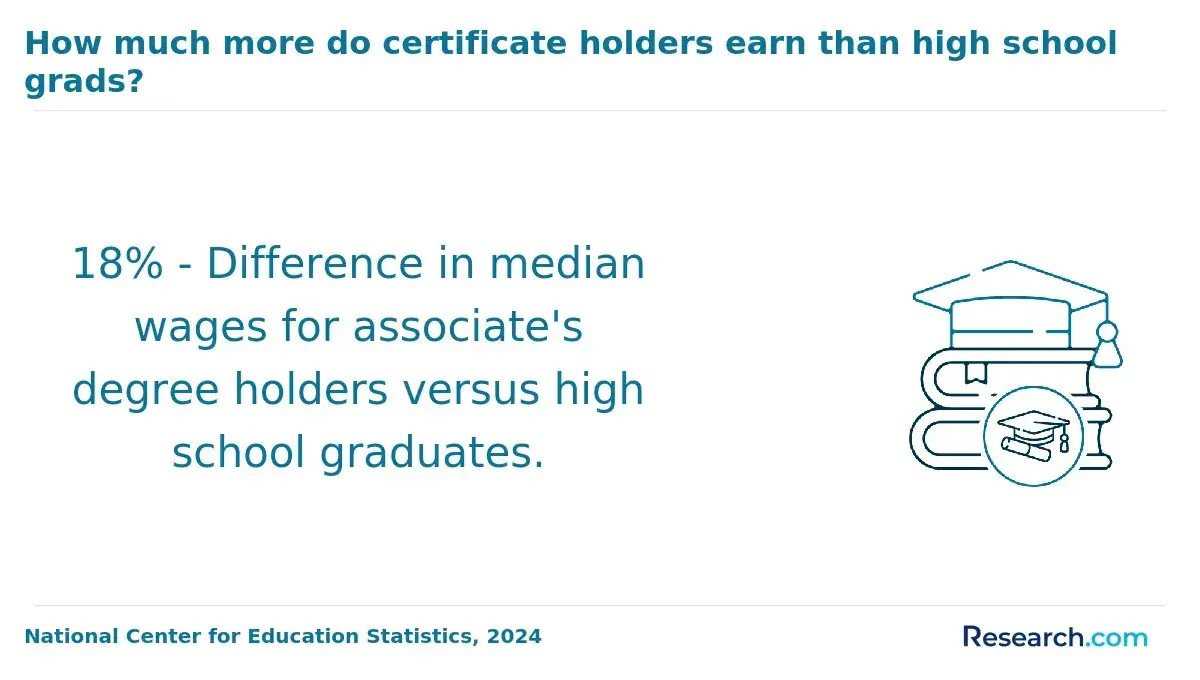
For professionals navigating a career pivot into leadership, an online MBA in finance with AACSB accreditation enhances employability by aligning curriculum rigor with industry demands. Without recognized accreditation, graduates may face salary ceilings or exclusion from critical roles despite the typical $17,000 annual wage premium observed for master's degree holders in business according to the U.S. Bureau of Labor Statistics.
Considerations when evaluating programs extend beyond institutional accreditation to specific business school recognition, which better aligns with targeted career trajectories. Accredited programs also facilitate smoother credit transfer and access to professional certifications like CFA or CPA, reducing redundant coursework and expediting credential attainment.
Those prioritizing cost-efficiency without undermining credential quality might explore options such as an online MBA less than $10000, which remain viable if they meet established accreditation standards. Balancing program affordability against these quality markers plays a significant role in long-term career outcomes within finance.
What finance concentrations can online students choose?
Specializing in online finance concentrations for career advancement presents distinct tradeoffs shaped by sector dynamics and employer priorities. Fintech programs address a rapidly evolving job market, where technological fluency in data analytics, blockchain, and risk modeling is non-negotiable for financial analysts and managers.
The U.S. Bureau of Labor Statistics forecasts 9% and 8% job growth respectively in these roles by 2032, underlining fintech's hiring momentum but also the necessity for continuous learning to keep pace with innovation. Real estate finance specializations demand acute awareness of property cycles and local regulatory landscapes, which significantly affect hiring patterns and role stability.
This makes sector mobility for professionals complex, as economic fluctuations can delay or limit opportunities despite strong technical skills in valuation and capital markets. Corporate finance tracks value candidates able to blend quantitative rigor with strategic communication, prerequisites for treasury and mergers and acquisitions functions; their progression hinges on balancing financial expertise with organizational insight.
Choosing a concentration requires aligning incoming skills with market realities; shifting from accounting to fintech mandates rapid adaptation to programming interfaces, while entering real estate finance involves mastering regulatory nuance. Programs expecting working students to juggle sector-specific demands must be selected with care to avoid retraining gaps.
Prospective students seeking finance specializations for professionals seeking sector mobility might consider blended or certificate options that validate targeted competencies without full-degree commitments. Some may explore eMBA online programs that facilitate integration of cross-sector knowledge.
What courses are included in online finance curricula?
Online finance programs often present a tradeoff between curricular depth and practical relevance, impacting employability and long-term career flexibility. Core courses in financial accounting, corporate finance, and investments ensure foundational competence, but specialized tracks responding to sector-specific demands-such as risk analytics or asset management-drive differentiation in job readiness.
Risk analysts, for instance, require expertise beyond theory, including derivatives and credit risk modeling, while asset managers benefit from portfolio construction and applied case work. Practical skill acquisition in widely used platforms like Bloomberg terminals or Python analytics is essential to bridge academic learning and industry expectations.
Tuition cost variability, as noted in Forbes Advisor's 2026 Best Online Finance Degrees, ranges significantly, with in-state rates spanning $4,630 to above $15,000 annually. This disparity directly affects ROI timelines, particularly for professionals balancing upfront investment against immediate earning potential.
Understanding program sequencing-from foundational theory to applied finance analytics and simulation labs-is also critical for professionals aiming to reduce transition friction amid evolving compliance and software demands. Prospective students should assess how curricula integrate applied projects and industry collaboration to close experience gaps.
Those pivoting within finance sectors face a practical decision: prioritize broad theoretical foundations for long-term adaptability or focus on niche technical skills aligned with current employer tools and workforce needs.
What are the admission requirements for online finance programs?
Admission to online finance programs reflects employer scrutiny and pragmatic standards, prioritizing measurable academic preparedness and domain-specific experience. Candidates typically need a bachelor's degree and a GPA between 2.5 and 3.0, complemented by official transcripts demonstrating quantitative skills in math, economics, or accounting.
Standardized test requirements such as the GRE or GMAT remain common but are waivable based on relevant work history or prior graduate degrees, reflecting program flexibility aligned with real-world employment expectations. For professionals targeting roles in investment banking, corporate finance, or financial planning, admissions stress tangible evidence of competence: personal statements must define career objectives with clear rationale, and letters of recommendation should verify applied skills and adaptability.
Background checks and proof of legal work authorization serve as compliance measures, further aligning candidates with employer standards and regulatory frameworks. Non-academic readiness factors like technology access and proficiency with learning platforms bear heavily on student success in fully online or hybrid formats, an often underestimated operational hurdle.
Despite these modality differences, the underlying credential delivers comparable economic returns, as demonstrated by Arizona State University's on-campus finance bachelor's degree ROI at $447,037 per U.S. News & World Report data. Prospective students must weigh these admissions demands and program modalities against their current career stage and objectives to optimize investment outcomes in sectors sensitive to rigor and credibility.
How long do online finance programs take to finish?
Choosing between expedited certifications and extended degree programs in finance involves a clear tradeoff between immediate applicability and long-term strategic positioning. Certificates and industry-recognized credentials, typically completed in 6 to 12 months, offer rapid skill validation tailored for professionals shifting roles-such as an analyst moving into risk management-while maintaining full-time employment.
This modular approach aligns with demands for AI-related upskilling and suits those who prioritize workforce agility within a remote-first environment. Conversely, master's degrees require 18 to 24 months and emphasize deeper analytical mastery and leadership skills essential for senior-level transitions.
However, this time investment may delay job market re-entry and risks burnout if candidates underestimate employer expectations or their own capacity to juggle work and study simultaneously. Key considerations influencing program duration and outcomes include:
- Pacing flexibility and whether synchronous virtual sessions extend timelines
- Stackable credentials that allow incremental achievement without full program completion
- Administrative processing times affecting credential availability for employers
Given employers' preference for swiftly obtained, industry-recognized credentials over prolonged academic routes, professionals must weigh how credentials map to specific job requirements versus broader educational depth. RealEstateInvestmentView's 2025 review underscores this pragmatic shift toward skill-shortening pathways within today's finance workforce.
How much do online finance programs cost?
Investing in finance education requires weighing significant costs against realistic career outcomes and time constraints. Certificate programs priced between $10,000 and $20,000 offer focused skills ideal for those targeting fintech or specialized roles without committing to full degrees. Meanwhile, master's degrees or MBAs with finance concentrations often start near $30,000 and can exceed $60,000 at prestigious institutions.
Professionals must evaluate how these investments correlate with wage growth and job demand. For example, financial managers earn a median annual wage of $156,100, with a strong job growth projection of 16% through 2032 according to the U.S. Bureau of Labor Statistics. This outlook suggests that education addressing areas like risk management, regulatory compliance, and digital finance tools can improve marketability across banking, corporate finance, and fintech sectors.
Tradeoffs are common: working learners face balancing upfront tuition and time away from earning against long-term career benefits. Employer tuition assistance or asynchronous program formats can ease this, but availability varies widely. Strategic selection demands alignment of curriculum with sector-specific skills-banking emphasizes regulatory expertise; fintech requires technical agility; corporate finance prioritizes strategic decision-making.
Potential students should also consider financing options such as payment plans, employer reimbursement, and loans alongside expected program outcomes. Ultimately, those whose credentials match market needs tend to recoup costs faster through cross-sector mobility and promotions, while narrow fintech niches without complementary experience may delay return on investment.
What jobs can finance graduates pursue after graduation?
Job roles accessible to finance graduates range widely across sectors like banking, insurance, real estate, and asset management. Positions commonly held include financial analyst, credit analyst, portfolio manager, compliance officer, and treasury analyst. While advanced roles-such as private equity associate or mergers and acquisitions analyst-often demand additional credentials or graduate degrees, these remain attainable through targeted sector-specific training layered on a foundational finance degree.
Stackable certifications from short-term, modular courses serve as pragmatic tools for professionals seeking to pivot roles without disrupting employment. For example, a corporate finance professional targeting investment banking might avoid a full degree by completing certifications in valuation and deal structuring. Employers increasingly weigh these modular credentials-particularly when paired with documented outcomes and cross-functional project experience-in their hiring decisions.
However, balancing work commitments with study and application presents a tangible challenge, and documented quantifiable skills have become essential to clear automated applicant screenings. Public sector or regulatory finance careers often necessitate credentials like CFA or CPA, while entrepreneurial paths benefit from practical capital-raising and financial strategy training.
Graduates must critically appraise any program's alignment with prevailing sector expectations to maximize return on investment. RealEstateInvestmentView's 2025 analysis notes growing employer preference for candidates demonstrating progressive credential acquisition tailored to evolving industry demand.
What salaries and job outlook can finance graduates expect?
Finance roles increasingly demand proficiency in AI and data analytics alongside core domain expertise, reshaping salary structures and career trajectories. Starting salaries range from $60,000 to $95,000, with mid-career professionals earning up to $160,000, yet those integrating AI skills can command a premium of 15% to 20%, especially in risk management or fintech product roles.
For instance, a risk analyst in banking automating portfolio stress tests using AI tools becomes more valuable to employers than peers relying solely on traditional methods. However, adopting AI competencies introduces real tradeoffs, such as diverting time from foundational financial modeling to mastering technical applications that matter in tech-forward firms.
Employers' preference for candidates with practical AI experience creates distinct advantages but also risks for those without it; routine entry-level tasks are increasingly automated. A combined focus on real-world case studies and recognized AI competencies is essential to move toward specialized functions like quantitative finance or financial data science, where salaries exceed baseline roles by about 20%.
Pragmatic education decisions must weigh this evolving job market: prioritizing flexible, AI-integrated programs accelerates career mobility but requires balancing learning complexity against immediate workforce needs and existing financial acumen.
Other Things You Should Know About Finance
Program rigor varies widely, but top online finance programs match the intensity and complexity of in-person curricula by integrating real-world case studies, simulations, and up-to-date market tools. However, candidates must verify the depth of applied learning and availability of experiential components like internships or capstones, as these elements critically influence readiness for sector mobility. Without such practical engagement, graduates risk gaps in skills employers expect across banking, corporate finance, or investment sectors.
Applicants should confirm that the program uses a learning management system, live video classes, spreadsheet software, and secure exam proctoring. Most programs require a laptop with a current browser, webcam, microphone, and stable broadband of at least 25 Mbps for synchronous sessions and timed assessments.
Specialized certifications focus on niche skills like CFA or FRM credentials and may accelerate advancement in specific areas, but they lack the comprehensive perspective that broad finance degrees provide, which is essential for sector mobility. Professionals targeting flexible career paths should prioritize degrees with updated core curricula and electives over narrow certifications that restrict role options. However, certifications supplement degrees best when aligned strategically with targeted job functions.
Employers emphasize the reputation and alumni network of the awarding institution when evaluating online finance degrees, especially for mid- and upper-level roles. Degrees from well-known universities with active industry connections deliver better recruitment outcomes and opportunities for mentorship or referrals. Candidates should prioritize programs with established employer partnerships and visible career support services rather than solely program delivery format.
References
- Occupational Outlook https://www.gannon.edu/academic-offerings/engineering-and-business/undergraduate/finance/occupational-outlook/
- Online Finance Courses | University of Phoenix https://www.phoenix.edu/online-courses/finance.html
- Top Online Finance Courses: Unleash Your Financial Potential https://www.learnsignal.com/blog/finance-courses-online/
- Online bachelor's in finance degrees | edX https://www.edx.org/bachelors/online-bachelors-degree-finance
- MBA Course Duration | How Long to Complete an MBA? https://collegetiger.com/mba-course-duration-how-long-does-it-take-to-earn-an-mba/
- Who Accredits Online Master’s in Accounting Degree Programs? https://www.onlineeducation.com/business/faqs/who-accredits-online-masters-in-accounting-programs
- Best Finance Degrees Online | Accounting.com https://www.accounting.com/degrees/finance/bachelors/best-online-programs/
- What salary can a finance graduate expect? https://targetjobs.co.uk/careers-advice/accountancy-banking-and-finance/what-salary-can-graduate-expect-retail-banking-actuarial-and-insurance-roles
- Online Finance Degrees: Curriculum, Careers, and ROI https://bluenomics.com/online-finance-degrees-curriculum-careers-and-roi
- How Long Does It Take to Learn Finance Completely? https://blog.nobledesktop.com/learn/finance/how-long-do-finance-courses-take