2027 Online Finance Degrees With Real Estate Finance Coursework

Co-Founder and Chief Data Scientist
Finance professionals aiming to transition into real estate finance increasingly confront the challenge of fitting advanced coursework into demanding work schedules. With Bureau of Labor Statistics data showing a 13% growth in real estate finance-related roles over the next decade, timing and curriculum flexibility become decisive factors. Yet, many prospective students face barriers tied to geographic location or rigid class schedules, often delaying or derailing critical career shifts.
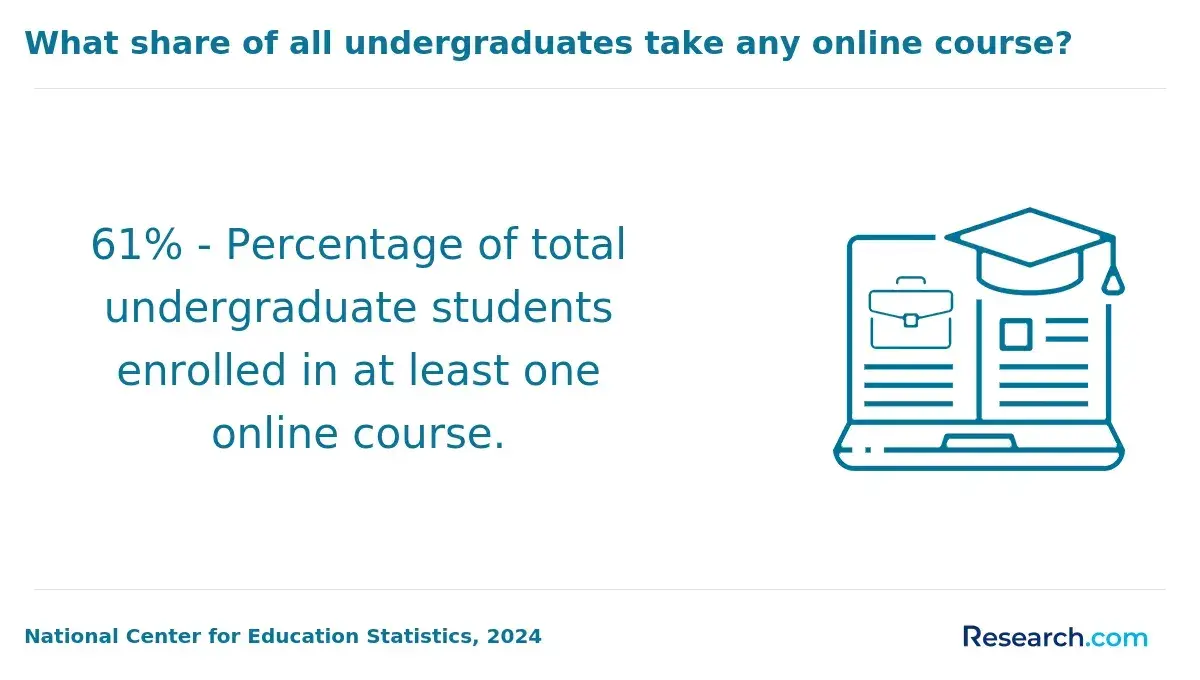
Recent findings from the National Center for Education Statistics reveal that over 45% of online learners are working adults seeking strategic career advancement, emphasizing accessible formats as essential. This article examines online finance degrees with targeted real estate finance tracks to guide informed decisions addressing these career and educational constraints.
Key Things You Should Know
- Online finance degrees with real estate coursework typically require 18-24 months to complete, with total costs averaging $25,000-$40,000 according to the National Center for Education Statistics, presenting a significant upfront investment for career changers.
- Employers in commercial real estate increasingly expect candidates to demonstrate proficiency in financial modeling and real estate investment analysis, per a 2024 industry survey by the Urban Land Institute, raising the bar for entry-level roles.
- Tradeoffs include limited networking opportunities compared to in-person programs, which correlates with slower progression to portfolio management roles, delaying median salary growth by up to 20% within five years as reported by the National Association of Realtors.
What is an online finance degree with a real estate finance focus, and who is it best for?
An online finance degree with a real estate finance specialization targets professionals who need to bridge core financial analysis with the specific demands of real estate markets and investment structures. Successful application requires mastery of property valuation, deal structuring, and risk assessment within real estate portfolios-skills that exceed general finance competencies. For instance, financial analysts at real estate investment trusts (REITs) must evaluate complex cash flows and financing options unique to these assets. This specialization often suits those pivoting from broad finance roles toward positions in real estate investment firms, asset management, or commercial mortgage banking.
Curricula typically emphasize courses such as real estate economics, capital markets, mortgage lending, and property law, designed to meet employer expectations for both analytical rigor and sector-specific knowledge. Graduates benefit from demonstrated proficiency in advanced spreadsheet modeling and real estate databases, reinforcing their readiness for market realities. Candidates should expect rigorous data analysis and case studies with active market linkage, demanding disciplined time management in an online format.
The median annual wage for U.S. business and financial occupations reached $79,050, about 35% higher than the overall median, reflecting the financial upside of this pathway. However, prospective students must balance these rewards against the coursework intensity and verify program connections for internships or networking crucial to skill integration. Those interested in broader health sector options might also explore online MBA programs healthcare management for comparative insights.
How do online finance degrees with real estate coursework compare to campus-based programs?
Choosing between campus and online finance programs with real estate coursework involves weighing critical differences in experiential learning that impact employability. Campus-based finance degrees with real estate specialization typically grant easier access to internships, live case studies, and direct mentoring from faculty connected to the real estate industry. These elements cultivate practical skills such as financial modeling and deal structuring, which employers prioritize for competitive roles like financial analysts. By contrast, online finance degrees with real estate finance specialization demand greater initiative to compensate for limited spontaneous interaction and require active pursuit of virtual internships or regional networking.
Projected 8% employment growth in financial analyst positions through 2032 signals sustained demand for graduates skilled in real estate finance. Hiring managers often favor candidates with demonstrable practical experience, which campus learners usually acquire through group projects and on-site engagements. Online programs can approach this standard by integrating synchronous collaboration tools and regional professional involvement but must explicitly facilitate these to overcome employer biases toward traditional pathways.
Logistical tradeoffs are evident: campus programs benefit those targeting metropolitan real estate hubs or employer-sponsored advancement, while online options suit workers needing flexibility and geographic independence-particularly seasoned professionals adept at self-directed learning. To navigate these challenges effectively, prospective students should consider programs that embed real estate internships and live client consultations within their curriculum. For candidates exploring flexible alternatives to traditional formats, cheap MBA online programs can provide cost-effective pathways, but they should be evaluated carefully for alignment with industry expectations and real estate finance specialization.
Which accreditations should online finance programs with real estate concentrations have?
Employers hiring for positions such as real estate financial analyst-where the median base salary is $94,000 with total compensation around $118,000-require more than generic accreditation. Candidates must hold credentials from accredited online finance programs for real estate specialization, especially those recognized by the U.S. Department of Education and business-focused bodies like AACSB or ACBSP. Without these, graduates risk diminished employer recognition and barriers to professional certifications like CFA or CCIM, which are often prerequisites for senior roles.
Programs lacking specialized accreditation often fall short in delivering advanced valuation techniques, real estate investment trust analysis, and practical, data-driven coursework aligned with current market realities. This gap affects both immediate employability and long-term career mobility within a competitive real estate finance sector.
Choosing online finance degrees with real estate accreditation can enhance access to stronger career resources and alumni networks, critical when making strategic pivots or negotiating salary advancement. Transparent, audited employment and salary outcomes are essential for evaluating programs, mitigating financial risk and wasted time. Potential students should also consider alternative options, such as accelerated pathways offered by some institutions. For a broad perspective on efficient program structures, see fastest online MBA programs.
What real estate finance courses and specializations can you expect in these programs?
Real estate finance course offerings online for 2026 programs emphasize advanced valuation, investment analysis, and capital markets specific to property sectors. Students must navigate complex financing instruments such as mortgage-backed securities and REITs to address employer demand for specialized expertise in commercial real estate asset management and institutional investing roles. Programs frequently involve applied financial modeling and case studies reflecting real estate market volatility, critical for professionals advising on commercial lending or conducting due diligence in private equity scenarios.
Specializations in real estate finance degrees extend beyond pure finance into urban economics and land-use policy, integrating regulatory considerations like zoning laws and tax incentives. This intersection proves essential for roles in municipal finance and real estate development consulting, where understanding both market and policy environments affects investment returns more than traditional finance curricula anticipate.
Practical skills such as loan structuring and cash flow analysis tailored to property assets meet the stringent criteria employers seek for candidates operating within real estate finance niches. Choosing these programs requires weighing tuition costs-ranging from $42 to $448 per credit below the national average-as well as the tradeoff between specialized knowledge and program accessibility. Prospective students comparing options often examine easiest MBA programs to get into as a factor in their decision matrix.
What are the typical admission requirements for online bachelor's and master's finance degrees?
Admission requirements for online bachelor's and master's finance programs emphasize proven quantitative aptitude and relevant experience, aligning closely with employer expectations for analytical rigor. Bachelor's candidates must show a high school diploma or GED with a minimum GPA around 3.0, and sometimes standardized test scores or foundational coursework in math and economics. These elements serve as early filters to minimize attrition risk among students less prepared for quantitative demands.
Master's applicants generally need a completed bachelor's degree in finance, economics, business, or related fields, though some programs admit candidates with diverse academic backgrounds provided they demonstrate strong quantitative skills. A minimum undergraduate GPA of 3.0 is typical, with GRE or GMAT scores (around 300 GRE or 600 GMAT) expected unless waived for substantial work experience. Employers increasingly value 1 to 3 years of finance-related experience, which programs use to foster cohort diversity and sharpen practical insights.
Additional application components such as recommendation letters and statements of purpose critically assess leadership potential and alignment with career goals in finance and real estate. Online learners must verify technological readiness and effective time management to balance work and study demands.
According to AcademicInfluence's 2025 study, an online MBA costing nearly $46,000 in real estate finance recoups the investment in about six years based on salary growth from $68,311 to $103,379. This ROI framework influences admissions committees to favor applicants likely to complete on time and excel in competitive job markets.
How long do online finance degrees take and what do they usually cost?
Completing an online degree with a focus on real estate finance requires careful consideration of time investment versus program intensity. For instance, associate degrees typically take about two years, while bachelor's programs range up to four years unless an accelerated format is chosen. Accelerated options can help working professionals re-enter the market faster but demand heavier weekly workloads that risk burnout or reduced work-life balance. Graduate degrees usually require 18 to 24 months full-time, but part-time students often face extended timelines while juggling employment.
Cost differences between public and private institutions reflect significant tradeoffs. Public online programs can range from $7,000 to $15,000 per year for in-state students, with out-of-state fees frequently doubling these numbers. Private schools often charge between $20,000 and $35,000 annually. Full program costs can vary from approximately $15,000 for associate degrees at public institutions to $70,000 or more for bachelor's and master's degrees from private universities. While the growing number of fully online accredited schools offering real estate finance degrees introduces competitive pricing, prospective students must rigorously assess program rigor and accreditation to ensure long-term value.
Employers prioritize applied skills and market knowledge over mere credentialing. Additional expenses for specialized software, licensing exams, and internships are common, especially in real estate sectors demanding hands-on experience. Students should realistically evaluate whether accelerated pacing compromises academic or professional commitments before enrolling.
What careers can a finance degree with real estate coursework prepare you for?
Combining finance with targeted real estate coursework narrows professional prospects but sharply aligns graduates with specialized roles such as real estate financial analysts, asset managers, mortgage loan officers, and commercial real estate brokers. These positions demand expertise in market valuation, risk modeling, and capital structuring-skills that apply directly to investment trusts, private equity funds, and property management.
For instance, a commercial bank analyst must routinely assess loan risks by forecasting property value fluctuations and interest rate movements, applying quantitative models developed through advanced real estate finance classes. Meanwhile, property managers leverage this analytical foundation to optimize occupancy and regulatory compliance, navigating variable market cycles that affect revenues.
Choosing a degree with a real estate finance focus involves clear tradeoffs: students limit their flexibility outside property sectors but gain a competitive edge in a niche market where precise asset valuation influences capital deployment decisions. Completing a typical 120-credit program requires weighing upfront tuition costs against anticipated earnings in these specialized roles. For example, the University of Alabama's online BS in real estate offers tuition at $399 per credit, approximately 32% below national averages, lowering initial debt burdens for students pursuing this path.
Employer expectations increasingly favor candidates capable of cross-disciplinary analysis, integrating financial acumen with property market insights. This demands proficiency in cash flow modeling, regulatory impact assessment, and deal structuring-skills cultivated by curricula emphasizing practical, real-world applications over theoretical breadth.
What salary ranges and earning potential exist in real estate finance careers?
Real estate finance compensation varies widely, reflecting role specificity, experience, and geography. Entry-level positions generally range from $55,000 to $75,000 annually, while senior roles like portfolio managers or finance directors command $120,000 to $180,000 or more. U.S. Bureau of Labor Statistics data show median wages near $87,000 for real estate-focused financial analysts, but total remuneration-including bonuses and commissions-can surpass $150,000. Corporate roles frequently tie income to performance incentives, underscoring the need to master valuation techniques and financial modeling demanded by sectors such as REITs, commercial banking, and real estate development.
The decision to pursue advanced degrees requires sensitivity to cost structures, particularly international tuition differentials. For instance, the University of Aberdeen's MSc in Finance and Real Estate charges £26,250 for international students, about 67% higher than the £15,700 UK fee, influencing return on investment calculations, especially for mid-career professionals balancing opportunity costs. U.S.-based candidates should also assess employer expectations and regional market demand before committing.
Professionals without real estate credentials or networks may face salary stagnation despite related finance experience, while those targeting asset management or private equity with deal experience often realize significant upside. Supplementing degrees with certifications like CFA or RICS frequently places individuals in the top compensation quintile, exceeding $200,000 within a decade.
Considering these factors ensures a strategic approach to entry or advancement in real estate finance, balancing cost, credential value, and achievable market positioning.
Are licenses or certifications needed for real estate finance roles, and how do degrees help?
Licenses are indispensable for real estate professionals directly engaged in transactions, such as brokers and agents, but carry less weight in analytical or investment roles within real estate finance. For roles focused on financial modeling, asset management, or development analysis, employers tend to prioritize academic credentials paired with targeted certifications over licensure.
Real estate finance degrees systematically cover essential areas like property valuation, investment analytics, and applicable legal frameworks, equipping candidates for foundational and mid-level roles. Yet, progressing beyond these levels often demands specialized certifications that validate niche expertise more efficiently than full degrees. For example, the NAIOP Certificate of Advanced Study in Real Estate Finance compresses critical content into 28-31 instructional hours and incurs modest fees totaling around $125 plus course costs, offering a rapid, cost-effective option to build skills that directly address employer expectations.
Consider a professional transitioning from general Finance into real estate investment analysis: possessing a relevant degree lays a baseline of competence, but sector-specific certifications substantiate proficiency and accelerate career mobility. Without either academic or licensed credentials, advancement opportunities narrow considerably.
Licensing remains non-negotiable for deal execution roles but is less urgent for back-office functions emphasizing regulatory navigation and analytic rigor. The pragmatic combination of degree qualifications plus affordable industry certificates represents a strategic alignment with workforce demands, balancing cost, time, and market relevance.
How can prospective students evaluate and choose a reputable online real estate finance program?
Selecting an online real estate finance program requires more than checking institutional prestige; the program's practical alignment with industry demands and graduate success metrics determines its true value. Accreditation-regional or national-affects employer recognition and eligibility for key certifications, but nuanced curriculum coverage matters equally. Students should prioritize programs that address specialized real estate finance topics such as property valuation, investment analysis, real estate law, and portfolio management, not generic finance subjects.
Graduate employability data provides a tangible indicator of program effectiveness. For instance, targeting property management roles in a market where the U.S. Bureau of Labor Statistics forecasts a 5% job growth over a decade (adding about 13,100 positions) emphasizes the importance of programs with strong connections to this sector. Programs transparently reporting job placement rates and alumni trajectories better prepare candidates for these roles.
Scheduling flexibility and integration of practical experience-like case studies or internships with real estate firms-further differentiate offerings. Candidates focused on commercial real estate may benefit from coursework in corporate finance structures, whereas those aiming for property management positions should expect applied risk management and urban economics components.
Additional considerations include technology platforms that support seamless online learning and tuition cost relative to certificate or licensure preparation opportunities, which influence return on investment. Matching these factors against personal career goals and labor market data is essential for selecting a program that delivers meaningful professional advancement.
Other Things You Should Know About Finance
A degree that includes real estate finance coursework provides a strong foundation but often is not sufficient by itself to secure a commercial real estate position. Employers expect candidates to complement academic credentials with practical experience such as internships, networking within the industry, and familiarity with market analysis tools. Prioritizing programs that offer applied projects or connections to real estate firms will improve job prospects significantly.
Online real estate finance courses can deliver equivalent theoretical content to in-person classes, but they may lack hands-on exposure to real-world deal structuring and face-to-face networking opportunities. Students should seek programs that incorporate live case studies, group work, or access to industry professionals to mitigate the limitations of virtual learning. Active engagement and time management are critical, as online learning demands more self-discipline to match the involvement and practical insight gained in traditional settings.
If the goal is to work specifically in real estate finance roles, a focused real estate finance specialization is more efficient for building relevant skills and industry knowledge. However, a broader finance curriculum offers versatility and adaptability if career plans may evolve or if graduates want to maintain mobility to other finance sectors. Students should evaluate their long-term career plans and industry demands before deciding; specialized programs often require earlier clarity on career direction.
Yes, many programs use proctored exams for core finance and real estate modules. Schools may require live online proctoring through software such as ProctorU or at approved testing centers, especially for final exams and some midterms. Some courses also use timed quizzes, case studies, and capstone projects instead of exams.
References
- 30 Best Paying Jobs In Real Estate | Colibri Real Estate https://www.colibrirealestate.com/career-hub/blog/30-real-estate-jobs-and-their-salaries/
- What can you do with a finance degree? | edX https://www.edx.org/resources/what-can-you-do-with-a-finance-degree
- Top 15 Highest Paying Real Estate Careers in the UK (2025 Salary Guide) https://apexlearning.org.uk/highest-paying-real-estate-jobs-uk-2025/
- All About Careers in Real Estate Finance and Debt (Updated June 2024) https://www.adventuresincre.com/real-estate-finance-debt-jobs/
- Best Finance Degrees Online | Accounting.com https://www.accounting.com/degrees/finance/bachelors/best-online-programs/
- Commercial Real Estate Courses: Online & Self-Paced https://propertymetrics.com/commercial-real-estate-courses/
- Certificate of Advanced Study in Real Estate Finance | NAIOP | Commercial Real Estate Development Association https://www.naiop.org/education-and-career/certificate-programs/certificate-of-advanced-study-in-real-estate-finance
- Real Estate Finance Jobs & Careers (Roles & Duties) https://www.allbusinessschools.com/real-estate/real-estate-finance-careers/
- Do I Need a College Degree for Real Estate? | Champions School https://www.championsschool.com/resources/career-hub/real-estate-career-college-education/
- Real Estate Management and Financing https://www.monaco.edu/en/program/real-estate-management-and-financing/