2027 Online Finance Degrees With Strong Banking and Lending Training

Co-Founder and Chief Data Scientist
Facing stringent competition in banking and lending roles, many finance professionals find their qualifications lagging behind evolving industry demands. Employers increasingly seek candidates with specialized training in credit analysis, risk management, and regulatory compliance.
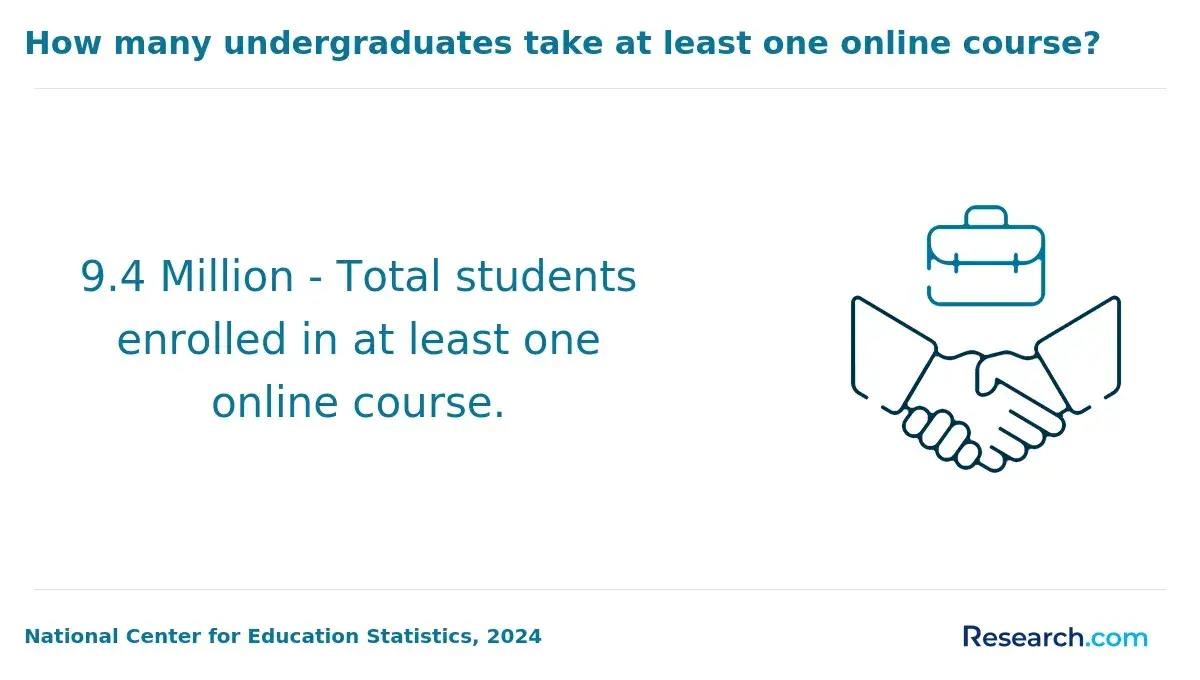
Meanwhile, a 2024 National Center for Education Statistics report notes a 27% rise in online enrollment for adult learners seeking flexible credentials, reflecting a shift toward balancing career advancement with life responsibilities. This trend underscores the necessity for accessible, rigorous online finance programs tailored to practical banking and lending skills. This article evaluates top online finance degrees that directly strengthen expertise in banking and lending, guiding students through options that align with career goals and market realities.
Key Things You Should Know
- Online finance degrees in 2026 increasingly embed advanced credit risk modeling, yet graduates face a steep tradeoff as 60% of hiring banking firms prioritize candidates with direct loan underwriting internships over coursework alone, highlighting experiential gaps.
- Employers report 72% higher demand for proficiencies in regulatory compliance software within lending teams, pressuring programs to integrate tech fluency; programs lacking this risk losing market relevance despite core finance fundamentals.
- Median program total costs vary 40% nationally, with regional public online options often under $20K, contrasting sharply with private offerings exceeding $35K; this cost divide affects access and timing for mid-career professionals seeking upskilling amid sector volatility.
What are online finance degrees with banking and lending training?
Online finance degree programs with banking specialization offer targeted preparation that bridges core financial theory with the operational realities of credit analysis, loan underwriting, and regulatory adherence. These accredited online finance courses focused on lending and banking equip students with the specialized skill set needed to assess borrower risk, structure loans, and navigate frameworks like the Dodd-Frank Act.
This specialization is critical for those pursuing roles such as loan officers or credit analysts, where decision accuracy directly impacts institutional asset quality. A practical example involves a professional shifting into commercial lending who must master credit risk assessment for small-to-medium enterprises (SMEs), plus client negotiation skills.
Without such focused training, graduates often face a steep learning curve that limits effectiveness in complex lending environments and weakens employability in competitive markets. The U.S. Bureau of Labor Statistics forecasts an 8% growth in business and finance roles-including lending professionals-through 2034, underscoring sustained demand.
Yet, broader finance degrees may not provide enough depth in banking tools or regulatory nuances, making curriculum alignment essential for those aiming at banking-centric careers. Students balancing flexibility and specialization should also consider cost-efficiency. For example, options like the cheapest online MBA healthcare management programs demonstrate how strategic enrollment decisions can optimize investment and career outcomes.
How do you verify accreditation for online finance programs?
Direct verification of accreditation for online finance programs is essential because employers and licensing bodies strictly require degrees from recognized institutions. Regional accreditation, favored for transferability and employer acceptance, should be confirmed via the U.S. Department of Education's Database of Accredited Postsecondary Institutions and Programs (DAPIP).
Specialized accreditation from bodies such as AACSB or ACBSP further signals program rigor and industry alignment. This accreditation verification process for online finance degrees ensures that credentials meet regulatory and professional standards, a critical factor when pursuing roles subjected to federal or state oversight.
For example, commercial loan officer roles, which have seen a 15% increase in job postings recently along with over 120,000 monthly openings, typically mandate degrees from accredited schools to comply with underwriting rules and internal controls. Employers routinely dismiss qualifications from unaccredited institutions, complicating licensing and career progression.
Prospective students should confirm accreditation status not only through online databases but also by requesting official certificates from admissions offices. They must review whether the program's finance curriculum adequately addresses relevant banking and lending regulations and if credits will transfer to graduate studies or state licensing, thus avoiding dead ends.
Additionally, lack of valid accreditation often excludes students from federal financial aid, affecting affordability. Those evaluating options may also benefit from exploring the easiest online MBA, which sometimes incorporate finance-specific pathways with clear accreditation credentials to support career pivots or advancement.
Which courses teach banking, lending, and credit analysis?
Banking and lending courses online focus on key skills like creditworthiness assessment, loan structuring, and financial risk evaluation, aligning tightly with employer demands for loan officers and credit analysts. Programs labeled under Commercial Banking, Credit Risk Management, Lending Principles, and Financial Statement Analysis emphasize competencies essential for underwriting within diverse lending environments.
Credit Risk Management courses analyze real borrower data, combining quantitative credit scoring and qualitative factors to identify default risks critical in both retail and commercial lending. Financial Statement Analysis trains candidates to interpret balance sheets and income statements, helping forecast repayment capacity-a practical necessity for credit roles involving small businesses or corporate clients.
Effective credit analysis programs with banking focus integrate case studies and simulations of current regulatory frameworks and institutional compliance, preparing students for real-world challenges. These programs prioritize practical competencies such as collateral valuation and loss given default assessments, vital for nuanced credit decisions and portfolio oversight.
Salary data underscores the economic value of these credentials: personal financial advisors earn a median of $99,580 annually, and financial analysts $99,990, both surpassing the national median wage of $48,060. Given the skill complexity, candidates benefit from pursuing comprehensive coursework and can compare options by consulting resources like the most affordable online accounting degree.
How do online finance degrees compare with campus programs?
The decision to pursue an online finance degree over a traditional campus program frequently hinges on cost-efficiency balanced against networking and experiential learning opportunities. Online programs typically charge between $42 and $448 per credit, with total costs often under $40,000, markedly less than the $70,000 average for four-year campus tuition. This pricing structure addresses a significant barrier for mid-career professionals aiming to pivot into banking roles without incurring substantial debt.
Curriculum-wise, many online finance degree campus program differences narrow around core subjects such as credit analysis, risk management, and lending principles. Yet, campus programs maintain advantages through in-person internships and recruiter access, which remain difficult for online students to fully replicate. For example, retail banking aspirants attending campus often secure local internships that provide hands-on experience highly valued by employers.
Online finance degrees offer schedules flexible enough for working professionals to immediately apply learned skills, with employers increasingly recognizing accredited online credentials. Nonetheless, students must bridge networking gaps via virtual career fairs and professional platforms to remain competitive. Candidates examining options should carefully weigh program costs and accreditation against their career aims.
An analyst shifting from corporate finance to commercial lending might prioritize credit risk modeling and mentorship opportunities over traditional campus benefits. For those considering graduate education, it is worth exploring MBA programs easy to get into as part of strategic career planning in finance.
What admission requirements do online finance programs usually have?
Online finance programs generally demand more than basic admission criteria to serve students preparing for roles demanding strong quantitative skills and financial acuity. A high school diploma or GED remains the foundational requirement, supplemented by standardized test scores like the SAT or ACT, though many schools have increasingly adopted test-optional policies.
Admission committees prioritize official transcripts showing competency in math, economics, and occasionally accounting, reflecting the critical emphasis employers place on analytical skills for banking and lending roles. The academic threshold typically centers around a competitive GPA near 3.0 on a 4.0 scale, which acts as a preliminary filter.
Transfer applicants often leverage college credits or associate degrees in related fields to meet or exceed these standards. Work experience spanning one to three years in finance-related roles can notably enhance an applicant's profile, signaling practical readiness and improving hiring prospects in a labor market that scrutinizes both coursework rigor and relevant job history.
Letters of recommendation and a well-articulated statement of purpose remain significant hurdles, especially for candidates seeking career pivots into finance sectors with stringent competency requirements. Insufficient professional goals articulation or weak references may impede admission, as programs focus on candidates aligned with the demands of financial analysis and credit risk assessment.
The 2024 Georgetown University Center on Education and the Workforce report quantifies the long-term economic payoff of finance bachelor's degrees-a median lifetime earnings advantage near $900,000 versus a high school diploma. This measurable premium highlights how admission standards governing quantitative and experiential readiness influence not only immediate employability but also the duration and burden of debt repayment post-graduation.
How long do online finance degrees take to finish?
Completing an online finance degree varies from two to five years based on program intensity and enrollment status, a difference that directly affects skill currency and employability in banking and lending sectors. Full-time bachelor's programs typically take four years, with accelerated formats compressing this to three-but they require a demanding workload. Part-time or flexible paths can extend beyond five years.
Data from Burning Glass/Lightcast 2024 reveals that proficiency in these areas aligns with a 10-20% salary premium and appears in over 40% of senior banking role postings, emphasizing employer expectations for current, applicable skills. For example, a working professional who postpones commercial lending courses to manage job pressures risks falling behind on in-demand expertise, weakening immediate career prospects.
Key considerations when selecting a program include timing and sequencing of critical modules:
- Programs integrating risk management early facilitate faster alignment with employer demands.
- Extended timelines risk outdated knowledge due to evolving industry standards.
Balancing workload, time, and resource investment upfront permits strategic positioning-full-time enrollment accelerates market readiness, while part-time may fit obligations but increases opportunity costs. Prospective students must weigh these tradeoffs carefully to leverage an online finance degree for sustainable advancement within competitive banking roles.
How much do online finance degrees cost overall?
Total tuition for online finance degrees in 2026 ranges widely, from about $15,000 at public in-state institutions to over $40,000 for private or out-of-state programs, with additional costs such as technology fees and exam proctoring inflating expenses by 10-15%. For full-time professionals, these direct costs must be balanced against opportunity costs like lost wages, which grow as program length extends.
Choosing between, for instance, an 18-month accelerated track and a 24-month standard timeline is a practical decision with significant financial and career implications. Banking's regulatory complexity significantly shapes employer demand, with a Deloitte 2024 report showing a 13% rise in compliance and regulatory technology spending among global banks. Programs that integrate regulatory compliance and technology fluency offer a strategic edge.
When evaluating program relevance and costs, prospective students should consider:
- Program flexibility and duration, affecting indirect costs and time-to-benefit realization
- Embedded regulatory or certification components, which align with employer expectations
- Post-graduation market demand for compliance expertise combined with core finance skills
Such factors determine whether a given online degree will concretely support a career pivot or progression rather than merely provide academic credentials.
What jobs can you get with a finance degree in banking?
Graduates with a finance degree focused on banking navigate a workforce demanding both traditional credit expertise and advanced data skills. Credit analysts, loan officers, and risk managers now operate at the intersection of classical financial assessment and algorithm-driven models that incorporate AI and machine learning. A 2024 McKinsey report quantifies this shift, noting AI-driven credit analytics can reduce loan losses by up to 15% and increase revenues by as much as 10%.
Consider the role of a loan officer: familiarity with digital lending platforms and automated underwriting tools can significantly enhance client throughput and approval accuracy. Risk managers who integrate AI insights adapt portfolios more effectively to volatile market conditions, balancing legacy risk frameworks with novel data-driven complexities.
Workforce dynamics highlight an ongoing need for interdisciplinary fluency and upskilling. Candidates must weigh the tradeoff of mastering conservative banking principles while integrating disruptive fintech methodologies that introduce operational complexity and organizational friction.
- Proficiency in quantitative methods and regulatory compliance remains foundational.
- Data analytics and predictive modeling skills increasingly drive hiring decisions.
- Opportunities concentrate in financial institutions embracing digital transformation or fintech partnerships.
Strategically, targeting roles that blend finance fundamentals with technological competence improves employment prospects and positions candidates for leadership in evolving banking environments.
What salaries do banking and lending graduates earn?
Salary outcomes for banking and lending graduates vary significantly based on employer type, location, and prior experience, with median starting salaries ranging from $55,000 in smaller regional banks or credit unions up to $70,000 at larger commercial banks or investment firms. Financial analysts and loan officers can expect salaries between $63,000 and $90,000 within five years, reflecting the influence of employer scale and geographic cost of living.
Graduates targeting metropolitan areas may face higher offers but also contend with elevated living expenses and a more competitive job market. Decisions about where to pursue employment should weigh internships and employer partnerships, which can boost early career salaries by approximately 15%. It's essential to acknowledge that skill deficiencies can lower offers by 10-20%, regardless of degree credentials.
Proactive skill development in these areas is critical to align with employer needs and sustain upward salary trajectories. A notable shift in hiring practices is the growing acceptance of accredited online business degrees; a 2024 survey from Northeastern University's Center for the Future of Higher Education and Talent Strategy reports that 71% of employers view these credentials as equivalent to traditional degrees in terms of workforce readiness.
- Salary ranges hinge strongly on employer size and market location
- Internship connections correlate with higher initial offers
- Skill gaps directly impact compensation even with solid credentials
- Online degrees gain legitimacy, but practical skills remain decisive
Which certifications help finance graduates in banking careers?
Certifications like CFA, CPA, FRM, and CTP distinctly shape career trajectories within banking and lending by aligning critical expertise with specific operational demands. A CFA charterholder, for instance, is typically better positioned for investment analysis and credit risk roles that require global recognition and ethical rigor. Conversely, CPA status emphasizes regulatory compliance and is frequently a prerequisite for internal audit and loan servicing functions in commercial banks.
FRM certification targets risk quantification and modeling skills, essential for lending officers navigating increasingly complex borrower assessments under shifting regulations. Similarly, CTP credentials enable candidates to specialize in treasury management, ideal for bank liquidity and corporate lending departments. Given the time and financial burden, students should strategically select a certification aligned with their niche.
Remote and hybrid finance roles, now constituting nearly half of applicant interest despite representing only 20% of listings, disproportionately reward certifications with portability and recognized rigor, such as CFA and FRM. This dynamic accentuates the advantage of a targeted credential for accessing competitive national and international opportunities. Without such credentials, professionals often encounter limited upward mobility.
Employers continue to prioritize certifications demonstrating mastery of compliance and risk management as regulatory scrutiny remains stringent. Therefore, pairing a relevant certification with focused finance coursework offers the most direct path to advancement in corporate lending, commercial banking, and investment banking sectors.
Other Things You Should Know About Finance
A strong 2027 online finance degree should cover Truth in Lending Act rules, Equal Credit Opportunity Act standards, Fair Credit Reporting Act basics, and Bank Secrecy Act/AML compliance. Programs that include consumer lending, credit analysis, and regulatory reporting help prepare students for bank loan officer and credit analyst roles.
Specialized finance degrees provide targeted knowledge directly relevant to banking sectors such as credit risk, loan structuring, and regulatory compliance, which employers prioritize for core analyst and underwriting roles. Broader business degrees offer flexibility to pivot across functions but may require additional finance-specific certifications or training. If your goal is to advance quickly within banking or lending, a specialized finance degree typically delivers better preparation and employer recognition.
Employers often assess online finance degrees by the issuing institution's reputation and industry connections rather than the delivery format alone. Degrees from well-known programs affiliated with financial institutions or professional bodies can provide better networking and on-the-job opportunities. For career advancement, graduates from highly regarded online programs report faster access to promotions and specialized projects in credit risk and retail lending compared to those from lesser-known providers.
References
- Online Bachelor's Degree: Finance https://www.umgc.edu/online-degrees/bachelors/finance
- Banking and Financial Services Bachelor's Degree https://northern.edu/degrees/banking-and-financial-services-degree
- What is the best career to pursue with a finance degree? https://kaplan.co.uk/blog/careers/what-is-the-best-career-to-pursue-with-a-finance-degree
- Accredited Finance Courses https://www.accreditedfinancecourses.co.uk/verify-certificate
- Intensive Bank Analysis https://fitchlearning.com/course/credit-risk-financial-institutions/intensive-bank-analysis/
- Accounting & Finance Degrees: 100% Online Courses | Walbrook https://www.walbrook.ac.uk/degrees/online-degrees/finance-degrees/
- Study Finance Courses and Degrees Online https://www.open.edu.au/study-online/business-management/finance
- Top Online Finance Degree: Enhance Your Career Opportunities Now https://www.rasmussen.edu/degrees/business/finance/
- Salary report in banking sector https://pl.grafton.com/en/salary-report-banking-sector
- What Sets Financial Edge Credit Analyst Course Apart? - Financial Edge https://www.fe.training/free-resources/careers-in-finance/what-sets-financial-edge-credit-analyst-course-apart/