2027 Treasury Roles You Can Target With a Finance Degree

Co-Founder and Chief Data Scientist
Graduates with a finance degree often confront a high-stakes dilemma: how to enter treasury roles that demand not only technical expertise but also strategic insight under pressure. With U. S. Department of Education data showing a 25% rise in adult learners pursuing flexible, online finance programs since 2023, candidates face shifting educational landscapes that impact timing and accessibility for skill acquisition.
Employers increasingly expect treasury professionals to combine real-time cash management acumen with advanced risk assessment capabilities, making targeted career navigation essential. This article identifies treasury positions aligned with a finance degree and clarifies the practical steps to secure them amid evolving workforce demands.
Key Things You Should Know
- Projected 9% growth in treasury analyst roles through 2030, per BLS, concentrates hiring in firms valuing 3-5 years of specialized finance experience over generic degrees, pressuring early career specialization.
- Corporate treasury increasingly integrates AI-driven liquidity modeling, demanding candidates with quantitative finance skills, reshaping employer expectations toward hybrid tech-finance expertise.
- Advanced treasury certifications average $2,000 annually in costs and 12-18 months completion time, creating access barriers that delay entry or advancement for mid-career professionals shifting into treasury functions.
What treasury roles can you get with a finance degree?
Entry into treasury career options with a finance degree often begins with treasury analyst roles, where assessing liquidity and forecasting cash flows are central tasks. These positions demand both strong analytical ability and familiarity with financial modeling tools. Realistically, treasury analysts earn a median base salary near $78,000 in corporate settings, with total compensation ranging broadly due to varying treasury functions across industries.
Beyond analysis, finance degree jobs in treasury management include cash manager roles focused on day-to-day cash optimization to minimize borrowing costs and capitalize on investment windows. Success here hinges on effective communication with accounting and banking partners. Risk analysts specialize in mitigating financial exposures like currency and interest rate risks, requiring deep understanding of derivatives and regulatory frameworks.
Practical workforce implications include different operational challenges depending on sector; for example, treasury professionals in manufacturing confront distinct liquidity issues compared to those in technology firms, influencing career trajectory and skills development.
To improve employability, candidates should pursue certifications such as Certified Treasury Professional and build competencies in ERP systems alongside advanced Excel. Gaining experience through internships or rotational programs also clarifies on-the-job expectations like cash forecasting accuracy and regulatory compliance. Those exploring further education might consider a cheapest online MBA healthcare for alternative industry pivots within finance.
What skills do treasury employers want from finance graduates?
Employers filling treasury roles increasingly demand a combination of technical precision and strategic agility to manage expanding global cash flows. With corporate cash management revenue projected to grow from $579 billion in 2024 to over $864 billion by 2030, mastering cash and liquidity management is far from optional. Candidates must demonstrate the ability to forecast cash flows accurately while integrating treasury management systems (TMS) with ERPs to automate workflows and reduce errors. These operational skills form the baseline for more advanced competencies valued in treasury job skills for finance graduates.
Technical expertise in financial modeling and scenario analysis is essential for navigating volatile markets, particularly when organizations face complex supply chains or seasonal cash cycles. At the same time, a thorough grasp of regulatory compliance-including Sarbanes-Oxley and anti-money laundering rules-is critical to safeguard against legal risks and meet audit standards. These key competencies for treasury roles in finance ensure that finance professionals not only manage funds but also align with evolving regulatory landscapes.
Effective treasury professionals bridge analytical work with communication: negotiating with banks, interfacing with accounting and risk teams, and presenting actionable insights to C-suite executives. Importantly, multinational firms require experience with global payment systems and currency risk management to prevent foreign exchange losses and optimize credit and debt strategies. Addressing these multifaceted demands often requires targeted credentialing or internships, which complement undergraduate degrees by focusing on real-world tools and compliance updates.
Given these complexities, prospective candidates evaluating educational pathways might find value in programs aligned with current industry technology and compliance frameworks. Exploring options like a cheap online MBA can provide accessible routes to develop applicable skills without prohibitive costs, enhancing immediate employability in competitive treasury functions.
Which treasury jobs pay the highest in finance?
Top treasury roles with best salaries in finance demand a blend of technical expertise and strategic insight, particularly for treasury managers, FP&A managers, and controllership managers in U.S. corporate finance. Base salaries range from $100,000 to $150,000, with bonuses typically between 20% and 30%. High compensation correlates with roles requiring management of liquidity, accurate cash flow forecasting, and compliance oversight, especially in capital-intensive industries like tech, manufacturing, and energy.
For example, a treasury manager at a multinational technology firm faces complex challenges such as foreign exchange risk and large capital projects, which justify premium pay but require advanced certifications and sector-specific experience beyond a basic finance degree. Conversely, smaller firms or startups may offer lower pay but faster upward mobility for candidates willing to handle broader responsibilities and less structured training.
Pursuing a controllership-focused career demands deep accounting knowledge tied to regulatory reporting and internal controls, aligning well with those targeting senior finance leadership roles, though it may delay immediate salary gains in favor of long-term growth. Candidates aiming for these highest paying treasury jobs in finance should develop specialized skills in treasury technology systems, FP&A software, and risk management frameworks; measurable impact in forecasting accuracy or capital structure optimization is often decisive.
Choosing the right educational pathway is critical. Finance graduates seeking to pivot effectively should consider robust programs such as AACSB accredited online MBA programs, which balance practical business acumen and technical skills favored by employers in this space.
Do treasury roles require a master's degree or certification?
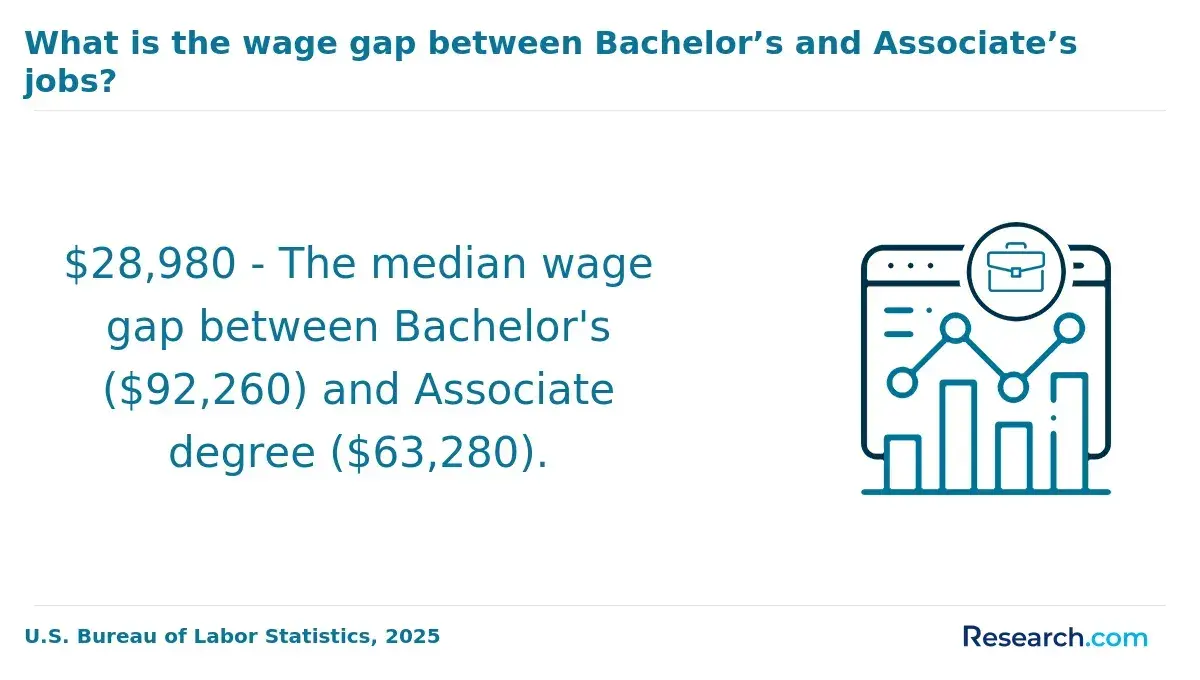
Master's degree requirements for treasury roles vary considerably by career stage and sector, shaping both opportunity and earning potential. While entry and mid-level treasury jobs often require only a bachelor's degree in finance or a related discipline plus relevant experience, senior roles such as assistant treasurer or director typically favor candidates with an MBA or professional credentials like the Certified Treasury Professional (CTP). This reflects employers' demand for verified, deeper expertise to manage increasingly complex liquidity, risk, and capital structure challenges.
Incorporating certifications needed for treasury professionals in finance can serve as a strategic alternative for those hesitant to commit to graduate studies immediately. Certifications provide targeted, practical treasury knowledge and can enhance competitiveness without the extended cost or time investment of a master's degree. Smaller firms may prioritize demonstrated experience over formal education, whereas large corporations, especially in manufacturing, healthcare, or technology sectors, generally expect advanced credentials for leadership roles.
From a workforce standpoint, total compensation aligns closely with education and certification. For example, U.S. corporate finance directors typically earn between $200,000 and $250,000, while CFOs at large firms surpass $500,000 annually, often exceeding seven figures. Prospective candidates assessing educational routes should also consider accessible options like cheapest 1 year online MBA programs to balance cost, duration, and career ambitions.
What treasury coursework best prepares finance majors?
Treasury coursework that integrates corporate finance, risk management, and liquidity forecasting shapes candidates able to manage working capital in sectors where cash flow timing dictates operational continuity, such as manufacturing or retail. This combination moves beyond theory; for example, mastering hedging with derivatives equips students to navigate currency and interest rate volatility faced by multinational companies. Practical skills in capital structure modeling enhance negotiation capabilities for credit facilities, vital in scaling treasury operations from mid-sized to large firms.
Employers prioritize familiarity with treasury management systems (TMS) and ERP integration to ensure accurate cash positioning and real-time reporting. Scenario-based cash flow stress testing assignments develop judgment under uncertain conditions, reflecting daily challenges in treasury roles controlling corporate liquidity.
Specialized electives focusing on bank relationship management and credit analysis often yield better job prospects than broader finance curricula. Knowledge of treasury operations-such as bank account structuring and payment processing-is directly relevant to oversight functions in large organizations.
Entry-level positions demand proficiency in compliance, internal controls, and short-term instruments before advancing into senior roles. Senior group treasurers in large U.K. corporates earn £100,000+ annually (excluding bonuses), indicating the premium placed on these tangible skills.
Practical coursework targeting treasury risk management, regulatory compliance including SOX, and advanced Excel for cash forecasting precisely aligns with employer expectations and increases competitiveness within the finance workforce.
How do finance graduates break into treasury analyst roles?
The increasing emphasis on financial risk management reshapes entry paths into treasury analyst roles, compelling graduates to prioritize practical skills over theoretical finance alone. Deloitte's 2024 Global Corporate Treasury Survey reveals that 72% of treasurers focus on managing FX, interest rate, and liquidity risks as a top strategic priority-up from 55%. This shift means candidates must demonstrate competence in risk identification and mitigation to gain traction in hiring pools.
Early-career candidates often face a tradeoff: accepting junior roles such as treasury assistant or cash position analyst that demand operational proficiency while gradually building risk analysis capabilities. Employers expect fluency in ERP and treasury management software alongside advanced Excel modeling, underscoring the importance of technical agility. Additionally, understanding debt instruments and hedging nuances across sectors like manufacturing and retail is essential but rarely covered in standard finance curricula.
Practical exposure through internships or co-ops in treasury departments can differentiate candidates, especially when combined with certifications focused on treasury or risk management. Without this, transitioning from a generic finance or accounting background can limit opportunities. Networking within treasury-specific professional circles can uncover unadvertised roles and provides insights beyond what academic programs offer.
- Progression hinges on mastering daily cash operations before tackling risk measurement models and scenario planning.
- Employers value demonstrable impact on liquidity optimization and currency risk reduction over academic credentials alone.
Are online finance degrees accepted for treasury careers?
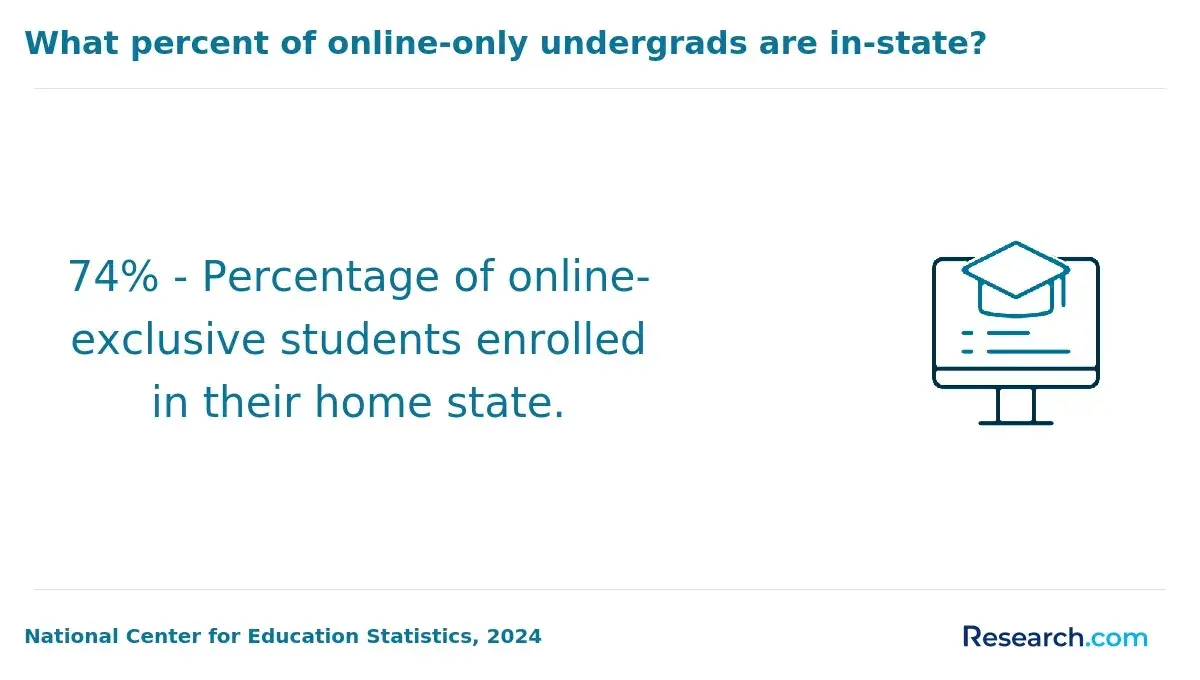
Online finance degrees can open doors to treasury careers, but their effectiveness hinges on program rigor, accreditation, and employer expectations. Government and large corporate employers often favor candidates from regionally accredited institutions with traditional degrees due to perceived applied experience. However, acceptance of online credentials is growing, especially when candidates supplement their education with relevant certifications like the Certified Treasury Professional (CTP) credential or internships. For instance, an applicant with a well-structured online finance degree combined with a CTP certification tends to be more competitive in entry-level treasury roles.
Labor market data from the U.S. Bureau of Labor Statistics forecasts a 4% growth in accounting and auditing jobs in government from 2022 to 2032, translating to approximately 126,500 new positions. This steady growth underlines viable entry points for online graduates who meet accreditation and practical skill prerequisites.
Key workforce considerations include:
- Choosing online programs with experiential learning components like virtual labs or internship partnerships.
- Verifying that program accreditation aligns with government and industry hiring standards.
- Complementing online degrees with certifications to mitigate employer concerns about remote learning quality.
- Emphasizing applicable skills and internships over education delivery method in resumes.
- Preparing to showcase proficiency in treasury software and compliance knowledge during interviews.
Graduates must balance the convenience of online education with strategic enhancements to credentials and experience to remain competitive in a nuanced, modestly growing treasury job market.
What treasury certifications improve job prospects?
Employers increasingly prioritize treasury certifications that demonstrate specific expertise in cash management, payments, and liquidity amid rapid fintech-driven change. The Certified Treasury Professional (CTP) credential stands out for directly addressing these priorities and aligns closely with the expanding payments sector, which is forecast to grow at a 10% CAGR to $3.6 trillion by 2028. This creates tangible hiring demand for treasury roles centered on payments complexity and risk control.
However, the CTP's requirement of roughly five years of related experience limits accessibility for entry-level candidates, making it a more realistic target for professionals already embedded in treasury operations. Compared to broader certifications like the Chartered Financial Analyst (CFA), which involves a lengthier study commitment across three exam levels, CTP offers a streamlined path with a narrower, operationally focused curriculum that employers in banking, manufacturing, and technology value for regulatory and compliance expertise.
The Certified Corporate Financial Planning & Analysis Professional (FP&A) certification supplements treasury knowledge by enhancing scenario modeling and capital allocation skills but lacks CTP's targeted cash management emphasis. For mid-career professionals navigating fintech treasury roles, prioritizing CTP provides a practical credential to immediately impact treasury functions driven by automation and compliance demands.
- CTP is suited for candidates with treasury experience aiming for roles prioritizing payments and liquidity management.
- CFA offers broader investment management insight but demands a multi-year commitment.
- FP&A strengthens financial planning but is less specialized for treasury operational complexity.
Relevant insights on the 2024 payments growth projections can be found in the McKinsey 2024 Global Payments Report.
What is the job outlook for treasury professionals?
Demand for treasury professionals is intensifying as companies navigate complex liquidity challenges amid economic volatility. Employers prioritize candidates who pair technical skills-like treasury management systems (TMS) proficiency, advanced Excel, and automation tools such as robotic process automation (RPA)-with practical experience in risk mitigation and cash management. For instance, a treasury analyst at a multinational manufacturing firm often balances foreign currency risk hedges, requiring fluency in international regulatory frameworks alongside financial modeling capabilities.
Smaller companies tend to seek treasury managers adaptable to budget constraints who can implement scalable cash management technologies, highlighting a tradeoff between deep specialization and practical agility. Candidate evaluation focuses less on certifications and more on immediate contributions to treasury digitization projects. Professionals transitioning from core Finance roles face challenges bridging knowledge gaps related to operational finance and treasury-specific risk assessment.
Growth in the global financial advisory market-from roughly $79 billion in 2024 to more than $113 billion by 2030-is concentrated in risk and treasury advisory sectors, boosting opportunities but demanding nuanced financial expertise and strategic acumen. Career progression for finance graduates willing to develop treasury-focused competencies often relies on their ability to align financial modeling with evolving corporate priorities.
Key skills and realities to consider include:
- Managing liquidity versus investment tradeoffs under shifting economic conditions.
- Integrating technological tools for automation and reporting efficiency.
- Navigating regulatory compliance across diverse industries such as manufacturing, technology, and healthcare.
- Addressing employer preference for demonstrable treasury software and project experience over formal certifications.
How do you choose a reputable finance program for treasury careers?
Choosing a finance program tailored for treasury careers requires balancing rigorous curriculum content and tangible employability outcomes. Programs must offer specialized coursework in corporate treasury management, cash flow forecasting, risk assessment, and capital markets-areas directly linked to daily treasury functions. Employers expect graduates to demonstrate applied proficiency, not just theoretical knowledge; this means hands-on experience with financial software or realistic simulations is non-negotiable.
Consider candidates working full-time who aim to pivot into treasury roles within manufacturing or other sectors. For them, flexible scheduling and programs connected to local financial institutions or corporate treasury departments provide not just knowledge but access to vital industry networks via internships or partnerships. These practical connections materially increase job placement and salary prospects.
ZipRecruiter data projects that treasury positions grow around an average annual salary of $105,672, with mid-career pay ranging from $87,000 to $121,500. This pay scale demands credentials aligned with evolving fintech trends and validated by recognized accreditors such as AACSB, ensuring programs avoid outdated content. Transparency in graduate employment metrics, verified by sources like the U.S. Department of Education's College Scorecard, is essential to assess true return on investment.
Ultimately, decision-making hinges on evaluating programs' ability to deliver applied skills and credible outcomes without glossing over the practical tradeoffs adult learners face, such as time management and relevance to targeted industries.
Other Things You Should Know About Finance
Specializing early in treasury-specific areas like cash management or risk assessment increases immediate employability for targeted roles. However, maintaining a broad skill set in finance provides flexibility to pivot across related fields such as corporate finance or financial planning. Employers often prefer graduates who can adapt to evolving treasury functions, so an initial focus on core treasury skills combined with a foundation in general finance analytics is optimal.
The CFA, CTP, and AFP certifications are the most recognized credentials for treasury analyst roles in 2027. The Certified Treasury Professional requires qualifying experience and passing one exam from the Association for Financial Professionals, while the CFA is broader and supports cash management and risk analysis work.
Treasury roles typically involve predictable work hours tied to market and reporting cycles, but workload intensifies during quarter-end and liquidity stress events. Employers expect strong time management and responsiveness to urgent cash flow issues, which can disrupt work-life balance temporarily. Professionals should assess whether they can handle cyclical high-pressure periods and decide if their priority is work stability or tolerance for fluctuating demands.
References
- Top 10 Accounting and Finance Skills Employers Want | Tamarack Recruiting | Tamarack Recruiting https://tamarackrecruiting.com/top-10-accounting-and-finance-skills-employers-want-tamarack-recruiting/
- Careers at Treasury https://home.treasury.gov/about/careers-at-treasury
- Unlocking the Vault: Breaking into Corporate Treasury - Treasury Suite https://www.treasurysuite.com/blog/unlocking-the-vault-breaking-into-corporate-treasury
- Careers in Treasury and Finance | The Association for Financial Professionals https://www.financialprofessionals.org/career-hub/career-skill-building/careers-in-treasury-and-finance
- CTP | Certified Treasury Professional | CTP Certification https://ctpcert.financialprofessionals.org/
- A career in treasury https://www.treasurers.org/hub/careers
- What Major is Best for Finance? Top 10 Picks https://zoetalentsolutions.com/what-major-is-best-for-finance/
- Treasury Manager Career Guide : missions, training, and salary https://www.iscparis.com/en/program/career-guides-treasury-manager/
- Breaking Down the Highest Paying Finance and Banking Roles | Financial Services | Breaking Barriers https://www.goodmanmasson.com/the-insights-hub/highest-paying-finance-jobs
- CERTIFICATE IN TREASURY https://learning.treasurers.org/qualifications/certificate-treasury