2027 Online Finance Degrees With Strong Credit Analysis Training

Co-Founder and Chief Data Scientist
Risk managers and credit analysts often confront complex cash flow assessments with tight deadlines, where flawed credit evaluations can cost firms millions and tarnish careers. However, the path to mastering credit analysis remains obstructed by rigid schedules and the prohibitive costs of traditional programs.
Recent data from the National Center for Education Statistics shows a 30% rise in adult learners enrolling in online finance degrees since 2024, indicating a shift towards flexible study models that better align with professional obligations. This article examines online finance degrees emphasizing credit analysis training, offering a detailed guide to selecting programs that balance accessibility, depth, and career relevance for strategic advancement.
Key Things You Should Know
- Degree programs emphasizing quantitative credit risk modeling often require 18+ months, delaying entry during a sector with projected 12% job growth in credit analysis roles per the U.S. Bureau of Labor Statistics, pressuring candidates weighing opportunity costs.
- Employers prioritize candidates with demonstrated proficiency in Altman Z-score and Moody's RiskCalc tools, elevating programs with integrated practical software training over those with purely theoretical credit curricula.
- Online finance degrees offering credit specializations tend to cost 15-25% less than in-person equivalents per recent NCES data, yet they risk limited alumni networks, impacting mid-career advancement in relationship-driven credit analyst positions.
What are online finance degrees with credit analysis training?
Rising credit card charge-off rates-reaching 4.01%-underscore the real risk environment shaping demand for analysts with practical credit analysis skills. Online finance degree programs with a credit analysis focus equip students with the quantitative tools and regulatory knowledge essential to assess borrower default risk and manage portfolio exposure.
This is not theoretical: for example, a credit analyst at a midsize consumer lender must anticipate shifting default probabilities, requiring applied training in portfolio risk modeling rather than just foundational concepts. Programs offering the best online finance courses for credit risk analysis typically combine financial accounting, statistics, and credit risk modeling with hands-on software applications such as SAS or R.
Such training aligns with employer expectations, which seek candidates able to translate complex data into actionable credit decisions amidst tightening credit conditions. Career switchers benefit most from curricula integrating case studies and industry-recognized certifications, which drive immediate employability gains. Additionally, flexible online structures help balance ongoing work responsibilities while acquiring specialized skills.
When evaluating programs, scrutinize faculty expertise and institutional finance sector connections, as these influence network access and placement outcomes. Strategic choices here enhance the capacity to navigate evolving regulatory frameworks and tighter credit markets, positioning graduates for targeted roles in credit risk management.
For professionals considering broader advancement, options like an online MBA operations management can complement credit analysis expertise with cross-functional leadership skills.
How do you choose an accredited online finance program?
Institutional accreditation, particularly from recognized agencies such as AACSB or ACBSP, is the nonnegotiable foundation when selecting accredited online finance degree programs. These credentials not only validate educational standards but also influence eligibility for federal aid and acceptance by employers, especially in credit analyst roles where specialized coursework in credit risk and financial statement analysis matters.
For instance, credit analysts saw a median wage of $93,520 in May 2024, illustrating the premium on targeted expertise. Programs that embed practical training through case studies on corporate credit evaluations or software like Moody's Analytics offer a measurable advantage.
Professionals considering a switch, say from commercial banking to corporate finance, must verify that electives address sector-specific credit analysis, as methodologies vary widely between industries like manufacturing and tech startups. The best online finance programs with credit analysis certification emphasize these nuances.
Access to career services that connect students with internships and credit risk professionals significantly impacts job placement rates, as practical experience is increasingly demanded alongside degrees. Equally, curricula must adapt proactively to regulatory shifts and market volatility to keep graduates competitive.
Balancing program length, cost, and flexibility against ongoing job responsibilities remains essential for completion without income disruption. Those considering broader strategic degree options may also explore MBA online programs for complementary leadership and analytical skills.
What coursework builds credit analysis skills in finance degrees?
Success in credit analysis depends heavily on mastering several interrelated competencies embedded in a finance degree curriculum for credit risk assessment. Core accounting courses provide the technical ability to interpret financial statements, a baseline skill critical for granular borrower evaluation. Yet, many programs underdeliver on integrating regulatory compliance and advanced analytics, a gap that hinders readiness for complex credit risk roles.
Students should therefore weigh programs that enhance regulatory understanding and quantitative modeling techniques, including regression and Monte Carlo simulations, vital for anticipating default probabilities. Workforce trends underscore this practical demand: LinkedIn's 2024 Jobs on the Rise report documents a 25% expansion in risk and compliance jobs globally, elevating credit risk expertise as a prioritized skill set.
For example, credit analysts managing commercial lending portfolios must reconcile macroeconomic trends with borrower-specific risks, a nuanced task sharpened through case-based coursework. Applied scenarios within credit analysis coursework in online finance degrees often simulate distressed debt or portfolio management, fostering critical decision-making that balances lender expectations with borrower realities.
However, the lack of consistent exposure to credit rating methodologies and covenant structures means graduates need targeted electives to fully develop negotiation and risk evaluation capabilities. Prospective students considering specialized finance pathways should also explore cost-effective options like MBA programs under 10k that integrate these high-demand skill sets without excessive financial burden.
How do online finance degrees compare with campus programs?
Choosing between online finance degree programs versus traditional campus degrees hinges less on delivery mode and more on the ability to develop core credit analysis skills and secure relevant experience. For instance, the Foundation for Research on Equal Opportunity's data shows degrees from Arizona State University-Tempe and Florida State University yield adjusted ROIs of $447,037 and $563,529 respectively, reflecting factors like completion rates and program quality rather than format.
Employers demand concrete skills in cash flow modeling, risk assessment, and financial statement interpretation regardless of study format. Campus students benefit from direct mentorship, internships, and embedded team projects that build practical credit analysis skills and client-facing experience crucial for roles such as credit assessment at regional banks.
Online finance courses require learners to proactively obtain virtual internships and portfolio-building simulations to compensate for fewer on-site recruiting opportunities. Working professionals pursuing an online degree face significant time management challenges that can slow skill mastery, making elective courses and certificates vital supplements to avoid practical knowledge gaps.
Decision makers must balance cost savings and flexibility with the potential delay in networking and experiential learning that campus programs provide more seamlessly. For those evaluating accelerated options, consider how an one-year MBA program fits your timeline and career goals within the wider finance education landscape.
What admissions requirements do online finance programs usually need?
Online finance programs impose entry requirements that frequently act as gatekeepers, particularly for working professionals transitioning from unrelated fields. Admissions committees favor applicants with strong quantitative backgrounds-often demonstrated by a competitive GPA between 2.5 and 3.0-and expect standardized test scores like the SAT or ACT, although many programs waive these when candidates show relevant work experience or prior college credits.
Such standards aim to ensure students can handle rigorous credit analysis coursework, crucial for roles demanding analytical precision. For many candidates, the need to satisfy prerequisites in economics, accounting, or statistics can extend time-to-enrollment unless bridge courses are completed beforehand. This practical barrier disproportionately affects those pivoting careers and underscores the importance of verifying institutional policies early in the application process.
In lieu of academic history alone, some accelerated finance programs weigh professional experience heavily, requiring résumés that demonstrate clear familiarity with business or financial operations. This criterion aligns with employer expectations, as hands-on exposure to market or credit risk concepts correlates with graduate employability, especially in corporate finance or banking settings.
Financial considerations further complicate decisions. According to BestColleges data for 2026, the most affordable online Bachelor of Science in Business Administration with a finance focus charges approximately $270 per credit, amounting to $32,370 for a standard 120-credit program. Prospective students must assess such tuition against available federal aid to avoid unsustainable debt relative to expected earning potential.
Admissions processes also increasingly emphasize motivation statements or interviews to gauge alignment with the analytical demands of credit analyst roles, filtering for candidates whose completion rates reliably translate into workforce readiness.
How long do online finance degrees take and what do they cost?
Choosing an online finance degree involves balancing duration, cost, and practical outcomes rather than simply selecting the shortest or cheapest option. Associate, bachelor's, and master's degrees generally require 2 to 4 years full-time, but accelerated or part-time formats can reduce this to 18-24 months-an important consideration for professionals managing work alongside study.
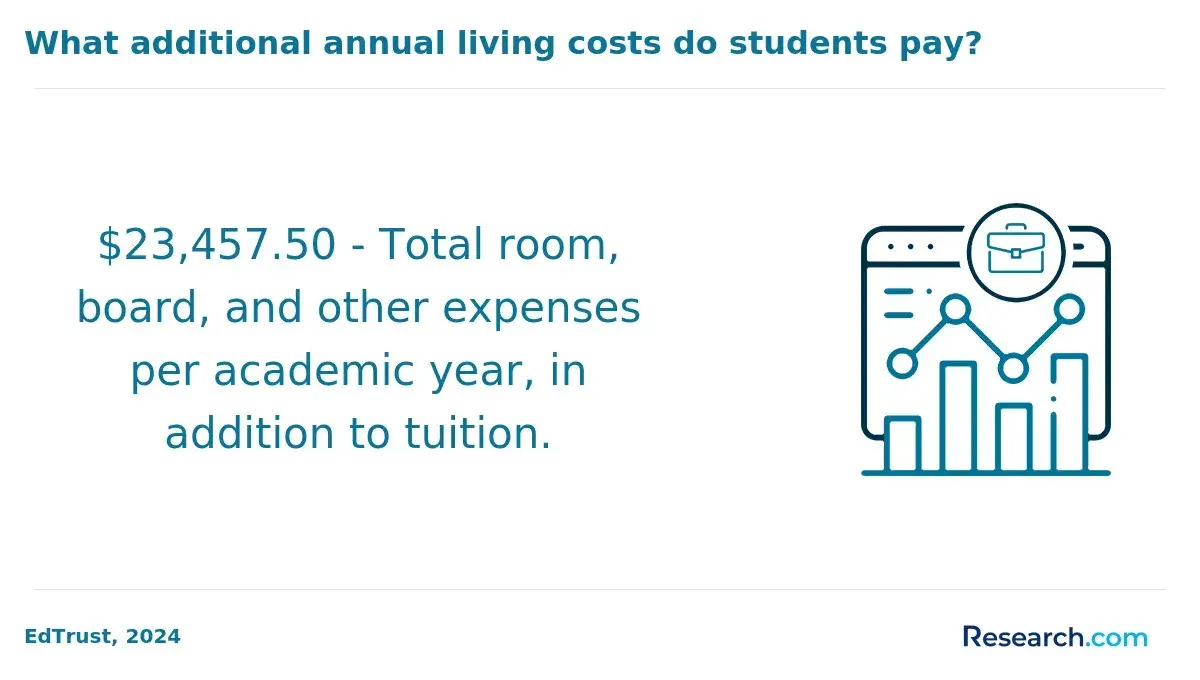
Costs vary significantly: public in-state bachelor's programs typically range from $6,000 to $15,000 annually, whereas private institutions often exceed $30,000. Graduate programs can demand $20,000 to $50,000 total tuition, with additional expenses like technology fees and textbooks amplifying financial commitments.
For those targeting credit analyst roles-such as in commercial banking-employers prioritize hands-on skills in financial modeling paired with regulatory knowledge over mere degree length. Candidates benefit from programs emphasizing practical credit analysis training, as well as supplementary certifications that validate job-ready competencies.
The expanding online business education market, projected to surpass $93 billion by 2028, increases program availability but complicates cost-to-value assessments. Prospective students should weigh whether faster degree completion offsets greater expense or if slower, more affordable routes better fit their employment status and learning needs.
- Accelerated programs suit those needing rapid workforce reentry but come at higher costs.
- More extended, flexible programs may allow continued employment and lower expenses.
- Employers value demonstrable credit analysis skills more than degree speed.
Which careers use credit analysis skills after graduation?
Credit analysis is a specialized skill set pivotal for evaluating financial viability and managing risk across various finance roles. Commercial bankers use credit analysis not just to approve loans but to structure terms that mitigate default while enhancing returns. In corporate finance, it shapes debt management and capital strategy, directly influencing negotiation leverage and cost of capital. Credit risk management demands constant reassessment of portfolios amid shifting economic conditions.
For investment analysts focusing on fixed income, conducting rigorous credit assessments affects portfolio balance between yield and default risk. Consider a commercial real estate credit analyst who evaluates tenant creditworthiness and lease cash flows-this granular scrutiny informs property valuations and investment decisions with tangible financial consequences.
Job candidates with certified credit analysis skills experience demonstrable salary uplifts-sometimes over 20% within a year-reflecting market preference for quantifiable expertise beyond generic finance knowledge. However, mastering this discipline requires overcoming practical hurdles such as interpreting complex financial statements, navigating regulatory environments, and leveraging credit modeling tools effectively.
Communication skills to translate risk assessments up the management chain are equally valued. Distinct analytic approaches arise depending on whether candidates target consumer lending versus corporate credit sectors, as each encounters unique risk profiles and pricing strategies with implications on risk appetite and loan structuring policies.
What salary can finance graduates expect in credit roles?
Starting salaries for finance graduates entering credit roles typically span $60,000 to $85,000 annually, with mid-career compensation rising to between $90,000 and $130,000. These ranges vary significantly based on industry segment, geographic location, and employer size. For instance, corporate credit analysts and credit risk managers located in major financial hubs often command salaries at the higher end, unlike positions in smaller regional firms or non-profit organizations.
Proficiency in data analytics and credit risk modeling has become a decisive factor in securing premium salaries. A 2024 AACSB survey reports that 72% of accredited undergraduate finance programs expanded coursework in these areas, reflecting growing employer demand. Professionals equipped with advanced financial risk analytics can navigate automated underwriting systems and complex model validation tasks-skills that distinctively enhance employability and salary potential.
In consumer lending environments, risk roles may start with modest pay but can escalate quickly contingent on certifications and experience due to the volume-driven nature of the sector. Conversely, credit analysts supporting large corporate or structured finance projects require advanced technical expertise upfront and receive higher initial compensation.
Absent exposure to practical credit risk tools or contemporary analytics, salary growth and career mobility tend to stagnate. Candidates must also invest in developing software skills like Python and SQL, as employers prioritize these competencies for handling stress testing and large datasets. Ongoing skill development is essential to accessing specialized or leadership credit positions.
What certifications strengthen a credit analysis career path?
Choosing between the CFA charter, Certified Credit Professional (CCP), and Financial Risk Manager (FRM) certifications requires evaluating specific career goals and employer preferences within finance. For example, investment firms and asset managers frequently prioritize CFA holders for senior credit or risk roles due to the designation's comprehensive coverage of investment analysis and market dynamics.
By contrast, the CCP credential targets professionals focused on corporate credit evaluation and commercial lending, offering specialized knowledge tightly aligned with the operational demands of credit departments. The FRM appeals to those bridging credit with broader enterprise risk management, emphasizing quantitative risk modeling and oversight relevant to regulatory environments.
Key practical distinctions influence candidate decisions: the CFA demands roughly 900 cumulative study hours across three progressively difficult exams, often spread over several years, which can delay workforce re-entry or advancement. CCP and FRM usually require less total study time but focus more narrowly, suiting individuals aiming for quicker credentialing aligned with specific sector needs.
Employers' valuation of these credentials reflects these differences:
- Investment banks and portfolio managers strongly prefer CFA holders for leadership roles.
- Corporate lenders and commercial credit managers lean toward CCP-certified analysts for specialized credit risk assessment.
- Financial institutions needing integrated risk controls value the FRM designation.
Ultimately, candidates must consider the tradeoff between depth, breadth, and time investment alongside their targeted job market. Programs incorporating real-world credit case studies and quantitative techniques improve decision-making and practical skill application, enhancing long-term employability.
How do you evaluate a finance school's reputation and outcomes?
Evaluating a finance school's value for credit risk analyst careers hinges on measurable graduate outcomes and market alignment, not reputation alone. Programs demonstrating consistent placement of graduates within six months, specifically in credit analysis roles, signal deeper industry integration. Schools with active partnerships offering internships or co-op experiences with financial firms enhance practical training directly tied to real-world credit risk challenges.
Curriculum focus on advanced credit risk modeling, exposure to live credit portfolios, and regulatory nuances distinguishes programs that equip students for immediate contribution. With nearly half of North American credit analyst positions now offering remote or hybrid arrangements, according to LinkedIn's Global Talent Trends, programs that combine flexible learning modalities with remote internship opportunities provide a critical edge for candidates.
Beyond accreditation, scrutinize transparent data: retention in credit roles, starting salaries aligned with credit portfolios, and alumni career trajectories in risk management departments matter more than rankings. Practical tradeoffs also influence decisions-part-time or evening formats paired with specialized career services mitigate opportunity costs essential for working professionals pivoting into this field.
- Focus on programs with demonstrated placement in credit analysis roles within six months
- Prioritize curriculum featuring advanced credit risk techniques and regulatory frameworks
- Consider flexible delivery methods tied to remote or hybrid internship opportunities
- Evaluate retention rates and alumni progression specific to credit-focused finance roles
- Balance tuition costs against career services and format flexibility for working adults
Other Things You Should Know About Finance
Employers increasingly regard online finance degrees as valid when the program is accredited and known for rigorous curriculum. However, the reputation of the issuing institution still carries significant weight, especially for roles demanding strong analytical expertise. Candidates from lesser-known online programs may face skepticism unless they supplement their degree with internships or practical projects demonstrating applied credit analysis skills.
Credit analysis increasingly relies on specific software tools for risk evaluation and financial forecasting, so program selection should weigh practical software training heavily. Graduates proficient in industry-standard platforms enter the job market with a clear advantage. Without such training, candidates risk slower onboarding and may require additional employer-led upskilling, which can delay full productivity and career growth.
Many programs include a supervised internship or practicum, often worth 3 to 6 credit hours, before graduation. Schools usually require a minimum GPA, background check, and completion of core finance courses such as financial statement analysis, corporate finance, and risk assessment before placement.
References
- Stockholm School of Economics https://www.hhs.se/en/education/msc/mfin/mfin-admission/
- What Sets Financial Edge Credit Analyst Course Apart? - Financial Edge https://www.fe.training/free-resources/careers-in-finance/what-sets-financial-edge-credit-analyst-course-apart/
- targetjobs https://targetjobs.co.uk/careers-advice/job-descriptions/credit-analyst-job-description
- Everything you need to know to build a career as a credit analyst - Imarticus Blog https://imarticus.org/blog/everything-you-need-to-know-to-build-a-career-as-a-credit-analyst/
- Online Bachelor's Degree in Finance | CSU Global | Accredited https://csuglobal.edu/academic-programs/undergraduate-degrees/bachelors-degree-finance
- Finance Courses to Boost Your Career – 365 Financial Analyst https://365financialanalyst.com/
- Certificate in Corporate Credit Analysis https://fitchlearning.com/course/credit-risk-corporates/certificate-in-corporate-credit-analysis/
- Study Finance Courses and Degrees Online https://www.open.edu.au/study-online/business-management/finance
- Online Bachelor's Degree: Finance https://www.umgc.edu/online-degrees/bachelors/finance
- Best Finance Degrees Online | Accounting.com https://www.accounting.com/degrees/finance/bachelors/best-online-programs/