2027 Online Finance Degrees With Corporate Finance Coursework

Co-Founder and Chief Data Scientist
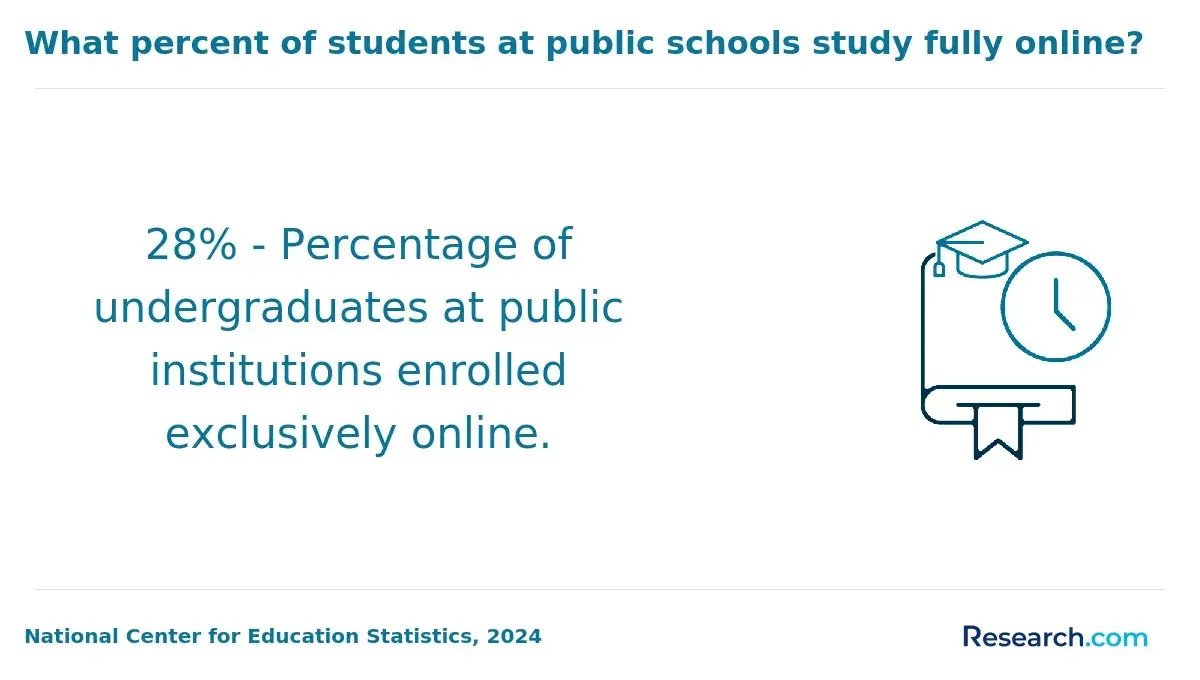
Mid-career professionals aiming to pivot into corporate finance often confront a narrow window for retraining without sacrificing income or job security. Workforce data from the National Center for Education Statistics shows a 28% increase in adult enrollment in online degree programs since 2023, reflecting a demand for flexible schedules that accommodate full-time employment. This trend signals growing recognition that accessibility and timing are decisive in career mobility within finance, where delay risks falling behind rapidly evolving corporate financial strategies and technology integration. This article evaluates online finance degrees with corporate finance coursework, focusing on program structures and outcomes to help professionals optimize their educational investments toward immediate workplace relevance.
Key Things You Should Know
- The average cost of online finance degrees with corporate finance coursework ranges from $15,000 to $45,000, creating a tradeoff between program comprehensiveness and affordability for midcareer individuals balancing opportunity costs, per National Center for Education Statistics 2024.
- Employers prioritize candidates with applied financial modeling and valuation skills, but 42% of graduates lack hands-on experience, limiting immediate employability in top-tier corporate finance roles, according to a 2024 Deloitte talent report.
- Programs requiring 18-24 months to complete delay market entry amid evolving fintech disruptions; faster options risk sacrificing depth, impacting long-term career adaptability, as detailed in a 2024 Georgetown University workforce analysis.
What is an online finance degree with a corporate finance focus, and who is it best for?
Pursuing an online finance degree with corporate finance specialization directly equips professionals aiming to lead critical financial strategy functions such as investment analysis, capital structure optimization, and risk management. For instance, an individual transitioning from general accounting to corporate finance must absorb complex concepts like mergers and acquisitions and shareholder value maximization to remain competitive in such roles. These programs are particularly valuable to mid-career professionals focused on sharpening targeted competencies rather than broad finance principles.
This pathway suits working professionals who need the flexibility that online learning offers, allowing them to engage with coursework without geographic or scheduling constraints. Industries such as manufacturing, tech, and healthcare increasingly demand expertise in corporate finance to drive project valuation and effective resource allocation, making the best online finance programs for corporate finance careers a practical educational choice.
The U.S. Bureau of Labor Statistics projects an 8% growth in business and financial occupations from 2022 to 2032, creating approximately 911,400 new positions that depend on corporate finance proficiency. However, prospective students must weigh the mathematical rigor and practical elements of programs, including simulations or internships, which are essential for employers prioritizing applied skills. Early-career learners may benefit more from broader foundations before specializing.
For those considering specialization in healthcare finance, exploring online options such as a healthcare MBA can provide targeted management expertise alongside financial acumen.
How do online finance degrees compare with campus programs for quality and employer respect?
Employer reputation hinges on more than just online delivery when evaluating an online finance degree. Practical rigor and institutional brand shape graduate outcomes and hiring decisions beyond the program format itself. For instance, adjusted ROI metrics illustrate that Arizona State University-Tempe's online finance bachelor's produces $447,037 return, while Florida State University's on-campus equivalent yields $563,529. This demonstrates how earning potential correlates primarily with the quality comparison of online and campus finance programs rather than simply the mode of study.
In sectors like investment banking or corporate finance, hiring managers prioritize candidates' quantitative proficiency and familiarity with complex instruments over whether they learned on campus or remotely. Roles that demand client engagement or leadership skills, however, often favor candidates with opportunities for in-person development, networking, and internships. Although traditional campus formats provide concentrated regional access to finance firms, many online programs now incorporate synchronous sessions and virtual internships to mimic these advantages.
For working professionals navigating the choice, ensuring project-based learning and industry interaction is key to offsetting geographic separation. Prospective students should weigh employer perspectives specific to their target finance subsector and how programs facilitate career-relevant skills beyond academic content.
Those evaluating financial education options may also explore easiest online MBA programs to understand broader online study pathways aligned with workforce realities and preferences.
Which accreditations should online finance programs have to be considered reputable and eligible for aid?
Employers increasingly prioritize graduates from regionally accredited programs because these credentials reflect validated academic rigor and facilitate access to federal financial aid. For many students, choosing from accredited online finance degree programs in the US prevents costly dead-ends-such as ineligible loans or degrees that employers and certification boards discount. Regional accreditors like the Higher Learning Commission (HLC) and Middle States Commission on Higher Education (MSCHE) confirm institutional quality, a non-negotiable baseline if financial aid eligibility matters.
Beyond institutional accreditation, program-specific approval from organizations like AACSB or ACBSP signals alignment with industry standards, particularly crucial for roles involving corporate finance, financial analysis, or treasury functions. This layered accreditation ensures curricula cover essential domains such as investments and financial markets rather than generic business content.
Online finance programs eligible for federal financial aid that combine these accreditation layers offer a practical advantage for working professionals managing tuition costs alongside career development. For example, Penn State World Campus's 120-credit BS in Finance, with per-credit costs ranging from $638 to $685, demonstrates the premium attached to comprehensive, accredited options.
Prospective students evaluating cost-effective pathways should also explore specialized options like online MBA programs under 30k that meet both financial and educational standards.
Deliberate verification of accreditation status early on reduces risks of enrolling in programs lacking transferability or employer recognition, safeguarding future hiring prospects and career pivots in the competitive finance workforce.
What corporate finance coursework and skills can you expect in an online finance degree?
Corporate finance coursework in online finance degree programs aims to equip students with advanced technical skills and sector-specific financial analysis capabilities. Candidates must critically assess tradeoffs between course emphases depending on career trajectories: a mid-career professional targeting roles in high-tech finance requires proficiency in quantitative methods and software tools, while those entering traditional industries benefit more from regulatory and management accounting knowledge.
Essential corporate finance skills taught in online finance degrees include capital budgeting, risk management, valuation techniques, and financial modeling, frequently involving discounted cash flow and cost of capital calculations. Mastery of platforms like Excel and Bloomberg Terminal simulations is standard to prepare students for data-driven financial environments. Curriculum components also address economic indicator interpretation and compliance frameworks, both vital for treasury and corporate funding decision roles.
Online programs must offset inherent limitations such as reduced networking and hands-on exposure by emphasizing internships and case-based learning to meet employer expectations for strategic insight alongside technical competence. This blend improves competitiveness for positions like financial analyst or corporate treasurer.
Cost disparities are significant-Accounting.com data show annual tuition averages around $9,800 at public colleges versus $40,700 at private institutions for similar online finance degrees. Prospective students should weigh such costs against educational outcomes and practical advantages carefully.
For professionals balancing work and study, options such as an online eMBA may offer enhanced flexibility and corporate finance coursework integration suited for strategic career pivots.
What admission requirements and prerequisites do online corporate finance degree programs typically expect?
Meeting prerequisites in online corporate finance degree programs is a practical filter shaping both student trajectory and workforce readiness. Most bachelor's programs require a high school diploma or GED plus foundational coursework in algebra, statistics, and basic economics or accounting. A GPA of 2.5 to 3.0 is often the minimum yardstick, with many institutions valuing demonstrated quantitative proficiency through standardized tests or prior classes.
For professionals switching fields, such as a marketer eyeing finance roles, clearing these prerequisites upfront avoids delays and redundant coursework, accelerating time-to-degree. Graduate-level candidates typically need a bachelor's degree and may face additional hurdles like GMAT or GRE requirements alongside foundational finance or statistics classes, although relevant managerial experience can sometimes replace exams.
Workforce data underscore the payoff of meeting these academic thresholds. For example, earnings for University of Maryland Global Campus bachelor's in finance graduates reach an average of $55,755 shortly after graduation and $106,012 by mid-career, signaling a tangible link between admission standards and career financial trajectories.
- Failing to account for math and accounting prerequisites often extends program length and cost.
- Early credit verification and targeted preparation align student profiles with employer expectations emphasizing quantitative and analytical rigor.
These realities frame admission as more than a formality-it is a strategic decision point affecting educational efficiency and long-term career viability in finance fields.
How long do online finance degrees take, and what do they typically cost?
The decision between an online bachelor's versus a master's degree in finance hinges on balancing cost, time, and career trajectory. Bachelor of Science programs typically require 120 credits, costing $36,000 to $72,000 in total tuition at $300 to $600 per credit, over two to four years. In contrast, master's programs, focused on advanced corporate finance roles, demand 30 to 36 credits at about $850 per credit, totaling $25,500 to $30,600, and usually finish within 15 to 30 months.
This investment tradeoff often reflects distinct workforce goals and timing constraints:
- Early-career candidates targeting entry-level finance roles benefit from the longer bachelor's route, which allows time for internships and work experience, enhancing practical readiness despite a longer timeline.
- Mid-career professionals aiming for senior roles-such as financial controller or treasury management-may prioritize the accelerated master's program despite higher per-credit costs to swiftly signal expertise and capture higher salaries sooner.
Employers in banking, corporate treasury, and financial planning value both education and demonstrated experience. Therefore, prospective students should evaluate how each degree format aligns with the realistic progression within their target segment of the finance industry.
What careers can you pursue with an online finance degree focused on corporate finance?
Corporate finance roles demand acute analytical capabilities paired with knowledge of capital allocation and financial reporting. Graduates with an online finance degree focused on this area must demonstrate proficiency in managing complex financial models and mergers and acquisitions, especially within sectors like manufacturing, healthcare, and technology where financial structuring directly impacts growth trajectories. For instance, a financial analyst at a manufacturing firm leverages corporate finance to optimize investments in equipment, influencing profitability, while a bank's risk manager applies similar skills to assess credit risk and regulatory compliance, necessitating a strong quantitative orientation.
Employers gauge candidate readiness through rigorous academic standards; Georgia State University's online B.B.A. in Finance enforces a minimum 2.80 GPA and prohibits grades below C-, signaling that successful graduates can navigate demanding financial environments. Aspiring professionals must also master advanced Excel and financial software platforms such as Bloomberg Terminal, often supplementing their qualifications with certifications like CFA or CPA to enhance marketability.
The tradeoff for online learners involves balancing self-directed study with these stringent requirements, mirroring real-world corporate finance pressures. Long-term career progression can lead to CFO or controller positions but requires integrating leadership and regulatory insight alongside technical expertise. Students should therefore prioritize programs with curricula aligned to their intended industry to maximize relevance and employability.
What salary ranges and earning potential exist for graduates in corporate finance roles?
Starting salaries for graduates in corporate finance typically range from $60,000 to $80,000, with mid-career professionals earning between $90,000 and $130,000. Financial analysts, a common entry role, reported a median wage near $83,660, while management positions push salaries above $150,000. Sector choice significantly influences compensation; energy, technology, and healthcare generally offer higher pay than manufacturing or nonprofit sectors.
Tuition costs notably affect net earning potential. For example, Florida State University charges in-state tuition of $25,866 for in-person finance programs and $21,658.80 online, while out-of-state costs are substantially higher-$86,532 in-person and $82,324.80 online. The online option's modest savings reduce debt burdens, thereby impacting long-term financial flexibility after graduation.
Employers prioritize candidates with real-world experience and technical skills such as financial modeling and budgeting software proficiency, which can justify salary premiums. However, cost-of-living adjustments narrow take-home advantages in high-paying cities like New York or San Francisco, requiring candidates to weigh salary against living expenses carefully.
Key considerations for prospective students include balancing tuition investment with realistic income trajectories, evaluating degree delivery modes for cost efficiency, and aligning skill development with employer demands to maximize career mobility and financial outcomes.
What is the job outlook for corporate finance professionals in the United States?
Corporate finance professionals face a steady employment growth rate of approximately 7% through 2034, aligning with overall occupational averages but concentrated in sectors like healthcare, technology, and manufacturing. Employers increasingly prioritize candidates skilled in capital structure optimization, liquidity management, and risk assessment to help organizations navigate economic unpredictability and regulatory pressures.
Educational background alone is insufficient; practical experience interpreting financial statements, preparing budgets, and advising on complex transactions is a baseline expectation. Candidates unable to demonstrate these competencies risk displacement in competitive markets. Programs integrating real-world case studies or internships greatly improve readiness.
For working professionals, online bachelor's options such as the program at Northwest Missouri State University, which charges $347 per credit plus a $36 course fee, offer accessible, flexible learning without geographic constraints. However, the return on investment depends on whether the curriculum aligns tightly with market needs and emphasizes applied learning over theory.
Key considerations before commitment include:
- Whether program content sufficiently addresses industry-specific financial challenges and regulatory frameworks
- The availability of hands-on projects that sharpen analytic and advisory capabilities
- Cost relative to potential salary uplift and career mobility within targeted sectors
Those balancing career transitions or advancement should weigh the practical complexities of employer expectations against the credentials and hands-on experiences such programs deliver.
How can you evaluate and choose the best online finance program for your goals?
Evaluating online finance programs demands attention to adjusted return on investment (ROI), which incorporates completion rates and total costs, directly shaping long-term earnings. For instance, Pennsylvania State University's online finance bachelor's degree reports adjusted ROIs exceeding $400,000-$500,000, demonstrating tangible lifetime value. Programs with similar outcomes tend to secure employer recognition and improve job prospects in competitive sectors.
Curriculum focus is a decisive factor: prioritize programs emphasizing corporate finance skills such as capital budgeting, financial analysis, and risk management rather than purely theoretical finance. These competencies align closely with roles in investment banking, corporate treasury, and consulting. Coursework integrating contemporary tools and real case studies equips graduates to meet employer standards more effectively.
Accreditation and reputation remain essential. Independent quality verification and transparent metrics-graduation rates, employment stats-signal a program's market relevance. Less reputable or unaccredited options often result in diminished ROI and wasted effort.
Student support mechanisms also influence outcomes. Programs featuring active career services, internships, or employer connections enhance placement chances and ease career transitions. Flexibility matters for working professionals; asynchronous or part-time formats prevent disruption of current employment, although too rigid schedules can hinder completion.
Deciding requires weighing total program costs against likely salary increases. Adjusted ROI analyses from authoritative sources are indispensable for this cost-benefit calculation, helping clarify tradeoffs between financial commitment and career advancement potential.
Other Things You Should Know About Finance
The workload in online finance programs with a corporate finance emphasis tends to be substantial, often matching or exceeding on-campus credits in complexity. Students must balance rigorous quantitative analysis, case studies, and real-world financial modeling with flexible scheduling, which can extend time to mastery. For professionals seeking career advancement, prioritizing programs with structured support and integrated experiential learning can reduce the risk that workload becomes an obstacle rather than an asset.
In 2027, employers increasingly value skills over the modality of degree acquisition. Online finance degrees with corporate finance coursework are generally regarded equally, provided they are accredited, as they reflect a candidate’s ability to manage learning alongside professional or personal responsibilities.
Effective online programs integrate case-based learning and simulation exercises that mimic real-world financial decision-making under uncertainty, which is essential for preparing students to analyze risk and capital allocation. The quality of these experiential components varies, so students should prioritize programs offering interactive tools and projects with measurable outcomes. Without these, graduates may face a steeper learning curve when transitioning to operational roles involving strategic finance decisions.
Most programs use learning platforms such as Canvas or Blackboard, plus Excel for budgeting, valuation, and capital budgeting models. Some 2027 courses also require financial calculator use and access to market-data tools like Bloomberg or S&P Capital IQ for portfolio and corporate analysis assignments.
References
- What Do Employers Think About Your Online Degree? | OnlineMBA.com https://www.onlinemba.com/resources/employers-thoughts-on-online-degrees/
- MBA in Finance (Prerequisites, Typical Curriculum & FAQs) https://www.allbusinessschools.com/finance/mba/
- Why Accreditation Matters in Online Education https://www.dcreport.org/2025/01/21/why-accreditation-matters-in-online-education/
- How To Choose The Best Online Degree Program For Your Career Goals - Time Education https://timeeducation.in/blog/how-to-choose-the-best-online-degree-program-for-your-career-goals/
- Finance Prerequisites: What to Learn Before Finance https://blog.nobledesktop.com/learn/finance/finance-prerequisites
- How Employers View Online Degrees: Interviews with Nine Hiring Executives https://www.onlineeducation.com/features/how-employers-view-online-degrees
- Best Finance Degrees Online | Accounting.com https://www.accounting.com/degrees/finance/bachelors/best-online-programs/
- Why Accreditation Matters | C-RAC https://www.c-rac.org/why-accreditation-matters
- Does My Online Degree Matter? - Grace Christian University https://gracechristian.edu/blog/does-my-online-degree-matter/
- Finance and Accounting Degree Careers and Salary in Europe — 2026 - StudyinEurope.eu https://www.studyineurope.eu/finance-accounting/finance-accounting-degree-careers-salary-europe/