2027 Finance Specializations for Risk Management Careers

Co-Founder and Chief Data Scientist
Risk managers must translate volatile market signals into actionable strategies amid growing regulatory scrutiny and complex financial instruments. When recruiters increasingly prefer candidates with specialized quantitative skills, professionals face pressure to reskill swiftly without sacrificing current job responsibilities. According to the National Center for Education Statistics, adult enrollment in online graduate programs grew 12% in the past year, signaling greater flexibility but also heightened competition from nontraditional learners.
This shift necessitates more informed decisions about which risk management specializations best align with individual career trajectories and evolving employer demands. This article examines key finance specializations that optimize career positioning for risk management roles, providing targeted guidance on selection criteria and workforce relevance.
Key Things You Should Know
- Risk management specializations emphasizing quantitative analytics demand advanced coding and machine learning proficiencies; graduates face a steep skill acquisition curve that delays entry-level roles by 18-24 months per Georgetown University labor research.
- Employers report a 27% rise in preference for candidates with certifications combining risk analysis and regulatory compliance knowledge, creating elevated hiring standards that shift career pathways away from traditional finance-only roles per Deloitte's 2024 workforce survey.
- Cost inflation in specialized risk finance programs outpaces average graduate tuition hikes by 12% annually, constraining access for mid-career professionals and increasing reliance on employer-subsidized training per NCES fiscal studies.
What are the main finance specializations for careers in risk management today?
Risk management finance specializations in North America do not lend themselves to a one-size-fits-all educational path due to highly distinct operational demands and career outcomes. Quantitative risk analysts, for example, must master programming and stochastic calculus to build predictive models used extensively in investment banking and insurance. In contrast, compliance risk roles require a thorough grasp of regulatory frameworks and audit processes, making them more prevalent in regional banks and regulated sectors.
Key specializations include quantitative risk analysis, credit risk, market risk, operational risk, and compliance risk. Each niche demands different skill sets and industry knowledge, influencing both job functions and salary trajectories. Practical tradeoffs arise-finance career paths focusing on risk analysis that emphasize quantitative rigor often yield higher salaries but narrower mobility, while roles centered on compliance offer broader organizational opportunities with slower wage growth.
Operational risk specialists address internal failures and technology risks in industries such as fintech and healthcare finance, where regulatory and technical complexity intersect. Market risk professionals monitor asset price fluctuations and currency exposure, critical to hedge funds and asset management firms. The median U.S. wage for financial risk specialists stood at $106,000 in 2024, reflecting solid employer demand for these skill profiles.
Prospective students should assess aptitude for quantitative versus regulatory content and consider industry-specific demand. For those weighing educational investments, exploring cheap masters in finance programs can offer practical routes without excessive cost. Balancing specialization with operational realities remains essential to securing relevant roles and sustainable career progression.
How does a finance degree prepare you specifically for risk management roles?
Risk management roles demand more than theoretical finance knowledge; practical application of quantitative analysis, statistical modeling, and financial theory is essential. A finance degree provides these core skills but also requires candidates to develop real-world expertise in interpreting financial statements, constructing risk-adjusted portfolios, and navigating regulatory frameworks. These competencies support enterprise risk management and compliance but must be complemented by internships or professional experience to meet employer expectations.
In sectors like banking, professionals apply credit risk models to adjust lending criteria and predict defaults. Corporate risk management involves hedging strategies targeting market volatility impacts on earnings, frequently using tools such as Value at Risk (VaR) and stress testing. Despite these advantages, a tradeoff exists: finance curricula emphasize foundational theory that may lag behind emerging technologies like AI-driven risk assessment until supplemented through practical exposure or certifications.
From a workforce perspective, demand for financial and investment analysts, including risk specialists, is projected to grow 6% between 2024 and 2034, translating to nearly 29,900 annual openings in the U.S. This indicates steady reliance on finance-trained professionals who bring critical expertise in risk methodologies. Students weighing options should consider pathways offering hands-on experience alongside traditional finance training.
For those seeking to broaden qualifications or pivot strategically, exploring an MBA online can provide advanced analytical and managerial skills that complement risk assessment competencies and improve employability. Finance degree benefits for risk management careers rest not only on mastering quantitative skills but on translating academic knowledge into operational insights. Skills gained from finance education in risk assessment therefore remain foundational but insufficient without real-world application and adaptive learning.
What education and skills do employers require for entry-level risk management jobs?
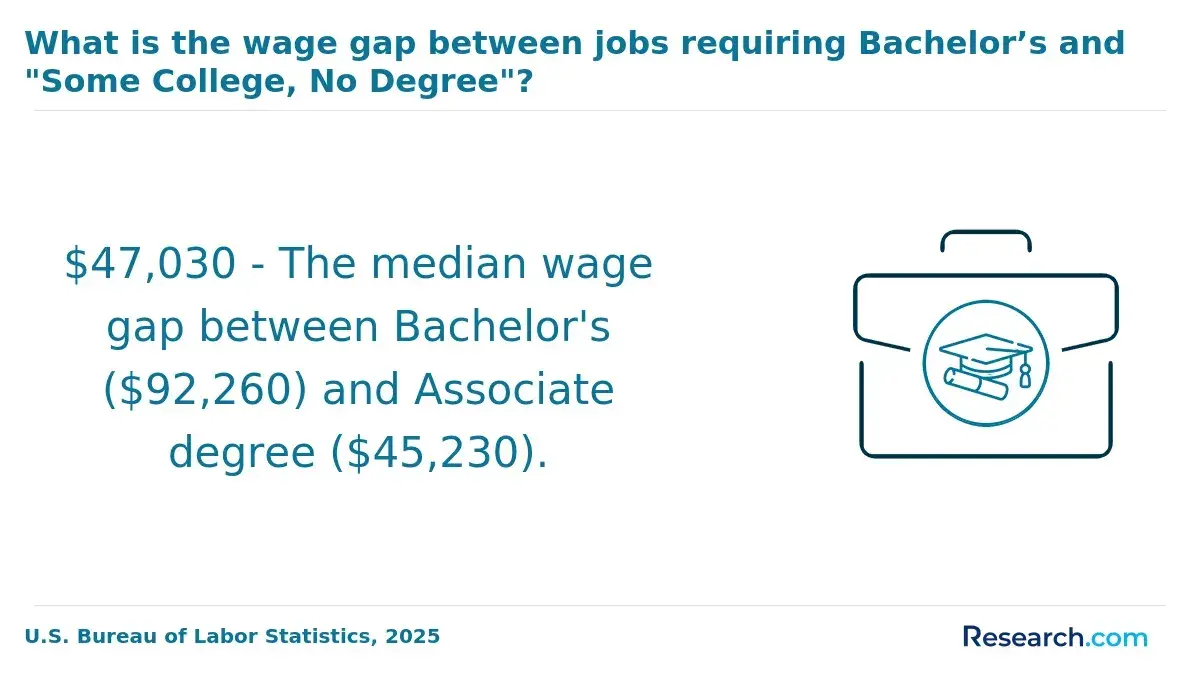
Employers hiring for entry level risk management roles typically require candidates to hold a bachelor's degree in finance, economics, mathematics, or related quantitative disciplines as a foundational benchmark. These hires must exhibit proficiency in statistical analysis, financial modeling, and credit risk assessment methods. Practical skill with data manipulation tools like Excel and SQL is expected, along with emerging analytics languages such as Python or R, reflecting how automation and data-driven decision-making increasingly shape risk management functions. For instance, an analyst at a lending institution needs to swiftly integrate borrower data into probabilistic models that forecast default risk under shifting economic scenarios.
Beyond technical skills, effective communication is critical to translate complex risk metrics into clear insights for stakeholders with varying financial literacy. Employers also value certifications, such as the Financial Risk Manager (FRM) or Credit Risk Certification, which demonstrate applied expertise that academic degrees alone do not provide. However, lacking relevant credentials or hands-on experience often leads to longer job search durations and may necessitate entry through more generalized finance roles before specializing.
Given the expected 10% growth in employment for financial risk specialists between 2024 and 2034-with roughly 4,922 openings nationally-candidates need to prioritize navigating regulatory changes and mastering risk mitigation software. Practical exposure through internships or cooperative education programs is key to developing scenario analysis skills under evolving market conditions. Those evaluating educational pathways should also consider alternatives like online accounting degree programs to strategically diversify their credentials and respond to employer demands.
Which finance concentrations best align with quantitative and analytical risk management careers?
Quantitative finance concentrations for risk management careers emphasize measurable skill sets that distinctly shape employability in high-stakes environments. Notably, Financial Engineering, Quantitative Finance, and Risk Analytics programs are designed to meet employer demands for candidates who blend mathematical modeling with programming proficiency in Python, R, or MATLAB. This integration directly aligns with evolving job requirements where managing complex risk portfolios depends on applied stochastic processes and econometrics rather than theoretical finance alone.
Graduates in Financial Engineering typically engage in developing algorithmic trading strategies at investment banks or hedge funds, whereas specialists in Quantitative Finance often conduct stress testing to evaluate financial institutions' resilience to rare market events. Risk Analytics professionals leverage big data and machine learning to predict defaults and market downturns, environments where analytical finance specializations aligned with risk management roles are invaluable. However, without strong programming or advanced statistical training, candidates risk exclusion from top-tier roles that prioritize hands-on quantitative experience.
Employment in financial risk roles is expanding rapidly, with Texas Career Check reporting a 22.27% growth rate and average wages around $48.83 per hour statewide. Prospective students should weigh curricula offering applied quantitative training and experiential learning opportunities alongside regulatory exposure to strategically position themselves. For working professionals exploring program options, vetted online eMBA programs can offer flexibility without compromising rigor in quantitative content.
How do online finance programs for risk management compare with on-campus options?
Risk management education choices require weighing the value of direct, immersive interaction against flexible access to coursework. On-campus programs typically provide essential networking, mentoring, and practical exercises that align closely with employer preferences, especially in sectors like banking and insurance. These programs foster teamwork skills and institutional connections valued by hiring managers, enhancing job placement prospects. Indeed reports a national average salary of $105,930 for risk managers, underscoring the demand for advanced competence often cultivated through in-person engagement.
Conversely, online risk management education suits professionals with established careers needing to update their skills without disrupting critical projects. For instance, a risk analyst at a multinational firm can adopt current regulatory frameworks remotely, maintaining work continuity. However, online formats may fall short on synchronous collaboration, potentially limiting the development of communication-intensive capabilities vital to risk roles. Ultimately, employers prioritize candidates who demonstrate both technical skill and teamwork developed through tangible, contextual learning experiences, which remain less accessible in purely remote programs.
What courses and tools are typically included in risk-focused finance specializations?
Risk-focused finance specializations demand a rigorous grasp of quantitative methods and regulatory frameworks, particularly as institutions intensify scrutiny over model risk and compliance. Core coursework consistently incorporates stochastic processes, credit risk modeling, derivatives, and financial econometrics, while programming proficiency in Python, R, and SQL is pivotal for developing predictive models relevant to banking and insurance sectors.
Practical application of tools such as MATLAB, SAS, and platforms like Moody's Analytics or RMS introduces students to scenario simulation aligned with regulatory stress testing and catastrophe risk assessment. For example, a risk manager at a major insurer must integrate actuarial data with current economic indicators to validate model accuracy, balancing technical precision with regulatory demands.
Training on Basel III and Solvency II frameworks equips candidates to calculate risk-weighted assets and anticipate regulatory shifts, with instructional methodologies emphasizing case studies and project work that mirror industry complexity. Employers expect skills extending beyond theory: ability to interpret predictive analytics and generate actionable risk dashboards is increasingly essential.
Indeed's 2024 data shows model risk specialists average $116,680 annually in the U.S., reflecting the tangible payoff for applied competence in risk quantification and regulatory adherence. Deploying these skills effectively influences credit risk evaluation, portfolio optimization, and compliance reporting, underscoring that mastery involves both contextual insight and technical execution.
How long do risk management-oriented finance programs take, and what do they cost?
Risk management finance programs demand careful balancing of time, cost, and career impact, particularly for working professionals managing employer expectations. Certificate programs typically span 6 to 12 months part-time, offering targeted skills in regulatory compliance, anti-financial crime, and risk frameworks, at costs between $2,000 and $8,000. These shorter credentials enable faster entry or role shifts in compliance-heavy sectors like banking or insurance, where up-to-date regulatory knowledge is critical.
Master's degrees require 12 to 24 months, often extending longer online due to flexible pacing, and can cost upwards of $15,000 to beyond $50,000 depending on institution and residency status. Such programs provide analytical depth essential for risk modeling or senior risk strategist roles, which carry higher compensation potential but demand significant time and financial investment.
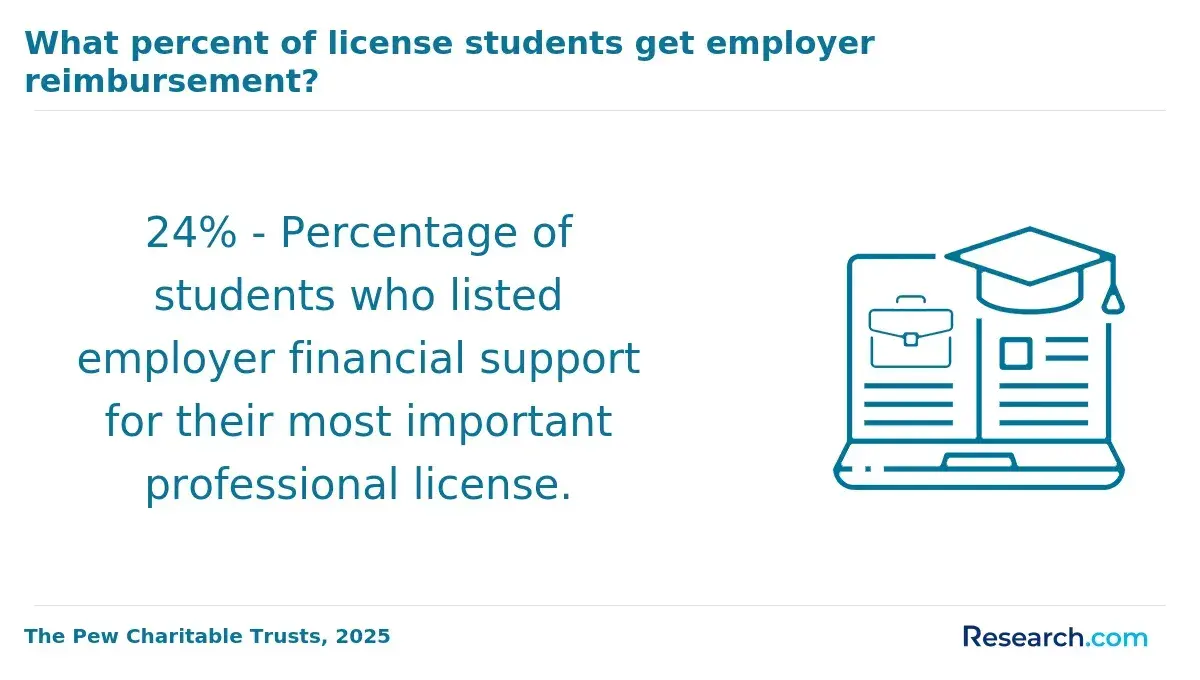
Employers weigh demonstrated skills over program length alone, so self-funded students must realistically budget beyond tuition, including exam fees and continuing education. For example, a mid-career anti-financial-crime specialist may absorb higher short-term workload yet recoup costs quickly, aligned with median salaries near $84,313 annually for risk and compliance investigators nationally.
What are the common job titles, industries, and career paths for finance risk specialists?
The careers of finance risk specialists are shaped by distinct sector-specific demands that influence the required expertise and compensation. For example, banks focus heavily on credit and market risk, necessitating proficiency in quantitative modeling and regulatory reporting, while insurance firms demand nuanced understanding of actuarial and underwriting risk. Meanwhile, regulatory affairs managers handle ESG and sustainability compliance, increasingly essential given evolving corporate priorities.
Progression often starts in analytical roles before branching into specialized areas like risk modeling or compliance policy development. Transitioning from a credit risk analyst to management involves broadening skills beyond scoring models to include regulatory frameworks, a shift that aligns with rising salary trends-regulatory affairs managers average just over $100,000 nationally. This reflects the growing premium placed on compliance expertise amid tighter regulatory environments.
Professionals must balance specialization and mobility. Deep expertise can command higher pay but may constrain opportunities across industries, whereas broader skillsets facilitate sector shifts but typically start with lower wages. Mastery of cross-disciplinary knowledge-blending statistics, legal regulations, and operational factors-is essential, alongside ongoing training in risk software and regulatory scenario analysis, to meet employer expectations and adapt to industry dynamics.
What salary ranges and job outlook can finance graduates expect in risk management?
Risk management compensation in finance varies significantly by industry, experience, and company type, shaping the realistic expectations for graduates entering this field. Entry-level roles such as risk analysts typically earn between $70,000 and $150,000, but these figures rise notably in sectors like banking and insurance, where senior positions often surpass $180,000 due to the heightened impact of risk oversight.
For example, chief risk officers (CROs) in financial services overseeing fintech and digital-asset risks can command compensation packages close to $700,000, including bonuses. This reflects the increasing demand for specialized expertise that can navigate complex regulatory environments and technological changes.
Choosing between sectors involves tradeoffs: financial services and consulting promise higher pay but demand ongoing skill upgrades and long hours. Mid-career entrants must invest in quantitative and compliance-focused reskilling to remain competitive. Emphasizing data analytics, credit risk, and compliance tools early accelerates salary growth and job security amid expanding demand across financial and non-financial industries. These practical realities inform recruitment patterns where employers prioritize candidates with analytical depth and certifications aligned with evolving risk profiles. The Corporate Finance Institute's 2024 analysis offers data-driven insight into these compensation and hiring dynamics.
Are certifications like FRM or CFA necessary for advancing in risk management finance careers?
FRM and CFA certifications serve as pivotal credentials for professionals targeting senior roles within risk management finance, especially in competitive markets where technical rigor is non-negotiable. Employers use these certifications as benchmarks validating proficiency in risk analytics, portfolio oversight, and regulatory compliance, directly impacting compensation levels. For example, chief risk officers in the U.S. who manage advanced analytics and model risk commonly hold one or both, with total pay ranging between $220,000 and $700,000, based on Corporate Finance Institute and 300Hours data.
Consider a mid-level risk analyst in the U.K. transitioning to a model risk director role: the FRM's emphasis on quantitative risk modeling opens access to salary brackets exceeding £180,000. Without such credentials, career growth often plateaus earlier, reflecting limited formal recognition of specialized risk competencies.
While FRM and CFA paths demand significant investment-both time and money, typically spanning over two years with costs in the thousands-some professionals may strategically opt for targeted certifications or advanced degrees that address gaps in AI-driven risk expertise more efficiently. Ultimately, these credentials retain dominance as markers of risk specialization in markets where leadership and compensation correlate strongly with recognized expertise and validated competencies.
Other Things You Should Know About Finance
In 2027, a broad finance background provides versatility and foundational knowledge that can be advantageous before specializing in risk management. This approach allows professionals to adapt rapidly to industry changes and develop a comprehensive understanding of financial systems before narrowing focus to risk management.
Employers often prioritize proven technical competencies like statistical modeling, financial analysis, and risk assessment tools over generic industry experience. Practical application of these skills, shown through project work or internships, carries more weight than years in unrelated finance sectors. Candidates who balance both - solid technical skills plus some exposure to relevant industries such as banking or insurance - rank highest, but lacking one significantly reduces job prospects.
Take courses in probability, statistics, econometrics, derivatives pricing, and financial modeling. These subjects support market, credit, and operational risk analysis. Many employers also expect familiarity with Excel, SQL, and Python because risk teams use them to test scenarios, measure exposures, and build reports.
Certifications add measurable credibility to a risk management career, but must complement rather than replace a strong finance education. Prioritize earning a degree first to build foundational knowledge, then obtain relevant credentials to deepen expertise and enhance advancement prospects. Hiring managers prefer candidates who combine formal education with at least one certification, as this balance signals both theoretical understanding and practical readiness.
References
- Career Opportunities & Salary After a Risk Management Diploma - GRMI https://grm.institute/blog/jobs-after-risk-management-diploma-career-paths-salaries/
- MSc Financial Risk Management | ICMA Centre https://www.icmacentre.ac.uk/study/masters/msc-financial-risk-management
- Risk Management Jobs & Roles in finance? How to crack 5 easy steps? https://mentormecareers.com/risk-management-roles-in-finance-how-to-crack-5-easy-steps/
- What are Risk Analysts & Risk Managers? | CFA Institute https://www.cfainstitute.org/programs/cfa-program/careers/risk-analyst-risk-manager
- Master Online in Risk Management & Banking | Rome Business School https://romebusinessschool.com/master-online-in-banking-and-risk-management/
- Understanding Financial Risk Management Tools for Business https://www.highradius.com/resources/Blog/tools-of-financial-risk-management/
- Risk Management Jobs 2026: Tasks, Skills & Full Career Path https://mdit.edu.sa/en/blog/risk-management-jobs
- MSc Finance and Risk Management ISC Paris https://www.iscparis.com/en/program/msc-international-business-finance/
- Career Paths You Can Pursue With a Finance Degree https://www.allbusinessschools.com/finance/job-description/
- Becoming a Risk Manager https://knopman.com/blog/2019/11/20/becoming-risk-manager