2027 Best Online Bachelor's in Finance for Banking Career Paths

Co-Founder and Chief Data Scientist
Landing a banking role demands more than just textbook knowledge; it requires timely credentials aligned with evolving industry demands and flexible pathways that accommodate work commitments. Nearly 40% of U. S. postsecondary students pursuing business-related degrees opt for online formats, driven by the need to balance education with professional responsibilities, according to the National Center for Education Statistics. This shift means that rigid traditional programs increasingly fail to meet the accessibility and pace required for career transitions in banking.
Identifying programs that combine rigorous finance curricula with adaptable schedules and credible outcomes is essential to bypassing these barriers. This article evaluates the best online bachelor's in finance options specifically tailored to banking career trajectories, offering direct guidance to optimize enrollment decisions based on real-world constraints and employment prospects.
Key Things You Should Know
- Online bachelor's in finance programs average $18,000-$30,000 total cost, per NCES 2024, pressing candidates to weigh upfront tuition versus potential $75,000 median finance analyst starting salary gains reported by BLS.
- Employers prioritize mastery in financial modeling and regulatory knowledge-skills less consistently taught online-compelling students to seek programs with updated CFA-aligned curricula to enhance recruitment odds.
- With U.S. banking sector job growth projected at 7% through 2030 by BLS, graduates face tactical timing: entering now captures digitization-driven openings but risks skill obsolescence without ongoing certification beyond the degree.
What is an online bachelor's in finance and how can it prepare you for banking careers?
Achieving an online bachelor's in finance degree benefits candidates by honing quantitative skills and real-world applications crucial for banking roles such as financial analysts or loan officers. Yet, practical relevance depends heavily on program design; employers prioritize graduates adept at financial modeling, interpreting economic indicators, and complying with regulatory standards, skills well integrated through case studies and structured coursework.
For example, a loan officer trained in both traditional credit assessment and algorithm-driven risk evaluation can significantly improve loan approval accuracy and reduce default rates. This blend of competencies is essential for success across commercial or investment banking and corporate finance sectors. However, students must also weigh the absence of direct, in-person experience. Real internships or project-based learning improve employability, a significant consideration since many employers remain skeptical of purely online credentials without hands-on exposure.
Labor market data signals robust prospects in this field: business and financial occupations are projected to grow 8% through 2032, adding over 900,000 jobs with median wages substantially above average. Prospective students should evaluate programs for accreditation and faculty expertise while recognizing the tradeoffs between convenience and depth of experiential learning.
Those interested in expanding health sector management skills might explore the MBA in healthcare management as a complementary credential alongside finance expertise.
How do online finance bachelor's programs compare to on-campus options for banking pathways?
A decisive factor for those pursuing banking careers is that online bachelor's programs in finance provide academic knowledge comparable to on-campus options but differ markedly in practical immersion and networking channels. Employers in banking emphasize hands-on experience and in-person professional interaction, typically facilitated through campus internships, recruiting events, and alumni networks. Online students, especially those lacking established industry contacts, must independently secure internships and forge networking pathways, a significant challenge for entry into competitive roles.
Equivalently rigorous in core subjects such as investment analysis, financial markets, and risk management, accredited online finance degrees nevertheless limit exposure to collaborative projects and mentorship crucial for sales agent roles-positions that command a median annual wage of $99,020 according to the U.S. Bureau of Labor Statistics in 2023. The top 10% in front-office finance can earn more than $215,580 annually, but reaching this tier requires strong real-world connections typically easier to build within on-campus environments.
For working professionals and remote learners, online study brings flexible scheduling unavailable in traditional formats. Yet this flexibility demands self-motivation and proactive career development to access internships or networking events externally. Graduates must often compensate for the lack of institutional recruiting pipelines by leveraging personal initiative to secure practical experience and effective pathways into banking.
Key tradeoffs include:
- Online programs offer equivalent academic knowledge but fewer direct mentorship and structured networking opportunities.
- On-campus options provide more accessible internships, career fairs, and alumni networks vital for breaking into the banking sector.
- Online students need to build real-world connections independently to reach top income levels, where top earners exceed $215,580 per year in front-office finance roles.
Prospective students evaluating these options should weigh benefits of online finance bachelor's degrees for banking careers alongside the differences between online and campus finance programs for banking entry. Comprehensive comparison and understanding of these practical tradeoffs can inform more strategic, context-aware educational decisions.
To explore flexible executive pathways, some may consider options such as an MBA no GRE requirement program, which can augment banking career prospects post-undergraduate studies.
Which online bachelor's in finance programs are best for aspiring bankers this year?
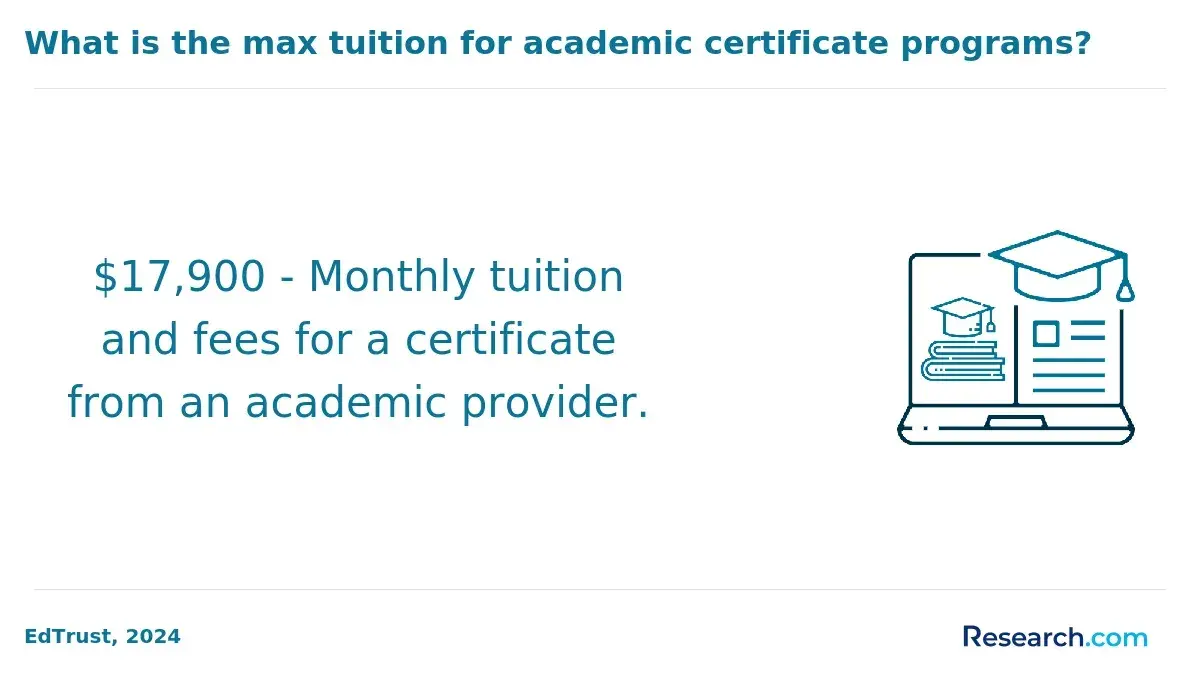
Choosing the best online bachelor's in finance programs for banking careers requires balancing curriculum relevance with cost efficiency and employer expectations. Public universities typically offer tuition around $9,800 annually, a stark contrast to private institutions averaging $40,700. This tuition gap shapes the practical decision-making process for candidates, especially when accredited, industry-aligned coursework is a hiring priority in banking.
Top accredited finance degrees for aspiring bankers from schools like the University of Florida and Arizona State University integrate real-world applications such as securities analysis and financial modeling. These programs tend to emphasize experiential learning through virtual labs and case studies, directly reflecting the technical skills banks demand for entry-level roles. This approach often translates into stronger practical preparedness compared to more theoretical private university tracks.
For mid-career professionals, the tradeoff between network advantages and upfront cost is significant. Saving $30,000 or more annually by attending a public program can fund valuable certifications, such as the CFA, which increasingly weigh in hiring decisions. These financial offsets are particularly critical for those seeking a measurable return on investment within tight career timelines.
Students weighing paths toward banking roles should consider not only program content but also cost-to-outcome ratios, prioritizing affordability without sacrificing employability. Those evaluating financing options may find value in exploring the best online MBA under 10k as part of their broader educational strategy.
What accreditation and institutional quality standards should banking-focused finance students look for online?
Employers in banking and related sectors frequently view accredited online finance programs for banking careers as necessary filters that reflect program rigor and graduate readiness. Regional accreditation from bodies like the Higher Learning Commission or Middle States Commission on Higher Education ensures credentials meet widely accepted academic standards, impacting credit transfer and employer recognition. Program-specific accreditation by the AACSB or ACBSP validates curriculum relevance with tangible skill requirements in risk management, regulatory compliance, and financial analysis. Graduates from unaccredited or nationally accredited-only schools often face longer payback periods and limited job prospects despite broader credential inflation.
Real-world employment outcomes hinge not only on accreditation but on institutional quality indicators such as graduate placement rates in banking roles, salary progression, and meaningful employer partnerships that enable experiential learning. Programs offering virtual internships or client-driven case competitions better prepare students for the sector's nuances. Professionals balancing study and work must weigh flexible pacing options and faculty expertise with direct banking experience to deepen applied knowledge.
For those considering accelerated options, some students may explore 12 month MBA programs as pathways to expedite credential acquisition while maintaining rigor. Ultimately, evaluating top institutional quality standards for finance students alongside accreditation status provides the most practical gauge of education's value.
What admissions requirements and prior experience do online finance programs expect for banking tracks?
Online bachelor's programs in finance aimed at banking careers demand more than just academic credentials; they require demonstrated quantitative skills and relevant experience to align with evolving employer expectations. Admission committees often seek high school diplomas with GPAs between 2.5 and 3.0, supplemented by coursework in math, economics, or accounting. Standardized tests such as the SAT or ACT may be optional depending on the institution's policies.
Real-world finance or banking experience notably improves admission prospects, particularly when applicants can document responsibilities tied to risk assessment or loan processing. For instance, a bank teller moving toward a credit analyst role benefits from the program's acknowledgment of prior occupational competencies. Conversely, candidates without finance industry exposure must prepare for extended coursework designed to build foundational skills, often spanning upper-division requirements.
Labor market analytics from sources like the Burning Glass Institute reveal a 15% uptick in demand for credit, risk, and financial analysts, emphasizing a hiring preference for candidates versed in risk management and financial modeling. This trend pressures programs to enforce prerequisite courses such as introductory statistics or finance principles, which applicants might fulfill through community colleges or compatible online courses prior to enrollment.
Prospective students should assess transfer credit policies carefully to avoid program delays and weigh financial aid access against scheduling needs. Balancing work and study commitments remains a tangible barrier for working professionals seeking to enter or advance within finance sectors shaped by increasing specialization and analytic rigor.
What core courses and specializations in online finance degrees support commercial and investment banking roles?
Online finance degrees targeting commercial and investment banking roles demand more than foundational theory; they require applied competencies aligned with employer expectations. Proficiency in financial accounting, corporate finance, investment analysis, and markets equips candidates to handle tasks such as loan underwriting or portfolio management. However, students must discern the difference between programs heavy on theory and those integrating hands-on skills like Excel-based valuation modeling or M&A analytics, which increasingly influence hiring decisions.
Specialization focus matters: commercial banking paths call for credit analysis and commercial lending fluency, while investment banking tracks emphasize complex capital markets and regulatory frameworks. Practical experience with financial databases like Bloomberg or Thomson Reuters can differentiate job candidates amid competitive pools.
Emerging priorities in banking technology-fintech, blockchain, data analytics-are no longer supplementary; programs omitting these risk placing graduates behind peers versed in automated risk assessment and digital transaction flows. Additionally, students should weigh opportunities for internships or projects directly linked to banking institutions to bridge academic knowledge with workplace demands.
Given that 53% of U.S. college students took at least one online course in 2024, business and finance programs have adapted but vary widely in quality and applicability. Candidates must critically analyze curriculum depth and real-world alignment to avoid gaps harmful to employment outcomes.
How long does it take to finish an online finance bachelor's and what does it cost?
Completing an online bachelor's degree in finance involves deliberate consideration of time, cost, and workforce integration. Degree requirements generally span 120 to 130 credit hours, typically over four years full-time. Part-time students or working professionals often extend study to five or six years, balancing course loads with employment. Accelerated formats shorten completion to three years through summer and intensive terms but introduce risks like burnout and limited job engagement during study.
Costs vary widely by institution and residency; for example, in-state tuition at the University of North Carolina at Greensboro is $235 per credit, totaling near $28,200 for 120 credits. This reflects nearly 28% savings versus on-campus tuition, yet students must also budget for additional fees, materials, and technology. Employer tuition assistance or income-share agreements may offset expenses but require careful understanding of terms.
Employers in finance prioritize applied skills and relevant experience over speed of graduation. Full-time students may access internships timely but face opportunity costs by reducing work hours; part-time learners accrue real-world experience steadily but extend time to credential. Key coursework in financial analysis, risk management, and accounting is essential to align with industry hiring cycles, especially in banking sectors.
- Accelerated programs demand strict time management but may elevate burnout risk.
- Part-time study balances income retention with slower degree progression.
- Tuition costs differ markedly; residency and additional fees impact overall affordability.
- Employer reimbursement options require due diligence on eligibility.
These tradeoffs affect career timing, financial strain, and skill acquisition, all critical for making a strategic decision about pursuing an online finance degree.
What entry-level and midcareer banking jobs can you get with an online finance degree?
An online finance degree opens pathways to entry-level roles such as financial analyst, loan officer, and credit analyst, each demanding distinct skill sets aligned with employer expectations. Financial analysts evaluate investment opportunities and portfolio performance, a typical entry point within banks and investment firms. Loan officers must adeptly assess borrower risk before authorizing credit, while credit analysts determine creditworthiness in retail and corporate banking. These roles generally start with salaries near $60,000 and require practical knowledge beyond the degree, often supplemented by certifications like CFA or FRM and related internships.
Midcareer opportunities include financial manager, portfolio manager, and risk analyst positions. Financial managers oversee investment decisions and bank operations, leveraging accrued experience to influence profitability, while portfolio managers customize asset allocations in wealth management settings. Risk analysts focus on quantifying and mitigating financial risks, a role increasing in complexity due to regulatory demands. These positions typically offer six-figure incomes but also face competitive hiring and credentialing pressures.
Cost-efficiency plays a pivotal role in program selection. For example, Florida State University's online bachelor's tuition for in-state students is significantly lower than on-campus rates, impacting the return on investment timeline. Out-of-state students pay substantially more, which must be weighed against access advantages and career timelines.
- Entry-level roles demand rigorous risk assessment skills and relevant internships.
- Midcareer positions require certifications and proven financial acumen.
- Tuition disparities influence long-term financial planning and career strategy.
What salary ranges and advancement opportunities do finance graduates see in banking careers?
Starting salaries for finance graduates targeting banking generally fall between $60,000 and $85,000, with mid-career earnings rising to $90,000-$130,000 depending on sector and geography. Demand for financial analysts in investment and corporate banking is set to grow 8% from 2022 to 2032, generating about 27,400 annual openings according to U.S. Bureau of Labor Statistics projections, reflecting sustained labor market need.
Career progression typically tracks a defined path from analyst through associate, vice president, and director-level roles. Achieving senior ranks, however, requires not only solid performance but also ongoing skill enhancement, certifications, or advanced degrees. Candidates who invest in financial modeling, regulatory compliance, and specialized expertise differentiate themselves in a competitive field.
A practical example of career tradeoffs is visible between analysts in mergers and acquisitions who command higher pay at the expense of work-life balance and those in retail banking who experience steadier hours but lower salary ceilings. This variation underlines the importance of aligning personal priorities with professional objectives.
Finance bachelor's holders also find opportunities beyond banking in fintech and corporate finance, where employer size and industry complexity shape salary and advancement potential. Understanding these nuances is essential for making strategic educational and career decisions.
How can students evaluate, compare, and choose the right online finance program for banking?
Choosing an online finance program requires rigorous scrutiny of accreditation and curriculum relevance, not just convenience. Regional accreditation signals employer trust and access to federal aid, while coursework must emphasize applied skills in financial analysis, risk management, and banking regulations to align with industry demands.
Students should carefully evaluate:
- Faculty credentials and their integration of current banking technologies
- Opportunities offering real-world simulations, such as virtual internships or case-based learning
- Career service effectiveness, including tailored support for banking-specific recruitment processes
Cost remains a critical consideration. With nearly 48% of employers offering undergraduate tuition assistance and a 10% rise in participation over recent years, employed students must verify tuition reimbursement policies and alignment with their program to mitigate debt and shorten payback periods.
For mid-career pivots from unrelated industries, program flexibility and peer cohort support are vital to balance work and studies. Practical outcomes like graduate employment rates in banking roles and starting salaries often reflect program quality better than promotional claims, especially when evaluating offerings heavy on theory but lacking operational focus.
Other Things You Should Know About Finance
Banking employers increasingly accept online finance degrees, but not all programs carry the same weight. Employers prioritize institutions with regional accreditation and strong industry ties. Candidates from lesser-known or for-profit online programs may face more skepticism, especially for competitive entry-level roles, making the reputation and alumni network of the online provider a crucial factor when choosing a program.
Online finance programs typically demand disciplined time management, as coursework often includes quantitative assignments, case studies, and group projects executed virtually. Students working full-time in banking should expect evenings and weekends busy with deadlines, limiting flexibility. Selecting a program with asynchronous classes and extended deadlines can alleviate pressure but may extend time to graduation, so prioritizing workload structure is essential for balancing career and study.
Most online finance bachelor’s programs require college algebra, statistics, and business calculus, and many add financial mathematics or econometrics. Banking-focused programs also expect core coursework in accounting, economics, corporate finance, and data analysis, usually totaling about 120 credit hours for graduation.
Adding certifications like the CFA or CFP during or after your bachelor's strengthens credibility and signals commitment to employers, often outpacing academic credentials alone. These certifications demand additional study time and expense but improve job prospects and salary potential in competitive banking sectors. Students should weigh the program's support for certification prep when selecting an online degree to optimize their combined educational investment.
References
- Online bachelor's in finance degrees | edX https://www.edx.org/bachelors/online-bachelors-degree-finance
- Bachelor’s Degree in Finance Online | BA, BS, BBA in Finance, Economics and Business | What is a Financial Planner? | What does a Financial Planner do? https://www.financialplannerworld.com/bachelors-in-finance/
- Bachelor in Finance, Banking and Investment https://admission.euba.sk/programmes/bachelor-in-finance-banking-and-investment
- Corporate Finance Jobs: Full Guide, Salaries, Exits + More https://mergersandinquisitions.com/corporate-finance-jobs/
- Department Accreditation https://www.csbs.org/department-accreditation
- The Importance of Business School Accreditation https://www.allbusinessschools.com/how-to-get-into-mba-program/accreditation/
- Degree Needed for Investment Banking: Full Guide https://amquesteducation.com/blog/degree-needed-for-investment-banking/
- Types of Finance Degrees | Accounting.com https://www.accounting.com/degrees/finance/
- Institutional vs Program Accreditation: What You Should Look For | Articles | Unimy https://www.unimy.com/article/institutional-vs-program-accreditation-what-you-should-look-for
- Essential Factors to Consider When Comparing Banks – visbanking.com https://visbanking.com/essential-factors-to-consider-when-comparing-banks