2027 Best Online Finance Programs for Professionals Moving From Sales Into Finance

Co-Founder and Chief Data Scientist
Transitioning from sales to finance requires more than just foundational knowledge; it demands mastery of complex quantitative skills under tight timelines, often while balancing ongoing work commitments. Many professionals struggle to find programs that combine rigorous finance curricula with flexible pacing to accommodate unpredictable schedules.
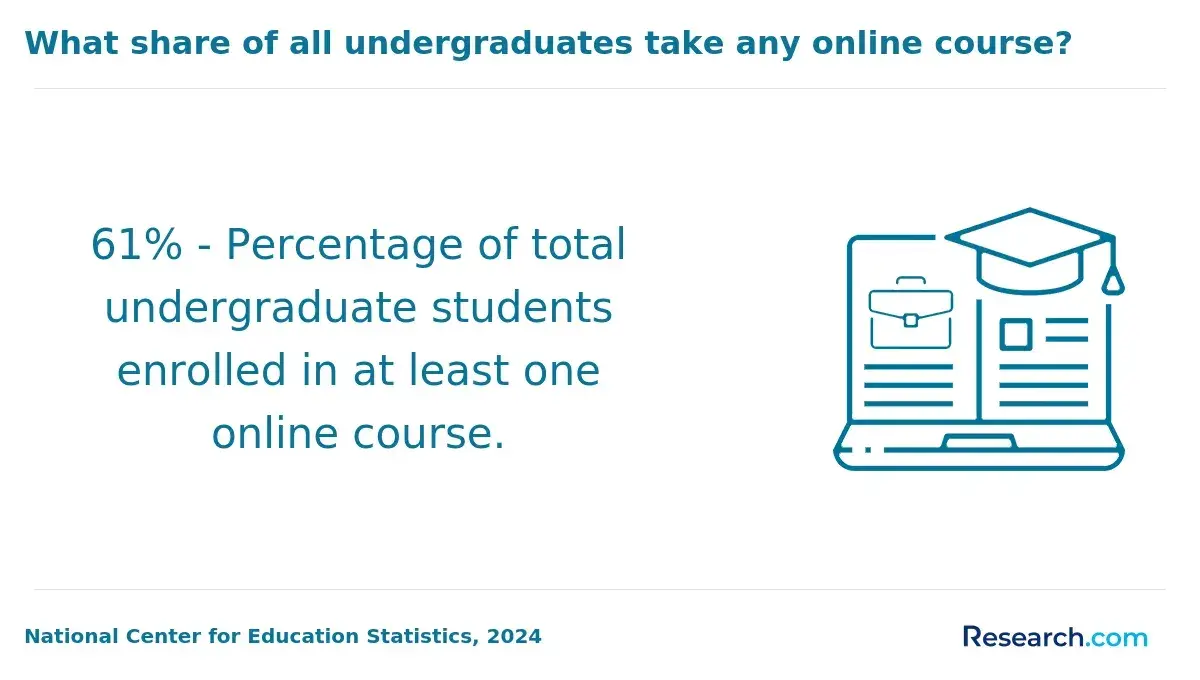
According to the National Center for Education Statistics, over 60% of adult learners now enroll in online programs specifically for career shifts, revealing a priority on accessibility and real-world applicability. This shift challenges candidates to discern which finance programs genuinely facilitate smooth industry entry versus those offering only superficial credentials. This article identifies top online finance programs geared for sales professionals seeking effective, practical career pivots into finance roles.
Key Things You Should Know
- Data from the U.S. Bureau of Labor Statistics shows a 15% higher likelihood of sales professionals with finance credentials securing mid-level analyst roles, underscoring employer preference for specialized skills over experience alone.
- The average program length of 18 months often forces candidates to trade immediate income for upskilling, especially as 42% of mid-career switchers report income disruptions when transitioning from sales to finance.
- Recent findings by the National Association of Colleges and Employers reveal that certifications linked to quant-focused curricula increase starting salaries by 12%, though they require intensive math training that delays market entry.
What are the best online finance programs for professionals transitioning from sales careers?
The shift of sales professionals into finance roles reveals critical gaps that education programs must address to offer tangible career returns. With 41% of U.S. workers entering finance from non-finance backgrounds in 2024, programs optimized for these transitions prioritize financial modeling, valuation, and risk management over purely theoretical knowledge. These competencies are essential for navigating sector-specific demands, such as supply chain finance in consumer goods or fintech analytics within technology sales.
Effective online finance programs for professionals transitioning from sales careers integrate practical case studies reflecting real transactions in industries like manufacturing or retail. Flexible pacing and asynchronous formats accommodate irregular sales schedules, which reduces student attrition and aligns learning with workforce realities. The strongest programs also provide employer networks and career services that match participants with sub-sector credentials.
Short-duration certificates and bootcamps often fall short because they lack project-based curricula necessary for developing communication and analytical skills valued by finance hiring managers. Prioritizing comprehensive programs with verified technical and reporting components better positions candidates to demonstrate cross-functional readiness, avoiding credential inflation and enhancing employability.
For professionals interested in health-related finance roles, related options like the MBA healthcare management may offer targeted specialization. For those evaluating pathways to pivot careers, top online finance courses for sales to finance career change focus not only on knowledge acquisition but on measurable application and industry relevance, ensuring meaningful workforce integration rather than nominal certification.
How can a sales background help you qualify for and succeed in online finance degrees?
Sales experience benefits for finance degrees because it builds a foundation of practical skills closely aligned with finance roles, notably in client management, negotiation, and revenue analysis. These competencies are directly applicable to positions like financial advising, corporate finance, and investment analysis, where interpreting customer needs and market trends is critical. Employers favor candidates who can translate sales insights into financial decision-making.
Quantitative agility developed through data-driven sales forecasting reduces the learning curve in finance coursework focused on analytics, budgeting, and risk assessment. For instance, a sales manager moving into corporate finance can utilize forecasting expertise to assess profit margins and cash flow projections more effectively, demonstrating how leveraging sales skills in online finance programs can enhance academic and professional outcomes.
Admission committees typically value the strategic thinking and communication skills gained in sales, but candidates often face challenges bridging gaps in accounting principles or financial modeling software. Addressing these gaps through targeted courses or certifications before or during enrollment improves readiness for finance curricula.
The financial incentive is substantial: the median annual wage for business and financial occupations was $79,050 compared to $60,830 for sales roles, a roughly 30% premium. This wage difference underscores the tangible return on investment for professionals leveraging sales experience in finance education paths for long-term career and earning potential.
For those assessing cost and program options, exploring an affordable online MBA can provide a pragmatic route to integrating sales skills within a finance framework while managing expenses.
Which types of online finance degrees are best for moving from sales into finance roles?
Professionals transitioning from sales into finance roles benefit most from online finance degree programs that emphasize applied financial analysis, accounting principles, and data-driven decision-making. Compared to generic business degrees, specialized programs in finance provide a sharper focus on interpreting financial statements, budgeting, and valuation tools vital for financial planning and analysis (FP&A).
A key advantage of the best online finance degrees for career changers from sales roles lies in their integration of quantitative skills with strategic thinking, enabling smoother navigation of complex financial landscapes such as capital structure optimization and risk assessment beyond sales metrics.
The inclusion of data analytics and financial modeling, like Excel-based models or Python programming, strengthens graduates' ability to forecast accurately and efficiently-qualities increasingly sought in financial analyst positions. Financial analysts, a prominent entry point for this transition, earn a median salary of $104,290 with top earners exceeding $189,000, illustrating professional demand for rigorous, finance-specific training that complements sales experience.
Candidates lacking such specialization may experience slower wage growth and limited upward mobility. When evaluating programs, consider practical factors essential for those balancing work and study: program length and flexibility, curriculum relevance to certifications such as CFA or CPA, and alignment with finance sectors like investment banking or corporate FP&A. Sales professionals might also seek pathways that blend affordability with quality, such as exploring the cheapest MBA options to minimize financial barriers during this career pivot.
- Program length and flexibility to maintain current employment
- Curriculum alignment with certification prerequisites (e.g., CFA or CPA pathways)
- Relevance to specific finance sectors such as investment banking, corporate FP&A, or wealth management
What admissions requirements do online finance programs typically have for working sales professionals?
Online finance programs aimed at working sales professionals typically require a bachelor's degree, often in any field; however, candidates with quantitative backgrounds such as business, economics, or STEM disciplines hold a clear advantage. Admissions criteria for online finance programs for sales professionals balance academic credentials with professional experience, often waiving GRE or GMAT scores for those who demonstrate strong sales experience combined with budgeting, forecasting, or data analytics skills.
Programs scrutinize applicants' professional resumes and recommendation letters to assess transferable business acumen and leadership potential. Typical application requirements for working professionals entering finance include transcripts, a statement of purpose outlining career pivot objectives, and evidence of quantitative readiness.
For example, a pharmaceutical sales manager moving into corporate finance must emphasize experience in sales forecasting and profit margin analysis while illustrating capability to handle advanced financial modeling. Part-time or executive-format options often accommodate career trajectories over rigid admissions prerequisites, aligning well with working professionals' schedules and priorities.
Employment trends underscore this pathway's relevance: business and financial occupations are projected to grow 7% over the next decade, adding roughly 911,400 jobs, so programs select candidates positioned to meet evolving employer expectations for analytics and strategic decision-making. Preparing for math prerequisites or bridge courses is a critical admission hurdle for many candidates.
For professionals considering an executive-level credential, evaluating executive MBA programs may provide alternative routes. Admissions decisions, therefore, reflect the practical tension between prior sales experience and the quantitative rigors of finance, shaping who can credibly make this strategic shift.
How do online finance programs compare with on-campus options for career changers from sales?
Cost and flexibility shape the decision for sales professionals pivoting to finance, often making online bachelor's finance programs a pragmatically superior choice. Tuition, typically ranging from $42 to $448 per credit, amounts to about $5,000-$53,760 total-substantially less than the national average of $70,000 for four years. This reduced financial exposure allows working professionals to maintain income while studying, especially since online formats accommodate a variable pace that aligns with commission-based sales schedules.
Yet, the tradeoff emerges around networking and experiential learning. Investment banking and similar finance sectors hinge on tightly woven industry connections and real-time internships predominantly accessible through on-campus programs. These immersive experiences, including case competitions and face-to-face mentorship, can accelerate market readiness and secure competitive placement.
From an employer perspective, demonstrated technical competence and certifications often eclipse institutional pedigree. Online curricula typically emphasize applied quantitative skills and digital tools aligned with corporate finance and analysis roles, fitting well alongside sales-derived client engagement capabilities for roles like financial advisory or business development.
For those geographically immobile or lacking local finance education options, online programs hold logistical advantages. However, students aiming for high-pressure, network-dependent finance niches must weigh the experiential costs of remote learning against the tuition savings and scheduling freedom.
What core finance coursework and skills will you learn that differ from sales roles?
Transitioning into finance from sales requires a fundamental shift from relationship management to mastering quantitative analysis and technical proficiency. Finance demands expertise in areas such as corporate finance, valuation models, financial reporting, and risk assessment-skills typically not developed in sales roles. For example, the ability to apply discounted cash flow analysis is essential for assessing project viability, a capability inaccessible through sales experience alone.
The practical skill set extends to interpreting large data sets, leveraging statistical tools, and navigating regulatory compliance such as Sarbanes-Oxley. Fluency in advanced Excel techniques and platforms like Bloomberg terminals significantly impacts one's ability to produce precise forecasts and financial assessments. This technical depth contrasts with sales roles, where performance mostly relates to client engagement and revenue targets.
Professionals pivoting to finance often confront a steep learning curve, needing to demonstrate measurable expertise through case studies or skills-based online credentials. A 2024 Coursera-ManpowerGroup survey found that 88% of hiring managers value these credentials on par with traditional degrees, emphasizing the importance of practical, verifiable finance skills for employability.
Additionally, finance careers require strict adherence to complex regulations and transparent reporting, demanding attention to compliance and ethical considerations. Success hinges on translating numerical data into actionable business strategy, a shift from sales-centered goal attainment that few transitioning professionals fully anticipate.
How long do online finance programs take to complete, and what do they cost?
Transitioning from sales to finance demands navigating a complex balance between program duration, cost, and practical relevance. Online finance programs for this pivot typically require 3 to 12 months, shaped by depth and credential level. Shorter certificate courses, lasting 3 to 6 months part-time, provide targeted skills like financial modeling without extensive time investment, fitting professionals seeking quick, incremental competence.
More comprehensive options, such as online master's or advanced diplomas-entail longer commitments often exceeding 12 months and can demand prior academic credentials or professional experience. These programs typically range from $10,000 to over $30,000, contrasting with certificate courses that generally cost $1,000 to $3,500. This spread highlights a key tradeoff: deeper academic rigor versus accelerated employability gains.
Employers expect candidates to demonstrate both cost-effective upskilling and measurable skills. Microcredential stacking offers a modular pathway, aligning learning with specific employer demands in sectors like technology or healthcare finance. This incremental approach mitigates risk for learners balancing job market transitions with financial constraints.
The 2025 Workplace Learning Report finds employees completing online business and finance courses on LinkedIn Learning were 15% more likely to be promoted within 12 months-a data point emphasizing that selecting programs focused on efficiency and direct applicability can significantly impact immediate career outcomes.
Which accredited institutions and programmatic accreditations matter most for online finance degrees?
Employers prioritize regional institutional accreditation and specialized programmatic accreditation-such as AACSB or ACBSP-when assessing online finance degrees, as these validate curriculum rigor and ensure curriculum relevance to industry needs. Sales professionals aiming to transition into finance should be particularly wary of programs lacking these credentials, which often omit critical quantitative skills, financial modeling, and data analytics required in fintech and corporate finance roles.
Consider a sales professional pivoting into a tech-driven corporate finance role: degrees accredited by authoritative bodies typically incorporate fintech and risk management coursework, enabling candidates to contribute immediately and reducing employer training expenses. Conversely, degrees without such credentials might produce candidates with skill gaps, delaying their advancement and increasing employer costs.
Rapid fintech employment growth (projected at 19% annually through 2030 by Boston Consulting Group and QED Investors) intensifies the demand for objectively verified finance competencies. Practical diligence involves verifying an institution's current accreditation and examining curriculum alignment with emerging finance technologies and analytics.
Key evaluation points include:
- Regional accreditation recognized by the U.S. Department of Education for institutional quality assurance
- Programmatic accreditation recognizing finance or business specialty rigor
- Clear demonstration of faculty expertise and industry engagement
Neglecting these factors risks investing in qualifications that leave candidates underprepared for data-literate finance roles increasingly favored by employers.
What finance careers, job titles, and industries can sales professionals transition into after graduating?
Transitioning from sales into finance roles demands deliberate skills bridging quantitative analysis and sector-specific knowledge rather than relying solely on prior client engagement experience. Targeted finance careers such as financial analyst, risk analyst, or corporate finance specialist require understanding concepts like capital budgeting and cash flow management.
However, sales professionals moving into wealth management must also master client advisory techniques grounded in financial regulations and technical product knowledge. Consider an example where a sales professional shifts into fintech-focused financial planning. Success depends on effectively combining sales experience with quantitative tools to optimize financial products in a tech-driven environment.
Conversely, entering risk management within insurance involves navigating strict regulatory compliance while applying statistical modeling-highlighting distinct challenges between different finance sectors. Common job titles for those pivoting include credit analyst, portfolio manager, and compliance officer, each necessitating closing gaps in accounting fundamentals and data analytics. Programs incorporating hands-on software training, such as Bloomberg Terminal and Excel, increase employment readiness significantly.
Employers increasingly value adaptability and deep financial literacy, especially for remote positions, which have grown 21% year-over-year compared to broader 7% remote job growth, according to LinkedIn's Global State of Remote Work in Finance 2025 briefing. This shift expands opportunities beyond traditional financial hubs but demands proficiency in virtual collaboration combined with practical sales-derived insights.
What salary ranges and job outlook can sales professionals expect after moving into finance?
Sales professionals moving into finance typically see median salary growth of 13% to 22% after completing short-term certificate programs, but these gains often plateau without more comprehensive education. In contrast, pursuing a bachelor's degree in finance results in salary increases of 38% to 56%, reflecting employer preferences for deeper technical knowledge and quantitative skills.
For instance, a sales manager transitioning into corporate finance with only a certificate might expect a salary rise from $60,000 to roughly $67,800-$73,200. However, obtaining a bachelor's degree can boost starting salaries to $82,800-$93,600, opening doors to roles in investment analysis, risk management, or corporate treasury.
The job market outlook for financial analysts remains positive with a projected 9% growth rate through 2034, according to the U.S. Bureau of Labor Statistics. Still, employers prioritize candidates with measurable finance credentials over pure sales experience. This reality means that sales professionals relying solely on short-term programs may encounter barriers advancing beyond mid-level finance roles.
Key considerations for navigating this transition include:
- Mapping career objectives aligned with industry demands
- Evaluating existing quantitative competencies and skill gaps
- Targeting education paths that combine sector expertise, such as tech or healthcare, with finance credentials
These factors influence not only earning potential but also job security and long-term career mobility. For more detailed workforce analyses and education outcomes, consult the Georgetown University Center on Education and the Workforce.
Other Things You Should Know About Finance
Professionals switching from sales should prioritize practical project work in finance programs. Applied learning facilitates real-world understanding and skill development critical for shifting into finance roles. However, foundational theoretical knowledge is also important to effectively grasp core finance principles and concepts.
For career changers from sales, programs with applied projects and case studies deliver more tangible skills that employers value, such as building financial models or conducting valuation analyses. Theoretical-heavy curricula can waste time if your goal is a practical shift into finance roles. Programs integrating real-world tools like Bloomberg terminals or Excel-based simulations provide a competitive advantage in interviews and on the job, so prioritize hands-on learning structures aligned with industry expectations.
Yes. Many 2027 online finance programs require introductory accounting, microeconomics, or statistics before core finance courses. Some schools waive prerequisites for applicants with business degrees or work experience, while others require a short bridge module completed before enrollment.
Adding certifications like the CFA or CFP can enhance a resume but come with considerable time and financial investments that may delay return on education. For sales professionals aiming to pivot quickly, completing a comprehensive online finance degree first should take priority before committing to extra credentials. Employers often regard a well-rounded finance degree as sufficient entry qualification if supplemented by relevant internships or projects. Weigh the certification benefits against your immediate career goals and available time to avoid overload.
References
- How to switch careers to finance: A practical guide for professionals https://www.manchester.ac.ae/blog-post/how-to-switch-careers-to-finance
- How to Pivot to a Finance Career from Any Degree - Financial Edge https://www.fe.training/free-resources/careers-in-finance/how-to-pivot-to-a-finance-career-from-any-degree/
- How to Get Into Finance | CSU Global https://csuglobal.edu/blog/how-to-get-into-finance
- What Is a Finance Degree? Jobs, Skills and Requirements https://www.scu.edu/business/blog/business-concepts/finance-degree/
- What jobs can I get with a finance degree? | Distinct https://www.distinctrecruitment.com/uk/resources/blog/what-jobs-can-i-get-with-a-finance-degree/
- Impacts on Salary Expectations in Finance & Accounting https://www.in2-consult.com/blog/2024/11/what-is-having-the-biggest-impact-on-salary-expectations-in-finance-and-accounting
- Best Career Options to Choose After Graduating in Finance https://www.fuserecruitment.com/blogs/best-career-options-to-choose-after-graduating-in-finance/
- Sales Degrees & Careers | How To Work In Sales https://www.learnhowtobecome.org/finance-business-careers/sales/
- Career Changers' Guide to an Online MBA: What Transfers, What Doesn't, What Pays | IWU https://www.indwes.edu/articles/2026/03/career-changers-guide-to-online-mba
- Changing careers from Finance to Teaching | Swinburne Online https://www.swinburneonline.edu.au/changing-careers-from-finance-to-teaching/