2027 Best Online Finance Degrees for Financial Analytics Careers

Co-Founder and Chief Data Scientist
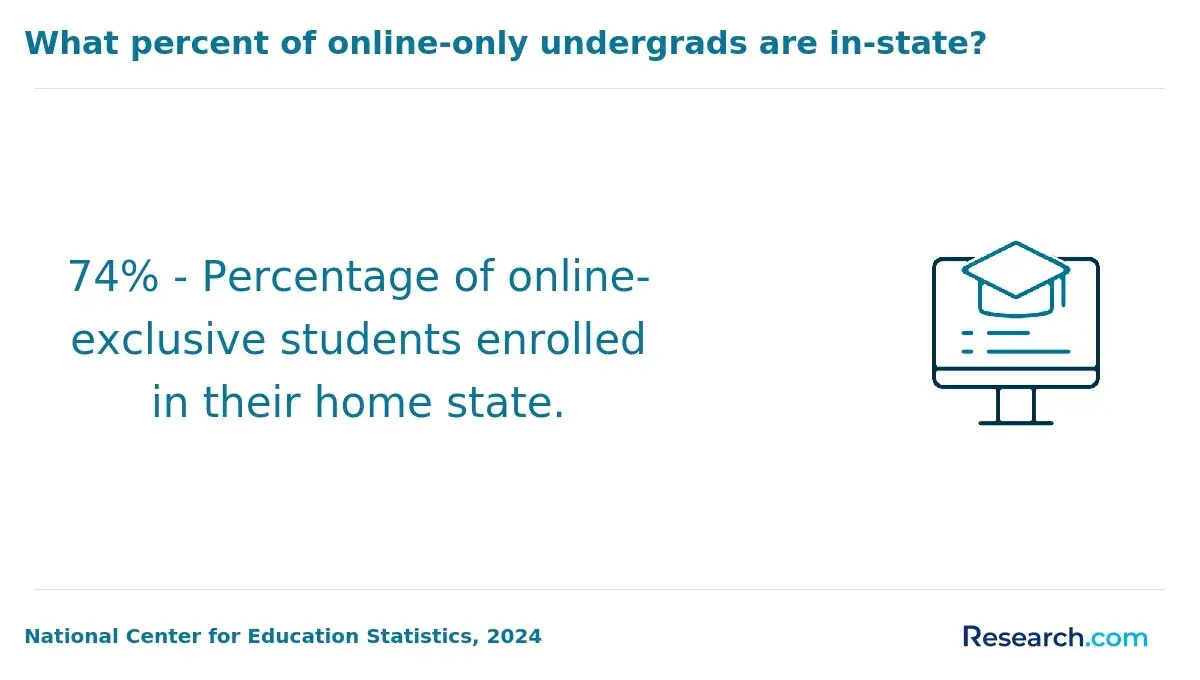
Midcareer professionals aiming to break into financial analytics increasingly face a bottleneck: finding flexible, credible online finance degrees that align with rapidly evolving employer expectations. According to the National Center for Education Statistics, online enrollment among working adults surged by over 18% in 2024, revealing a clear demand for adaptable programs that accommodate job schedules while delivering rigorous analytics training. Yet, not all online degrees provide the nuanced skills or industry alignment required for competitive analytics roles, often leaving candidates overqualified but underprepared. This article evaluates top online finance degree options focused on analytics, helping prospective students identify programs that balance accessibility with substantive career impact.
Key Things You Should Know
- The 2024 Bureau of Labor Statistics projects a 6% growth in financial analyst roles through 2032, but online degrees emphasizing advanced analytics skills directly correlate with a 15% higher employer preference, reshaping candidate competitiveness.
- Programs with embedded real-world financial tool training reduce onboarding time by 20%, yet sacrifice course breadth, forcing candidates to prioritize technical depth over broad financial theory, impacting long-term versatility.
- Median total cost variances exceeding $25,000 between top online programs influence return on investment timelines, with public university-affiliated degrees enabling faster certification eligibility compared to purely private institutions.
What is an online finance degree with a financial analytics focus, and who is it best for?
An online finance degree with financial analytics specialization prioritizes quantitative skills crucial for interpreting vast datasets that shape investment and risk strategies. Graduates typically command capabilities in SQL, Python, R, and Excel, tools that employers expect alongside finance expertise. For example, a financial analyst at a mid-sized asset management firm relies on such skills to forecast market trends from historical data, illustrating the practical utility of this program's curriculum.
Who should pursue an online finance degree in financial analytics must weigh their technical readiness, programming commitment, and access to applied mentorship. Candidates lacking a strong quantitative base face a significant learning curve, necessitating upfront math or coding preparation. The program's value hinges on its integration of predictive analytics with financial theory, which traditional finance degrees without this focus rarely provide, thus limiting access to roles involving big-data or machine learning applications.
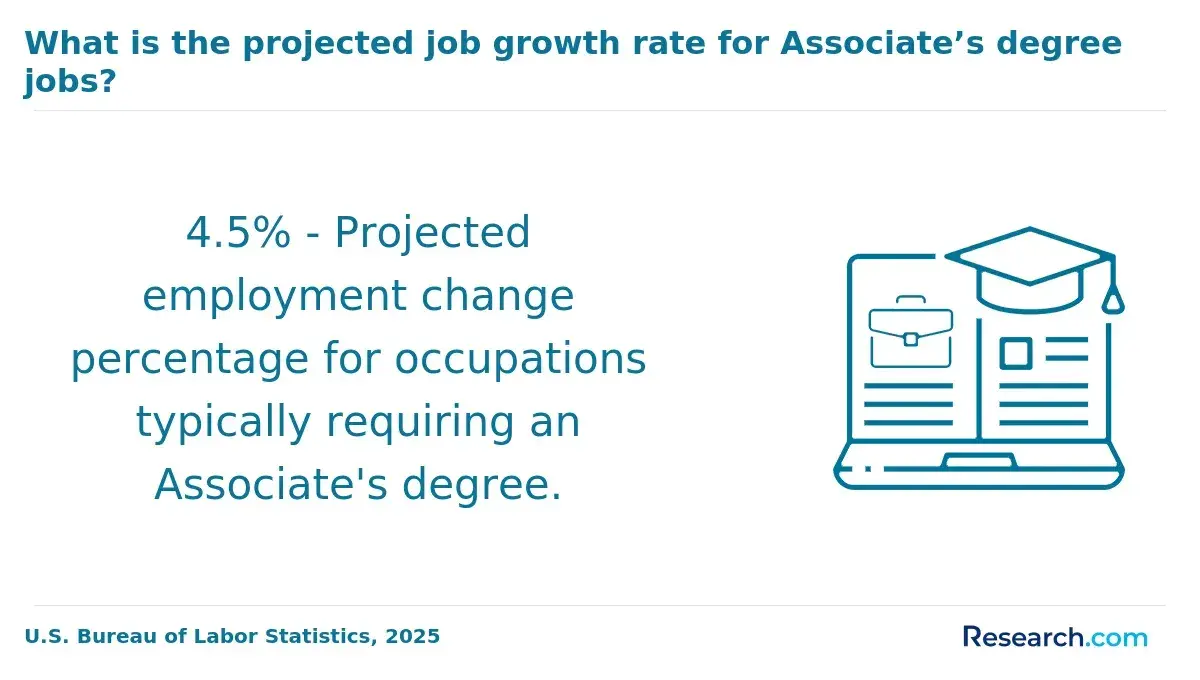
The U.S. Bureau of Labor Statistics projects a 9% growth rate-around 30,700 new jobs-for financial analysts through 2033, driven by demand for data-driven insight. However, the competitive market rewards those with specialized analytic skills combined with domain knowledge. Evaluating degree in finance options should include curriculum scrutiny for real-world data projects and up-to-date analytics tools to maximize employability.
How can an online finance degree prepare me specifically for financial analytics careers?
An online finance degree sharpens quantitative and analytical competencies essential for financial analytics roles by integrating coursework in statistics, accounting, economics, and data modeling. This combination equips students to handle complex datasets, develop predictive models, and inform decision-making amid uncertainty. In practice, mastering tools like Excel, SQL, and Python is indispensable, as employers expect such technical fluency in sectors ranging from banking to corporate strategy. This practical skillset aligns with how how online finance degrees enhance skills for financial analytics careers by emphasizing applicable technologies rather than purely theoretical frameworks.
Graduates are frequently tasked with conducting risk assessments and evaluating portfolio performance. For instance, investment analysts leverage these competencies to optimize asset allocations, while corporate finance professionals forecast cash flows to advise on funding paths. These capabilities have direct ramifications for business profitability and sustainability.
Employers also favor candidates demonstrating experience with real-world financial datasets through case studies and comprehensive projects, reflecting the benefits of an online finance degree in financial analytics job preparation. Prospective students should critically weigh programs offering internships or capstone projects that bridge theory and practice.
Financial analysts earned a median annual wage of $99,890 in May 2024, verifying that advanced analytical skills translate to strong market demand. However, decisions should consider program accreditation and faculty expertise to ensure content remains relevant amid evolving regulatory environments and market dynamics.
For those balancing career shifts or advancement, exploring an affordable online MBA might complement finance-specific training by broadening strategic management capabilities.
What types of online finance degrees support financial analytics roles at different career levels?
Entry-level online finance degrees for financial analytics careers focus on foundational skills like Excel, basic statistics, and financial reporting, equipping graduates for analyst roles in banking, insurance, or corporate finance departments where practical tool use dominates. The real hiring market often demands more technical proficiency beyond these basics as financial data grows in complexity.
Midcareer professionals targeting advanced analytics positions benefit from bachelor's programs integrating predictive analytics, Python or R programming, and data visualization. Employers prioritize candidates who combine analytical rigor with business acumen, especially in risk management and investment analytics. These skills facilitate working with large datasets and presenting actionable insights.
At the graduate level, master's degrees emphasizing quantitative finance or financial analytics prepare candidates for leadership roles involving machine learning, complex instruments, and econometric modeling. However, the significant tuition differences-around $9,800 annually at public institutions versus $40,700 at private ones-must factor into ROI considerations. Strategic choices can influence long-term salary trajectories and employer expectations.
For example, a data scientist entering fintech requires more programming exposure than a traditional accountant who may only need predictive reporting skills typical of a bachelor's program. Carefully evaluating the best finance degree programs for analytics roles relative to your objectives and time investment is crucial. Those considering accelerated MBA programs online might also weigh this pathway for faster upskilling.
How do online finance programs for financial analytics compare with on-campus options?
The practical choice between online finance degrees versus traditional campus programs centers on distinct tradeoffs in experiential learning and networking access. On-campus curricula often include structured internships and live client engagements, favored by employers in investment banking and consulting sectors that depend heavily on personal connections. Conversely, online finance degrees offer flexibility critical for working professionals seeking to pivot into financial analytics without employment disruption, though this format inherently limits immediate access to alumni networks and in-person recruiting events.
This flexibility and curriculum differences in online and on-campus finance analytics programs require students to evaluate their personal learning discipline and the priority their target roles place on in-person experiences versus demonstrated technical skills. Tech-driven companies and fintech firms increasingly recognize online graduates who build strong virtual portfolios and showcase self-directed mastery.
Decision-makers should consider key factors such as:
- Whether their desired financial roles prioritize analytic competencies or experiential learning through in-person internships.
- Access to employer connections and program-integrated internships or virtual networking tools that compensate for campus absences.
- Individual capacity for self-motivated study balanced against structured campus environments.
Long-term value analyses, like the 2024 FREOPP adjusted ROI estimate of $563,529 for Florida State University's bachelor's in finance, emphasize that well-chosen online credentials can parallel or surpass traditional outcomes depending on cost and completion rates.
For those exploring online options, platforms for robust experiential learning like integrated virtual internships and networking emphasize one's self-discipline and initiative. Further insight into similar hybrid frameworks can be found through resources like online medical assistant programs, which also balance flexible delivery with workforce alignment.
What accreditation and quality standards should online finance analytics programs meet?
Accreditation in online finance analytics programs serves as more than a formality; it directly affects employability and the practical relevance of credentials. Regional accreditation from entities like the Higher Learning Commission ensures academic standards align with employer expectations and federal aid eligibility. Specialized accreditation from bodies such as AACSB or ACBSP confirms the curriculum meets industry-specific requirements for programming, financial modeling, and quantitative skills.
Employers prioritize candidates whose education integrates measurable learning outcomes with actual tools used on the job: Python, R, SQL, and risk assessment techniques. For example, an investment banking hiring manager favors applicants who have demonstrated proficiency through real-time data projects or case studies, not solely theoretical coursework.
Programs that offer flexible delivery combined with internships or capstone projects markedly increase graduates' ability to bridge the gap between theory and practice. According to WGU data, entry-level data analysts in finance command an average starting salary around $72,723, underscoring the premium employers place on hands-on experience.
Transparency in graduate employment rates and salaries enables candidates to assess return on investment realistically. Students must weigh programs offering strong employer connections and career services against programs with weaker networks, as this directly impacts job placement success and long-term career positioning.
What core courses and technical skills are taught in finance degrees for analytics careers?
Finance degrees aimed at analytics roles demand rigorous quantitative training paired with technical skills that go beyond theory. Core coursework covers financial modeling, econometrics, statistical analysis, and risk management, equipping students to handle large, complex data sets typical in investment banking, corporate finance, or asset management.
Mastery of probability and regression methods enables the development of predictive models crucial for credit risk and market trend forecasting. However, the technical skill set must include programming proficiency in Python or R and advanced SQL querying, as spreadsheet fluency alone will not satisfy employer expectations for automation and data efficiency.
Practical application varies by sector-for example, a healthcare finance analyst might combine patient treatment data with cost forecasting via Python scripts, while someone in energy finance leverages econometric tools to model volatile commodity prices. Employers increasingly value the ability to communicate quantitative findings clearly, which makes coursework in business communication and technical reporting important components of the curriculum.
The U.S. labor market validates these competencies: mid-career earnings average $72,866 for financial analysts, rising to $110,000 for top performers, reflecting demand for professionals who integrate finance knowledge with analytics expertise. This intersection shapes career trajectories, often favoring candidates who balance quantitative rigor with software skills and communication prowess.
What are typical admission requirements for online finance programs focused on analytics?
Admission to online finance programs with an analytics focus often hinges on quantifiable academic credentials and relevant professional experience, reflecting the technical demands of the curriculum. Candidates typically need a bachelor's degree in fields like finance, economics, mathematics, or engineering, combined with demonstrated proficiency in calculus, statistics, and core finance courses-subjects directly tied to success in data-driven analysis.
Many programs set standardized test requirements such as the GRE or GMAT for applicants with undergraduate GPAs below 3.0, though substantial work experience-usually 2 to 5 years in finance, analytics, or data science-can offset this. For mid-career professionals aiming to pivot or deepen their expertise, this experience signals readiness to manage complex financial modeling and data challenges.
Recommendations must confirm analytical problem-solving skills, while statements of purpose are expected to outline precise career objectives, emphasizing technical fluency in Python, R, SQL, or similar tools relevant to roles in risk management or investment analysis. Candidates without programming backgrounds may face prerequisite coursework or certifications before advancing to core analytics modules, a gatekeeping step that impacts time and cost.
Financially, the commitment is substantial; for instance, Santa Clara University charges $1,581 per unit with a 36-unit minimum. This reflects a significant upfront investment that prospective students must weigh against salary ranges for analytics-driven finance roles, typically spanning $85,000 to $130,000 annually, depending on industry and location.
How long do online finance degrees take, and what do they cost for analytics students?
The timeline and cost structure of online finance degrees tailored for financial analytics vary significantly based on enrollment status and professional demands, influencing both student experience and employer evaluation. Full-time students frequently complete programs within 12 months, enabling faster workforce reentry and skill application. Conversely, working professionals often extend studies to 24 months or longer, accepting prolonged opportunity costs for schedule flexibility. This tradeoff between speed and manageability is crucial in sectors like fintech, where rapid upskilling aligns with dynamic market conditions, whereas established banking roles may allow more gradual program pacing.
Tuition per course ranges broadly from approximately $2,973 to $4,330, with programs requiring 10 to 14 courses. This situates total costs between $30,000 and $60,000, challenging candidates to balance financial investment against prospective salary gains. Employers reviewing analytics job candidates increasingly consider not just credentials but practical ROI-favoring those who demonstrate both cost-effective education and relevant analytic competencies.
What jobs, industries, and advancement paths can a finance analytics degree lead to?
Graduates with a finance analytics degree often enter roles requiring fluency in quantitative methods alongside industry knowledge, such as financial analysts, risk managers, or investment analysts in sectors like banking, insurance, and asset management. Employers prioritize candidates who can navigate complex datasets using tools like Python, R, and SQL while applying financial modeling rigor to produce actionable insights under regulatory constraints.
For instance, a graduate starting as a credit risk analyst in banking typically progresses to managing risk strategy or compliance reporting. Conversely, in asset management, the pathway may lead through developing algorithmic trading models before portfolio risk oversight. These trajectories demand continuous skill upgrades and a balance between technical and domain expertise.
Cost considerations matter: King's College London's MSc Finance Analytics charges GBP 26,076 plus VAT, a substantial investment that necessitates evaluating expected salary increases and career benefits. According to U.S. Bureau of Labor Statistics and PwC 2024 data, median annual salaries for data-savvy finance analytics roles begin near $95,000, with senior roles frequently exceeding $160,000.
Students should weigh employer expectations for hands-on tool proficiency and financial acumen, often supplemented by certifications like CFA or FRM to broaden professional mobility. Many find part-time or online formats essential for managing work-study balance during strategic career pivots.
What salary ranges and job outlook can finance graduates in analytics roles expect?
Salary expectations for finance graduates targeting analytics roles vary widely based on geography and experience. Entry-level salaries typically range from $65,000 to $85,000, rising to $95,000-$130,000 mid-career. In financial centers like New York or San Francisco, salaries can exceed national averages by 10-20%, reflecting higher living costs and dense industry networks. Conversely, smaller markets offer lower pay but easier entry for career changers.
Program costs and practical skills weigh heavily on outcomes. For instance, Stanford Online's Graduate Certificate in Financial Analytics charges $1,352 per credit-a substantial investment that may pay off through market recognition but could increase student debt. Graduates aiming for startups or mid-size firms might benefit from lower-cost credentials that prioritize industry connections without premium pricing.
Employers increasingly demand applied proficiency with Python, R, and advanced Excel. Without hands-on experience, candidates face longer job searches and reduced starting salaries. Securing internships or project-based learning during studies correlates strongly with better job placement and compensation.
Other Things You Should Know About Finance
Programs that prioritize quantitative skills, like statistics and programming, develop technical ability essential for complex financial modeling but may offer less coverage of broader finance principles. Conversely, balanced programs provide wider industry context but may dilute specialized analytics training. Prioritize programs with intensive quantitative coursework if your goal is to lead in data-driven finance roles; if you seek broader financial strategy positions with some analytics integration, a balanced curriculum suits better.
Internships and applied projects are critical as employers in finance analytics value real-world experience alongside theoretical knowledge. Programs that incorporate mandatory internships or capstone projects enable students to demonstrate practical problem solving and familiarity with industry-standard tools. Without this exposure, graduates may face gaps in employability despite strong academic records. Prioritize programs with proven connections to employers or structured hands-on components.
Many accredited online finance programs require a capstone in the final term. It usually combines portfolio analysis, financial modeling, or business forecasting in one project, often worth 3 to 6 credits. Schools may use faculty review and a graded presentation to assess analytics skills.
References
- What does a Financial Data Analyst do? https://www.cfainstitute.org/programs/cfa-program/careers/financial-data-analyst
- Our Global Accreditations https://fitchlearning.com/our-global-accreditations/
- Online Bachelor's Degree: Finance https://www.umgc.edu/online-degrees/bachelors/finance
- Best Finance Degrees Online | Accounting.com https://www.accounting.com/degrees/finance/bachelors/best-online-programs/
- Online bachelor's in finance degrees | edX https://www.edx.org/bachelors/online-bachelors-degree-finance
- How to Become a Financial Analyst in 2025 – 365 Financial Analyst https://365financialanalyst.com/career-advice/how-to-become-a-financial-analyst/
- Understanding Finance and Accounting Salaries: A Comprehensive Guide for Job Seekers % https://www.boutiquerecruiting.com/blog/understanding-finance-and-accounting-salaries-a-comprehensive-guide-for-job-seekers/
- Can You Become a Financial Analyst Without a Finance Degree? - Imarticus Blog https://imarticus.org/blog/can-you-become-a-financial-analyst-without-a-finance-degree/
- What Major is Best for Finance? Top 10 Picks https://zoetalentsolutions.com/what-major-is-best-for-finance/
- Business Analytics vs. Finance: Which Master’s Degree Is Right for You? https://freemannews.tulane.edu/2025/06/09/business-analytics-vs-finance-which-masters-degree-is-right-for-you