2027 Online Finance Degrees With Wealth Management Career Alignment

Co-Founder and Chief Data Scientist
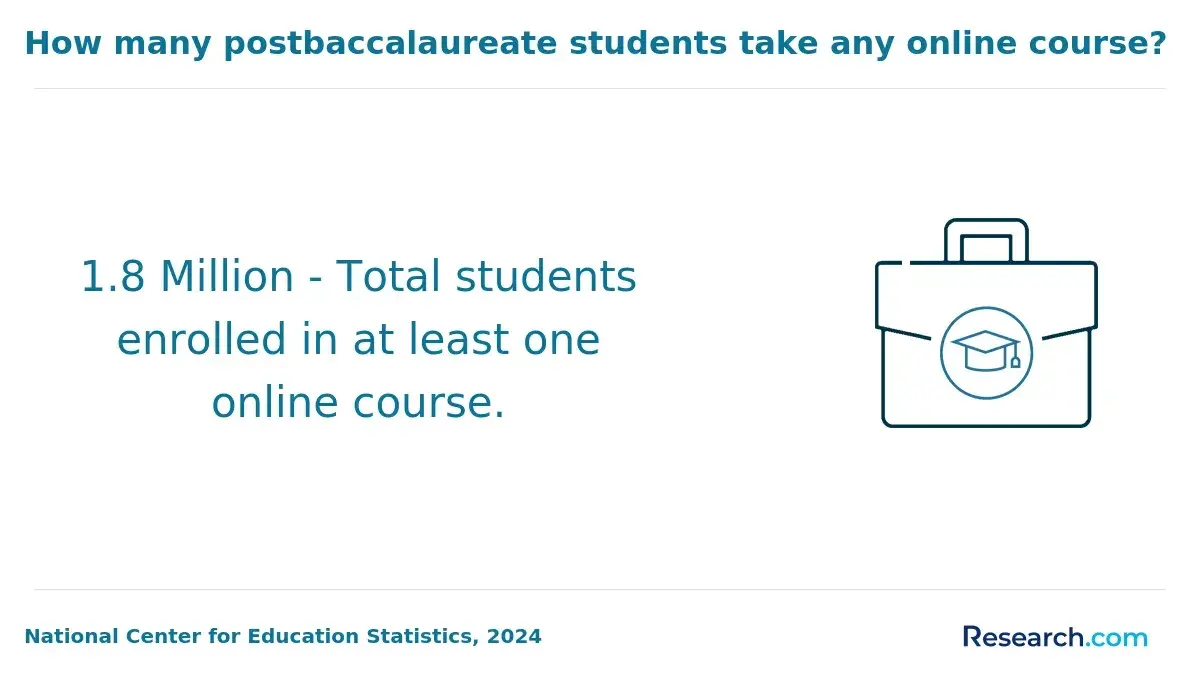
Facing a Finance career pivot or advancement challenge is increasingly complex as employers demand specialized expertise, particularly in wealth management. With 68% of adult learners enrolling in online programs for flexibility in 2024, according to the National Center for Education Statistics, timing and accessibility are reshaping how professionals pursue credentials without disrupting their careers. Yet, not all online Finance degrees align equally with wealth management roles, creating a high-stakes dilemma in program selection.
Understanding which degrees deliver relevant skills and employer recognition is critical to avoid costly missteps. This article evaluates online Finance degrees specifically aligned with wealth management careers and guides strategic, outcome-driven choices.
Key Things You Should Know
- Online finance degrees with wealth management alignment often limit experiential learning, reducing internship access by 25% compared to hybrid models, which employers cite as critical for client advisory readiness per CFA Institute 2024 data.
- Firms increasingly demand proficiency in ESG investing and fintech tools, reflected in 38% of wealth management job descriptions requiring specialized certifications alongside degrees, emphasizing continuous credential stacking over foundational learning.
- Average program costs rose 12% from 2022 to 2024, with online courses compressing timelines to under two years, pressuring prospective students to choose accelerated paths that may sacrifice depth for speed, according to NCES statistics.
What is an online finance degree with a wealth management focus, and who is it best for?
Choosing an online finance degree with a wealth management specialization requires careful evaluation of labor market demand and practical skill integration. The U.S. Bureau of Labor Statistics projects a 10% growth in personal financial advisor roles over the next decade, translating to approximately 24,100 annual openings. This specialization's relevance is clear for professionals targeting advisory positions, especially within boutique wealth firms or large financial institutions.
Career changers without a finance background must scrutinize program components, prioritizing offerings that combine core finance knowledge with technical proficiency in financial modeling, client management, and compliance. Employers expect candidates to pair accredited degrees with tangible experience, often provided through internships or client-facing projects.
Students must weigh flexibility against networking limitations inherent in remote learning while pursuing credentials like the CFP® concurrently. Understanding critical topics such as ethics, tax planning, retirement, and estate management is essential for sustaining success in wealth management roles.
Working professionals exploring the best online finance programs for wealth management careers should also consider how curricula support ongoing credentialing and license acquisition post-graduation. For those evaluating alternatives, an informed comparison to programs like an online MBA operations management can reveal distinctive career pathways and skill emphases.
How do online finance programs compare with campus programs for wealth management careers?
Choosing between online finance degrees versus campus programs for wealth management involves tradeoffs rooted in practical access to networking and market alignment. Campus programs typically offer immersive experiences such as wealth management simulation labs and live case studies, which are critical for building real-world client interaction skills favored by employers. Conversely, online education demands strategic use of virtual internships and digital networking tools, which can be less robust but advantageous for working professionals seeking flexibility to integrate work experience simultaneously.
Employers in wealth management prioritize demonstrated analytical skills and relevant certifications; however, campus students often hold an advantage through face-to-face internships and regional market familiarity, especially in areas where local regulations and client relationships are key. Online degrees support a broader geographic strategy and emphasize digital communication skills, aligning with remote or global work preferences.
Decision makers must balance costs of commuting or relocation against potential time-to-employment benefits and local network strength. Graduates aiming for wealth management roles should consider: ability to secure internships with client-facing responsibilities access to career fairs and peer learning opportunities the importance of geographic employer preferences. Top-tier online programs are increasingly incorporating synchronous sessions and industry speakers to close experiential gaps. For professionals evaluating flexible options, exploring online MBA programs that accept transfer credits can optimize time and investment toward career pivots in wealth management.
What types of online finance degrees best align with wealth management roles?
Degrees specifically focused on wealth management within finance tend to outperform broader business programs when measured by employer readiness and immediate contribution in advisory roles. Employers seek graduates with targeted knowledge in investment analysis, portfolio management, tax strategy, and retirement planning rather than generic financial education. For example, an online Master of Finance emphasizing portfolio theory and client wealth preservation prepares candidates to advise high-net-worth individuals, where crafting tailored strategies directly impacts client retention and compliance.
Conversely, general business degrees often require additional certifications such as Certified Financial Planner (CFP) to improve competitiveness, underscoring a key tradeoff between program specificity and credential stacking. The best finance programs for wealth management careers integrate quantitative modeling and scenario analysis alongside updated regulatory knowledge, shortening onboarding time and enhancing promotion potential in a field valuing evidence-based decision-making.
Working professionals evaluating online finance degrees with wealth management specialization must also weigh program flexibility and access to industry networks, critical for client relationship-building in wealth management. Students balancing work and study frequently explore options like shortest online MBA programs to optimize time investment without sacrificing rigor.
The U.S. Bureau of Labor Statistics latest data reports a median annual wage of $102,140 for personal financial advisors, reflecting wealth management's premium on specialized skills and client-focused expertise.
What courses and skills should an online finance curriculum include for wealth management?
Developing a workforce-ready skill set within an online finance curriculum for wealth management careers requires integrating technical competencies with nuanced client strategies. For instance, a financial advisor handling high-net-worth real estate clients must prioritize advanced tax law proficiency to optimize capital gains scenarios, while those advising entrepreneurs should emphasize cash flow analysis and business valuation methodologies. This differentiation reflects employer demands for specialization beyond generic financial acumen.
Programs that embed key skills for wealth management in online finance programs consistently stress regulatory compliance, fiduciary duties, and ethical frameworks, alongside hands-on application of financial modeling software. These elements address real employer priorities, particularly in technology-driven advisory settings where accuracy and data fluency reduce costly errors and accelerate client onboarding.
Critical soft skills, including clear communication and adaptive decision-making under market volatility, directly influence client retention and portfolio performance. Graduates proficient in these domains can navigate complex scenarios such as portfolio rebalancing aligned with varying risk tolerances-skills often scrutinized during hiring and promotion decisions.
Cost considerations factor heavily into program selection. For example, Lynn University's online bachelor's degree in wealth management charges $375 per credit, totaling $11,250 annually for 120 credits. While price competitiveness is important, students should weigh it against accreditation, employer recognition, and potential time-to-hire improvements achieved through targeted course selection. For prospective students focused on graduate options, exploring options like the affordable executive MBA pathways may also shape long-term financial and career trajectories.
How can I verify accreditation and program quality for online finance degrees?
Choosing an online finance degree demands scrutiny beyond institutional branding-regional accreditation remains the baseline for program legitimacy and employer acceptance. Accreditation from bodies like the Middle States Commission on Higher Education or the Higher Learning Commission confirms adherence to rigorous quality standards, directly impacting degree recognition in competitive job markets.
Program outcomes reveal practical value: graduation rates, employment statistics, and especially return on investment (ROI) must guide decision-making. For instance, Northeastern University's online finance program costs roughly $64,920 compared to $248,000 for in-person study, illustrating how cost-efficiency can shape long-term financial benefits. However, prospective students should ensure programs openly share or provide access to outcome data rather than relying on marketing claims.
Curriculum alignment with credentialing bodies such as the CFA Institute or Certified Financial Planner Board enhances relevance for those targeting wealth management roles. Real-world applicability depends on how closely course offerings match industry competencies, which influences readiness for certification exams and practical tasks.
Online learners benefit substantially when programs incorporate robust career services, mentorship, and networking platforms. Flexibility and employer recognition are especially decisive for professionals balancing current jobs or pivoting careers. Without such support, even accredited programs may fall short in facilitating meaningful workforce transitions.
Utilize U.S. Department of Education resources like College Navigator and the National Center for Education Statistics to cross-verify accreditation and default rates. These databases provide unbiased institutional insights that counterbalance self-reported program data.
What are typical admission requirements for online finance programs in wealth management?
Admission to online finance programs focusing on wealth management involves balancing academic history with professional relevance to forecast student success in complex financial topics. While a high school diploma and a GPA around 2.5 to 3.0 remain baseline criteria, transferrable skills and industry experience can substitute formal prerequisites, particularly for mid-career professionals transitioning into finance roles.
Admissions committees weigh work histories linked to financial advising, asset management, or accounting heavily, as these signal readiness for specialized study and alignment with career objectives. Recommendations and statements targeting how the degree supports career shifts often influence admission decisions. This approach reflects a shift from standardized testing-which is increasingly optional-to evaluating practical competence and career vision.
Cost implications also affect program choice significantly, with average annual tuition varying widely: approximately $9,800 at public institutions versus $40,700 at private ones, directly influencing debt levels and return on investment. Program flexibility, transparent credit transfer policies, and the digital literacy required for consistent online participation remain critical considerations for working students managing job and study demands.
Prospective students should prioritize programs that accommodate professional commitments and provide measurable workforce advantages. This ensures the degree's practical value beyond completion, particularly in competitive wealth management environments where relevant experience and educational rigor converge.
How long do online finance degrees take, and what do they typically cost?
The timeframe and cost of online finance degrees significantly influence students' ability to align education with career goals in wealth management or corporate finance. An associate degree, typically two years full-time, serves as a practical entry point or credit transfer foundation, but employer demand favors bachelor's credentials that usually span four years unless accelerated options reduce that to three. Master's programs, often targeted by working professionals, range from one to three years depending on full-time or part-time enrollment, allowing skill specialization while maintaining employment.
Financial investment varies widely based on the institution and program format:
- Public universities charge approximately $300 to $600 per credit for in-state students, amounting to $36,000-$72,000 for a bachelor's degree.
- Private institutions command higher rates between $700 and $1,200 per credit, pushing totals beyond $90,000.
- Master's degrees generally cost $20,000 to $70,000, reflecting specialized curricula aligned with wealth management.
Prospective students should weigh accelerated completions against the potential for income disruption during study, especially since wealth management roles prioritize candidates with demonstrable technical expertise and accredited program completion. Opportunity costs and supplementary fees such as technology and materials may extend beyond tuition budgets. Employers actively recruit from candidates with practical skills and compliance knowledge necessary for managing high-value assets, reinforcing the importance of program reputation and flexible pacing.
What wealth management careers can an online finance degree prepare me for?
Pursuing an online finance degree sharpens how candidates approach wealth management roles, emphasizing quantitative rigor alongside client-centric skills essential for sustained trust and regulatory adherence. For instance, a private wealth consultant managing high-net-worth portfolios must adapt investment strategies beyond retail advisory norms, integrating advanced asset allocation theories frequently covered in online curricula.
Employers demand proficiency not only in technical analysis but also in navigating compliance and fiduciary responsibilities, areas where online programs often incorporate practical case studies and simulations. However, theoretical knowledge alone falls short; combining education with internships or virtual practicums is critical for demonstrating applied financial judgment.
Financial compensation reflects this layered expertise, with senior wealth managers earning from $250,000 to over $1 million annually, according to 300Hours. Earnings correlate strongly with the scale of client assets managed and geographic factors, signaling that early-career professionals need strategic networking alongside academic credentials to advance.
When selecting online finance programs, students must weigh program rigor, relevance to evolving industry standards, and real-time data integration to avoid credential inflation that can hinder labor market positioning. Graduates equipped with both contemporary regulatory insights and practical skill sets face smoother transitions into specialized wealth management roles.
What salary ranges and job outlook can finance graduates expect in wealth management?
Entry-level wealth management roles typically offer salaries between $80,000 and $120,000, providing a financially viable path relative to other finance sectors before reaching senior levels. However, compensation trajectories diverge significantly based on skill sets and employer type, with client relationship capabilities often outpacing pure quantitative expertise in salary growth over 5-7 years. For example, graduates who integrate technical analysis with effective client management are more likely to advance into high-net-worth portfolio roles earning well above six figures.
Geographic location plays a tangible role: financial hubs such as New York and San Francisco command salaries 10%-20% higher due to living costs and competitive markets. Meanwhile, startups and boutique firms may offer lower base salaries but counterbalance this with equity opportunities, contrasting with the stability and steadier pay scales of large institutions.
Practical considerations include pursuing licensure like the Series 7 and securing internships directly related to wealth advisory, which are critical signals to employers weighing promotion and compensation decisions. Employment growth for financial advisors is projected at around 10% through 2032, sustaining demand despite market volatility.
How do professional certifications like CFP or CFA connect with these online degrees?
Professional certifications like the CFP (Certified Financial Planner) and CFA (Chartered Financial Analyst) function as critical differentiators beyond an online finance degree, directly addressing gaps in fiduciary expertise, ethical rigor, and technical investment analysis. Employers in wealth management increasingly expect these credentials as baseline requirements for roles that handle growing segments of retail and institutional assets-a shift reflecting 300Hours' data projecting retail wealth's share of assets under management rising from 58% to 64% in five years.
While online degrees provide foundational knowledge-portfolio theory, financial instruments, regulatory frameworks-they do not encompass the comprehensive ethical standards, planning nuances, and quantitative depth that CFP and CFA exams demand. This gap means working professionals must commit to 300-400 study hours per certification, often balancing full-time employment and the added uncertainty of retakes, stretching credentialing timelines potentially over multiple years.
For example, a corporate finance professional pivoting to wealth management will find CFP certification more relevant for client-facing roles emphasizing holistic planning and ethics, whereas the CFA aligns better with institutional asset management jobs focused on advanced investment analysis.
Employers often require these certifications within two to three years of employment to qualify for mid-level positions, making them near-essential investments for those aiming to remain competitive. This dynamic reflects the increasing specialization and trust sensitivity within wealth management documented by 300Hours.
Other Things You Should Know About Finance
Programs emphasizing practical wealth management tools provide direct skill application, like financial planning software and client communication training, which accelerate job readiness for advisory roles. In contrast, broader finance theory programs develop analytical depth but may delay direct applicability to client-facing wealth management tasks. For career pivots aiming at advisory positions, prioritizing practical, specialized programs improves immediate employability, while theory-heavy degrees suit candidates targeting long-term strategy or research-focused roles.
A finance degree aligned with wealth management should include the CFP Board’s principal knowledge domains: professional conduct, general principles of financial planning, risk management, investment planning, tax planning, retirement savings, and estate planning. Many employers also look for coursework tied to behavioral finance and portfolio management.
Some employers maintain cautious views about fully online finance degrees due to concerns over hands-on experience and professional rigor. Graduates can mitigate skepticism by obtaining additional certifications like CFP, demonstrating internship experience, or contributing to finance-related projects that confirm practical competence. Selecting accredited programs with strong reputations and visibly applying skills through portfolios or case studies also reduces employer hesitance in hiring online-educated candidates.
References
- The Need of Accreditation in Online Degree Programs https://www.onlinecu.in/blog/cu/the-importance-of-accreditation-in-online-degree-programs.php
- How to become a wealth management advisor | edX https://www.edx.org/become/how-to-become-a-wealth-management-advisor
- Financial Manager Salary & Career Path | Accounting.com https://www.accounting.com/careers/financial-manager/salary/
- Wealth Management Learning Solutions https://fitchlearning.com/corporate-solution/wealth-management/
- CFA® or CFP®: Which One Is Right for You? | UMGC https://www.umgc.edu/blog/cfa-or-cfp
- DA - Certifications https://www.fma.org/student-finance-certifications
- Accreditation Explained: Guidelines for Global Verification https://www.motaword.com/blog/understanding-accreditation-how-to-verify-institutions-globally
- Are Online Degrees Accredited? How to Identify Quality Distance Learning Programs https://www.umassglobal.edu/blog-news/online-degrees-accredited-identify-quality-distance-learning-programs
- What Opportunities After An Online MBA In Wealth Management? https://onlinechitkarau.com/our-blogs/career-opportunities-after-an-online-mba-in-wealth-management/
- Online MBA Programs in Financial Planning https://www.onlinemba.com/rankings/best-online-mba/financial-planning/