2027 Best Online Finance Programs for Professionals Seeking Financial Planning Careers

Co-Founder and Chief Data Scientist
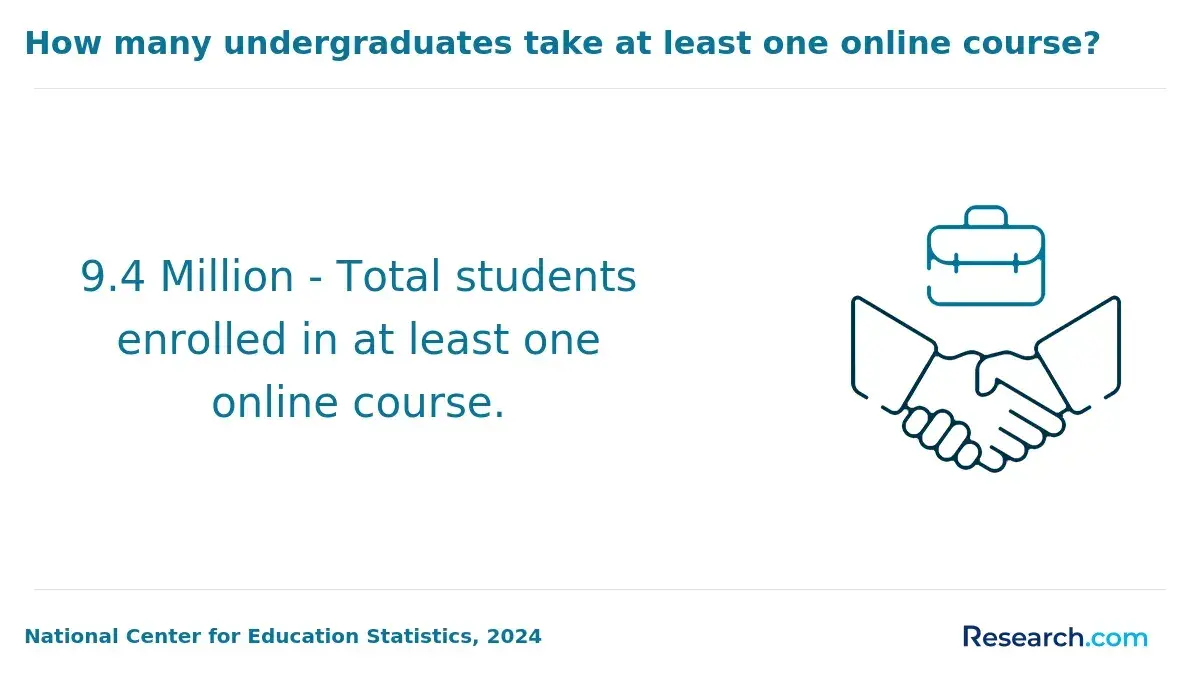
Professionals aiming to shift into financial planning face a persistent challenge: securing a flexible yet credible education that aligns with demanding work schedules and evolving employer expectations. Recent data from the National Center for Education Statistics reveals a 21% rise in enrollment for online finance-related programs among adults aged 25 to 44, underscoring a strong preference for adaptable learning formats that accommodate ongoing employment.
However, the surge also reflects increased scrutiny on program quality and post-graduation outcomes, critical factors influencing career mobility in this competitive sector. This article evaluates top online finance programs designed to balance rigor, accessibility, and tangible career advancement for prospective financial planners.
Key Things You Should Know
- Programs with CFP certification integration increase employability by 27% per 2024 CFP Board employment data, but require intensive upfront time investment, delaying income for midcareer pivoters by 12-18 months.
- Employers in wealth management prioritize graduates mastering advanced data analytics tools, creating a gap as only 42% of online finance programs include this, lowering immediate job placement rates.
- Tuition averaging $22,000 nationally limits program access for professionals in transition, forcing tradeoffs between credential prestige and affordability amid rising student debt concerns noted by the Federal Reserve.
What are the best online finance programs for aspiring financial planning professionals?
Securing a role in financial planning hinges on program credentials that are both employer-recognized and practically oriented. With 80% of financial advising positions favoring CFP® certification, integration of CFP® exam preparation within the curriculum is a key differentiator. This requirement is especially critical for those aiming to shift into financial planning from related fields like accounting, where targeted training in advanced financial planning software and client engagement simulations reflect the operational realities of advisement.
The demand trajectory for personal financial advisors remains robust, with the U.S. Bureau of Labor Statistics projecting 17% growth from 2022 to 2032, translating to about 27,000 annual job openings. Therefore, evaluating top online finance courses for aspiring financial planners involves balancing technical proficiencies-such as tax planning and fiduciary responsibilities-with employer-valued softer skills like client communication and regulatory compliance.
Prospective candidates should weigh program accreditation, faculty experience, and opportunities for live interaction or mentorship, as asynchronous, self-paced options often lack practical networking pathways and yield lower completion rates. Additionally, cost analysis should be correlated to transparency in graduate employment outcomes and beginning salaries exceeding the national median of $94,170. For a comprehensive view of these dynamics, examining offerings from a broad spectrum of options through resources like the finance degree online can inform practical decision-making.
Ultimately, the best online finance programs for financial planning careers focus on measurable milestones: CFP® qualification success, realistic client-facing practice, and employer reputation. These elements directly affect one's ability to navigate the competitive market and capitalize on sustained sector growth.
How do online finance degrees prepare students specifically for financial planning careers?
Online finance degrees develop practical financial planning skills by focusing on applied financial analysis, portfolio management, and tax strategy within flexible, technology-intensive curricula. This deliberate integration prepares professionals transitioning from general business roles by emphasizing mastery of tools recommended by credentialing bodies, including CFP Board-endorsed software. Programs systematically incorporate hands-on simulated client scenarios and case studies, essential for gaining proficiency in client data interpretation, risk evaluation, and regulatory compliance-skills that dominate hiring requirements in financial planning.
Graduates also navigate evolving fiduciary standards and behavioral finance concepts, enabling tailored advice across diverse client objectives-a competitive advantage in specialized areas such as wealth management and retirement planning. Online finance education for aspiring financial planners commonly combines theory with practical exposure via virtual internships or collaborations with financial firms, compensating for geographic constraints and ensuring workforce readiness.
Market trends reveal the impact of these practical skills: for example, the 2024 Financial Planning Standards Board report notes over 15% annual growth in demand for financial planners in India through 2030, demonstrating that U.S.-based online programs also equip students for global financial environments and cross-border opportunities.
By removing logistical barriers, these programs enable strategic career pivots for working professionals, reinforcing compliance understanding and enhancing employability for certification and licensure. For candidates considering broader business education options, the detailed comparison to MBA online programs highlights distinct technical and compliance advantages specific to financial planning.
What accreditation should online finance programs have for financial planning roles?
Accreditation is the primary filter distinguishing credible online finance programs for financial planning careers from weaker alternatives. Programs endorsed by the Council for Higher Education Accreditation (CHEA), U.S. Department of Education, or recognized bodies like AACSB or ACBSP provide essential validation of curriculum rigor. This accreditation ensures core topics-investment, tax, retirement, estate planning-align with the Certified Financial Planner (CFP) Board requirements. Without these, graduates risk delays or ineligibility for CFP certification, a key credential for personal financial advisors whose median annual salary exceeds $95,000 and faces 13% job growth according to the U.S. Bureau of Labor Statistics.
Mid-career professionals pivoting into financial planning find accredited programs reduce redundant coursework and facilitate credit transfers, which can expedite reentry into the workforce. Lacking this recognition complicates access to federal financial aid, internship opportunities, and employer trust, diminishing practical outcomes despite growing market demand. Choosing programs updated to reflect 2024 regulations is critical to maintain relevance in a shifting regulatory environment.
Those considering finance credentials should also explore the online MBA under 30k as a strategic route for broader business knowledge complementing specialized financial planning skills. In summary, selecting from accredited online finance programs for financial planning careers directly impacts employability, certification feasibility, and career momentum within a competitive hiring landscape.
Which types of finance degrees are best for financial planners: certificate, bachelor's, or master's?
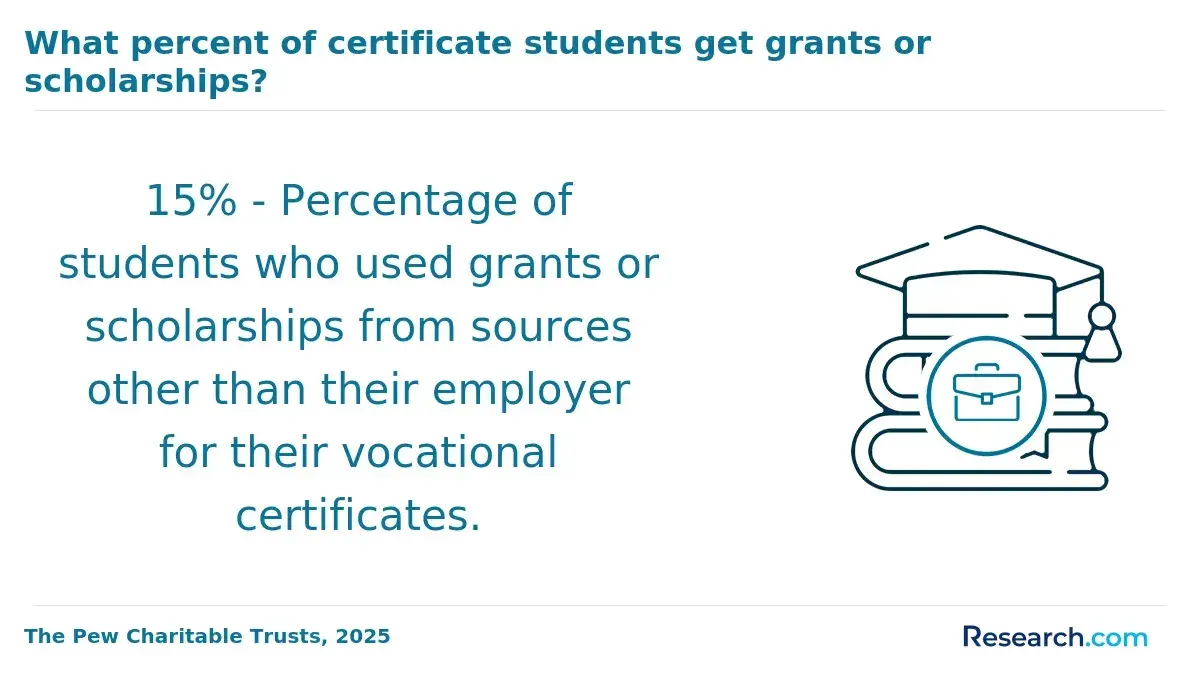
Employers in finance prioritize bachelor's degrees as the baseline credential for planners handling client portfolios and qualifying for Certified Financial Planner (CFP) certification. These degrees deliver essential knowledge in investments, regulatory compliance, and finance principles needed for managing complex strategies. Mid-career professionals often weigh the tradeoff between certificates, bachelor's, and master's degrees; certificates are cost- and time-efficient but restrict access to CFP eligibility and many employer-sponsored opportunities.
Master's degrees-such as a Master of Finance or an MBA with financial planning focus-tailor planners for competitive senior roles with leadership responsibilities but require significant financial and time investment. Public and large financial firms typically expect at least a bachelor's for fiduciary duties, whereas smaller advisory practices may accept certification paired with practical experience. For those evaluating online finance certificate versus bachelor's and master's degrees for financial planning careers, the decision centers on balancing upfront costs, employability, and long-term advancement.
Pragmatically, pursuing a bachelor's degree ensures immediate qualification for entry-level roles and CFP candidacy. For accelerated advancement, a master's holds clear value but demands a higher commitment. Costs vary widely; a 2026 analysis notes online finance tuition from $42 to $448 per credit, often less than traditional formats. For professionals seeking affordability with flexibility, the cheapest online MBA presents a viable option within master's level programs that emphasize practical finance skills.
How do online finance programs compare with on-campus options for financial planning training?
Choosing between online and on-campus finance programs hinges on balancing networking depth against flexibility and self-direction. On-campus options facilitate direct employer engagement and embedded internships or client projects, offering a more seamless transition to roles demanding hands-on experience. In contrast, online programs provide working professionals vital scheduling flexibility but require them to independently secure practical experiences, which can delay career progression.
For example, a full-time financial analyst seeking skill enhancement benefits from an online master's without interrupting employment. However, a recent graduate focused on client advisory roles may find on-campus immersion better for cultivating industry connections and live interaction.
Both pathways deliver comparable curriculum rigor and access to advanced digital resources, accelerating knowledge acquisition beyond traditional classroom pacing. Yet online students must proactively engage with virtual events and professional groups to offset the lack of face-to-face networking.
Financial management roles typical for master's graduates command a median salary near $140,000 with projected job growth around 16%, according to Accounting.com. Employers increasingly accept accredited online degrees, provided candidates demonstrate relevant certifications, experience, and skills. Programs with strong career services and alumni networks help mitigate residual employer skepticism tied to online credentials.
Decision-making should weigh immediate workforce retention against immersive experiential learning, recognizing that program choice directly impacts employability timelines and skill development trajectories.
What courses and skills are typically included in an online finance curriculum for planners?
Online finance programs targeting financial planners must balance technical rigor with real-world applicability to meet employer standards and certification demands. Coursework centered on investment planning, retirement strategies, tax optimization, and estate planning equips candidates with a broad toolkit but often misses deeper integration between regulatory updates and client communication, which can hinder advisory effectiveness in complex scenarios.
For instance, tailoring portfolio diversification to client risk tolerance varies substantially between sectors-tech professionals may benefit from equity growth and stock options, while healthcare workers often require conservative retirement income frameworks. This industry-specific nuance is frequently underaddressed, leading to gaps in workplace readiness.
Proficiency with quantitative tools like Excel and specialized financial software is essential, as employers expect planners to model multiple scenarios and adjust to evolving SEC and IRS regulations. Behavioral finance and communication modules-though sometimes elective-are critical for expanding advisory capabilities beyond technical compliance to build client trust and manage high-net-worth or small business portfolios.
Job growth projected at 17% reinforces strong demand for structured CFP®-aligned education; however, candidates lacking either technical precision or ethical clarity face limitations in firms with strict fiduciary standards. Selection of programs should thus emphasize a curriculum blending market-relevant finance knowledge, regulatory fluency, and advanced client management skills to sustain long-term employability in a competitive environment.
What are typical admission requirements for online finance programs in financial planning?
Admission to online finance programs frequently hinges on aligning academic credentials and work history with employer expectations and program rigor. Candidates typically need a bachelor's degree, preferably in business or economics, maintaining at least a 2.5 to 3.0 GPA. While some programs request GRE or GMAT scores, waivers are increasingly accessible for professionals with relevant experience. This balance between formal education and applied knowledge determines timely progression and employability after graduation.
Applicants targeting wealth management or investment roles often face prerequisite coursework in accounting, statistics, or financial markets, which may extend their study timelines if not completed upfront. Letters of recommendation and statements of purpose serve to differentiate candidates by clarifying career intentions and practical readiness.
International students must supply English proficiency test scores such as TOEFL or IELTS, adding another layer to the admission process. For those balancing employment, synchronizing program deadlines with employer sponsorships or flexible study options is critical to avoid costly delays.
The University of Minnesota's 2024 finance careers outlook notes 20% growth for financial examiner roles, emphasizing the value of specialized coursework tied to investment and wealth management. Admission committees focus on applicants who can demonstrate foundational finance knowledge applicable to these expanding industry niches.
How long do online finance degrees take and what do they typically cost?
Choosing an online finance degree involves balancing duration, cost, and workforce relevance rather than simply following traditional timelines. Bachelor's programs typically span four years full-time but can be compressed to around two and a half years through transfer credits or intensified course loads. Master's degrees often require 12 to 24 months, with part-time paths extending this for those juggling employment.
Financial investment varies widely: public universities generally charge $7,000 to $15,000 annually for in-state students, whereas private institutions may exceed $30,000 per year. Tuition for fully online formats remains comparable to on-campus rates, though some offer reductions or bundled courses. Additional expenses like textbooks and technology fees are common.
For a working professional, pursuing a master's in finance online typically represents a $20,000 to $40,000 commitment across one to two years. This cost aligns with postgraduation job markets, as the University of Minnesota's 2024 analysis reports median salaries near $96,000 for finance roles accessible to both online and campus graduates, alongside an 8% job growth projection. Employers generally regard online and campus credentials equally, enabling candidates to weigh time savings against financial strategies without compromising employability.
What financial planning careers, salaries, and advancement paths can these programs lead to?
Success in online finance programs hinges on navigating the balance between theoretical knowledge and applied skills demanded by employers. Entry-level roles such as financial analysts and personal advisors often start with salaries from $60,000 to $75,000, yet growth requires certifications like CFP or CFA alongside demonstrated client management and regulatory expertise. For instance, a corporate finance analyst typically advances to senior analyst before managing larger teams or portfolios, whereas wealth advisors may transition into branch management by expanding client relationships.
Remote work's rising influence broadens hiring beyond traditional financial hubs, but this expansion also amplifies requirements for strong digital communication and proficiency with virtual client platforms. This shift means graduates must not only master finance concepts but also excel in technological fluency to secure remote positions, as noted by the University of Texas McCombs School's 2024 insights.
Employers prioritize candidates who blend analytical skills with practical experience in data tools and compliance. Prospective students should weigh programs that emphasize applied finance technologies over purely theoretical curricula, especially in competitive urban markets where measurable impact drives advancement. Practical network-building alongside credentials remains essential for sustainable career trajectories and to leverage shifting industry demands effectively.
How do certifications like CFP and other licenses connect to online finance programs?
Online financial planning programs promising alignment with Certified Financial Planner (CFP) requirements must be evaluated based on their practical pathways to licensure, not just curriculum coverage. Employers highly value CFP certification because it signals verified competence and ethical standards, making graduates without clear licensing routes less competitive despite similar academic content. For example, a working professional choosing an online CFP-aligned program needs to consider the added time and cost for mandated licensing exams and ongoing continuing education, which are essential components beyond coursework alone.
Effective programs integrate licensed coursework with exam prep and often coordinate with candidates' schedules to balance study and professional demands. Graduates aiming for certification should also anticipate real-world client experience as a licensing prerequisite, which online programs must facilitate or support.
Data from SelectYourUniversity's 2025 analysis highlights entry-level salaries in India ranging from ₹3.5 to ₹7 lakh for freshers completing online financial planning courses structured around certification. In the U.S. context, this indicates that credential-aligned online education can enhance early earnings potential and job placement in competitive markets.
Prospective students must weigh these factors: explicit certification support within the program, integration of exam preparation, licensure requirements beyond academics, and provider involvement in continuing education. Choosing programs that clearly bridge education and certification increases employability and practical readiness for financial planning roles.
Other Things You Should Know About Finance
Online finance programs often require a significant time commitment despite their flexibility. Working professionals must balance coursework with job responsibilities, which can lead to extended program completion times or increased stress. When choosing a program, prioritize those with asynchronous options and clear pacing guidelines to manage workload without compromising job performance.
Students should prepare for the CFP® certification if they want financial planning roles. The Certified Financial Planner Board requires a bachelor’s degree, 6,000 hours of professional experience or 4,000 hours through an approved apprenticeship, completion of CFP Board coursework, and passing the 170-question CFP exam.
Employers increasingly accept reputable online finance degrees, but program reputation and accreditation heavily influence perceptions. Graduates from well-established, accredited online programs tend to face fewer hiring biases. Prioritize programs with proven alumni outcomes and professional network access to improve job prospects over solely cost or convenience considerations.
In 2027, some top online finance programs for professionals eyeing financial planning careers include the University of Illinois’ iMBA with a finance concentration, the University of California, Irvine's Personal Financial Planning Certificate program, and the CFP certification program from the College for Financial Planning. These programs offer a thorough foundation and essential credentials needed in the finance sector.
References
- Accounting https://www.accounting.com
- Charting Your Path in Finance: Degrees, Careers, and Why It Matters https://www.webber.edu/degree-careers-finance-webber/
- Best Online Finance Degrees 2020 https://careerkarma.com/blog/online-finance-degrees/
- College for Financial Planning | CFFP | A Kaplan Company https://www.cffp.edu/
- Bachelor’s Degree in Finance Online | BA, BS, BBA in Finance, Economics and Business | What is a Financial Planner? | What does a Financial Planner do? https://www.financialplannerworld.com/bachelors-in-finance/
- Laying the Foundation: How to Choose Your First Financial Certification https://www.theamericancollege.edu/knowledge-hub/insights/choosing-the-right-financial-certification
- Client Challenge https://www.khanacademy.org/college-careers-more/financial-literacy
- Learn personal finance | edX https://www.edx.org/learn/personal-finance
- Introduction to Personal Financial Planning https://www.cii.co.uk/learning/qualifications/introduction-to-personal-financial-planning/
- 5 Best Financial Literacy Courses - Intuit Blog https://www.intuit.com/blog/global-stories/best-financial-literacy-courses/