2027 Best Online Finance Degrees for Corporate Strategy and Finance Careers

Co-Founder and Chief Data Scientist
Mid-career professionals aiming to break into corporate strategy or advanced finance roles often hit a critical bottleneck: securing a flexible, reputable academic credential without derailing current work commitments. The challenge intensifies as companies increasingly demand candidates with quantifiable skills and updated financial acumen, yet traditional programs rarely accommodate full-time employment schedules. According to the National Center for Education Statistics, enrollment in online finance-related degrees surged by over 40% since 2022, reflecting a shift toward integrating rigorous learning with practical career demands. This trend signals a growing expectation for flexible, outcome-oriented education that balances academic depth with schedule adaptability.
This article evaluates the best online finance degree options tailored for corporate strategy and finance career advancement, focusing on program structure, employer recognition, and practical career impact to aid readers in making informed enrollment decisions under real-world constraints.
Key Things You Should Know
- Corporate finance roles increasingly demand quantitative skills linked to specialized master's programs; yet, this narrows candidate pools as 56% of bachelor graduates lack advanced analytics training, limiting transition agility.
- Employers prioritize candidates from ABET-accredited and regionally recognized online finance degrees, correlating with 23% higher retention rates in corporate strategy roles per the National Association of Colleges and Employers 2024 survey.
- Rising tuition inflation, averaging 5.3% annually since 2023, exacerbates access disparities, forcing mid-career professionals to balance opportunity costs and program length against ROI within volatile economic cycles.
What is an online finance degree for corporate strategy careers?
Success in corporate strategy roles increasingly depends on the ability to synthesize financial data into actionable business decisions. Online finance degree programs for corporate strategy offer focused training in financial modeling, risk assessment, and strategic capital allocation that align fiscal management with broader organizational goals.
Graduates must demonstrate proficiency in scenario analysis and forecasting-competencies employers assess through practical case studies and industry-standard software exposure. For instance, a finance professional shifting to a strategic position in a technology firm needs to balance innovation funding with shareholder expectations, a task requiring nuanced financial acumen and strategic insight.
Students should anticipate the challenge of replicating in-person mentorship and networking in an online environment, both critical for career advancement in this field. Targeted coursework in areas like portfolio management, corporate governance, and business analytics is essential to tackle sector-specific regulatory and operational hurdles. These combined skills create distinct advantages in highly competitive hiring landscapes for corporate strategy and finance career online degrees.
For prospective students weighing value, data based on U.S. News' 2024 analysis using FREOPP metrics reveals adjusted lifetime ROI reaching $563,529 at Florida State University and $447,037 at Arizona State University, reflecting potential long-term financial upside when navigating these roles effectively.
Decision-makers should rigorously evaluate program accreditation, curriculum relevance to strategic finance, and alumni employment outcomes in alignment with evolving employer expectations. For those exploring financial education pathways, comparing options such as a cheapest online MBA healthcare may also clarify tradeoffs between cost and specialization focus.
Which accreditation matters for online finance programs?
Regional accreditation remains the definitive benchmark for the best online finance program accreditation United States-wide, directly affecting graduate employability and credit transfer. Employers in corporate strategy and finance roles expect degrees from regionally accredited institutions, viewing them as proof of necessary academic rigor and alignment with industry standards. For example, financial analysts and management analysts-roles projected to expand 8% from 2022 to 2032-are more likely to advance candidates who hold such credentials.
Programmatic accreditations like AACSB or ACBSP grant specialized legitimacy. AACSB accreditation, notably, signals curricula tuned to evolving corporate finance demands, emphasizing quantitative analysis, regulatory insight, and strategy development. Graduates from AACSB-accredited programs often gain access to superior professional networks crucial in competitive fields such as investment banking or corporate consulting.
Prospective students should assess how accreditation influences financial aid, internships, or fulfillment of prerequisites for certifications like CFA or CPA. Without accredited credentials, students often face rejected credit transfers or gaps in practical experience requirements, complicating strategic pivots within their careers. This is especially relevant in compliance-sensitive sectors where up-to-date legal and ethical training underpins job readiness.
Given projected sector growth that includes over 900,000 new positions in the next decade, choosing a top accredited finance degree for corporate strategy careers is more than an academic formality-it is a workforce imperative. Those weighing options may also explore related offerings such as the easiest online MBA programs to complement their finance education.
How do online and campus finance degrees compare?
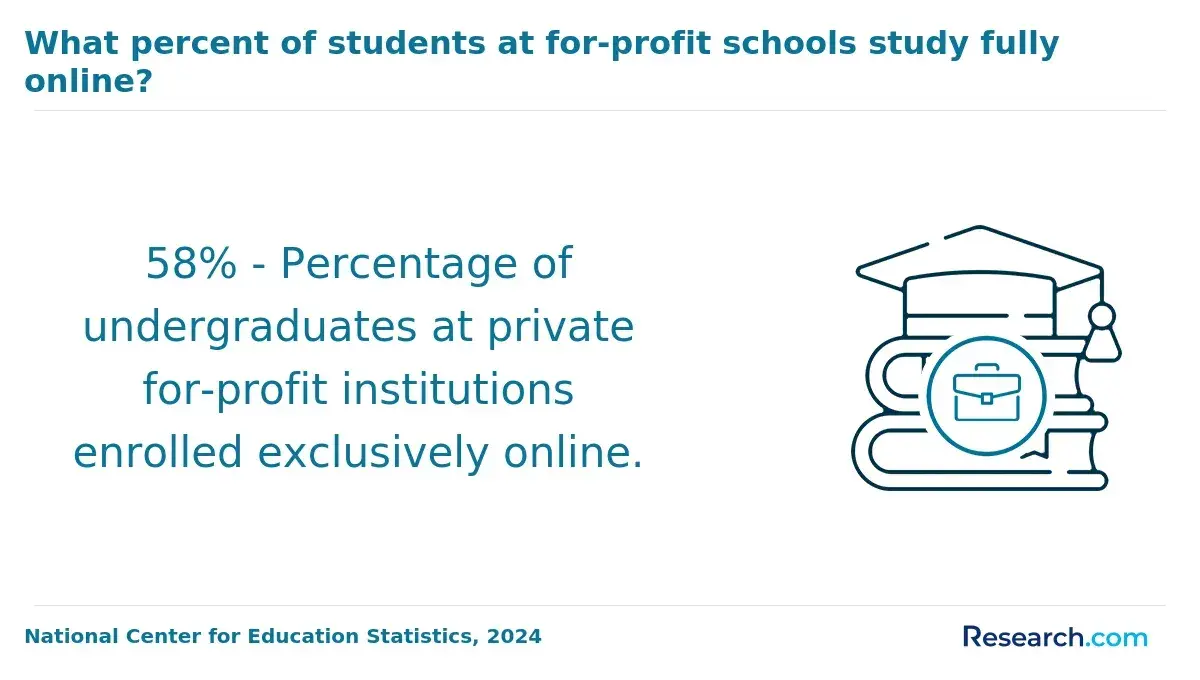
Employers evaluating online finance degrees vs campus programs often weigh networking depth and institutional reputation more heavily than delivery mode. Hiring managers in multinational firms tend to favor campus graduates for roles in corporate strategy due to the stronger alumni connections and direct access to internships typical of traditional programs.
Working professionals pursuing a most affordable online accounting degree or finance degree value the flexibility online education affords, which can facilitate strategic pivots within the finance sector without interrupting employment. However, online students must actively seek virtual internships and remote networking opportunities, a tradeoff that demands greater initiative but can yield comparable outcomes when managed effectively.
The comparative benefits of online and traditional finance degrees manifest in experiential learning differences: campus programs provide integrated on-site workshops and case competitions that expedite entry into competitive specialties like investment banking. In contrast, online pathways require more self-directed efforts to replicate these experiences, impacting pacing and access to employer pipelines.
Data from FREOPP cited by U.S. News in 2024 underline that the adjusted ROI for finance programs varies dramatically-ranging from around $16,196 to over $500,000-reflecting how institutional quality rather than program format governs long-term financial return and employability in finance and corporate strategy.
What courses are in a finance degree curriculum?
Core finance degree courses and electives form the foundation for roles requiring rigorous quantitative skills combined with strategic acumen, particularly for professionals targeting corporate strategy careers. The curriculum typically balances essential subjects such as financial accounting, corporate finance, and investment analysis with advanced electives that tackle real-world challenges-like applying hedging strategies during market volatility or navigating capital budgeting in multinational settings.
Students pursuing an online finance curriculum for corporate strategy careers must absorb not only traditional financial principles but also increasingly vital quantitative techniques-statistics, econometrics, and data analytics-to meet employer demand for data-driven decision-making. Strategic coursework including mergers and acquisitions and business valuation equips graduates to handle complex negotiations and align financial goals with broader organizational growth.
Understanding regulatory frameworks and compliance through corporate governance and international finance courses prepares students for the legal and risk management realities of global business operations. While tuition rates for online programs range widely-from $42 to $448 per credit-they remain significantly more affordable than the national average for four-year degrees, enabling working professionals to pursue specialized skills without disproportionate financial burden.
Employers expect candidates to demonstrate proficiency in financial analysis software and practical financial decision-making, attributing value more to measurable competencies than solely academic credentials. For those balancing career shifts or advancement, programs offering robust yet accessible curricula-including options found in best online medical assistant programs-illustrate how strategic educational choices affect employability and practical readiness.
What admission requirements do online finance programs have?
Admission criteria for online finance programs strategically filter candidates, balancing academic benchmarks with professional readiness. While a high school diploma and standardized test scores such as the SAT or ACT remain baseline requirements, many programs waive them for applicants with relevant prior college credits or work experience. This approach aligns with employer demand for candidates equipped with quantitative rigor, typically demonstrated through transcripts highlighting coursework in math and economics.
International applicants add layers of complexity, needing TOEFL or IELTS to prove English proficiency, which broadens access but introduces distinct procedural steps. Letters of recommendation serve as proxies for communication skills and independent learning capacity, especially important given the remote format of many finance curricula.
Working professionals benefit from accelerated pathways via portfolio reviews of certifications like CFA Level I, effectively acknowledging industry credentials as parallel to traditional academics. This reflects a workforce shift that values practical qualifications alongside degrees.
Cost remains a pivotal factor, with top-tier corporate finance master's programs ranging from $15,000 to $65,000 per year. Pursuing a low-cost online bachelor's degree first can reduce total financial burden before advancing. Strategic applicants should evaluate programs for clear prerequisites and technical requirements-reliable internet, compatible devices, and disciplined time management-that directly impact successful admission and persistence.
Ultimately, admission processes shape the funnel for careers in corporate finance strategy, making it essential that prospective students understand both academic and practical tradeoffs involved.
How long does an online finance degree take?
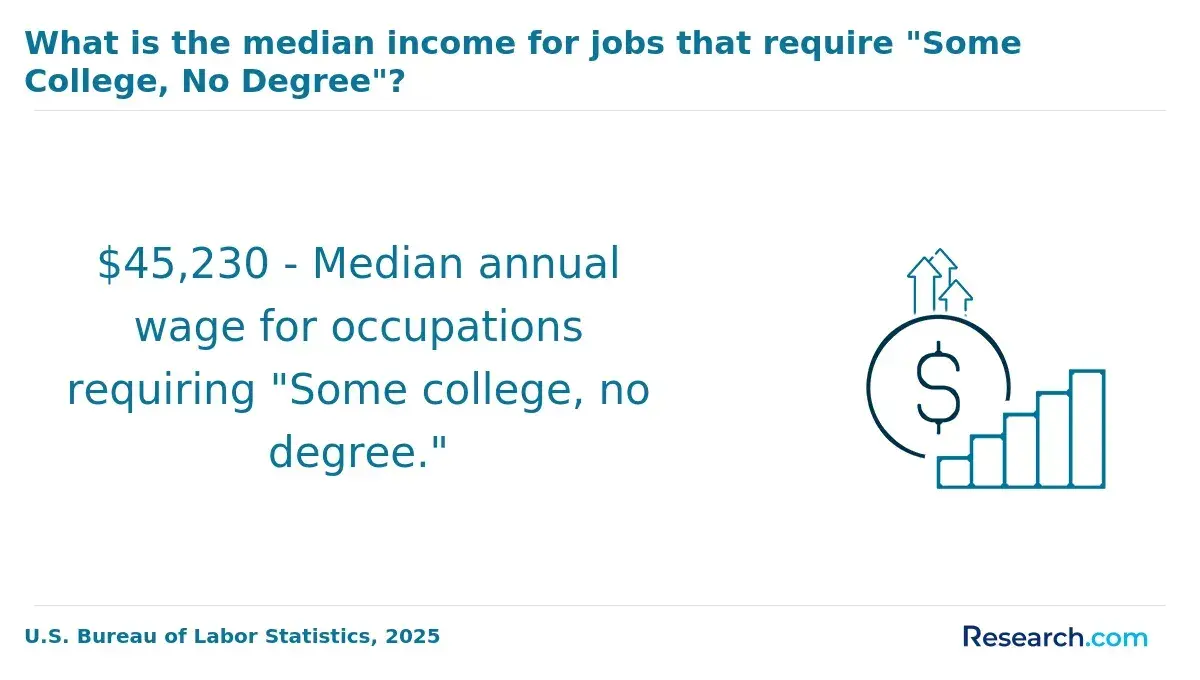
Online finance degrees vary between two to four years, influenced by part-time versus full-time enrollment and individual program structures. Accelerated bachelor's programs, often completed in two years, cater to students with prior credits or relevant experience. Traditional timelines still dominate for those balancing education with work or family. Graduate degrees, like online master's programs, usually require one to two years.
Working professionals targeting roles in corporate strategy must weigh the tradeoff between schedule flexibility and time-to-completion:
- Part-time study allows continued employment but extends the path to promotion.
- Full-time study accelerates access to senior roles but demands intensive time investment.
For example, a mid-career finance analyst aiming to pivot into corporate strategy at a Fortune 500 firm might choose a two-year accelerated online MBA focused on finance to align academic credentials with career goals efficiently.
Program elements such as prerequisites, internships, and capstone projects also affect duration and practical skill acquisition. Employers expect not only a completed degree but demonstrated applied competencies, underscoring the importance of experiential learning and networking within program timelines.
Data from U.S. News reveals graduates from the University of Maryland Global Campus with online finance degrees earn an average of $55,755 early post-grad and around $106,012 by age 45. This parity with traditional pathways validates that time-to-degree decisions have tangible implications on mid-career salary progression.
How much does an online finance degree cost?
Investing in an online finance degree requires a clear understanding of tuition impact against career outcomes and real-world workflow challenges. Public universities offer practical affordability, typically around $15,000 to $30,000 for a bachelor's, whereas private or specialized master's programs can exceed $50,000. Adding specialization, such as financial engineering or forensic accounting, may increase costs by up to 20%, which demands weighing the premium against the expected salary uplift and direct employer recognition of skills.
Employers prioritize competencies that improve strategic decision-making over institutional prestige. For example, many working professionals choose programs with asynchronous or part-time formats to maintain income while expanding expertise in areas like asset pricing or corporate strategy. However, hidden fees-technology, proctoring, and materials-can add 5-10% on top of listed tuition, complicating budgeting.
Opportunity costs, including time away from work and program duration, often determine feasibility for career changers. Employer tuition assistance can be decisive, though it varies widely. To navigate these tradeoffs, prospective students should:
- Calculate net costs after scholarships and employer contributions
- Confirm the program's alignment with in-demand skills for corporate finance roles
- Assess availability of practical projects or certification support integral to workforce readiness
Ultimately, selecting a program in the $20,000 to $40,000 range that delivers measurable employer-valued skills produces the most pragmatic ROI for meaningful finance career pivots.
What jobs can you get with a finance degree?
Strategically positioned roles like financial analyst or corporate strategist require more than theoretical finance knowledge; they demand applied skills that influence organizational outcomes. For instance, a financial analyst working within manufacturing must assess cost structures and capital deployment to directly affect profitability metrics, while a technology-sector corporate strategist focuses on long-range financial modeling and competitive market assessments critical for M&A decisions.
Employers emphasize candidates who integrate quantitative expertise with strategic foresight. Career progression often leads from entry-level to senior roles such as CFO or director of corporate development, where proficiency in budgeting, risk management, and governance becomes essential. Yet, these advancements typically necessitate five-plus years of relevant experience complemented by credentials like CFA or CPA, reflecting stringent qualifications beyond a degree.
Navigating the academic and professional landscape means aligning your degree specialization with market demands. Finance graduates targeting corporate strategy are well-advised to acquire competencies in data analytics, financial modeling, and valuation techniques. Additionally, working professionals balancing education with employment face the practical challenge of time management, influencing decisions between pursuing an MBA with a finance concentration versus a dedicated Master of Finance.
The Graduate Management Admission Council's 2024 analysis also reveals a substantial expansion of online finance programs that respond to global employer appetite for these combined analytical and strategic skills.
What salary can finance graduates expect?
Graduates with strategic finance credentials typically command starting salaries 20-30% higher than their peers from generalized business programs, reflecting employer demand for advanced, role-specific skills. For example, new hires in investment banking or corporate development often start between $85,000 and $110,000, whereas broader business graduates might see offers closer to $70,000-$85,000. This premium is concentrated in sectors requiring complex financial modeling and strategic market analysis.
Key workforce considerations include:
- The necessity of blending financial expertise with data analytics or fintech proficiency to meet employer expectations.
- Longer job search periods for candidates pursuing highly technical or narrow roles that require certifications beyond the degree.
- Tradeoffs between accelerating employment versus investing time in additional credentials to enhance long-term earnings potential.
Professionals pivoting into strategic finance roles can anticipate salary uplifts of $15,000 to $30,000 annually. However, capitalizing on this return involves demonstrating measurable impact in financial decision-making and corporate strategy rather than relying solely on degree credentials. Prospective candidates should weigh the pathway's time and cost against sector competitiveness and practical skill requirements to optimize outcomes.
Which certifications help finance career advancement?
Advanced certifications in finance serve distinct strategic roles that directly influence employability and compensation trajectories. The CFA designation appeals primarily to candidates targeting asset management, investment banking, or corporate finance strategy due to its rigorous multi-level exams combined with mandated industry experience. This creates a strong competitive advantage but demands a significant time investment and exam resilience.
In contrast, CPA certification suits professionals focused on corporate accounting, audit, and compliance functions, aligning closely with CFO or controller career paths. The Certified Treasury Professional (CTP) credential specializes in cash management and liquidity risk, critical for treasury roles in larger organizations. The Financial Risk Manager (FRM) centers on risk analytics, a niche vital to banking and financial advisory sectors, though its narrower scope means it is less versatile outside risk-focused roles.
Career mobility data illustrates clear pay progression linked to these credentials. For example, mid-career earnings for finance graduates can nearly double early-career salaries-from approximately $55,755 to $106,012-validating the economic return of targeted credentialing when aligned with job functions.
Practical considerations include balancing certification costs, time, and pass rates with professional goals. For instance, a corporate strategist might prioritize CFA or CPA over FRM due to broader role applicability. Working professionals often need part-time or online study options to maintain career continuity while engaging with these demanding programs.
Other Things You Should Know About Finance
Employers in corporate strategy typically value the reputation and rigor of the degree-granting institution more than the delivery format alone. However, some hiring managers remain skeptical of less established online programs, especially for senior roles requiring strong analytical and collaborative skills. Candidates should prioritize online degrees from accredited universities with proven graduate outcomes and opportunities for applied projects or internships that demonstrate practical strategy experience.
Online finance degrees vary widely in workload intensity, which strongly affects working professionals. Programs with accelerated terms or heavy quantitative coursework demand significant weekly hours, limiting time for full engagement in current roles. Students should select programs with flexible pacing and realistic credit requirements to maintain performance both at work and in studies, avoiding burnout and ensuring skill mastery.
For careers at the intersection of finance and corporate strategy, programs that explicitly embed corporate strategy frameworks into finance training offer clearer advantages. Pure finance fundamentals are essential but may leave gaps in strategic decision-making and cross-functional leadership skills. Prioritize programs with case studies, strategic finance modules, or dual-focus curricula that align with the complexities of corporate strategy roles.
Yes. The CFA Institute lets candidates register for Level I if they are in the final year of a bachelor’s program or have a bachelor’s degree, even if the degree was earned online. The program must come from an accredited institution, and the CFA exam itself has no major- or format-specific restriction.
References
- Why Accreditation Matters for Business Schools - IBA | International Business Academy https://ibalondon.co.uk/why-accreditation-matters-for-business-schools/
- Why Accreditation Matters in an Online MBA Program- Amity Online https://amityonline.com/blog/what-to-look-for-in-a-top-online-mba-program
- Choose the Right Certification https://fpacert.financialprofessionals.org/certification/finance-certifications
- Corporate Strategy Jobs: Careers, Salaries, Exits, and Recruiting https://mergersandinquisitions.com/corporate-strategy-jobs/
- Online Bachelor's in Finance https://www.monroeu.edu/academics/undergraduate-programs/school-business-and-accounting/online-bachelors-finance
- Best Affordable Online Accounting Degrees of 2025 https://www.accounting.com/degrees/accounting/bachelors/most-affordable/
- Accreditations for study programs - Centrum Współpracy Międzynarodowej https://international.uew.pl/accreditations-for-study-programs/
- Online Bachelor's Degree in Finance | CSU Global | Accredited https://csuglobal.edu/academic-programs/undergraduate-degrees/bachelors-degree-finance
- Accredited Online MBA Programs: Why Accreditation Matters https://smartcgpa.com/blog/accredited-online-mba-programs-guide
- Top 10 jobs for finance majors and who’s hiring | Handshake https://joinhandshake.com/blog/students/top-jobs-for-finance-majors/