2027 Finance Roles With the Strongest Promotion Potential

Co-Founder and Chief Data Scientist
Facing stagnant career growth despite solid credentials, many finance professionals struggle to pinpoint which roles offer genuine upward mobility rather than a lateral shuffle. With 52% of adult learners in 2024 citing flexible scheduling as a decisive factor for further education, it's clear that timing and program structure critically shape advancement prospects in this field. Employers increasingly favor candidates demonstrating adaptability alongside technical expertise, reflecting shifting demands amid digital transformation and regulatory complexity.
Identifying which finance roles combine strong promotion trajectories with accessible pathways can directly influence strategic career moves and educational investments. This article outlines roles within finance that present the strongest promotion potential, equipped to guide professionals and students in making informed, future-focused decisions.
Key Things You Should Know
- The rise in AI-driven analytics mandates proficiency in quant-focused finance roles, increasing promotion chances by 27%, per a 2024 CFA Institute survey, but demands costly upskilling that delays career progression.
- Employers prioritize candidates with fintech and ESG experience, with 42% of finance executives linking these skills to leadership tracks, reshaping workforce hiring and internal mobility standards.
- Advanced credentials with 1.5+ years average completion times present timing tradeoffs; faster certifications boost short-term roles but limit entry to strategic, promotion-rich positions, per BLS 2024 workforce data.
Which finance roles offer the strongest promotion potential and fastest career advancement?
Financial analyst roles offer the fastest promotion trajectories within finance career paths with fastest promotion rates, primarily due to their direct influence on strategic investment and capital allocation decisions. Employment growth for financial analysts is projected at 9% from 2022 to 2032, outpacing many other occupations, reflecting steady industry demand and opportunity. For instance, in investment banking, analysts who quickly master advanced financial modeling often move to associate-level roles within two to three years, a pace notably faster than many accounting career progressions that typically require extensive certification time.
Professionals seeking rapid advancement should prioritize roles that deliver tangible business impact, such as leading mergers and acquisitions projects or capital budgeting initiatives. Those stuck in compliance or transaction processing roles usually see slower promotion. Additionally, technical proficiency in Excel, financial software, and data analytics remains fundamental. Obtaining credentials like the CFA charter enhances advancement prospects but requires candidates to balance its costs and time commitments against employer expectations in their chosen sector.
Choosing the right educational path also matters: prospective candidates evaluating top finance roles for rapid career advancement may consider specialized credentials or degrees aligned with these high-impact functions. Relatedly, online masters in finance programs can provide flexible options for working professionals targeting accelerated paths without interrupting their employment.
What education and degrees are required to move up in high-growth finance careers?
Advancement in finance roles hinges heavily on foundational education paired with verifiable expertise. A bachelor's degree in finance, accounting, economics, or business administration remains the minimum qualification for progressing beyond entry-level positions requiring complex financial modeling and reporting. For example, an FP&A analyst aiming for management must demonstrate mastery of cost accounting and budgeting-skills typically anchored in undergraduate study. Candidates without these credentials face significant challenges given the technical demands in financial forecasting and compliance, a critical consideration for anyone assessing finance career advancement education requirements.
Professional certifications such as the CPA or CMA often outweigh additional academic degrees alone for promotion, particularly within accounting-intensive roles. Employers prioritize these credentials for verifying practical competence when moving professionals from senior analyst to director levels. One illustrative case involved a finance manager at a multinational company whose promotion stalled due to missing CPA certification, despite holding an MBA and excellent leadership experience. This example underscores that graduate-level credentials, including MBA programs, supplement but cannot replace core financial specializations and licensure.
Employment data reveal that accountants and auditors earned a median salary of $81,680 as of May 2024, notably exceeding median wages across all occupations. High-growth business and financial roles will together yield roughly 942,500 openings annually over the next decade, escalating candidate competition. Employers seek candidates who combine strong undergraduate finance-related degrees with certifiable expertise to manage complex financial operations responsibly while contributing strategic insight.
Beyond education and credentials, employers expect proficiency with key financial software such as SAP, Oracle, or Hyperion and familiarity with regulatory frameworks like SOX compliance. Those aiming for growth must balance these capabilities alongside maintaining recognized credentials. For those considering expanded qualifications, exploring cheapest MBA programs offers a strategic avenue to enhance leadership skills without abandoning the specialized knowledge essential for finance.
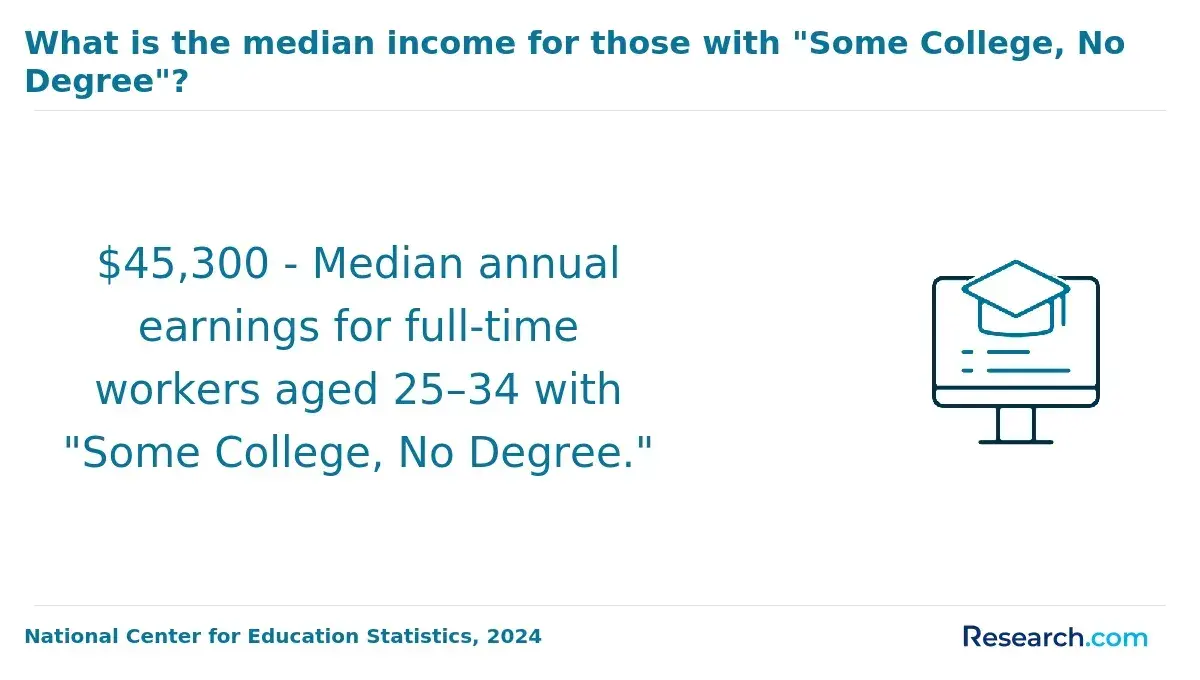
How do salaries and bonus structures compare across finance roles with strong promotion paths?
Compensation in finance roles with promotion potential varies widely, contingent on the specific responsibilities and industry context. Financial managers, for instance, command a median annual salary of $166,050, more than triple the U.S. occupational median, reflecting an expectation for leadership in budgeting and strategic decisions. Their pay frequently includes significant performance-based bonuses linked directly to company profitability, a structure less common in entry-level roles such as financial analysts or accountants, where bonuses tend to be modest and tied to narrower targets like compliance or departmental budgets.
The salary comparison for finance roles with promotion potential reveals a clear tradeoff: early career positions provide incremental base salary growth and limited bonus increases-often 10%-15% annually-but require continuous skill development to access the upper salary bands tied to strategic oversight. Transitioning from a staff accountant to a financial manager demands proficiency in analytics, cross-functional leadership, and rapid decision-making under pressure, skills that drive eligibility for expanded bonus structures seen in sectors like pharmaceuticals, energy, or financial services.
Understanding bonus structures across top finance promotion careers is essential for aligning career trajectories with industries that reward both personal and company performance. Public sector roles typically offer steadier but lower bonus opportunities, influencing long-term earnings potential.
For professionals evaluating educational investments to support such career moves, considering options like an MBA under 10k may offer practical value by balancing cost against the skills gap necessary for higher-level finance roles.
Which early-career finance jobs are best launchpads for executive and leadership positions?
Early-career roles in finance that effectively prime individuals for executive leadership are notably specialized rather than generic. Treasury analyst managers exemplify this, with a projected 3.6% salary increase in 2026 surpassing the overall 2.1% rise for finance roles, indicating heightened employer demand for skills in liquidity management and capital structure optimization. These competencies are crucial for trajectories toward CFO and treasury director positions. This demand creates a distinct pathway in finance jobs as pathways to executive positions, where expertise directly influences key financial outcomes rather than simply generating reports.
For instance, a treasury analyst in manufacturing who masters short-term funding strategies can materially impact a company's cost of capital, positioning themselves as indispensable for financial strategy leadership. Conversely, corporate financial analysts in technology often gain promotion momentum through budgeting and FP&A roles that enhance cross-departmental visibility, illustrating divergent operational pathways within early career finance roles with leadership potential.
Key tradeoffs exist between deep specialization and rotational breadth. Treasury analysts gain niche skills but may require lateral moves for broad exposure necessary for CEO aspirations. Employers increasingly expect candidates to complement experience with technical certifications and fluency in treasury software, regulatory environments, and macroeconomic risks. For professionals seeking a strategic shift, options such as an online eMBA can integrate technical proficiency with leadership development, offering a pragmatic route to complex finance roles.
How do online vs. campus finance degrees impact promotion prospects and employer perception?
Employers consistently favor campus finance degrees over fully online formats when evaluating promotion potential, particularly in mid- to senior-level finance roles. This preference stems from the perceived advantages of campus programs, including robust networking, direct faculty mentorship, and verified internship experiences-factors that build credibility and practical skills valued in internal promotions. For instance, compliance director candidates with campus degrees frequently present hands-on compliance project experience, a key differentiator in roles expected to see a 3.3% salary increase from 2025 to 2026, reaching a $164,750 midpoint according to the Robert Half 2026 Salary Guide.
Online finance degrees provide essential flexibility for professionals balancing work and study, but they face skepticism regarding engagement depth and peer interaction. In regulated sectors such as compliance and risk management, hiring managers often demand hybrid or accredited validation to view online degrees as equally rigorous. Such doubts can postpone advancement or necessitate additional certifications to address perceived gaps.
Practical strategies for online degree holders include securing targeted internships, obtaining professional certifications, and demonstrating leadership within their organizations to strengthen employer confidence. Conversely, campus graduates often capitalize on alumni networks and institutional partnerships for accelerated career growth in areas like capital markets or corporate finance. Decision-makers must weigh immediate work experience access against the reputational premium and contextual training inherent in campus learning environments.
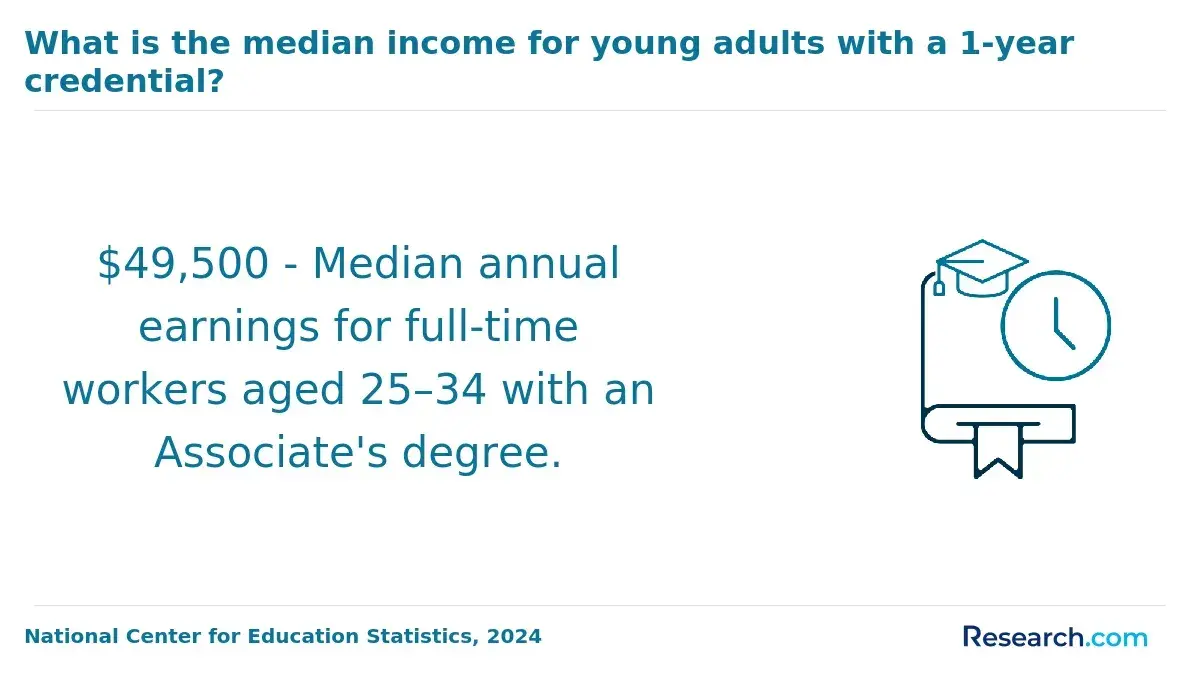
What certifications most improve promotion potential in corporate finance, banking, and investment roles?
The CPA, CFA, and CMA certifications target distinct Finance roles with significantly different career implications. For professionals aiming at corporate finance or leadership roles tied to financial reporting and regulatory oversight, the CPA credential is often indispensable, given its alignment with audit and compliance functions. Conversely, the CFA appeals primarily to those in investment banking and asset management, where deep mastery of investment analysis and portfolio management directly correlates to compensation structures influenced by bonuses-industry data from Glassdoor, referenced by Coursera, cites investment bankers' total pay reaching $392,853, underscoring CFA's value in high-stakes, deal-driven environments.
Cost and time investments differ markedly: CFAs face over 300 study hours per exam with up to three levels, while CPA candidates must fulfill strict state licensing and experience mandates. Beyond certification, combining technical skills like financial modeling and data analytics is increasingly critical to improve promotion prospects. Certification alone, without application and technology fluency, may limit advancement in competitive Finance sectors.
How do job outlook and industry demand influence promotion opportunities in different finance sectors?
Promotion prospects within finance sectors closely correlate with industry growth patterns, shaping how organizations distribute leadership opportunities. High-growth areas like personal financial advising demonstrate accelerated internal mobility due to increased demand, broader client acquisition, and subsequent openings at senior advisory levels. The U.S. Bureau of Labor Statistics forecasts double-digit employment growth for personal financial advisors by 2026, creating a distinctly wider promotion funnel compared to slower-expanding sectors.
Conversely, mature or contracting finance domains such as traditional banking operations face stagnant or shrinking workforces, which limit vertical advancement. In these contexts, career progression often relies on lateral skill diversification or cross-functional expertise rather than straightforward hierarchical moves.
Consider a financial analyst specializing in renewable energy finance amid rapid sector expansion; this professional encounters more frequent managerial opportunities than a counterpart in commercial banking, where consolidation narrows advancement paths. Employers in expanding sectors prioritize candidates with adaptable certifications and skills matching emergent business needs, recognizing readiness for promotion beyond mere tenure. Aligning educational pathways with sector-specific labor forecasts facilitates strategic decisions that better reflect real-world employability and realistic advancement possibilities.
What skills and competencies do employers prioritize when promoting finance professionals?
Technical proficiency in data analytics tools like Python, R, and SQL has shifted from a supplementary skill to a baseline requirement in finance roles centered on automation and predictive modeling. This evolution particularly impacts fintech and quantitative finance sectors, where strategic decisions rely heavily on these competencies. Employment growth of about 1% annually between 2018 and 2023, totaling 7,605,892 workers in 2023, signals sustained demand for such skill sets, as reported by 365 Financial Analyst.
Promotion patterns increasingly favor professionals who fuse core finance skills-including financial modeling, risk assessment, and regulatory knowledge-with broader business strategy understanding. For instance, employees in corporate finance within manufacturing companies who align cost analysis with operational contexts outperform those who limit themselves to raw data reporting, illustrating the value of applied insight over isolated technical ability.
Beyond technical mastery, advancement hinges on soft skills like stakeholder communication, negotiation, and leadership. These capabilities enable professionals to translate complex financial data into actionable narratives, making them indispensable in cross-functional collaboration and executive decision-making.
Continuous skill development, such as earning certifications in ESG investing, is a real-world necessity in commercial banking and other finance areas adapting to regulatory and societal shifts. Strategic time management and learning investment become critical to maintain relevance and promotion eligibility in a dynamic job market.
How can prospective students evaluate accredited finance programs that align with rapid advancement goals?
Accreditation and program relevance directly impact the viability of finance education for rapid role advancement, especially for emerging positions like senior business intelligence analyst. This role anticipates a 3.5% salary increase to a midpoint of $111,750 between 2025 and 2026, notably exceeding average finance and accounting growth as detailed in the Robert Half 2026 Salary Guide. Selecting programs accredited by regional or specialized business bodies ensures that curriculum rigor meets employer expectations and facilitates measurable career momentum.
Practical skill acquisition is paramount; programs that integrate analytic tools such as SQL, Python, and cloud data platforms provide competencies that align with hiring trends and promotion criteria. Without this targeted training, even finance professionals with traditional degrees may face stagnation amid market competition.
Balancing program length against skill depth is critical. Intensive, focused programs can enable quicker role transitions than traditional multi-year degrees, whose extended timelines may delay tangible workforce benefits. Aligning educational choices with detailed workforce analysis and personal career timelines maximizes the chances of securing promotions tied to these evolving financial roles.
What typical career ladders and timelines exist for advancement in major finance specialties?
Promotion timelines in finance specialties consistently reflect employer risk aversion and the need for demonstrated impact rather than rapid title changes. Corporate finance professionals often spend four to six years advancing from analyst to senior roles, with an additional five to seven years needed to reach director or VP levels. This slow progression is partly due to companies promoting roughly 8% of employees annually, making upward mobility highly competitive. Investment banking compresses early stages into roughly five years before VP, yet advancement at senior ranks rests heavily on deal outcomes and client success, which can considerably delay promotions.
Risk management progression is notably slower, as specialized expertise and fewer openings require compliance officers and risk analysts to remain in entry-level roles for up to five years before managerial promotion. Accounting advancement also demands a long-term commitment-typically 6 to 10 years-to reach executive status, with professional certifications such as CPA or CMA often extending this timeline.
SHRM data illustrates that employees now average 48.6 months per role, over a year and a half longer than in years past. This reflects employers' preference for proven competencies and the premium placed on pay increases averaging 9.2% per promotion. Consequently, candidates must strategically build project leadership, financial modeling capabilities, and cross-functional skills while factoring in the persistent bottleneck of limited promotion quotas.
Other Things You Should Know About Finance
The CFA charter is the strongest credential for investment analysis and portfolio roles, while the CPA is most valued in accounting, controllership, and corporate finance. In banking, the Series 7 and Series 63 support licensed client-facing work. Many employers also favor an MBA for senior-track promotions.
Promotion decisions in fast-paced finance roles increasingly reward professionals who combine technical expertise with business acumen. Specializing exclusively in technical skills risks limiting advancement to narrow roles, while broad knowledge facilitates strategic decision-making and leadership roles. Prioritize gaining deep technical skills first, then expand into cross-functional business experience to improve promotion prospects.
Employers demand continuous skill development due to rapidly evolving regulations, technologies, and market conditions. Professionals who actively pursue relevant certifications, stay current with regulatory changes, and adapt to new financial technologies demonstrate readiness for higher responsibility. Prioritizing learning that aligns directly with your employer's current challenges improves promotion likelihood over pursuing unrelated or overly academic programs.
References
- Higher Education Redefined: Strategic Advice for Financial Planners https://www.financialplanningassociation.org/learning/publications/journal/FEB25-higher-education-redefined-strategic-advice-financial-planners-OPEN
- Best Careers in Finance: Top Roles & Pay https://ascendurepro.com/best-careers-finance-top-roles-pay/
- your ultimate guide to trending finance skills in 2026 https://www.randstad.ca/job-seeker/skills/top-skills-finance-2026/
- ROI of student success programs: Strategies for maximizing impact https://www.insidetrack.org/blog/maximizing-roi-on-your-next-student-success-initiative
- Jobs | Global Leadership Development Program - Finance https://www.aptiv.com/en/jobs/students/leadership-development-programs/finance-leadership-development-program
- How to transition into a finance career with no experience | Kaplan UK https://kaplan.co.uk/blog/careers/how-to-transition-into-a-finance-career-with-no-experience
- Why Student Financing Must Align with Outcomes - Fierce Outcomes https://fierceoutcomes.com/thought-leadership/why-student-financing-must-align-with-outcomes/
- 12 Higher Ed Challenges in 2025 and Exemplars Solving Them https://changinghighered.com/higher-ed-challenges-2025-solution-examples/
- Top 10 jobs for finance majors and who’s hiring | Handshake https://joinhandshake.com/blog/students/top-jobs-for-finance-majors/
- 10 Finance Professional Skills Recruiters Want | Masterson Staffing https://www.mastersonstaffing.com/blog/10-financial-service-professionals-skills/