2027 Finance Salary by State Report

Co-Founder and Chief Data Scientist
Mid-career finance professionals face mounting pressure to relocate or upskill in response to disparate salary ranges across states, which can dramatically influence lifetime earnings and job stability. According to the Bureau of Labor Statistics, remote work adoption in finance sectors grew by over 60% since 2023, enabling some to bypass geographic constraints but creating new challenges in evaluating compensation fairness and cost-of-living trade-offs.
This dynamic complicates decisions about whether to pursue additional credentials or relocate. This article examines current salary disparities in finance across states, providing actionable insights to optimize career decisions based on location-specific earning potential and mobility factors.
Key Things You Should Know
- Mid-Atlantic states report 12% higher median finance salaries than the national average, creating regional competitor pressure that incentivizes targeted upskilling investments within local financial hubs, according to 2024 BLS wage data.
- Employers in states with emerging fintech sectors prioritize candidates with hybrid finance and technology credentials, shifting hiring emphasis away from classical finance-only backgrounds, impacting workforce sourcing strategies.
- States lacking accredited advanced finance programs see a 15% slower career progression rate due to limited access and delayed credential completion, prolonging time-to-promotion as shown in recent NACE employment outcome surveys.
What is the average finance salary by state and which states pay finance professionals the most?
Salary variation for finance professionals by state directly affects strategic career moves, demanding a balance of compensation, cost of living, and role availability. While the U.S. average across all occupations sits near $63,795 annually, states with the highest finance salaries-such as New York, California, and Massachusetts-offer pay exceeding $95,000, approximately 30% to 50% above the national mean. This disparity shapes practical decisions: a mid-level financial analyst earning $98,000 in New York may face steep living expenses but gains access to specialized fields like investment banking, unavailable in lower-paying regions.
In contrast, states such as Texas offer average finance salaries around $75,000 with lower living costs, but this is accompanied by fewer senior roles and less competitive bonus structures. Washington and Illinois provide intermediate salary profiles ($80,000 to $90,000), reflecting diverse regional banking and corporate centers. Conversely, markets like West Virginia or Mississippi remain between $55,000 and $65,000, offering entry points but limited advancement.
These differences emphasize that weighing geographic salary data is essential for professionals considering education routes, such as a shortest MBA program, which can accelerate qualification for higher-level roles but may involve tradeoffs in depth and networking opportunities.
For practical career planning, understanding average finance salary by state helps clarify how specialization, market size, and local economies influence wages-and how such realities intersect with credential choices, mobility, and long-term growth potential.
How do finance salaries compare across major job titles like analyst, manager, and CFO in each state?
Salary variations within finance by job title and state significantly influence career decisions and geographic mobility. For example, financial analysts earn between $60,000 and $90,000 annually in most states, but metropolitan areas such as New York, California, and Massachusetts offer higher compensation reflecting concentrated industry demand. This variation in statewide finance salary differences for analysts managers and CFOs particularly affects candidates weighing entry versus leadership roles across regions.
Managers benefit from wages typically ranging between $110,000 and $160,000, with the upper end more accessible in states with robust financial sectors. Chief Financial Officers illustrate even sharper disparity: New York CFO salaries often exceed $250,000, whereas less economically diverse states hover closer to $150,000. These differences relate directly to company scale, local market dynamics, and cost of living, impacting long-term career viability and earning potential.
Financial professionals considering transitions or advancement must balance these salary gradients against practical factors like living expenses and growth opportunities. For instance, while emerging markets may offer promising analyst roles, wage progression can be slower than in finance hubs. Meanwhile, executives seeking strategic roles often prioritize states with dense financial institutions and corporate headquarters.
A thoughtful approach includes aligning educational investments with realistic labor market expectations. Exploring online MBA programs that accept transfer credits can provide flexible upskilling that adapts to shifting regional demands and career timelines.
Mapping finance salaries by job title and state comparison requires evaluating both immediate compensation and longer-term career progression within local economic contexts.
How do cost of living and taxes affect real take-home pay for finance careers by state?
Nominal salaries in finance roles vary widely by state but offer a misleading picture unless adjusted for cost of living and tax burdens. High-paying states like New York impose heavy housing, transportation, food, and especially progressive state income taxes exceeding 9%, which markedly erode disposable income. Mississippi, contrastingly, reports a mean annual wage for financial managers barely half that of New York, but its significantly lower living expenses and tax rates partially offset this gap in real purchasing power. This dynamic is critical for finance salary variations by state living costs.
Career decisions based solely on gross income risk overlooking how tax impact on finance careers across states and local expenses shape take-home pay. While relocating to lower-cost states increases immediate disposable income, it may restrict access to premier networking, specialized skills development, and complex financial instruments typically rewarded in competitive markets.
Prospective finance professionals should quantify the trade-offs by factoring in state and local taxes, housing, and commuting costs alongside salaries. This calculation informs not just immediate financial comfort but long-term career capital accrual.
For students evaluating educational pathways, pursuing cost-efficient credentials can lighten financial barriers without sacrificing employability. Resources like the cheapest online accounting degree provide practical options that balance affordability and market relevance.
What education and degree levels lead to higher finance salaries, and do they matter by state?
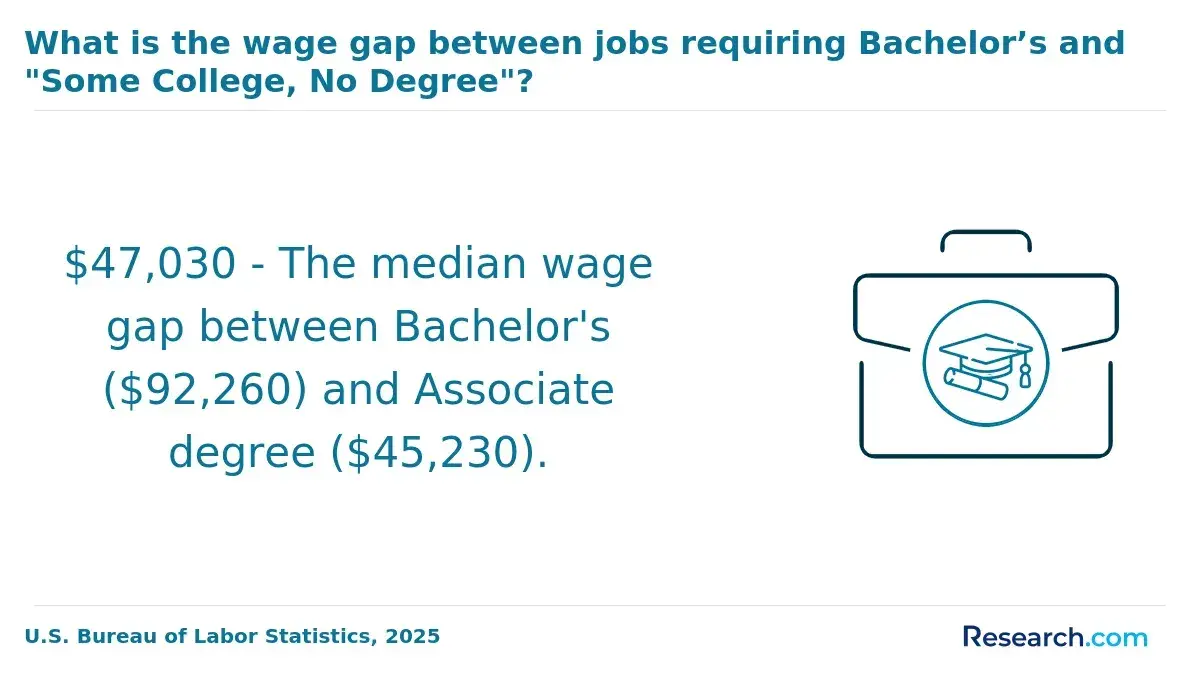
Achieving significantly higher salaries in finance roles requires more than an undergraduate degree, especially when considering education requirements for higher finance salaries by state. Employer expectations in major financial hubs like New York and New Jersey emphasize advanced analytical skills, leadership, and risk management, often accessed through master's degrees such as an MBA with a finance focus. Data consistently show a 15% to 25% salary premium for finance professionals holding master's credentials compared to those with only bachelor's degrees.
Geographic location amplifies these degree level impacts on finance salary differences across states. For example, top-paying states for financial managers, including New York, New Jersey, and Delaware, all exceed $200,000 in mean annual wages, reflecting the synergy between robust financial markets and advanced educational qualifications. Conversely, states in the South and Midwest with smaller financial sectors often cap salaries around 20% lower, making it essential to tailor education and certification paths regionally.
Students and professionals must balance the cost and time of graduate programs against state-specific industry demand. In emerging markets or smaller financial sectors, obtaining relevant certifications or associate degrees with solid experience may provide sustainable entry without the premium of graduate education. Those targeting specialized roles in acquisitions or fintech should consider a master's degree combined with credentials like CFA. For those exploring options, evaluating the easiest MBA programs to get into can be a pragmatic starting point in navigating advanced finance education pathways.
How do online finance degrees compare with on-campus programs for salary outcomes by state?
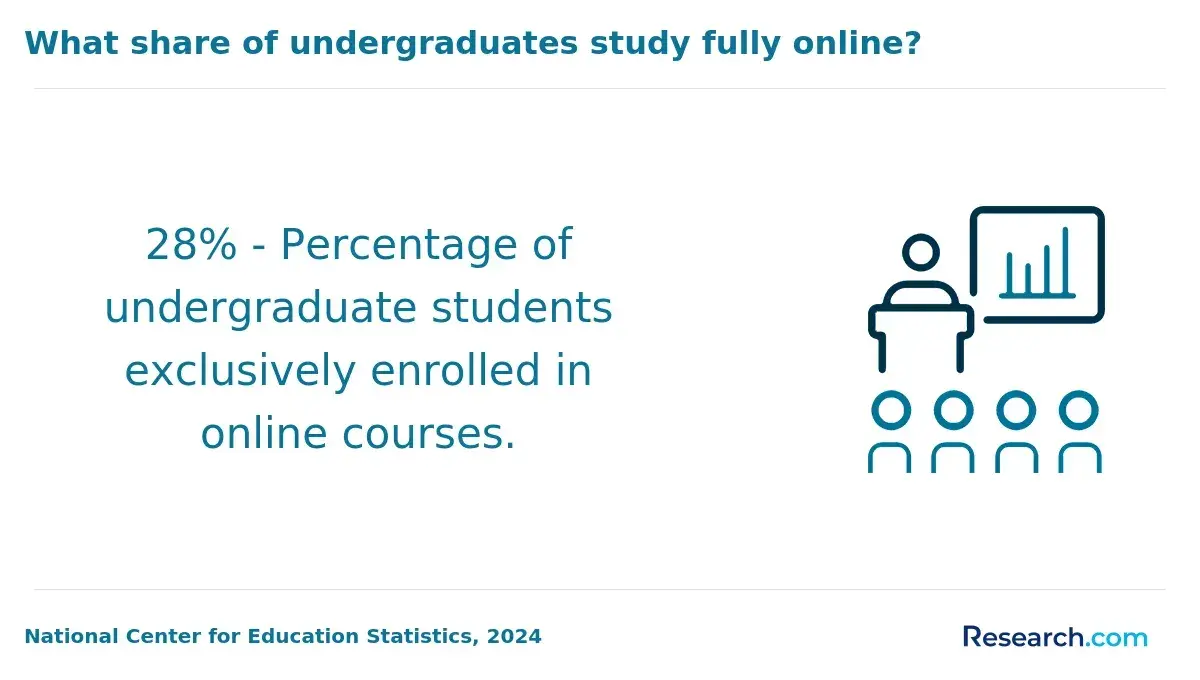
Salary outcomes for online finance degrees vary significantly by region, shaped by employer preferences and local industry strength rather than degree modality alone. In states like California and New York, on-campus degrees from prestigious institutions often command a 5-10% higher starting salary, reflecting strong ties to Wall Street and tech finance hubs. Conversely, states such as Texas and Florida, with dispersed finance sectors and sizable remote workforces, show near parity between online and on-campus graduates.
Financial managers earn a mean annual wage of $174,820 compared to the U.S. average of $59,428, signaling that demonstrated competence and experience outweigh the formal delivery method of education. For example, a financial analyst in Illinois with an online degree plus two years of internship experience may earn more than a new on-campus graduate lacking practical exposure. This practical experience often weighs heavier in hiring decisions than where or how the degree was earned.
Students should also weigh state-specific licensing demands such as CFA or CPA certifications, as online programs integrating exam preparation can provide an advantage. Ultimately, credential recognition, internship opportunities, and regional market dynamics shape salary impacts more than the online label itself.
Which finance certifications and licenses most increase earnings, and do requirements vary by state?
Holding CPA and CFA credentials consistently correlates with a 20-40% salary increase over baseline roles, but the path to leverage these certifications varies by state and sector. While CPA exams require specific college credits and state board approval, the CFA demands rigorous testing with no licensing, making it universally portable yet demanding in work experience. The CFP license, tied to state registration and ongoing compliance, better serves personal advisory roles with median incomes surpassing $120,000 in certain markets.
State-specific rules impact both exam access and post-certification earnings. For example, a financial manager in New York may realize higher adjusted income than a similarly credentialed counterpart in Texas due to licensing hurdles and economic factors. The median finance manager wage nationally stands at $156,100, about 2.5 times the median full-time worker's salary, but regional regulatory variation can defer or diminish income gains.
Professionals must weigh exam fees, continuing education, and potential licensing delays, especially where state mandates raise entry barriers. Industry context matters too: CPA and CFA certifications yield highest returns in investment banking and corporate finance, whereas insurance roles rely more heavily on state sales licenses. Practical choice depends on aligning credentials with state regulations, sector demands, and realistic timelines for return on investment.
What is the job outlook for finance majors, and which states have the strongest demand?
Growth in finance-related employment is concentrated unevenly across the U.S., making geographic choice a pivotal factor for degree holders. While national employment for financial managers is expected to increase by 16% from 2022 to 2032, certain states-such as Texas, Florida, and Arizona-project more than 30% growth fueled by population booms and financial sector relocations. Graduates targeting these hubs can pursue roles in diverse areas like banking operations in Houston, investment consulting in Miami, or corporate financial planning in Phoenix.
Conversely, states with slower economic shifts may present fewer opportunities, compelling candidates to explore niche sectors such as healthcare finance or remote positions, which often require specialized expertise or adaptability to less visible labor markets. Finance majors must weigh the tradeoffs between a competitive, high-growth environment demanding certifications like CFA or CPA versus the relatively stable but limited openings in other regions.
Employers prioritize quantitative skills and proficiency with advanced analytical software, making credentials and up-to-date education critical differentiators. Strategic planning to align educational investments with regional market realities and sector-specific demand can mitigate friction in career transitions or advancement. This nuanced landscape requires candidates to assess local economic conditions, certification costs, and sector stability rather than relying solely on generic job growth projections.
How much do entry-level finance jobs pay by state, and which markets are best for new graduates?
Entry-level finance salaries in 2026 exhibit clear regional disparities shaped by metropolitan concentration and cost-of-living differences. Major financial hubs like New York, California, and Massachusetts command starting salaries often exceeding $65,000, while many Midwestern and Southern states offer $45,000 to $55,000 ranges. This gap reflects localized institutional density and economic structure, which influences early-career compensation potential.
Remote and hybrid models have introduced nuance to this landscape. According to Robert Half's 2026 Finance & Accounting Salary Guide, 44% of finance leaders intend to raise pay targeting remote and hybrid employees, particularly diluting geographic pay discrepancies in lower-cost states. For instance, an entry-level accountant based in Texas or Arizona working remotely for a New York firm can earn near $60,000, a substantial increase over local norms.
For new graduates weighing financial roles, the decision involves balancing higher nominal pay in financial hubs against the emerging remote premium that expands salary opportunities in traditionally lower-paying regions. The practical impact on career trajectory, mentorship access, and networking remains a pivotal consideration beyond compensation.
How can prospective students evaluate accredited finance programs that align with salary and career goals?
Choosing a finance program requires a detailed assessment of accreditation, graduate outcomes, and local labor dynamics to align with precise career objectives. For example, students targeting corporate finance roles in technology hubs face tradeoffs between higher starting salaries and costlier living or competitive markets. Programs accredited by recognized bodies like the U.S. Department of Education or CHEA guarantee a baseline curriculum rigor preferred by employers and enhance credential credibility.
Wage data reveals concentration of finance opportunities in specific states, but gender and racial pay gaps remain significant. Nationwide, full-time women earn about 83% of men's median weekly earnings in finance, with disparities intensifying in well-paying states. This disparity can impact salary negotiations and long-term career growth, necessitating scrutiny of admissions and graduate outcomes for equitable salary attainment.
Employers increasingly value technical proficiency, practical experience, and professional certifications over theoretical knowledge alone. Programs integrating internships, real-world projects, or partnerships with finance firms provide essential hands-on exposure. For example, programs emphasizing financial modeling and data analytics can better prepare students for sector-specific demands.
What tuition, fees, and student debt levels are typical for finance degrees, and how do they compare to salary by state?
Cost and salary trajectories significantly shape the value equation for finance degrees across U.S. states. While public in-state tuition can be manageable-around $9,000 annually-private institutions often surpass $35,000, leading to debt burdens between $25,000 and $35,000 at graduation. States like New York and California offer starting salaries near $70,000-$80,000, but this potential is tempered by elevated education costs and living expenses. In contrast, Midwestern states such as Ohio and Indiana maintain tuition under $12,000 with starting salaries near $55,000, favoring those who prioritize lower debt over peak initial earnings.
Regional salary growth compounds these disparities: the Robert Half 2026 Finance & Accounting Salary Guide projects an average 2.1% annual salary increase nationwide, with specialized roles growing closer to 3-4%, often intensifying state-level compensation differences. Practical decision-making must therefore weigh upfront costs against long-term financial gains and market demand nuances.
For example, pursuing finance studies in Texas often balances moderate tuition with robust salary growth due to corporate finance hubs, whereas expensive private programs in slower-growth states can extend repayment timelines and heighten financial strain. Students who factor in localized debt loads, starting salaries, and growth potential can better align their education with realistic workforce outcomes.
Other Things You Should Know About Finance
New York, Connecticut, Massachusetts, California, and Washington usually rank among the highest-paying states for finance jobs in 2027. Large financial centers, higher living costs, and stronger demand for analysts, controllers, and finance managers push average pay above the national median in these states.
Workload intensity and hours vary considerably by finance role and location, with investment banking and private equity demanding the longest hours, often 70+ weekly, especially in major financial hubs like New York and California. Roles in corporate finance or public sector finance tend to offer more predictable schedules and better work-life balance. Job seekers must prioritize these factors alongside salary, particularly when moving to states where high pay accompanies heavy workloads and minimal flexibility.
Programs with robust employer networks in your target state typically yield better job placement and salary outcomes than nationally ranked programs with minimal local ties. Employer connections ensure access to internships and networking that translate into offers, especially in finance markets heavily reliant on relationships. Prioritize institutions known for pipelines into local finance industries over prestige if immediate employment and return on education investment are essential.
State-specific licensing and compliance rules, such as securities licensing or insurance certifications, directly affect the ability to perform particular finance functions and access certain job roles. Navigating these requirements can delay job eligibility and add costs but are necessary for advancement, especially in advisory or broker positions. Professionals should research state mandates early and factor them into career planning, as the ease or difficulty of obtaining credentials varies widely and influences employment decisions.
References
- The CFO Salary Benchmark 2025 - Download the Report https://www.cfoconnect.eu/resources/reports/cfo-salary-benchmark-2025-download/
- High-Demand Finance Careers ConnectComm https://connectcomm.net/connectcomm/high-demand-finance-careers/
- Student Loan Debt Statistics [2026]: Average + Total Debt https://educationdata.org/student-loan-debt-statistics
- Best Finance Degrees Online | Accounting.com https://www.accounting.com/degrees/finance/bachelors/best-online-programs/
- Show Me the Money: Finding Career Avenues With a Finance Degree https://www.ucumberlands.edu/blog/finding-careers-in-finance-with-a-finance-degree
- Chief Financial Officer Jobs vs. Managing Director Jobs (Exciting, or no?) https://mergersandinquisitions.com/chief-financial-officer-jobs/
- How applied finance can boost your career goals | Kaplan Professional https://www.kaplanprofessional.edu.au/blog/how-applied-finance-courses-can-boost-your-career-goals/
- 20 Best Entry Level Jobs in Finance https://zoetalentsolutions.com/entry-level-jobs-in-finance/
- What is the typical debt load for graduates of four-year public universities - APLU https://www.aplu.org/our-work/4-policy-and-advocacy/publicuvalues/student-debt/
- 2026 Accounting and Finance Salary Guide https://www.cbh.com/services/staffing-hr/recruiting-staffing-services/salary-guides/accounting-and-finance-salary-guide/