2027 Best Online Finance Programs for Professionals Seeking Investment Analysis Careers

Co-Founder and Chief Data Scientist
Mid-career professionals seeking to transition into investment analysis face a dual challenge: mastering complex financial models while managing full-time work and personal commitments. The traditional classroom creates timing and location conflicts, limiting access to programs that offer rigorous, up-to-date curricula. Recent data from the U. S. Department of Education shows a 17% annual increase in online enrollments among adults aged 25 and older, signaling a shift toward flexible learning but also intensifying competition for accredited, result-driven programs. This article identifies the best online finance programs focused on investment analysis, providing actionable guidance to navigate these constraints and optimize career advancement opportunities.
Key Things You Should Know
- Investment analysis programs focusing on quantitative modeling outpace traditional curricula, with CFA-aligned content driving 15% higher employer demand, signaling a necessity to prioritize STEM-based finance skills despite longer completion times.
- Employers in top U.S. financial hubs report 40% preference for candidates from programs integrating real-time market simulation tools, intensifying the gap for graduates from theory-heavy online offerings.
- Average tuition for accredited online investment programs rose 8% from 2023 to 2025 per NCES data, creating a cost-access tradeoff where shorter, certificate-based credentials often yield faster ROI for career switchers.
What is an online finance degree for investment analysis, and who is it best suited for?
Choosing an online finance degree tailored for investment analysis requires weighing the immediate applicability of technical skills against theoretical foundation. Programs focused on financial modeling, portfolio management, and securities valuation fit professionals seeking to pivot into investment analysis or advance within corporate finance. For instance, a corporate accountant transitioning careers must prioritize offerings with hands-on data analysis and tools like Excel, Bloomberg Terminal, or Python to meet employer expectations for swift, practical contributions.
The best online finance programs for investment professionals prioritize quantitative analysis, risk assessment, and regulatory frameworks. Yet, these degrees vary in practical exposure, so scrutinizing program accreditation and alumni outcomes in investment roles becomes essential. Candidates must also plan for industry licensing such as the CFA charter, which remains critical for competitive differentiation amidst an 8% projected employment growth for financial analysts through 2033.
Students comfortable with self-directed remote learning benefit most from online formats, while those seeking immersive networking and mentorship may find traditional programs more aligned with their needs. Decision-makers should weigh skill gaps, learning environment preferences, and integration of experiential learning aligned with job demands to optimize career impact.
Working professionals shopping for financial degrees might also evaluate options beyond investment analysis, including programs like this online MBA entrepreneurship degree, which could complement finance expertise in broader business contexts.
How do online finance programs prepare graduates specifically for investment analyst and related roles?
Online finance programs that develop practical skills for investment analyst careers must balance technical training with applied market understanding to meet realistic employer demands. Graduates enter roles requiring proficiency in valuation, portfolio management, and risk assessment-skills best honed through real-world case studies and simulations that mimic fast-moving trading environments. This hands-on approach responds directly to the operational pace and decision-making pressure investment analysts face daily.
Programs integrating advanced Excel, Python, and statistical tools equip students to handle large datasets and develop algorithm-driven strategies. Such competencies address the growing workforce expectation for automation and predictive analytics capabilities, especially crucial for those pivoting from unrelated fields where a technical skills gap often blocks entry or advancement. This role of online finance education in preparing graduates for investment analysis and portfolio management is particularly vital amid evolving industry technology requirements.
Successful candidates must also demonstrate a solid grasp of compliance elements-regulatory frameworks, financial reporting standards, and macroeconomic factors impacting diverse sectors like healthcare or energy finance. This breadth helps analysts tailor investment recommendations to varying industry dynamics rather than offering generic solutions.
Considering that investment banking and related securities roles command a mean annual wage of roughly $109,000 according to the University of Minnesota's 2024 finance career roundup, prospective students must evaluate program cost and curriculum relevance carefully. Those weighing options can find detailed comparisons through most affordable online MBA programs, which helps align educational choices with concrete financial and career outcomes.
What types of online finance degrees support investment analysis careers (bachelor's, master's, MBA, certificates)?
A bachelor's degree in finance or economics often functions as a necessary quantitative foundation for entry-level investment analyst roles but tends to restrict long-term progression without supplemental experience or credentials. Employers typically view bachelor's programs as sufficient for junior analyst or assistant positions but expect additional qualifications for advancement. This dynamic shapes how professionals approach educational investments, especially when evaluating bachelor's and master's degrees in finance for investment analysis careers.
Master's degrees in finance or financial engineering provide specialized skills in modeling, risk assessment, and data analytics aligned with higher complexity roles such as risk analysts, where salary benchmarks approximate $87,951 annually. These degrees increase competitiveness in a market that values quantitative depth and technical acuity beyond undergraduate preparation, making them a strategic choice for professionals seeking technical rigor rather than broader management skills.
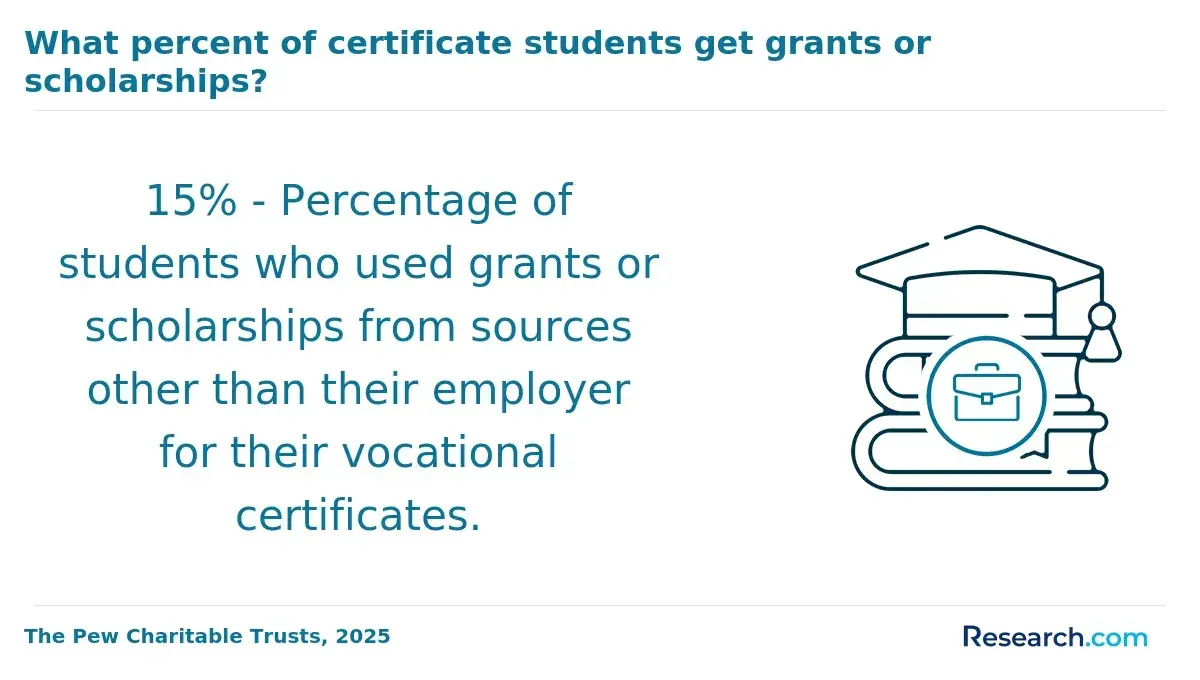
Alternatively, online MBA and certificate programs in finance for investment professionals emphasize managerial aptitude and client-facing competencies. An MBA targets those pursuing leadership within investment firms, while certificates act as focused skill enhancements for working professionals who cannot commit to full degrees. However, certificates rarely substitute formal degrees as primary credentials and mainly serve to supplement existing expertise.
Choosing the optimal educational path depends on career goals and current experience. For example, a mid-career accountant aiming for risk analysis would benefit more from a master's in finance than an MBA due to the technical skill emphasis. Workers exploring transitions from corporate finance to asset management might find certificates valuable as a bridge. Additionally, prospective students should assess practical program access and resource constraints, using credible resources such as accounting programs online to evaluate options.
How do online finance programs compare with on-campus programs for investment analysis training and credibility?
Employer priorities in investment analysis roles often highlight a critical difference between online finance programs versus on-campus programs for investment analysis training: networking and applied skill validation. Online programs increasingly incorporate simulators and real-time data, enabling mastery of technical competencies such as valuation and portfolio management, aligning well with investment analysis program credibility in online and traditional finance education. Yet, on-campus programs still offer superior access to internships, live case competitions, and industry events that provide evidence of teamwork and client interaction skills highly valued in financial management and CFO tracks.
Professionals aiming to break into client-facing roles, especially in private equity or corporate finance, may find on-campus immersion in financial centers and face-to-face mentorship indispensable for smoother transitions. Conversely, working professionals seeking to upgrade skills without interrupting their careers may prefer online options but must supplement with virtual internships or certifications to offset networking deficits.
Decision factors include:
- Immediate access to internships and employer recruitment events-stronger on campus.
- Flexibility to balance work and study-stronger online.
- Skill validation through team projects and live presentations-more common on campus.
- Availability of experiential tools like trading simulators-improving in quality for online programs.
Students should also consider exploring cross-disciplinary alternatives such as the best medical assistant programs if their career goals lie outside of traditional finance roles. Ultimately, decision-making must weigh technical training equivalency against the networking and real-world experience that drive hiring in top-tier investment analysis careers.
What accreditation and institutional quality standards should online finance programs meet for investment analysis careers?
Investment analysis roles demand candidates from programs with both regional and programmatic accreditation, primarily to ensure the curriculum aligns with rigorous industry standards. Regional accreditation from agencies such as MSCHE, NWCCU, or HLC guarantees institutional credibility and credit transferability, but employers specifically prioritize programs accredited by AACSB for their emphasis on research, quantitative methods, and ethics. Without such accreditation, graduates frequently face challenges applying advanced financial modeling, risk management, and regulatory compliance skills in practical settings.
For professionals transitioning mid-career into investment analysis, selecting an accredited program reduces the likelihood of investing in outdated or insufficient coursework that limits job market competitiveness. The projected 20% growth in financial examiner roles, according to the U.S. Bureau of Labor Statistics, heightens competition for candidates with practical experience, including case studies or capstone projects tailored to compliance environments. Programs lacking these components place graduates at a disadvantage when employers expect immediate contributions within regulated frameworks.
Additional factors influencing employability include a program's recognition by credentialing bodies such as the CFA Institute, facilitating accelerated certification essential for many regulatory and investment oversight positions. Students should also consider faculty expertise and networking opportunities, which significantly affect access to real-world experience and job placement within finance roles requiring compliance acumen.
What core courses and technical skills do top online finance programs include for aspiring investment analysts?
Proficiency in financial modeling and quantitative analysis defines top online finance programs for investment analysts more than traditional coursework. Employers expect candidates who can interpret complex data and apply econometrics alongside robust accounting skills-essential for roles demanding precision, such as equity valuation or risk assessment in fixed-income portfolios. The integration of programming languages like Python or R into curricula addresses the growing reliance on automation and algorithmic analysis, a shift that often distinguishes successful analysts in competitive markets.
Risk management training focuses on scenario analysis and stress testing, practical for anticipating market shocks across banking, insurance, and public-sector budgeting. Graduates must navigate compliance and ethical standards rigorously, reflecting the regulatory intensity of investment environments.
Real-world application challenges students to simulate portfolio adjustments or conduct due diligence under time constraints, reflecting the pressure and decision complexity analysts face. Mastery of Excel remains foundational, but fluency in computational tools adds indispensable flexibility. Consider these tradeoffs when selecting a program: prioritizing technical skills may come at the expense of deep qualitative judgment practice, yet both are crucial depending on whether you aim for roles in public finance, venture capital, or quantitative research.
What are typical admission requirements, program length, and learning formats for online finance degrees?
Admission criteria for online finance degrees increasingly balance academic credentials with relevant experience, reflecting employer expectations for applied skills over theoretical knowledge alone. While a bachelor's degree-often in finance, economics, or business-is standard, programs may admit candidates from diverse academic backgrounds if foundational coursework is completed. Competitive tracks may still require GRE or GMAT scores, particularly for scholarship consideration, though test requirements are loosening overall. Professionals with one to three years in finance or analytics often find admissions eased and better alignment with workforce demands.
Program durations vary significantly, from accelerated 12-month master's options suited for working professionals to part-time pathways extending beyond 30 months, which prioritize flexibility without sacrificing rigor. Bachelor's programs online typically require three to four years, though credit for prior learning can shorten this period.
Course delivery leans on asynchronous formats supplemented by synchronous sessions focused on real-time case studies and networking, a model accommodating working learners. Emphasis on real-world projects, simulations, and capstone experiences fosters competencies critical in investment analysis, including equity valuation, portfolio management, and risk assessment. Integration of industry tools such as Bloomberg terminals enhances practical readiness.
Employers prioritize candidates demonstrating hands-on portfolio management skills alongside theoretical understanding. According to Indeed, investment analysts earn an average annual salary near $84,337, signaling value in programs that close the gap between academic theory and practical application.
How much do online finance programs cost, and what financial aid options are available for working professionals?
Financial education pricing reflects the market's demanding standards and diverse learner profiles. Certificate tracks cost around $10,000, while comprehensive master's degrees exceed $75,000, with working professionals often weighing these against the salary premium a CFA charter or specialized credentials can offer. For instance, investment analysis certifications priced between $3,000 and $5,000 serve as strategic shortcuts to asset management roles but require balancing immediate expenditure against future employability gains.
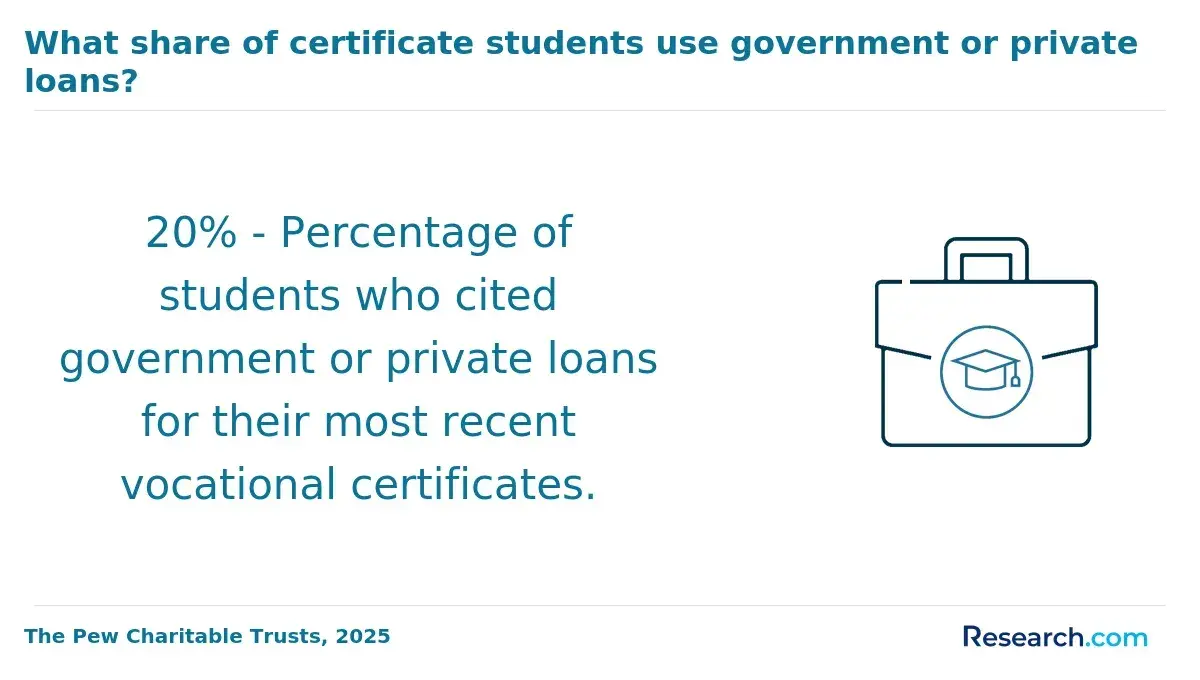
Employer tuition reimbursement frequently provides the most cost-efficient option for mid-career professionals within banks or investment firms. However, candidates without such sponsorship-especially those changing fields or working in smaller companies-must rely on federal loans or merit scholarships, though the latter can be limited or unavailable for short-term certificate programs.
Some investment analysis programs adopt modular pricing with per-course payments to reduce upfront debt, but these shorter courses rarely come with financial aid access. Ancillary expenses like financial modeling software and certification exam fees add $1,000 to $3,000 annually, increasing the real cost burden and requiring careful cash flow management to avoid credit risks.
- Employer sponsorship remains the most economic route to advanced credentials.
- Modular course pricing helps spread costs but limits financial aid eligibility.
- Ancillary costs push the effective expenses beyond tuition alone.
Given that approximately 39% of the UChicago Class of 2026 plan to enter financial services, the competitive pricing landscape reflects both sustained demand and employer expectations for demonstrable financial skills and certifications. Prospective students must scrutinize transparent cost structures tied to realistic earnings and leverage all viable financial aid to optimize their education ROI and career mobility.
What are the main investment analysis career paths, job titles, and work settings for finance graduates?
Investment analysis roles demand a precise alignment of skills and education tailored to their operational context, with four dominant career paths revealing distinct tradeoffs in skill development and workplace integration. Equity research analysts focus on detailed financial evaluations of public companies, producing reports that influence institutional investors. These roles require rigorous analytical capabilities and typically situate individuals within investment banks or brokerage environments, where fast-paced data interpretation and client-driven deliverables prevail.
Portfolio managers, by contrast, wield deeper strategic discretion over asset allocation and investment decisions, often serving asset management firms or private clients. Their proficiency in market dynamics and risk management is honed through advanced quantitative training and practical exposure to portfolio simulations, highlighting a clear divide in educational emphasis compared to more report-centric positions.
Risk analysts specialize in quantifying credit, market, and operational threats using complex financial models and must navigate evolving regulatory landscapes, a necessity especially in banks and insurance firms. Their role fluctuates with economic cycles, demanding adaptive expertise.
Forensic accountants represent a hybrid intersection of finance and legal inquiry, focusing on fraud detection and compliance investigations. With a median income near $78,000 a year and steady field growth (~4%), they operate across legal firms, government, and corporate sectors, relying on curricula that marry accounting, law, and investigative methods.
Deciding among these paths requires evaluating your appetite for quantitative rigor versus investigatory nuance and anticipating employer expectations specific to each sub-sector. Networking and targeted internships remain indispensable to converting educational outcomes into viable entry points.
What salary ranges and job outlook can graduates of online finance programs expect in investment analysis?
Graduates of online finance programs targeting investment analysis roles face a clear salary trajectory shaped by location, experience, and credentials. Entry-level positions generally pay between $60,000 and $80,000 annually, but mid-career professionals can expect $90,000 to $120,000, with senior analysts in competitive markets like New York reaching beyond $140,000, especially when holding certifications such as the CFA or CPA alongside their degree. Employers prioritize candidates with strong quantitative skills, practical experience, and proficiency in financial modeling and data analytics, which many accredited online programs now emphasize.
Job growth in investment analysis is projected at 9% from 2024 to 2034, faster than the average for all occupations, driven by increased financial regulation, market complexity, and global investment activity. However, candidates without internships or networking experience from their online studies may face slower initial entry despite academic credentials.
When considering costs, tuition ranges from $42 to $448 per credit, resulting in total program costs between $5,040 and $53,760 for a 120-credit finance degree. Prospective students should weigh this against time to completion, employer tuition assistance, and potential delays in salary progression if significant debt is incurred.
- Financial services, insurance, and corporate finance sectors offer the highest job volumes.
- Completing specialized online curricula can increase earning potential by approximately $25,000 annually compared to general finance backgrounds.
- Combining online learning with certifications or practical experience speeds advancement.
Other Things You Should Know About Finance
In 2027, self-paced online finance programs can be both advantageous and challenging for mastering investment analysis. They offer flexibility for professionals managing work commitments but may lack the structured support and timely feedback seen in traditional programs. Self-motivation and discipline are key to maximizing learning outcomes.
Online programs vary widely in networking opportunities, which critically affects career outcomes. Programs with active virtual cohorts, live sessions, and alumni engagement provide practical access to industry contacts and mentorship, enhancing job placement chances. Choosing a program with integrated networking elements is advisable, as passive online formats often leave graduates disadvantaged in competitive hiring markets where relationships drive opportunities.
An online finance program should cover the CFA Institute’s core investment analysis areas: ethics, quantitative methods, economics, financial reporting and analysis, corporate finance, equity, fixed income, derivatives, alternatives, and portfolio management. These topics align closely with CFA Level I preparation and entry-level analyst expectations in 2027.
Certificate programs deliver focused skills in less time but typically lack the breadth and depth needed for higher-level analysis roles or leadership tracks. Full degrees involve more rigorous training, broader financial theory, and often include career services that certificates do not. Professionals targeting rapid skill upgrades may start with certificates but should consider degrees for sustained career growth, especially in competitive markets where credentials strongly influence hiring and promotion decisions.
References
- How To Finance Your Online Degree: Scholarships, EMI, and More https://www.361online.com/blogs/how-to-finance-your-online-degree-scholarships-emi-and-more/
- The Economics of Accreditation: Costs, Benefits, ROI - Course Accreditation https://course-accreditation.com/blog/the-economics-of-accreditation-costs-benefits-roi/
- Proxy Voting open through 16 June https://www.cfainstitute.org/
- Career Paths You Can Pursue With a Finance Degree https://www.allbusinessschools.com/finance/job-description/
- From Classroom to Corporate: 6 Steps to Launch Your Career as a... https://www.euruni.edu/blog/from-classroom-to-corporate-6-steps-to-launch-your-career-as-a-financial-analyst/
- Best Finance Degrees Online | Accounting.com https://www.accounting.com/degrees/finance/bachelors/best-online-programs/
- Financial Aid For Online Colleges https://www.affordablecollegesonline.org/financial-aid/financial-aid-for-online-colleges/
- Online MBA Cost & Financial Aid: Is It Worth It? https://online.longwood.edu/business/mba/paying-for-graduate-school/
- Best Wall Street Certifications of 2026 - Financial Edge https://www.fe.training/free-resources/careers-in-finance/best-wall-street-certifications-of-2026/
- Our Global Accreditations https://fitchlearning.com/our-global-accreditations/