2027 Online Finance Degrees With Fintech Coursework

Co-Founder and Chief Data Scientist
Mid-career professionals in finance increasingly confront the necessity to master fintech innovations while managing ongoing roles, a challenge compounded by rigid program schedules and limited local offerings. The National Center for Education Statistics reports a 15% rise in online graduate enrollment since 2022, signaling significant demand for flexible learning that accommodates work-life balance. This surge reflects a shifting workforce expectation: finance practitioners must adapt rapidly to digital disruption without pausing career momentum.
Selecting an online finance degree with dedicated fintech coursework requires assessing program rigor, industry alignment, and enrollment flexibility to ensure timely credentialing and relevance. This article evaluates current online finance degrees featuring fintech curricula, guiding readers through critical criteria to optimize career outcomes and balance practical constraints.
Key Things You Should Know
- Incorporating fintech coursework into online finance degrees raises costs by 15-30% on average nationally, driven by specialized faculty and tool licensing, increasing total debt burdens and extending time-to-degree for many candidates, per NCES data.
- Over 62% of U.S. financial services employers in 2024 prioritize fintech competency for entry-level roles, intensifying hiring competition and diluting the value of traditional finance-only degrees in top-tier firms, as per Deloitte's industry workforce report.
- Tradeoffs between technical fintech skills and foundational quantitative finance mastery create a skills gap: 41% of graduates lack advanced modeling competence, impacting roles requiring rigorous financial analysis versus fintech product development, highlighted in a CFA Institute survey.
What is an online finance degree with fintech coursework, and who is it best suited for?
Online finance degree programs with fintech specialization uniquely position graduates to bridge conventional financial theory with disruptive digital technologies like blockchain and AI-driven analytics. For professionals transitioning, say, from corporate finance to a fintech startup specializing in AI-powered payment systems, this blended expertise directly addresses employer demands for both analytical rigor and technical fluency.
Tasks such as algorithmic trading system design, automated credit risk modeling, and blockchain clearance require skills absent from traditional finance training. This gap affects employability in sectors heavily shaped by AI and machine learning, as emphasized by the World Economic Forum's 2024 Future of Jobs report, which identifies AI and digital transformation roles among the fastest-growing globally through 2028. Students evaluating the best candidates for online finance degrees with fintech coursework should consider how programs balance finance fundamentals against technical complexity.
Key considerations include:
- For students with limited coding experience, foundational modules in programming and data science are essential to avoid prolonged onboarding or costly certifications later.
- Working professionals must manage a heightened cognitive load due to fintech courses demanding more study hours and interdisciplinary integration than standard finance curricula.
- Employers increasingly expect graduates to deploy practical technology solutions alongside financial analysis, making fintech specialization a targeted but rigorous pathway.
Prospective learners should weigh these factors carefully, especially when comparing other graduate options like the cheapest online MBA healthcare programs, which may offer different tradeoffs in curriculum intensity and career focus.
How do online finance degrees with fintech compare to traditional on-campus finance programs?
Online finance degrees with fintech coursework vs traditional on-campus finance programs stand apart in how quickly they equip candidates with technology-driven skills aligned to employer needs in digital transformation. Traditional programs generally prioritize broad financial theories over emerging fintech proficiencies. In contrast, fintech-focused online degrees emphasize practical applications such as blockchain, machine learning, and data analytics, enabling a faster transition into roles demanding cross-disciplinary fluency in banking innovation, payment platforms, and risk management.
Employers increasingly reward fintech competence with higher compensation: Glassdoor data shows financial technology analysts earn a median base salary near $103,000, surpassing that of general financial analysts. Key skills include programming, API integration, and navigating fintech regulations-areas more consistently covered in online fintech-integrated curricula than in many on-campus programs.
Working professionals face a decision: online fintech finance degrees offer the flexibility to study while employed and focus intensely on relevant technologies, but often lack the networking and hands-on mentoring traditional programs provide. For many, online degrees provide a strategic shortcut into fintech roles with measurable salary premiums, but students need to proactively build networks and apply skills to bridge the absence of traditional experiential learning. Those also interested in seamlessly transferring credits toward further management credentials can explore online MBA transfer credits as a complementary pathway.
Are online finance degrees with fintech coursework respected by employers and properly accredited?
Employer recognition of online finance degrees with fintech specialization hinges predominantly on accreditation by authoritative bodies like AACSB or ACBSP. Such credentials validate curriculum rigor, which is essential as hiring managers increasingly seek candidates with integrated fintech expertise-particularly in blockchain, AI-driven analytics, and cybersecurity. Over 70% of banks plan to boost fintech-related roles, a dynamic that places a premium on hybrid skills combining core finance knowledge with emerging technology fluency.
Graduates from accredited online programs often navigate fewer barriers in credential validation and background checks, though the inclusion of current fintech content remains critical. Without this, candidates risk falling short of employer expectations and limiting their access to high-growth areas such as banking technology, risk analytics, or algorithmic trading. Working professionals benefit most from programs offering practical projects with fintech tools alongside flexible design, translating academic insights directly to job-ready capabilities.
For students weighing educational options, scrutinizing the fintech coursework depth is as important as accreditation. Tradeoffs exist: programs emphasizing fintech may demand more technical proficiency and workload but offer stronger positioning for a strategic pivot or advancement. Candidates must balance these against their background and career goals. Exploring alternatives like the fastest MBA online can also be a strategic consideration for those seeking accelerated pathways while maintaining relevance in finance innovation.
Understanding employer recognition of online finance degrees with fintech coursework accredited by employers involves assessing both quality assurance and curriculum relevancy, ensuring preparedness for evolving demands in the financial sector.
What fintech-focused courses and skills are typically included in an online finance degree curriculum?
Fintech coursework included in online finance degree programs equips students with technical and regulatory skills directly aligned with current employer demands in financial services. Proficiency in programming languages such as Python or R is essential for automating trading strategies and risk models, a baseline expectation in quantitative roles. Regulatory technology (RegTech) components address compliance automation and anti-money laundering frameworks vital for operational risk mitigation, helping graduates meet stringent industry standards.
Key skills taught in fintech-focused finance degree curriculum extend to digital asset management and machine learning applications. For instance, students gain expertise in managing cryptocurrency portfolios and developing AI-driven fraud detection models increasingly prioritized by lenders and insurers. These competencies are not easily acquired from generic finance programs and can determine a candidate's competitiveness in innovation-driven finance hubs.
Practically, programs emphasize data visualization and financial modeling using specialized fintech tools, integrating distributed ledger technology understanding to boost transparency and security in transactions. However, mastering these skills requires balancing technical rigor with fundamental finance knowledge to translate automated insights into strategic decision-making.
Cost considerations weigh heavily on working professionals evaluating these degrees. Analysis shows in-state public universities average $10,000 annually in tuition, markedly lower than $40,000 at private nonprofits. Such differences influence access and ROI for career pivots. Many quality online offerings provide even more competitive pricing, positioning fintech-centric online finance degrees as viable options for professionals aiming to pivot without relocating or reducing income. For a deeper look at affordability, see the most affordable online MBA programs no GMAT.
What types of online finance degrees with fintech emphasis can you earn (associate, bachelor's, master's)?
Choosing an online finance degree with a fintech emphasis requires weighing program level against career objectives and employer expectations. Associate degrees provide foundational fintech and finance knowledge suited for entry-level roles like digital payment coordinators; these programs typically span two years and offer cost-effective paths but often restrict upward mobility beyond operational tasks.
Bachelor's degrees blend core finance disciplines with fintech topics such as blockchain, data analytics, and programming. This level, generally requiring four years, targets specialized roles including financial technology analysts or compliance officers. Labor market data suggests employers prioritize candidates who merge traditional finance expertise with emerging technical skills, making this degree critical for roles demanding strategic application of fintech innovations.
Master's degrees focus on advanced fintech areas such as algorithmic trading and cybersecurity, often completed in one to two years post-bachelor's. Professionals pursuing leadership positions or sector changes-like fintech product managers or quantitative analysts-will find this level offers greater salary potential and accelerated growth, especially within competitive fintech hubs. However, the investment demands clear career intent to justify the time and cost.
Surveyed online business graduates report a 94% positive ROI, indicating measurable value when aligning degree choice with career stage and employer needs. Prospective students should rigorously evaluate their trajectory, considering how degree granularity interacts with practical fintech workforce expectations and the realities of evolving fintech roles.
What are the usual admission requirements for online finance programs that include fintech coursework?
Admissions for fintech-focused finance programs illustrate a practical tension between accessibility and rigor tied to workforce demands. While a high school diploma commonly suffices for entry-level study, bachelor's programs increasingly prefer applicants with college coursework or associate degrees, emphasizing math, economics, or computer science prerequisites. Graduate fintech degrees almost universally require a completed bachelor's and a GPA near 3.0, alongside relevant professional experience due to the hybrid nature of finance and technology expertise.
Applicants must demonstrate quantitative aptitude and analytical skills aligned with key emerging competencies such as AI, Big Data, and technology literacy, which the World Economic Forum identifies as vital by 2027. The process often involves submitting resumes and recommendations to prove readiness for integrating these complex domains.
Consider a banking professional pivoting to fintech: they face the dual challenge of meeting foundational finance standards while adapting to new tech skills, often necessitating preparatory online courses. These requirements can lengthen study timelines and create barriers if foundational knowledge gaps exist.
Working students juggling employment must also negotiate scheduling constraints and leverage asynchronous learning to manage coursework without career disruption. Failing prerequisites can delay program progression, impacting time to workforce re-entry and financial returns from the educational investment.
How long do online finance degrees with fintech take, and what do they usually cost?
Programs that combine finance degrees with fintech coursework present a complex tradeoff between time, cost, and market relevance. Bachelor's programs typically require four years, though accelerated tracks can shorten this to about two and a half years if students transfer credits or attend year-round. Master's programs span 12 to 24 months, with full-time study at the shorter end. Tuition ranges widely-from $15,000 to $50,000 annually at public institutions and $30,000 to $70,000 at private schools-with some online options offering flat-rate tuition that benefits full-time learners but can increase costs if part-time enrollment extends program duration.
Few institutions offer dedicated fintech degrees; fewer than 10 U.S. colleges have launched explicit fintech bachelor's or master's programs since 2019. This scarcity forces many students to pursue traditional finance degrees with embedded fintech coursework or certificates, which can deliver practical, employer-valued skills faster and more cost-effectively than newer, narrower fintech-only paths.
For working professionals aiming for swift fintech pivots, selecting programs emphasizing applied fintech courses within finance curricula is often more pragmatic than investing time in emerging, less established fintech-only degrees. Employers commonly reward targeted fintech expertise but often prefer candidates with solid finance foundations enhanced by relevant fintech skills.
What careers can you pursue with an online finance degree that includes fintech training?
Fintech-integrated online finance degrees position graduates uniquely by requiring fluency in both financial regulation and evolving technologies. Professionals shifting from legacy banking roles to fintech product management, for example, must combine mastery of data analytics tools with compliance knowledge to stand out in competitive job markets. This integrated skill set supports movement into specialized sectors such as decentralized finance (DeFi), robo-advisory platforms, and cryptocurrency exchanges.
The demand for such hybrid expertise is reflected in hiring trends; approximately 30% of business master's candidates prefer online or hybrid fintech concentrations, signaling employer prioritization of accessibility and up-to-date technical competence. However, program selection must consider real-world alignment: strong quantitative foundations paired with practical programming experience in languages like Python or SQL are essential, alongside an understanding of cybersecurity risk.
Key decision factors include whether curricula address emerging fintech areas-such as regulatory technology (RegTech)-and provide hands-on projects or direct industry engagement. Students without continual certification plans risk falling behind as the sector evolves rapidly. Evaluating programs for these components is critical to mitigate skill obsolescence and to navigate career pivots effectively.
Hiring managers increasingly expect candidates who balance theoretical insights with applied fintech proficiency, particularly in roles like financial analysts leveraging AI models or blockchain consultants. Graduates equipped solely with conventional finance knowledge may face significant limitations adapting to these digital innovations.
What salary ranges and job outlook can graduates with fintech-focused finance degrees expect?
Graduates holding fintech-focused finance degrees in 2026 typically see annual salaries ranging from $70,000 to $120,000 based on industry and specialization. Entry-level roles in traditional banking usually align with the lower spectrum, while fintech startups and consulting firms pay closer to the upper end early in a professional's career. Roles concentrated in data analytics, blockchain, or digital payment platforms often surpass this range.
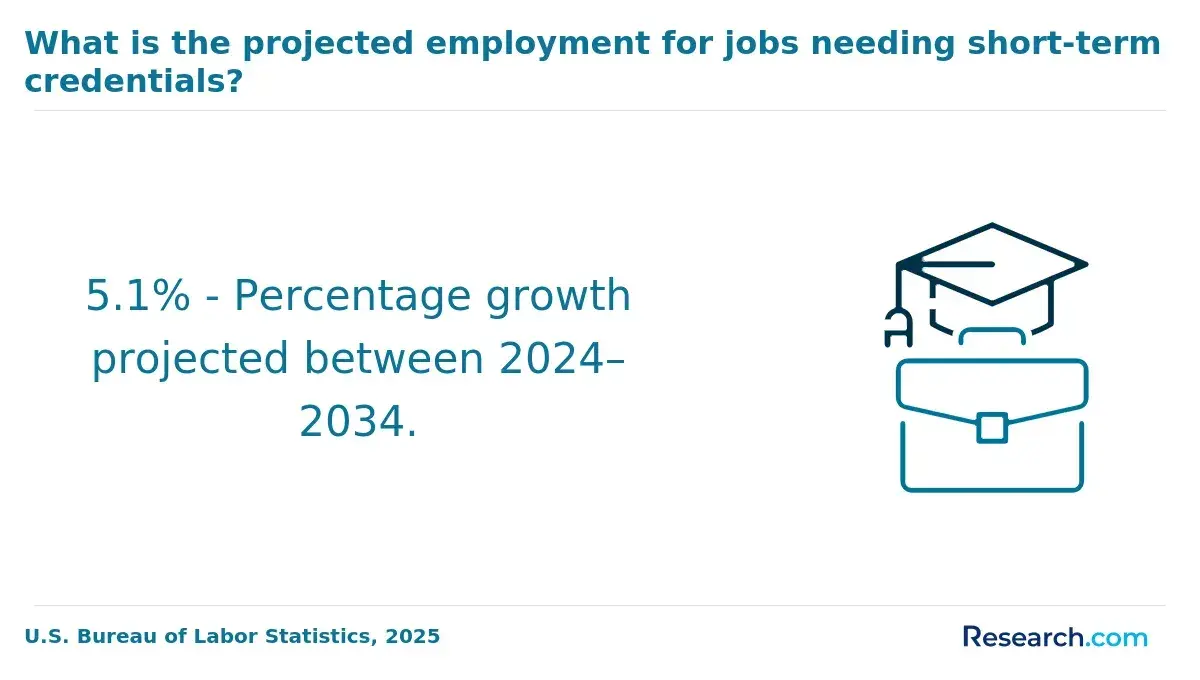
The U.S. Bureau of Labor Statistics projects 11% employment growth for financial analysts and fintech-related occupations through 2032, fueled by increased AI integration in risk assessment and the rise of decentralized finance. However, wage progression may depend heavily on demonstrable applied skills, internships, and project portfolios, particularly within startups where compensation can include equity that delays immediate income.
Working professionals should weigh employer tuition assistance programs seriously when considering fintech finance education. Nearly half of U.S. employers offer tuition reimbursement, which can ease financial burdens associated with skill upgrades amid full-time employment.
Balancing specialized fintech knowledge with foundational finance competencies is essential to maintain industry mobility. For instance, expertise in payments technology alone may not sufficiently prepare graduates for transitioning to regulatory compliance roles without supplementary certification.
How can you choose a reputable online finance program with strong fintech offerings?
Not all online finance programs with fintech content offer the same practical return on investment, especially given that 88% of global financial institutions plan to increase fintech investments focused on AI and blockchain within two years, according to PwC's 2024 Global FinTech Survey. Accreditation by agencies like AACSB or ACBSP is a baseline indicator of program quality, but students should prioritize deep engagement with applied fintech topics such as blockchain transaction analysis, AI-driven financial analytics, and digital payment platforms.
For professionals targeting corporate treasury roles, programs that integrate case studies replicating real-time blockchain operations will better prepare them for employer demands than purely theoretical courses. Conversely, entering fintech startups often requires familiarity with product development cycles and regulatory frameworks, which some curricula emphasize more than others.
Key factors to evaluate include:
- Hands-on learning opportunities-simulations, fintech partnerships, and access to coding tools (Python, R)
- Employment data reflecting graduate placement specifically in fintech or innovation-focused finance roles
- Faculty actively engaged in fintech research or industry collaboration
- Program flexibility suitable for working professionals, such as asynchronous coursework and reasonable credit requirements
Failing to assess these dimensions increases the likelihood of investing in programs that lack contemporary relevance or measurable career impact. Candidates should weigh costs alongside practical skill acquisition and proven market alignment before committing to an online finance program enhanced with fintech specialization.
Other Things You Should Know About Finance
Prioritizing programs with strong coding components is essential for finance students aiming to work in fintech roles that involve automation, algorithmic trading, or blockchain. Employers expect graduates to handle coding tools like Python or SQL to analyze financial data efficiently. Programs that integrate practical coding projects will better prepare students for industry demands, while degrees lacking these can limit immediate job-readiness in fintech sectors.
Most programs teach Excel, SQL, Tableau, Python, and financial modeling software. Many also include blockchain platforms, API-based payment systems, and data visualization tools. Look for courses that require hands-on projects using these tools across 3 to 6 credits per class.
Employers increasingly expect online finance graduates with fintech skills to demonstrate practical technical abilities alongside financial acumen. The fintech focus signals adaptability to evolving finance tools, improving competitiveness in roles that require data manipulation, software use, or fintech product knowledge. Traditional finance-only graduates may face a competitive disadvantage in tech-heavy roles unless supplemented with relevant experience or certificates.
References
- FinTech Course in Malaysia - Pathway & Requirements https://eduadvisor.my/course-guide/fintech
- Best Finance Degrees Online | Accounting.com https://www.accounting.com/degrees/finance/bachelors/best-online-programs/
- The Best Fintech Platforms for SMEs in 2026: A Modern Approach to Business Finance https://www.sparados.com/en/post/the-best-fintech-platforms-for-smes-a-modern-approach-to-business-finance
- Fintech and Digital Transformation in Finance (Major on the Bachelor in Finance and Accounting program) https://www.kozminski.edu.pl/en/fintech-and-digital-transformation-finance-major-bachelor-finance-and-accounting-program
- Online Bachelor of Business Administration and Digital Innovation with Finance & FinTech https://www.global-business-school.org/programs/bachelor-europe-bachelor-of-business-administration-online/online-bachelor-of-business-administration-and-digital-innovation-with-finance-fintech/
- How to Get a Job in Fintech | Intuit Blog https://www.intuit.com/blog/innovative-thinking/how-to-get-into-fintech/
- B.Sc. IT in FinTech (IT in Finance) in Gujarat https://arrivoedu.com/courses/b-sc-it-in-fintech-it-in-finance/
- Bachelor of Science in Finance and Technology | University of Phoenix https://www.phoenix.edu/online-business-degrees/finance-technology-bachelors-degree.html
- Financial Technology https://www.wits.ac.za/course-finder/postgraduate/clm/mcom-financial-technology/
- FinTech: How Long Does it Take to Learn? https://blog.nobledesktop.com/learn/fintech/how-long-does-it-take-to-learn-fintech