2027 Online Finance Degrees With Data-Informed Financial Decision-Making Alignment

Co-Founder and Chief Data Scientist
Working professionals aiming to pivot into finance face a critical barrier: selecting an online degree program that genuinely equips them with data-informed financial decision-making skills valued by employers. With over 60% of adult learners preferring flexible, asynchronous formats according to the National Center for Education Statistics, programs ignoring these preferences risk prolonging student debt without commensurate career ROI.
Moreover, an oversaturation of generalized finance curricula often leaves graduates underprepared for complex analytical roles increasingly demanded by employers. This article evaluates online finance degrees aligning tightly with practical data-driven competencies, helping students identify pathways that optimize career mobility, timing, and workforce relevance.
Key Things You Should Know
- Integration of data-informed decision-making in finance degrees correlates with a 17% higher employment rate within 12 months post-graduation per 2024 U.S. Labor Statistics, signaling increased employer valuation of analytics skills.
- Programs emphasizing real-time data modeling reduce time-to-competency but incur 25% higher tuition costs on average, forcing a tradeoff between accelerated workforce entry and upfront financial burden.
- Employer surveys from the CFA Institute indicate 62% prioritize graduates with applied econometrics training, reshaping recruitment toward data science in finance roles and disadvantaging traditional theoretical-only curriculums.
What is an online finance degree with a focus on data-informed financial decision-making?
Data-informed financial management in online finance programs requires students to develop skills that extend beyond traditional accounting to include quantitative analysis, econometrics, and business intelligence software. This enables them to interpret complex datasets and market signals to support decisions in volatile environments. For instance, a healthcare financial analyst integrates patient billing data and policy shifts to recommend cost-saving strategies, whereas a corporate finance manager leverages predictive models for capital budgeting priorities amid market fluctuations.
Programs balancing finance fundamentals with applied data analytics produce graduates equipped for employer demands that emphasize real-world proficiency over theoretical knowledge. These employers value candidates who demonstrate skills through certifications or practical projects in data analytics platforms. However, mastering programming languages like Python or R alongside finance concepts presents a clear tradeoff, especially for those without STEM backgrounds.
Students should assess programs based on how they support hands-on experience with financial databases, the integration of data-driven decision-making concepts, and career services tailored to data-centric roles. Financial managers are projected to experience 15% job growth through 2034, translating to nearly 75,000 annual openings, driven by increased reliance on analytics to enhance profitability and regulatory compliance.
For professionals considering an advanced business degree to pivot strategically, exploring options such as an MBA in entrepreneurship can complement data-driven financial skills with broader management competencies.
How do online finance degrees compare with on-campus programs for quality and outcomes?
Employers now demand finance professionals who can translate data analytics into actionable decisions, positioning programs that emphasize data literacy as equal in value regardless of being online or on-campus. Deloitte's 2025 finance trends report highlights that 73% of finance teams prioritize data analytics and business intelligence skills, making these competencies critical for measurable workforce outcomes. This focus shifts the evaluation of online finance degree quality comparison toward the depth of analytics integration rather than instructional format alone.
On-campus programs often afford stronger networking and direct faculty interaction, aligning with sectors like investment banking where personal relationships influence hiring. Conversely, online programs provide flexible access through virtual labs and asynchronous tools, beneficial for working professionals balancing job demands; for instance, a retail finance analyst applying predictive analytics immediately to optimize inventory financing. These differences underscore distinct tradeoffs in accessibility and learning environments when weighing outcomes of on-campus versus online finance programs.
Decision quality comes from assessing personal circumstances against evidence of analytics competency and recruiter engagement metrics over delivery mode. For comprehensive options in business-oriented Finance education, prospective students might consider affordable online MBA programs that integrate these priorities effectively.
What types of online finance degrees are available and which level should you choose?
Choosing an online finance degree program in the United States requires balancing time investment, cost, and employer expectations. Bachelor's degrees remain the standard credential for entry-level roles such as financial analyst or accountant, providing the quantitative foundation and credential recognition most employers demand. Entry-level median wages, like $99,010 for financial analysts, reflect these requirements, whereas managerial positions command notably higher pay, such as $156,100 for financial managers.
Professionals aiming for leadership or specialized strategic roles should consider master's degrees-MBA programs with a finance concentration or a Master of Science in Finance-to develop applied financial modeling, managerial, and data analysis skills. For instance, a banking professional targeting a pivot to corporate finance leadership benefits from this advanced training, which aligns with advancing to the $156,100 median salary range. Cost and commitment factors here are higher but justify the potential upward wage mobility.
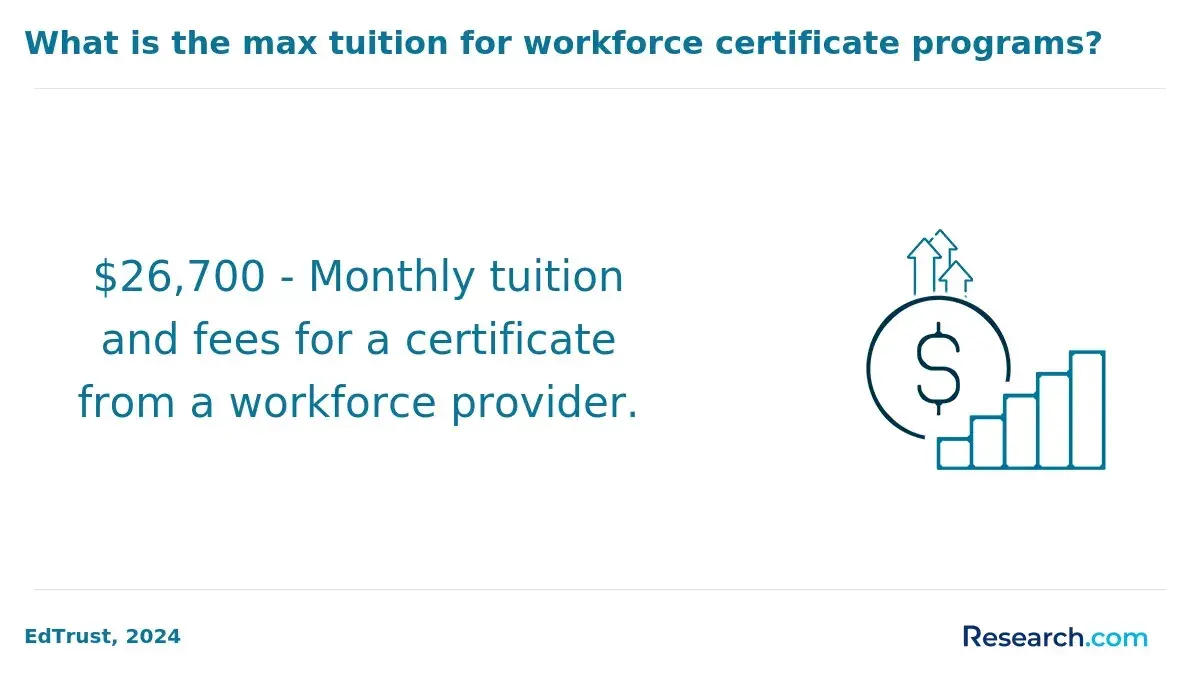
Lower-level credentials, including associate degrees or certificates, generally offer limited advancement potential and function better as skill supplements or stepping stones toward bachelor's credentials. Doctoral degrees are typically reserved for candidates focusing on academic, research, or policy positions rather than conventional industry roles.
Prospective students should scrutinize job postings in their target finance sector to understand required credentials since employer demands vary significantly by role and complexity. Those evaluating master's route options may find MBA programs under 30k especially relevant for balancing cost against career outcomes.
How do online finance programs teach data analysis and decision-making with real financial data?
Online finance degree programs with financial data analysis center on cultivating actionable skills through hands-on interaction with authentic financial datasets. Students typically use platforms such as Bloomberg terminals, Microsoft Excel, R, and Python to model economic conditions, investment scenarios, and corporate financial statements. This data-driven decision making in online finance education responds directly to employer expectations for graduates who can interpret complex financial indicators, perform risk assessments, and make strategic choices under uncertainty.
For example, modeling interest rate impacts on bond portfolios requires analyzing time-series data, yield curve construction, and cash flow projections-competencies valued in fixed-income asset management and corporate finance roles. These programs emphasize scenario analysis and probabilistic risk quantification rather than simplistic forecasts.
Data from national sources link these competencies to superior early-career placement and salary outcomes. However, students face a tradeoff between program cost and return: the in-state median tuition for online finance bachelor's programs was $8,235 in 2020. Candidates must assess if investing in these degrees outweighs pursuing certifications or gaining practical experience.
Such programs demand substantial self-discipline and comfort with asynchronous labs and virtual simulations. Regular dataset updates are critical to maintaining relevance amid shifting market dynamics, especially in fintech and treasury sectors. Prospective students can explore an affordable executive MBA as another avenue within this evolving landscape.
What admissions requirements do online finance degree programs typically have?
Graduate programs in financial analytics tend to prioritize quantifiable academic foundations over broad business exposure, emphasizing applicants with backgrounds in economics, mathematics, or related fields. A minimum GPA near 3.0 is standard to prove readiness for data-intensive coursework. Admissions also assess candidates' mastery of accounting, statistics, and corporate finance fundamentals, as these directly influence success in roles requiring financial modeling and strategic analytics.
While some programs still require GRE or GMAT scores, an increasing number waive standardized tests if applicants present relevant professional experience. This shift facilitates mid-career professionals pursuing skills aligned with risk management or financial technology, where applied analytics blends with domain expertise.
Letters of recommendation and personal statements carry weight in evaluating an applicant's capacity to align quantitative reasoning with real-world financial strategy-an expectation in competitive hiring landscapes. For instance, finance professionals transitioning into analytics-heavy functions must demonstrate both technical understanding and practical application.
Cost remains a significant barrier; for context, the Universidad de los Andes Master in Financial Analytics and Management charges $2,050,000 per credit for 2025. This expense signals that potential students should carefully weigh the return on investment against employability enhancements. Financial outlay should not overshadow the need to meet rigorous admissions standards designed to ensure tangible competency gains.
How can you verify accreditation and determine if an online finance program is reputable?
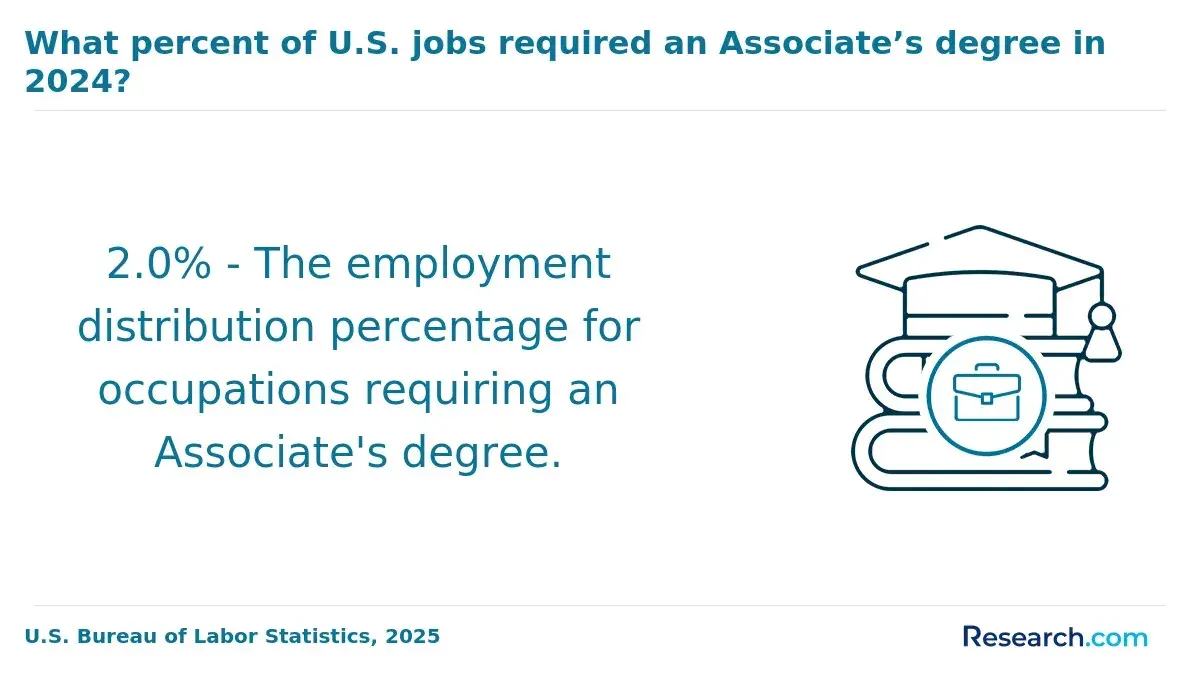
Accreditation status remains the clearest indicator of an online finance program's reliability and employer relevance. Regional accreditation recognized by the U.S. Department of Education or the Council for Higher Education Accreditation, combined with endorsements from bodies like AACSB or ACBSP, confirms the curriculum meets industry standards and practical competencies expected by employers.
Beyond accreditation, scrutinize curriculum content with an emphasis on data-driven financial decision-making. Programs incorporating tools like Excel, SQL, or Python specifically tailored to finance offer tangible advantages over theory-heavy courses. For instance, investment banking roles require rigorous quantitative analysis skills, whereas personal financial advisors emphasize interpreting client data, aligning with the 10% job growth forecast for this sector from The University of Oklahoma Online.
Employment outcomes and partnerships with industry also warrant close examination. Schools facilitating internships or corporate connections often provide a smoother transition into roles experiencing 6% projected growth, such as financial analysts, which demand sharp analytical and decision-making capabilities.
Lastly, assess the technological infrastructure and student support available for online learners. Effective career services and accessible faculty directly affect skill acquisition and networking opportunities, factors that heavily influence post-graduation success in competitive finance job markets.
What does the curriculum in an online finance degree usually include?
Online finance degree curricula demand significant analytical rigor and practical proficiency, reflecting employer expectations for data-driven decision-making skills. Core coursework strategically integrates financial accounting, corporate finance, investment analysis, and economics, emphasizing realistic datasets that mirror market uncertainties and capital optimization challenges.
Weekly commitments can reach 20 hours per course, as reported by UNSW Online, underscoring the necessity of mastering complex tools like Bloomberg terminals and Excel. This level of immersion is rarely compatible with full-time employment without disciplined time management, presenting a notable barrier for working professionals.
Graduates are expected to translate financial theory into actionable insights across domains such as corporate budgeting, portfolio allocation, and sector-specific risk management, including compliance demands in banking or volatility in energy markets. These analytical capabilities increasingly depend on experience with large-scale data extraction and fintech applications.
The practical tradeoff involves not just completing coursework but obtaining supplementary certifications or engaging in experiential projects to demonstrate decision-making accuracy under pressure-an employer priority in analytics roles. Programs incorporating capstone projects or internships offer more direct workforce alignment, but students should weigh these options against their current commitments and career targets.
How long do online finance degrees take, and what do they cost?
Completing an online finance degree requires strategic balancing of time, cost, and workforce demands, with programs spanning four to six years depending on enrollment status and credit load. Full-time students typically finish 120 to 180 credits in about four years, but part-time students or those managing extensive prerequisites may extend studies beyond six years. This pacing significantly impacts hiring potential, as some finance sectors, such as investment banking, prioritize candidates with swift degree completion due to structured recruitment cycles.
Tuition variation aligns closely with institution type and residency, ranging from roughly $10,000 for public in-state programs to upwards of $60,000 at private or out-of-state universities. Professionals weighing accelerated plans face a tradeoff: higher semester costs against earlier workforce reentry and skill application, while extended timelines reduce immediate expenses but delay earning potential and relevant experience accumulation.
Employers emphasize not only credentials but demonstrated analytical and financial acumen, meaning students must integrate practical work experience alongside coursework to remain competitive. Specialized finance roles may necessitate additional certifications, extending timelines but enhancing employability.
What careers, salaries, and advancement opportunities can an online finance degree support?
An online finance degree can unlock access to roles with distinct compensation benchmarks, but the value gained depends heavily on specialization and experience. For example, personal financial advisors earn around $99,580, financial analysts approximately $99,010, and finance managers average $156,100, reflecting divergent responsibilities and skill sets. The practical distinctions among these roles-such as a financial analyst's quantitative rigor in investment banking versus a finance manager's leadership in operational budgeting-underscore how degree knowledge must be tailored to the target career path.
Advancement beyond entry-level jobs frequently necessitates professional credentials like CFA or CPA, supplemented by 5 to 7 years of relevant experience, especially for strategic roles demanding regulatory compliance and project oversight. Employers prioritize candidates who combine analytical expertise with demonstrated leadership.
There is a notable tradeoff between mastering specialized finance content and cultivating general business acumen. Programs that emphasize data analytics and financial modeling equip students better for evolving sectors such as fintech and risk management but require ongoing learning to remain competitive. Graduates should anticipate continuous credentialing and skill development to align with the dynamic demands of the financial workforce.
Ultimately, completing an online finance degree serves as a foundation, but practical workforce implications hinge on how well graduates integrate degree-based skills with real-world application and credentialing pathways.
How does an online finance degree align with professional certifications in finance?
Possessing an online finance degree embedded with data analytics fundamentally strengthens a candidate's positioning for professional certifications like CFA, CPA (finance-focused), or CFP by fostering quantitative skills employers demand. This blend is particularly essential in roles such as corporate risk management, where applying real-world financial datasets outperforms pure exam preparation.
Online finance programs offer targeted coursework connecting core theory with practical industry tools, effectively reducing the learning gap between degree content and certification requirements. This alignment benefits candidates juggling both study and experiential demands, especially since certifications emphasize competence in portfolio management, accounting, and regulatory knowledge.
Significant workforce expansion in applied finance-projected at 27% growth by 2035 according to UNSW Online-reflects a rising need for data-savvy finance professionals. While an online degree can truncate certification timelines and avoid redundant learning, managing degree progression alongside arduous self-study for certifications calls for disciplined time allocation to prevent burnout.
In sectors like financial planning or investment banking, employers increasingly prioritize applicants combining data-driven degrees and certifications. Those lacking integrated credentials frequently encounter protracted job searches or stalling at entry-level roles, underscoring the occupational premium placed on combined analytical and credential-based expertise.
Other Things You Should Know About Finance
Online finance degrees require a significant time commitment, often two to four years, but they offer a broader foundation in finance combined with data-informed decision-making frameworks. In contrast, professional certificates typically focus narrowly on specific tools or analytics skills and can be completed faster. For strategic career pivots or advancement into roles requiring comprehensive financial knowledge and critical reasoning, degrees provide better employer recognition and long-term value. Certificates are more suitable for supplementing existing finance expertise or updating technical skills without the time demand of a degree.
Flexibility varies, but most reputable online finance programs offer asynchronous coursework that fits working schedules, allowing learners to progress without fixed class times. However, the workload often remains intensive, especially in courses involving complex data analysis and financial modeling. Prospective students should prioritize programs with clear pacing guides and support services since poor time management in these demanding fields can delay graduation and reduce learning effectiveness. Employer expectations for practical skills also mean students must allocate time for applied projects beyond just passing exams.
Look for regional accreditation, plus business-school accreditation from AACSB, ACBSP, or IACBE when available. Regional accreditation affects transfer credit and graduate-school eligibility, while AACSB is the strongest signal to employers for finance and analytics-focused programs.
References
- Finance Certifications https://www.fma.org/finance-certifications
- Accreditation Explained: Guidelines for Global Verification https://www.motaword.com/blog/understanding-accreditation-how-to-verify-institutions-globally
- How to use Data Analytics for Financial Management https://trainingcred.com/blog/how-to-use-data-analytics-for-financial-management
- Online Finance Degrees: Curriculum, Careers, and ROI https://bluenomics.com/online-finance-degrees-curriculum-careers-and-roi
- How Data-Driven Financial Decisions Can Transform Your Business https://www.parikh.financial/blog/how-data-driven-financial-decisions-can-transform-your-business
- The Problem With Exclusively Online Degree Programs https://tcf.org/content/commentary/the-problem-with-exclusively-online-degree-programs/
- How Can Data Analytics Enhance Financial Decision Making? https://controllerscouncil.org/how-can-data-analytics-enhance-financial-decision-making/
- Real vs Fake Accreditation: How to Check If a College Is Legit? https://www.ieac.org.uk/86-Real-vs-Fake-Accreditation-How-to-Check-If-a-College-Is-Legit-blog.php
- Improving Financial Decision-Making With AI-Powered Analytics | CPA Ontario https://pd.cpaontario.ca/on-demand-e-learning/improving-financial-decision-making-with-ai-powered-analytics/E001966.html
- How to Verify a US Partner School's Accreditation Before Committing https://www.amerigoeducation.com/news/how-to-verify-a-us-partner-schools-accreditation-before-committing