2027 Online Finance Degrees With Corporate Finance Career Alignment

Co-Founder and Chief Data Scientist
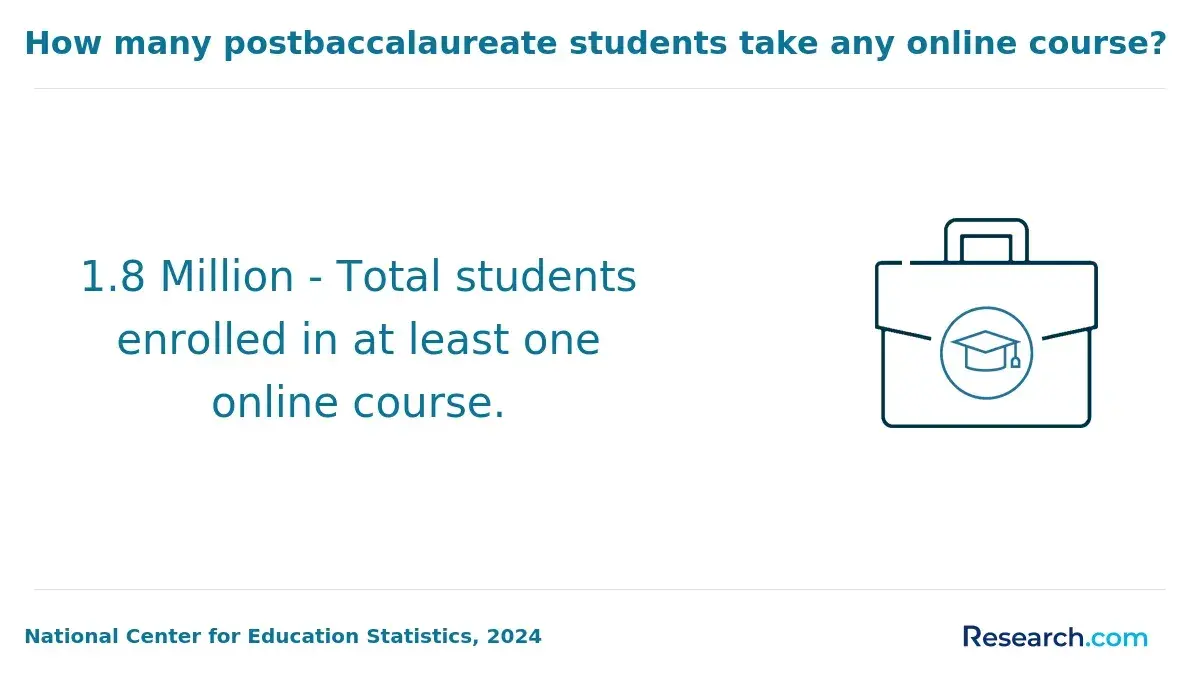
Mid-career professionals aiming to pivot into corporate finance face a persistent barrier: balancing rigorous advancement requirements with existing job commitments. Employers increasingly demand specialized credentials tied to practical corporate finance applications rather than generic business degrees. Nearly 60% of adult learners enrolling online in 2024 identify flexibility as the decisive factor, according to the National Center for Education Statistics, showing a shift toward asynchronous and hybrid options that accommodate real-world constraints.
This trend underscores the necessity for programs designed to align curriculum tightly with corporate finance roles while optimizing time investment. This article examines online finance degrees that strategically prepare students for corporate finance careers, enabling informed decisions about program timing, content relevance, and career impact.
Key Things You Should Know
- Corporate finance roles value advanced modeling and regulatory coursework, yet only 38% of 2024 online finance degrees include these, forcing graduates to seek costly postdegree certifications to meet employer requirements.
- Employers increasingly prioritize candidates with direct industry internships; 46% of online programs lack mandatory experiential components, diminishing graduates' labor market competitiveness despite technical knowledge.
- Median online finance degree costs rose 7.2% since 2023 per NCES, extending time-to-employment tradeoffs for career changers balancing tuition debt service against immediate income needs.
What is an online finance degree and how does it align with corporate finance careers?
Online finance degree programs aligned with corporate finance careers emphasize skills that directly impact decision-making in dynamic business environments. For instance, proficiency in cash flow forecasting combined with capital structure management equips graduates to address challenges in sectors like manufacturing or technology, where optimizing working capital can materially influence profitability.
Employers prioritize candidates who demonstrate both theoretical understanding and tangible abilities in financial modeling and strategic planning. Programs that integrate case studies, project-driven tasks, and software training in tools such as Excel or SAP bring students closer to workplace realities. Still, students should verify program accreditation and the availability of industry internships or networking opportunities.
The job market forecasts from the U.S. Bureau of Labor Statistics project an 8% growth in business and financial occupations over a decade, generating nearly one million job openings annually. This sustained demand reflects increasing corporate needs for specialists adept in capital allocation, regulatory adherence, and investor relations. Such context explains why how an online finance degree prepares for corporate finance roles remains a critical consideration for career-focused learners.
Transitioning professionals without a finance background gain targeted knowledge through online formats, but must manage time effectively and engage proactively to mitigate the virtual environment's networking limitations. Those seeking condensed pathways may consider an accelerated finance degree to efficiently bridge expertise gaps without career disruption.
Are accredited online finance degrees respected by employers in corporate finance roles?
Employers in corporate finance prioritize accredited online finance degrees only when the institutions hold regional accreditation and are recognized for business or finance-specific program recognition. This is not about credentials alone, but whether academic rigor and core competencies-such as financial modeling, regulatory compliance, and risk management-reflect real workplace demands.
Candidates lacking these key skills face skepticism despite degree possession, influencing hiring decisions, especially in competitive markets. Employment data from the Bureau of Labor Statistics projects a 16% growth in financial manager roles between 2024 and 2034, well above average job growth, intensifying demand for verifiable expertise.
In practice, this means an online finance degree's delivery format and additional certifications may sway employer perception-some sectors prefer hybrid modalities that demonstrate time management and networking capabilities alongside curriculum results. For working professionals evaluating the value of online finance degrees in corporate finance careers, factors such as regional reputation and alumni outcomes materially affect employer recognition and hiring outcomes.
Cost-conscious students should also examine program affordability alongside rigor; resources like the most affordable online MBA programs can help identify viable options without compromising quality. Practical tradeoffs frequently arise between accelerated pathways and the depth of professional readiness. Corporate finance roles, especially in technology or manufacturing industries, may require experience or certifications beyond the degree.
What types of online finance degrees best prepare you for corporate finance careers?
Corporate finance roles demand practical financial analysis skills, including interpreting balance sheets, forecasting cash flows, and building financial models-competencies that targeted online finance degrees develop through focused coursework. Programs emphasizing financial management, corporate valuation, and strategic planning offer clearer pathways for candidates targeting these positions.
The best online finance programs for corporate finance professionals deliberately integrate software training on tools like Excel, SAP, and Bloomberg terminals to match industry expectations. For professionals pivoting from unrelated fields such as marketing, accelerated master's degrees or graduate certificates compress essential finance topics and enable rapid skill acquisition aligned with employer requirements.
Undergraduate students, meanwhile, should prioritize regionally accredited programs supported by strong career services that maintain connections to mid-to-large corporations for smoother recruitment. Programs that incorporate internships or live project collaborations provide crucial applied experience, allowing students to navigate typical business constraints in budgeting or merger analysis.
This practical exposure often differentiates graduates in competitive hiring environments. According to Digital Defynd's 2026 data, those earning finance degrees online typically recoup tuition costs within four years and realize about 300% career ROI, underscoring the tangible economic benefit of specialized training.
Prospective students should weigh program content, real-time practice offerings, and employer networks against tuition and duration. For those seeking cost-effective options with credible outcomes, the cheapest AACSB online MBA degrees represent strategic investments that balance affordability with rigor. These factors collectively guide practical decisions for selecting online finance degrees for corporate finance careers.
How does an online finance curriculum build skills for core corporate finance functions?
Online finance degree skills for corporate roles center on developing precise technical abilities that meet employer expectations in practical settings. Core competencies cover financial statement analysis, capital budgeting, corporate valuation, and risk management. For example, constructing discounted cash flow (DCF) models to compare real estate investments with tech startup valuations illustrates how capital requirements and risk profiles diverge significantly by industry.
Students of corporate finance core competencies developed through online programs regularly confront case studies in working capital optimization and strategic financial planning. These scenarios align training with real operational challenges such as cash flow management in cyclical manufacturing versus rapid expansion phases in biotech, emphasizing distinct decision-making frameworks and risk management tactics.
Such curricula also demand proficiency in financial databases, ERP systems, and interpreting complex regulations under time pressure, simulating frontline analyst or treasury manager responsibilities. Graduates who master these applied skills can command median annual earnings exceeding $150,000, reflecting the market's demand for combined technical and analytical capabilities.
However, the self-discipline required to absorb and apply this specialized knowledge remotely creates a tangible barrier for many. Prospective students weighing educational pathways might consider condensed study options like 1-year MBA programs focused on finance, which offer accelerated access to these competencies within compressed time frames, albeit with intensified workload demands.
What are typical admissions requirements for online finance bachelor's and master's programs?
Admissions criteria for online finance bachelor's programs typically emphasize a strong academic foundation in quantitative skills and relevant coursework. Applicants generally need a high school diploma or equivalent, a GPA above 3.0, and transcripts showing proficiency in algebra, statistics, and sometimes calculus to meet the quantitative demands of corporate finance roles. Personal statements and strong recommendations play an important role.
Graduate-level admissions require a related bachelor's degree and demonstrate a stronger preference for professional experience, especially when formal finance coursework is lacking. This practical experience can substitute for some academic prerequisites, reflecting employer expectations for candidates who can integrate swiftly into financial analyst or corporate finance manager roles.
The financial tradeoff across institutions is substantial, with public colleges averaging $9,800 annually for online bachelor's programs compared to $40,700 at private colleges, as noted by Cost and Value Accounting.com. For working professionals, lower-cost public programs may offer better immediate ROI despite potentially fewer networking opportunities or specialized support resources.
Strategic applicants should weigh admissions demands against their current qualifications and financial reality, focusing on how a program's rigor and costs align with their ability to meet employer expectations in competitive corporate finance environments.
How long do online finance degrees take and what do they typically cost?
Employers in corporate finance and related sectors frequently prioritize candidates who complete their finance degrees within standard timeframes or demonstrate relevant work-integrated learning. While associate degrees typically conclude in two years, bachelor's degrees require four years of full-time study, with accelerated or completion programs compressing this to 18-24 months, often appealing to working professionals.
This compressed timeline, however, involves tradeoffs: expedited curricula may reduce exposure to foundational quantitative skills essential in high-level financial analysis roles. Graduate-level finance education generally spans 12 to 24 months and suits professionals aiming for sector-specific pivots or advancement. Practical considerations include the significant variation in tuition: online bachelor's degrees at public institutions range from $15,000 to $30,000 for in-state students, while private programs can exceed $60,000.
Graduate programs can demand $20,000 to $50,000 or more, excluding ancillary costs like textbooks and software, which add $1,000 to $2,000 annually. Decision-making must weigh time, cost, and program format against workforce demands. Banking and consulting emphasize timely bachelor's completion, whereas corporate finance environments may accommodate part-time master's study. Asynchronous options can help full-time workers manage opportunity costs but require disciplined self-direction.
- Longer degree durations often yield deeper quantitative competencies favored by employers.
- Accelerated programs suit those prioritizing rapid entry but risk skill gaps.
- Total financial outlay includes hidden institutional fees beyond listed tuition.
How do online and on-campus finance programs compare for corporate finance career outcomes?
Choosing between online and on-campus programs in corporate finance hinges largely on networking opportunities and employer expectations rather than purely academic outcomes. Employers in sectors like investment banking prioritize face-to-face engagement and internships common to on-campus settings, which foster stronger recruiter relationships and interpersonal skills.
Conversely, mid-sized firms and internal finance departments tend to value technical expertise and credentials that online degrees with rigorous curricula can equally confer. The practical tradeoff for working professionals lies in balancing flexibility and access. Online formats enable continual employment while studying, essential for maintaining experience and cash flow, but may limit exposure to live corporate interactions and in-person networking critical in some finance roles.
Zippia's 2025 data affirms that the degree level itself, rather than delivery mode, drives salary differentials; master's degree holders in finance earn an average of $63,145 versus $57,968 for bachelor's graduates, marking a 9% premium. For many, the decision comes down to:
- Whether direct recruiter and internship access are necessary for targeted finance functions
- Quality and usability of virtual networking tools and alumni connections in the chosen program
- Individual work-life balance and financial constraints influencing modality choice
Ultimately, demonstrating advanced finance competencies is paramount, but early-career network building remains a significant differentiator for long-term advancement in competitive corporate finance paths.
What finance jobs and advancement paths can an online finance degree lead to in corporations?
The trajectory from entry-level financial analyst roles to leadership positions reveals the practical contours of an online finance degree's value. Financial analysts often transition into managerial roles where responsibilities expand to capital budgeting and strategic risk management, illustrating the necessity for skills beyond degree credentials. For instance, a financial analyst in manufacturing may progress to finance manager overseeing cost controls.
Projected job openings by 2030 reflect sustained demand for analytic finance expertise. However, securing advancement depends heavily on acquiring professional certifications such as CFA or CPA, plus software proficiency with platforms like SAP or Oracle Financials. These requirements highlight employer preferences for candidates who can integrate quantitative analysis with regulatory compliance and business insight.
Potential obstacles include sector-specific knowledge gaps and the variability in experiential learning opportunities across employers. Finance professionals must adapt to shifting regulations and economic conditions, prerequisites that degree programs often struggle to address uniformly.
Key considerations for prospective students involve balancing the résumé value of an online finance degree against the imperative for continuous upskilling and domain experience. Understanding this dynamic can guide strategic career pivots and realistic expectations in a competitive finance labor market.
What salary ranges and job outlook can finance graduates expect in corporate finance?
Finance graduates targeting corporate roles must weigh significant variations in entry-level pay that depend heavily on sector and location. For example, financial analysts in tech or manufacturing often start around $65,000 to $75,000, while those in major metropolitan areas or investment-intensive industries can command $90,000 to $110,000. Mid-career salaries spanning $110,000 to $160,000 reflect employers' growing valuation of specialized skills.
Job prospects are positive, with the U.S. Bureau of Labor Statistics projecting a 9% growth rate for financial analysts through 2032, surpassing many fields. Yet salary premiums demand more than a finance degree alone; employers prioritize candidates with competencies in financial modeling, ERP software, and regulatory frameworks, frequently validating skills with internships or certifications.
Professionals shifting into corporate finance should anticipate operational tradeoffs: longer hours and the need for cross-functional understanding to align finance with broader corporate strategies. Compensation differs notably by industry and company size:
- Fortune 500 employees often receive total rewards that include bonuses and stock options, reflecting higher market expectations
- Smaller firms or startups may offer lower base salaries but faster responsibility growth and diverse experience
- Healthcare and energy sectors may provide different compensation trajectories and stability compared to financial services or consumer goods
Digital Defynd's 2026 data places finance majors' lifetime earnings about 18% above peers in other fields, translating into roughly 300% ROI over a career. Still, these gains are contingent on developing practical skills beyond degree completion and navigating the distinct operational demands of corporate finance environments.
Which certifications and licenses pair best with an online finance degree for corporate roles?
Choosing the right certification to complement an online finance degree significantly shapes corporate career trajectories and workplace value. The CFA license holds particular weight for professionals engaged in investment analysis, portfolio oversight, or corporate treasury roles by focusing on advanced valuation techniques and ethical frameworks valued by large corporations.
Conversely, the CPA credential is indispensable for those targeting corporate accounting or CFO-track positions, given its authoritative stance on regulatory compliance and financial statement integrity. This license also addresses the increasing corporate demand for professionals proficient in both finance and accounting intricacies.
For corporate financial planners, especially in companies with robust employee benefits or advisory services, the CFP certification enhances internal financial strategy with its client-centric approach, making it a practical choice for specialized corporate advisory functions.
The wage uplift for professionals who combine these certifications with finance degrees ranges between 40% and 50% through 2040, as forecast by Mergers & Inquisitions, reflecting employer preference for proven expertise beyond academic qualifications.
Decision-making around certification must consider several factors:
- The CFA demands passing three demanding exam levels and substantial work experience over multiple years.
- The CPA requires meeting state-specific experience and exam conditions but may align better with immediate accounting roles.
Aligning certification selection tightly with intended corporate roles avoids dilution of effort and maximizes return on time and financial investment.
Other Things You Should Know About Finance
Choosing a program with electives allows for targeted skill development in specific corporate finance areas like risk management, mergers and acquisitions, or financial modeling. However, fixed curricula ensure all core finance competencies are covered uniformly, which may better satisfy generalist employer demands. For career pivots or advancement in corporate finance, prioritize programs with electives to demonstrate relevant expertise, but confirm that foundational finance courses remain rigorous to meet baseline industry expectations.
Many online finance programs offer asynchronous coursework, enabling students to balance classes with full-time jobs. Despite this flexibility, the workload remains intense, often requiring 15-20 hours weekly due to quantitative assignments and project deadlines. Prospective students should realistically assess their time management skills and opt for programs with modular pacing or part-time enrollment options to avoid burnout and ensure mastery over complex financial concepts.
A strong program should include Excel modeling, Power BI or Tableau, and ERP exposure such as SAP or Oracle NetSuite. These tools support budgeting, valuation, forecasting, and variance analysis. Many corporate finance employers also expect familiarity with discounted cash flow models and three-statement forecasting in Excel.
References
- Corporate Finance Course – 365 Financial Analyst https://365financialanalyst.com/courses/corporate-finance/
- Corporate Finance Course Guide: Top Courses for Financial Executives - Imarticus Blog https://imarticus.org/blog/corporate-finance-course/
- 5 Best Certifications and Qualifications for Finance Professionals - The Portfolio Group https://www.theportfoliogroup.com/5-best-certifications-and-qualifications-for-finance-professionals/
- Corporate Finance Jobs: Full Guide, Salaries, Exits + More https://mergersandinquisitions.com/corporate-finance-jobs/
- 4 Types of Finance Degrees: A Complete Guide for Aspiring Professionals https://www.applash.ai/four-types-of-financial-degrees
- 14 Accounting & Finance Certifications Employers Value https://www.kbwfinancial.com/accounting-certifications/
- Accounting & Finance Degrees: 100% Online Courses | Walbrook https://www.walbrook.ac.uk/degrees/online-degrees/finance-degrees/
- Online bachelor's in finance degrees | edX https://www.edx.org/bachelors/online-bachelors-degree-finance
- Best Finance Degrees Online | Accounting.com https://www.accounting.com/degrees/finance/bachelors/best-online-programs/
- What Major is Best for Finance? Top 10 Picks https://zoetalentsolutions.com/what-major-is-best-for-finance/