2027 Best Online Finance Programs for Professionals Seeking Credit Analysis Careers

Co-Founder and Chief Data Scientist
Mid-career professionals targeting credit analysis roles confront a narrow window to pivot without sacrificing income or gaining irrelevant credentials. The challenge sharpens as over 60% of adult learners enrolled in graduate programs in 2024 prioritized online formats for scheduling flexibility, according to the National Center for Education Statistics. This shift signals a demand for programs that offer rigor alongside modulated pacing, accommodating professionals balancing work demands and skill acquisition.
Selecting an online finance program that aligns with employer preferences for practical credit risk assessment expertise while maximizing networking potential remains critical. This article evaluates top online finance programs tailored to credit analysis careers, focusing on practical alignment, timing, and career impact to help readers make informed education decisions.
Key Things You Should Know
- Programs emphasizing credit risk modeling and advanced quantitative methods report 23% higher employer hiring preference, per 2024 CFA Institute employer surveys, intensifying pressure to prioritize technical skills over broad finance theory.
- Employer demand for candidates with dual credentials, such as online credit certification plus MBA, rose 17% in 2024 Bureau of Labor data, compelling professionals to weigh extended credential stacking against immediate job market gain.
- Median program completion times stretched by 38% post-2023 due to increased coursework rigor and financial modeling simulations, driving 15% higher tuition costs that disproportionately affect mid-career professionals balancing work and study.
What is a credit analyst, and how can an online finance degree prepare you for this role?
Choosing an online finance degree tailored to credit analyst career paths requires balancing theoretical grounding with practical application due to employer expectations for demonstrated analytical competence. Programs that integrate financial statement analysis, risk assessment, and credit modeling align closely with core job functions such as evaluating debt repayment ability and interpreting market factors affecting credit risk. However, graduates face a competitive environment where hands-on experience with tools like Excel, Bloomberg terminals, or credit scoring software reduces time to productivity in entry-level roles.
Key skills gained from an online finance degree for credit analysis include proficiency in corporate finance principles, quantitative methods, and financial accounting, which form the baseline knowledge anticipated by hiring managers. Coursework that maps to industry certifications and incorporates case studies or simulations supports stronger employment outcomes, especially when paired with internships or portfolio projects reflecting applied credit evaluation.
Employment projections reflect an 8% growth for financial analysts, signaling sustained demand but also increased competition requiring candidates to weigh program cost, duration, and credit transfer policies carefully. Flexibility and career services are crucial, particularly for professionals executing a career pivot. Evidence-based judgments about program value often hinge on employer partnerships and track records of graduate placement within banks, corporate credit units, or investment firms.
Prospective students can explore comparative data on quality and acceleration in these programs through resources detailing finance degrees, aiding strategic decision-making aligned with career objectives.
Which types of online finance degrees are best for aspiring credit analysts?
Online finance degrees for credit analysis careers must move beyond broad finance fundamentals to include focused expertise in credit risk assessment, portfolio management, and financial statement scrutiny. Employers demand graduates who can navigate complex lending frameworks and deliver actionable credit insights. NC State Online data showing over 10,000 U.S. job postings with an average salary near $72,000 signals robust demand but also a competitive market where specialization matters.
Programs that integrate hands-on experience in credit modeling, reporting, and risk management frequently yield better employment outcomes. For example, mid-career professionals pivoting from unrelated roles benefit significantly from master's degrees offering capstone projects or practicum formats that simulate credit risk scenarios common in commercial lending or corporate credit.
Degrees that concentrate exclusively on general finance lack critical depth, often requiring additional certifications or internships to fill gaps in credit-specific knowledge. Incorporating data analytics and financial software training is increasingly essential, especially for roles focused on fintech or debt capital markets where credit evaluation processes leverage advanced technologies.
For prospective students, selecting the best online programs for credit analyst professionals means weighing the balance of rigorous credit-focused curricula and practical readiness for evolving job demands. Those aiming to stay competitive should consider online options that embed specialization and applied learning rather than generic finance tracks. More details on related advanced degrees can be found in the top online MBA programs designed for career flexibility and specialization.
How do accredited online finance programs compare with campus-based options for credit analysis careers?
The decision between accredited online finance degree versus traditional campus programs hinges on nuanced tradeoffs in delivery format and networking efficacy rather than on credential validity. Employers prioritize regional or national accreditation, so both formats can meet baseline expectations for credit analysis careers. However, campus programs retain advantages through direct access to face-to-face mentorship, internships, and industry events that foster essential professional networks, particularly influential in metropolitan financial centers where personal connections impact hiring.
Online finance programs offer flexibility allowing working professionals to study part-time and maintain employment, a significant benefit when managing mid-career pivots or leveraging existing job experience. Yet, this format demands student initiative to cultivate external networks, since structured recruitment pipelines and career fairs are less accessible than in campus environments. For many, the choice depends on geographic and professional context:
- In smaller or less competitive markets, online formats provide practical advantages by accommodating local career constraints.
- In large financial hubs, campus programs enhance exposure to entry-level roles and internships through embedded employer relationships.
Credit analyst salaries average around $58,332 nationally but vary up to 25% higher in major financial centers. Graduates must weigh this against the program's capacity to connect them with employers and practical skill acquisition, including financial modeling and credit risk software. Both pathways require supplementary proficiency to remain competitive.
Managing asynchronous coursework and building virtual industry networks challenge online students, while campus attendees juggle intensive schedules alongside securing critical internships. Amidst this, individuals assessing online masters under 10k may find aligned options to balance cost efficiency with these practical considerations.
The choice between accredited online finance programs for credit analysis careers and their traditional counterparts is fundamentally a strategic assessment of personal circumstances, career goals, and local labor market dynamics rather than a question of educational legitimacy.
What accreditation should you look for in an online finance program focused on credit analysis?
Regional accreditation is the foundational credential for any online finance program accreditation for credit analysis, as it ensures the institution adheres to recognized academic standards demanded by employers. For credit analyst roles, accreditations such as the Higher Learning Commission (HLC) or Middle States Commission on Higher Education (MSCHE) validate that students receive essential training in financial competencies, ethics, risk assessment, and analytical methodologies. Programs with additional specialized accreditation from the Association to Advance Collegiate Schools of Business (AACSB) offer more rigorous, industry-aligned curricula, increasing candidates' competitiveness in complex fields like risk modeling and regulatory compliance.
Employers-particularly banks and credit rating agencies-prioritize candidates from AACSB-accredited programs for their proven mastery of financial statement analysis and real-world application. Without such credentials, graduates may encounter restricted hiring prospects or the need for supplementary certifications. Students should also scrutinize programs for experiential learning opportunities including case studies or internships since accreditation alone does not ensure employability.
According to University of Minnesota data, financial analysts make a median salary of $96,000 annually with an 8% growth forecast, underscoring the financial payoff of selecting appropriately accredited programs. However, choosing programs without these credentials risks wage stagnation and limited upward mobility despite favorable labor market trends.
Prospective learners weighing best regional accreditation for online finance credit courses should also consider affordability and admission flexibility. For those seeking streamlined entry, options like the online MBA no GMAT can further reduce barriers to accessing credible programs.
What core courses and skills do top online finance programs teach for credit analysis work?
Credit analysis programs that emphasize quantitative rigor and sector-specific skills directly reflect employer realities: over 76% of credit analyst roles require at least a bachelor's degree, and about 10% prefer a master's. This credential demand arises from the need to assess borrower risk through detailed financial statement scrutiny, ratio analysis, and cash flow forecasting-competencies that vary notably between industries like banking, manufacturing, and retail lending.
Graduates must navigate the tradeoff between full-time and part-time study options, where demonstrating mastery over core skills such as proprietary credit scoring tools and regulatory risk management directly influences employability. For example, a credit analyst at an investment firm will face different communication expectations than one at a regional bank focused on small business loans, requiring program curricula that blend case studies with technical content.
Data analytics and financial modeling courses are critical to address growing job complexities involving large-scale data and scenario planning. Risk management training extends beyond theory into stress testing and compliance, ensuring analysts can anticipate institutional risk exposure across commercial and consumer finance sectors.
- Strong emphasis on real-world application of financial theory
- Sector-specific communication skill development
- Strategic choice between degree formats affects hiring outcomes
What are typical admissions requirements for online finance programs that lead to credit analyst jobs?
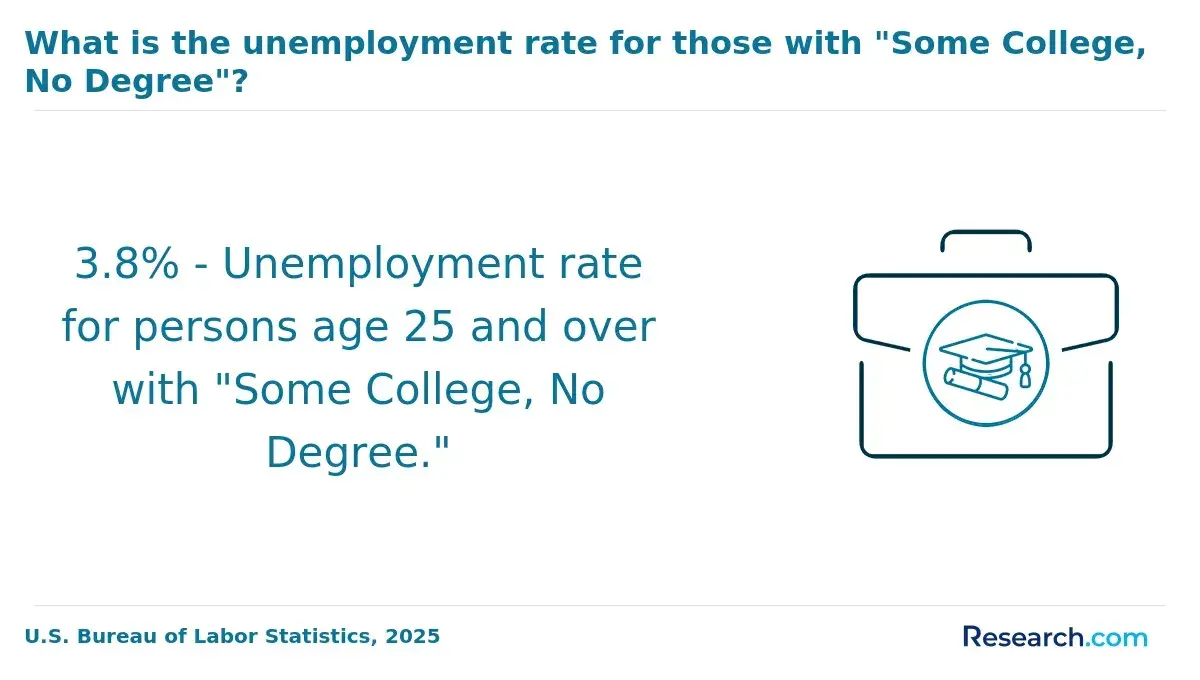
Admission criteria for online finance programs focused on credit analyst roles balance academic preparedness with professional relevance. A high school diploma or GED typically represents the minimum, but programs targeting credit analysis careers increasingly prefer candidates with college credits or associate degrees demonstrating quantitative strength in math, economics, or accounting. Many bachelor's programs no longer require SAT or ACT scores, mirroring a shift toward evaluating prerequisite coursework and clear indicators of analytical readiness.
Applicants often must submit a personal statement that clarifies their career objectives and any finance-related experience, such as progress toward CFA Level I certification. Letters of recommendation are diminishing in fully online environments but remain common for selective or hybrid tracks, reflecting employer expectations for demonstrated aptitude and reliability. For mid-career professionals, substantial finance work experience can replace some traditional academic benchmarks, offering flexibility crucial to career changers.
Programs aimed at experienced students may require proof of competence in foundational finance topics to ensure success in technically demanding credit analyst coursework. However, this requirement aligns with growing labor market demand; financial and investment analyst roles are projected to expand 8% over a decade, emphasizing the need for practical, industry-focused skills.
- Applicants should investigate programs offering accelerated options or credit for prior learning, which can reduce time-to-completion and improve employability.
- Periodic assessments of math and analytical skills during study are common to align graduate capabilities with employer expectations in credit risk evaluation.
How long do online finance programs take, and what do they cost for credit analysis training?
Choosing a credit analysis education requires balancing program length, cost, and employability outcomes against specific career goals. Short-term certificate programs finish within a year and are suited for working professionals seeking immediate skill upgrades in credit risk assessment. These options generally cost between $1,500 and $5,000 but may not provide the depth needed for positions demanding advanced financial modeling or regulatory expertise.
By contrast, part-time associate or bachelor's degrees typically take 1.5 to 2 years online and cost between $15,000 and $35,000. These longer pathways offer comprehensive finance and accounting foundations valued by employers targeting candidates for roles requiring thorough risk evaluation and familiarity with credit scoring systems. The investment, however, involves significant time away from work and upfront tuition expenses.
Professionals weighing these trade-offs should consider workforce realities: financial examiners earn an average of $82,000 annually with expected job growth near 20%. Roles in credit analysis often demand mastery of financial statement interpretation and regulatory frameworks, skills more consistently developed in degree programs or combined credential strategies.
One pragmatic approach involves pairing a focused credit risk certificate with targeted professional development, reducing time and cost while addressing practical skills gaps. Ultimately, the decision hinges on whether accelerated entry or sustained, multidimensional expertise aligns best with a candidate's career stage and employer expectations.
- Certificate programs: under 1 year, $1,500-$5,000, skill-focused
- Associate/bachelor's degrees: 1.5-2 years, $15,000-$35,000, deeper knowledge
- Financial examiners' median salary: $82,000, with 20% job growth
What entry-level and advanced career paths can online finance graduates pursue in credit analysis?
Entry-level roles for online finance graduates aiming at credit analysis typically include junior credit analyst, loan officer trainee, and credit risk assistant. These positions prioritize strong quantitative skills and familiarity with credit scoring models, mainly within banking, corporate finance, or commercial lending contexts. Notably, over 76% of job openings for credit analysts require at least a bachelor's degree, reflecting the field's baseline educational expectations.
As professionals advance, specialization opportunities arise, such as senior credit analyst, portfolio risk manager, or lead credit strategist. These roles demand sophisticated proficiency in credit structuring, regulatory compliance, and predictive analytics. For example, senior analysts at investment firms often manage nonperforming loan portfolios, integrating advanced financial modeling and sector-specific insights. In manufacturing or real estate, tracking credit risk trends and negotiating covenant terms become pivotal responsibilities.
The career progression tradeoff involves balancing academic credentials with relevant, sector-specific experience. Employers give clear preference to candidates who supplement education with certifications or practical roles that demonstrate evolving skill sets. Without this experience, higher-level positions remain out of reach regardless of degree level. Additionally, mastering proprietary credit assessment software and adapting to frequently changing regulations presents ongoing challenges that vary across industries.
Prospective students should weigh the value of internships or project-based work embedded in online programs, as these experiential components markedly influence employability and career trajectory over purely theoretical coursework.
What is the salary outlook and job demand for credit analysts and related finance roles?
Credit analyst salaries vary significantly based on specialization, location, and employer type, shaping long-term earning trajectories and job stability. Entry-level salaries start around $55,000, but seasoned analysts in corporate finance or financial centers can earn beyond $110,000. Commercial banking roles often deliver slower salary progression, whereas investment firms and corporate finance jobs demand deeper expertise in debt instruments, warranting higher compensation.
The demand for credit analysts is projected to grow by 6% from 2024 to 2034, driven by increasing regulatory scrutiny and expanding financial service sectors. This steady growth, however, comes with industry-specific volatility; for example, retail credit analyst positions fluctuate with consumer credit trends and economic cycles.
Employer expectations emphasize analytical prowess, proficiency in credit scoring models, and fluency in financial analysis software. Practical upskilling in these areas often distinguishes candidates in competitive markets.
When assessing educational routes, many public institutions offer some of the best online bachelor's in finance programs that may cost tens of thousands of dollars less than comparable private programs. This cost differential affects return on investment and debt management, especially given slower wage growth in certain credit analysis sectors. Prospective students should weigh tuition savings against curriculum relevance to software tools and regulatory frameworks impacting the credit analyst role.
How can working professionals choose the best online finance program for credit analysis careers?
Most credit analyst positions require at least a bachelor's degree; according to NC State Online data, 76.09% of recent job postings emphasize this minimum, while 10.31% expect a master's. Programs offering only associate degrees fall short of employer expectations and reduce employability. Candidates shifting from roles like lending officer to credit analyst must prioritize curricula integrating automation, predictive analytics, and risk modeling rather than just basic accounting concepts.
Practical program components-such as case studies on real credit risk scenarios and capstone projects centered on credit score modeling-enhance skill transferability directly relevant to current industry demands. Working professionals benefit from flexible or asynchronous course delivery to maintain employment continuity while completing credentials on time.
Key considerations include:
- Graduation employment metrics focused on credit analyst roles within fintech or major commercial lenders
- Curriculum emphasis on data analytics and quantitative techniques reflecting the automation trend
- The tradeoff between investing time and money in master's programs aimed at senior or managerial roles versus bachelor's programs facilitating quicker market reentry
Choosing programs with verified outcomes data dated 2024 or later ensures alignment with employer demand and technological shifts, avoiding outdated coursework that fails to prepare graduates for evolving job requirements.
Other Things You Should Know About Finance
Not all online finance programs balance flexibility with academic rigor effectively. Some accelerated or part-time options reduce content depth or compress schedules, which may weaken skill mastery crucial for credit analysis roles. When choosing a program, assess whether coursework demands realistic time commitments alongside quality assignments and assessments. Programs that maintain strict grading standards and include case studies or simulations offer better preparation despite flexible delivery.
Specialized credit analysis tracks can streamline skill acquisition but may limit exposure to broader financial concepts employers value. General finance degrees with electives in credit analysis provide comprehensive knowledge useful for lateral mobility across finance roles. For professionals targeting immediate credit analyst positions, a specialized track may accelerate employability. However, if long-term versatility or leadership roles are goals, a broader curriculum supporting varied finance functions is preferable.
For credit analysis careers, the strongest signal is accreditation from a business school recognized by AACSB, ACBSP, or IACBE. Employers also value regional accreditation. If the program leads to graduate study, verify that the institution is approved by a U.S. Department of Education–recognized accreditor.
References
- credit analyst https://www.randstad.com.au/job-profiles/credit-analyst/
- Credit analyst - INSEEC https://www.inseec.com/en/job-guide/credit-analyst/
- Basics of Credit Analysis in Banking | Free Course | Great Learning https://www.mygreatlearning.com/academy/learn-for-free/courses/basics-of-credit-analysis-in-banking
- How Long Does It Take to Learn Finance Completely? https://blog.nobledesktop.com/learn/finance/how-long-do-finance-courses-take
- Choose the Best Finance Career for You https://www.cavillrobinson.co.uk/blog/2024/04/Decoding-Finance-Certifications
- How to transition into a finance career with no experience | Kaplan UK https://kaplan.co.uk/blog/careers/how-to-transition-into-a-finance-career-with-no-experience
- Charting Your Path in Finance: Degrees, Careers, and Why It Matters https://www.webber.edu/degree-careers-finance-webber/
- Best Finance Degrees Online | Accounting.com https://www.accounting.com/degrees/finance/bachelors/best-online-programs/
- Online finance courses | edX https://www.edx.org/learn/finance
- Credit Analyst Career Path - Key Skills, Salary, Hours https://www.fe.training/free-resources/careers-in-finance/credit-analyst-career-path/