2027 National University Online PhD-PSY in Trauma and Disaster Relief: Cost, Curriculum, Admissions, and Career Outcomes

Co-Founder and Chief Data Scientist
Professionals seeking advanced expertise in trauma and disaster relief face challenges balancing rigorous doctoral study with demanding careers and personal commitments. National University's online PhD-PSY in trauma and disaster relief offers asynchronous learning and flexible pacing, addressing the 16% annual growth in online doctoral enrollment reported by the National Center for Education Statistics in 2024. This growth reflects increasing demand for accessible, high-level education that fits diverse schedules and geographic constraints. Whether the program aligns with individual academic and career objectives depends on factors like curriculum depth, admissions selectivity, and career support. This article evaluates cost, curriculum, admissions criteria, and career outcomes to guide informed decisions.
Key Points About National University's PhD-PSY in Trauma and Disaster Relief Program
- National University's open admission and noncompetitive acceptance reduce barriers for candidates but may affect peer cohort rigor, influencing networking and academic challenge during the trauma and disaster relief PhD-PSY.
- Regional accreditation paired with faculty who blend academic and field experience supports curriculum relevance, enhancing graduates' ability to meet employer expectations in mental health and emergency response sectors.
- The total tuition of $38,943 reflects a significant investment requiring careful cost-benefit analysis given the varied employer valuations and competitive landscape in trauma-focused doctoral careers.
What can students expect from National University's online PhD-PSY in Trauma and Disaster Relief curriculum?
National University's online PhD-PSY in Trauma and Disaster Relief curriculum aims to prepare students for the complexities of psychological interventions in crisis settings, reflecting rigorous US doctoral standards with a trauma-specific focus. For instance, graduates often find themselves devising trauma-informed strategies for communities affected by natural disasters or mass violence, requiring an advanced grasp of evidence-based methods and ethical decision-making. The following key components illustrate the program structure as it aligns with broader national expectations and workforce demands.
- Advanced Psychopathology:This course challenges students to deepen their understanding of mental health disorders within trauma-exposed populations, emphasizing diagnostic accuracy and tailored therapeutic approaches critical for clinical efficacy.
- Research Methods:Students engage in rigorous research design and statistical analysis, equipping them to conduct high-quality dissertation work and to contribute original insights to trauma and disaster psychology.
- Trauma Theory and Crisis Leadership:Coursework integrates psychological theory with leadership skills necessary for managing disaster response teams and public health initiatives, fostering applied competencies beyond traditional counseling frameworks.
National University's trauma and disaster psychology program curriculum details reveal a strong emphasis on supervised practicum experiences enabling students to translate theory into practice across community and organizational settings. This balance is vital for meeting employer expectations in fields that demand flexibility, ethical sensitivity, and evidence-based intervention amid unpredictable crises. Its alignment with recognized doctoral standards positions graduates competitively, although prospective students should weigh the intensity of clinical hours and dissertation completion against their long-term career goals. For those seeking entry into trauma-focused psychological leadership, this program integrates well-established curricula with the practical demands of direct crisis intervention.
Students exploring advanced degrees should also consider the comparative ease or complexity of program options; relevant data on alternatives can be found in analyses of easiest masters programs, which contextualize the rigor involved in doctoral-level trauma and disaster curricula.
What are National University's admission requirements for online PhD-PSY in Trauma and Disaster Relief program?
Admission to National University's online PhD-PSY in Trauma and Disaster Relief requires more than basic entry standards, reflecting necessary academic and professional groundwork despite an overarching open admission policy. For example, a working clinician shifting focus to disaster-related trauma research will need to ensure prior academic credentials and documentation align with the program's expectations before enrolling. Below are key requisites prospective students must prepare to meet.
- High school completion: Applicants must have completed high school or possess a GED certificate. This basic requirement ensures foundational academic competence before advancing to graduate-level study, establishing a minimum educational baseline.
- Undergraduate/graduate degrees: Candidates should hold relevant undergraduate or graduate degrees connected to psychology or related fields. These prior degrees provide necessary foundational knowledge, but specific GPA thresholds are not specified, allowing some flexibility depending on the institution's evaluation.
- Supporting documents: Submission of official transcripts, letters of recommendation, and a professional resume or portfolio is expected. These documents verify academic history and demonstrate suitability for doctoral research and clinical work in trauma and disaster relief.
- Credit recognition: National University accepts Advanced Placement credits and life experience credits, which can expedite the academic process by factoring in previous experiential learning or coursework relevant to the field.
- Technology access: Enrollment assumes student readiness for online learning, necessitating personal computer access to participate fully in the digital curriculum, as no equipment leasing or purchase options are provided.
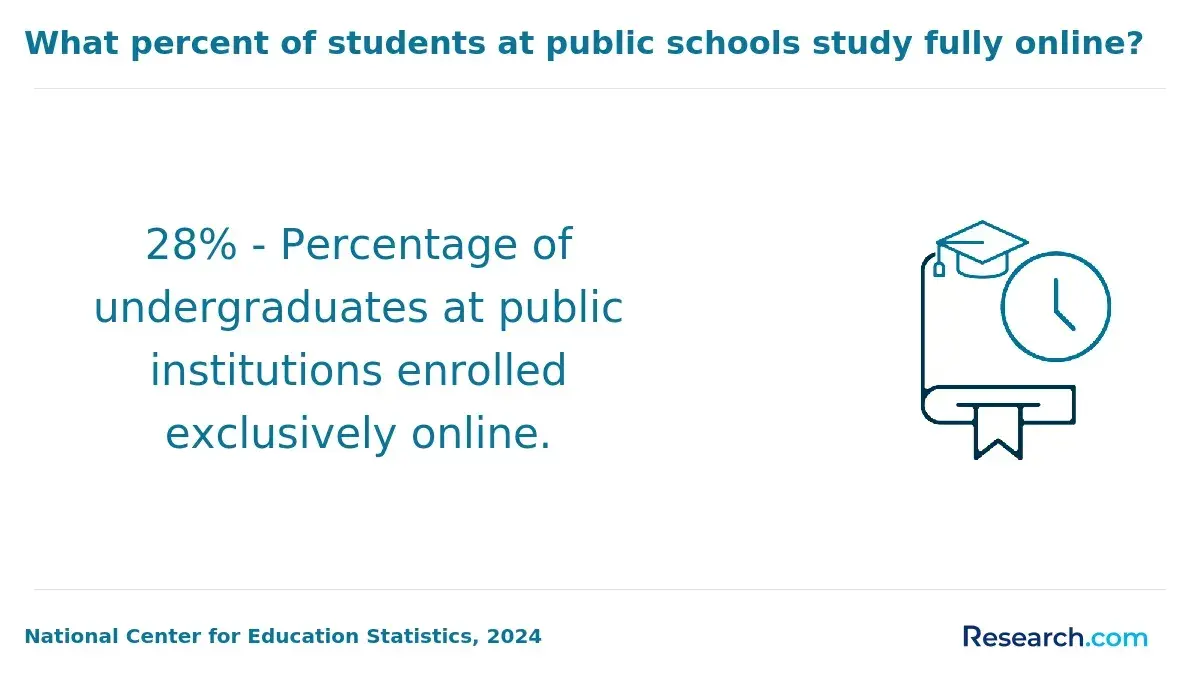
Is it difficult to get admitted to National University's online PhD-PSY in Trauma and Disaster Relief program?
PhD-PSY programs in trauma and disaster relief typically involve competitive admissions due to limited spots and rigorous expectations around standardized tests and prior research experience. Many universities require high GRE scores and a strong track record of relevant academic or clinical work, creating substantial barriers for working professionals seeking flexible pathways. This competitive environment reflects the specialized knowledge and skill set employers expect in crisis intervention and psychological resilience roles.
In contrast, National University's online PhD-PSY in Trauma and Disaster Relief adopts an open admission policy, meaning applicants do not submit SAT or ACT scores and face a noncompetitive acceptance environment. This approach reduces typical entry hurdles, allowing a broader range of candidates to apply without the bottleneck of traditional standardized testing or extremely selective acceptance rates. While this may allow easier admission, prospective students should weigh how the program's accessibility aligns with employer perceptions of rigor and prestige in this niche field.
One graduate recalled being initially hesitant to apply because she lacked recent standardized test scores, a common stumbling block in other programs. The absence of this requirement at National University prompted her to submit an application quickly. She appreciated the straightforward process but later focused intensely on building her research portfolio and professional experience to counterbalance the program's open entry when entering the workforce.
What is the cost of attending an online PhD-PSY in Trauma and Disaster Relief program at National University?
Tuition for the online PhD-PSY in Trauma and Disaster Relief program at National University is set at $13,320 annually, excluding supplementary costs such as books and living expenses. Total annual attendance costs, factoring in supplies and other fees, approach $38,943. These figures are important for prospective students who must weigh the impact of additional expenses like $936 for books and supplies against base tuition fees when budgeting for the program.
Unlike many programs, National University applies a flat-rate tuition model for online students that does not fluctuate with residency status. This pricing structure can offer financial predictability and potentially reduce out-of-state expenses, a notable tradeoff given many institutions charge significantly higher rates for non-residents. However, the absence of technology fees is equally significant for online learners facing hidden cost variables at other schools.
When compared with tuition fees for PhD-PSY in Trauma and Disaster Relief at other U.S. institutions, National University's charges remain competitive. Many programs in this specialty routinely exceed $20,000 per year for tuition alone, positioning this university's pricing to reflect a pragmatic choice for cost-conscious students seeking specialization in trauma and disaster relief psychology.
These cost factors influence how students evaluate the return on investment, especially in fields tied to disciplines with a growing share of programs and employment sectors. For those prioritizing financial clarity alongside academic rigor, understanding these tradeoffs is essential for long-term planning and career outcomes, particularly given the diverse paths within trauma-related mental health roles and their connection to the highest paying careers.
Are there financial aid options for online PhD-PSY in Trauma and Disaster Relief students at National University?
Financial aid availability for students pursuing an online PhD-PSY in Trauma and Disaster Relief at National University reflects broader trends in graduate education funding, where individualized support often hinges on institutional, federal, and external resources rather than program-specific scholarships. This means students must strategically navigate multiple aid sources to mitigate substantial tuition costs, especially since dedicated scholarships for this niche are limited. For working professionals, military-affiliated individuals, or those seeking federal assistance, understanding these varied options can influence program affordability and career investment decisions. The following outlines key financial aid opportunities commonly accessible to students in this program.
- Institutional Grants: Available to graduate students based on merit or demonstrated financial need, these grants can partially offset tuition expenses. Eligibility requires submission of financial documents and, in some cases, maintaining specific academic standards.
- Veteran Benefits: Qualifying military veterans can apply GI Bill benefits or other veteran education benefits toward tuition, which offers significant relief especially for service members transitioning to civilian mental health roles.
- Federal Financial Aid: Students eligible for federal programs must complete the FAFSA form to access loans, grants, or work-study opportunities. Graduate federal loans typically come with more flexible repayment terms to accommodate doctoral study timelines.
- Employer Tuition Reimbursement: Many students leverage employer-sponsored tuition assistance programs, which can substantially reduce out-of-pocket costs if the employer supports advanced degrees relevant to trauma and disaster response fields.
- Program-Specific Scholarships: While limited, some institutional scholarships may be available to students within related departments; however, these are competitive and often require demonstration of focused research interests or professional goals aligned with trauma and disaster relief.
What learning resources are available to online PhD-PSY in Trauma and Disaster Relief students at National University?
Access to targeted learning resources significantly shapes doctoral candidates' ability to conduct rigorous trauma and disaster relief research and establish credibility in a competitive job market where practical experience often complements academic credentials. This influence becomes clear when a student leverages remote support to refine dissertation methodologies or secure practicum placements vital to specialized clinical or policy roles. An understanding of the available resources also informs candidates about gaps they may need to address independently. Below is a breakdown of key supports available to students in the online PhD-PSY in Trauma and Disaster Relief program at National University that directly impact academic progression and workforce readiness.
- Digital Learning Platform: National University provides an advanced learning management system hosting course materials, recorded lectures, and interactive forums. This platform is designed to support asynchronous and synchronous engagement, essential for balancing doctoral research demands alongside professional or personal obligations.
- Academic Advising and Research Support: Personalized advising assists students in navigating complex research topics and methodologies, while writing support enhances scholarly communication skills necessary for peer-reviewed publications and grant applications.
- Library and Digital Collections: Comprehensive access to extensive online databases and resources enables in-depth literature reviews and supports evidence-based practice, a crucial foundation for trauma-focused research and intervention development.
- Professional Placement Network: The university's connections with trauma and disaster relief organizations facilitate access to practical internships and practicum experiences. These placements allow students to translate theoretical knowledge into applied skills sought by employers in clinical, academic, and policy fields.
- Technical and IT Support: Dedicated technical assistance ensures students can reliably access virtual classrooms and assessment platforms, minimizing disruptions and allowing focus on complex doctoral work that requires stability and smooth digital interaction.
Does National University's online PhD-PSY in Trauma and Disaster Relief program have in-person clinicals or practicums?
Licensing and professional competency expectations in psychology heavily prioritize in-person clinical work, and online PhD-PSY in trauma and disaster relief programs typically cannot waive these requirements. National University aligns with this standard by requiring students to complete supervised in-person practica or internships despite its primarily online delivery model. This design balances flexible coursework with essential hands-on experience employers and licensure boards expect, ensuring graduates can competently work in trauma-focused settings.
Specifically, students in National University's PhD-PSY trauma and disaster relief clinical requirements must complete clinical hours under licensed supervisors, which often involve crisis intervention and trauma-focused assessments. These in-person placements usually take place locally, allowing students to avoid relocation while meeting experiential learning standards. This setup reflects a pragmatic tradeoff: students gain applied skills necessary for disaster mental health work but must manage scheduling and securing local sites alongside online studies.
Given these expectations, students considering National University PhD-PSY trauma practicum locations should assess local availability carefully. The program's reliance on local clinical placements introduces variability in the ease of fulfilling practical requirements, which can impact time to degree completion and employment readiness. For those balancing professional responsibilities, understanding these in-person commitments is critical, especially when comparing to other online doctoral programs that may have different clinical practicum models. Prospective students may also want to evaluate options for an affordable online bachelor's degree as foundational preparation before pursuing doctoral study in this specialized field.
What careers can graduates of online PhD-PSY in Trauma and Disaster Relief at National University secure?
Graduates of the online PhD-PSY in Trauma and Disaster Relief at National University gain access to roles that demand specialized expertise with direct impact across mental health and crisis response sectors. The true value of this degree lies in how effectively it positions professionals for leadership and advanced practice within complex systems addressing trauma and disaster. Choosing this program means committing to careers that emphasize rigorous assessment, therapeutic intervention, and program development in high-stakes environments. Below are examples of relevant career paths reflecting the practical employment landscape for graduates:
- Clinical Psychologist Specializing in Trauma: These professionals conduct in-depth psychological assessments and deliver evidence-based therapies to individuals impacted by disasters or violence, typically earning median annual salaries aligned with licensed clinical psychologists, often exceeding six figures depending on location and employer.
- Disaster Response Coordinator: Focused on designing and overseeing mental health crisis responses, coordinators facilitate interagency collaboration and logistics, typically found within government or NGOs, where compensation varies widely but often includes leadership bonuses and benefits.
- Mental Health Consultant for Agencies: Consultants provide expert analysis and tailored interventions to public or humanitarian organizations, leveraging research to inform policies that enhance trauma recovery programs, with competitive salaries reflecting senior advisory roles.
- Academic Researcher or Faculty Member: Graduates involved in academia analyze trauma dynamics at population scales and influence policy formation. While these roles may offer lower initial pay than clinical practice, they provide long-term intellectual leadership and grant funding opportunities.
These positions reflect the spectrum of career outcomes for National University PhD-PSY trauma and disaster relief graduates and underscore the importance of aligning one's professional goals with the program's strengths. Considering the complexity and increasing demand for trauma expertise, prospective students should also evaluate program fit alongside real-world workforce needs. For insights into alternative flexible learning options, see this best self paced online college resource.
What is the salary outlook for online PhD-PSY in Trauma and Disaster Relief graduates?
The salary outlook for online PhD-PSY in Trauma and Disaster Relief graduates from National University reflects the nuance of emerging interdisciplinary roles where psychology intersects with crisis management. Such graduates often navigate between traditional mental health roles and leadership positions in security or disaster response organizations, meaning salary expectations should account for both fields. Employers increasingly seek candidates who combine behavioral expertise with operational capabilities, which can influence earning potential significantly depending on the sector.
National University alumni with psychology-related degrees report a median annual salary of around $36,571, a figure that sets a baseline but likely underestimates earning potential for doctoral-level specialists in trauma. More directly relevant are areas that blend management, security, and information systems, where median salaries range from about $63,000 to $71,700. These figures better mirror the financial outlook for those with a PhD-PSY in trauma and disaster relief, showcasing the benefit of interdisciplinary skills aligned with crisis intervention and leadership roles. This reflects a workforce reality where specialized knowledge alone does not guarantee higher pay without corresponding applied management competencies.
The broader median alumni salary for National University stands at $67,548 across all disciplines, pointing toward competitive earnings for graduates with advanced degrees. Considering the salary outlook for National University PhD-PSY in trauma and disaster relief graduates, many can expect trajectories surpassing general psychology figures while approaching salaries common in health and security sectors. For those weighing options between prolonged academic paths and shorter certifications, exploring one year degrees for seniors may represent an alternative for quicker workforce reentry or earning stabilization.
How do you know if National University's online PhD-PSY in Trauma and Disaster Relief program is the right choice for you?
Assessing whether National University's online PhD-PSY in Trauma and Disaster Relief aligns with your unique priorities and career intentions is essential before committing to the program. This evaluation shapes how effectively the degree supports your professional trajectory and daily life balance. Consider these key dimensions to guide your decision:
- Flexibility and Learning Format: Review how the program's asynchronous delivery and limited live sessions match your work schedule and learning style. Ensuring this balance can prevent burnout and maintain steady progress, especially for those managing full-time jobs.
- Curriculum Relevance to Career Goals: Examine the program's integration of trauma theory, disaster response, and practicums. Confirm if these elements provide practical skills suited to your intended role, such as leadership in emergency mental health or applied research.
- Faculty Expertise and Mentorship: Investigate the accessibility and experience of faculty and mentors. Strong guidance can enhance your research quality and expand professional networks, critical for entering specialized trauma relief sectors.
- Student Community and Support: Consider the nature of peer collaboration and institutional resources. A diverse, engaged academic community often bolsters motivation and shared learning, impacting long-term professional connections.
A graduate I spoke with, juggling a demanding healthcare job and family, hesitated initially due to concerns about online program rigor and engagement. After evaluating her need for flexible scheduling and relevant practicum opportunities, she chose National University's format. She reflected, "The ability to study mostly on my own time while accessing expert faculty when needed was crucial. It wasn't just about convenience but ensuring the training fit my career plans in disaster mental health." Her experience underscores how aligning program structure with personal constraints and goals makes a substantial difference in both completion and applied success.
What Graduates Say About National University's PhD-PSY in Trauma and Disaster Relief Program
- Julian: "Studying at National University gave me a practical edge I hadn't found elsewhere, especially through their focus on real-world case studies in trauma and disaster relief. The hands-on internships integrated into the PhD-PSY program allowed me to build a portfolio that was crucial when competing for roles beyond traditional licensure paths. While the program was intense, it opened doors for remote consulting opportunities that align better with my lifestyle and professional goals."
- Francisco: "Completing the PhD-PSY in Trauma and Disaster Relief at National University helped me understand the complex organizational challenges we face in disaster response. I was initially cautious about entering a field where many employers heavily weigh licensure, but the program's emphasis on certifications and applied experience allowed me to pivot into leadership roles without waiting years for licensure. However, I've found that salary growth can be somewhat limited without that credential, so I remain strategic about continuing professional development."
- Ivan: "My experience at National University was both challenging and eye-opening, especially as someone who needed the flexibility of an online program while working full-time. The PhD-PSY curriculum's focus on trauma theory combined with disaster relief frameworks gave me insightful perspectives I apply daily. After graduation, navigating the job market meant highlighting my internship and research application experience more than the degree itself, since many employers prioritize demonstrated skills and certifications over academic titles alone."
Other Things You Should Know About Degrees
The online structure limits spontaneous interactions that occur naturally in on-campus settings, reducing casual networking with peers and faculty. While National University offers virtual events and discussion forums, these are often more formal and scheduled, potentially making it harder to build deep professional relationships. Prospective students should prioritize active engagement in these platforms and seek external networking opportunities to compensate for this structural tradeoff.
Although the curriculum emphasizes psychological theories and research methods, the program includes limited direct experiential learning with allied fields like emergency management or social work. This may result in graduates being well-versed academically but less aware of cross-sector collaboration dynamics. Prospective students should supplement their learning with external internships or workshops to gain pragmatic interdisciplinary skills demanded by employers.
The dissertation phase is notably demanding, often requiring extensive original research independent of coursework. Balancing this with current jobs or clinical duties necessitates clear prioritization and time allocation. Students with intensive professional roles might consider reducing work hours or negotiating flexible arrangements during dissertation periods to maintain progress without compromising quality.
References
- Average Cost of a Doctorate Degree [2026]: Ph.D., Psy.D. & More https://educationdata.org/average-cost-of-a-doctorate-degree
- Textbooks https://nu.concerncenter.com/resource/7240
- Trauma Emphasis | PhD in Clinical Psychology | Palo Alto University https://paloaltou.edu/academic-programs/phd-clinical-psychology/trauma-emphasis
- Free, high-quality education resources from the National Science Digital Library https://opensource.com/education/16/4/national-science-digital-library
- PhD Trauma Psychology Salary 2026: Earn $96K-$169K+ https://psydprograms.org/salary-outlook-phd-trauma-psychology-degree/
- Doctor of Psychology Salary: What affects it in 2025? | Meridian University https://meridianuniversity.edu/content/doctor-of-psychology-salary-what-affects-it-in-2025
- NU ATA | Teaching and Learning Resources https://www.atalearning.org/
- Psychology, Trauma and Disaster Relief Specialization, PhD https://catalog.ncu.edu/preview_program.php