2027 Grand Canyon University Online BS in Applied Cybersecurity Management: Cost, Curriculum, Admissions, and Career Outcomes

Co-Founder and Chief Data Scientist
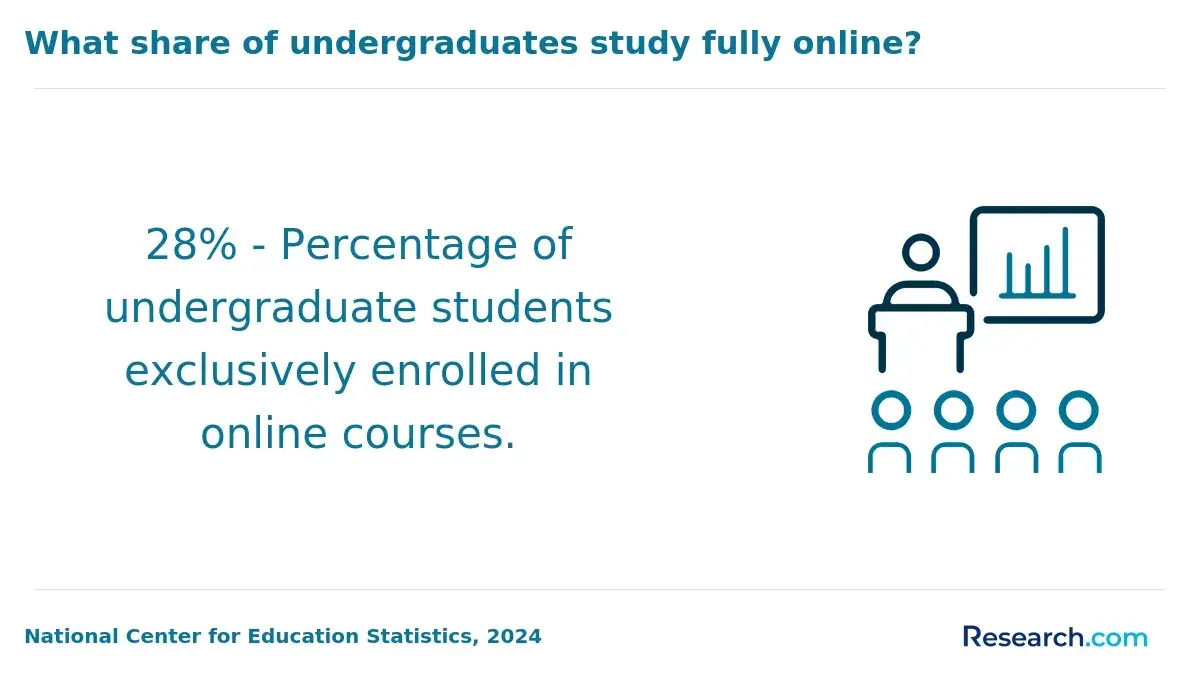
Deciding to pursue an online BS in Applied Cybersecurity Management requires navigating complex factors like program rigor, career relevance, and flexibility. With over 70% of adult learners enrolling online according to the National Center for Education Statistics 2024 data, accessibility shapes modern higher education choices.
This trend highlights the need for programs that accommodate working students while aligning with fast-evolving cybersecurity demands. Understanding how Grand Canyon University's offering fits within these dynamics helps prospective students evaluate their educational investment in terms of academic quality and professional outcomes.
This article analyzes the program's cost, curriculum, admissions criteria, and career prospects to guide informed decisions.
Key Points About Grand Canyon University's BS in Applied Cybersecurity Management Program
- With a 60% acceptance rate and $37,212 total tuition, the program balances accessibility and investment, requiring students to weigh moderate financial commitment against career entry potential.
- The national recognition and regional accreditation ensure that curriculum and faculty expertise align with industry standards, which supports skill relevance but does not guarantee job placement.
- Employers generally respect graduates, reflecting positively on workforce integration; however, real-world success depends on continuous upskilling beyond this foundational online degree.
What can students expect from Grand Canyon University's online BS in Applied Cybersecurity Management curriculum?
Employers in cybersecurity increasingly expect candidates who can navigate both technical challenges and leadership demands, a balance reflected in Grand Canyon University's online BS in Applied Cybersecurity Management curriculum. This program aligns closely with U.S. university standards by integrating core computer science foundations with management and specialized cybersecurity domains.
For example, a graduate managing an incident response team will require not only deep understanding of network security protocols but also skills in orchestrating team roles and project timelines under pressure.
Below are key components that shape the online cybersecurity management degree curriculum in Grand Canyon University:
- Network Fundamentals: The coursework covers essential protocols, infrastructure, and threat detection techniques. Students must engage in hands-on labs to configure and secure networks, which are critical skills for entry-level cybersecurity roles focusing on real-time defense.
- Cyber Law and Ethics: This area emphasizes the regulatory environment and ethical decision-making, preparing students to handle compliance obligations and navigate complex legal scenarios increasingly present in cybersecurity operations.
- Project Management and Leadership: Courses focus on planning, resource allocation, and team leadership. Practical assignments here empower students to lead cybersecurity initiatives effectively, translating technical solutions into organizational impact.
The applied cybersecurity management coursework and learning outcomes in Arizona reflect this interdisciplinary approach, ensuring students are equipped to bridge the gap between technical staff and executive leadership.
Those considering this program should also evaluate financial options at relevant online colleges that accept FAFSA, which affect accessibility and long-term return on investment.
What are Grand Canyon University's admission requirements for online BS in Applied Cybersecurity Management program?
Admission to Grand Canyon University's online BS in Applied Cybersecurity Management is structured to ensure applicants demonstrate foundational academic readiness while allowing some flexibility in credentials, reflecting the program's applied, career-focused nature.
For example, a working professional with relevant experience but no recent standardized test scores may find the admission path accessible yet still require clear proof of previous academic achievement.
Below are key admission criteria prospective students can expect:
- High school completion: Candidates must have finished high school or obtained a GED certificate, providing a baseline confirmation of secondary education required to tackle undergraduate coursework.
- Secondary school transcript: Submission of past academic records is necessary to show a competitive grade point average and evidence of college-preparatory coursework, which supports the student's ability to manage the program's academic rigor.
- English proficiency: Non-native English speakers need to submit TOEFL scores, ensuring they can engage fully with course materials and communicate effectively in an online learning environment.
- Standardized tests: SAT or ACT scores are not explicitly required, which can benefit applicants lacking recent test results or those returning to education after time away.
- Supporting materials: While not mandatory, letters of recommendation and portfolios or formal competency demonstrations may enhance the application by showing skills and practical readiness beyond grades alone.
Is it difficult to get admitted to Grand Canyon University's online BS in Applied Cybersecurity Management program?
Admission to a bachelor's program in applied cybersecurity management typically presents moderate competitiveness because of increasing demand for cybersecurity professionals. Many programs balance accessibility with specific academic criteria, creating a selective yet achievable threshold for applicants.
Candidates without sufficient standardized test scores or relevant skills may face challenges gaining entry into these degrees, reflecting growing employer emphasis on foundational knowledge and problem-solving abilities.
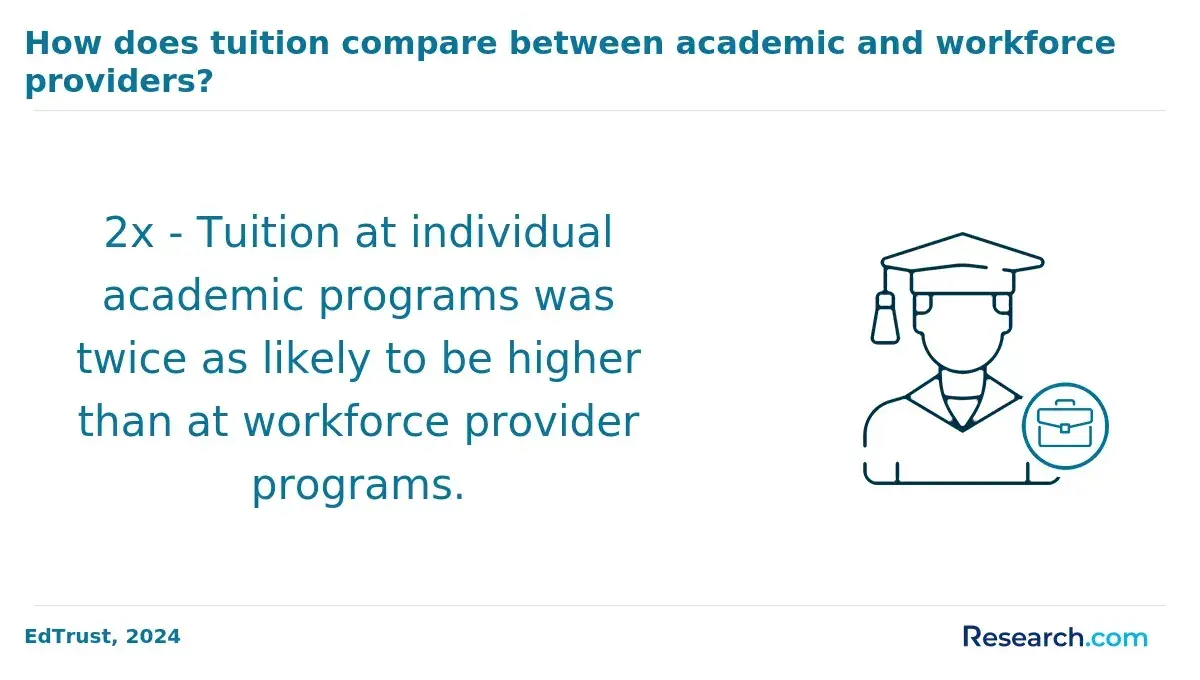
At Grand Canyon University, the BS in Applied Cybersecurity Management program admits approximately 60% of applicants, with about 28,960 admissions from 47,978 candidates annually.
This acceptance rate signals a moderately selective process; not highly exclusive but requiring applicants to meet standards including SAT verbal scores between 540 and 620, math scores from 518 to 555, or ACT scores from 19 to 180.
These benchmarks underscore the importance of maintaining solid academic performance and standardized test readiness to enhance acceptance odds in a program that faces strong applicant interest.
One graduate recalled feeling uncertain due to the volume of applicants and the specific test score requirements. "I hesitated to apply because my ACT was just on the lower end of their acceptable range," they explained.
"Submitting my application late added pressure, but meeting the score guidelines and highlighting my previous tech experience made the difference. I was relieved to get accepted, though I knew many talented peers didn't." This illustrates how preparedness and timing can impact admission outcomes even when acceptance rates suggest moderate accessibility.
What is the cost of attending an online BS in Applied Cybersecurity Management program at Grand Canyon University?
The tuition cost for the online BS in Applied Cybersecurity Management program at Grand Canyon University is $17,450 annually, excluding additional expenses like books and supplies, which average $1,100 per year.
This cost structure is notable for its flat-rate tuition that applies uniformly regardless of a student's location, with no separate online-specific technology fees. This approach simplifies budgeting for students but requires weighing total costs against potential financial aid or institutional discounts that might apply elsewhere.
In practical terms, many prospective students must consider these tuition fees alongside the broader context of cybersecurity workforce demands and employer expectations.
The cost of online BS in Applied Cybersecurity Management at Grand Canyon University aligns with industry standards, offering a competitive rate compared to comparable programs, though total expenses can fluctuate based on supplementary materials and living situations.
Tuition fees for Grand Canyon University's online BS in Applied Cybersecurity Management program do not differ by residency, which contrasts with many traditional institutions where in-state students pay less.
Comparatively, on-campus attendance costs including room and board average higher, as seen in the data for GCU in-state students living on campus, where annual costs reach over $31,000 due to housing and campus fees.
This difference underscores a tradeoff between convenience and comprehensive campus engagement when evaluating the cost-effectiveness of this degree path. For those balancing cost with flexible learning models, this tuition format offers predictability but requires careful planning around ancillary expenses.
Students exploring pathways into this field might also investigate the value of easy certifications to get online as a supplement or alternative to reduce upfront degree-related costs while entering cybersecurity roles.
Understanding the tuition fees for Grand Canyon University's online BS in Applied Cybersecurity Management program within the broader ecosystem of education and workforce demands is essential to making informed decisions about investment and expected return.
Are there financial aid options for online BS in Applied Cybersecurity Management students at Grand Canyon University?
Financial aid availability materially influences the feasibility of completing an online BS in Applied Cybersecurity Management at Grand Canyon University, especially given the varying economic backgrounds of prospective students.
For example, employed individuals balancing work and coursework may particularly benefit from employer-sponsored tuition assistance, reducing their out-of-pocket costs significantly.
Navigating the mixture of federal aid, institutional scholarships, and alternative funding routes is crucial since each option carries eligibility criteria and financial coverage tradeoffs that affect a student's debt burden and timeline to graduation.
The following outlines key financial aid avenues accessible to students:
- Institutional Scholarships: Merit-based and program-specific scholarships target students demonstrating academic excellence or potential in cybersecurity, often covering a substantial portion of tuition with requirements like maintaining GPA benchmarks.
- Federal Student Aid: Eligible students can apply via FAFSA for loans, grants, or work-study programs, with loans typically featuring lower interest rates and deferred repayment options, although acceptance increases future financial obligations.
- Employer Tuition Reimbursement: Working students in relevant sectors can leverage corporate tuition reimbursement plans that partially or fully cover tuition costs, contingent on employment status and job relevance to cybersecurity roles.
- Veteran Benefits: Military service members and veterans have access to GI Bill® and other military education benefits, which can substantially defray tuition fees but require verification of service-related eligibility.
- Need-Based Aid: Additional institutional aid focused on financial need supports students who demonstrate economic hardship, factoring in family income and personal circumstances to determine grant amounts.
What learning resources are available to online BS in Applied Cybersecurity Management students at Grand Canyon University?
Effective learning resources play a critical role in helping online BS in Applied Cybersecurity Management students at Grand Canyon University navigate the technical rigor and professional demands inherent to cybersecurity roles.
Access to specialized digital platforms and targeted support services can determine how well students manage complex coursework alongside evolving industry requirements.
For example, the availability of real-time technical support limits downtime during critical hands-on assignments, which directly affects skill acquisition and project readiness. This foundational support system extends into career-preparation frameworks, increasing the likelihood of meaningful employment outcomes.
Several key resources frame this educational environment:
- Digital Learning Platform: A centralized online interface delivers course materials, interactive lessons, discussion boards, and instructor communication. It facilitates continuous access to up-to-date cybersecurity content and peer collaboration essential for remote learning engagement.
- Technical Support: Dedicated assistance addresses software configuration, platform navigation, and troubleshooting issues. This reduces barriers to completing assignments on schedule and ensures stable interaction with cybersecurity tools.
- Academic Support Services: Remote tutoring, writing help, library access, and academic advising offer discipline-specific guidance and skill reinforcement. These resources help students address gaps in technical knowledge and develop professional writing and research skills vital for the cybersecurity field.
- Career Readiness Programs: Resume workshops, interview preparation sessions, and virtual career fairs connect students directly with employers and internship opportunities in cybersecurity. This alignment with workforce expectations is important for converting academic credentials into viable job prospects.
- Professional Networking Opportunities: Partnerships within the cybersecurity industry provide access to a wider professional community. This network can facilitate mentorship relationships, industry insights, and potential job leads beyond traditional recruitment channels.
Does Grand Canyon University's online BS in Applied Cybersecurity Management program have in-person clinicals or practicums?
Unlike degree programs in fields such as health sciences, the cybersecurity sector rarely mandates in-person clinicals or practicums due to the nature of its skill application and employer expectations. Employers in cybersecurity increasingly prioritize demonstrable technical proficiency and real-time problem-solving over traditional on-site internships.
For students evaluating Grand Canyon University applied cybersecurity management clinical requirements, this industry trend means they won't be constrained by geographic location or the need for physical attendance, a significant consideration for remote or working learners.
The online BS in Applied Cybersecurity Management program at Grand Canyon University aligns with these standards by removing in-person practicum options for Grand Canyon University cybersecurity program students.
Instead of clinical hours, the program emphasizes hands-on experience through virtual labs, simulated environments, and interactive assignments that replicate real-world cybersecurity challenges such as penetration testing, network defense, and incident response.
This approach fosters practical skill development crucial for roles in security analysis and cyber operations without requiring travel or on-site presence.
This structure, while enhancing flexibility, may require students to be proactive in supplementing their education with internships or networking opportunities if they seek experiential learning beyond virtual labs.
Prospective students should weigh these factors alongside program accessibility and personal circumstances when choosing a path. Those interested in affordability alongside comprehensive online offerings might explore lists of affordable online master's programs to compare options across institutions.
What careers can graduates of online BS in Applied Cybersecurity Management at Grand Canyon University secure?
The professional marketability of graduates from the online BS in Applied Cybersecurity Management at Grand Canyon University hinges on their ability to fill roles that require both technical acumen and strategic oversight.
One practical consideration for prospective students is how these roles often demand ongoing certification and experience beyond the degree itself to reach senior levels. The job market favors candidates who can not only detect and respond to cyber threats but also align security measures with corporate objectives.
This assessment aligns with common job prospects for graduates of Grand Canyon University applied cybersecurity management program, which include the following key positions:
- Cybersecurity Analyst: Professionals in this role continuously monitor networks for anomalies and potential breaches, deploying defensive strategies. They often serve as the first line of defense within an organization and typically earn competitive salaries that reflect their critical responsibility to safeguard digital assets.
- Information Security Manager: This position involves leading the development and implementation of security policies and coordination between technical teams and executives. It demands management skills in addition to deep cybersecurity knowledge, making it a mid- to senior-level role with commensurate compensation.
- Network Security Administrator: These specialists focus on maintaining secure communication infrastructures by configuring and managing firewalls, VPNs, and intrusion detection systems. Their practical expertise ensures continuous operational security and they are frequently valued in sectors reliant on robust network integrity.
- Risk Assessment Specialist: Tasked with identifying and mitigating potential vulnerabilities, this role requires analytical skills to evaluate organizational risk exposures and recommend solutions often integral to compliance. Growth in this area reflects increasing corporate emphasis on proactive cyber risk management.
The graduates' proficiency in cyber risk management directly addresses employer expectations for mitigating complex security challenges, which reflects real workforce demands.
Potential students should understand the balance between educational preparation and actual career trajectory, where the degree can serve as an entry point but must be complemented by certifications and applied experience to maximize long-term opportunities.
For those exploring accredited self-paced online courses with a cybersecurity focus, this program represents a pathway to sectors with increasing demand and strategic importance within various industries.
What is the salary outlook for online BS in Applied Cybersecurity Management graduates?
Graduates of the online BS in Applied Cybersecurity Management program at Grand Canyon University can expect salary outcomes that generally surpass the overall median earnings of alumni across all fields, reflecting cybersecurity's growing prominence in the workforce.
For instance, while the median alumni salary at Grand Canyon University is $42,186, those with degrees related to homeland security report $63,625, suggesting that similar cybersecurity management graduates may command competitive compensation.
Comparing this to programs such as Business Administration ($47,402) and Accounting ($45,144) highlights the relative financial appeal of cybersecurity management, especially for students aiming to blend technical and leadership roles.
The program's focus on applied management skills meets employer expectations for versatile expertise. This better aligns graduates with the realities of cyber risk management positions where earning potential is influenced by both technical competency and strategic oversight.
The salary outlook for Grand Canyon University online BS in Applied Cybersecurity Management graduates ties closely to market demand for cybersecurity professionals skilled in tactical and organizational functions.
Those weighing educational options might also consider the value proposition against other specialized careers like Registered Nursing, which commands higher salaries, but the cybersecurity field offers robust growth and adaptability. Further information on comparative education pathways can be explored through 6 month certificate programs that pay well.
How do you know if Grand Canyon University's online BS in Applied Cybersecurity Management program is the right choice for you?
Deciding if Grand Canyon University's online BS in Applied Cybersecurity Management fits your needs requires a clear-eyed assessment of how the program's structure and outcomes align with your career priorities and learning style.
Misjudging these factors risks investing time and resources into an education that might not advance your goals as effectively as alternative options.
Consider these critical criteria when evaluating the program:
- Program Flexibility: Evaluate whether the asynchronous course format suits your work-life balance and self-motivation levels. Flexibility matters because consistent pacing and deadline management are crucial for completing the degree without burnout.
- Skill Integration: Assess whether the curriculum balances technical cybersecurity knowledge with management and leadership skills adequately. This balance should reflect the specific job roles or promotions you target, as some employers prioritize hands-on expertise while others value oversight capabilities.
- Community and Support: Gauge the strength of the online learning community and available academic resources. A connected network can influence retention and practical learning, especially when tackling complex cybersecurity challenges remotely.
- Industry Alignment: Research how directly the program prepares you for industry certifications and evolving employer expectations. Alignment with current cybersecurity standards ensures you're not learning outdated practices.
A graduate I spoke with weighed these factors carefully before enrolling. Working full-time in IT security, they needed a program flexible enough to accommodate shift work and family demands.
The emphasis on applied management techniques convinced them that the degree would enhance their leadership prospects, not just technical prowess. They noted initial hesitation about online isolation but found the program's discussion boards and group projects fostered valuable peer interaction.
Ultimately, choosing a program based on these pragmatic criteria helped reduce uncertainty and set clearer pathways toward their career objectives.
What Graduates Say About Grand Canyon University's BS in Applied Cybersecurity Management Program
- Elizabeth: "Studying at Grand Canyon University gave me a strong foundation in applied cybersecurity while still allowing me to maintain my full-time job. The BS in Applied Cybersecurity Management program emphasized real-world incident response scenarios and risk assessment, which helped me immediately contribute to my company's security operations center. While I had to supplement my degree with some certifications to be competitive, the flexibility and practical focus of GCU's program made transitioning into a cybersecurity analyst role much smoother than I expected."
- Tessa: "What stood out during my time at Grand Canyon University was how the program combined technical skills with management principles - a blend that proved essential in my pivot from IT support to security compliance. The BS in Applied Cybersecurity Management program helped me understand the complexities of both security controls and organizational policy, but I quickly realized in the job market that building a portfolio and gaining internship experience were equally critical. Overall, it positioned me well for remote work opportunities and set realistic expectations about promotion paths without advanced credentials."
- Vanessa: "I enrolled in the BS in Applied Cybersecurity Management at Grand Canyon University to reorient my career toward cybersecurity. The coursework was challenging but practical, especially modules on threat intelligence and security governance that I apply daily. After graduating, I noticed that many employers prioritized hands-on experience and certifications alongside the degree, so I actively pursued internships and industry certificates. The program accelerated my entry into the cybersecurity field, though I learned firsthand that career advancement often depends on continuing education and specialization beyond the degree."
Other Things You Should Know About Degrees
The BS in Applied Cybersecurity Management at Grand Canyon University expects steady weekly commitments, with coursework that includes technical assignments and management projects. Students working full-time should anticipate allocating 15-20 hours per week, which can be stressful alongside demanding jobs. Prioritizing time management and possibly reducing work hours temporarily during heavier course loads is advisable for sustaining performance without burnout.
This program leans toward cybersecurity management, blending leadership and policy with foundational tech knowledge rather than offering intensive technical specialization. Students aiming for highly technical cybersecurity roles might find its scope limited compared to more technical BS degrees. If your goal is to oversee cybersecurity teams or align cybersecurity strategies with business goals, this program suits that well, but for hands-on technical roles, consider supplementing your education with certifications or additional technical training.
The online delivery means fewer direct interactions compared to on-campus programs, which can limit spontaneous networking with peers and faculty. While Grand Canyon University offers virtual career services and discussion forums, students must proactively engage with these resources to build connections. For those valuing extensive employer networking or internships with direct company exposure, it may require extra effort to seek external cybersecurity events or local professional groups alongside the program.
Students may encounter challenges in developing hands-on technical skills due to the online format, making it essential to seek practical experiences independently. Balancing coursework with full-time jobs can be demanding, and fostering networking opportunities requires proactive effort given the virtual environment.
References
- Online Bachelor's Degree: Cybersecurity Management & Policy https://www.umgc.edu/online-degrees/bachelors/cybersecurity-management-policy
- Cybersecurity Degree Requirements: What’s New for 2025 - Programs.com https://programs.com/resources/cybersecurity-degree-requirements/
- Best Bachelor's in Cybersecurity Management and Policy | CyberDegrees.org https://www.cyberdegrees.org/listings/best-bachelors-security-management-degree/
- GCU K12 Resources | Canyon PD https://www.canyonpd.com/gcu-k12-education-resources/
- View details about BS Applied Cybersecurity Management at Grand Canyon University, Phoenix like admission process, eligibility criteria, fees, course duration, study mode, seats, and course level https://studyabroad.careers360.com/usa/universities/grand-canyon-university-phoenix/bs-applied-cybersecurity-management-coursepg
- Higher Education Services https://www.gce.com/
- GCU Dept. of Welcome Programs https://gcuwelcome.org/resources
- Most Affordable Cybersecurity Degree Programs | Cybersecurity Guide https://cybersecurityguide.org/rankings/most-affordable-cybersecurity-degree/
- GCU Student Loans https://www.globalcu.org/about/community/grand-canyon-university/private-student-loans/