2027 Indiana Wesleyan University Transfer Credit Policy: How Many Credits Can You Bring?

Co-Founder and Chief Data Scientist
Students aiming to transfer credits when enrolling in online degree programs at Indiana Wesleyan University often face challenges in understanding how many previously earned credits will apply. Misjudging credit transferability can lead to extended time in school and unexpected expenses. Transfer policies vary by institution, and the limits set by Indiana Wesleyan University directly affect course planning and financial investment.
For many, determining which credits align with the university's curriculum requires careful documentation of prior coursework and accreditation status. Recent data shows that nearly 40% of transfer applicants in U. S. higher education experience partial credit denials, impacting completion rates and costs, which means a thorough grasp of credit acceptance rules can reduce obstacles.
This article breaks down Indiana Wesleyan University's transfer credit policies, detailing maximum allowable credits, evaluation criteria, and ways to strategically submit credits. It offers practical insights to help students optimize their credit transfer process and avoid common pitfalls.
Key Points About Transferring Credits at Indiana Wesleyan University
- Indiana Wesleyan University accepts a substantial number of transfer credits from accredited institutions, with terms available for Fall, Spring, and Summer entry, enabling students to align prior coursework with degree progression timelines effectively.
- CLEP and DSST/DANTES exams are recognized for credit, offering validated routes to reduce required seat-time by confirming mastery of subject matter through standardized assessments.
- Transfer credit evaluations incorporate both academic records and experiential learning, contingent on course equivalency and documentation quality, requiring students to prepare thorough credential portfolios to maximize credit acceptance.
Does Indiana Wesleyan University allow students to transfer credits from a different school?
Indiana Wesleyan University allows students to transfer credits from other schools with moderate ease, reflecting an 82% acceptance rate and an average entrance difficulty. Applicants can submit transfer credit requests for fall, spring, or summer terms, providing multiple entry points. This flexibility benefits students aiming to make strategic use of prior learning.
The acceptance of transfer credits is heavily dependent on the accreditation type of the sending institution. Credits from regionally accredited colleges are generally accepted, while those from nationally accredited schools face limitations due to different academic standards. IWU also awards credit based on CLEP and DSST/DANTES exam results, which can expedite progress for students with relevant knowledge.
Nationally, nearly 40% of transfer students lose credits during the transfer process, as reported by recent research. This underscores the need for clear articulation agreements and informed credit evaluation strategies.
Compared to many institutions, Indiana Wesleyan University's transfer credit policy demonstrates solid receptivity, offering a practical path for students to retain more academic credit and shorten time to degree.
Students interested in online learning would do well to consider credit transfer policies carefully. Aligning previous coursework with IWU's requirements can limit redundant classes and support quicker degree completion. For those exploring accelerated options, one-year online master's programs represent a growing segment that values transferred credit as part of its academic framework.
What is the maximum number of transfer credits allowed at Indiana Wesleyan University?
Indiana Wesleyan University caps the maximum transferable credits at 75 semester hours for its online bachelor's degree programs. This limit ensures students complete a significant portion of their studies at IWU, preserving academic rigor and program integrity. For example, a student transferring 90 credits from another institution must plan to complete at least 45 credits directly through IWU.
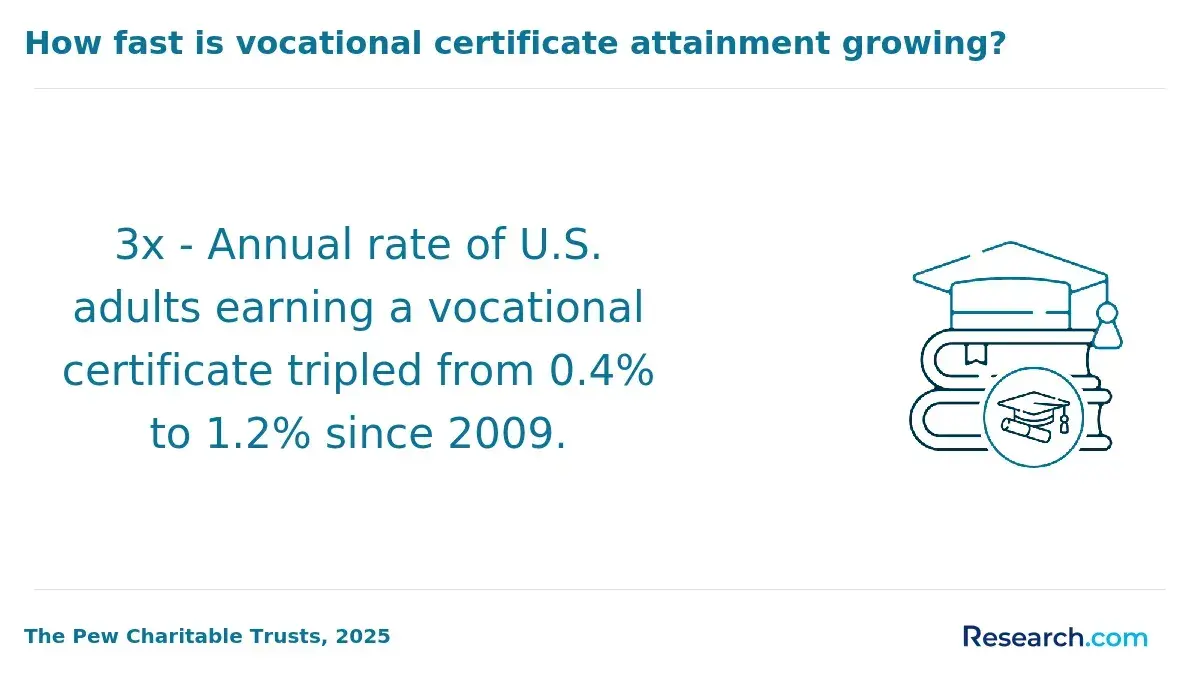
The transfer credit limits at Indiana Wesleyan University depend on accreditation status and course level. Credits from regionally accredited institutions and lower-division courses typically transfer more readily. However, upper-division credits, especially from non-accredited or vocational programs, face stricter restrictions to maintain curricular consistency and employability outcomes.
Studies in 2024 show that 70% of US universities enforce a credit cap between 60 and 80 hours to balance flexibility with academic quality, impacting how students navigate degree pathways. Those relying heavily on work experience or alternate credit systems must anticipate potential delays or additional coursework, influencing time to degree and career readiness.
Students aiming to maximize transferable credits should prioritize courses from accredited institutions aligned with IWU's requirements. Early advising is crucial to avoid redundant classes and optimize graduation timelines. For those exploring the easiest online bachelor degree options, understanding these caps helps in selecting compatible programs and planning credit transfers wisely.
Are there different transfer credit caps for online vs on-campus programs at Indiana Wesleyan University?
Indiana Wesleyan University applies the same transfer credit cap of up to 75% of required degree credits for both online and on-campus students, with no separate limits based on program delivery. This policy emphasizes course equivalency and ensures students complete a substantive portion of their degree within IWU's curriculum.
While the credit cap remains consistent, competency-based online credits provide adult learners greater flexibility by allowing mastery demonstrated through self-paced, non-traditional formats. However, these credits demand comprehensive documentation to meet IWU's standards, reflecting unique curriculum requirements in online programs compared to standard residency expectations on campus.
The transfer evaluation process treats online and traditional students alike, with transcripts reviewed under uniform academic criteria. Remote students may find credit acceptance more feasible when using competency-based credits, but both groups share the necessity to align prior coursework with IWU's program outcomes to avoid transfer denials or delayed progress.
Recent data indicate universities expanding digital credit recognition have achieved up to a 15% rise in graduation rates among remote learners, demonstrating that identical transfer caps across modalities can support timely degree completion when paired with robust documentation and relevant credit alignment.
How does Indiana Wesleyan University evaluate international transcripts and foreign course credits?
Foreign academic credits can be eligible for transfer to Indiana Wesleyan University if they meet specific standards ensuring academic integrity and relevance. For instance, an international student with coursework from a foreign university must have their transcripts evaluated not only for content but also for authenticity and alignment with IWU's academic expectations.
The university applies several critical criteria in this evaluation process, including:
- Accreditation Status: Indiana Wesleyan University verifies that the foreign institution is recognized by legitimate accrediting bodies. This ensures the institution meets minimum academic quality and legitimacy standards before credits are considered.
- Course Content Relevance: Coursework is scrutinized for its direct applicability to the student's intended IWU program. The university compares course descriptions and catalog information to confirm equivalency and suitability.
- Grade Conversion: Grades from foreign transcripts are converted to the U.S. 4.0 GPA scale using standardized tables. This alignment enables fair comparison of academic performance across diverse grading systems.
- Language Proficiency: Proof of English proficiency, often through TOEFL or IELTS, is required for non-native speakers. This ensures students can succeed in an English-language academic environment.
- Third-Party Credential Evaluation: IWU predominantly relies on evaluations by independent agencies recognized by NACES. This external review confirms degree equivalency and prevents credit misalignment.
A recent study noted a 12% increase in international student enrollment across U.S. institutions, highlighting the rising importance of robust credit transfer frameworks. For transfer students at Indiana Wesleyan University, understanding these criteria early can directly influence how many credits apply, impact degree completion time, and inform course selections aligned with IWU's standards for maximum credit recognition.
Are there alternative theoretical or practical credentials that Indiana Wesleyan University accepts as credit?
Indiana Wesleyan University does accept a variety of alternative theoretical and practical credentials for credit transfer, offering pathways beyond conventional coursework. For example, a working adult with extensive industry experience might use these options to expedite degree completion without retaking comparable classes.
The following outlines key alternative credentials recognized by Indiana Wesleyan University and how they are evaluated:
- Prior Learning Assessment (PLA): This involves a portfolio review where students demonstrate college-level knowledge gained from work or life experiences. The institution assesses the depth and relevance of documented competencies to award applicable credit across eligible programs.
- Joint Services Transcript (JST): Military training and professional development reflected in the JST are systematically evaluated. Credits awarded correspond to documented skills and knowledge, primarily benefiting veterans and active-duty students.
- American Council on Education (ACE) Recommendations: Credits recommended by ACE for corporate training or professional certifications may be accepted. Indiana Wesleyan University verifies the alignment of these credentials with academic outcomes, though acceptance often depends on program-specific criteria.
- Corporate Training and Technical Certifications: These are less frequently accepted automatically. Typically, such credentials must undergo PLA or ACE evaluation processes, limiting direct credit transfer and requiring individualized assessment.
Indiana Wesleyan University's transfer credit policies align with a nationwide trend where approximately 67% of adult learners using PLA credits exhibit higher degree completion rates, underscoring the real-world benefits of recognizing alternative learning.
However, not all credits equally fulfill program requirements, making early advisor consultation critical to optimize acceptance and degree progress. Students balancing work and study may find these alternative credentials instrumental in shortening their path to graduation while maintaining workforce engagement.
Evaluating transfer credit for practical and theoretical learning at Indiana Wesleyan University requires strategic planning to maximize credit use. Prospective learners should consider these options carefully and may explore cheap bachelor degree online programs for flexible pathways compatible with their prior credentials.
How do you request an official transfer credit evaluation from Indiana Wesleyan University?
Requesting an official transfer credit evaluation at Indiana Wesleyan University requires a clear understanding of the procedural phases and documentation necessary for online program enrollees. This process is critical for students managing tight schedules or balancing work commitments, as delays in credit determination can affect degree timelines and enrollment plans.
The following outlines the key steps involved in initiating a credit audit at Indiana Wesleyan University for transfer students:
- Transcript Submission: Students must ensure academic transcripts are sent directly from previously attended institutions to Indiana Wesleyan University's admissions office. Digital transcript services have streamlined this step nationwide, with over 70% of US colleges now using electronic exchanges that reduce waiting times by about 5 to 7 business days, improving processing speed and reliability.
- Evaluation of Equivalency: The evaluation team assesses submitted transcripts against IWU's curriculum and accreditation standards, identifying which credits align with degree requirements. This analysis factors in course content and accreditation rigor to ensure transferred credits maintain degree relevance and quality.
- Timeline for Decision: Students can typically expect evaluation results within 10 to 15 business days after submitting all necessary materials. Complex or nontraditional coursework and accreditation differences can prolong this period, so proactive submission is essential for timely enrollment.
- Planning Enrollment: Understanding the evaluation timetable helps students synchronize transfers with semester start dates, avoiding disruptions to degree progression. This is especially crucial for those seeking to transfer credits for specialized online programs with strict sequencing.
Applicants interested in programs with minimized upfront barriers may explore options among colleges with no application fee to strategically manage costs during the transfer process.
What are the deadlines for submitting your transfer transcripts to Indiana Wesleyan University?
Indiana Wesleyan University requires transfer transcripts to be submitted by priority enrollment deadlines set several weeks before each term begins. These deadlines ensure a full credit evaluation before the semester starts, critical for maintaining timely progress. Fall, spring, and summer terms each have distinct cutoff dates aligned with their semester schedules.
Students applying under rolling admissions have a more flexible window, but late transcript submissions may delay the credit transfer process. This can push back graduation timelines if credits are not applied to the intended term. Understanding Indiana Wesleyan University transfer transcript deadlines helps prioritize submitting materials on time to avoid these setbacks.
Compared to other institutions, Indiana Wesleyan University's deadlines balance administrative processing timelines with transcript delivery constraints, which can take days or weeks. National trends indicate students missing initial deadlines face up to a 25% slower degree completion rate due to delayed credit evaluations, highlighting the importance of adhering to these policies. Submitting transfer credits on time at Indiana Wesleyan University is essential for efficient degree progress.
This procedural rigor also complements professional expectations. For candidates juggling employment and studies, meeting transcript deadlines safeguards against interruptions in program pacing, a common challenge in flexible degree offerings like those found among the best competency-based colleges.
What is the impact of transferring credits on graduation timelines at Indiana Wesleyan University?
Transferring credits at Indiana Wesleyan University can accelerate or complicate graduation timelines depending on credit alignment with program requirements.
Successfully transferring courses that match core major requirements shortens time-to-degree by reducing the number of prerequisite classes. But if credits apply only as general electives or miss essential sequences, students may face delays ensuring prerequisites are met, especially in structured programs.
National data shows about 40% of transfer students experience extended enrollment due to credit loss or redundancy, emphasizing the importance of strategic transfer evaluations to avoid costly delays.
The following factors influence how transfer credits impact online students' graduation timelines:
- Major Course Alignment: Credits that fulfill required coursework in the student's major directly reduce required semesters by bypassing foundational classes. Misalignment limits this benefit, potentially adding recovery courses that extend the pathway.
- Sequence Dependency: Programs with strict course progression can delay graduation if students lack foundational credits from prior institutions. Missing a prerequisite forces additional semesters for course completion.
- Elective vs. Core Credit: Credits counted only as electives may satisfy credit totals without advancing major progress, thus having less effect on graduation speed and sometimes complicating scheduling.
- Credit Evaluation Efficiency: Delays in official credit review can stall course registration planning, extending time to degree. Effective advising and prompt evaluation mitigate these risks.
A previous IWU online graduate described hesitation before transferring credits from various institutions, recalling how "I worried some credits wouldn't fit my major requirements, but working closely with advisors helped identify which credits applied. When I realized only two classes truly moved me forward, I adjusted my schedule fast to avoid extra semesters. That strategic transfer review saved me months and kept my tuition costs from rising unexpectedly."
How much tuition can you save by maximizing your transfer credits at Indiana Wesleyan University?
Maximizing transfer credits at Indiana Wesleyan University directly lowers the total tuition cost by reducing required coursework from the base $42,984. This drop in credit hours decreases the primary tuition fee component and reduces fee charges tied to full enrollment. Fewer courses also mean lower technology and activity fees per semester.
Savings scale with the volume of approved transfer credits. A student transferring 30 credits can bypass nearly a full academic year of lower-division courses, potentially cutting thousands from their overall tuition bill. Partial transfers still yield meaningful discounts, as every credit hour avoided limits both tuition and ancillary fees.
Lower tuition due to transfer credits lessens dependence on student loans. Given the median graduate debt stands at $24,250 nationally, reducing initial borrowing measurably reduces accrued interest. Research from recent education economics studies shows private institutions can vary net prices by more than 15% depending on credit optimization, affecting long-term financial health.
For students balancing costs and career timelines, strategic transfer credit use at Indiana Wesleyan University supports more sustainable debt levels and fluid workforce entry. This approach aligns educational investment more closely with labor market returns by minimizing unnecessary credit accumulation and loan burdens.
How can you appeal a denied transfer credit decision at Indiana Wesleyan University?
Successfully appealing a denied transfer credit decision at Indiana Wesleyan University requires targeted evidence and strategic engagement within strict procedural limits. For example, a student transferring credits from a technical college might initially see core courses rejected but can influence the outcome by coordinating closely with relevant academic departments and substantiating curricular alignment.
Navigating this process demands a combination of institutional knowledge, timely advocacy, and documented equivalency. The key appeal strategies available to Indiana Wesleyan University students reflect these practical realities.
Below are common avenues students use to contest denial decisions:
- Registrar Office Submission: This primary appeal starts by contacting the registrar's office, which handles official processing. Students must submit a formal re-evaluation request with detailed course catalogs and syllabi. This step establishes the administrative foundation necessary to initiate reconsideration.
- Departmental Review Request: Departments have discretion to assess course equivalency directly. Involving subject matter faculty can be decisive, especially when presenting portfolios or coursework that closely match Indiana Wesleyan University's learning outcomes. This approach adds academic credibility to an appeal.
- Timely Filing Compliance: Indiana Wesleyan requires appeals to be filed within 30 days of the initial credit evaluation. Adherence to deadlines is critical since missed timelines typically close off appeal possibilities, forcing students to accept initial rulings or seek alternative degree paths.
- Comprehensive Documentation Preparation: Appeals lacking detailed syllabi, transcripts, and assessments often fail. High-quality evidence demonstrating course content and rigor alignment is necessary to overcome the university's academic standards.
- Academic Leadership Intervention: When initial appeals fail, escalating the case to the academic dean or department head can yield exceptions based on extraordinary circumstances or demonstrated equivalencies where standard evaluations fall short.
A 2024 national study shows nearly 28.7% of transfer credit evaluations face denial or adjustment, underscoring the need for transparency and procedural rigor. For Indiana Wesleyan University students, understanding these systemic trends highlights the value of methodical preparation and targeted communication to avoid prolonged degree delays or credit loss.
One online graduate from Indiana Wesleyan University recalled feeling uncertain when several of their previously earned credits in business management did not transfer. They started by contacting the registrar immediately and gathering detailed syllabi and course descriptions from their former college.
Recognizing the 30-day deadline was approaching, they also reached out to the business department chair to explain the course equivalencies and submitted additional project work as proof of learning outcomes. The process was stressful but systematic, and they eventually secured approval for most credits, which shortened their time to degree completion.
Reflecting on that experience, they emphasized how persistence combined with targeted documentation was crucial and expressed relief in having avoided repeating courses that matched prior learning.
What Graduates Say About Their Admissions Experience at Indiana Wesleyan University
- Madison: "Enrolling in an online degree program at Indiana Wesleyan University was a carefully considered decision for me, especially with a sizable amount of prior college credits to evaluate. The transfer credit process was quite transparent, but it required me to personally obtain official transcripts from multiple institutions and work closely with the registrar's office to verify course equivalencies. Although the generous credit cap helped alleviate some administrative pressure, I found that maximizing transfer credits did not drastically shorten my degree timeline, as several major-specific prerequisites still needed to be completed. However, the practical organization of the online program supported a smooth transition into advanced coursework, which proved valuable as I entered my current role."
- Marissa: "My experience with Indiana Wesleyan University's online program was positive and pragmatic. Navigating the transfer credit process required patience, particularly when coordinating transcripts from previous schools, but the university's clear guidelines made it manageable. The credit transfer caps offered financial relief, yet the real impact was how the program allowed me to build on my previous knowledge efficiently. While the process didn't shave off as much time from my studies as I initially expected, it did reduce duplicate coursework, which felt like a practical use of my time and money. This steady progression has been instrumental in positioning me confidently in my current career."
- Elena: "Studying online at Indiana Wesleyan University brought unique challenges, particularly in aligning my past academic and professional experience with their transfer credit policies. I had to be very thorough in securing official transcripts and verifying course equivalencies, which at times felt like a bottleneck. That said, the university's approach to credit transfer relieved some stress by allowing a broad cap on accepted credits, although that didn't always translate into a faster graduation. Still, this structure helped me stay focused on learning the critical, major-specific courses that prepared me well for the workforce, offering a balance between acknowledging past work and demanding new skills."
Other Things You Should Know About Indiana Wesleyan University Degrees
Yes. Indiana Wesleyan University may award credit for CLEP, DSST, and AP exams when the score meets the university’s minimum requirement. Those exam credits count as transfer credit, but they are awarded only after official score reports are sent and evaluated by the registrar.
Indiana Wesleyan University allows students to transfer up to 90 credit hours from accredited institutions in 2027. This means students can bring a significant portion of their previous coursework, reducing the time needed to complete their degree at IWU.
Indiana Wesleyan University typically requires that transfer credits be from courses in which a grade of 'C' or better was earned to be eligible for transfer. Courses must also be from an accredited institution to be considered for credit transfer in 2027.
References
- How Much Could You Save With a 90-Credit Degree? A Smarter Cost-and-Time Breakdown | IWU https://www.indwes.edu/articles/2026/05/how-much-could-you-save-with-90-credit-degree
- Indiana Wesleyan University Catalog https://catalog.indwes.edu/academicpolicies/academicpolicies/transferofcreditpolicy
- Apply to Indiana Wesleyan University (Marion) https://www.commonapp.org/explore/indiana-wesleyan-university-marion/
- Indiana Wesleyan University to transfer in all Argosy University credits https://www.prnewswire.com/news-releases/indiana-wesleyan-university-to-transfer-in-all-argosy-university-credits-300811197.html
- Indiana Wesleyan University Transfer Courses from Sophia | Sophia Learning https://indwes.sophia.org/