2027 Emerson College Online Admission Requirements

Co-Founder and Chief Data Scientist
Applying to an online degree program at Emerson College involves navigating varied academic criteria and institutional procedures that can delay or derail enrollment. Many applicants underestimate the importance of aligning their prior qualifications with Emerson's specific credential standards, which directly affects admission outcomes.
Additionally, selectivity in certain programs creates competition requiring strategic preparation beyond basic application submission. Recent studies show that 45% of prospective online students face challenges with unclear admission requirements, highlighting a widespread issue in online higher education access.
This article breaks down Emerson College's online admission requirements, including academic expectations, competitive thresholds, and necessary administrative steps. It provides a critical guide to help applicants increase their chances by understanding the practical benchmarks and decision points involved in gaining admission to these programs.
Key Points About the Emerson College Online Admission Requirements
- Admission to Emerson College online programs is highly selective with a 47% acceptance rate, reflecting stringent evaluation of academic preparation and recommendation quality, which narrows applicant eligibility and signals competitive entry barriers.
- Applicants must complete a college-preparatory curriculum, supply a strong secondary school GPA, and, for non-native speakers, submit TOEFL scores, emphasizing rigorous academic foundations over open or flexible admission policies.
- While additional test scores like Wonderlic or WISC-III are recommended but not mandatory, technology access is flexible via lease or purchase options, balancing resource disparities within a demanding admissions framework.
How competitive is the online admission process at Emerson College?
With an acceptance rate of 47% from 11,092 applicants, Emerson College's online admission process is challenging but not prohibitive. Admitting 5,267 candidates reflects a middle ground in selectivity, requiring more than minimal qualifications but less exclusivity than top-tier programs with rates below 20%.
Competition varies within Emerson's individual programs, especially those with additional enrollment caps or industry partnerships. For example, a marketing online degree with limited cohort size will be more competitive than a business administration program with flexible intake, demanding applicants demonstrate targeted skills and relevant experience.
Compared to peer institutions, Emerson's selectivity sits between open-access schools and highly selective universities. This moderate barrier means applicants must balance academic preparation with practical fit for the program's specific demands rather than rely on broad credentials alone. Post-pandemic enrollment surges have further tightened admissions nationwide by 5-10%, adding pressure to already competitive online offerings.
Practical judgments about applying should consider this landscape. Candidates strengthening their resumes with sector-relevant projects or certifications often improve their chances more than incremental GPA gains. Also, demonstrating clear alignment with Emerson's program goals can offset moderately competitive numeric thresholds.
One graduate recalls hesitating before applying because of the reported acceptance rate. She noted the process "felt competitive but fair," highlighting how submitting a well-crafted portfolio showcasing prior freelance work in communications helped her stand out.
"It wasn't just about grades. They wanted to see what I could do in real terms," she said, describing relief upon receiving her admission offer amid a more crowded applicant pool than expected.
How does the admission process differ for online programs at Emerson College?
The admission process for online programs at Emerson College incorporates enhanced remote verification protocols, reflecting a need for stricter identity validation than on-campus admissions. For example, an applicant submitting from abroad must complete digital identity confirmation alongside standard academic documentation to maintain Emerson's selective standards.
Remote application workflows at Emerson include specialized submission platforms that integrate automated checks, distinguishing them from traditional paper-based or in-person processes. This ensures consistent academic integrity amid decentralized applicant pools, addressing challenges unique to remote evaluation and reducing fraud risk.
Despite these procedural adaptations, the baseline academic criteria remain unchanged. Online applicants still need to submit complete secondary school records, GPA thresholds, and English proficiency evidence. Unlike some institutions, Emerson does not soften requirements or offer open admission online, emphasizing parity between program formats.
Research from the National Center for Education Statistics shows 78% of U.S. institutions adopted advanced automated systems to streamline online admissions. This supports Emerson's approach, highlighting that robust technological infrastructure is vital to uphold competitive selectivity and align outcomes with traditional on-campus standards.
What are the general requirements for admission to Emerson College?
Admission to Emerson College online programs demands a clearly documented academic foundation and strict compliance with specific application materials.
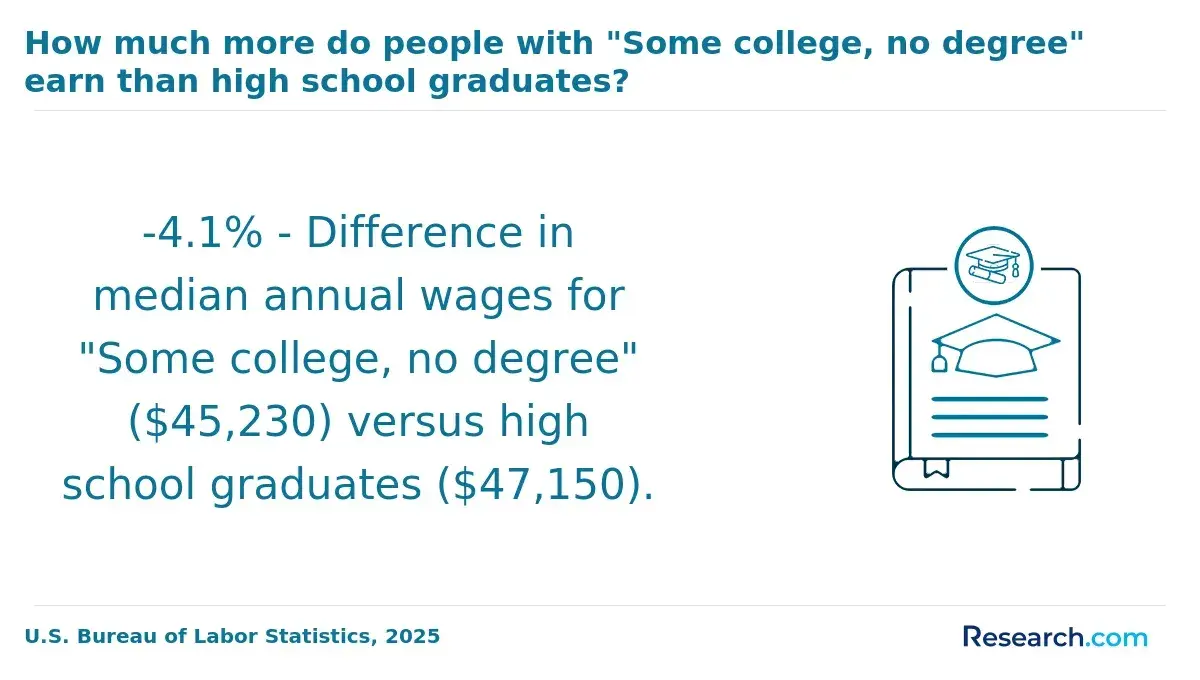
Competitive evaluation replaces open admission, necessitating a thorough demonstration of readiness that extends beyond transcripts. For example, a prospective student with a General Educational Development (GED) certificate must provide a comprehensive secondary school record including GPA to meet the academic baseline.
The following list details core requirements for applicants to these programs.
- High School Completion: Applicants must have finished a traditional high school program or its equivalent. In cases without a standard diploma, a GED certificate is mandatory to establish foundational academic preparation.
- Secondary School Records and GPA: A full transcript showing a college-preparatory curriculum and corresponding GPA is required. This academic history is crucial for evaluating an applicant's potential success in rigorous coursework.
- Letters of Recommendation: Mandatory recommendation letters serve as external attestations of academic ability and personal character. These provide a holistic view beyond grades, aligning with employer demand for soft skills and dependability.
- English Proficiency Testing: TOEFL scores are required for non-native English speakers, ensuring candidates meet language standards important for participation and comprehension in online coursework.
- Standardized Assessments: While tests like Wonderlic or WISC-III are not required, their recommended status indicates Emerson's preference for multi-faceted evaluation of student aptitude.
- Credit Policy: Emerson does not allow credit for life experiences or dual credit, though Advanced Placement (AP) credits are accepted. This policy impacts transferability and prior learning recognition.
- Technology Access: Despite online delivery, owning a computer is not compulsory due to leasing or purchase programs, addressing a common financial barrier for applicants.
A 2024 study by the National Center for Education Statistics indicates 68% of institutions use holistic reviews combining academic records, recommendations, and test scores. This trend reflects the broader U.S. admission landscape and is evident in Emerson College's undergraduate admission criteria for Emerson College online programs.
Understanding these requirements helps prospective students prepare adequately to meet expectations and align their applications with workforce readiness, especially in fields identified through university majors that grow in occupational demand.
What are the minimum GPA thresholds for Emerson College online programs?
Emerson College requires applicants to submit their secondary school GPA, but it does not specify a firm minimum GPA threshold for online programs, reflecting a selective and holistic admission process. This approach means candidates with borderline GPAs cannot rely solely on grades.
Strong overall academic records and standardized test scores are critical. For example, a student with strong preparatory coursework and recommendations but a 3.3 GPA may still have a viable application depending on other factors.
There is no difference in GPA requirements between on-campus and Emerson College online programs, indicating uniform academic standards across program types. While some online programs may demand more rigorous study, the baseline GPA expectations remain consistent. This is important as rising GPA baselines of about 3.5 or higher nationally, noted in recent educational studies, signal increasing competitiveness for acceptance into selective institutions.
Emerson College does not offer provisional or conditional admission pathways for those below typical GPA standards. This policy means applicants must meet or exceed admission criteria before applying, limiting options for those needing remediation or additional academic support.
Students seeking flexible entry options might consider other pathways such as 1-year associate degree programs online, which can serve as academic stepping stones.
Can prior work experience be converted into college credit at Emerson College?
Emerson College offers a structured experiential credit evaluation process that acknowledges transfer credits and prior work experience for online applicants. The college applies recognized frameworks like Prior Learning Assessments (PLAs) and portfolio reviews to gauge college-level knowledge gained outside the classroom.
Transfer credits evaluated by national bodies such as the American Council on Education (ACE) are accepted, but credit caps limit how many non-traditional credits apply toward degrees, ensuring consistent academic rigor.
Students must submit detailed documentation of their work experience, often including portfolios or assessments, to qualify for credit conversion. Standardized exams like CLEP may supplement this process, providing alternate credit pathways. For example, a military veteran with certified training may translate that experience into college credit, yet must navigate Emerson College's specific limits to avoid overstretching the allotted non-traditional credits.
The extent to which prior work experience credits transfer depends significantly on the technical alignment with a student's chosen program. Highly specialized programs may restrict PLA credits more strictly than interdisciplinary or less technical tracks.
This variation requires applicants to critically evaluate how their professional background fits into the degree requirements to avoid surprises in credit acceptance.
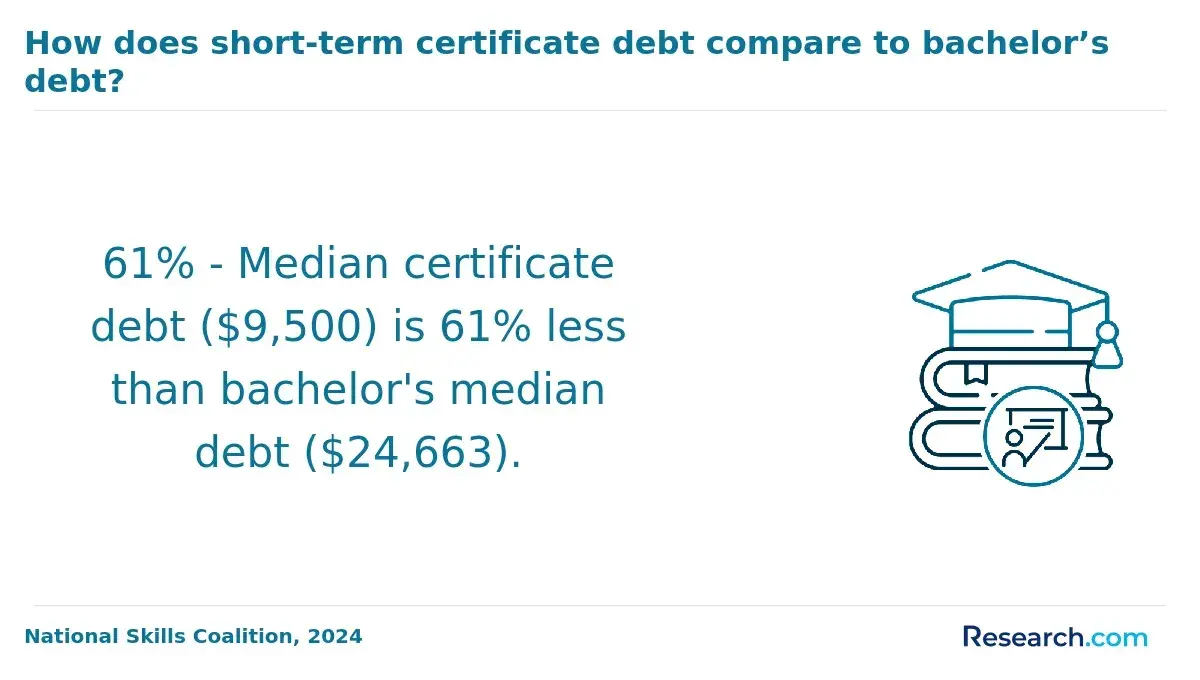
As workforce-driven degree completion grows, approximately 59% of adult learners now leverage work experience to earn credits, reflecting broader educational trends. Prospective students considering Emerson's online programs should understand these pathways and limitations before applying.
Those researching options can explore broader options among online colleges to assess how prior experience might best serve their degree progress.
Does Emerson College require standardized test scores?
Emerson College requires SAT scores typically ranging from 650 to 720 in verbal and 600 to 690 in math, or ACT scores between 30 and 33 for traditional undergraduate admissions. However, its online and remote undergraduate programs use a test-optional policy, allowing applicants to decide whether to submit standardized test scores.
This test-optional approach offers flexibility for students whose scores may not reflect their full academic abilities or who face barriers to testing. A 2024 study found universities adopting test-optional policies often see a 15% increase in applicant diversity, indicating this shift changes the applicant pool composition but requires more holistic application reviews.
Submitting strong test scores at Emerson can enhance placement opportunities and improve merit-based scholarship eligibility. Yet, applicants should weigh whether their scores strengthen their application or if focusing on academic records, portfolios, and other achievements might better demonstrate their potential in the absence of test scores.
For online students, understanding this nuanced policy impacts strategic decisions during admission. Admissions officers balance test data with other achievements, so submitting scores is beneficial but not mandatory, making the choice operationally important depending on individual profiles and goals at Emerson College.
Are there special requirements for international online applicants at Emerson College?
International online applicants to Emerson College must meet specific criteria that reflect the institution's practical emphasis on professional readiness and communication skills.
For example, a creative professional applying remotely from abroad needs to demonstrate clear English proficiency to ensure they can succeed in highly networked industries. Increasing international online enrollment by 12.4%, according to recent research, heightens the need for precise documentation, which shapes the admissions process and its timeline.
Below are the core documentation requirements international applicants must fulfill.
- English Proficiency Scores: Applicants must submit a minimum TOEFL score of 90 or an IELTS score of 7.0 to prove they can operate effectively in English. These scores align with employer expectations in creative and professional fields.
- Official Academic Transcripts: Certified transcripts must be submitted and translated into English if they are not already. This ensures Emerson College can accurately assess prior academic performance.
- Credential Verification: While the college does not require external credential evaluation services like NACES or WES, it may request additional verification if documents appear unclear or inconsistent, potentially delaying admission decisions.
- Document Preparation and Accuracy: Properly preparing and verifying academic credentials is crucial, especially as US remote education grows competitive for overseas students.
Understanding Emerson College international online admissions criteria helps applicants navigate complex requirements and avoid setbacks. For prospective students unsure about how to validate their credentials, reviewing lists of cheap online colleges alongside Emerson's requirements may provide useful comparative context when planning next steps.
Are there program-specific admission requirements at Emerson College?
Meeting program-specific admission requirements at Emerson College is crucial because these criteria directly reflect the practical skills and career readiness expected in communication and arts fields.
For example, an applicant to a Performing Arts program might face auditions that rigorously test stage presence and talent, a step not required in most traditional online degree programs. These nuances underscore why applicants must carefully prepare for unique departmental demands.
Below are key program-specific admission requirements commonly encountered at Emerson College online and on-campus.
- Writing Samples: Applicants to Writing, Literature & Publishing programs must submit samples showcasing both creative and analytical abilities. These samples demonstrate the candidate's writing proficiency and critical thinking, which are essential for success in these disciplines.
- Auditions: Performing Arts candidates are required to audition, providing a live or recorded demonstration of talent and stage presence. This ensures admission committees can assess practical skills beyond academic records.
- Portfolios: Visual & Media Arts applicants need to present portfolios highlighting their technical skills and creative range. Portfolios reveal proficiency with media software and a strong grasp of artistic concepts.
- Minimum GPA Thresholds: Many graduate programs set a minimum cumulative GPA of 3.0, signaling academic readiness. This criterion is common across majors with intensive theoretical and practical components.
- Prerequisite Coursework: Programs often require prior completion of foundational classes relevant to the major, such as media studies or theater history. These prerequisites ensure students have baseline knowledge for advanced study.
- Professional Statements or Proposals: Programs like Strategic Communication ask for statements or project proposals. These documents clarify applicants' goals and demonstrate motivation aligned with career paths.
- Interviews: Some departments conduct interviews to evaluate motivation, communication skills, and fit for the program. This interactive stage helps identify candidates with clear career intent.
Applicants interested in Emerson College online program admission criteria should consider how these requirements mirror real-world employer expectations, especially in digital media roles where portfolios and project proposals hold substantial weight.
The competitive nature of admissions reflects broader trends showing a 15.2% rise in arts and communication applications nationally, driven by students prioritizing majors with clear employability outlooks. This makes understanding and fulfilling program-specific demands vital, as students often select majors based on credential value and practical career outcomes.
For prospective students who face additional challenges, such as those looking for the best degree for felons, aligning with these precise admission criteria can significantly improve admission chances and ensure alignment with career goals.
When are the application deadlines for Emerson College online programs?
Emerson College adheres to a structured semester calendar with fixed application deadlines, not rolling admissions. Applicants must meet these deadlines to secure placement in fall, spring, or summer online programs. Missing the window often delays enrollment, pushing students into subsequent terms.
There is no difference in deadline parameters between online and on-campus programs at Emerson College. All applicants, regardless of program, face priority deadlines about six to eight weeks before the term starts. This uniform system simplifies planning but leaves little margin for late submissions or program-specific adjustments.
Meeting application deadlines is crucial. Late or incomplete submissions can delay start dates and directly affect financial aid eligibility. Students who miss deadlines reduce their options for funding and course availability, which can impact the continuity of their academic progress and career momentum.
National trends report a 12% increase in late university applications, compressing registration timelines. This shift stresses administrative capacity and highlights punctuality as essential. For competitive environments like Emerson College's online programs, timely applications often determine whether candidates secure a seat and crucial financial resources.
How can you increase the chances of getting into Emerson College online programs?
Admission to Emerson College online programs is highly competitive, requiring applicants to carefully optimize their profiles to navigate a challenging 47% acceptance rate.
Statistical evidence reveals that candidates who engage proactively with admissions counselors and submit early applications improve their chances by about 20%, underscoring the strategic value of timing and communication. For example, a transfer student balancing part-time work and studies can strengthen their application by clearly connecting their non-traditional academic path to career goals and demonstrating preparedness through transfer credits like CLEP exams.
Effective methods to enhance admission prospects include:
- Clarify Non-linear Academic History: Applicants should explain educational gaps or shifts transparently, framing these changes as intentional steps toward career objectives. Providing context minimizes doubts about commitment and shows strategic planning.
- Leverage Transfer Credits: Utilizing CLEP and previously earned credits reduces redundant coursework. This demonstrates academic readiness and efficient degree progression valued by Emerson.
- Engage Early with Admissions: Early contact and submitting materials ahead of deadlines signal serious intent. Early engagement also allows for constructive feedback that can refine the application.
- Highlight Professional Experience: Linking work experience to academic goals strengthens the application, particularly when formal education is irregular. A well-developed resume showcasing relevant skills can offset traditional transcript weaknesses.
- Craft Tailored Personal Statements: Personal statements should explicitly connect applicants' ambitions to Emerson's program strengths, showing alignment and thoughtful program selection informed by career plans.
- Demonstrate Outcome Orientation: Illustrating how previous education or training has produced measurable career results meets Emerson's emphasis on practical relevance and employability.
One Emerson College online graduate recalled, "I was initially worried about my patchy undergraduate record and work gaps, but I took the time to explain each transition clearly in my statement. I also contacted the admissions office months before applying, which helped me understand expectations and polish my materials."
"Using CLEP credits made my application stand out by showing I could handle college-level work. That proactive approach was crucial. When I got the acceptance, it felt like the relief of strategic preparation paying off rather than luck." This experience reflects the nuanced, effortful process applicants face and the tangible benefits of a deliberate, informed application strategy.
What Graduates Say About Getting Admitted Into an Online Program at Emerson College
- Sophia: "Applying for the online program at Emerson College was a meticulous process, especially with the detailed transcript evaluations and prerequisite verifications. While it required patience to navigate these administrative steps remotely, the digital application system saved me from multiple campus visits, which was a huge relief. Post-graduation, I found that the upfront rigor truly mirrored the program's demand for high standards. This credibility helped me accelerate my job search and negotiate a better starting salary."
- Raj: "I appreciated the balance Emerson College struck between selectivity and flexibility in the online admissions process. The verification of my prior coursework was thorough but fair, which made me confident in the institution's standards. Although the paperwork was sometimes complex, the convenience of handling everything online meant I could continue working full-time. In the workforce, my degree has opened up tangible career advancement opportunities, validating the initial effort required to enroll."
- Brianna: "My experience with Emerson College's online degree program was a mix of challenges and practical rewards. The application itself demanded comprehensive documentation, and the strict entry barriers made me question if it was worth the hassle. However, managing everything remotely without needing to visit campus was a huge plus. Looking back, the selective admissions were justified given the career momentum and salary increase I gained after graduating, though the process required more persistence than I initially anticipated."
Other Things You Should Know About Emerson College Degrees
Online students at Emerson College miss out on the immediate, in-person interactions that on-campus students experience, which can limit the casual networking that often leads to internships or job leads. However, the college provides virtual networking events and career services tailored to remote learners, which require proactive engagement to be effective. For students prioritizing strong industry connections, it's advisable to actively participate in these online events and seek external networking opportunities alongside the program.
Emerson College online programs tend to have a rigorous workload that mirrors their on-campus equivalents, emphasizing critical thinking and creative project-based assignments. This intensity can be challenging for students balancing full-time work or family commitments, so realistic scheduling and time management are crucial. Prospective applicants who need flexibility should assess their capacity to handle frequent deadlines and interactive assignments before committing.
Degrees earned online from Emerson College generally carry the same institutional reputation as those earned on campus, as the diploma itself does not specify the mode of study. However, some employers may have biases about online education, especially in creative fields where in-person collaboration is valued. Choosing programs that emphasize portfolio work or provide strong career support can mitigate these concerns by showcasing practical skills and project experience.
For Emerson College's online programs in 2027, key application components include a completed application form, official transcripts, a current resume, and typically a personal statement. Some programs may require additional materials such as recommendation letters or portfolios. It's vital to review specific program requirements thoroughly.
References
- Getting To Know: Emerson College (MA) https://educatedquest.com/educated-quest-college-profiles/getting-to-know-emerson-college-ma/
- How Colleges Award Credits For Work Experience https://www.affordablecollegesonline.org/college-resource-center/college-credit-for-work-experience/
- Online Courses from Emerson College https://www.edx.org/school/emerson
- Emerson Acceptance Rate | Study in Los Angeles https://www.academicjobs.com/employers/emerson-college/3698/acceptance-rate
- Emerson College SAT, ACT & GPA Requirements for Admissions https://testbook.com/en-us/college/emerson-college-admissions
- Internship for credit: gaining experience or getting scammed? https://berkeleybeacon.com/internship-for-credit-gaining-experience-or-getting-scammed/
- Emerson Speech Pathology School Profile https://teach.com/online-ed/healthcare-degrees/online-masters-speech-language-pathology/school-profile-emerson/