2027 Is Northbridge University Good for Transfer Students?

Co-Founder and Chief Data Scientist
Choosing a school that truly supports transfer students requires more than just credit acceptance. Many face challenges such as unclear credit evaluations, costly degree completion, and limited flexible options. Recent data from the National Student Clearinghouse Research Center shows transfer enrollments rebounded by over 5% after several years of decline, highlighting increasing interest among adult learners returning after stopout or seeking smoother transitions from two-year colleges. Understanding how Northbridge University handles these challenges matters to transfer students who want clear pathways and cost-effective degree completion.
This article examines Northbridge University's transfer credit policies, admissions approach, approximate completion costs, online and flexible learning options, and academic environment. It will provide a measured assessment to help transfer students and nontraditional learners weigh whether Northbridge University fits their practical educational aims and workforce goals.
Key Points to Know About Northbridge University for Transfer Students
- Transfer admission requires at least 30 transferable credits and a 2.5 GPA, with selective evaluation and varying deadlines demanding timely and strategic application submission for fit and readiness assessment.
- Credit evaluation is stringent; many transfer credits count as electives rather than major requirements, which can extend degree completion and affect academic planning for specialized programs.
- Annual cost of attendance near $28,450 demands careful financial planning; students aiming for affordability should assess credit acceptance policies and aid options against institutions with lower tuition or broader credit transfer.
Is Northbridge University a Transfer-Friendly College for New Students?
Northbridge University offers moderate transfer difficulty combined with dedicated transfer admission resources, including a transfer center to support credit evaluations and onboarding. These measures align with common transfer student expectations for structured guidance. However, transfer acceptance remains competitive, signaling that credit review and prior academic records will undergo careful scrutiny.
Prospective transfers should weigh Northbridge's blend of affordability, flexibility, and credit applicability cautiously. While its transfer support infrastructure suits nontraditional and cost-conscious students, challenges in transferring credits and program compatibility create risks for prolonged degree completion. A 2024 study shows institutions with robust transfer pathways boost retention by up to 15%, a benchmark Northbridge partially meets but could improve to reduce credit loss and maximize return on investment.
How Easy Is It to Transfer Credits to Northbridge University?
Transferring credits to Northbridge University requires careful evaluation that prioritizes course equivalency and relevance. The registrar's office assesses official transcripts and detailed course descriptions. Credits must meet grade minimums and fit degree requirements. Notably, about 62% of transferred credits typically apply to major requirements at similar institutions, while the rest often count as electives or general education.
Students face departmental discretion in credit acceptance, making transfer outcomes uncertain. This reality means some credits may not shorten the path to graduation as expected. For example, a student transferring from a liberal arts program into a STEM major might find fewer credits fitting core requirements, pushing them to retake courses.
Credit losses prolong time-to-degree and increase tuition costs, directly impacting affordability. Northbridge offers advising and internal tools to guide course compatibility, but these supports cannot fully eliminate the risk. Transfer applicants need to weigh potential credit limits against program demands and financial implications.
Prospective transfers should view Northbridge's credit evaluation as thorough but cautious. Planning efforts must realistically account for possible credit rejection or elective-only application. Understanding this dynamic is crucial for cost-conscious students aiming to balance speed, educational quality, and labor market readiness.
What Transfer Admission Requirements Does Northbridge University Have?
Northbridge University requires transfer applicants to meet clear academic benchmarks that reflect readiness for upper-division study without relying on standardized testing. This transfer pathway demands careful planning around GPA thresholds, completed credits, and prerequisite coursework to avoid delays in degree progress. For instance, a student transferring from a community college who lacks required foundational courses related to their major may face extended program duration, which increases both time and cost. Below are key transfer admission requirements to expect at Northbridge University.
- Official Transcripts Submission: Transfer applicants must provide official transcripts from all previously attended colleges. This documentation confirms completion of at least 24 transferable semester credits and verifies academic history. Prospective students should ensure transcripts reflect up-to-date credits to satisfy application deadlines.
- Minimum GPA Requirement: A cumulative GPA of 2.75 on a 4.0 scale is generally required. This sets a measurable standard for academic competency, helping Northbridge maintain course rigor. Transfer students below this threshold risk denial or conditional admission.
- Prerequisite Coursework Alignment: Applicants must have completed foundational courses relevant to their intended major. Misalignment here can prolong graduation timelines by necessitating remedial or additional classes at Northbridge. Adult learners and those from community colleges should closely evaluate course equivalencies in advance.
- No Standardized Test Scores: Northbridge does not require SAT or ACT scores for transfer applicants. This policy favors nontraditional and returning students by reducing entry barriers and focusing on college-level performance rather than high school test results.
- Program-Specific Requirements and Deadlines: Some majors may have unique prerequisites or application windows. Transfer students targeting competitive or specialized programs should verify these details early to maintain eligibility. Missing deadlines or incomplete applications risks postponing enrollment significantly.
Research from the National Student Clearinghouse confirms that institutions enforcing transfer GPA minimums near 2.7 increasingly prioritize prerequisite alignment, as this correlates with higher retention and graduation rates. This trend illustrates why prospective students must balance academic credentials with course selection to optimize outcomes. Those seeking flexible learning options, including adult or online pathways, may consider easy masters degrees online as complementary opportunities after completing undergraduate transfer requirements.
Transfer application criteria at Northbridge University emphasize a pragmatic approach that blends accessibility with academic quality, making it crucial for transfer students to assess their records and course work carefully. Navigating these standards strategically enhances the chance for a smooth transition and timely degree completion without incurring unnecessary cost or delay.
Northbridge University limits transfer students to a maximum of 90 semester hours, a ceiling designed to maintain sufficient degree residency and program quality. This limit allows flexibility but imposes practical constraints, especially since up to 60 of these credits must originate from regionally accredited institutions. A recent study notes that 35% of transfer students nationally encounter delays due to credit denial or excess, underscoring how such policies impact degree timelines. For example, a student transferring primarily community college credits may find that some elective or vocational credits are rejected, delaying graduation and increasing costs. Below is a summary of key transfer credit policies students should consider when planning their degree completion.
- Maximum Transferable Credits of 90: Northbridge caps total transferable credits at 90 semester hours. This ceiling helps ensure students complete adequate coursework on campus but limits those aiming to finish rapidly through transfer credits.
- Requirement for 60 Accredited Credits: Up to 60 credits must be from regionally accredited institutions. Credits from nonaccredited schools face stricter evaluation, affecting students with varied educational backgrounds or vocational training.
- Major-Specific Residency of 30 Credits: At least 30 credits within the student's major must be earned at Northbridge, preserving core specialization quality. Transfer students must plan coursework carefully to meet this mandate.
- Evaluation of Lower- vs. Upper-Division Credits: Credits covering lower-division general education transfer more flexibly than upper-division or specialized courses, which are scrutinized to maintain academic standards in advanced study.
- Impact of Elective-Only Credits: Transfer students with excess elective credits may face delayed graduation if those credits do not fulfill major or general education requirements, limiting accelerated degree completion strategies favored by cost-conscious learners.
Given this framework, prospective students should analyze their existing credits through the lens of Northbridge University transfer credit evaluation process to minimize surprises. For those aiming for degrees recognized among the best bachelors degrees, strategic credit planning reduces unnecessary time-to-degree extensions and promotes smoother transition into the workforce.
Northbridge University offers structured transfer pathways through formal articulation agreements with regional community colleges, but these pathways require careful credit alignment to be effective. With a 52.3% acceptance rate, transfer applicants face moderate selectivity, making it necessary to plan coursework strategically to meet degree requirements efficiently. Research from the National Center for Higher Education shows that such articulation agreements typically reduce credit loss by 20% to 30% and improve bachelor's degree completion by nearly 15%, highlighting the practical benefits of Northbridge's transfer arrangements. However, transfer students must remain vigilant about program-specific course requirements and potential credit applicability gaps. The following points outline key dimensions of Northbridge's transfer pathways and community college partnerships.
- Guaranteed Admission upon Degree Milestones:This pathway offers automatic admission once students complete specified associate degree milestones. It benefits community college students who plan their course loads to align precisely with these milestones, ensuring smoother transitions without reapplication hurdles.
- Program-Specific Transfer Maps:Northbridge provides transfer maps that clarify which community college courses satisfy bachelor's program prerequisites. These maps aid students aiming for particular majors but require consistent advising to avoid coursework misalignment and time delays.
- Credit Applicability Review Procedures:Transfer evaluations at Northbridge scrutinize individual course equivalencies and may require retaking key program courses. This practice protects degree integrity but can extend time-to-degree and increase costs if prior credits do not match closely.
- Advisory Support for Transfer Planning:The university emphasizes early and ongoing advising to help students navigate credit transfer complexities. Engaged advising is crucial for optimizing credit acceptance and minimizing unexpected coursework.
- Pathways for Cost-Conscious Nontraditional Students:Northbridge's articulation agreements serve as practical cost-saving routes by reducing redundant coursework. However, since transfer outcomes depend on credit alignment, students should anticipate possible gaps that might affect overall financial and time investment.
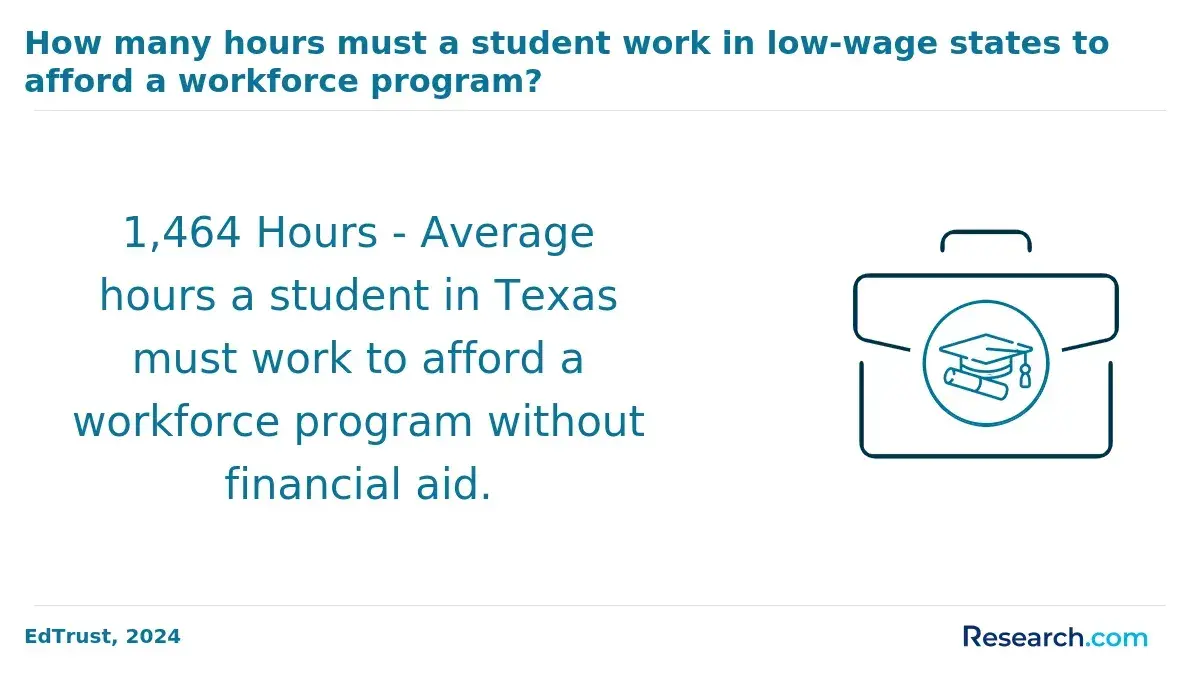
Northbridge University's tuition stands near $22,800 annually, but total attendance expenses reach about $35,600, a significant factor for transfer student affordability. Transfers often face larger net costs due to less transfer credit acceptance and financial aid limits. The National Center for Education Statistics reports a 12% average net price increase for transfers, reflecting typical gaps in aid and credit recognition.
Transfer students losing credits must enroll longer or take more courses, increasing costs. Part-time attendance and housing needs add complexity. Online learners at Northbridge may access similar scholarships and aid, potentially reducing financial stress, but delays in graduation remain a real expense multiplier worth planning against.
Affordability hinges on navigating eligibility and deadlines for institutional, federal, state, military, and employer aid. Varying scholarships, grants, and tuition discounts depend on residency, enrollment level, FAFSA status, and program-specific rules, making the financial landscape complex and highly individualized.
Before enrolling, transfers should confirm transfer credit applicability, carefully review financial aid packages, clarify billing cycles, and identify all program fees. Investigating the lowest-cost pathways and online options helps manage true costs and avoid surprise expenses.
One Northbridge graduate shared, "I almost dropped out because the software licensing fee wasn't in the brochure. I had to juggle tuition, part-time status, and lost credits from my previous college. Financial aid helped, but I stayed up nights making sure my credits would transfer before committing to another semester."
Programs in Business Administration, Information Technology, and Healthcare Management rank highest for transfer students at Northbridge University due to their transfer-friendly academic programs at Northbridge University and flexible credit acceptance policies. These fields typically accept up to 90% of prior credits, expediting degree completion and reducing overall costs. Business Administration stands out; graduates report a median starting salary about 12% above the national average for transfer students, reflecting strong employer demand in finance and management sectors.
Larger transfer credit applicability shortens graduation timelines and decreases course sequencing complexity, especially compared to STEM programs at Northbridge that require extensive foundational coursework. STEM fields may offer higher long-term income but often complicate transfer pathways, leading to longer time to degree and potentially higher costs. This tradeoff shapes the best degree pathways for transfer students at Northbridge University, balancing quick credit application against career growth potential.
Research finds 38% of transfer students change major within two years, highlighting the need for programs with flexible degree-completion pathways. Northbridge supports this through online formats aimed at adult learners, providing adaptable course structures. Prospective transfer students should carefully review major requirements, confirm transfer equivalencies, and identify any prerequisite gaps before enrollment to ensure smooth progress and alignment with career goals.
For those seeking flexible options allowing prior credit use, exploring the easiest associates degree pathways connected to Northbridge's offerings can inform decision-making. Advising support is vital for choosing a program that fits academic backgrounds and workforce ambitions, avoiding surprises during transfer and maximizing employment outcomes.
Evaluating online or flexible options at Northbridge University as a transfer student involves more than just confirming course availability. It requires close scrutiny of how prior credits apply, the timing and format of classes, advising quality, and how these factors affect graduation timelines. For someone balancing part-time enrollment, work, family demands, and commuting constraints, the real question is whether these options truly reduce cost, minimize disruptions, and allow steady progress toward a degree. Northbridge offers a mix of hybrid courses, evening classes, and some fully online programs, but the degree of flexibility varies by major and transfer policies. These structural nuances shape whether a transfer student can expect a straightforward credit transfer, meaningful scheduling accommodations, or predictable course sequencing. Here are key factors to consider when assessing Northbridge's flexibility for transfer students:
- Hybrid and Evening Course Availability: Northbridge provides hybrid formats blending in-person and online instruction along with evening class options. These schedules help students who cannot commit to traditional daytime classes but may still require some campus attendance, affecting commute and work balance.
- Transfer Credit Evaluation Complexity: Transfer credit policies require detailed review, as not all credits transfer cleanly or count toward the intended major. This can extend degree completion time compared with on-campus, full-time transfers.
- Part-Time Enrollment Impact: Part-time enrollment suits working adults but slows graduation timelines. Northbridge's course sequencing for part-time students may face bottlenecks, so students must assess if program pacing aligns with personal urgency to finish.
- Advising Support for Transfers: Dedicated advising is critical for navigating credit articulation and scheduling challenges. Northbridge offers advising resources, but their effectiveness varies, influencing how smoothly students adjust plans and avoid unnecessary courses.
- Major-Specific Scheduling Restrictions: Some programs require in-person labs or cohort-based courses, limiting online flexibility. Transfer students must verify how major demands interact with available formats to avoid surprises that disrupt progress.
- Graduation Timeline Variability: Flexible formats reduce barriers but don't guarantee on-time graduation. Delays from credit transfer issues, course availability, or part-time pace can affect employment or financial goals.
- Digital and OER Materials Use: Increasing reliance on digital resources and open educational resources can decrease textbook expenses but varies by instructor and program, impacting overall cost savings.
A 2024 report from the National Center for Education Statistics notes that 62.8% of adult learners prefer asynchronous or hybrid classes, highlighting demand for flexible options that fit work-life complexity. Northbridge's offerings reflect this trend but require careful individual planning to overcome transfer and scheduling hurdles.
A Northbridge transfer graduate recalls, "Juggling my second job and single parenting, I needed evening classes that actually fit my shifts. At first, I wasn't sure if my credits from community college would count or slow me down. The advisor was helpful but sometimes hard to reach. I almost dropped out because the software licensing fee wasn't in the brochure and took me by surprise financially. The hybrid courses meant I still had to commute once a week, so my evenings were packed. Still, I finished part-time in just under four years, which was faster than I expected given everything."
A transfer student at Northbridge University faces the challenge of verifying how previous credits apply and selecting remaining courses that fit degree requirements without delaying progress. Managing affordability and adjusting to a new academic environment are equally critical for completion on time. The university offers a cohesive array of support services that enable efficient credit evaluation, personalized academic planning, and access to financial resources. These supports are essential to minimize credit loss and ensure that transfer students-especially nontraditional or working learners-can maintain momentum. Below are key elements that play a decisive role in how well transfer students navigate these hurdles compared with options at other institutions.
- Targeted Transfer Advising: Northbridge provides transfer-specific advising that focuses on how prior coursework fits into degree pathways. This service improves credit alignment and helps students avoid unnecessary retaking of courses, a common issue that can extend time to graduation and increase costs.
- Credit Evaluation Tools: Utilized early in the process, these tools help students confirm accepted credits and identify remaining academic requirements. Clear credit articulation reduces uncertainty, a critical factor for transfer students assessing affordability and academic feasibility.
- Orientation for Transfer Students: Orientation sessions tailored to transfers assist with acclimation to university processes and culture. This targeted onboarding supports persistence by reducing disorientation-a common barrier to timely degree completion.
- Financial Aid Counseling: Comprehensive financial aid guidance is available to help transfer students navigate scholarships, grants, and loans. Given the cost-sensitive nature of many transfers, this counseling can significantly improve affordability and reduce the debt burden.
- Academic Tutoring Programs: Northbridge extends tutoring to transfer students, emphasizing skill development in key subjects. These resources support academic success, a vital component for persistence and eventual employability.
- Career Services with Transfer Focus: Career counseling addresses the unique needs of transfers, including resume adaptation and job market alignment. Practical career support helps students leverage their transfer experience into competitive employment outcomes.
- Flexible Support for Nontraditional and Online Learners: Recognizing that many transfer students juggle education with work or family, the university offers advising and resources tailored to online students and nontraditional demographics. Such flexibility facilitates progress without sacrificing quality or lengthening degree timelines.
Research from the National Student Clearinghouse shows that comprehensive transfer advising and academic planning tools can reduce credit loss by up to 25% while boosting student retention by 15%. These figures emphasize why transfers should weigh these services carefully against what is available at other transfer-friendly colleges. For cost-conscious students balancing multiple priorities, Northbridge's academic advising for transfer students presents a practical framework to preserve credits and control costs. Prospective students should also consider how the university integrates career readiness with academic planning, a crucial factor in translating credits earned into meaningful workforce advancement. Transfer seekers exploring self paced colleges may find Northbridge's tailored supports especially valuable in balancing flexibility with outcomes-focused guidance.
Northbridge University's average graduation rate of 52% signals moderate success for transfer students, though those with prior credits generally complete at somewhat higher rates. Transfer students benefit from flexible credit transfer policies that reduce time to degree, but financial return depends heavily on the chosen program and post-graduation employment. For example, a student transferring with an associate degree in business must evaluate if the credits align well with the bachelor's curriculum to avoid unnecessary extra semesters and costs.
National data from the National Student Clearinghouse shows bachelor's completion rates after community college transfer average around 60%, with earnings rising 15-25% within five years post-degree. This suggests transfer students who finish at Northbridge can expect real economic gains, but those gains are tempered by the institution's median alumni salary of $45,700. Prospective transfers should closely examine Northbridge University transfer student graduation rates to assess the likelihood of on-time completion.
Cost-conscious and nontraditional students must weigh tuition against the value of available career services and job placement support. For those balancing work and study, exploring one year degrees for seniors or accelerated programs may offer more direct routes to labor market entry. Ensuring program fit with labor demand is critical to minimizing debt burden and improving career outcomes.
Ultimately, Northbridge's worth for transfer students hinges on strategic credit transfer, program alignment, and realistic earnings potential. Transfer students considering this option should prioritize degree completion speed and long-term workforce relevance against the upfront and cumulative cost of attendance.
What Do Graduates Say About Northbridge University for Transfer Students?
- Jasmine: "Transferring to Northbridge University was a strategic choice after I found out only about 60% of my community college credits counted toward my major requirements, while the rest applied solely as electives. Although this initially set me back by a semester, the university's detailed transfer advising and flexible online course options allowed me to pace my degree part-time alongside work. Factoring in their moderate tuition and available scholarships, the total cost stayed manageable, and finishing my bachelor's now feels like a practical investment in my career as a healthcare administrator."
- Hafsa: "When I considered transferring, Northbridge University's clear articulation agreements and transparent credit acceptance policies stood out, which gave me confidence in the transfer process. I was able to bring in nearly 75% of my credits, significantly shortening my time to degree completion. The mandatory fees and tuition were on the higher side, but the availability of financial aid and a responsive advising team helped me budget effectively. Their accredited programs and career services proved invaluable as I transitioned smoothly into a marketing role after graduation."
- Saanvi: "Northbridge University's reputation for being transfer-friendly captured my interest, but I quickly realized that credit transfer wasn't the only factor in affordability or practicality. Although I transferred with most credits accepted, the sequencing of major courses and limited night classes slightly extended my timeline, which added unexpected costs. However, their flexible online program options and scholarship opportunities offered me a way to stay enrolled without overwhelming my schedule. Looking back, the experience reinforced how crucial it is to align transfer policies with personal circumstances when evaluating the overall value of a transfer decision."
Other Things You Should Know About Northbridge University Degrees
Northbridge University's traditional semester calendar can create challenges for transfer students attempting to align incoming credits with required courses, especially if prerequisite sequences don't match prior institutions' timelines. Transfer students should anticipate potential delays in taking specific upper-division courses, which may affect their overall time to degree completion. Prioritizing early academic advising and flexible course load planning is essential to avoid extended enrollment durations caused by scheduling conflicts.
Northbridge University evaluates transfer credit through its registrar and the admitting college, using official transcripts and course syllabi. Credits usually transfer only from regionally accredited institutions, and grades below a C are often excluded. Most schools also cap the number of transferable semester hours, commonly around 60 to 90.
Faculty at Northbridge University generally maintain consistent academic standards, but transfer students sometimes encounter implicit expectations tied to the university's core curriculum and learning outcomes that may not have been emphasized in their previous institutions. This can lead to adjustment periods where transfer students must quickly adapt to distinct evaluative criteria or pedagogical styles. Prioritizing early communication with instructors and utilizing campus academic resources can help transfer students bridge these gaps without compromising performance.
- The Best Colleges for Transfer Students (2026) https://collegesofdistinction.com/best-colleges-for-transfer-students/
- CIC Members Forge New Pathways for Community College Transfer Students https://cic.edu/newsletter/pathways-for-community-college-transfer-students/
- About TransferBridge | International Student Transfer Platform https://transferbridgeus.com/about
- Home https://northbridge.ng/home/
- Visa-Friendly Jobs for International Students https://www.northbridgestudent.com/
- Northbridge University Advances Career-Aligned Education with Strategic Growth and $100M Expansion Investment https://www.coloradoan.com/press-release/story/60885/northbridge-university-advances-career-aligned-education-with-strategic-growth-and-100m-expansion-investment/
- Transfer College Credit Limits https://www.ivyscholars.com/transfer-college-credit-limits/
- How to transfer from community college to a 4‑Year university. A step‑by‑step guide | The College Grind https://collegegrind.org/posts/how-to-transfer-from-community-college-to-a-4-year-university/
- Transfer Credit Policies https://catalog.stanbridge.edu/admission/credit-for-previous-education/
- Does the program you study at university actually affect your career outcomes in Sackville? https://bealuniversity.ca/paa/does-university-program-affect-career-outcomes/