2027 Geoscience Degree Popularity by Gender, Region, and Degree Level

Co-Founder and Chief Data Scientist
A prospective geoscience student reviewing 2024 enrollment data may find striking disparities in degree popularity by gender and region that challenge straightforward interpretations. For example, women accounted for only 38% of bachelor's degrees in geoscience nationwide, but this percentage rises sharply in western states with active environmental industries.
Such variation complicates judgments about program quality or inclusivity, as enrollment numbers may reflect regional economic drivers rather than intrinsic academic strengths. Additionally, differing degree-level trends reveal how access to advanced geoscience education varies, shaping local workforce supply and peer networks. This article analyzes geoscience degree popularity by gender, region, and degree level to clarify these complex patterns and support informed educational and career choices.
Key Things to Know About Geoscience Degree Popularity by Gender, Region, and Degree Level
- Women represent nearly 45% of geoscience bachelor's graduates as of 2024, signaling gradual diversification that may challenge traditional workforce gender biases but requires sustained retention efforts.
- Regions with abundant natural resources, such as the Mountain West, show higher enrollment in geoscience programs, reflecting localized economic drivers influencing student choice and employer demand.
- Master's degree enrollment has grown 12% since 2022 despite higher costs and longer time commitments, indicating that advanced qualifications increasingly align with specialized roles but may limit accessibility.
- Key Things to Know About Geoscience Degree Popularity by Gender, Region, and Degree Level Key Things to Know About Geoscience Degree Popularity by Gender, Region, and Degree Level
- How Does Job Market Demand Influence Geoscience Degree Popularity? Market Demand and Degree Popularity
- How Does Online Geoscience Degree Enrollment Compare to Traditional Campus Programs? Online vs. Campus Enrollment
- What Degree Level Is Most Common Among Geoscience Students? Most Common Degree Levels
- How Do Enrollment Trends Differ Between Associate, Bachelor's, Master's, and Doctoral Geoscience Degrees? Enrollment Trends by Degree Level
- How Popular Is the Geoscience Degree Compared to Other College Majors? Degree Popularity vs. Other Majors
- Why Is the Geoscience Degree More Popular in Certain States and Regions? Regional Popularity Drivers
- What Demographic Groups Are Driving Growth in Geoscience Degree Programs? Growth by Demographic Groups
- What Is the Future Outlook for Geoscience Degree Enrollment by Gender, Region, and Degree Level? Future Outlook
- How Have Geoscience Degree Enrollment Trends Changed Over the Past Decade? Enrollment Trends
- Where Is the Geoscience Degree Most Popular Across the United States? Geographic Popularity Analysis
How Does Job Market Demand Influence Geoscience Degree Popularity?
Employment realities in geoscience degree job market trends in North America underscore that variations in demand are deeply conditioned by regional workforce characteristics and industry concentrations. For example, states like Texas and Colorado, with robust energy and environmental consulting sectors, demonstrate stronger enrollment in related programs due to localized hiring needs and licensing expectations. This geographic specificity means that students weighing degree choices must consider how regional economic drivers influence not only job availability but also the depth of technical specialization employers require. Such factors often lead to higher enrollment in regions with established mineral extraction or fossil fuel industries, even as national growth projections remain positive but uneven.
Gender and degree level differences further complicate the landscape, as workforce participation does not mirror employment opportunities evenly. Although the U.S. Bureau of Labor Statistics projects roughly 7% growth in geoscientist roles through 2032, this increase does not translate uniformly across demographic groups or educational attainment, with Master's programs often attracting students aiming for research or advanced technical roles, while Bachelor's degrees remain prevalent for entry-level positions. Many employers prioritize candidates with specialized credentials or interdisciplinary skills, which can influence enrollment in more applied or hybrid programs over traditional geoscience tracks. Prospective students must assess how licensing, cyclical industry trends, and evolving sector demands affect both male and female enrollment, regional workforce demand, and geoscience degree enrollment patterns.
Because market signals can lag behind actual job openings, decision-making around degree pursuit demands a forward-looking perspective grounded in nuanced labor market intelligence. Students exploring educational pathways might benefit from consulting resources like easy degrees to get online that highlight flexible academic options, while also scrutinizing how local economies and employer hiring practices impact long-term stability in geoscience careers. Recognizing these complexities offers a practical framework for anticipating workforce shortages and aligning degree choices with realistic employment outcomes across different regions and demographic groups.
How Does Online Geoscience Degree Enrollment Compare to Traditional Campus Programs?
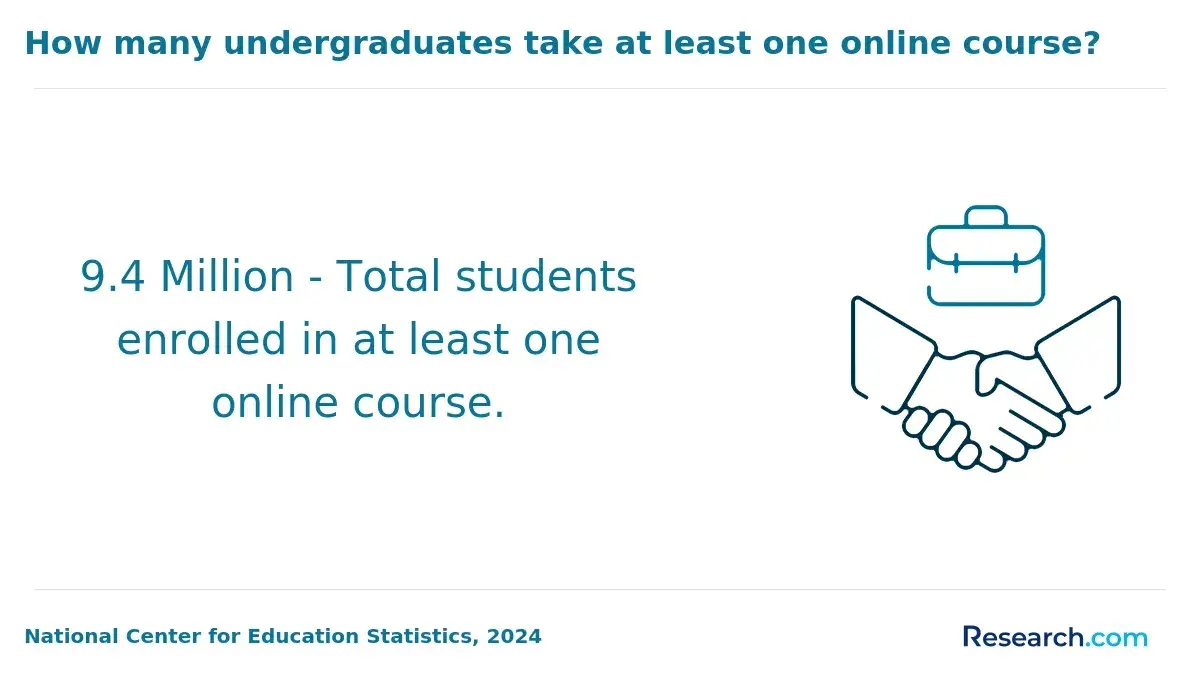
Online geoscience degree enrollment, comprising about 18% of undergraduates according to the National Center for Education Statistics for 2023-2024, tends to serve a distinct student demographic compared to traditional campus programs. It predominantly attracts adult learners and those living in rural or geographically dispersed areas, where access to local institutions is limited. This modality's flexibility suits those balancing employment or family obligations, but it generally sees lower participation in graduate-level research-intensive programs where hands-on field experience remains crucial. Consequently, campus-based geoscience education maintains larger overall enrollment driven by its ability to support lab work, direct faculty mentorship, and collaborative research valued by many employers.
The gender balance and regional diversity appear more equitable in online programs, with wider inclusion of international and rural students. However, this broader reach comes with tradeoffs: online learners often face higher attrition rates attributable to the self-directed nature of distance study and less immediate academic support. Campus programs offer structured environments that can improve persistence and deeper integration into professional networks. For students prioritizing immediate employment in field-centric roles, the tangible experience offered by traditional settings can outweigh the accessibility benefits of online formats.
One student who considered an online geoscience degree initially hesitated due to doubts about the program's rigor and opportunities for meaningful engagement with peers and instructors. Living far from any major campus, they chose the online path primarily for scheduling flexibility and affordability. Throughout the program, the student found that while networking opportunities were more limited than expected, virtual labs and dedicated faculty outreach helped bridge some gaps. This experience underscored the importance of weighing geographic and personal constraints against the potential tradeoffs in hands-on training and collaboration when selecting a geoscience degree modality.
What Degree Level Is Most Common Among Geoscience Students?
The predominance of bachelor's degrees among geoscience students reflects a practical alignment with employer expectations and workforce entry points. According to 2024 data from the National Center for Education Statistics, about 65% of geoscience degree completions are at the bachelor's level, underscoring its role as the main credential for positions in environmental consulting, resource management, and related technical fields. This concentration is partly due to the balance bachelor's programs strike between foundational knowledge and job-ready skills, enabling students to enter the labor market more quickly compared to graduate pathways, which often demand longer commitments and increased financial investment.
Graduate degrees in geoscience, while less common, cater to specialized career trajectories requiring deeper research expertise or advanced technical capabilities. Master's and doctoral enrollments combined represent less than 25% of completions and face barriers such as program availability, funding limitations, and geographic constraints. These factors contribute to a more selective student cohort focused on academia, high-level consulting, or scientific investigation roles where advanced qualifications substantially impact employability and career scope.
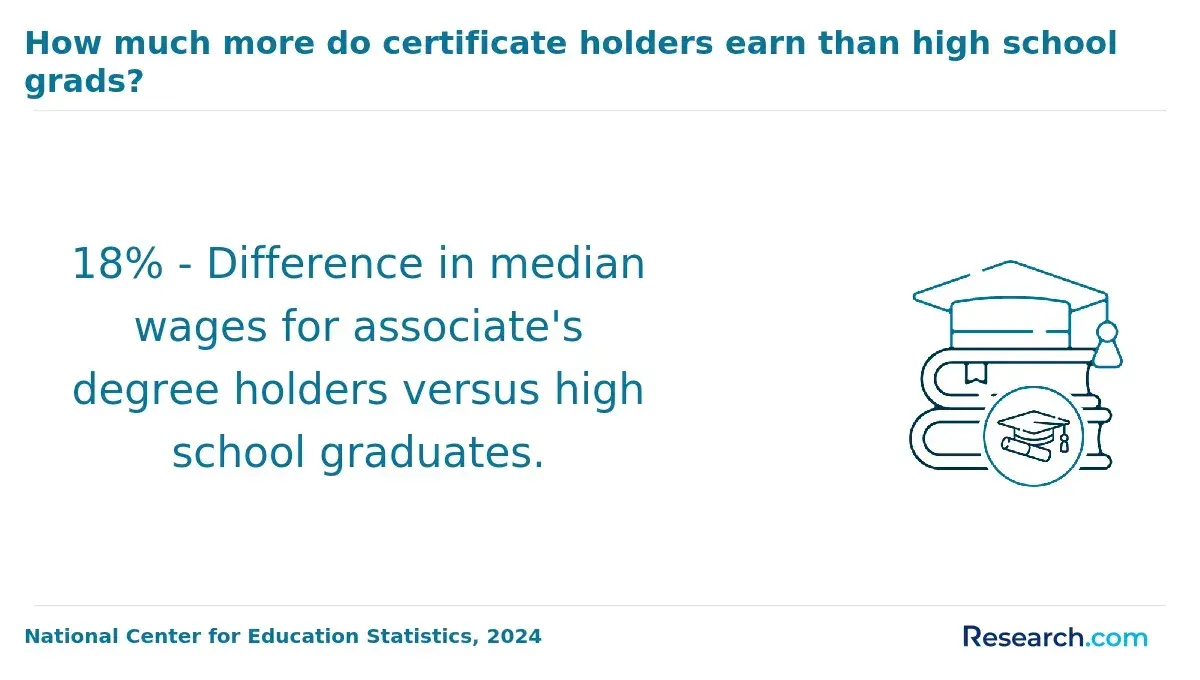
Associate degrees constitute a small fraction of the ecosystem, typically under 10%, reflecting their niche function in technician or field-assistant roles and as stepping stones toward bachelor's studies. Their limited presence is influenced by fewer institutional offerings and the specialized nature of geoscience content. For students weighing educational paths, this distribution indicates that while associate degrees can provide initial technical competencies or cost-effective entry points, the bachelor's degree offers the most direct alignment with prevailing labor market demands and professional standards within geoscience.
How Do Enrollment Trends Differ Between Associate, Bachelor's, Master's, and Doctoral Geoscience Degrees?
Enrollment trends in geoscience degree programs illuminate strategic differences in student goals and workforce pathways across degree levels. Associate degrees typically attract those focused on rapid entry into technician roles with practical skills, often offered in community colleges emphasizing hands-on training rather than research. In contrast, bachelor's programs remain the primary gateway for geoscience careers, accounting for nearly 60% of completions annually according to the National Center for Science and Engineering Statistics 2024 report, though recent stabilization suggests a maturation of supply amid steady increases in diversity and inclusion. These enrollment patterns affect how students align educational choices with career expectations, balancing breadth of knowledge with immediate employability.
Master's level enrollment is growing faster due to rising demand for specialized expertise and credentials valued in sectors like environmental consulting and energy, as reflected by a 12% increase in conferrals since 2020 per the 2023 Integrated Postsecondary Education Data System. This growth indicates a shift toward advanced analytical skills and interdisciplinary competencies, crucial for navigating competitive job markets. Doctoral programs, while limited in total enrollment, serve as critical incubators for research and academic careers, showing increased international participation and improving gender parity despite persistent completion challenges. Given these differences, prospective geoscience students should consider the tradeoff between degree selectivity, specialization depth, and workforce integration when planning their academic trajectories, with resources such as popular online colleges offering flexible pathways compatible with evolving demands in geoscience degree enrollment trends by degree level.
How Popular Is the Geoscience Degree Compared to Other College Majors?
The relatively low enrollment figures for geoscience degrees compared to fields like business or health sciences reflect more than just niche interest; they signal structural and geographic constraints that shape student choice and program growth. According to 2024 data from the National Center for Education Statistics, geoscience bachelor's degrees represent less than 1% of annual conferrals in the U.S., highlighting both the specialization required and the location-specific nature of many programs. This smaller scale often translates into limited peer networks, fewer large-scale research opportunities, and concentrated institutional offerings primarily near resource-rich areas, which affects accessibility and broader appeal.
Graduate-level completions in geosciences also lag behind more populous fields, indicating a tempered demand that may influence funding and advanced curriculum development. As workforce needs evolve toward climate resilience, environmental policy, and sustainability, this modest growth signals a balancing act between emerging sector opportunities and the realities of labor market saturation and salary prospects. For students weighing options, this means recognizing that popularity does not necessarily equate to broader opportunity but often to highly specialized career paths requiring advanced credentials or interdisciplinary skills.
One graduate recalled discovering the narrowness of geoscience programs as a double-edged sword during their studies. While smaller cohorts fostered close mentorship and focused learning, they also magnified awareness of limited program availability and peer diversity. Conversations with advisors pointed out that the degree's relative obscurity sometimes led to skepticism from others about career viability, yet this graduate found that understanding the program's specialized nature helped clarify their decision to pursue a less common path aligned with personal interests and niche industry demands.
Why Is the Geoscience Degree More Popular in Certain States and Regions?
The varying popularity of a geoscience degree across U.S. states reflects a complex interplay of regional industry demands, educational infrastructure, and demographic patterns rather than simple student preference. For example, Texas's strong oil and gas sector creates sustained employment opportunities that incentivize universities to develop specialized programs aligned with local needs, thereby attracting students focused on immediate workforce integration. This regional demand for geoscience careers shapes not only enrollment trends but also networking environments and perceived degree value, influencing where students choose to study and ultimately work.
Access to quality geoscience programs often depends on geographic proximity to institutions with robust fieldwork and research capacities, as seen in states like California and Pennsylvania. These established educational centers lower the barriers for in-person learning, which remains critical despite the growth of alternative formats such as online degrees, where offerings like an online sports management degree exemplify emerging digital pathways in specialized fields. Furthermore, state policies promoting STEM education, coupled with younger demographic profiles, intensify overall enrollment in geoscience, impacting the regional distribution of graduates and the alignment of workforce supply with local economic priorities.
What Demographic Groups Are Driving Growth in Geoscience Degree Programs?
Shifting demographics in geoscience degree programs reflect evolving workforce priorities and educational accessibility rather than mere growth in student numbers. The rise in female enrollment to nearly 40% nationally signals more than gender balance; it reshapes classroom dynamics and peer networks, potentially influencing mentoring opportunities and retention strategies. Additionally, the increasing participation of adult learners-particularly those in part-time or online formats-addresses the sector's demand for professionals who bring practical experience alongside academic credentials, though this trend also pressures institutions to adapt curriculum delivery and support services accordingly.
Regional disparities further emphasize economic and policy-driven factors shaping geoscience education. Western states like California and Colorado lead in degree growth due to their proximity to natural resource industries and environmental research hubs, creating stronger local employment pipelines for graduates. In contrast, more moderate expansion in the Midwest and Northeast highlights how labor market variability and state investment in geoscience directly affect enrollment decisions. Moreover, accelerating completion rates among Hispanic and Native American students underscore the impact of targeted recruitment and the importance of developing culturally relevant support systems to sustain these gains, which may contribute to a more diverse and resilient geoscience workforce moving forward.
What Is the Future Outlook for Geoscience Degree Enrollment by Gender, Region, and Degree Level?
Enrollment in geoscience degree programs is poised for uneven growth influenced heavily by demographic shifts and regional economic demands. While women make up less than 40% of undergraduates in the United States, their representation has increased by roughly 2% annually over the past five years, reflecting gradual progress in gender parity within STEM fields. This shift suggests that undergraduate programs may become more diverse, yet disparities in participation will likely persist at graduate levels due to funding and time constraints inherent in advanced degrees.
Regionally, expansion will be concentrated in Asia-Pacific and Latin America, where rising access to higher education and industry demand for environmental and resource management expertise fuel enrollment. Conversely, several Western nations face stagnation or decline linked to aging populations and smaller college-age cohorts, which could narrow program capacity and reduce regional student opportunities. Importantly, master's programs are growing faster than bachelor's or PhDs, driven by working professionals seeking specialization and adaptability to evolving employer expectations, a trend supported by increasing adoption of online and hybrid learning modalities.
Prospective students and workforce analysts should recognize that these patterns entail distinct tradeoffs: undergraduate degrees remain the largest gateway but may offer less differentiation long-term, while advanced degrees provide specialization at the cost of extended commitment and financial investment. Institutional responses, including curriculum updates emphasizing interdisciplinary skills, will be critical in aligning degree offerings with market realities. Understanding these dynamics helps frame educational decisions and program development within the complex intersection of gender trends, geographic demand, and degree-level value as documented by the National Science Foundation and American Geosciences Institute in 2024.
How Have Geoscience Degree Enrollment Trends Changed Over the Past Decade?
Long-term shifts in geoscience degree enrollment reveal significant demographic and regional nuances that impact workforce availability and program viability. Women's rising presence-from roughly 35% to 43% of bachelor's degree completers over the last decade-indicates progress toward greater gender diversity, yet the continued underrepresentation of women in master's and doctoral programs highlights persistent pipeline challenges. These disparities affect hiring pipelines, especially for roles demanding advanced specialization, and suggest that retention and mentorship remain critical obstacles within the field. Such enrollment patterns shape perceptions of the degree's relevance and influence institutional priorities in recruiting and supporting diverse student cohorts.
Geoscience degree enrollment trends in the United States also reflect contrasting regional dynamics tied to local economic and environmental contexts. Increased degree completions in western states correspond to strong labor demands in sectors like natural resource management and environmental remediation, while the Midwest and South show more stagnant growth, limiting widespread program expansions. This uneven geography of student demand complicates access to educational pathways consistent with regional job markets, reinforcing the strategic value of online and hybrid courses, though these have so far only moderately expanded overall enrollment. Prospective students should carefully weigh these regional trends alongside their career objectives and local industry conditions.
At higher degree levels, the plateauing of master's degree earnings and slight declines in PhD completions suggest shifting student preferences influenced by evolving employer expectations and quicker routes to workforce entry. This trend intersects with the rise of alternative credentials and interdisciplinary paths, seen in related fields such as data science; for example, interested learners might compare the practical returns of a more traditional geoscience education with emerging options like a data science degree. Such decisions carry implications for long-term career flexibility and specialization depth, making it essential for students and professionals to evaluate educational tradeoffs with a clear understanding of labor market signals and credential value.
Where Is the Geoscience Degree Most Popular Across the United States?
Geoscience degree popularity in the United States tends to cluster in regions where economic sectors directly benefit from expertise in earth sciences rather than being evenly distributed. This regional clustering reflects the alignment of industry presence, workforce demand, and the availability of specialized academic programs. States with prominent natural resource industries, including energy extraction, environmental consulting, and research institutions, naturally exhibit higher enrollment rates. Such concentration influences program quality and student outcomes by fostering localized networks between academia and employers, which can enhance internship access, regional job placements, and relevant research opportunities for graduates.
Examining the top states for geoscience degree enrollment reveals that Texas, Colorado, and Oklahoma dominate due to their substantial energy sectors and environmental research activities. Conversely, metropolitan areas with major research universities offer diverse degree pathways, though areas without industry concentration may see less student interest and fewer professional footholds. These geographic patterns affect perceptions of geoscience degree value and demand, notably impacting students' decisions about where to study or seek employment. Incorporating the considerations evident in broader educational trends, like those found in the evaluation of a masters in data analytics, showcases how industry demand shapes program popularity and student choices nationally.
Factors driving regional popularity also reflect demographic trends and the specialization level of available programs at different degree levels. For prospective students evaluating geoscience degree popularity by US regions, understanding these distinctions is vital to aligning educational investment with career prospects, particularly given workforce needs in energy and environmental sectors. In this regard, strong urban research hubs and resource-centered states provide markedly different but complementary opportunities, highlighting the practical tradeoffs in geographic concentration for degree outcomes and employability.
References:
- What coursework should I take to become a successful Applied Geoscientist? https://www.aegweb.org/index.php
- Getting Girls into Geoscience https://geoscienceforthefuture.com/getting-girls-into-geoscience/
- Tackling issues of underrepresentation in the geosciences https://blog.geolsoc.org.uk/2023/01/09/tackling-issues-of-underrepresentation-in-the-geosciences/
- ThisIsGeoscience - Student Numbers https://www.thisisgeoscience.com/the-resources/student-numbers
- 5 Graduate and Online Enrollment Trends to Watch in 2024 https://www.ruffalonl.com/blog/graduate-online-enrollment/5-graduate-and-online-enrollment-trends-to-watch-in-2024/
- Section 3. Graduate Programs and their Interface to Geoscience Work https://graduate.americangeosciences.org/report/section-3/
- Choosing Your Degree https://www.geolsoc.org.uk/Geology-Career-Pathways/University/Choosing%20your%20degree.html
- How do recent geoscience graduates experience the job market? - GeoExpro https://geoexpro.com/how-do-recent-geoscience-graduates-experience-the-job-market/
- Online Degree vs. Traditional | University of Arkansas Grantham https://www.uagrantham.edu/blog/pros-cons-online-degree-vs-traditional-university/
- 3. What Undergraduate Geoscience Education Should Accomplish https://www.americangeosciences.org/change/sections/concepts/
Other Things You Should Know About Geoscience
Gender disparities in geoscience enrollment often reflect broader cultural and structural factors rather than ability or interest differences. Prospective students should consider programs that actively foster inclusivity and mentorship for underrepresented genders, as these environments tend to offer stronger support networks and better career development opportunities. Selecting a program with visible gender diversity can also provide more realistic role models and reduce potential isolation during study and early career phases.
Regional differences in geoscience degree popularity often correlate with local industry focus, environmental challenges, and research priorities. For example, degrees in regions with intensive natural resource extraction may emphasize applied skills and fieldwork, offering practical employability advantages in those markets. Conversely, coastal or urban centers might focus more on environmental or climate science aspects. Assessing how well a program aligns with local industry or research strengths can better position graduates for regional job markets and networking.
While graduate degrees typically offer deeper specialization and research experience, the practical benefits vary by career path. For roles in industry, advanced degrees may open doors to higher-level technical positions or management but might also increase time-to-employment and educational costs. It is vital to evaluate whether the specific master's or doctoral program has strong industry connections and emphasizes applied skills. In some cases, robust undergraduate degrees combined with relevant experience can yield similar employment outcomes more efficiently.
Graduate geoscience programs usually demand more independent research, technical analysis, and fieldwork compared to undergraduate studies, but this can vary regionally depending on institutional focus. Programs in regions with active geological projects often integrate hands-on experience directly into curricula, increasing workload but enhancing practical skill acquisition. Prospective students should prioritize programs that balance rigorous academic challenges with field opportunities relevant to their career goals, recognizing that heavier workloads often translate into stronger real-world competencies employers seek.