2027 Geoscience Transfer Credit Trends: How Schools Are Adapting for Adult Learners

Co-Founder and Chief Data Scientist
When a military veteran with 30 college credits in earth systems attempts to reenter academia, discovering that only half of those transfer to their target geoscience program can derail carefully laid plans. Unexpected additional semesters mean added costs and delayed certification, potentially jeopardizing job opportunities. This reality reflects national data from the National Student Clearinghouse Research Center, which found in 2024 that less than 55% of transferable credits are accepted consistently across public universities.
Such variability signals shifting institutional priorities and uneven credit mobility practices, complicating adult learners' progress. This article examines how geoscience programs are adapting transfer policies to streamline credit acceptance and support efficient degree completion for diverse student populations.
Key Things to Know About Geoscience Transfer Credit Trends for Adult Learners
- Expanded acceptance of military and workforce credits reflects recognition of applied geoscience skills, yet inconsistent policies across institutions require adult learners to verify transferability carefully to avoid wasting time.
- The rise of technology-enabled transcript evaluations improves credit mobility and accelerates degree planning, but some faculty skepticism about alternative credit sources can limit full credit recognition, affecting program completion timing.
- Community college pathways combined with prior learning assessments offer cost-effective routes to degree completion, though employers may scrutinize non-traditional credits more closely, influencing graduate competitiveness in specialized geoscience roles.
- Key Things to Know About Geoscience Transfer Credit Trends for Adult Learners Key Things to Know About Geoscience Transfer Credit Trends for Adult Learners
- How Are Geoscience Programs Changing Transfer Credit Policies for Adult Learners? Evolving Adult Transfer Policies
- Why Are More Geoscience Schools Accepting Credit for Prior Learning and Work Experience? Prior Learning Credit Benefits
- How Do Geoscience Colleges Evaluate and Award Transfer Credits Today? Transfer Credit Evaluation Process
- Which Alternative Credits Are Most Commonly Accepted by Geoscience Programs? Accepted Alternative Credits
- How Are Geoscience Schools Improving Transfer Pathways for Community College Students? Improved Community College Pathways
- How Can Transfer Credits Help Geoscience Students Graduate Faster? Accelerating Degree Completion
- How Much Money Can Students Save Through Geoscience Transfer Credit Opportunities? Cost Saving Through Transfers
- How Are Geoscience Programs Supporting Military Students and Workforce Learners Through Transfer Credits? How Are Geoscience Programs Supporting Military Students and Workforce Learners Through Transfer Credits?
- What Transfer Credit Innovations Are Shaping the Future of Geoscience Education? What Transfer Credit Innovations Are Shaping the Future of Geoscience Education?
- How Can Adult Learners Maximize Transfer Credits in a Geoscience Program? Maximizing Your Transfer Credits
How Are Geoscience Programs Changing Transfer Credit Policies for Adult Learners?
Geoscience programs are increasingly reshaping transfer credit acceptance to better serve adult learners, reflecting a broader shift toward flexibility in higher education. This recalibration addresses the reality that many students arrive with diverse educational backgrounds and prior workforce training, necessitating more nuanced credit evaluations.
For example, a military-affiliated student transferring from a community college with technical certifications may find smoother credit recognition due to expanded policies that incorporate military and workforce credit recognition in geoscience transfer policies. However, students must navigate varying institutional limits on transferable credits and differences in how experiential learning is assessed, which can critically influence course sequencing and time-to-degree completion.
These adaptations not only enhance affordability and access but also pose tradeoffs for academic planning, as comprehensive transcript reviews and transfer articulation agreements between two-year and four-year institutions have grown by nearly 15% recently, streamlining credit mobility for those moving between programs.
While this growth supports degree completion, students often face the challenge of balancing accelerated pathways with program rigor and professional standards required by employers in geoscience fields. Adult learners comparing institutions or exploring best accelerated bachelor's degree online options should carefully consider how transfer credit policies align with their prior learning to optimize both educational outcomes and career readiness.
Why Are More Geoscience Schools Accepting Credit for Prior Learning and Work Experience?
The increasing recognition of prior learning and work experience by geoscience programs signals a shift toward integrating adult learners' real-world competencies rather than simply loosening transfer protocols. Schools are adapting to the growing demand from professionals whose military training, industry certifications, or employer-based skill development reflect relevant technical expertise that overlaps with academic foundations.
This approach aims to reduce redundancy and accelerate degree completion, but it also introduces strategic considerations about how institutions assess experiential knowledge against traditional curricula without compromising rigor. For example, a working professional with years of environmental fieldwork might avoid retaking basic geology lab courses if the institution's competency-based assessments adequately validate that experience, directly influencing their time-to-degree and financial investment.
These evolving credit acceptance policies respond to broader economic and labor market pressures. The rising cost of education compels both institutions and students to seek efficient pathways, with many adult learners weighing the tradeoff between accelerated progression and ensuring that prior credits are recognized by employers within geoscience sectors.
According to data from the National Center for Education Statistics (2024), around 68% of public universities now offer some form of credit for prior learning, while private institutions lag at 45%, pointing to ongoing inconsistencies that affect transfer strategy and enrollment decisions. Schools balancing openness to experiential credits with academic standards can increase accessibility and persistence for nontraditional students but also present challenges for those navigating varied policy interpretations and documentation demands.
One adult learner transitioning from military service illustrates these complexities. They submitted extensive training records and professional certifications for prior learning credits but found the evaluation process unpredictable across geoscience programs. While one institution acknowledged several core geology credits based on military field operations, another required additional portfolio reviews and competency exams, delaying enrollment decisions. This student described feeling cautious optimism tempered by frustration, noting that thorough documentation and persistent follow-up were essential to translating their experience into academic credit and shortening their path to degree completion.
How Do Geoscience Colleges Evaluate and Award Transfer Credits Today?
Transfer credit evaluation in geoscience programs has evolved into a strategic process that balances institutional standards with student success objectives, moving beyond routine transcript checks. Admissions teams now scrutinize course content deeply-often reviewing syllabi to match learning outcomes and ensuring credits align with program rigor, especially for upper-division courses. For example, a student transferring from a community college may find that while introductory geology credits transfer smoothly, specialized electives require more detailed assessment or may count only as general electives, impacting time to degree and financial investment.
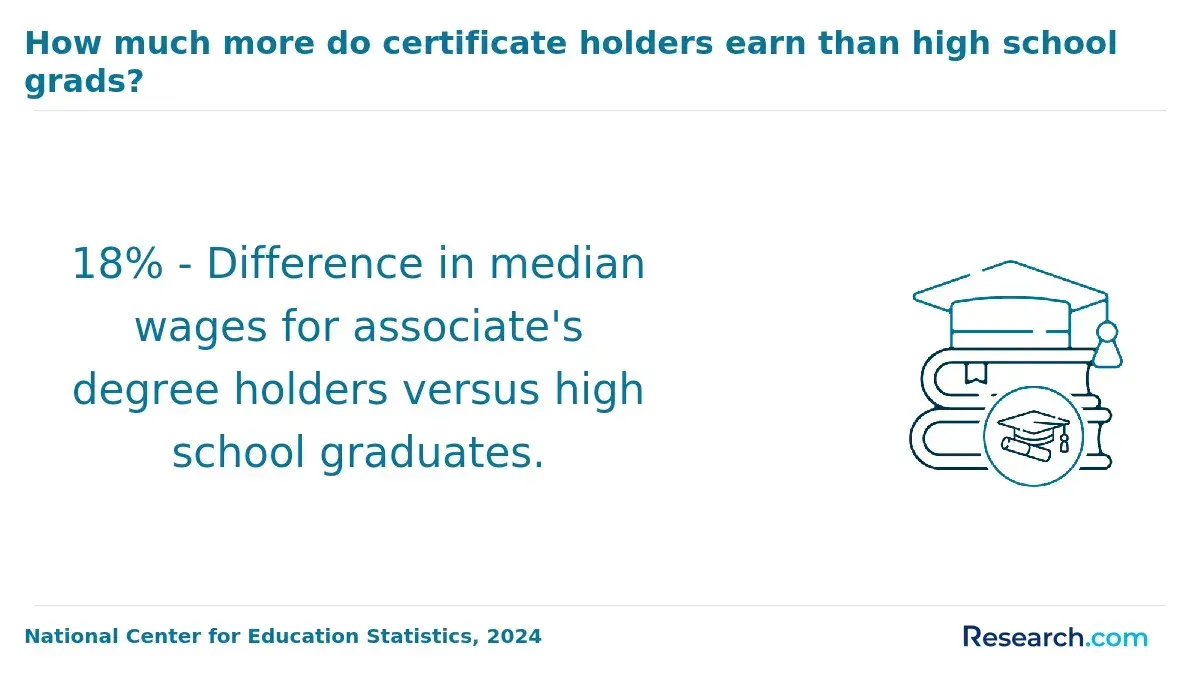
Accreditation status remains a key gatekeeper: credits from regionally accredited institutions are generally accepted, while those from non-accredited or vocational sources frequently undergo additional scrutiny or are disallowed. Reflecting the workforce diversity of geoscience learners, many colleges incorporate prior learning assessments and military training credits, recognizing experience-based competencies but often capping the amount applied toward degree requirements. According to the National Center for Education Statistics in 2024, about 60% of institutions have expanded credit-for-experience policies, which can reduce redundancy for military-affiliated students but require precise documentation and evaluation.
This nuanced approach shapes academic planning, as transferred credits may fulfill major prerequisites or end up as elective credits depending on program specificity and course currency, often limited to work done within the last decade to maintain relevance. Institutions adopting articulation agreements and technology-based credit databases help streamline transfer decisions, though human judgment remains central to final evaluations. Consequently, adult learners must navigate tradeoffs between maximizing credit acceptance to hasten graduation and meeting degree-specific criteria that ensure preparedness for geoscience careers and employer expectations.
Which Alternative Credits Are Most Commonly Accepted by Geoscience Programs?
Acceptance of alternative credits in geoscience programs has evolved into a deliberate strategy to enhance degree accessibility and completion for adult learners rather than merely a transfer accommodation. Programs typically assess credit for prior learning (CPL), military training, and workforce certifications within strict accreditation frameworks, often requiring detailed course equivalency reviews and adherence to residency or upper-division credit limits. For example, veteran students leveraging military technical credits may shorten their pathways but must navigate variability in how institutions recognize these against core geoscience requirements, impacting transfer planning and time-to-degree decisions.
Many geoscience programs now incorporate standardized exams like CLEP and DSST as supplementary credit sources, though their coverage generally excludes specialized geoscience content, which limits their effectiveness in accelerating advancement. Competency-based assessments and provider-backed courses provide flexible options for working professionals, contingent on rigorous alignment with program outcomes.
According to a 2024 report by the American Council on Education, over 70% of accredited geoscience-related programs recognize CPL and military credits, underscoring a broader trend in alternative credit recognition in geoscience programs. Navigating these options requires careful evaluation of institutional policies, affordability implications, and credit transferability hurdles to optimize degree completion.
While these evolving policies offer adult learners more pathways to leverage previous experience, the complexity of credit acceptance demands strategic planning to avoid redundant coursework and unexpected delays. Transfer students should also weigh programs that balance nontraditional credit with quality standards, ensuring meaningful credit application toward graduation requirements. For those seeking flexible doctoral routes, exploring resources like the cheapest online doctorate options can further support cost-effective academic progression aligned with workforce goals.
How Are Geoscience Schools Improving Transfer Pathways for Community College Students?
Reducing credit loss has become a strategic focus for geoscience programs because prolonged degree completion not only burdens students financially but also limits workforce entry timing in this specialized field. According to the National Student Clearinghouse Research Center (2024), nearly 60% of transfer students encounter credit attrition, forcing many to retake courses or extend studies.
To address this, institutions are developing comprehensive articulation agreements and maintaining centralized transfer databases to clearly delineate course equivalencies, which helps students plan more effectively and avoid costly surprises. However, variations in institutional policies mean students must remain vigilant and engage closely with transfer advisors to navigate degree maps that often combine modular curricula and flexible formats to support working or military-affiliated learners without sacrificing academic momentum.
Geoscience departments are also expanding recognition of prior learning, including experiential and military training, integrating these credits into degree pathways to shorten time to graduation. Enhanced transfer advising plays a pivotal role, guiding students in selecting courses whose credits have higher likelihood of acceptance, which is essential given that unchecked course choices can increase credit loss and extend time in school.
While dual-admission partnerships and hybrid course offerings enhance accessibility, actual credit acceptance depends heavily on institutional review practices, often necessitating students to reconcile discrepancies between community college syllabi and university expectations. These adaptations collectively aim to support degree completion but cannot fully eliminate the risk of unexpected credit denials, requiring strategic planning at transfer.
One transfer student recalled uncertainty when submitting transcripts from a community college geology program; initial advisement provided conflicting information about which credits would count toward the bachelor's degree. The student carefully matched course descriptions with the university's articulation database and worked with a dedicated transfer specialist, who clarified that some environmental science courses transferred but key geology prerequisites did not. Although this meant adjusting the academic plan to retake certain courses, the transparent process and targeted advising ultimately reduced credit loss anxiety and facilitated a clearer pathway to degree completion.
How Can Transfer Credits Help Geoscience Students Graduate Faster?
Transfer credit policies in geoscience programs can substantially influence how quickly students finish their degrees, but the practical impact depends heavily on how those credits align with program requirements and institutional rules. While many adult learners and transfer students benefit from recognition of previous coursework, particularly from community colleges or prior institutions, not all credits automatically reduce time-to-degree due to factors like degree program sequencing, upper-division course mandates, and campus residency requirements.
For example, military-affiliated students may find that credit for training and experience accelerates progress only if schools offer robust prior learning assessment options and clearly map those credits to core geoscience competencies.
Adult learners navigating transfer credit benefits for adult geoscience learners must consider that even with transfer-friendly policies, limitations in course availability-especially for specialized lab or capstone experiences-can constrain accelerated degree completion in geoscience programs. The inconsistency of credit evaluation frameworks across institutions creates tradeoffs, as some students face added coursework despite credit transfers, affecting enrollment timing and affordability strategies.
Careful vetting of how credits apply to degree requirements is essential to avoid extended timelines that negate anticipated savings. Those evaluating pathways may also explore related fields offering complementary credentials, such as an operations management MBA, which can enhance workforce versatility alongside geoscience education.
How Much Money Can Students Save Through Geoscience Transfer Credit Opportunities?
Transfer credits in geoscience programs can significantly alter a student's financial outlay, particularly by reducing the time needed to graduate. A 2024 report from the National Center for Education Statistics indicates that leveraging transfer credits typically cuts tuition expenses by 20-30%, mainly due to fewer repeated courses and accelerated degree timelines.
For adult learners and military-affiliated students, credit recognition for prior learning or service training can translate to substantial savings-sometimes equivalent to an entire academic year-if institutions have effective policies in place. Yet, these benefits are often constrained by limits on credit acceptance and residency rules found in many universities, which require a minimum number of credits to be completed directly on campus.
While community college pathways provide a common route to amass transferable credits, institutional variances in course equivalency evaluation pose practical challenges that can reduce credit applicability. This can lead to duplicated coursework, undermining potential savings and extending enrollment. Students must carefully navigate university transfer policies and align prior coursework with current program requirements to maximize the financial impact.
For working professionals weighing the value of transfer credits, the tradeoff may include investing time in complex credit evaluations and advising sessions to avoid unexpected delays or increased costs, despite the general trend of shorter completion times and lower overall tuition. Understanding these dynamics is critical when planning degree progression to ensure that previously earned credits lead to meaningful reductions in both time and educational costs in geoscience programs.
How Are Geoscience Programs Supporting Military Students and Workforce Learners Through Transfer Credits?
Geoscience programs have increasingly aligned their transfer credit policies to recognize military training and workforce credentials, yet the practical value of such credits varies notably between institutions. While over 90% of colleges now accept some form of military-related credit, the degree to which these credits reduce time to graduation depends on how thoroughly prior learning assessments (PLAs) incorporate not only military service but also professional certifications and industry credentials relevant to geoscience fields. For example, a military-affiliated student with PLA-validated environmental remediation training may shave months off degree completion, but inconsistent evaluation of technical certifications can limit these benefits and complicate academic planning.
Articulation agreements among community colleges, military education programs, and four-year schools help ease credit transfer, yet variability in credit acceptance remains a persistent barrier, particularly for specialized workforce credentials like GIS or hazardous materials certifications. These inconsistencies often require military and workforce learners to complete extra coursework despite prior experience, diluting the time-saving potential. According to a 2024 American Council on Education report, the strategic use of PLA credits can accelerate graduation by approximately 25% for military students, underscoring that these policies materially impact degree timelines and educational accessibility while imposing a tradeoff: students must navigate credit evaluations that are far from uniform to fully capitalize on their prior learning.
Degree-completion pathways tailored for working adults-offering flexible online courses or competency-based modules-complement credit transfer but do not replace the need for deliberate academic advising to optimize credit usage. For military and workforce learners, understanding institutional credit policies upfront and comparing transfer articulation can make a significant difference in avoiding redundant coursework and reducing financial and time burdens associated with geoscience degree completion.
What Transfer Credit Innovations Are Shaping the Future of Geoscience Education?
Recent adaptations in transfer credit policies are significantly improving accessibility and degree mobility for adult learners in geoscience programs, yet they also introduce complexity in credit evaluation consistency. AI-assisted transcript evaluation, now reducing manual processing time by up to 40% according to a 2024 report from the National Center for Education Statistics, exemplifies this shift.
While this technology enhances efficiency, institutions must carefully balance rapid decisions with the need to maintain rigorous academic standards, particularly as competency-based education models allow students to earn credit by demonstrating mastery rather than traditional seat time. This can expedite degree completion but also requires robust assessment frameworks to avoid credit inflation and preserve program integrity.
Credit for prior learning, including workforce and military experience, has expanded articulation options, notably through broader acceptance of military transcripts like the Joint Services Transcript. This advancement supports military-affiliated students but demands institutional alignment to ensure transfer credit corresponds with geoscience workforce expectations. Simultaneously, digital credentialing efforts such as blockchain-based transcripts aim to improve credit portability across institutions; however, adoption inconsistencies and interoperability challenges limit their current impact on transfer pathways.
Adult learners and professionals navigating these evolving systems must weigh how such innovations affect their degree timelines and plan accordingly, especially when selecting programs with established, streamlined transfer agreements. Those seeking options to finance flexible educational routes may find additional insights through online interdisciplinary studies degree financial aid.
These evolving transfer credit policies for adult learners in geoscience programs are reshaping pathways but require deliberate planning to align with long-term career goals. Technology-driven credit evaluation methods in geoscience education facilitate faster decisions but can produce variability in credit acceptance that adult learners and transfer students must anticipate. Effective use of these innovations hinges on understanding institutional nuances, rigorous assessment practices, and how these credit recognitions translate into employment-ready qualifications within the geoscience workforce.
How Can Adult Learners Maximize Transfer Credits in a Geoscience Program?
Maximizing transfer credit acceptance in geoscience degrees requires adult learners to proactively navigate institutional policies and transcript evaluations, as credit limits typically range from 50% to 75% of total program credits. For instance, a student transferring from a community college facing inconsistent course equivalencies must collaborate closely with academic advisors to map degree requirements realistically, balancing credit recognition against residency mandates. This detailed planning can reduce redundant coursework and shorten time-to-degree, but learners must remain prepared for subjective credit reviews that may demand comprehensive syllabi and competency documentation.
Articulation agreements and credit for prior learning (CPL) options remain critical in these scenarios, especially for military-affiliated students or those with relevant certifications, as they can translate occupational experience into academic credit. According to data from the National Center for Education Statistics, nearly 60% of transfer students benefit from such formal pathways, underscoring their importance in transfer credit strategies for adult learners in geoscience programs. Exploring alternative credit routes like competency-based education can also offer flexible progression, accommodating students balancing employment and study commitments without extending program costs excessively.
However, transfer decisions carry long-term implications beyond immediate credit accrual; they affect course sequencing and can influence employability by aligning coursework with the competencies valued by employers. Adult learners should evaluate how their credit choices impact both academic flexibility and workforce readiness. In related fields, individuals might also consider the highest paying animal jobs as part of broader career planning within science-based domains, integrating practical credentials with academic credentials for stronger career trajectories.
References
- An Earth Observation Hub for Advanced Skills and Sustainable Geoscience Education: The TNE-GPSEducation Experience https://meetingorganizer.copernicus.org/EGU26/EGU26-13789.html
- College Credit Transfer to Stretch Savings Further https://www.collegesavings.org/college-credit-transfer-to-stretch-savings-further
- Occhipinti: Rethinking Geoscience Education: Integrating SDGs for Next-Generation Learning - Eurogeologists https://eurogeologists.eu/occhipinti-rethinking-geoscience-education-integrating-sdgs-for-next-generation-learning/
- www.degreesight.com: Verifying that you are not a robot... https://www.degreesight.com/news/transfer-credit-evaluation-the-key-to-unlocking-enrollment-growth/
- Prior Learning Assessment - Utah System of Higher Education https://ushe.edu/initiatives/prior-learning-assessment/
- 8 things Geoscientists should know about Geoscience in schools https://geoscienceforthefuture.com/8-things-geoscientists-should-know-about-geoscience-in-schools/
- Adult learners need more than tweaks, and here’s how some colleges are stepping up https://www.luminafoundation.org/news-and-views/adult-learners-need-more-than-tweaks-and-heres-how-some-colleges-are-stepping-up/
- How to Transfer College Credits and Finish Your Degree Faster https://www.park.edu/blog/transfer-college-credits-finish-degree-faster/
- Alternatives to Carbon Credits - Carbon Offset Guide https://offsetguide.org/alternatives-to-carbon-credits/
- College Credit for Heroes: Accelerating Degree Completion | Journal of Veterans Studies https://journal-veterans-studies.org/articles/10.21061/jvs.v8i1.264
Other Things You Should Know About Geoscience
Transfer credit policies differ widely among institutions offering geoscience degrees, with some schools imposing stricter criteria on the age, content, and level of prior coursework. This lack of standardization means adult learners might face unexpected credit denials that prolong their degree completion unexpectedly. Students should prioritize researching how specific programs evaluate geoscience credits, especially considering how outdated or narrowly focused credits may not align with evolving curriculum standards, potentially forcing them to retake foundational courses despite prior study.
While transferring a large number of credits can accelerate graduation, it may also shorten exposure to updated methodologies, field techniques, and laboratory experiences critical to geoscience competencies. Programs that liberally accept transfer credits risk diluting the curriculum's rigor, potentially impacting students' preparedness for fieldwork or research roles. Adult learners should weigh the benefits of faster completion against possible gaps in contemporary knowledge; selecting programs that balance credit acceptance with required core geoscience experiences is generally advisable.
Employers often look for evidence of mastery in core geoscience skills rather than just credit accumulation. Because transfer credits sometimes come from diverse institutions with varying quality standards, hiring managers might be skeptical about the candidate's hands-on experience and current subject knowledge. This makes it essential for students to confirm that their transferred credits meet recognized curricular benchmarks and complement practical components, ensuring they graduate with credentials that align with industry expectations.
Adult learners juggling work and study may find that partial credit acceptance forces additional coursework, increasing their academic workload beyond initial expectations. This can extend time-to-degree and strain work-life balance. In these cases, choosing programs that offer modular or competency-based pathways to satisfy unmet requirements may help manage demands more effectively. Prioritizing flexibility alongside credit recognition can mitigate the risk of burnout while maintaining steady progress toward credential completion.