2027 Is Demand for Game Development Degree Graduates Growing or Declining?

Co-Founder and Chief Data Scientist
Many prospective students wonder if investing in a game development degree will lead to viable career opportunities. With an increasing number of graduates entering the market, job competition intensifies. However, the U. S. Bureau of Labor Statistics projects a 9% growth rate for software developers, including those specializing in game development, through 2031. This signals a steady demand despite rapid technological changes and evolving industry standards. This article explores current trends in employment, industry needs, and educational outcomes, providing readers with data-driven insights to navigate the job market and make informed decisions about pursuing a game development degree.
Key Things to Know About the Demand for Game Development Degree Graduates
- Employment for game development degree graduates is rising, with the Bureau of Labor Statistics projecting a 9% growth in related jobs from 2022 to 2032, faster than average for all occupations.
- Specializations like virtual reality, mobile gaming, and artificial intelligence increase employability by aligning skills with evolving industry demands and consumer preferences.
- Industry shifts toward indie games and cross-platform development create diverse career paths but require graduates to adapt continuously to new technologies and market trends.
What Factors Are Driving Demand for Game Development Degree Professionals?
Recognizing the forces behind workforce demand enables prospective students to evaluate the long-term stability and value of a game development degree. Several key drivers currently shape hiring trends and opportunities in the field.
- Industry Growth: The expanding markets in mobile gaming, virtual reality (VR), and cloud gaming platforms are fueling demand for game developers. As gaming audiences become more diverse and global, companies need creators who can design engaging and scalable content that meets rising consumer expectations.
- Technological Advancement: Innovations such as artificial intelligence, augmented reality (AR), and enhanced graphics engines require professionals with current technical expertise. Mastery of these tools improves employability, encouraging studios to hire individuals capable of rapid innovation and adaptation.
- Evolving Skill Requirements: Employers increasingly seek multidisciplinary talents combining programming, storytelling, and user experience design. Graduates who develop versatile competencies blending creativity and technical skills gain a competitive edge in this dynamic industry.
- Demographic Shifts: Greater interest from younger generations and increased diversity within the gamer community encourage companies to focus on culturally relevant and inclusive content. This broadens the variety of available roles and expands hiring demands.
- Accreditation Importance: Selecting a game development degree program accreditation criteria ensures quality education that aligns with industry standards, boosting graduates' credibility and job prospects. Students should also consider specialized programs such as an artificial intelligence degree online to enhance technical breadth.
Which Game Development Occupations Are Seeing the Highest Growth Rates?
Growth rates serve as a crucial indicator for students evaluating career paths in game development because they reflect expanding or contracting demand in various roles, guiding educational investment decisions. For instance, the U.S. Bureau of Labor Statistics projects overall employment in computer and information technology occupations to increase by 15% between 2021 and 2031, significantly outpacing average job growth. This broader trend sets the stage for understanding which specific game development occupations are thriving in today's employment market.
- Software Developers Specializing in Games: Expected to grow by around 22% over the next decade, this role is driven by the increasing demand for innovative gaming experiences across platforms. Most professionals in this area hold at least a bachelor's degree in computer science or a related field.
- Game Designers: Forecasted to experience nearly 15% growth, fueled largely by the rise of mobile gaming and virtual reality. A bachelor's degree in game design or a related specialty is typically required to enter this field.
- 3D Artists and Animators: Anticipated growth is approximately 14%, as immersive graphics become crucial for user engagement. Artistic skills combined with technical training in animation software are key, often obtained through a bachelor's degree or specialized programs.
- Quality Assurance Testers: Projected to grow by about 10%, with demand rising due to the complexity of modern game software requiring detailed testing protocols. Entry-level roles may require a technical background and knowledge of software testing processes.
- Game Producers: These roles expect steady growth of roughly 9%, reflecting the ongoing importance of project management in delivering large-scale game titles. A background in business, project management, or game development is generally preferred.
These trends highlight top growing game development careers by employment sector, helping students focus on in-demand fields. Many roles require specialized education, emphasizing the value of degrees in computer science, game design, or related areas. Additionally, professionals exploring adjacent pathways might consider online counseling degrees to enhance their skills in team management and player engagement strategies within the gaming industry.
Which Industries Hire the Most Game Development Degree Graduates?
Knowing which sectors hire the most game development graduates can guide students in choosing career paths that offer strong job prospects and stability. Several key industries stand out as primary employers of individuals with this specialized education.
- Entertainment (Video Game Development): This sector remains the largest employer, offering positions such as game designers, programmers, and artists. The surge in mobile gaming and digital distribution platforms continues to fuel demand, making it a dynamic field for creative and technical talent.
- Software and Educational Technology: Beyond traditional gaming, graduates contribute to developing interactive educational tools, simulations, and virtual laboratories. Their programming and design expertise help create compelling learning experiences and practical training software.
- Film and Animation: Professionals with game development skills are sought after for roles involving visual effects, 3D modeling, and interactive media production. This industry values proficiency in graphics, animation, and real-time rendering techniques.
- Virtual Reality and Augmented Reality: Emerging technologies like VR and AR rely heavily on interactive content creation. Game development graduates' abilities to design real-time, immersive environments are a perfect fit for these rapidly growing fields.
Location plays a crucial role in shaping job opportunities for game development graduates, influencing salary potential, career advancement, and market competition. Several regional factors drive demand and availability in this field.
- High-Demand States: States like California, Washington, and New York lead in game development positions due to their strong tech ecosystems. California alone represents more than 30% of all U.S. jobs in interactive media and game development, making it a prime destination for aspiring professionals.
- Industry Clusters: Concentrated tech hubs provide abundant job openings and foster innovation, whereas less-developed regions offer fewer opportunities. These clusters attract talent but also increase competition for roles.
- Urban vs. Rural: Urban areas typically have a larger number of interactive media companies and networking possibilities. Rural locations may have limited openings, though remote and hybrid work trends are starting to mitigate these disparities, allowing wider access to jobs from anywhere.
- Cost of Living: Salary levels often align with the local cost of living, impacting quality of life for game development professionals. Regions with high living expenses may offer higher pay but also increased financial pressure.
- Remote Work Trends: The rise of remote and hybrid work models has expanded geographic flexibility, enabling graduates to pursue roles in top markets without relocating. This shift is gradually balancing opportunities across diverse locales.
Educational attainment significantly impacts employability, career progression, and competitiveness in game development careers. Different degree levels offer varying qualifications and opportunities that influence job prospects and professional growth.
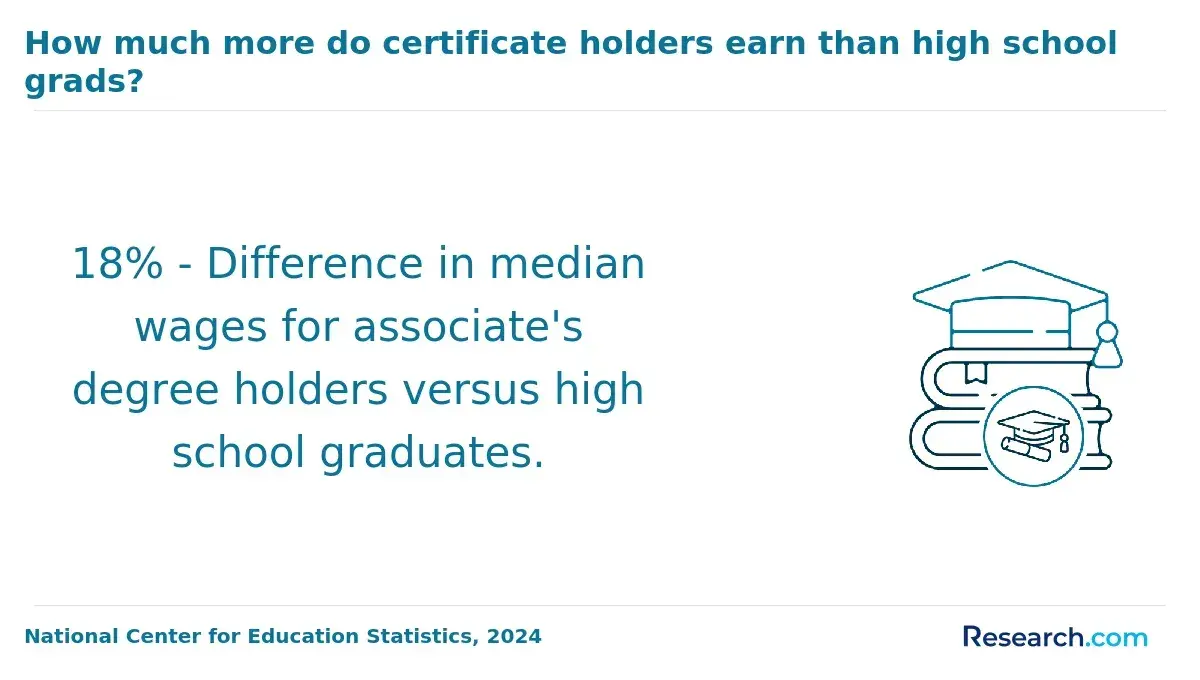
- Associate Degree: Provides foundational knowledge suitable for entry-level positions such as junior developers or QA testers. However, individuals with this level often face challenges competing for roles due to limited specialization and practical depth.
- Bachelor's Degree: The most common qualification, equipping graduates with broad skills applicable to roles like game designers, programmers, or artists. Those holding a bachelor's degree experience notably higher employment rates in technology-driven creative fields compared to those without, reflecting the effect of educational attainment on game development job opportunities.
- Master's Degree: Enables focused expertise in areas like graphics programming or interactive design. This level supports advancement into leadership, research, or technical specialist roles, enhancing career growth and earning potential within the industry.
- Doctorate Degree: Rare and specialized, crucial for academic research or pioneering innovation in industry labs. While providing top-tier expertise, doctorate holders might find fewer direct development roles, which align more with academic and niche innovation paths.
For those interested in broadening skill sets or exploring interdisciplinary options related to game development careers, an online psychology degree can offer complementary advantages in understanding player behavior and user experience design.
Recognizing which skills employers value is essential for anyone aiming to thrive in the game development industry. Aligning these competencies with workplace demands helps graduates secure roles and excel within their teams. Below are some of the most sought-after abilities in this field:
- Programming Expertise: Mastery of languages like C++, C#, and Python is crucial for building game mechanics and ensuring smooth performance, allowing developers to translate creative ideas into functioning code efficiently.
- Game Engine Familiarity: Proficiency with engines such as Unity and Unreal enables graduates to prototype, test, and refine games rapidly, boosting productivity and adaptability in professional projects.
- Analytical Problem-Solving: The ability to diagnose and resolve complex bugs is invaluable. Employers appreciate developers who can think critically and devise innovative solutions that keep development on track.
- 3D Modeling and Animation Knowledge: Skills in tools like Blender or Maya complement programming by contributing to the creation of detailed visual assets and dynamic animations, enriching the player experience.
- Effective Collaboration: Strong communication and teamwork skills are necessary for coordinating with artists, designers, and other developers, ensuring that shared goals are met on schedule.
- User Experience Design: Understanding how players interact with games helps graduates craft intuitive interfaces that increase engagement and satisfaction.
When asked about the skills sought by employers, a game development graduate shared that entering the workforce presented surprises, particularly around teamwork dynamics and adapting to fast-changing project requirements. He recalled, "It wasn't just about coding well; it was how quickly I could incorporate feedback and navigate different departments communicating in diverse ways." He described feeling challenged yet motivated by the pace, emphasizing that flexibility and open communication were just as important as technical knowledge in gaining the trust of his team and advancing in his role.
Fluctuations in job demand strongly influence starting salaries, wage growth, and long-term earning potential for game development graduates. For instance, the U.S. Bureau of Labor Statistics projects a 22% growth in employment for software developers, including game developers, from 2020 to 2030, highlighting a positive trend in the labor market. These shifts affect financial outcomes in several key ways.
- Starting Salaries: When demand is high, employers compete to attract talent, often increasing entry-level pay to fill positions quickly. This competition benefits recent graduates entering the workforce.
- Wage Growth: Sustained demand supports steady salary increases as professionals gain experience, reflecting ongoing value placed on game development skills.
- Long-Term Earnings: Strong labor markets create better advancement opportunities, enabling higher lifetime income through promotions and specialized roles.
- Supply and Demand Balance: An oversupply of graduates can suppress salaries, while shortages of specialized skills can drive wages upward. Industry needs thus directly shape earning potential over time.
Advances in artificial intelligence (AI) are reshaping workforce demands within game development, with over 60% of studios adopting AI tools as of 2023. These changes are driving shifts in roles, skills, and hiring patterns across the industry.
The primary impacts of AI on game development careers include:
- Automation of Routine Tasks: AI increasingly handles repetitive jobs like asset creation and quality testing, reducing entry-level positions but allowing developers to concentrate on creative problem-solving and innovation.
- Emergence of Specialized Roles: New positions are forming that require expertise in machine learning, AI-driven gameplay, and procedural content generation, broadening employment options for those with advanced technical skills.
- Evolution of Skill Sets: Proficiency in AI technologies, programming, and data analysis is becoming essential, prompting professionals to continuously update their knowledge to maintain job security.
- Industry Hiring Shifts: Companies prioritize candidates capable of integrating AI tools to enhance player engagement and game complexity, reflecting a move toward more dynamic and tech-forward development teams.
When I asked a recent game development graduate about how AI is changing demand, she shared her experience adapting to this new landscape. "I had to quickly learn AI integration techniques outside my core curriculum," she explained. "While it was challenging to keep pace, mastering these tools opened doors to internships and roles I hadn't considered before." She noted the initial uncertainty of balancing traditional skills with AI knowledge but emphasized that this blend has made her more confident about long-term career growth. "Staying adaptable is key," she said, "and AI definitely raised the bar-but also lifted my opportunities."
Long-term career stability is an important consideration for students and professionals evaluating game development paths, as it affects financial security and professional growth. Several key factors influence whether game development offers sustainable prospects over time.
- Long-Term Employment Trends: The global expansion of the gaming industry drives steady growth in job opportunities, reflecting positive long-term career prospects for game development graduates. Demand for interactive entertainment across various platforms supports ongoing employment possibilities.
- Industry Reliance: Companies heavily depend on skilled game developers to create and innovate gaming experiences, which helps maintain steady roles. However, market shifts and changing consumer preferences can introduce periods of fluctuation, impacting stability.
- Adaptability to Change: As the field rapidly evolves with new technologies, programming languages, and platforms, professionals who regularly update their skills can enhance their resilience and career longevity. Resistance to adapting may pose challenges in maintaining stable employment.
- Career Advancement and Reskilling: Opportunities to specialize or move into leadership roles provide avenues for career growth. Access to educational resources enables many game developers to reskill, which increases overall stability and supports long-term success.
For those considering this pathway, combining a strong foundation with continual learning is essential. Pursuing an online bachelor's degree can offer flexible, accelerated options to build relevant skills that meet industry demand and support a stable career in game development.
The job outlook for game development degree graduates in the US reflects steady growth aligned with the broader expansion of the global gaming industry. Employment trends for game development graduates show that the sector is expected to grow faster than the average for all occupations, driven by ongoing consumer interest in mobile, console, and virtual reality platforms.
This growth sustains robust hiring activity for roles such as game designers, programmers, artists, and testers, which often favor candidates holding specialized degrees in areas like game development. The increasing demand emphasizes the importance of industry-relevant skills alongside formal education to remain competitive in this evolving landscape.
Career outcomes for those with game development degrees depend heavily on degree level, skills alignment, and the specific needs of employers. Entry-level graduates with a bachelor's degree generally see better prospects when they complement their academic credentials with strong programming skills and a compelling portfolio.
Larger studios producing AAA titles may prefer experienced developers or candidates with advanced degrees, whereas indie studios often value creativity and practical experience more. Prospective students should weigh formal education against alternative paths such as coding bootcamps or self-study, and consider best online certificate programs that can supplement their knowledge and increase employability in this competitive field.
What Graduates Say About the Demand for Their Game Development Degree
- Nissa: "Pursuing a degree in game development was one of the best decisions I've ever made. The skills I gained gave me a clear path to a high-paying job that I truly enjoy. The return on investment was evident within the first year after graduation as I was able to land a position working on major projects."
- Camilo: "Choosing a game development program was a thoughtful choice that aligned with my passion for interactive media. Reflecting on my journey, the degree provided a solid foundation and opened doors to opportunities I hadn't imagined. It was an investment in my future that has paid dividends both professionally and personally."
- Javi: "From a professional standpoint, earning a game development degree has been invaluable. It equipped me with technical expertise and industry insights necessary to thrive in a competitive market. The degree not only improved my career prospects but also gave me confidence in my ability to tackle complex challenges."
Other Things You Should Know About Game Development Degrees
Industry certifications, such as Unity Certified Developer or Unreal Engine Certification, can significantly boost job prospects for game development graduates in 2027 by demonstrating specialized skills and dedication to employers, thereby enhancing employability in a competitive job market.
In 2027, industries such as virtual reality, augmented reality, and the metaverse are expanding their hiring for game development graduates. These fields require specialized skills in interactive content creation and immersive technology that are in high demand for new projects and developments.
In 2027, regions like North America and Europe are seeing the strongest demand for game development degree graduates due to a surge in tech companies investing in gaming and interactive media. Emerging markets like Southeast Asia also show significant growth potential in hiring.
- Top Game Development Skills Employers Look For (and How to Build Them) - Champlain College https://www.champlain.edu/blog/stories/top-game-development-skills-employers-want/
- Is Game Development a Good Career? https://www.albany.edu/cehc/communications/is-game-development-a-good-career
- What Can You Do with a Games Design Degree? https://www.lcca.ac.uk/blog/gaming/what-can-you-do-with-a-games-design-degree/
- 12 Entry-level Jobs in the Video Game Industry to Kickstart Your Career - Virtuos Games https://www.virtuosgames.com/news/entry-level-video-game-jobs/
- AI in Video Game Development: From Smarter NPCs to Procedural Worlds | Capitol Technology University https://www.captechu.edu/blog/ai-in-video-game-development
- Is a Game Development Degree Worth it? https://www.gamedeveloper.com/programming/is-a-game-development-degree-worth-it-
- U.S. highest in-state video game industry employment 2023| Statista https://www.statista.com/statistics/1258010/us-video-game-industry-direct-in-state-employment/
- Game job seekers: Here's updated data on where the 14,162 game jobs are open globally | Amir Satvat - GamesBeat https://gamesbeat.com/game-job-seekers-heres-updated-data-on-where-the-14162-game-jobs-are-open-globally-amir-satvat/
- Game Development Career Pathways | CG Spectrum https://www.cgspectrum.com/career-pathways/game-development
- The Gaming Resurgence: Top 10 Video Game Jobs For 2024 https://www.onwardsearch.com/blog/2024/03/top-10-video-game-jobs-2024/