
2027 Different Types of Game Development Degrees and Their Salaries

Co-Founder and Chief Data Scientist
The demand for skilled professionals in game development continues to rise rapidly as the industry expands across entertainment, education, and technology sectors. According to recent labor market data, employment in computer and information technology occupations, which includes game development roles, is projected to grow significantly faster than average over the next decade.
Selecting the right educational path is crucial for aspiring developers seeking to enter this competitive field. This article provides a comprehensive overview of the various types of game development degrees available and outlines potential salary expectations for graduates, equipping readers with essential insights to make informed career decisions.
Key Points About Different Types of Game Development Degrees and Their Salaries
- Students with an associate degree in game development typically start in entry-level roles such as quality assurance or junior programming, earning average salaries around $40,000 annually, though advancement often requires further education or specialized skills.
- A bachelor's degree in game development significantly broadens career opportunities, with graduates frequently securing roles in game design, programming, or production management and commanding median salaries near $70,000 per year according to U.S. labor statistics.
- Master's degree holders in game development or related fields benefit from higher earning potential and leadership positions in the industry, with salaries often exceeding $90,000 annually and greater chances for long-term growth in areas like game engine development or creative direction.
What Are the Different Types of Game Development Degrees Available?
Understanding the variety of game development degrees available is crucial for students before selecting a program, as each degree aligns differently with individual career goals and educational backgrounds. Knowing these distinctions helps learners pick a path tailored to their interests, skills, and the type of expertise they want to develop.
Here is an overview of the main types of game development degrees and what makes each one unique:
- Associate Degree in Game Development: Focuses on foundational skills in game programming, 2D and 3D animation, and basic design principles. Coursework typically includes game prototyping, digital graphics, and introductory programming, providing essential hands-on experience.
- Bachelor of Science (BS) in Game Development: Offers comprehensive study covering programming, 3D modeling, animation, game engines, and collaborative team projects. Emphasizes both the technical and creative elements necessary to build complete games.
- Bachelor of Arts (BA) in Game Design: Concentrates on the creative, artistic, and psychological aspects of games such as narrative design, user experience, and player interaction. Students often study storytelling, interactive media, and behaviors related to gaming.
- Bachelor of Science in Computer Science with Game Development Concentration: Provides a broad computer science education combined with game technology courses. This path enables flexibility for careers within or beyond gaming by covering core computer science theories and specialized programming topics.
- Master of Science (MS) in Game Development: Delivers advanced technical coursework in areas like graphics programming, artificial intelligence for games, and multiplayer system design. Programs often include research-driven components focused on cutting-edge industry innovations.
- Online Game Development Degrees: These programs, offered at undergraduate and graduate levels, mirror traditional curricula but provide flexibility through remote learning. Strong attention is placed on portfolio development and professional skills throughout the coursework.
For students exploring the most popular college majors, understanding these game development degree types helps in making an informed choice aligned with their aspirations and the skills they wish to master.
What Specializations Are Available in Game Development Degrees?
Specializing in a game development degree is a crucial decision that shapes the skills students acquire and the career opportunities they pursue in the dynamic gaming industry. Tailoring your education to a specific focus area not only sharpens your expertise but also aligns your training with market demands and personal ambitions.
Below are some common game development specializations that highlight different career paths and skill sets:
- Game Design: This specialization emphasizes the creative process of crafting engaging player experiences, including game mechanics, narrative structure, and level design. Students develop storytelling abilities, design theory knowledge, and prototyping skills, preparing them for roles like game designer, level designer, or creative director.
- Game Programming: Focused on the technical development side, this track teaches programming languages such as C++, C#, and Java. It enhances skills in software development, data structures, and game engine operation, leading to career paths like game programmer, software engineer, and gameplay developer, with some of the highest salaries in the field.
- 3D Modeling and Animation: This area develops expertise in digital art, character and environment modeling, and animation. Students gain proficiency with industry-standard tools to create visual assets, opening opportunities as 3D artists, animators, or visual effects specialists with competitive starting salaries.
- Artificial Intelligence for Games: This specialization focuses on implementing AI systems such as pathfinding, decision-making, and behavioral modeling for NPCs. It involves strong programming and analytical skills, leading to careers as AI programmers or technical designers with potential for advanced roles commanding higher pay.
- UX/UI Design for Games: Concentrating on user experience and interface design, this track ensures games are intuitive and enjoyable. Students learn interaction design and usability testing, preparing them for growing roles as UX/UI designers or game interface specialists in increasingly complex gaming projects.
For students weighing their options, exploring the easiest online PhD programs may provide flexible pathways to specialize further or expand expertise in related areas, supporting lifelong learning in the game development field.
How Long Does It Take to Complete Each Type of Game Development Degree?
Understanding the duration of game development programs helps students effectively plan their education and career paths. Knowing how long each degree typically takes allows for better time management and financial planning.
Here is an overview of common game development degree types and their usual completion times:
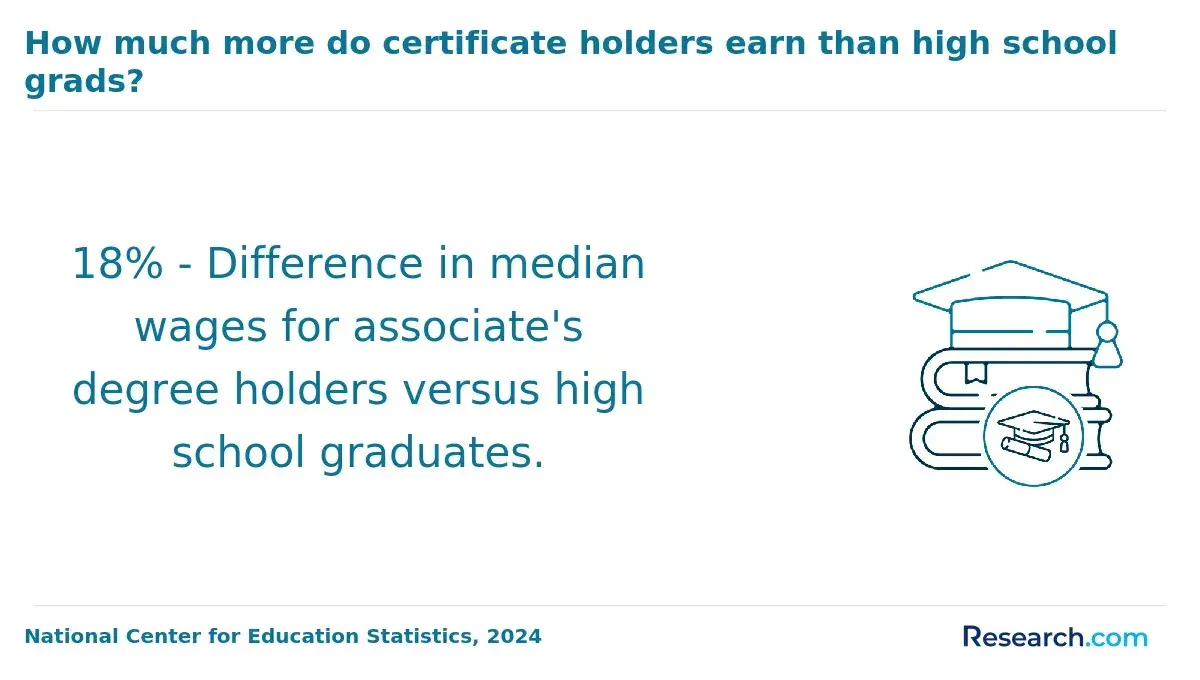
- Associate Degree in Game Development: This degree usually requires about two years of full-time study. Students attending part-time or those needing prerequisite courses may take longer. Many schools offer accelerated or online programs, enabling flexibility for working students.
- Bachelor's Degree in Game Development: Typically, a bachelor's program spans four years of full-time study. Transfer credits from community colleges can shorten this period, while part-time enrollment or dual majors might extend it. Online and hybrid options are increasingly common, providing students with more learning choices.
- Master's in Game Development: Graduate programs often take one to two years to complete depending on whether students attend full-time or part-time. Some accelerated tracks allow completion within a year, while research-intensive degrees may take longer. Availability of online courses varies by institution.
Accelerated game development degree programs offer students the chance to complete their education significantly faster than traditional timelines.
These programs are available at both undergraduate and graduate levels, with examples such as Walsh University's online B.S. in game development, which can be completed in as little as 12 to 24 months, and Full Sail University's fast-paced bachelor's degree designed to finish in about half the time of a four-year program.
Common strategies used to shorten completion time include condensed courses that sometimes last only five weeks, year-round term structures that eliminate long breaks, and acceptance of transfer credits or prior learning, such as military experience. Bootcamp-style certificates that focus on intensive, skills-based training over a few months are also a popular accelerated pathway.
These approaches enable motivated students to progress through the curriculum rapidly by maximizing course loads and minimizing downtime between terms.
While accelerated programs offer efficiency, several key considerations should be taken into account before enrolling. The workload intensity is often much higher due to compressed schedules and quick turnaround on assignments, requiring strong time management skills and discipline.
Eligibility requirements can include minimum GPA thresholds, age restrictions-such as being 21 or older at some institutions-and prerequisite coursework. Prospective students must also evaluate career outcomes, as graduates can pursue roles like game designers, developers, or producers, with competitive salaries reported by the U.S. Bureau of Labor Statistics.
Overall, these programs demand strong commitment but provide a viable pathway into the fast-growing gaming industry for those ready to meet the challenges.
When discussing whether there are accelerated game development degree programs, a graduate of such a program shared his experience reflecting the unique demands and rewards of this path. He described the rapid pace as both "intense and exhilarating," noting that managing overlapping projects and weekly deadlines pushed him to develop exceptional organizational skills.
The continuous learning without traditional semester breaks sometimes felt overwhelming, but he appreciated how the year-round format maintained momentum and immersion in the subject. He also valued the opportunity to apply prior coding experience toward course credits, which "saved a lot of time and helped me focus on developing advanced skills."
Despite moments of stress and exhaustion, he emphasized that finishing early allowed him to enter the workforce sooner and gain practical industry experience faster than many peers.
His journey highlighted that while accelerated programs demand dedication and resilience, they can be rewarding for students who thrive under pressure and seek a swift transition into game development careers.
Traditional game development degrees typically emphasize structured, in-person coursework, offering immediate faculty feedback and strong collaboration opportunities through group projects and networking events. These elements foster critical thinking, communication, and hands-on experience with industry-standard tools.
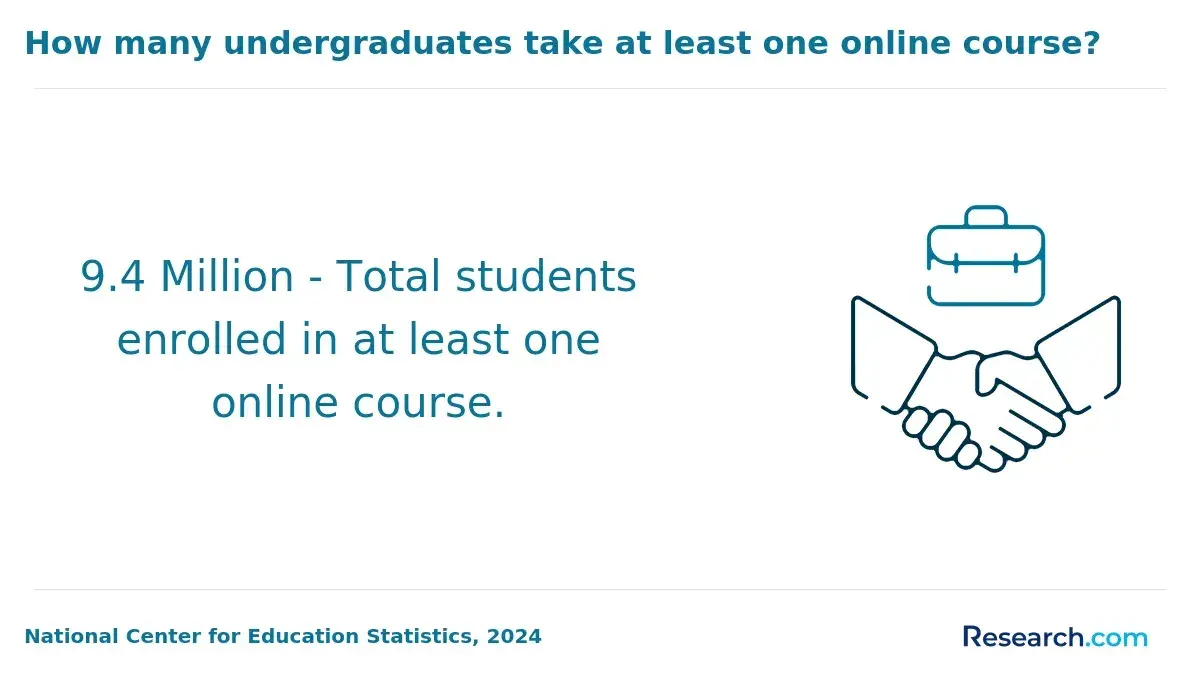
Online programs, meanwhile, leverage technology to create flexible, learner-focused environments featuring interactive virtual labs, project-based assignments, and extensive digital resources. While online students often need strong self-discipline and time management skills, both online and traditional formats cover the same technical skills and software.
Additionally, many online programs have incorporated virtual meetups and industry events to support networking, though some students and employers still place higher value on face-to-face interaction commonly found in traditional settings.
Recent trends indicate growing employer acceptance of online degrees, especially as retention rates for online programs (25-60%) surpass those of traditional ones (8-10%). Hiring managers increasingly prioritize the reputation of the degree-granting institution and a candidate's portfolio over the mode of study.
For game development graduates, entry-level salaries typically range between $50,000 and $70,000, with higher earnings linked to experience, specialization, and the prestige of the institution.
Ultimately, the credibility of a game development degree hinges more on the institution's accreditation and reputation, as well as the quality of the student's portfolio, than on whether the degree was earned online or through traditional study.
Understanding the tuition differences across various game development degree levels is crucial for effective budgeting and long-term financial planning. These costs can fluctuate greatly depending on the degree type, institution, and available aid.
Below is an overview of the typical tuition ranges for each type of game development degree:
- Associate Degree in Game Development: Typically the most affordable, associate degree programs at public community colleges usually cost between $10,000 and $25,000 in total tuition over two years. Private colleges may charge over $30,000, but many students rely on federal grants, state aid, and scholarships to reduce their expenses.
- Bachelor's Degree in Game Development: A four-year bachelor's degree averages about $14,688 per year at public universities, resulting in total costs from $40,000 to $90,000 depending on residency status and school type. Private institutions may charge $35,000 to $50,000 annually, while online bachelor's programs can offer more affordable options, sometimes under $30,000 for the entire degree. Financial aid and loans are widely accessible at this level.
- Master's in Game Development: These programs commonly span two years and average $20,513 per year, with total tuition typically between $40,000 and $70,000. Costs tend to be higher at elite private universities. Many students benefit from graduate assistantships, research grants, and employer tuition reimbursement to offset expenses.
- Doctorate in Game Development or Related Fields: Rare and focused on areas like computer science or interactive media, doctoral degrees often exceed $100,000 in total tuition. However, stipends, research funding, and teaching assistantships frequently substantially lower out-of-pocket costs for doctoral candidates.
When I spoke with a graduate of a game development degree program about her experience navigating tuition costs, she reflected on the importance of planning and available resources.
She said that although the sticker price felt intimidating at first, "I found that by applying early for scholarships and utilizing work-study opportunities, I was able to manage expenses better than expected." She also emphasized how accessing institutional aid and part-time internships gave her significant relief.
Now working in the industry, she highlights how the "investment was worthwhile," as her degree opened doors to roles that might have otherwise been unreachable without the financial strategy and support she pursued during her studies.
The level and specialization of a game development degree significantly influence the career opportunities available to graduates, with higher degrees typically opening doors to more advanced and technical roles. Different degree programs equip students with distinct skills, preparing them for specific positions within the gaming industry.
Below is an overview of common jobs associated with various game development degree types.
- Associate Degree in Game Development: Graduates usually qualify for entry-level roles such as quality assurance (QA) tester, junior game artist, or production assistant. These positions focus on testing games for bugs, creating basic assets, and supporting development teams, often within indie studios or mobile game companies.
- Bachelor's Degree in Game Design or Game Development: This degree prepares students for mid-level roles including game designer, level designer, narrative designer, or game programmer. Responsibilities cover game mechanics, storytelling, and coding gameplay features, with salaries ranging broadly based on expertise and company size.
- Bachelor of Fine Arts (BFA) in Game Art and Animation: Career paths include 3D artist, character animator, or environment artist, focusing on creating visual content and immersive game worlds. Employment opportunities exist in both indie and major studios, with potential progression to art director roles.
- Bachelor's or Master's Degree in Computer Science, Software Engineering, or Computer Engineering: Graduates qualify for specialized technical positions like game engine programmer, AI programmer, tools engineer, or network programmer. These roles require advanced programming knowledge and typically offer salaries exceeding $80,000 for experienced professionals.
- Master's Degree in Game Development or Related Fields: Advanced degrees lead to leadership roles such as technical project manager, game producer, or studio director. These positions involve managing teams and projects and often require several years of experience, with salaries averaging upwards of $97,309. Students interested in accelerated options may explore fast paced master's degree programs to advance quickly in this field.
Degree level is a significant factor that influences earning potential in game development, with higher degrees generally leading to better salaries and more advancement opportunities. Understanding these differences can help students make informed decisions about their education and future careers.
Below is an overview of typical salary ranges for various game development degrees, showing how degree type affects starting pay and long-term prospects.
- Associate Degree in Game Development: Entry-level roles for graduates with an associate degree usually offer starting salaries from about $40,000 to $55,000 per year. These jobs often include technical support, junior programming, or QA testing. While salary growth may be slower compared to higher degrees, gaining experience and skills can still lead to modest pay increases over time.
- Bachelor's Degree in Game Development: Graduates holding a bachelor's degree, such as a Bachelor of Science in Game Design & Development, typically start with salaries ranging from $49,000 to $81,000 annually; the average salary for video game designers is around $81,728. Factors like location and company prestige impact pay significantly, with developers in states like California or Washington earning above the national average.
- Master's Degree in Game Development: Those with a master's degree tend to earn starting salaries between $85,000 and $110,000, with the potential to exceed $150,000 in senior or lead roles. Advanced degrees open up opportunities in specialized areas such as game engineering, AI, or technical direction, which often reward higher expertise with faster career progression.
- Doctorate (PhD) or Specialized Graduate Degrees: Although less common, a PhD or specialized graduate degree can lead to roles in research, academia, or executive leadership, offering salaries from $120,000 to over $200,000 for positions like technical director or lead AI engineer. These roles are typically found in high-demand, specialized sectors with substantial earning potential.
Prospective students seeking quality education options in this field may consider exploring top non profit online accredited colleges to find programs that fit their career goals and budget.
There is a strong and growing demand for game development degree holders in the US job market, fueled by the rapid expansion of the global video game industry and the rise of emerging technologies.
The industry is projected to grow significantly, with job growth for game developers expected to increase by 25 percent between now and 2032, according to the US Bureau of Labor Statistics.
This is driven by innovations such as virtual reality (VR), artificial intelligence (AI), mobile gaming, and the evolving metaverse, all of which require skilled developers to create engaging, cross-platform experiences.
Employers seek candidates proficient in tools like Unity and Unreal, with strong programming skills in languages such as C# and C++, along with experience in 3D graphics, networking, and testing.
Demand for game development graduates varies regionally, with major hubs like California and Texas offering the most opportunities, although the industry is becoming increasingly remote-friendly.
Employers often prioritize candidates with a bachelor's degree in game development, computer science, or software engineering, combined with a solid portfolio showcasing completed projects and familiarity with the latest technologies.
Salaries reflect the demand, with average earnings around $87,929 annually and higher salaries for those holding advanced degrees. Overall, the outlook remains positive for graduates who combine formal education with up-to-date technical skills and a strong portfolio.
Given the competitive nature of the market, prospective students should consider programs at the best affordable online schools for working adults to balance education with hands-on experience.
Choosing the right degree level in game development is a critical decision that aligns your education with your career goals and personal circumstances. It shapes your technical expertise and influences your path within the evolving gaming industry.
To help you make an informed choice, consider these key factors when selecting the type of game development degree that best suits you.
- Career Goals: The degree you pursue should correspond to your targeted role in the industry. An associate degree prepares you for entry-level jobs like animator or junior designer, while a bachelor's degree is usually required for roles such as game programmer or technical artist. Advanced positions often need specialized bachelor's or master's degrees.
- Curriculum and Skill Depth: Bachelor's programs offer comprehensive coursework covering programming, 3D graphics, AI, and game engines, providing a strong foundation. Associate degrees cover basics and lack depth, whereas master's programs focus on advanced specialization.
- Time Commitment: Associate degrees generally take two years, bachelor's four years full-time, and master's an additional 1.5 to 2 years. Part-time and online options exist but extend study duration and require consideration of personal schedules.
- Cost and Return on Investment: Public university bachelor's programs range from $40,000 to $80,000, with private schools costing significantly more. Associate degrees and bootcamps are cheaper but may lead to lower starting salaries, so weigh tuition against potential earnings.
- Flexibility and Transferability: Broader degrees like computer science offer career flexibility if you pivot from game development, while specialized degrees are ideal if you're certain of your path. Check how well credits transfer to other fields or advanced studies.
- Industry Connections and Portfolio Development: Programs with strong industry links and portfolio projects enhance practical experience and networking, improving job prospects after graduation.
What Game Development Graduates Say About Their Degree and Salary
- Manny: "Completing my bachelor's degree in game development opened doors I never imagined. The program's strong emphasis on both coding and creative design prepared me for the multidimensional nature of the industry. Beyond technical skills, collaborating with diverse teams helped me grow personally and professionally, boosting my confidence in leadership roles. Now I'm contributing to innovative VR projects that allow users to experience stories like never before. "
- John: "After earning my associate degree in game development, I was able to quickly enter the workforce and start building a steady career in indie game studios. The hands-on, project-based learning equipped me with practical experience highly valued by employers, which is critical in today's competitive market. The sense of community among classmates and instructors also inspired me to mentor younger students and support local game jams, giving back through shared passion and knowledge. "
- Brian: "The master's degree in game development completely transformed how I view the potential impact of games on education and well-being. Through intensive research and collaboration with psychologists, I developed therapeutic games aimed at helping children with anxiety. This specialized program cultivated my skills to integrate storytelling with behavioral science, enabling me to push boundaries professionally while making a positive difference in my community."
Other Things You Should Know About Game Development Degree Programs & Salaries
In 2027, game development degrees range from associate to master's programs. An associate degree may lead to roles with salaries around $45,000, while bachelor's degrees average $60,000 annually. Master's graduates, often in specialized areas like AI or VR, can expect salaries surpassing $80,000.
Absolutely. Skills learned in game development are applicable in software development, simulation design, virtual reality, and multimedia production. Graduates can find opportunities in various tech sectors, expanding their employment options.
Build a small portfolio with 2D or 3D game projects, source code, and short design notes. Include at least one playable prototype and one team project. Admissions teams often look for evidence of programming, art, or level design skills, not just grades.
- Which video game job pays the most, and what education is required? https://www.gameindustrycareerguide.com/top-paying-video-game-jobs-education/
- Bachelor of Games Development https://www.uts.edu.au/courses/bachelor-of-games-development
- Engineering studies - Computer Science, specialization: Game Developer https://www.wsb-nlu.edu.pl/en/engineering-studies-computer-science-specialization-game-developer
- Career Path and Salary for Video Game Designers | ComputerScience.org https://www.computerscience.org/careers/video-game-designer/career-outlook-and-salary/
- Game Design and Development - UITM in Rzeszow https://en.uitm.edu.eu/undergraduate-programmes/game-design-and-development/
- Online vs Traditional Degrees: Similarities and Differences https://www.aiu.edu/blog/online-vs-traditional-degrees/
- How to Select the Best Game Development Courses and Programs https://www.baker.edu/about/get-to-know-us/blog/how-to-select-the-best-game-development-courses-and-programs/
- Game Development Degree Online https://www.snhu.edu/online-degrees/bachelors/bs-in-game-programming-and-development
- Game Design and Development BA (Hons) Degree – University Centre Farnborough https://www.ucfarnborough.ac.uk/course/ba-hons-games-design-and-games-development/GDG1/
- Full Guide on Game Developer Salary in 2025 - Qubit Labs https://qubit-labs.com/game-developers-salaries-guide/


