2027 Return on Investment (ROI) of a Game Development Degree Program

Co-Founder and Chief Data Scientist
Aspiring game developers often face uncertainty about whether investing time and money in a game development degree will lead to gainful employment. With the industry evolving rapidly, nearly 70% of graduates report securing jobs within six months of completing their degree, but salaries can vary widely. Many struggle to understand the true financial benefits compared to self-taught alternatives or shorter certification programs.
This article examines the return on investment of a game development degree program by analyzing employment rates, salary expectations, and industry trends to help readers make informed decisions about their education and career paths.
Key Things to Know About Game Development Degree ROI
- Graduates with a game development degree often see a 15-20% higher starting salary than those without, with median earnings around $70,000 annually in the U.S. gaming sector.
- Career advancement is bolstered by specialized skills, enabling progression from junior roles to lead developer or project manager within 5-7 years.
- The industry shows strong long-term job stability, with gaming revenues growing 12% annually, supporting sustained salary growth and diverse employment opportunities across media and tech.
How Is ROI Calculated for a Game Development Degree Program?
Return on investment (ROI) in higher education measures the financial benefits a student gains compared to the total cost and time spent earning a degree. It helps students evaluate whether a game development degree program offers sufficient value relative to tuition expenses and time commitment.
Several key factors contribute to calculating the ROI of a game development degree program, including costs, earnings, and time considerations:
- Tuition and Fees: This covers all expenses such as tuition, books, and supplies. Accurately assessing these upfront costs is crucial when analyzing game development degree program investment return analysis.
- Opportunity Cost: The income forgone while studying full-time affects overall ROI. The time spent pursuing the degree instead of working impacts financial returns accordingly.
- Time to Completion: The duration to finish the program influences both direct costs and lost earning potential. Shorter programs usually enhance ROI by decreasing opportunity cost.
- Post-Graduation Salary: Expected earnings after graduation in the game development field significantly affect how quickly students can recoup their educational investment.
- Career Advancement: Long-term salary growth and improved job prospects also contribute to ROI, since a degree can boost skills and unlock better opportunities.
For those comparing investment returns across fields, resources like BCBA master's programs online provide useful frameworks for evaluating financial efficiency in education pathways.
How Much Does a Game Development Degree Program Cost?
Accurately assessing the return on investment (ROI) of a game development degree depends heavily on understanding the full cost of the program. With the average student loan debt for U.S. graduates surpassing $30,000, it's vital to consider all expenses associated with earning the degree.
Several key cost factors influence the overall financial outcome:
- Tuition and fees: This represents the most significant expense, with prices differing widely based on whether the institution is public or private and the student's residency status.
- Books and materials: Essential software licenses, specialized hardware, and textbooks can add a substantial amount annually to program costs.
- Living and relocation costs: Budgeting for housing, transportation, and daily living expenses is necessary, especially for students who must move to attend school.
- Opportunity cost: Time invested in coursework often means reduced or forgone income from full-time employment, which impacts overall financial gains.
- Hidden expenses: These include exam fees, updated technology requirements, or unpaid internships critical to skill development but often overlooked in budgets.
A graduate of a game development program shared that balancing finances was one of the toughest parts of the experience. He described "constantly juggling the costs of necessary software upgrades" while "trying to find part-time work that still allowed for project time."
He noted feeling pressured to "choose internships that offered valuable experience over paid positions." This firsthand account underlines how costs extend beyond tuition, influencing both finances and decision-making throughout the degree journey.
What Financial Aid Is Available for Game Development Degree Programs?
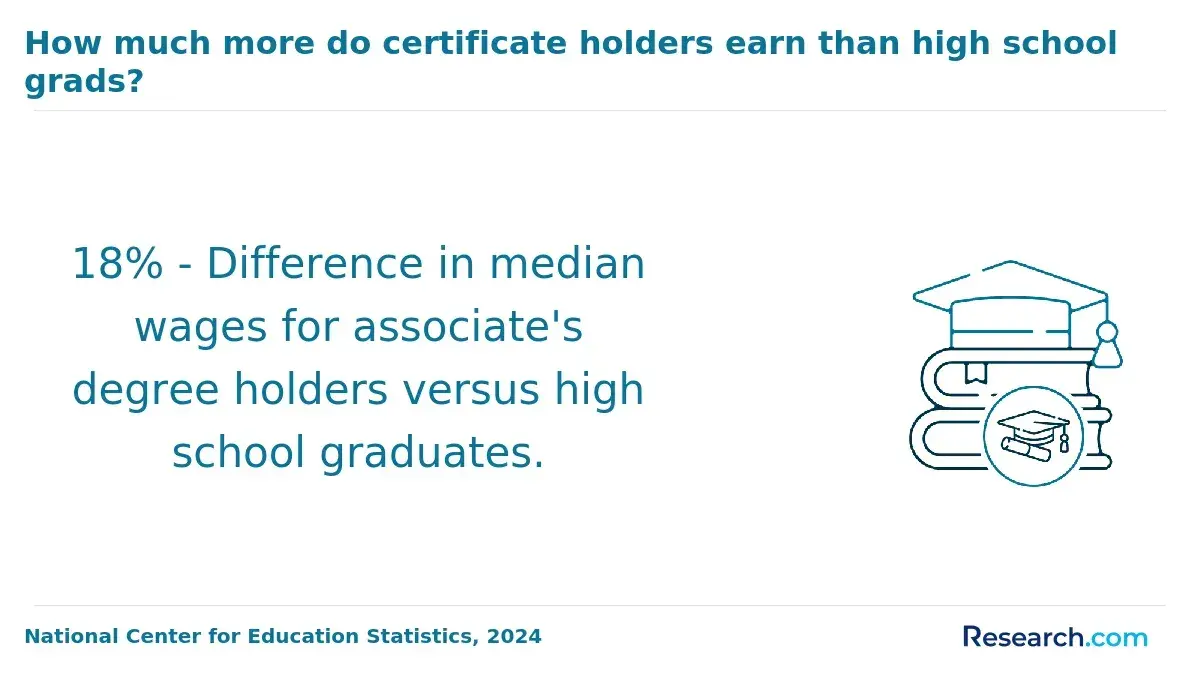
Financial aid helps reduce upfront education costs, which can significantly improve the long-term return on investment for game development students by lowering debt and financial pressure. Nearly 70% of undergraduates use some form of aid, demonstrating its critical role in managing college expenses and enhancing career earnings after graduation.
Common financial aid options that can boost ROI for game development degree programs include:
- Scholarships: Awarded based on merit or financial need, scholarships lower tuition costs without requiring repayment, directly reducing the overall investment and improving potential earnings relative to expenses.
- Grants: Typically need-based and provided by government sources, grants decrease the amount students must borrow, minimizing debt accumulation and making education more affordable.
- Fellowships: Mainly available to graduate students, fellowships often cover tuition or provide stipends, reducing living costs and increasing ROI by preventing additional loans.
- Employer Tuition Assistance: Many employers help fund continuing education, which lowers out-of-pocket expenses and aligns career advancement with educational growth, enhancing the financial benefits of the degree.
- Federal Student Loans: Though loans entail repayment with interest, federal loans offer lower interest rates and flexible terms compared to private loans, helping students manage debt levels while investing in their education.
The length of time required to complete a game development degree has a direct impact on its return on investment (ROI) because prolonged study increases total costs and delays entering the workforce, thereby deferring potential income. The opportunity cost associated with extended education time can significantly influence the overall financial benefits of the degree. Factors affecting how quickly students finish their programs also shape these economic outcomes.
Several key elements determine how long it takes to complete a game development degree and affect ROI:
- Enrollment status: Students attending full-time generally finish their degrees sooner than part-time students, who may juggle jobs or family obligations. Faster completion reduces both tuition costs and lost earnings, improving ROI.
- Program format: Online and accelerated programs allow students to progress more quickly by offering flexible schedules or condensed coursework. These options can minimize opportunity costs and total expenses.
- Transfer credits: Prior college credits can shorten the time needed to graduate, lowering cumulative costs and enabling earlier entry into the job market.
- Internship or thesis requirements: While adding time on top of coursework, internships and capstone projects often boost employability and potential salary growth, which may offset longer completion periods.
- Scheduling flexibility: Programs that accommodate varied timelines help students maintain consistent progress and avoid setbacks that extend graduation timelines.
When I spoke with a game development degree graduate about her experience, she emphasized the balancing act involved in finishing on time. "I was working part-time while studying, so pacing myself was crucial," she explained. Although juggling work and assignments felt overwhelming at times, she appreciated the ability to adjust her course load semester by semester.
She also found that completing an internship, though it added months to her education, was invaluable in securing her first job and boosting confidence. Reflecting on her journey, she said, "It wasn't just about rushing to finish; it was about gaining meaningful skills and opportunities that made the longer path worthwhile."
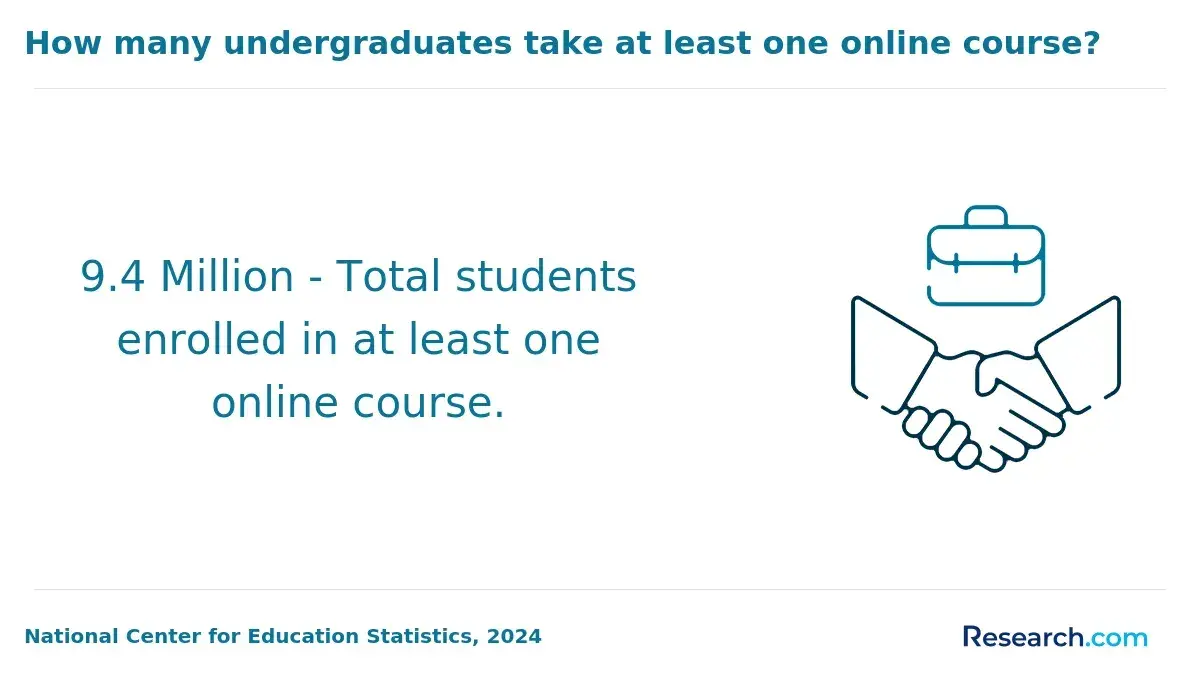
Delivery format can significantly impact the return on investment (ROI) for game development degrees by influencing factors like cost, flexibility, and career outcomes. Online enrollment in higher education has increased by over 20% in the past five years, showing growing acceptance of virtual learning options. This trend is important for those comparing ROI of game development degrees.
The key differences between online and on-campus game development programs include:
- Tuition and fees: Online programs generally have lower tuition and fees, which reduces upfront costs and can improve ROI. These savings make online options attractive, especially for self-funded students and working professionals.
- Opportunity cost: Flexible scheduling in online degrees often allows students to work while studying, reducing lost income and accelerating time to completion. This flexibility can be a critical factor for career changers and part-time learners.
- Networking and career services: On-campus programs typically provide stronger face-to-face networking opportunities, career counseling, and employer connections, which can positively influence long-term earning potential.
- Employer perception: While traditional on-campus formats have historically been favored by some employers, this viewpoint is shifting as online education gains credibility.
- Long-term earning potential: Ultimately linked to experience and networking, which are often enhanced in on-campus settings but increasingly facilitated through online platforms.
Prospective students interested in alternatives may also consider programs like an accelerated psychology bachelors degree online for a comparison of ROI benefits in other fields with flexible learning options.
Post-graduation salary is a key driver of the return on investment (ROI) for a game development degree, as it determines how fast graduates recover their education costs and attain financial stability. In the United States, entry-level earnings with a game development degree usually range from $50,000 to $70,000 annually. With experience and skill growth, salaries can exceed $90,000, improving long-term ROI significantly.
Several factors influence these salary outcomes and shape the overall ROI:
- Industry sector: Larger studios and tech companies tend to offer higher salaries compared to indie developers or academic roles, boosting early-career earnings with game development degree holders.
- Geographic location: Salaries vary greatly by region; metropolitan areas like San Francisco and Seattle provide higher pay but often come with increased living costs that affect net ROI.
- Prior experience: Internships and related work during studies enhance employability and starting salaries, accelerating the timeline to achieve positive ROI.
- Specialization: Expertise in areas such as artificial intelligence, graphics programming, or virtual reality commands premium salaries and can elevate financial returns.
- Career level: Entry-level roles start lower, but mid-level and senior positions show substantial salary growth, impacting long-term financial benefits from the degree.
For those weighing education options, comparing the financial outlook with other programs like MLIS degrees can help clarify potential returns and career viability.
Promotions significantly enhance the return on investment (ROI) of a game development degree by boosting salaries, expanding job responsibilities, and increasing career mobility. These advancements often translate into higher long-term earnings and professional growth.
Current workforce trends emphasize credential-based promotions, where formal education like a game development degree complements practical experience and plays a critical role in career advancement. This reflects employers' increasing preference for structured qualification paths in leadership roles.
Key factors illustrating how a game development degree may influence promotion opportunities and ROI include:
- Credential Requirements: Many mid- to senior-level positions mandate formal educational credentials. Holding a game development degree meets these criteria and positions graduates more favorably for promotion considerations.
- Leadership Preparation: Degree programs often cover project management and teamwork skills, equipping graduates with competencies essential for supervisory and managerial roles.
- Tuition Support Eligibility: Some employers offer tuition reimbursement programs tied to degree completion, which can reduce the net cost of education and improve ROI.
- Promotion Policies: Internal advancement frameworks frequently prioritize candidates with relevant degrees alongside experience, making a game development degree a valuable asset.
- Experience and Education Balance: Employers seek a combination of hands-on experience and formal education; a degree complements practical skills and boosts prospects for career advancement with game development degree holders.
While practical experience remains essential, supplementing it with a game development degree can enhance eligibility for promotions and access to roles with higher compensation. For prospective students and professionals evaluating education investments, understanding these dynamics helps clarify potential returns.
For detailed information on comparable educational investments, reviewing data on high paying degrees can offer relevant insights into career and salary outcomes linked to formal qualifications.
The return on investment (ROI) for game development graduates varies widely across industries due to differences in salary levels, career progression opportunities, and demand for specialized skills. These factors influence which sectors provide the strongest financial rewards and long-term career growth for graduates.
Several industries stand out for offering notably high ROI to game development alumni. Consider the following sectors:
- Video game development: This core industry leverages game design and programming skills directly, often providing above-average starting salaries and well-defined promotion paths. The steady demand for new and innovative games supports ongoing job security and growth.
- Simulation and training: Fields like defense, healthcare, and aviation rely on game engines to create realistic simulations, driving strong compensation potential. These industries tend to offer consistent demand for sophisticated training tools paired with long-term employment stability.
- Augmented and virtual reality (AR/VR): Emerging AR/VR sectors integrate game development skills into cutting-edge applications, presenting lucrative opportunities with fast salary growth and substantial innovation potential. This field is expanding rapidly, making it a top ROI career in game development.
- Entertainment and media: Beyond traditional gaming, interactive media and animation studios value the technical artistry of game development graduates, resulting in diverse projects and steady income progress. This sector provides creative variety with reliable employment outlooks.
- Software development and tech startups: These dynamic environments prize versatile programmers with game development backgrounds, offering competitive pay and the chance to engage in innovative, fast-paced projects with strong career advancement.
For those exploring educational pathways, the easiest bachelor degree to get online can offer a flexible route into fields with promising futures. Evaluating the best industries for game development graduates is essential for aligning your skills with sectors that yield the best ROI. This ensures you invest wisely in a degree that opens doors to top ROI careers in game development.
Accreditation in game development degree programs involves an official evaluation by recognized educational bodies to verify that the curriculum aligns with academic and industry standards. This validation plays a crucial role in determining the degree's value in the job market and its overall return on investment (ROI). As employers increasingly seek candidates from accredited programs, graduates gain a competitive edge due to the assurance of relevant skills and quality education.
Moreover, accreditation can affect eligibility for professional certifications that enhance career prospects in the gaming industry. In terms of long-term ROI, accreditation boosts employer confidence in a graduate's credentials, often leading to stronger job placement rates and career advancement opportunities. It also expands access to federal financial aid, which reduces initial education costs and lessens student debt.
Accredited programs typically allow easier credit transfer between institutions, providing flexibility to pursue further education or adapt to new career paths. Additionally, accreditation may qualify graduates for licensure or specialized roles that can increase earning potential and professional mobility within the industry.
The return on investment for a game development degree is influenced by several key factors, including the overall cost of the program, the time required to finish the degree, starting salary potential, and long-term career growth opportunities. Tuition, fees, and living expenses can add up, especially in four-year programs, making initial costs a major consideration. Entry-level positions typically start around $50,000 annually, with more experienced developers commanding higher wages as their skills advance.
Industry labor trends indicate that demand for game development professionals is expected to increase faster than average, which may enhance employment possibilities and salary growth for graduates. Whether pursuing a game development degree is a worthwhile investment depends on individual circumstances such as job market conditions, learning format, and financial assistance availability. Accelerated or online programs may shorten the time to degree completion, reducing costs and improving financial returns.
Scholarships and tuition support can also lower the net expense, affecting overall affordability. For some, aligning education with career objectives and skill development makes the degree a valuable step, while others might find hands-on experience or alternative pathways more cost-effective in competitive hiring environments.
What Graduates Say About The ROI of Their Game Development Degree
- Jason: "Choosing a traditional game development degree was a big investment, with average costs around $40,000, but I saw it as a long-term ROI opportunity. The comprehensive curriculum and hands-on projects have truly accelerated my career in the gaming industry, opening doors I didn't expect before. For anyone serious about leveling up their skills and prospects, it's definitely worth the commitment."
- Camille: "Enrolling in an online game development program was a strategic choice for me given its lower tuition, typically around $20,000, which made the cost-benefit ratio appealing. Completing the degree not only strengthened my technical abilities but also gave me the confidence to freelance effectively. Reflecting on it, the flexibility combined with the solid education made it a smart financial and professional decision."
- Alexander: "As a part-time student, I carefully weighed the cost, roughly $30,000, against the potential career benefits before committing to a game development degree. The time management challenges were real, but graduating enhanced my credentials and positioned me for leadership roles in my company. From a professional standpoint, it was a pragmatic move with measurable returns over time."
Other Things You Should Know About Game Development Degrees
A common benchmark is keeping total student debt below the first year’s expected gross salary. For game development graduates in 2027, that means comparing debt with entry-level pay for roles such as game designer, technical artist, or programmer, using published salary data and loan balances before enrollment.
In 2027, the job market demand greatly influences the ROI of a game development degree. High demand for skilled developers boosts job opportunities and potential salaries, directly impacting ROI. Emerging fields like virtual reality and mobile gaming present growing opportunities, increasing demand for specialized skills among graduates.
- Game Developer: 5 Essential Courses to Succeed as an MCA Graduate https://www.jaroeducation.com/blog/mca-graduates-as-game-developers
- How important is colledge degree in game development? https://discussions.unity.com/t/how-important-is-colledge-degree-in-game-development/484055
- Full Guide on Game Developer Salary in 2025 - Qubit Labs https://qubit-labs.com/game-developers-salaries-guide/
- Tuition & Payments Options | CG Spectrum https://www.cgspectrum.com/tuition-payment-options
- Game Development Degree Online https://www.snhu.edu/online-degrees/bachelors/bs-in-game-programming-and-development
- The Economics of Accreditation: Costs, Benefits, ROI - Course Accreditation https://course-accreditation.com/blog/the-economics-of-accreditation-costs-benefits-roi/
- Bachelor in Game Technology - University of Inland Norway https://www.inn.no/english/study-options/our-studies/game-technology/
- Game Developer Salary: How Much Can You Make? https://www.coursera.org/articles/game-developer-salary
- Career pathways in game development: from programming to design https://www.law.ac.uk/resources/blog/career-pathways-in-game-development/
- Bachelor's Degree in Business Information Technology, Game Development, full-time https://kamk.fi/en/koulutukset/bachelors-degree-in-business-information-technology-game-development/