
2027 Is Game Development a Hard Major? What Students Should Know

Co-Founder and Chief Data Scientist
Game development is often seen as one of the more demanding majors due to its blend of technical and creative challenges. Despite this, many students underestimate the academic rigor involved. In the U.S., the number of game development programs has grown by over 20% in recent years, reflecting increasing interest but also highlighting the competitive nature of the field.
This article will explore the typical course rigor, workload expectations, and essential skills needed in game development. It will also discuss factors like prior experience and learning style that influence how difficult students may find this major, providing a clearer picture for those considering this path.
Key Benefits of Game Development as a Major
- Game development cultivates versatile skills in programming, design, and teamwork, supporting career changers adapting to tech-driven roles.
- It offers flexible learning paths for full-time workers seeking part-time or online options to balance education and employment.
- Traditional undergraduates gain specialized expertise and confidence managing complex projects, with 65% reporting improved problem-solving abilities in industry surveys.
Where Does Game Development Rank Among the Hardest College Majors?
Game development is generally rated as moderately to highly challenging but often does not feature prominently in national lists of the hardest college majors. Rankings usually consider factors like average weekly workload, required technical or analytical skills, and the amount of lab or practicum hours.
For instance, while majors such as chemical engineering or architecture report over 20 hours per week of outside-class work, game development students typically spend around 16-18 hours weekly on coursework, especially during intense project deadlines. This major demands significant project-based assignments, coding tasks, and portfolio development, reflecting its technical and collaborative nature.
Perceptions of game development's difficulty fluctuate depending on the institution and student background. Specialized schools like DigiPen or USC are known for rigorous game development programs with high technical and creative expectations. Students with strong programming, math, or art skills may find the workload more manageable, whereas those less experienced might face greater challenges.
Compared to engineering or computer science, game development often matches their workload intensity but tends to be less theoretical. Meanwhile, majors such as business administration or communications generally involve lighter technical demands and fewer intensive projects. Ultimately, how hard game development feels varies widely based on individual aptitude, preparation, and interest.
What Factors Make Game Development a Hard Major?
Game development presents a unique set of challenges due to its blend of technical and creative demands. Students often find the academic and skill-related requirements rigorous, making the major difficult to navigate successfully.
- Academic rigor of game development programs: The interdisciplinary nature requires mastering subjects such as computer science, animation, storytelling, and psychology, contributing to its complexity. Students must balance theoretical knowledge with practical application, often involving advanced coursework in programming, algorithm design, and 3D modeling.
- Game development major workload and project demands: Heavy project-based learning is central, with students tasked to build functional games from concept to final product. This requires significant time investment, teamwork, and the creation of extensive portfolios and capstone projects that often exceed typical college workloads.
- Technical and analytical complexity: Beyond creative skills, students face demanding mathematics and software engineering requirements, including maintaining competitive GPAs to stay in certain programs. The integration of complex algorithms and technical design increases the analytical difficulty.
- Field-specific demands: Staying current with rapidly evolving tools, game engines, and industry practices is essential. Students must continuously adapt their skills while balancing academic performance and creative growth in a fast-paced environment.
For those interested in advancing their education efficiently, exploring a fast-track associate degree online can be a helpful step before committing to the intense demands of a full game development program.

Who Is a Good Fit for a Game Development Major?
Identifying the right student profile is crucial for succeeding in a game development major due to its multidisciplinary nature and demanding workload. Understanding the key qualities of a good game developer helps learners align their strengths with the program's challenges.
A strong fit for this major typically exhibits the following traits and skills needed to succeed in game development:
- Creative and Analytical Thinkers: Students who balance innovative thinking with logical problem solving thrive by designing engaging games while managing technical complexities.
- Collaborative Communicators: Since teamwork is essential, those who work well with others and embrace feedback excel in project-based environments.
- Time Management Experts: Handling intensive project workloads requires effective scheduling and prioritization to meet deadlines without burnout.
- Multi-skilled Practitioners: Those who integrate coding, 3D modeling, animation, and UX design gain an advantage by contributing broadly to hands-on projects and portfolio development.
- Passionate and Curious Learners: Students driven by a deep interest in storytelling and digital media remain motivated through iterative design and experimentation, key to mastering complex game development skills.
For those exploring academic options, a useful resource is what is the easiest associate's degree to get, providing insights into degree selection based on individual fit and goals.
Game development is often seen as a demanding major due to its blend of technical, creative, and managerial challenges. However, applying effective strategies can significantly reduce the stress and complexity involved in this field of study.
- Establish foundational skills early: Gaining proficiency in programming languages like C++ and C#, along with key concepts in mathematics and game design, lays a solid groundwork for later courses.
- Use disciplined time management: Breaking projects into smaller tasks, setting deadlines, and tracking progress helps avoid last-minute pressure in collaborative environments.
- Leverage academic support: Engaging with instructors, mentors, and labs provides valuable feedback and deepens understanding of difficult topics.
- Embrace iterative problem-solving: Regularly prototyping and testing game elements enhances technical abilities and nurtures critical thinking.
- Collaborate and network: Working with peers exposes students to diverse ideas and simulates real industry settings, improving both teamwork and project outcomes.
When I spoke with a graduate who majored in game development, she shared how overwhelming the workload initially felt, particularly juggling coding assignments and creative tasks simultaneously. She found that pacing herself and splitting projects into manageable pieces made deadlines less intimidating. "I started drafting early and sought feedback from classmates before final submissions," she explained. This process helped her catch errors sooner and adapt her techniques efficiently. She also emphasized how attending extra workshops and forming study groups transformed her experience, saying, "Having a support system made tackling complex topics less isolating." Reflecting on her journey, she noted that embracing the iterative nature of game creation-continually refining her work after testing-boosted both her confidence and skills. Her experience illustrates that while the major is challenging, a proactive and structured approach makes it far more approachable and rewarding.
Admissions to game development programs are indeed competitive, largely due to high applicant volume and limited enrollment capacity at popular schools. Programs with strong industry ties or prestigious reputations often receive far more applications than available spots, which drives selectivity. Applicants typically need to meet prerequisite standards, contributing to the competitiveness.
Selectivity depends on the institution's profile, with top programs generally requiring a strong GPA, often above 3.0, and relevant background in math, computer science, or digital art. Candidates are also expected to demonstrate practical experience, such as programming projects or portfolio work. Growing interest in STEM subjects has intensified competition, especially at schools known for their robust game development offerings, while some programs maintain more lenient admission criteria.
A professional who majored in game development shared his admissions experience, recalling how nerve-wracking the process was. He said, "I spent months refining my portfolio and prepping for interviews because I knew the spots were limited." Despite the pressure, he found that dedication paid off, noting that the experience made him more confident and motivated. This insight highlights how competitive admissions push applicants to thoroughly prepare and prove their passion for game development.
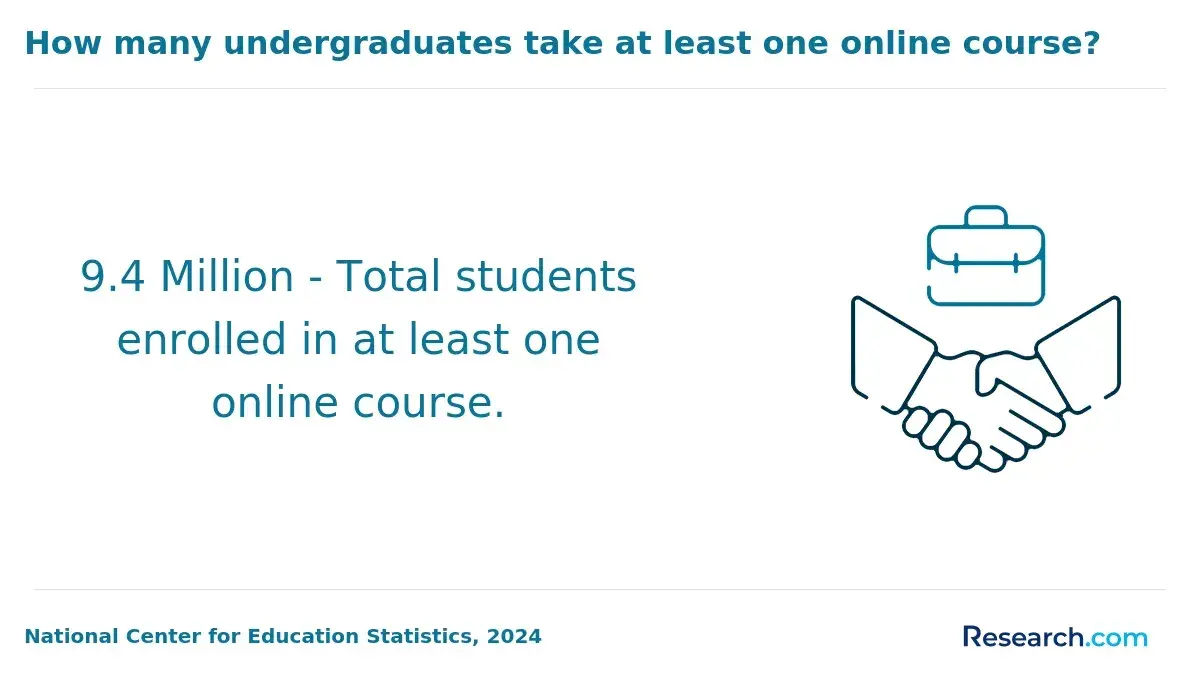
Online game development majors are generally as challenging as their on-campus counterparts, though individual experiences vary depending on several factors. The difficulty often depends on a student's learning style, self-discipline, and how the program is structured.
Here is a comparison of online vs on-campus game development major programs highlighting key differences in academic expectations, workload, interaction, and environment:
- Academic Expectations: Both formats cover similar content like programming, design, math, and collaboration, maintaining comparable technical rigor and creative problem-solving demands.
- Workload and Pacing: Curricula are usually aligned, with students managing similar volumes of assignments and projects; online learners may need stronger time-management skills due to less structured schedules.
- Interaction and Support: On-campus students benefit from face-to-face instructor access and real-time feedback, while online students rely on virtual forums and digital tools, which can limit immediate assistance.
- Learning Environment: In-person settings offer studio experiences and teamwork opportunities critical for hands-on practice, whereas online formats require more independent study and self-motivation.
- Unique Challenges: Online students may face feelings of isolation and must develop strong self-management; on-campus students often have better peer networking and structured routine support.
The question of is an online game development degree harder often boils down to these personal and programmatic variables rather than inherent academic difficulty. For those considering pacing options, exploring a fast track associates degree may also provide a tailored approach to managing workload and time. Understanding the differences between online vs on-campus game development major programs can help students choose the best fit for their needs and learning styles.
Accelerated game development degree programs are generally harder than traditional formats due to their condensed timelines and intense pacing, which demand a higher weekly workload and rapid mastery of complex skills. This accelerated pace fundamentally changes the student experience by increasing cognitive pressure and reducing time for gradual learning.
Key differences between accelerated and traditional game development programs include:
- Course Pacing and Content Density: Accelerated programs compress the curriculum into 18 months to two years, requiring students to cover material much faster than the traditional four-year path.
- Workload Management: Students in accelerated game development degree program workload face continuous deadlines and little downtime, while traditional students benefit from a more spread-out schedule allowing for deeper absorption.
- Academic Expectations and Skill Demands: Intensive hands-on training in game engines, scripting, and design in accelerated formats demands quick skill acquisition without the gradual buildup offered by traditional programs.
- Learning Retention and Stress Levels: Traditional vs accelerated game development curriculum shows that longer study periods improve retention and reduce stress, whereas accelerated formats increase cognitive load due to rapid content transitions.
- Flexibility and Scheduling: Accelerated programs usually require full-time daily commitment, while traditional degrees often allow part-time enrollment and more flexible scheduling options.
Students seeking more adaptable schedules or those balancing external responsibilities may prefer traditional programs, whereas accelerated formats suit those who can manage high-intensity learning. For those exploring educational options, the list of best online universities provides valuable resources to compare available game development programs.
Balancing a part-time job while majoring in game development is achievable but depends on several factors including course intensity, weekly workload, and individual time management. The demanding nature of game development-with technical classes, labs, and collaborative projects-means students must carefully consider their schedules and flexibility.
Programs that offer online courses or allow elective distribution can help reduce semester stress, making it more feasible for some to work alongside their studies. Ultimately, success in managing both commitments varies based on a student's ability to organize and adapt to fluctuating academic demands.
Students often balance part-time work by opting for lighter credit loads or jobs with flexible hours such as remote positions, which accommodate unpredictable project deadlines. The hands-on and collaborative elements of game development require substantial time for coding, troubleshooting, and team meetings, so those who use campus or online academic support tend to navigate this workload better.
During peak periods with overlapping assignments, maintaining both roles can be challenging, highlighting how essential strong organizational skills are. For many, the balance depends on careful prioritization between work responsibilities and the cycles of intense technical coursework and projects.
Career paths for game development graduates vary widely in difficulty, responsibility, and required skills. While some roles match the rigor of the major, others may feel less demanding or challenging in unique ways.
- Game Designer: Game designers develop storylines, gameplay mechanics, and user experiences, often collaborating closely with artists and programmers. This creative role demands strong problem-solving skills and attention to detail, with workload and deadlines comparable to the major itself.
- Game Programmer: Programmers write code to bring games to life, mastering languages like C++ and tools such as Unity. The technical complexity and constant troubleshooting often make this role as or more challenging than the core game development curriculum.
- Game Artist: Artists create visual assets including characters and animations. Though demanding creatively, this position is generally less technically rigorous than other roles but may grow more challenging in senior or leadership positions.
- Quality Assurance Tester: QA testers play games extensively to identify bugs and ensure smooth functionality. This role tends to be less technically difficult than the degree but can be demanding due to repetitive tasks and strict schedules.
- Technical Director: Technical directors guide large teams and oversee technical strategies. This senior role is often more demanding than the major, combining advanced programming and managerial responsibilities, with salaries commonly exceeding $200,000 annually.
Game development majors face a steep learning curve, and entry-level game development jobs and career paths often reflect this intensity with starting salaries between $40,000 and $105,898. Experienced developers enjoy average salaries exceeding $100,000, which align with the game developer salary in the United States. For those seeking further qualifications, certs that pay well may offer additional opportunities to enhance skills and boost career prospects.
There is no clear link between the difficulty of a game development major and higher salaries for its graduates. Although the field often demands strong skills in computer science, math, and creative thinking, salary levels are mainly shaped by market demand and the graduate's technical expertise. Employers prioritize practical abilities, portfolio quality, and specialization rather than how challenging the courses are.
Success in earning a high salary usually depends on mastering advanced programming tools and delivering commercially viable projects, not on academic rigor alone. Thus, tougher coursework does not automatically translate into greater income.
Several key factors influence game development salaries, including the industry's demand, specific job roles, location, and experience. For example, senior developers in tech hubs like California often earn from $130,000 to $157,000 annually, while entry-level positions can start near $42,000. Experience gained through internships or released titles significantly boosts pay.
Geographic differences are notable; a senior developer at Microsoft might earn over $174,000, whereas a video game animator's average salary hovers around $38,600. These variations underline that role, location, and experience weigh more heavily than the perceived difficulty of a game development degree.
What Graduates Say About Game Development as Their Major
- Alexander: "The academic demands of game development work balanced technical depth with creative design, making it a challenging but fulfilling major. While the cost of attendance-around $25,000 per year-was significant, I see it as an investment in a specialized skill set that sets me apart in the job market. Professionally, it provided me with a clear direction and confidence to tackle complex projects. "
- Camilo: "Pursuing game development felt tough at times due to the complexity and constant evolution of the field, yet it was a deeply enriching experience that refined my problem-solving skills. Considering the financial cost, which can be quite high for some, I believe it's important to weigh those expenses against the long-term personal and professional growth. This major truly pushed me to excel in both technical and creative domains. "
- Jason: "Choosing game development was definitely challenging, especially with the amount of technical skills I had to master, but the hands-on projects made the learning curve manageable and rewarding. The experience opened doors for me to enter the booming gaming industry, proving the investment-which can average around $30,000 annually-was worth it. I'm grateful for the rigorous training that shaped my career path. "
Other Things You Should Know About Game Development Degrees
Math plays a crucial role in the game development major, especially in areas like physics simulation and graphics programming. Students are expected to have a strong understanding of algebra, geometry, calculus, and statistics to design realistic game environments and mechanics effectively.
Yes, programming is a core component of game development majors. Students usually learn languages such as C++, C#, and Python as part of their coursework. Strong programming skills are critical for implementing game mechanics, debugging, and optimizing performance, making coding proficiency a requirement rather than an option.
Creativity is vital in game development, as it drives innovation in gameplay, storylines, and visual design. While technical skills are essential, students must also think creatively to design engaging and original game experiences. Many programs encourage combining artistic talents with programming knowledge to succeed in the field.
Yes. Most employers expect a portfolio with 3 to 5 finished projects, such as playable demos, Unity or Unreal Engine work, and source code on GitHub. Students usually build it over 2 to 4 semesters, using class projects, jams, and capstone assignments.
- World's best Game Design and Development universities [Rankings] https://edurank.org/cs/game-design/
- FULL-TIME | WINNIPEG LOCATIONS GAMPF-AD Game Development - Programming https://catalogue.rrc.ca/Programs/WPG/Fulltime/GAMPF-AD/AdmissionRequirements
- Top 25 Graduate Schools for Game Design 2025 https://www.princetonreview.com/college-rankings/game-design/top-25-game-design-grad
- Game Development Degrees and Alternatives in 2025 https://www.coursera.org/articles/game-development-degree
- Cracking The Challenge: Is Game Development Hard? https://www.oyolloo.com/is-game-development-hard/
- dBs Insider https://insider.dbsinstitute.ac.uk/6-ways-to-effectively-study-game-development-at-university
- Epic Games Internship | Push The Limits of Gaming & Interactive - Unreal Engine https://www.epicgames.com/site/en-US/earlycareers
- Is a Game Development Degree Worth it? | by Nadya Primak | codeburst https://codeburst.io/is-a-game-development-degree-worth-it-multimedia-minds-38175d07eb4d
- Is Game Development a Good Career? https://www.albany.edu/cehc/communications/is-game-development-a-good-career
- Why I recommend not to quit your day job while going through your indie game journey https://discussions.unity.com/t/why-i-recommend-not-to-quit-your-day-job-while-going-through-your-indie-game-journey/714210


