2027 How Employers Are Changing Hiring Criteria for Geoscience Graduates in the AI Era

Co-Founder and Chief Data Scientist
A recent graduate holding a degree in geoscience finds that a diploma alone no longer guarantees entry into a competitive job market. With artificial intelligence reshaping technical fields, employers increasingly seek candidates who combine core domain knowledge with AI competence and adaptable skills. The U. S. Bureau of Labor Statistics reported in 2024 that over 40% of employers prioritize proficiency in data analysis and AI tools alongside traditional subject expertise, signaling a shift in hiring priorities that directly impacts emerging professionals in geoscience.
This evolving landscape demands that geoscience graduates develop fluency in AI applications and hone transferable skills such as critical thinking and collaboration. Employers now assess these capabilities as essential for navigating the complexities of modern projects influenced by automated processes and predictive modeling. This article examines how hiring criteria for geoscience graduates are changing, the increasing role of AI literacy and transferable skills, and effective strategies students can use to remain competitive in the AI era.
Key Things to Know About the Changing Hiring Criteria for Geoscience Graduates in the AI Era
- Employers prioritize graduates who integrate AI-driven data modeling into geoscience analysis, reflecting a shift toward advanced computational skills over traditional fieldwork alone.
- AI literacy now includes proficiency in machine learning algorithms and coding languages, crucial as 62% of resource firms in 2024 report requiring these competencies for entry-level roles.
- Graduates combining domain expertise with transferable skills-like statistical analysis and interdisciplinary communication-gain a competitive edge in automated, collaborative geoscience environments.
- Key Things to Know About the Changing Hiring Criteria for Geoscience Graduates in the AI Era Key Things to Know About the Changing Hiring Criteria for Geoscience Graduates in the AI Era
- How Is AI Changing What Employers Look for in Geoscience Graduates? How Is AI Changing What Employers Look for in Geoscience Graduates?
- Which AI Skills Are Employers Expecting Geoscience Graduates to Have? AI Skills
- Which Human Skills Are Employers Looking for in Geoscience Graduates? Human Skills
- How Are AI Tools Changing Daily Work in Geoscience Careers? AI Workplace Tools
- How Are Employers Evaluating Geoscience Candidates Beyond Academic Credentials? Hiring Criteria
- How Are Geoscience Degree Programs Adapting to AI? AI Curriculum
- Which Industries Are Changing Hiring Expectations Most for Geoscience Graduates? AI and Industry Expectations
- How Is AI Changing Career Growth for Geoscience Professionals? AI and Career Growth
- How Should Geoscience Students Prepare for AI-Driven Hiring? Career Preparation
- How Should Students Choose a Geoscience Program for the AI Era? How Should Students Choose a Geoscience Program for the AI Era?
How Is AI Changing What Employers Look for in Geoscience Graduates?
Employers in geoscience increasingly seek graduates who can complement traditional skills with the ability to collaborate effectively alongside AI technologies, rather than just performing routine field tasks. The 2024 USGS and National Science Foundation report highlights that over 65% of hiring managers now prioritize candidates proficient in AI tools such as machine learning and data visualization. This shift means graduates must navigate complex datasets and predictive models using AI to enhance decision-making, as seen in environmental monitoring projects where automated data interpretation accelerates identifying key geological changes.
AI adoption is reshaping hiring criteria by elevating the importance of programming knowledge, interdisciplinary expertise, and adaptability. According to analysis from the American Geosciences Institute, job postings emphasizing AI skills have doubled since 2022, underscoring a demand for competencies like Python and cloud computing integrated with geospatial analytics. However, employer expectations still revolve around human judgment to critically assess AI-generated insights, ensuring ethical use and reliability in uncertain environments. Cultivating these capabilities alongside communication and teamwork remains vital.
For geoscience students aiming to align with evolving workforce needs, engaging with AI-focused coursework and practical experience is essential, as universities adapt curricula to include applied AI fundamentals. This balanced approach allows graduates to maintain a grounded understanding of geosciences while mastering the AI skills that define modern roles. Prospective students considering an online masters can find opportunities designed to develop this blend of traditional and technological expertise, equipping them to meet the nuanced demands of AI-driven hiring in geoscience fields.
Which AI Skills Are Employers Expecting Geoscience Graduates to Have?
Artificial intelligence is reshaping employer expectations for geoscience graduates as workflows integrate AI-driven tools across disciplines. Employers no longer seek candidates with only foundational domain knowledge but prioritize those who combine geoscience expertise with practical AI skills. This shift is driven by the increasing complexity of tasks such as seismic interpretation and climate risk assessment, where AI augments analytic accuracy and accelerates data processing. Graduates demonstrating hands-on proficiency with AI applications stand out in a crowded job market, as reported by recent workforce studies emphasizing essential AI skills for geoscience graduates. Below are five key AI skills employers expect candidates to have.
- Machine Learning Model Development: Developing, training, and validating machine learning models is critical for automating pattern recognition in geoscience datasets. Employers expect graduates to apply these models to enhance predictive accuracy in mineral exploration or hazard forecasting. Students can strengthen this skill through courses and projects focusing on supervised and unsupervised learning techniques using Python or R.
- Data Analytics and Big Data Handling: The ability to manage and analyze large geospatial and environmental datasets is increasingly demanded. Employers value expertise with big data platforms and cloud computing that enable scalable, efficient processing of complex information. Gaining experience with tools such as Hadoop or Spark and familiarity with GIS software integrated with AI components improves candidacy.
- Natural Language Processing (NLP): Extracting actionable insights from textual data sources like research reports or sensor logs requires NLP capabilities. Graduates skilled in text mining and semantic analysis help organizations synthesize diverse information for environmental modeling or regulatory compliance. Practicing NLP through coding challenges centered on real-world geoscience documents can build relevant proficiency.
- Programming and Scripting: Proficiency in programming languages such as Python and R underpins custom AI tool development and workflow automation. Employers expect graduates to write, debug, and optimize code that integrates AI models into geoscience pipelines. Building a portfolio of scripts addressing common geoscience problems is an effective preparation strategy.
- Interpretation of AI Outputs: Beyond technical skills, employers emphasize the importance of critical thinking to evaluate and contextualize AI-generated results within geological frameworks. Graduates must distinguish when AI insights require human expert judgment to avoid misinterpretations. This competency develops through interdisciplinary training that combines data science with domain-specific reasoning.
For students seeking practical pathways to acquire these competencies, exploring a game development online degree may offer valuable overlap in programming, AI application, and interactive design, providing a competitive edge in this evolving landscape.
Which Human Skills Are Employers Looking for in Geoscience Graduates?
AI is streamlining many routine geoscience tasks such as data processing and preliminary modeling, shifting employer focus onto distinctly human abilities that AI cannot replicate. As automation handles repetitive jobs, the premium increases on skills involving nuanced interpretation, ethical judgment, and interpersonal interaction. The World Economic Forum and U.S. Bureau of Labor Statistics both highlight rising demand for cognitive flexibility and communication in technical fields where AI integration is widespread. Geoscience graduates who cultivate skills that complement AI tools will be better equipped to address complex, ambiguous issues beyond algorithmic reach. Below are five human skills increasingly prized in the AI-driven geoscience workforce.
- Critical Thinking and Problem Solving: AI can generate data outputs, but analyzing unclear trends and crafting innovative responses relies on human judgment. This skill enables professionals to question assumptions and devise creative solutions when algorithms fall short. Students can enhance these abilities through case studies, simulation exercises, and interdisciplinary projects that challenge conventional approaches.
- Communication Skills: Conveying complex technical findings in accessible language remains essential, especially when AI produces raw analyses that require contextual explanation. Effective communication fosters trust with diverse stakeholders, from community members to policymakers. Developing this skill involves practicing presentations, writing for varied audiences, and engaging in collaborative dialogues.
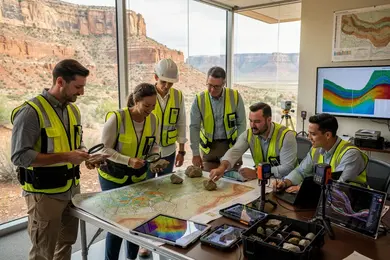
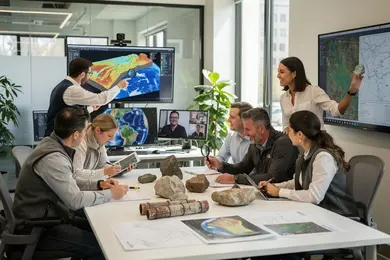
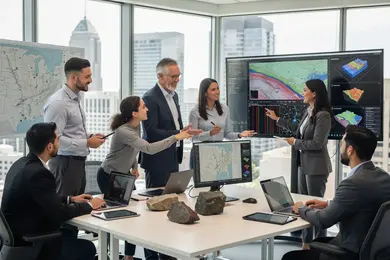
- Collaboration and Teamwork: Geoscientists increasingly operate within multidisciplinary teams including data scientists and engineers. The ability to integrate perspectives and coordinate efforts maximizes AI's benefits across complementary expertise. Students should seek group projects and internships emphasizing diverse team interactions to build this skill.
- Emotional Intelligence: Navigating group dynamics and stakeholder concerns demands sensitivity and adaptability that AI lacks. Emotional intelligence helps manage conflicts and build rapport, which is crucial for project success and leadership. Self-awareness exercises and feedback-focused environments can foster this capability.
- Lifelong Learning and Adaptability: As AI tools evolve rapidly, staying current with technological and ethical developments is vital. Geoscientists who continually update their knowledge demonstrate resilience and greater value to employers. Engaging in ongoing education and professional networks supports this agility.
A recent geoscience graduate recalled confronting a project where AI-generated sediment maps conflicted with field observations. Initially hesitant to challenge the algorithm, the graduate used critical thinking to investigate anomalies and communicated concerns clearly within their interdisciplinary team. Their emotional insight helped reconcile differing expert opinions, leading to an adjusted model that better reflected real-world conditions. This experience underscored how human skills remain indispensable despite advances in AI automation, shaping not only technical outcomes but also collaborative workflows and stakeholder confidence.
How Are AI Tools Changing Daily Work in Geoscience Careers?
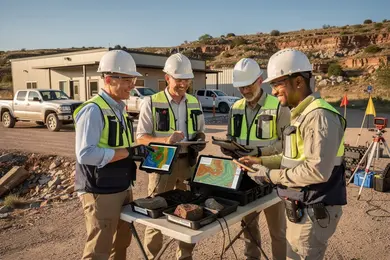
AI tools are radically restructuring routine workflows in geoscience careers by automating tasks that previously consumed significant time, such as data collection, seismic image interpretation, and predictive modeling. By handling these repetitive functions, AI enables professionals to concentrate on complex analytical challenges and strategic judgments. For instance, machine learning algorithms now streamline the evaluation of expansive geological datasets, improving the accuracy of resource discovery and environmental impact assessments while minimizing human error. According to a 2024 report by the U.S. Bureau of Labor Statistics, organizations that integrate AI applications observe, on average, a 25% increase in project turnaround times, underscoring the tangible productivity gains reshaping the field.
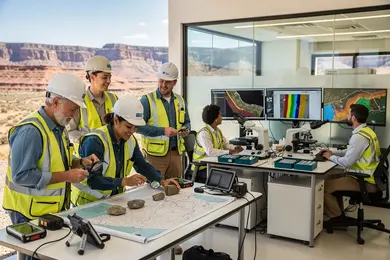
This technological shift is also redefining daily responsibilities, prompting geoscientists to develop a hybrid skill set that blends deep domain expertise with competencies in programming, data analytics, and geospatial AI platforms. Rather than simply producing raw data or reports, professionals must interpret AI outputs critically, judge their validity, and integrate insights with geological knowledge to guide informed recommendations. Collaboration with data scientists and software engineers has become a norm, fostering interdisciplinary communication that is essential for navigating the ethical considerations and limitations inherent in AI-generated results. Thus, the role now demands heightened creativity, problem-solving, and oversight skills alongside technical proficiency.
While AI enhances precision and efficiency in geoscience workflows, it introduces new expectations for adaptability and continuous learning. Graduates entering the field need practical experience with relevant AI tools and an understanding of how these technologies operate within geological contexts to remain competitive. This evolving landscape rewards those capable of leveraging AI to elevate their strategic contributions rather than merely automating tasks, marking a shift from traditional fieldwork toward roles that emphasize critical thinking, ethical judgment, and technology stewardship as integral to effective geoscience practice.
How Are Employers Evaluating Geoscience Candidates Beyond Academic Credentials?
Employers in the geoscience sector are shifting their evaluation criteria beyond academic credentials, increasingly emphasizing practical skills and demonstrated adaptability. A 2024 report from the U.S. Bureau of Labor Statistics reveals recruiters prioritize candidates who bring hands-on experience with AI-driven tools, such as data science techniques and programming in Python or R. For example, a recent graduate who contributed to an AI-focused research project or completed internships involving machine learning applications stands out compared to peers with similar grades but less applied experience. This trend underscores how employing portfolios, certifications, and project work that showcase real-world problem-solving in AI contexts can differentiate candidates in the hiring process.
This growing emphasis on soft skills-such as critical thinking, communication, and teamwork-reflects feedback from the American Geosciences Institute's 2024 Workforce Survey, which found that 68% of employers seek graduates able to translate complex geoscientific data for interdisciplinary teams and non-technical audiences. In practice, this means employers value candidates who can clearly convey AI-generated insights while navigating the ethical implications and limitations of such technologies. These expanded expectations signal a move toward more holistic hiring practices, aiming to identify versatile professionals who combine technical proficiency with effective collaboration and ethical awareness, rather than relying solely on academic performance.
As AI reshapes the industry, geoscience graduates and early-career professionals must build complementary skill sets to remain competitive. Pursuing a masters degree in data science online or relevant certifications can demonstrate commitment to ongoing learning beyond traditional curricula. Ultimately, employers look for evidence of continuous skill development and readiness to adapt to rapidly evolving technologies. This practical orientation in candidate assessment better prepares geoscientists to meet real-world challenges, thus improving their career prospects in the AI-influenced job market.
How Are Geoscience Degree Programs Adapting to AI?
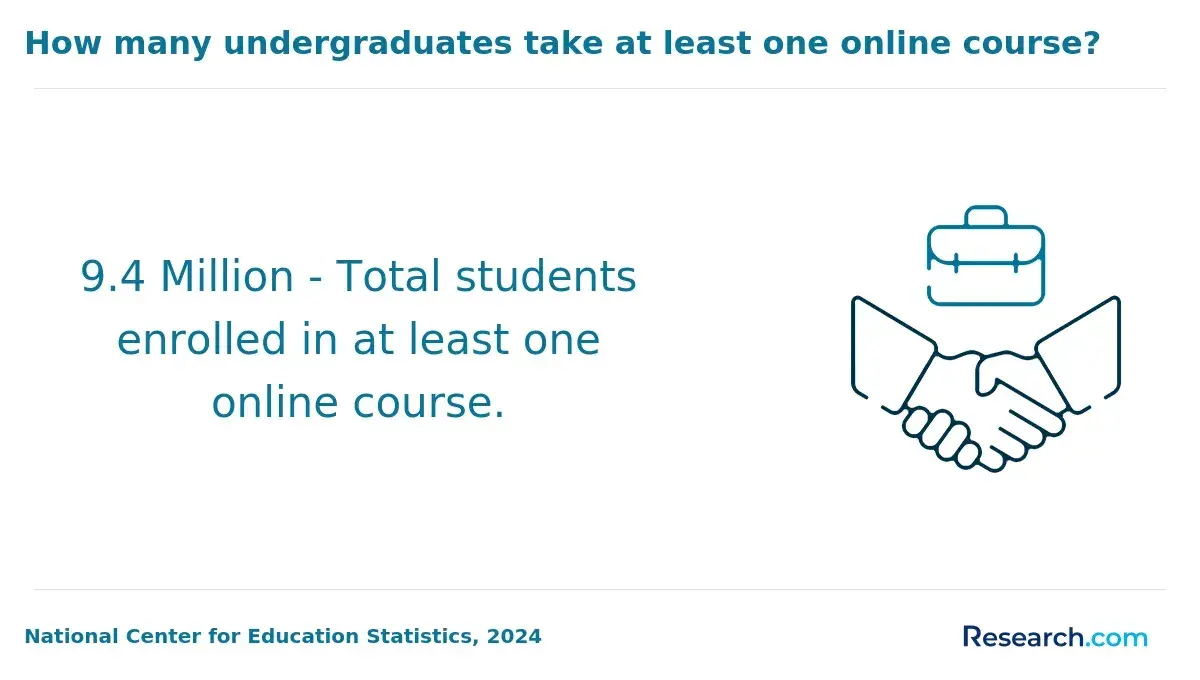
Geoscience degree programs are rapidly integrating AI-focused content to meet evolving employer expectations, with over 65% of STEM-related curricula incorporating AI or data analytics components, according to the 2024 National Center for Education Statistics report. This integration is not merely additive but involves reshaping coursework to blend traditional geoscience principles with cutting-edge skills like machine learning and big data analysis. For instance, students analyzing climate models today might use AI-driven software to interpret complex datasets, underscoring the need for interdisciplinary fluency that goes beyond fundamental theory. Such programs combine coding in languages like Python or R with hands-on workshops and projects in collaboration with industry partners, aligning learning outcomes with practical applications employers demand.
Institutions face notable challenges in this transition, especially regarding faculty capacity to stay current with AI advancements and the financial strain of upgrading labs and software. Curriculum designers must balance these technological additions without marginalizing foundational geoscience content crucial for career adaptability. Ethical considerations and lifelong learning are increasingly emphasized to prepare students for the nuanced decisions AI enables, rather than replacing human judgment outright. Early-career professionals with expertise in both geoscience and AI report better adaptability across sectors, highlighting the value of hybrid skill sets developed through experiential learning and industry engagement. This nuanced approach reflects an understanding that geoscience expertise enriched by AI literacy fosters resilience in a rapidly automating employment landscape.
Which Industries Are Changing Hiring Expectations Most for Geoscience Graduates?
The pace of AI integration varies significantly across industries, shaping employer demands for geoscience graduates in distinct ways. Sectors ahead in adopting AI and machine learning systems often expect candidates to bring a hybrid skill set combining core geoscience knowledge with advanced data analytics, programming, and software development expertise. Conversely, fields with slower digital adoption maintain more traditional hiring criteria, focusing primarily on domain-specific experience. Imagine a recent graduate evaluating job opportunities: in one sector, employers emphasize proficiency in AI-driven predictive tools, while in another, practical fieldwork and environmental assessment skills remain paramount. This divergence highlights the importance of understanding where and how hiring expectations are evolving most sharply. Below are key industries transforming their geoscience hiring profiles in response to AI.
- Energy Sector: Particularly in oil and gas, over 60% of companies have accelerated AI deployment for subsurface analysis and operational optimization, according to a 2024 International Energy Agency report. Employers now prioritize candidates skilled in AI-related programming languages like Python and experienced with big data platforms, reflecting a shift toward automated decision-making and predictive maintenance.
- Environmental Consultancy: With increasing reliance on AI-driven remote sensing and geospatial analytics, this sector demands graduates who can merge traditional geoscience methods with AI models to support sustainability and hazard monitoring. U.S. Geological Survey data underscores the growing need for hybrid competencies in environmental data interpretation and AI integration.
- Mining Industry: AI applications in mineral exploration and predictive maintenance have boosted productivity by as much as 30% per a 2024 McKinsey & Company analysis. Hiring managers expect graduates to be proficient in AI-assisted data interpretation and autonomous exploration tools, signaling a distinct move toward technology-enhanced resource management.
- Government and Research Institutions: While historically slower to adopt AI, these bodies increasingly apply machine learning in climate modeling and disaster response efforts. Candidates with cross-disciplinary skills in AI, data science, and software development are becoming highly sought after to address complex, data-intensive challenges.
- Natural Resources Management: As agencies integrate AI-powered analytics for ecosystem monitoring and resource allocation, graduates must demonstrate capabilities in both ecological fundamentals and sophisticated data modeling to meet evolving operational needs.
One recent geoscience graduate shared the challenge of navigating these shifting expectations. Initially considering a career in environmental consulting, they noted how job listings increasingly required proficiency in AI-based GIS tools and predictive modeling, which they had only touched on superficially in school. Simultaneously, a mining company's openings focused heavily on experience with automation and AI-driven exploration software. Faced with the need to reskill rapidly or risk narrowing their options, the graduate chose to pursue an intensive coding bootcamp alongside applying for internships, reflecting a broader urgency among peers to blend domain expertise with AI fluency for market viability.
How Is AI Changing Career Growth for Geoscience Professionals?
The pace of AI adoption is uneven across industries, generating varied expectations for geoscience graduates. Industries with complex datasets and operational risks tend to integrate AI faster, demanding skills beyond traditional field expertise. Others may adopt AI more gradually, focusing on incremental improvements rather than transformative change. This variability means that early-career professionals must tailor their skill development to target sectors with rapidly evolving hiring standards. Below are five industries where AI is reshaping employer expectations most significantly for geoscience graduates.
- Oil and Gas: AI-driven predictive modeling and data analytics are revolutionizing exploration and production strategies. Employers increasingly seek graduates proficient in machine learning tools and programming languages like Python and R to optimize resource extraction and reduce operational risks. Understanding these technologies is crucial for geoscience professionals aiming to remain competitive in this capital-intensive industry.
- Environmental Consulting: Firms use AI to analyze large environmental datasets and assess ecological impacts more accurately. Candidates who can apply AI-enabled geographic information systems (GIS) and remote sensing gain an advantage, as sustainability demands intensify. This sector exemplifies the career development for geoscience professionals in AI era by blending domain knowledge with advanced analytics.
- Renewable Energy: Rapid expansion in renewables relies on AI to enhance site selection and resource forecasting. Graduates with skills in AI-driven modeling are preferred to support efficient energy production and grid integration. Early-career geoscientists should anticipate evolving roles that merge environmental science with computational proficiencies.
- Natural Disaster Management: AI models improve disaster prediction accuracy and response strategies. Agencies increasingly require geoscience professionals skilled in AI to contribute to climate resilience efforts. This sector demands interdisciplinary collaboration, highlighting the need for continuous learning and adaptation.
- Government Agencies: Entities like the U.S. Geological Survey adopt AI tools for comprehensive data analysis and resource monitoring. Proficiency in AI platforms and ethical considerations of machine learning applications is essential. These organizations reflect the AI impact on geoscience career growth by setting high technological standards for applicants.
Prospective and current students should focus on hands-on AI experience and integrate ethical awareness in machine learning applications. Some universities now incorporate relevant coursework to prepare geoscience graduates for these AI-enhanced roles. For those exploring complementary disciplines, child psychology masters programs may provide interdisciplinary insights valuable for understanding human-environment interactions in applied geoscience contexts.
How Should Geoscience Students Prepare for AI-Driven Hiring?
Preparing for AI-driven hiring requires more than completing a geoscience degree; it demands a blend of technical aptitude, AI fluency, and strong interpersonal skills. The 2024 U.S. Bureau of Labor Statistics report reveals that over 60% of geoscience-related roles now expect proficiency in programming languages like Python or R, coupled with machine learning and remote sensing expertise. Developing these skills alone, however, is insufficient without the ability to interpret AI outputs in geological contexts and collaborate effectively across disciplines. Below are practical strategies for how geoscience students can develop AI skills and position themselves aptly for an AI-driven geoscience job market.
- Build Programming Proficiency: Learning Python, R, or similar languages is foundational given their central role in geoscience data analysis. This capability enables students to manipulate large AI-generated datasets and develop tailored modeling solutions before graduation.
- Integrate AI and GIS Coursework: Combining training in artificial intelligence with geographic information systems bridges technical and domain expertise, making students valuable for employers seeking candidates who can apply AI tools within spatial analyses.
- Develop Critical Thinking: Being able to evaluate and contextualize AI-driven insights ensures decisions are scientifically valid. Students can enhance this skill through case studies and projects that emphasize interpreting automated geological assessments.
- Engage in Collaborative Projects: Participation in interdisciplinary teams reflects workplace realities where AI tools support joint problem-solving. Internships or research experiences offering cross-functional teamwork hone these essential communication skills.
- Pursue Relevant Certifications: Completing certifications in data science or AI accelerates employability by validating technical competencies that align with real-world job descriptions.
For example, a student involved in a multi-department research project may use machine learning models to analyze seismic data, then collaborate with software engineers and geologists to optimize the AI tool's application. This experience exemplifies both the technical skills and interdisciplinary collaboration that employers now expect.
Geoscience students who actively combine these strategies will better navigate AI-driven hiring landscapes, avoiding narrow technical training in favor of comprehensive skill development. To explore opportunities beyond traditional roles, consider insights from AI training jobs.
How Should Students Choose a Geoscience Program for the AI Era?
Choosing a geoscience program today requires assessing more than reputation or cost. The rapid integration of AI into exploration, monitoring, and risk assessment means programs must balance foundational geological knowledge with advanced data analytics and machine learning training. According to a 2024 National Science Foundation report, employers prioritize graduates who can apply AI tools effectively within geoscience contexts. For instance, a student versed in Python-driven remote sensing analysis is more likely to secure roles in natural hazard monitoring where AI expedites risk prediction. The following key factors help evaluate programs for this evolving landscape.
- Curriculum Integration of AI: Programs should include coursework on machine learning, data visualization, and programming (Python or R). This foundation equips students to handle increasingly AI-enabled geoscience tasks.
- Interdisciplinary Training: Combining geoscience with computer science enhances problem-solving adaptability, aligning with Department of Education findings favoring multidisciplinary graduates.
- Hands-On AI Projects: Opportunities for internships or project work involving AI tools improve applied skills and employability in competitive job markets.
- Industry Partnerships: Affiliations with research centers or companies provide exposure to state-of-the-art AI applications, creating a bridge between theory and real-world challenges.
- Soft Skills Development: Critical thinking and communication remain vital, as professionals must interpret AI outputs to make informed decisions, not just rely on automation.
References
- Supporting Geoscience Students https://www.grow-geocareers.com/forgeodepartments
- Author instructions for preparation and submission of an article to Artificial Intelligence in Geosciences https://www.keaipublishing.com/en/journals/artificial-intelligence-in-geosciences/guide-for-authors/
- Can AI mitigate the global shortage of geologists? https://www.mining-technology.com/features/can-ai-mitigate-the-global-shortage-of-geologists/
- Geoscience Jobs https://jobs.americangeosciences.org/
- MinersAI.com | AI for Geoscience Data insights https://www.minersai.com/
- Geologist Job Description Guide for Smart Hiring https://www.manatal.com/job-description/geologist-job-description
- The 2025 AI Hiring Playbook https://www.dice.com/hiring/recruitment/ebooks/ai-jobs-hiring-guide
- The top skills to hire for in the age of AI https://nz.employer.seek.com/hiring-advice/article/top-skills-to-hire-for-in-the-age-of-ai
- Geoscience Profession Intelligence https://profession.americangeosciences.org/collections/profession-data/
- The Ultimate 2025 Guide to Recruiting AI Engineers and AI Researchers https://www.herohunt.ai/blog/the-ultimate-guide-to-recruiting-ai-engineers-and-ai-researchers/
Other Things You Should Know About Geoscience
Employers in geoscience increasingly value candidates who can quickly adapt across various technical platforms rather than deep specialization in a single niche. Graduates face tradeoffs: focusing too narrowly on one AI tool or software may limit versatility, while spreading too thin can dilute expertise. Prioritizing a solid foundation in fundamental geoscience concepts combined with proficiency in multiple emerging AI-driven analytical methods tends to align better with diverse employer needs, especially in fast-evolving sectors like energy and environmental consulting.
Geoscience employers now often expect evidence of hands-on AI-integrated projects, which puts pressure on students to manage heavier course loads and extracurricular commitments. This expectation can lead to tradeoffs between academic performance and practical skill acquisition. Students should consider programs that embed project-based learning naturally within the curriculum to avoid overextension and burnout while still meeting employer expectations for applied AI competence.
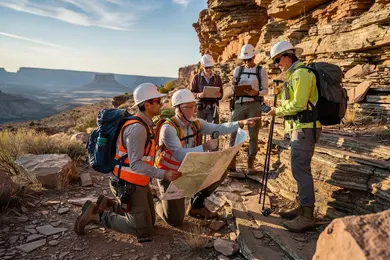
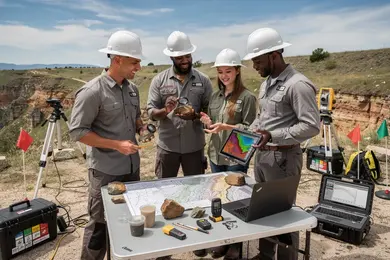
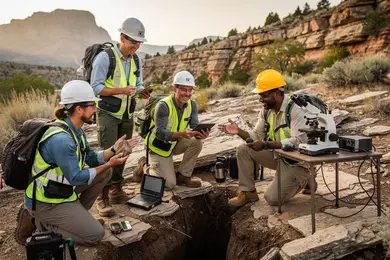
While AI skills are critical, many employers still prioritize candidates who understand physical fieldwork realities, as AI cannot fully replace on-site judgment in geology or environmental assessments. The challenge lies in demonstrating AI competence alongside credible field experience. For job seekers, cultivating a portfolio that integrates AI data analysis with fieldwork highlights practical problem-solving ability, which is often viewed as a stronger indicator of readiness to handle real-world complexities.
Given fast-changing AI technologies, employers favor candidates who show commitment to ongoing learning beyond initial degrees. Early-career professionals face choices between formal advanced degrees, short courses, or self-directed learning to keep pace with AI advances. A pragmatic approach prioritizes targeted certifications or workshops that align with sector-specific AI applications over broad but unfocused study, as this strategic learning better demonstrates adaptability and relevance to current employer demands.