2027 Geoscience Degree Completion Time Report: How Long Students Actually Take to Graduate

Co-Founder and Chief Data Scientist
Degree completion in geoscience frequently extends beyond nominal timelines due to complex academic and external factors. Many students navigate unpredictable fieldwork demands, seasonal research constraints, and fluctuating internship opportunities, all influencing their course progression.
In 2024, data from the National Center for Education Statistics show that the median time to bachelor's degree completion across science fields now often exceeds four years, reflecting broader shifts in student pacing and retention. Transfer pathways, part-time enrollment, and work-study balance also contribute meaningfully to varied graduation timelines in geoscience programs. This report analyzes these practical influences to outline how long students actually take to graduate and what drives timing differences.
Key Things To Know About Geoscience Degree Completion Time
- More accurate salary and career-entry planning: Geoscience completion time often extends due to required field camps, lab-intensive coursework, or research components — knowing the realistic timeline helps students project when they'll actually enter the workforce (energy, environmental consulting, government, mining) and start earning, since many higher-paying roles expect field experience beyond classroom coursework.
- Smarter scheduling around field camps and labs: Because geoscience programs often require summer field camps or seasonal fieldwork that can't be rescheduled, completion time data helps students and advisors plan course sequences around these fixed commitments, reducing the risk of unplanned extra semesters.
- Clearer career outcome tradeoffs: Comparing completion time against job placement rates and starting salaries in areas like petroleum geology, environmental science, or geospatial analysis can reveal whether students who take extra time for field experience or specialized certifications (GIS, remote sensing) land stronger job offers — helping future students weigh a faster degree against the practical experience employers in this field often prioritize.
- What Is the Average Graduation Time for Geoscience Students? Average Graduation Timeline
- What Factors Have the Biggest Impact on Graduation Speed? Graduation Timeline Factors
- How Does Full-Time Versus Part-Time Enrollment Affect Graduation Timelines? Full-Time vs. Part-Time Graduation Timeline
- Do Online Geoscience Students Graduate Faster Than Campus-Based Students? Online vs. On-Campus Graduation Time
- How Many Months or Years Can Transfer Credits Save? Transfer Credits
- Do Accelerated Geoscience Programs Significantly Reduce Completion Time? Accelerated Program Timeline
- Which Geoscience Program Requirements Most Often Extend Graduation Timelines? Factors Extending Graduation Timeline
- Does Taking Longer to Graduate Increase the Cost of a Geoscience Degree? Impact on Program Cost
- Does Graduating Faster Improve Career Prospects? Impact on Career Prospects
- Which Scheduling Mistakes Commonly Delay Graduation? Mistakes to Avoid
What Is the Average Graduation Time for Geoscience Students?
Completion timelines for geoscience degrees in the United States typically extend beyond the standard four-year undergraduate model, especially when considering the diverse enrollment patterns common within the field. Full-time students often finish within five years, reflecting both the program requirements and the practical rigors embedded in geoscience curricula.
Part-time students and those balancing external commitments, such as work or family, frequently take six years or more, highlighting the impact of enrollment status on overall duration. This variability in the typical geoscience bachelor's degree completion timeline reflects how student choices and life circumstances shape educational pathways.
Graduation time disparities arise largely from multiple interacting factors, including program structure complexities, credit transfer policies, and experiential learning demands such as internships or fieldwork. Many geoscience programs integrate substantial research and practical components, which, while enhancing skill development and employability, often extend the time required to graduate.
Transfer students face additional hurdles due to inconsistent credit acceptance that can delay progress. Moreover, online, hybrid, and on-campus program formats differ in pacing flexibility, further influencing completion lengths. Prospective students are advised to consider these structural and enrollment variables carefully, especially when navigating options like FAFSA-approved online certificate programs that may impact their academic timeline.
What Factors Have the Biggest Impact on Graduation Speed?
Graduation speed in geoscience master's degree programs is shaped by a complex interplay of academic structure, enrollment decisions, and individual circumstances. No single variable dictates how long a student takes; rather, it's the combined effects of institutional policies, course availability, and personal workload that set realistic timelines.
Understanding these influences helps students better navigate tradeoffs between part-time and full-time study, course sequencing, and external commitments. This awareness informs choices about enrollment status and program design, which can significantly alter time to degree completion.
- Enrollment Status and Course Load: Full-time enrollment generally enables faster progression through geoscience master's degree completion, as students can take a full complement of required courses each semester. According to a 2024 National Center for Education Statistics report, full-time students graduate at nearly twice the rate within six years compared to part-time counterparts. Part-time enrollment, often necessitated by employment or family roles, naturally extends the timeline by reducing semester credits and slowing academic momentum.
- Transfer Credit Policies: Transfer students frequently face extended graduation timelines due to non-transferability of specialized geoscience lab work and field courses. Institutional inconsistencies in recognizing credits can force students to retake foundational courses, delaying progress. The 2024 Postsecondary Education Research Institute has found that such students may experience up to two additional years before degree completion versus those who enter programs as freshmen.
- Program Design and Course Sequence Rigidity: Programs with inflexible sequencing-where essential geoscience courses are offered only once per academic year-can create bottlenecks delaying graduation. Limited course availability restricts students' ability to substitute classes across terms or balance their workload effectively. Conversely, programs that integrate online or evening options provide greater flexibility for those managing external responsibilities, supporting steadier degree progression.
- External Responsibilities and Work Commitments: Significant employment or caregiving duties influence student pace, as working adults often reduce semester credit loads to manage competing demands. In geoscience, especially, internships and fieldwork, while critical for practical experience and employability, may extend degree timelines if not formally credited or appropriately scheduled. Nonetheless, employer preferences for completed degrees can incentivize some students to prioritize accelerated completion despite these challenges.
- Integration of Practical Components: Many geoscience programs include internships, fieldwork, or lab requirements that interact with students' academic schedules. When programs fail to efficiently integrate these experiences, students may experience delays that compound with other factors such as rigid course sequencing or transfer policies. Effective alignment of practical training within curriculum structures is crucial to avoid prolonging time to graduation.
These variables demonstrate why graduation timelines for geoscience master's degree students vary substantially. An informed understanding of enrollment status impact on geoscience master's degree completion time and the effect of program design on geoscience master's graduation speed is essential for realistic planning. Students balancing work and study might explore programs that accommodate flexible scheduling or consider the ramifications of transfer credits early.
For those seeking to optimize completion speed, careful selection of program structure and deliberate course sequencing significantly affect outcomes, as do the operational realities of external commitments. More detailed program research should include factors beyond degree duration alone, such as employability and the ability to integrate internships without losing pace.
Students aiming for efficiency in their academic path sometimes find value in consulting resources on related fields, including those evaluating online pathways—such as analyses of the best online cyber security degrees—to compare how flexibility and program design influence timely completion across STEM disciplines.
How Does Full-Time Versus Part-Time Enrollment Affect Graduation Timelines?
Enrollment status significantly shapes the duration required to complete a Geoscience degree, with full-time students typically finishing faster than part-time counterparts. Full-time enrollment, usually defined by taking 12 to 15 credit hours per semester, aligns more closely with the standard four-year degree timeline.
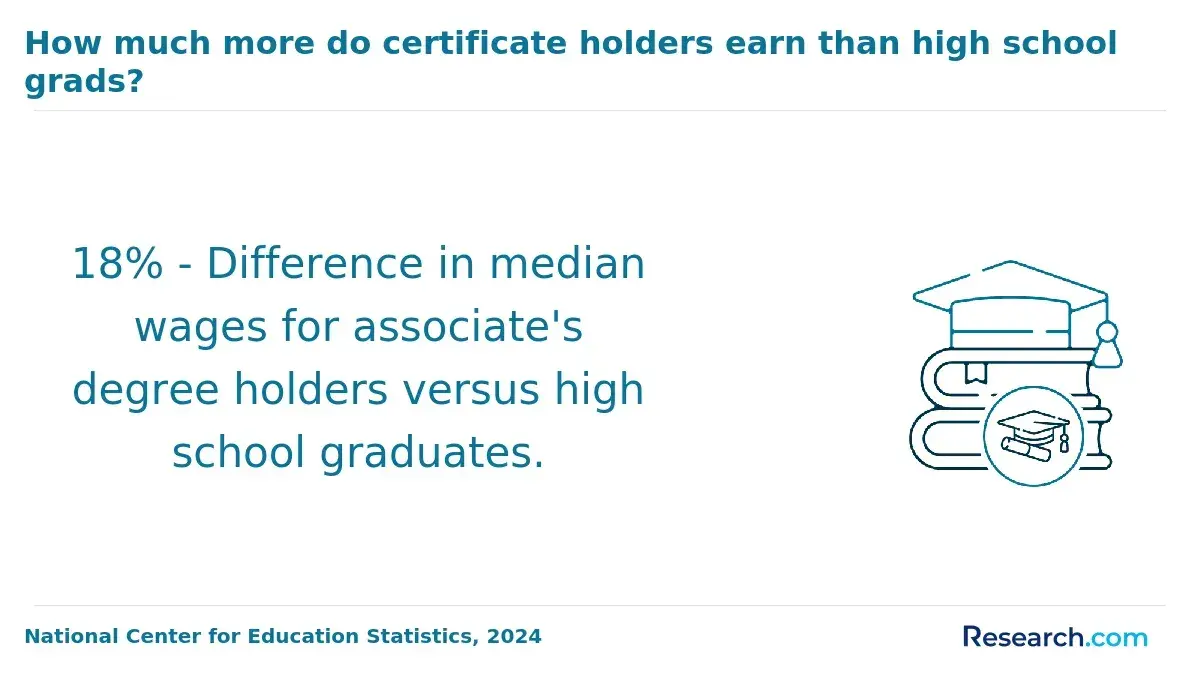
In contrast, part-time students, who often juggle coursework with employment or family duties, reduce their semester credit load, extending completion by an estimated 50% or more according to data from the National Center for Education Statistics and 2024 education trend analyses. This disparity reflects not just course volume but also the cumulative effects of disrupted academic momentum and prerequisite sequencing within rigid geoscience curricula.
The structural dynamics within geoscience programs, alongside personal circumstances, further influence these timelines. Course sequencing can limit flexibility; some core classes require completion in specific order, which means part-time students may face unavoidable delays.
Additionally, fewer offerings in alternative formats like evening or online courses constrain part-time scheduling options. External responsibilities—work, caregiving, or other life demands—often necessitate part-time enrollment, compelling students to spread out their studies. Transfer students encounter extra hurdles, with credit assessments and adjustment to program-specific requirements potentially adding further time regardless of enrollment status.
Beyond graduation timing, enrollment decisions reverberate through students' financial planning, academic intensity, and workforce integration. Full-time students typically benefit from accelerated entry into employment and income gains but face higher immediate academic rigor and possible financial strain. Meanwhile, part-time learners trade speed for the ability to balance education with other obligations, accepting delayed degree completion as the cost for sustained life stability.
Understanding how these pathways shape career trajectories and qualification timing is crucial for students and advisors aiming to navigate the practical realities of geoscience education and labor market expectations.
Do Online Geoscience Students Graduate Faster Than Campus-Based Students?
It is a common assumption that online students in geoscience programs might finish their degrees faster due to greater scheduling flexibility and the ability to learn asynchronously. However, graduation timelines for online learners often extend beyond those of traditional, campus-based students.
The 2024 data from the National Center for Education Statistics show that campus geoscience graduates who complete within six years average about 4.5 years to get their degrees, whereas online students typically take closer to 5 years. These figures highlight that completion speed is less about delivery mode alone and more intertwined with how students balance personal commitments and academic progression.
Key factors driving these differences include enrollment status and the structure of coursework. Many online geoscience students are working adults managing jobs and family, resulting in more part-time enrollment, which naturally slows degree completion. Campus students, more often enrolled full-time, benefit from direct access to labs, fieldwork, and in-person interactions that can streamline requirements and encourage steadier credit accumulation.
Meanwhile, the asynchronous format of online courses allows learners to customize pacing but demands higher self-motivation and effective time management under less structured conditions, sometimes leading to prolonged timelines.
Choosing between online and campus geoscience pathways affects academic discipline and long-term career timing. Campus settings may accelerate progression through immediate resource access and rigid scheduling, supporting those aiming for faster workforce entry. Online formats offer critical flexibility for nontraditional students but often result in longer degree spans, which can delay employment or graduate studies start dates. Understanding these tradeoffs helps prospective students align their modality choice with real-world constraints and professional goals.
An example comes from a graduate who enrolled under a rolling admissions process for an online geoscience program. Initially hesitant to commit, they waited to complete prerequisite courses while balancing full-time work. The admissions window's fluidity introduced uncertainty, causing a delayed start that extended overall time to completion.
Despite the flexibility, this student found that navigating part-time enrollment and coursework planning required ongoing adjustments, underscoring how admission timing and personal circumstances interact significantly with graduation pace.
How Many Months or Years Can Transfer Credits Save?
Transfer credits can shorten the time needed to complete a geoscience degree by reducing the number of required courses, but the actual months or years saved vary widely based on how well those credits align with program requirements. While some students may save up to 18 months, this depends heavily on the volume and applicability of accepted credits.
Transfer credit impact on geoscience degree completion time is often most pronounced when foundational science and math courses from community colleges or related STEM programs fulfill lower-division requirements, potentially eliminating an entire year of study. However, upper-division geoscience courses tend to have stricter transferability due to accreditation standards and program specificity, limiting further acceleration.
How much time transfer credits save depends on several institutional and curricular factors. Accreditation compatibility plays a crucial role, as receiving institutions typically require courses to meet specific content and rigor standards. Course equivalency evaluations determine whether transferred credits satisfy core or elective requirements, and many programs enforce residency rules mandating a minimum number of credits completed in-house, which caps savings.
Additionally, maximum transferable credit limits and the presence or absence of articulated transfer agreements influence outcomes. According to recent data from the National Center for Education Statistics, students with block-transfer agreements frequently experience an 8 to 12 month reduction in time to degree, demonstrating the value of institutional coordination and clear credit articulation.
Prospective transfer students should consider how transfer credits affect academic planning and sequencing, particularly since gaps in foundational knowledge from credit substitutions might impact readiness for advanced coursework or graduate study. Thoughtful credit transfer maximizes time and financial costs saved but requires navigating complex policies and degree pathways.
Students pursuing a geoscience degree may also benefit from exploring related fields or complementary credentials, such as an organizational development degree, to broaden employability given the evolving demands for practical experience and interdisciplinary skills in the workforce.
Do Accelerated Geoscience Programs Significantly Reduce Completion Time?
Accelerated geoscience programs are structured to condense the traditional four-to-six-year completion window by increasing course density and employing intensive scheduling strategies. These programs often compress curricula into shorter timeframes by offering more credits per term or year-round enrollment, aiming to enable students to graduate in about three years.
However, their design depends heavily on institutional capacity to deliver required courses without extended wait times and on students' ability to sustain a heavier academic load continuously. The fundamental intent is to streamline progression by eliminating downtime common in standard pacing, yet this is only effective if curricular sequencing and institutional support align smoothly.
Whether accelerated formats translate into meaningful time savings depends on several critical factors. Course intensity demands that students handle a more rigorous workload each term, which may not be feasible for those balancing work or personal commitments. Prerequisite chains and limited course availability can create bottlenecks that negate intended acceleration by forcing students to pause until essential classes reopen.
Additionally, experiential requirements like internships or capstone projects often retain the same duration regardless of program pacing, limiting compression potential. Thus, accelerated tracks typically benefit students with transfer credits, flexible schedules, or strong institutional advising to navigate sequencing and workload challenges effectively.
The trade-offs inherent in accelerated programs often involve increased pressure and reduced opportunity for extracurricular growth or part-time employment, which can affect overall educational experience and readiness. While these programs offer greater flexibility for some working adults or transfer students, the intensity risks burnout and may constrain time available for hands-on fieldwork crucial in geoscience.
Ultimately, accelerated degrees can shorten calendar time but may require sacrifices in pacing that impact learning depth and professional readiness, underscoring the need for careful planning based on individual circumstances.
One accelerated geoscience graduate recalled grappling with the program's rolling admissions process, which led to uncertainty about start dates and course availability. Facing a narrow window to submit transcripts and prerequisites, the student hesitated to finalize enrollment, worried that delays could push back graduation despite the program's accelerated intent. The decision to commit hinged on quickly securing a complete transfer credit evaluation to avoid losing a semester.
This experience underscored that accelerated timelines rely not only on coursework intensity but also on timely administrative processes, which can unpredictably affect how effectively the program reduces overall time to degree completion.
Which Geoscience Program Requirements Most Often Extend Graduation Timelines?
Graduation timelines in geoscience programs frequently extend beyond the standard four years, not due to credit volume alone, but because of embedded curricular elements that enforce structured pacing. These components serve to uphold rigorous academic and professional standards, yet they often limit course sequencing flexibility or increase semester loads.
Understanding how these requirements shape student progression is essential for realistic expectations about degree duration.
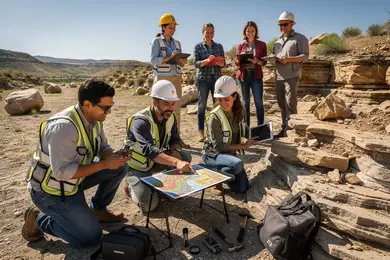
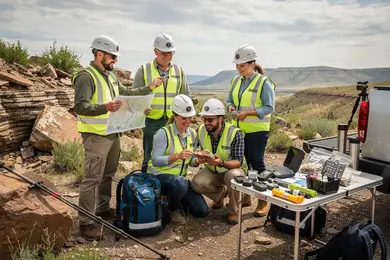
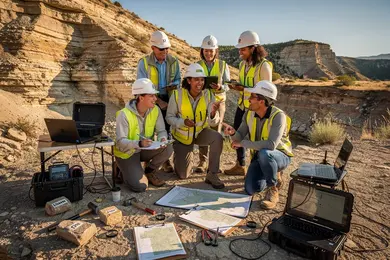
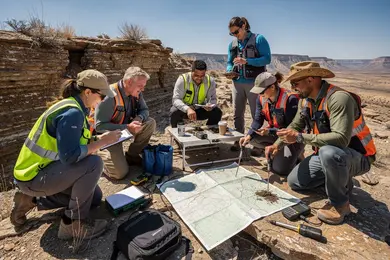
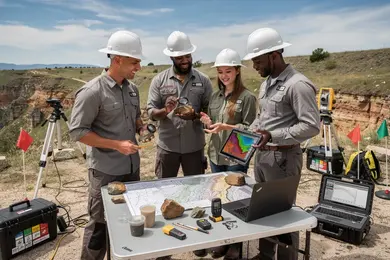
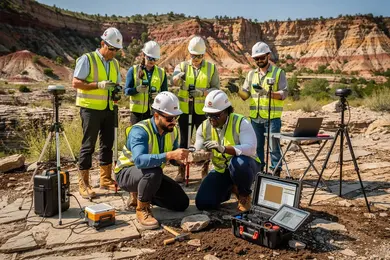
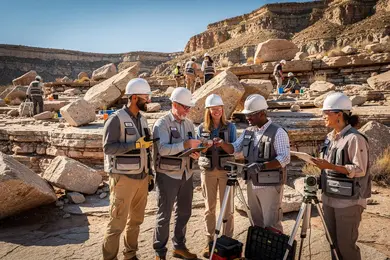
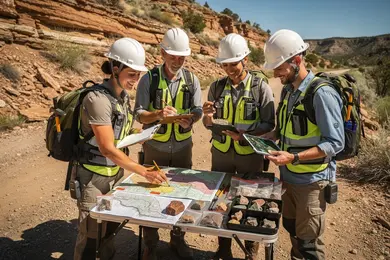
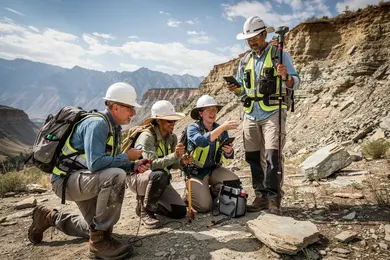
- Fieldwork and Field Camp Obligations: Hands-on field experiences are integral to geoscience education, typically confined to specific seasons or short-term intensive sessions. Because these immersive modules cannot be replaced with online or evening alternatives, students may need to forego other courses during these periods, which elongates overall program length. Institutions often mandate multiple field camps, which complicates scheduling and forces staggered completion of coursework.
- Interdisciplinary Coursework Requirements: Geoscience curricula commonly include substantial coursework in chemistry, physics, mathematics, and computer science to build a broad scientific foundation. Students who have not completed these prerequisites beforehand may face extended enrollments to satisfy these diverse requirements. The layering of multiple science disciplines requires careful academic planning and can create bottlenecks in semester-by-semester progression.
- Laboratory Course Constraints: Intensive lab components are necessary to develop practical skills but are frequently offered at limited times with rigid attendance policies. This restricts the ability of students—especially working adults and transfers—to optimize schedules or accelerate completion. The time intensity and fixed scheduling of labs can slow down progression, especially when coupled with other demanding coursework.
- Independent Research or Thesis Projects: For students pursuing honors, specialized tracks, or graduate study preparation, substantial research commitments are common. These projects often extend beyond standard class hours and require sustained effort across semesters, introducing variability into the anticipated graduation timeline. While they enhance employability and academic depth, they are a significant factor in delaying degree completion.
- Strategic Academic Extensions for Certifications or Minors: Many students purposefully prolong their studies to obtain additional certifications or dual minors that increase marketability. This choice reflects long-term employment strategy rather than curricular necessity but nonetheless adds semesters. Balancing these extended qualifications with core geoscience requirements demands advanced planning and can complicate institutional credit policies.
According to a 2024 report from the U.S. Bureau of Labor Statistics, roughly 35% of students in physical and earth sciences take longer than six years to graduate, with research and fieldwork components cited as primary contributors to these extended durations. The interplay of rigorous experiential learning, interdisciplinary depth, and institutional scheduling policies collectively shapes these outcomes, making flexible academic advising and early planning critical for timely degree completion.
Does Taking Longer to Graduate Increase the Cost of a Geoscience Degree?
Extending the time to complete a geoscience degree generally raises the total financial cost due to the structure of tuition and related fees. Many institutions charge students per term or per credit, so additional semesters often require full tuition payments along with ancillary fees like lab access and campus services. This incremental cost can escalate when students lose eligibility for certain financial aid programs or scholarships that impose duration limits. Furthermore, longer enrollment periods may entail repeated course fees for remediation or updated curriculum requirements, compounding expenses.
The interplay between enrollment status—full-time versus part-time—and institutional pricing models critically shapes how the cost implications of extended study manifest. Taken together, these factors contribute to the observed increase in the cost of earning a geoscience degree when time to complete extends beyond typical expectations, a dynamic central to the financial realities faced by many students balancing academic pacing with other commitments.
However, the increase in costs is not uniform across all programs or student circumstances. Flat-rate tuition models that allow unlimited course loads per term without extra charges can mitigate cost growth despite longer completion times. Employer tuition assistance, flexible part-time pricing, or programs designed for working adults also soften the financial impact of stretched timelines.
Such policies, combined with strategic enrollment decisions like carefully planned part-time attendance, influence total degree costs by controlling cumulative credit charges and fee accrual. These nuances mean that while a longer time to complete a geoscience degree often increases expenses, it is not an absolute outcome in all contexts.
Prospective students must understand how their institution's financial policies and their own enrollment behavior jointly determine real cost implications. Considering that starting salaries in geoscience fields have significant earning potential, according to current labor market insights, weighing these cost variables alongside opportunity costs is essential for informed planning.
For those exploring flexible learning options, reviewing resources such as history masters online programs may offer comparative perspectives on pacing and affordability models as well.
Does Graduating Faster Improve Career Prospects?
Graduating faster from a geoscience degree can offer the benefit of entering the workforce sooner, potentially reducing educational expenses and providing an earlier start to accumulating professional experience. However, the impact of accelerated completion on hiring competitiveness is nuanced; employers rarely consider graduation speed alone without evaluating the candidate's practical skills, relevant internships, and overall readiness.
The impact of accelerated geoscience degree completion on job opportunities depends heavily on how well the graduate has balanced rapid coursework with meaningful hands-on experience that aligns with industry expectations.
The key determinants of career outcomes include the breadth and depth of internship experience, the strength of research or fieldwork portfolios, and mastery of technical and applied skills. For many employers in geoscience, demonstrated competencies and evidence of problem-solving ability in real-world scenarios outweigh a shortened degree timeline.
Networking within the field and sustained engagement with academic and industry projects also play pivotal roles in translating accelerated graduation into tangible employment advantages. This aligns with data suggesting that hiring managers prioritize candidates' applied knowledge over mere speed of degree completion, confirming that faster graduation does not guarantee enhanced career prospects.
In evaluating whether graduating faster improves career prospects for geoscience students in the United States, it is essential to weigh the trade-offs between efficiency and experiential depth. Extended programs may facilitate deeper learning, stronger professional connections, and richer skill development that enhance long-term career trajectories.
Students and education planners should therefore consider their individual goals, industry demands, and the quality of experiential opportunities available, aiming for a balance where timely graduation complements, rather than compromises, career readiness.
For a broader perspective on educational pathways, resources like EdS to EdD programs online can offer insights into program design and pacing options relevant to working adults and transfer students.
Which Scheduling Mistakes Commonly Delay Graduation?
Graduation delays in geoscience programs often stem less from academic difficulty and more from avoidable mistakes in course scheduling and enrollment decisions. These errors affect students across all degree levels and formats, disrupting the careful sequencing required for timely progression.
Understanding these common planning pitfalls reveals how institutional policies and credit structures interact with student choices, often leading to extended program durations.
- Improper Sequencing of Prerequisite and Core Courses: Many students attempt advanced topics before completing foundational prerequisites. Since Geoscience curricula are structured with strict sequencing, this causes them to delay enrollment or retake courses, pushing graduation timelines back.
- Inconsistent Enrollment Patterns: Alternating between full-time and part-time status frequently elongates time to degree. The National Center for Education Statistics reports that part-time STEM students, including those in geoscience, typically take 1.5 times longer to graduate than full-time peers due to fragmented credit accumulation.
- Transfer Credit Misalignments: Students changing institutions often discover that not all previously earned credits apply toward their geoscience degree. This necessitates extra coursework, frequently identified late in the academic plan, causing unintended extension.
- Lack of Effective Academic Advising: Insufficient guidance can result in course selections that do not align with degree requirements or missed opportunities for accelerated enrollment options, further delaying progress.
Other Things You Should Know About Geoscience
Internship or fieldwork requirements can add time to completion, as they often involve extensive off-campus commitments. In 2027, geoscience students may take longer to graduate due to these hands-on experiences, which are crucial for applying theoretical knowledge but can delay course progress.
Choosing to specialize deeply in a niche area within geoscience can prolong degree completion since advanced electives or thesis work might extend beyond core requirements. Conversely, pursuing a broader curriculum may enable a more straightforward path but can dilute expertise sought by employers in specific subfields. For most students balancing graduation speed with employability, prioritizing targeted specializations that align with clear career goals helps maintain a focused timeline and enhances workforce relevance.
Many geoscience students need to work while studying, which creates a tradeoff between maintaining academic rigor and extending the degree timeline. Overloading semesters to finish faster often reduces the capacity for deep learning and skill development, crucial in this technically demanding field. Realistically, students should weigh whether slower progression with steady employment better supports long-term career readiness and financial stability than accelerated completion that risks academic burnout or superficial understanding.
Extended research projects in geoscience frequently cause timeline extensions due to their complexity, need for data collection, or equipment access limitations. While aiming for a swift finish may seem desirable, rushing these projects can undermine the quality of work and reduce their value to future employers or graduate programs. Students should plan for potential delays and view thorough completion of these components as strategic investments in their professional credibility, rather than mere obstacles to graduation.