2027 Geoscience Job Market Report: Open Roles, Salary Bands, and Hiring Momentum

Co-Founder and Chief Data Scientist
Shifts in technological integration and regulatory frameworks have fundamentally reshaped employment patterns within the geoscience labor market. Increasing reliance on advanced data analytics and environmental compliance has shifted employer priorities towards specialized skill sets, influencing which roles emerge as critical. These trends, coupled with cyclical industry investments and evolving credential expectations, create a complex hiring landscape that defies simple supply-and-demand narratives. Open positions and salary bands serve as markers of these underlying labor dynamics, revealing areas where talent remains scarce or expertise is realigning. Understanding these indicators offers insight into the field's adaptation to economic and demographic pressures.
This article examines open roles, salary structures, and hiring momentum to illuminate how geoscience workforce demand reflects broader industry transformations. Wage growth and recruitment activity, viewed through this lens, underscore shifting employer needs and technological adoption rather than uniform market expansion. Such changes differentiate geoscience from other professions where growth may be more linear or volume-driven. Recognizing the significance of these patterns helps clarify why entry points and progression within geoscience emphasize adaptability and targeted expertise.
Notably, current enrollment demographics suggest an influx of younger geoscience students, signaling potential shifts in educational accessibility and workforce renewal. This age distribution may indicate evolving pathway diversification and responsiveness to emerging subfields, shaping the profession's future composition and capability to meet specialized demands.
Key Things to Know About Geoscience Job Market
- Open roles in geoscience increasingly demand specialized skills in data analytics and environmental monitoring, creating barriers for generalists but offering clear advancement for candidates with niche expertise.
- Salary bands reflect significant variation tied to sector and location, signaling that prospective geoscience graduates must prioritize regional market research to align expectations with local employer budgets.
- Recent 2024 data shows hiring momentum favors early-career professionals with internships, indicating that delayed entry into the workforce can increase opportunity costs and complicate career progression.
- Key Things to Know About Geoscience Job Market Key Things to Know About Geoscience Job Market
- How Strong Is Demand for Geoscience Graduates in Today's Job Market? Demand for Graduates
- Which Geoscience Careers Have the Most Open Job Opportunities? In-Demand Careers
- What Salary Bands Are Employers Offering Across Geoscience Careers? Offered Salary Bands
- Which Industries Are Hiring the Most Geoscience Graduates? Top-Hiring Industries
- How Does Hiring Demand Vary by State, Region, and City? Hiring Demand by Location
- What Skills Are Employers Prioritizing in Geoscience Job Postings? In-Demand Skills
- Which Certifications Increase Employability and Salary Potential? High-Value Certifications
- How Do Remote and Hybrid Opportunities Affect the Geoscience Job Market? How Do Remote and Hybrid Opportunities Affect the Geoscience Job Market?
- Which Geoscience Careers Show the Strongest Long-Term Hiring Momentum? Strongest Careers
- How Can Students Use Job Market Data to Make Better Career Decisions? How Can Students Use Job Market Data to Make Better Career Decisions?
How Strong Is Demand for Geoscience Graduates in Today's Job Market?
Current labor market data show that demand for geoscience graduates in 2024 remains moderate and highly segmented, reflecting varied hiring momentum across industry sectors and regions. According to the U.S. Bureau of Labor Statistics, growth projections are steady but not exceptional when compared to other STEM professions, shaped largely by fluctuations in the energy sector and environmental project funding. LinkedIn Workforce Reports emphasize that employers now prioritize candidates blending core geoscience expertise with data analytics, GIS technology, and sustainability knowledge, signaling a shift in core competencies sought during recruitment. This nuanced landscape of geoscience graduate job market trends illustrates that opportunities exist, but they are often contingent on interdisciplinary skill sets and geographic location rather than uniform national expansion.
The demand for geoscience professionals in North America is increasingly influenced by advancements in digital tools and the growing focus on environmental regulations and resource management. Employers value adaptive graduates capable of applying geoscience methods to practical challenges such as climate change mitigation and land-use planning, with a premium placed on hands-on experience like internships and proficiency in industry-standard software. Economic cycles tied to fossil fuel reliance continue to impose hiring volatility, making sectors like consulting and government more stable employers in some regions. The interplay between technological transformation and sector-specific needs drives differentiated demand patterns that candidates must navigate carefully.
For those pursuing a career in geoscience, understanding these dynamics is crucial for aligning educational pathways with evolving employer expectations. While core academic knowledge remains foundational, integrating expertise in emerging technologies and practical fieldwork enhances employability and long-term job security in an otherwise cyclical market. Prospective students should weigh the tradeoffs between regional labor market realities and the necessity of continuous skill development. Those considering accelerated education options might explore alternatives such as a fast track psychology degree online to diversify their skill set and improve adaptability in a fluctuating employment landscape.
Which Geoscience Careers Have the Most Open Job Opportunities?
The distribution of job opportunities within geoscience careers reflects broader shifts in industry focus, persistent skills shortages, and adapting employer priorities. Open positions are concentrated in roles that integrate both foundational geoscience expertise and emerging interdisciplinary skills such as data analysis and environmental regulation compliance. These labor market dynamics result from evolving economic conditions, technological change, and heightened demand for sustainability and infrastructure resilience. Understanding which roles dominate the geoscience job openings by sector provides insight into the sectors driving growth and the competencies currently valued by employers.
- Environmental Scientists and Hydrologists: These professionals see the highest volume of job openings, driven largely by public policy emphasis on climate change mitigation, water quality, and ecosystem management. Employers in governmental agencies, environmental consulting firms, and nonprofit sectors prize expertise in regulatory frameworks, hydrological modeling, and sustainability practices that support compliance and natural resource stewardship.
- Petroleum Geologists and Geophysicists: Despite the energy sector's cyclical nature, these specialists maintain steady demand due to ongoing needs in reservoir evaluation, seismic interpretation, and optimizing resource extraction. Industry adaptation to fluctuating fuel markets motivates hiring in oil and gas companies, with a preference for candidates skilled in integrating geoscience with advanced data analytics to improve operational efficiencies.
- Geotechnical Engineers: Infrastructure development and government-funded projects are expanding roles for geotechnical engineers who apply geoscience in construction materials testing, soil mechanics, and site hazard assessments. These positions require proficiency in risk analysis and geotechnical investigation, reflecting increased public investment in resilient urban development and natural disaster mitigation.
- Remote Sensing and GIS Specialists: The growing use of satellite data, drones, and GIS technology in natural hazard prediction, land use planning, and environmental monitoring drives demand for professionals skilled in these tools. Employers seek candidates who can combine geoscience knowledge with remote sensing data processing and spatial analysis to create actionable insights for decision-making.
- Environmental Consultants: Increased regulatory scrutiny and corporate sustainability initiatives fuel openings for consultants who advise on contamination assessments, environmental impact studies, and remediation strategies. These roles require not only technical expertise but also strong communication and project management skills to navigate complex stakeholder environments.
- Hydrogeologists: Specialized in groundwater flow and water resource management, hydrogeologists find job growth in sectors managing water supply risks and contamination. Their skills in aquifer testing, hydrological modeling, and environmental compliance make them integral to both public agencies and private water resource firms focused on sustainable water systems.
Data from the American Geosciences Institute's 2024 report underscores that environmental and hydrological science-related roles consistently top the list of geoscience job openings by sector, reflecting the high value placed on sustainability and water system expertise. For those evaluating geoscience careers, recognizing which roles are expanding and the skill sets employers prioritize can inform decisions on training and specialization. This market insight also highlights the necessity of adaptable, interdisciplinary capabilities to meet evolving industry demands.
Separately, for a comprehensive view on how education costs intersect with workforce preparation, exploring factors like psychology degree online cost can also provide useful context for understanding program affordability and return on investment across STEM-related fields.
What Salary Bands Are Employers Offering Across Geoscience Careers?
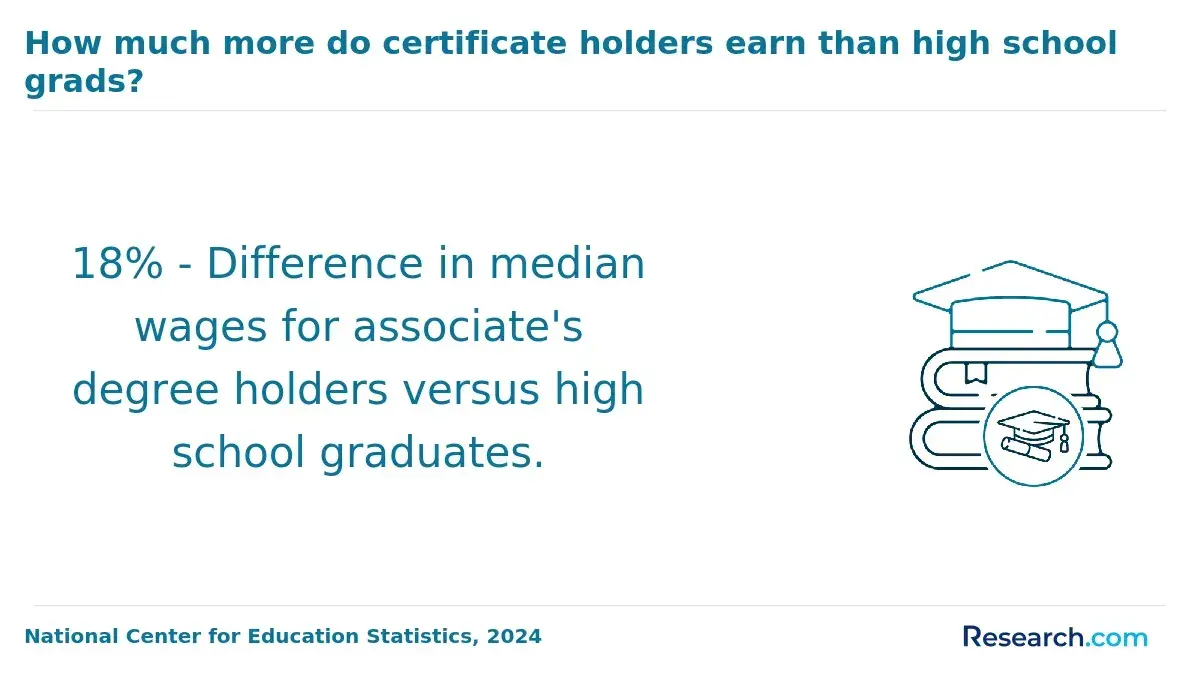
Salary bands in geoscience reflect clear progression based on experience levels, with entry roles typically earning between $50,000 and $70,000 annually according to the U.S. Bureau of Labor Statistics (2024). Mid-level positions, often requiring five to ten years of experience, show salaries rising to the $80,000-$110,000 range, demonstrating the added value of technical expertise and project oversight. Senior geoscientists, including lead specialists and project directors, command $120,000 to $160,000 or higher, with petroleum geologists in energy hubs occasionally exceeding $180,000, as noted by LinkedIn Salary Insights. These ranges emphasize how geoscience pay structures correlate closely with accumulated experience, specialization depth, and leadership responsibilities within the field.
Variations in compensation arise primarily due to industry demand, level of specialization, and geographic factors. Sectors like petroleum extraction and environmental remediation generally offer premium wages compared to academia or government roles, which prioritize stability and benefits over salary scale. Additionally, geographic clustering in energy or mining centers elevates pay due to competition for skilled professionals in those locales. Certification credentials and advanced degrees further influence earning potential but are weighted differently across subsectors, reflecting varying employer valuation of qualifications and technical proficiencies. Company size and project complexity also play roles in wage differentiation, highlighting how supply and demand for niche skills directly shape salary bands within geoscience careers.
One geoscience graduate recalled applying to multiple programs during a rolling admissions cycle and facing prolonged waiting periods that complicated career planning. The uncertainty caused some hesitation in committing to advanced certifications, as the timing affected both financial aid options and internship availability. Ultimately, the candidate chose a program that responded more quickly, understanding that entering the workforce without delay could offset potential salary increases tied to more specialized credentials. This experience underscores the interplay between admissions timing and career trajectory decisions in a field where practical readiness can influence earning opportunities as much as formal qualifications.
Which Industries Are Hiring the Most Geoscience Graduates?
Current hiring patterns for geoscience graduates predominantly reflect industries navigating rapid technological shifts, workforce growth, and persistent skill shortages. These sectors are integrating advanced data analysis, sustainability priorities, and regulatory compliance into their operations, demanding graduates who combine technical proficiency with applied problem-solving. The concentration of opportunities reveals broader economic restructuring, especially as energy transitions and environmental challenges reshape employer needs.
- Energy Sector (Oil, Gas, Renewables): This industry continues to absorb the largest share of geoscience talent due to ongoing investment in both conventional hydrocarbon exploration and the accelerating renewable energy transition. Employers prioritize expertise in subsurface modeling, resource assessment, and environmental risk mitigation, reflecting a dual focus on maximizing resource extraction efficiency and meeting stringent sustainability standards. In 2024, roughly 35% of new geoscience graduates enter this sector, underscoring its enduring centrality despite the energy landscape's evolving complexity.
- Environmental Consulting: Growth in this sector is driven by expanding regulatory frameworks and a rising emphasis on climate resilience and ecosystem management. Consulting firms seek graduates skilled in geospatial data analysis, soil and water quality assessment, and environmental impact evaluation to address increasing demands for compliance monitoring and sustainability planning. Approximately 30% of geoscience entrants now find roles here, highlighting how environmental imperatives translate into expanded workforce needs.
- Government Agencies: Federal and state entities, including geological surveys and natural resource departments, maintain steady recruitment focused on hazard assessment, land-use planning, and resource stewardship. These positions often require familiarity with geographic information systems (GIS) and disaster mitigation strategies. About one-fifth of newly employed geoscientists start in public sector roles, reflecting ongoing public investment in infrastructure resilience and natural resource management.
- Mining and Materials Industries: While smaller in scale compared to other sectors, this industry demands geoscientists for mineral exploration and resource extraction optimization. Employers value hands-on fieldwork experience and proficiency in geological modeling software. This segment accounts for roughly 10% of new hires and remains important where commodity markets influence regional economies.
How Does Hiring Demand Vary by State, Region, and City?
The demand for geoscience professionals differs markedly across states and broad regions due to the varying concentration of industries reliant on natural resources and environmental management. States like Texas, Colorado, and California maintain elevated hiring momentum driven by sectors such as oil and gas exploration, renewable energy, and environmental consulting. These states, supported by their natural resource endowments and economic focus, reflect how labor market geography intertwines with regional economic priorities. Data from workforce analytics platforms and the U.S. Bureau of Labor Statistics highlight these disparities, with states prioritizing green initiatives like Washington and Massachusetts showing rising demand in sustainability-focused roles, even as traditional hydrocarbon-linked jobs recede. Understanding this geoscience job market demand by state aids prospective professionals in aligning their educational focus and skill development with specific regional opportunities rather than broad national averages.
At the city level, hiring demand for geoscience roles is shaped by urban infrastructure, employer density, and local talent ecosystems that influence salary scales and recruitment intensity. Metropolitan areas such as Houston, Denver, and San Francisco serve as hubs for varied geoscience applications, including environmental consulting, urban planning, and academia, necessitating advanced interdisciplinary expertise. Conversely, smaller cities near resource-rich regions may offer abundant entry-level roles but narrower career pathway diversity, reflecting differences in market sophistication. Additionally, cost-of-living and established talent pipelines impact employer competition and accessibility, forcing candidates to weigh these tradeoffs when pursuing opportunities. For those exploring educational pathways that enhance employability within these dynamics, options such as construction management degrees online may provide complementary skills relevant to industry trends, especially in infrastructure-heavy or development-focused regions. Recognizing such regional hiring trends for geoscience careers shapes realistic expectations for early-career professionals navigating varied labor market conditions.
What Skills Are Employers Prioritizing in Geoscience Job Postings?
Employer demands within geoscience roles are rapidly shifting due to advances in technology, increased automation, and complex environmental challenges. Current job postings reveal that technical expertise alone no longer guarantees competitiveness; instead, interdisciplinary knowledge and the ability to apply data-driven methods have become critical. The emphasis on digital tools and integrated skill sets reflects a sector adapting to more sophisticated analysis requirements and stakeholder expectations. According to recent data from the U.S. Bureau of Labor Statistics, over 65% of geoscience positions now list expertise in geographic information systems as a baseline skill requirement, illustrating the depth of transformation unfolding across the workforce.
- GIS and Remote Sensing Tools Proficiency: Employers prioritize this skill because precise spatial data interpretation underpins environmental assessments, natural resource evaluations, and hazard management. Mastery of these tools signals an ability to translate complex datasets into actionable insights, directly impacting decision-making accuracy and operational effectiveness.
- Data Analytics and Programming (Python, R): The integration of programming languages into geoscience workflows is a response to growing automation and machine-learning integration. Proficiency here enhances modeling capabilities and enables handling large, heterogeneous datasets, increasing a candidate's appeal for roles requiring advanced analytical agility.
- Solid Foundation in Earth Sciences and Environmental Principles: Despite technological advances, deep domain knowledge remains indispensable. Employers look for candidates who blend conceptual understanding with applied skills to address real-world problems, ensuring solutions align with fundamental scientific principles.
- Interdisciplinary Awareness Including Regulatory and Economic Context: Geoscientists with knowledge extending beyond pure science to regulatory frameworks and economic drivers are more adaptable in project environments influenced by policy and market factors. This breadth improves their capacity to contribute meaningfully to sustainability and compliance-driven initiatives.
- Communication and Project Management Abilities: The ability to convey complex geoscientific findings to non-specialists and manage collaborative projects is increasingly demanded. These skills facilitate stakeholder engagement, enhance interdisciplinary teamwork, and ensure that technical results translate into practical applications.
Which Certifications Increase Employability and Salary Potential?
Certifications in the geoscience field function primarily as credible signals of specialized knowledge, technical competence, and professional discipline. Employers treat them as critical evidence that a candidate can meet complex industry standards and workplace expectations. These credentials often serve to bridge gaps between formal education and practical job requirements, enhancing competitiveness in talent pools increasingly driven by regulatory demands, technological integration, and safety compliance.
- Certified Professional Geologist (CPG): This credential verifies advanced geological expertise and adherence to rigorous ethical guidelines, making it highly respected among consulting, environmental, and resource extraction employers. Data from the Geological Society of America (2024) indicates that professionals with CPG often secure salary premiums of 10% to 20% over uncertified counterparts, reflecting industry recognition of its role in validating domain-specific judgment and project accountability.
- Certified Engineering Geologist (CEG): Valued especially in infrastructure, hazard assessment, and environmental remediation sectors, the CEG signals proficiency in integrating geoscience principles with engineering solutions. Holding this certification typically enhances eligibility for roles requiring cross-disciplinary insight and can contribute to measurable financial advantages tied to demonstrated technical responsibility and compliance assurance.
- OSHA Safety Certifications: Increasing regulatory scrutiny in energy and environmental sectors has raised the importance of safety-related credentials. OSHA certifications verify a candidate's preparedness to maintain operational safety and reduce risk, thereby improving an employer's compliance profile. This credential is often linked with steadier employability due to industry-wide emphasis on workplace safety standards.
- Environmental Professional (EP) Certification: Reflecting a growing demand for environmental oversight expertise, the EP credential positions candidates as capable of navigating complex regulatory environments and sustainability practices. This certification enhances prospects in sectors prioritizing environmental risk management and long-term regulatory adherence.
- GIS Professional (GISP): As spatial data analysis becomes indispensable in planning and natural resource management, the GISP credential addresses a key technical skill gap. A 2024 workforce report highlights an average salary uplift of about 12% for GIS-certified geoscientists, underscoring its value in augmenting employer confidence in candidates' analytic capabilities and software proficiency.
One geoscience graduate recounted the uncertainty inherent in timing certification amidst a rolling admissions process. Initially hesitant to pursue the CPG due to the lengthy preparation and examination timeline, the candidate delayed application until securing a job offer contingent on certification status. This strategic choice created anxiety but also allowed focused preparation with real-world experience. Ultimately, obtaining the credential after employment confirmation not only validated their expertise but also positioned them for a mid-career salary increase, illustrating how aligning certification timing with job market realities can affect both employability and compensation outcomes.
How Do Remote and Hybrid Opportunities Affect the Geoscience Job Market?
Recent labor market data from authoritative workforce analytics indicate that remote and hybrid arrangements are shifting hiring patterns within the geoscience job market, particularly by expanding access to talent beyond traditional urban centers. Employers increasingly prioritize candidates capable of remote data analysis, modeling, and reporting, which has diversified recruitment strategies and broadened geographic reach. This flexibility aligns with trends documented in the 2024 LinkedIn Workforce Report, showing a rise in remote-compatible roles in scientific fields, including early-career geoscience positions. However, roles demanding extensive fieldwork still necessitate on-site presence, preserving a segmented job market where hybrid models serve as a middle ground to balance operational needs with remote productivity. These shifts reflect refined employer expectations for hybrid work adaptability without sacrificing essential hands-on skills, signaling a nuanced evolution in workforce structuring.
The broader implications of remote and hybrid models manifest in increased competition for geographically dispersed talent and a softening of traditional regional salary differentials, as firms adjust compensation to reflect varied overhead costs but still reward field specialties. Employers now emphasize digital communication proficiency and self-directed productivity to maintain collaboration and project continuity across distributed teams. This dynamic also challenges students and early-career professionals to obtain comprehensive field experience amid predominantly remote roles, impacting workforce pipeline development. As these patterns mature, they suggest a geoscience labor market progressively defined by hybrid flexibility, heightened technical skill requirements, and geographically fluid talent sourcing strategies. For those considering geoscience education pathways, this underscores the importance of tailored experiences that integrate remote analytical capabilities with field proficiency, whether through established programs or increasingly accessible online library schools.
Which Geoscience Careers Show the Strongest Long-Term Hiring Momentum?
Long-term hiring momentum in geoscience careers reflects deeper structural shifts in industries linked to environmental and resource management rather than short-term employment fluctuations. This momentum signals enduring economic and technological trends reshaping workforce demand, with roles increasingly focused on sustainability, climate resilience, and infrastructure adaptation. Understanding which geoscience careers exhibit strong long-term growth requires analyzing these underlying forces and how they influence employer needs and skills requirements over time.
- Environmental Geoscientists-Strong demand arises from growing regulatory focus on pollution control, ecosystem restoration, and sustainable resource management. These professionals' analytical expertise supports industries and government agencies striving for compliance and environmental stewardship, bolstering stable hiring momentum driven by evolving environmental policies and technological tools for monitoring.
- Hydrogeologists-Water resource challenges, particularly in arid and rapidly urbanizing areas, sustain demand for hydrogeologists who provide critical insights into groundwater quality and supply management. Their role is increasingly vital as infrastructure planning integrates climate adaptation and resilience strategies, reinforcing a stable employment outlook linked to long-term water sustainability issues.
- Geotechnical Engineers-Their involvement in infrastructure expansion and climate adaptation initiatives drives consistent hiring. As emerging technologies and stricter safety standards reshape construction and risk assessment practices, these engineers meet critical industry needs where structural soundness intersects with environmental change.
- Natural Disaster Risk Specialists-Increasing frequency and severity of climate-related events elevate the importance of risk assessment professionals. Their expertise informs hazard mitigation and emergency response planning, reflecting an ongoing demand rooted in societal and governmental priorities to reduce disaster impacts.
In contrast, petroleum geology roles experience slower growth due to energy sector transitions emphasizing renewables, shifting hiring trends away from traditional fossil fuel exploration. The U.S. Bureau of Labor Statistics (2024) projects that environmental geoscientist roles will grow by more than 8% through 2030, indicating sustained demand exceeding overall occupational growth rates.
Prospective students and job seekers evaluating geoscience careers with long-term hiring momentum should weigh these evolving industry dynamics, technological advancements, and regulatory environments. For those balancing work and study commitments, exploring accessible degree pathways such as online universities for military spouses may offer practical routes to enter or advance within these high-demand geoscience roles with sustained growth potential.
How Can Students Use Job Market Data to Make Better Career Decisions?
Students can leverage current job market data sources such as labor reports, hiring platforms, and updated salary databases from 2024 onward to evaluate geoscience career opportunities critically. Analyzing open role volumes and hiring trends helps identify high-demand specialties, while salary band comparisons illuminate compensation differences across experience levels and regions. This data-driven approach enables students to pinpoint sectors with growth potential and match their education choices to real-world employer requirements rather than relying on outdated or anecdotal information. Institutional program outcomes and workforce projections should be integrated with these market signals to build a comprehensive understanding of the field's direction.
When applying this data, students must balance market indicators with personal priorities, carefully weighing long-term career stability, geographic mobility, and alignment with in-demand skills. Overemphasis on short-term hiring spikes risks channeling students into saturated or volatile subfields, while ignoring slower-growing but stable areas with better work-life balance. Combining market data insight with individual interests and credential feasibility produces more sustainable career strategies. Ultimately, interpreting labor market analytics within a broader decision-making framework equips prospective geoscientists to navigate complex workforce realities with nuance and foresight.
References
- Recent Geoscience Graduate Employment Trends, December 2020 https://covid19.americangeosciences.org/publications/data-briefs/db-2021-003/
- Information about Geoscience Related Careers https://careerexplorer.americangeosciences.org/careersinfo/
- Other useful skills https://www.geolsoc.org.uk/Geology-Career-Pathways/University/During-your-degree/Useful-Skills-During-your-Degree.html
- Geoscience Employment and the Great Resignation https://www.aegweb.org/index.php
- Working Geoscience https://profession.americangeosciences.org/working/
- Section 4. Skills Framework https://graduate.americangeosciences.org/report/section-4/
- The Transformative Impact of Remote Work: How Online Jobs are Empowering Workers in Emerging Markets https://nextbillion.net/transformative-impact-remote-work-online-jobs-empowering-workers-emerging-markets/
- ThisIsGeoscience - Geoscience Salaries https://www.thisisgeoscience.com/the-resources/geoscience-salaries
- High-Earning Careers in Geology | Rangefront Geological https://rangefront.com/blog/high-earning-jobs-geology/
- Geoscience Jobs by Sector https://www.grow-geocareers.com/geojobsbysector
Other Things You Should Know About Geoscience
Salary alone does not capture the full value or cost of a role. Early-career professionals must consider the intensity and unpredictability of workload, which can significantly affect work-life balance and long-term job satisfaction. A slightly lower salary with a stable, predictable schedule may provide better career sustainability than a higher-paying role demanding frequent overtime or field deployments. Prioritizing roles with balanced workload expectations can reduce burnout risk and support steady professional growth.
Specialized positions often command higher salaries but tend to be more sensitive to industry cycles and technological shifts, which can lead to sporadic hiring volumes. Generalist roles, while potentially lower paid initially, usually offer more consistent hiring momentum due to broader applicability. Candidates should assess their tolerance for market volatility and aim to build transferable skills within their specialization to hedge against fluctuating demand.
Established firms generally offer more stable hiring patterns and structured career development but may have slower salary growth and less autonomy. Smaller or startup companies can provide faster advancement opportunities and higher salary upside but with greater risk of layoffs or project cancellations. Graduates should evaluate their risk tolerance and career stage; early-career individuals often benefit from the stability and mentorship at larger organizations before transitioning to smaller firms if seeking accelerated advancement.
Geographic flexibility substantially expands access to open roles and can lead to better salary outcomes, especially as some regions experience volatility while others maintain steady demand. Candidates unwilling or unable to relocate may face longer job searches and more constrained salary offers. Consequently, developing a willingness to move, particularly early in one's career, enhances employment resilience and exposure to diverse geoscience subfields.