2027 Is Arizona State University's Online MS in Technical Communication Worth It? What Students Should Know

Co-Founder and Chief Data Scientist
Selecting an online MS in technical communication program involves weighing flexibility, curriculum depth, and alignment with career demands. With a 12% projected growth in technical writing roles reported by the U. S. Bureau of Labor Statistics, students must consider how programs prepare them for evolving workforce needs. Accessibility and quality vary widely among online degrees, impacting skill development and job market competitiveness.
Those targeting technical communication leadership or specialized roles need to assess if Arizona State University's offering delivers practical experience alongside theory. This article examines key factors influencing the program's value, helping prospective students navigate academic rigor, career alignment, and delivery format suitability.
Key Points About Arizona State University's Online MS in Technical Communication Program
- With a 90% acceptance rate, Arizona State University's Online MS in Technical Communication offers wide access but may attract a high volume of applicants, affecting individual program competitiveness.
- Employers favor graduates from this program, reflecting its alignment with industry needs and enhancing alumni prospects in technical communication and related fields.
- Total tuition is $34,845, while alumni earn a median salary of $62,668, yielding a strong 3.21x earnings-to-debt ratio that supports long-term financial viability for graduates.
What makes Arizona State University's online MS in Technical Communication program stand out?
Choosing arizona state university's online MS in technical communication means balancing flexibility with practical, career-aligned curriculum. For working professionals who cannot relocate or adjust their schedules, the asynchronous format offers an essential advantage. However, this structure demands strong self-motivation and time management skills, as the virtual environment limits real-time peer interaction. Compared to traditional on-campus programs, this setup is better suited for students prioritizing career continuity over in-person networking opportunities.
This program distinguishes itself by integrating theoretical foundations with applied skills like editing, technical writing, and information design across emerging digital platforms. Its connection to a large academic community-supporting 79,593 students and 14,448 staff-enables access to robust online resources and faculty who actively engage with current industry challenges. The 68% average graduation rate reflects a solid completion success that speaks to both institutional support and student commitment within a demanding online format.
For students targeting roles in diverse industries, especially those requiring adaptable communication skills tuned to evolving technologies, arizona state university's MS in technical communication offers a practical pathway. Its scale and comprehensive digital tools surpass many smaller programs, though prospective students must weigh the tradeoff between the convenience of remote study and the potential networking limitations it may impose.
Is it difficult to get admitted to Arizona State University's online MS in Technical Communication program?
Master's programs in technical communication typically balance writing proficiency with technological fluency, attracting applicants with diverse academic and professional backgrounds. This blend often makes these programs moderately competitive, as candidates must demonstrate skills relevant to both communication theory and tech applications to remain viable in the job market.
Arizona State University's online MS in Technical Communication, however, presents a notably accessible admission landscape. With a 90% acceptance rate admitting 62,084 of 68,840 applicants annually, the program circumvents many typical barriers to entry. Unlike more selective graduate programs that emphasize standardized test scores, ASU's decision to omit SAT and ACT requirements further lowers hurdles, catering especially to working professionals or those returning to academia after a gap.
This approach shifts the admission focus toward holistic evaluation over high-stakes testing, a factor that can meaningfully influence an applicant's strategy when weighing opportunities. While some may view the high acceptance rate as suggesting a less rigorous vetting process, it can translate into faster entry and greater flexibility for those balancing career and education.
How does the curriculum of Arizona State University's online MS in Technical Communication program stay aligned with current industry trends?
The curriculum of Arizona State University's online MS in Technical Communication reflects a deliberate effort to meet evolving industry demands, particularly the imperative for professionals to master digital content creation and user experience design. This alignment matters for graduates seeking roles where adaptability to fast-changing technologies is a baseline expectation rather than a bonus.
For instance, a technical communicator working in healthcare software must fluently navigate usability testing and multimedia communication to deliver effective documentation. Below are key factors demonstrating how the program integrates current professional skills into its training:
- Skill Integration: The curriculum embeds competencies in content strategy, web design, and user experience, which are increasingly required by employers who prioritize documentation that supports seamless user interaction and accessibility across platforms.
- Practical Application: Project-based learning with real-world clients or case studies ensures students gain hands-on experience, bridging theoretical knowledge with the tangible outputs expected in technical roles within sectors like software development and engineering.
- Emerging Technologies: Courses cover evolving digital tools and communication platforms, preparing students to adapt as technical communication workflows increasingly incorporate data visualization and multimedia components in response to industry shifts.
Such curriculum design aligns closely with broader industry standards for MS in Technical Communication graduates, positioning students to meet employer expectations that blend writing proficiency with technical agility. Employers in sectors with complex technical content, such as healthcare, now frequently seek candidates who can manage both traditional documentation and dynamic digital media.
Although Arizona State University's program addresses these needs well, prospective students should weigh how its focus on applied skills matches their target industry demands and career objectives. For those exploring affordability alongside quality, comparing this program with cheapest online PhD programs in USA may provide additional perspective on educational investment tradeoffs.
By anchoring its online MS in Technical Communication curriculum in current industry trends and practical realities, Arizona State University offers a pathway designed to prepare graduates for a demanding and rapidly changing professional landscape.
The base tuition and fees for Arizona State University's online MS in Technical Communication program total approximately $12,051 annually, excluding books, room, and board. When factoring in ancillary costs such as an average of $1,320 per year for books and supplies, the total annual cost rises to about $34,845.
This comprehensive figure differs slightly from federal estimates for in-state students living on campus, which report a lower total cost of $28,047 due to variations in methodology and residency status. Understanding these figures is crucial for serious financial planning ahead of program enrollment.
Arizona State University online MS in Technical Communication tuition fees do not include any extra online-specific technology charges, maintaining a stable tuition rate regardless of a student's geographic location. This approach eliminates one common source of unexpected expenses often seen at other institutions and can be especially beneficial for out-of-state learners budgeting for their education.
With nearly 93% of undergraduates receiving some form of financial aid averaging $12,396, prospective students who qualify for assistance can substantially reduce their net costs. However, specific program-targeted grants or corporate tuition reimbursement opportunities are not prominently advertised, so candidates should investigate institutional aid and employer benefits thoroughly before committing.
In a broader context, the cost of an MS in Technical Communication varies across schools, but ASU's tuition remains competitive and transparent. Considering both the tuition stability and financial aid availability, this program presents a financially plausible option for individuals aiming to balance cost against educational value. Yet, candidates must weigh these expenses against the program's career outcomes, especially since many employers expect practical experience alongside credentials in technical communication roles.
For students comparing different educational pathways, programs like an accelerated associate degree online might offer different cost and time commitments, serving as alternative steps before or alongside graduate studies in technical communication. Evaluating such options in the context of long-term career goals and financial constraints will help candidates make more nuanced decisions beyond surface-level pricing.
Admission to Arizona State University's online MS in Technical Communication program requires navigating academic and language proficiency standards that reflect practical workforce readiness rather than minimal entry barriers. Candidates without adequate English fluency face obligatory TOEFL testing, underscoring the communication skills central to success in this field.
Understanding these requirements helps applicants avoid common pitfalls and prepares them for course demands. Key admission criteria include the following:
- Educational Background: A completed high school or equivalent, such as a GED, is mandatory, ensuring foundational academic preparation before graduate-level work.
- Language Proficiency: Non-native English speakers must submit TOEFL scores to confirm their ability to handle professional communication tasks expected in technical writing roles.
- Transcript Submission: Official secondary school documents are required, facilitating assessment of academic history and readiness for graduate study.
- Transfer Credit Policies: Transfers are accepted with moderate difficulty and can include credits validated by recognized exams such as CLEP and DSST, providing pathways for those with prior relevant coursework to avoid redundancy.
- Optional Recommendations and Testing: Letters of recommendation and admission test scores like the Wonderlic are suggested but not enforced, reflecting an emphasis on academic records over standardized test performance.
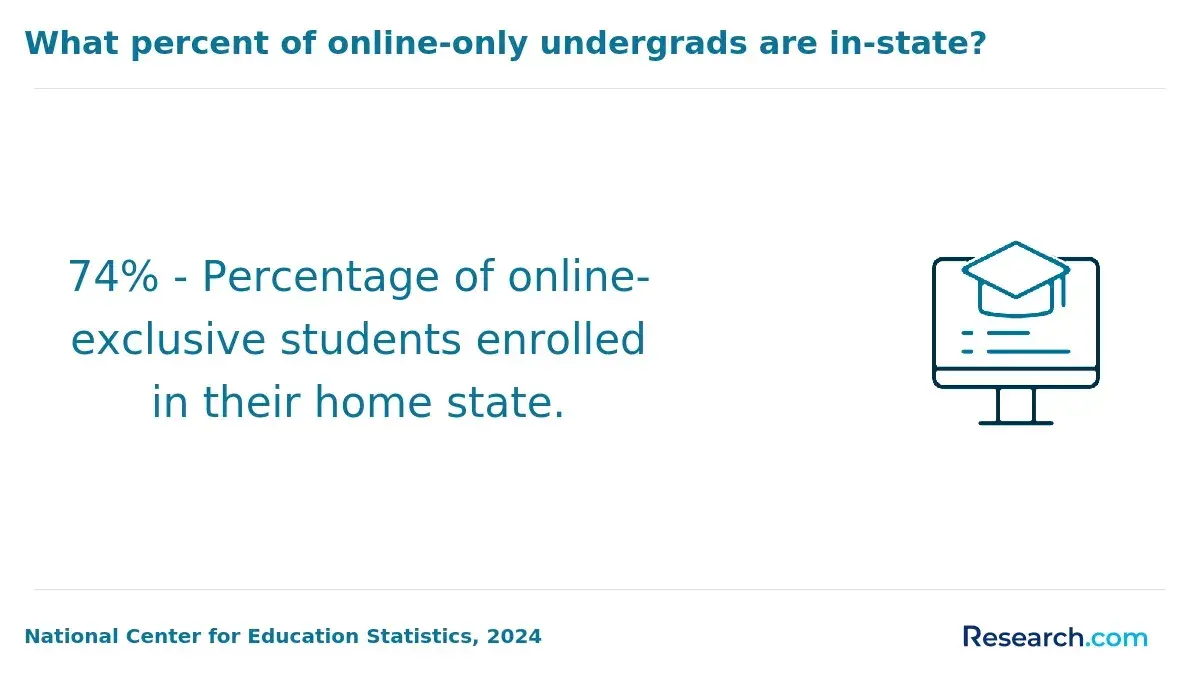
The ROI of attending Arizona State University's online MS in Technical Communication largely depends on balancing tuition costs against realistic income prospects and debt management. With a total annual cost approaching $35,000, the program represents a significant financial commitment compared to median starting salaries of about $62,668 for graduates. This salary level, which reportedly remains stable over a decade, offers an earnings-to-debt ratio of over 3x based on median student debt near $19,500, suggesting sustainable repayment capacity under typical circumstances.
However, variations in financial aid outcomes, including scholarships and grants, can materially shift this calculus. Students who reduce their upfront expenses through external funding or employer sponsorship improve their net ROI considerably. On the employment side, graduates who secure roles with leading technology firms, government agencies, or major corporations tend to benefit from accelerated salary growth linked to expanding responsibilities within technical communication, especially over five to ten years.
Prospective students should weigh the certainty of these employment pathways against program costs and debt burdens. The program's value proposition hinges on whether the degree facilitates access to higher-paying positions whose stability and growth justify the expense, rather than on the tuition sticker price alone. For those without access to aid or high-tier employers, the ROI could be notably narrower or delayed.
Satisfaction among students in arizona state university's online MS in Technical Communication program tends to hinge on how well institutional support offsets the common challenges of remote graduate study. The program's graduation rate reflects a moderately effective learning environment, but its real value appears tied to flexible structures that accommodate working professionals balancing competing demands.
Employers often expect candidates to demonstrate practical communication skills paired with real-world digital collaboration experience, so how students navigate academic pressures alongside personal obligations significantly influences their perception of value. The student culture emphasizes interconnectedness through dedicated online organizations and mentoring initiatives, which help counteract isolation-a frequent obstacle in virtual programs.
Resources such as virtual advising and peer networking serve important roles in maintaining engagement and preventing attrition. However, the intensity of coursework combined with the need for self-discipline can strain some learners, especially those without robust external support. This balance between accessibility and rigor shapes overall satisfaction more than program prestige alone.
The ability to secure employment after graduation often hinges significantly on the career support infrastructure provided by the institution. For students pursuing the online MS in Technical Communication at Arizona State University, this can mean the difference between delayed job searches and timely placement aligned with their skill set. Research indicates that 85% of graduates from technical communication programs attribute their successful employment to strong institutional career resources.
This underscores the importance of evaluating how ASU assists its online technical communication graduates during their job search. Below are key opportunities ASU provides that enhance employment prospects:
- Virtual Career Fairs: Regularly hosted online fairs target technology-focused and remote roles, enabling students to meet employers and gain insights into current industry hiring trends. These events allow early connection ahead of graduation deadlines.
- Dedicated Job Portal: ASU maintains a job placement platform tailored to technical communication roles. This portal is continuously refreshed with relevant openings, facilitating direct employer-student engagement and reducing search friction.
- Alumni Mentorship Network: With over 600,000 active members, ASU's alumni network links students to seasoned professionals for guidance on real-world career pathways, making networking and skill refinement more accessible.
- Online Career Workshops: Targeted sessions on resume optimization, interview techniques, and job market strategies prepare students to meet employer expectations specific to technical communication careers.
Students weighing programs should consider how these structured supports compare to offerings from other institutions. Effective career services can accelerate employment outcomes, a critical factor in assessing the return on investment for an online technical communication degree. For broader context on affordable program options, see affordable masters degrees.
Career outcomes provide critical insight when assessing whether an online MS in Technical Communication from Arizona State University is a sound investment. Graduates must weigh practical earning potential against the realities of job placement rates and the local demand for technical communication skills. For example, professionals who can translate complex technical data into accessible language often find opportunities in technology and healthcare sectors-fields where clear communication can directly impact product usability and patient outcomes.
Considering career advancement opportunities for ASU MS in Technical Communication graduates is essential when balancing education cost, time commitment, and prospective roles. Here are some typical positions held by recent alumni:
- Technical Writer: Specialists who produce user manuals, software documentation, and procedural guides. They simplify technical information and typically earn salaries aligning with mid-range communication roles.
- Content Strategist: Professionals who plan and manage digital content to optimize user engagement and brand messaging. This role requires a strong grasp of both communication theory and practical content development.
- Communication Specialist: Experts tasked with developing strategic communication plans that support organizational goals, often bridging gaps between technical teams and broader audiences in industries like engineering and healthcare.
Salary benchmarks for related fields-such as communication and media studies or rhetoric and composition-suggest average earnings range from approximately $40,000 to $50,000, offering a reference point for expected compensation. Given the steady demand for skilled communicators who can effectively interface between technical experts and consumers, graduates from this program may find roles with meaningful career progression.
Those evaluating the program should also consider how these outcomes relate to overall job placement rates and sector-specific hiring trends. Prospective students can explore options among online colleges with open enrollment and no application fee as part of weighing the broader educational landscape.
The decision to pursue arizona state university's online MS in technical communication hinges on whether the program aligns with your specific career and academic objectives. Programs often claim broad applicability, but real value emerges only when the curriculum, delivery, and networking fit your professional context.
If your goal is to transition into roles emphasizing user experience design or information architecture, the course offerings should reflect that priority. Evaluating whether arizona state university's online MS in Technical Communication matches career goals involves multi-faceted scrutiny. Consider these critical factors:
- Curriculum Relevance:The coursework should directly support your target industry or role, ensuring practical application rather than theoretical knowledge. Review course descriptions for technical writing, user experience, and information design components.
- Program Flexibility:Check if asynchronous delivery suits your schedule, especially if balancing work or family commitments. Mandatory synchronous sessions can limit flexibility and affect study-life integration.
- Faculty Experience and Networking:Access to faculty with industry backgrounds and opportunities for mentorship can differentiate this program in terms of career advancement.
- Accreditation and Recognition:Regional accreditation affects employer perception and your ability to pursue certifications or further education.
- Student Support Services:Career counseling, technical help, and writing center resources shape your practical success and degree completion experience.
For those weighing multiple options for remote study, this is one aspect to consider within broader planning; exploring work from home degrees that pay good money can provide additional perspective. Overall, determining fit demands an honest assessment of how these elements relate to your intended career trajectory and demands in the evolving workforce.
What Graduates Say About Arizona State University's Online MS in Technical Communication Program
- Zachary: "Completing my MS in technical communication at Arizona State University gave me a solid framework for understanding complex content workflows, but what really made a difference was their emphasis on real-world projects. The program's flexibility allowed me to continue working while building a portfolio that employers actually cared about. I've noticed in hiring that certifications and demonstrated experience often outweigh formal licensure, so having that applied knowledge set me apart when moving into a remote content strategist role."
- Tanner: "Arizona State University's MS in technical communication was pivotal when I decided to pivot from journalism to technical writing. The coursework was challenging, especially balancing it with a part-time internship, but it gave me the foundational skills I needed. In my experience, breaking into senior roles remains tough without additional certifications, but the program's network and career support helped me land a position focused on regulatory documentation that wouldn't have been accessible otherwise."
- Vincent: "From a pragmatic standpoint, my time at Arizona State University for the MS in technical communication highlighted how employers are looking for candidates who can adapt in fast-changing industries. The program's online format was perfect for maintaining my full-time job while gaining skills tailored to digital content management and UX writing. While salary growth can be incremental without licensure, the degree opened doors to better projects and gave me flexibility to negotiate remote work arrangements that fit my family life."
Other Things You Should Know About Degrees
The MS in technical communication at Arizona State University is designed to be flexible, but the rigor can still be challenging for full-time workers. Courses often require intense writing assignments, peer reviews, and project work that demand consistent weekly commitment. Prospective students should realistically evaluate their current work and personal schedules, as balancing this with the program's demands may necessitate reducing other obligations to maintain performance and avoid burnout.
While the curriculum includes theory, the program emphasizes applying skills through hands-on projects and case studies that mirror workplace scenarios. However, opportunities for internships or direct industry engagement are limited in the fully online format. Students seeking extensive real-world experience should consider supplementing the program with external internships or freelance projects to build a robust portfolio.
Arizona State University’s online MS in Technical Communication requires 30 credit hours to complete. Students usually finish by taking core courses, elective or capstone options, and meeting any graduate standing conditions set by the university before graduation.
- All Online Master's in Technical Communication Programs (2025 Update) https://www.mastersincommunications.com/faqs/online-masters-in-technical-communication
- Top 10 Master's Programs in Technical Communication https://proedit.com/top-10-masters-programs-in-technical-communication/
- Master of Science in Technical Communication at Arizona State University | UniHunt https://unihunt.org/courses/united-states/arizona-state-university/master-of-science-in-technical-communication
- Master of Science in Technical Communication Management https://financialaid.mercer.edu/cost-of-attendance/graduate-and-professional/school-of-engineering/master-of-science-in-technical-communication-mgmt/
- Top 10 Rankings of Arizona State University - Smart Edu Link https://www.smartedulink.com/blog-details/top-10-rankings-of-arizona-state-university/r/recS9FgQ3Hp1zDOWC
- Technical Communication https://www.mtu.ie/courses/crkindd9/
- Master’s in Communication in Arizona https://www.mastersincommunications.org/state/arizona/
- Arizona State University (ASU) https://www.princetonreview.com/college/arizona-state-university-1023376