2027 Cloud Computing Degree Growth by State: Where Interest Is Rising the Fastest

Co-Founder and Chief Data Scientist
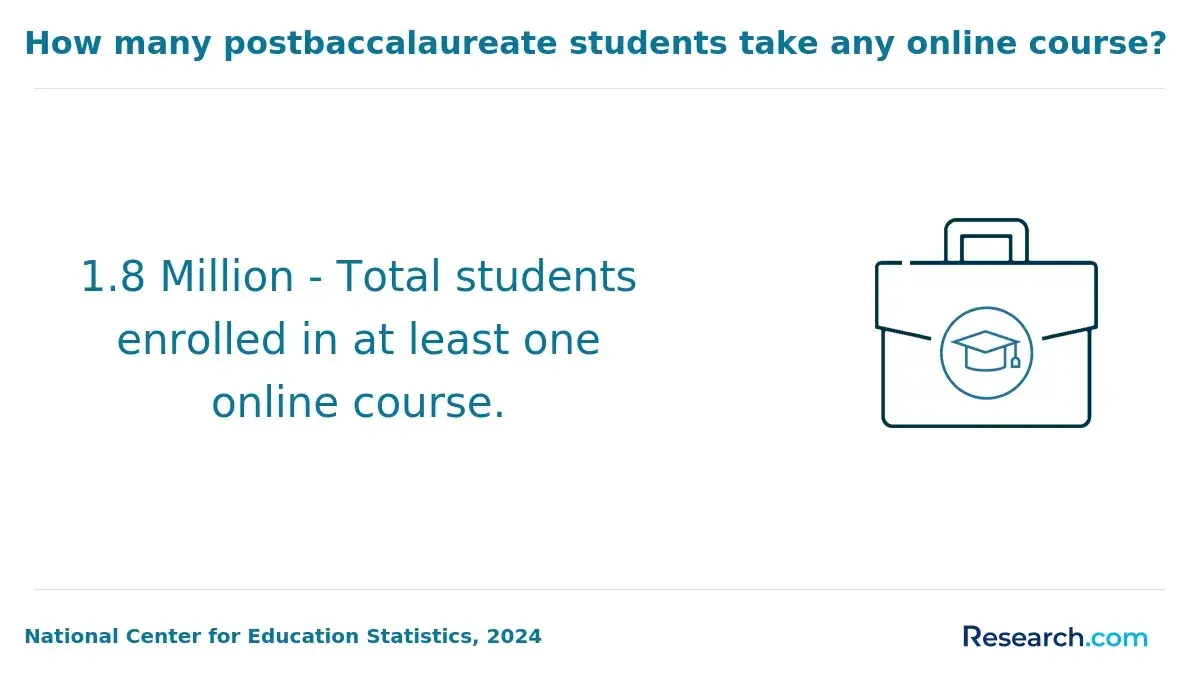
States with the fastest growth in cloud computing degree enrollment reflect distinct economic and regulatory climates shaping their workforce development strategies. For example, regions with expanding tech hubs and flexible online program offerings attract diverse adult learners balancing careers and education. Recent data from the National Center for Education Statistics highlights a 15% increase in online graduate enrollment nationwide, indicating rising demand for accessible options that accommodate working professionals.
Understanding these patterns reveals how local policies, institutional capacity, and demographic shifts influence both the availability and appeal of cloud computing education, helping prospective students align their choices with evolving job markets and regional opportunities.
Key Things to Know About the State Where Cloud Computing Degree Interest Is Rising the Fastest
- Ohio's rapid cloud computing enrollment growth is driven by expanding tech hubs balancing cost of living with employer demand, though slower credentialing delays workforce entry, requiring students to weigh time-to-employment against regional opportunity.
- Florida's regulatory emphasis on online program approval facilitates broader adult learner access, increasing workforce diversity but challenging institutions to maintain consistent employer-valued skill standards amid rapid enrollment surges.
- Washington state's demographic influx of tech professionals coincides with rising cloud computing degrees, reinforcing employer preference for local graduates while creating competitive pressure that might limit out-of-state enrollment impact.
- Which States Are Seeing the Fastest Growth in Cloud Computing Degree Enrollment? States Seeing the Fastest Growth in Enrollment
- What Does Enrollment Growth in Cloud Computing Programs Actually Tell Prospective Students? Interpreting Enrollment Growth
- How Do Regional Job Market Conditions Drive Cloud Computing Degree Demand by State? Role of Regional Job Market Conditions
- Which States Have Added the Most New Cloud Computing Degree Programs in the Last Five Years? States That Have Added the Most Programs
- How Has the Rise of Online Education Changed Which States Lead in Cloud Computing Program Interest? Role of Online Education in Increased Program Interest
- What Demographic Trends Are Fueling Cloud Computing Degree Growth in Specific States? Demographic Trends Fueling Growth
- How Do State Funding Levels for Cloud Computing Services Influence Degree Program Growth? Role of State Funding Levels
- Which States Are Emerging as Unexpected Leaders in Cloud Computing Degree Interest? States Emerging as Unexpected Leaders in Growth
- How Does State Population Size Affect the Interpretation of Cloud Computing Degree Growth Data? Role of State Population Size
- What Role Do State Licensing Requirements Play in Driving or Suppressing Cloud Computing Enrollment? Role of State Licensing Requirements
Which States Are Seeing the Fastest Growth in Cloud Computing Degree Enrollment?
The surge in enrollment for cloud computing degree programs reflects shifting labor market demands and the increasing complexity of hybrid and distributed IT environments. Growth is not evenly distributed, and students choosing where to study should consider how state-specific economic conditions and employer networks shape these enrollment trends. National data from IPEDS confirm a concentrated rise in several states that are aligning educational offerings with local workforce needs, signaling stronger job placement prospects in those regions for graduates willing to adapt to the prevailing industry dynamics.
- Utah: Reflects one of the fastest growing cloud computing degree programs by state, driven by a tightly knit tech sector and state policies bolstering STEM education access. This environment supports close collaboration between academia and employers, enhancing internship pipelines and skills alignment.
- Virginia: Combines federal agency proximity with private institutions expanding cloud-focused curricula. The state's growth benefits students targeting advanced government and defense sector cloud roles but may require navigating strict security clearance pathways.
- Texas: Offers broad institutional choices statewide with major urban investments in cloud infrastructure workforce development. Graduates here face tradeoffs between larger, competitive markets and opportunities within fast-growing mid-sized tech hubs.
- North Carolina: Growth is tied to the Research Triangle Park's influence and curricular strategies designed around industry certification standards. This alignment can streamline professional credentialing but may favor students aiming for regional employers over national firms.
- Colorado: Enrollment gains stem from its startup ecosystem and emphasis on experiential learning models. However, students should weigh the variable scale of opportunities in this more entrepreneurial environment against more traditional corporate pathways found elsewhere.
These states span diverse regions-from the Eastern Seaboard to the Mountain West and the South-indicating that accelerated interest in cloud computing graduate studies is geographically dispersed rather than coastal-centric. The following analysis will unpack how regional economic growth, institutional capacity, certification alignment, and employer demand collectively shape these enrollment patterns.
Prospective students must evaluate enrollment momentum in tandem with program quality and local labor market conditions to optimize their investment in graduate education, particularly in a field as dynamic as cloud computing. For those exploring intersections with adjacent fields, understanding how cloud computing integrates with other emergent technology degrees, such as AI degrees, may also influence program selection and career adaptability.
What Does Enrollment Growth in Cloud Computing Programs Actually Tell Prospective Students?
Enrollment growth in cloud computing programs often reflects heightened market interest but does not inherently signify educational quality or favorable career outcomes. Prospective students must look beyond headline numbers to avoid choosing programs that inflate enrollment through weaker admissions or aggressive marketing yet lack rigorous support or industry alignment.
Raw enrollment data provide an initial gauge of demand but require contextualization through multiple outcome measures to assess program value effectively. Factors such as retention and graduation rates reveal whether students are supported to complete their studies, while job placement outcomes highlight real workforce integration. Licensure and certification pass rates offer important signals of practical readiness, especially in programs tied to credentialing standards.
Programs experiencing growth due to genuine instructional strength and labor market responsiveness tend to maintain or improve these metrics, contrasting sharply with those prioritizing headcount over quality. Lowered admission standards may increase cohort size but risk diluting preparedness and employer confidence in graduates. Likewise, heavy recruitment driven by marketing does not guarantee fit or educational depth, making alumni and current student feedback critical for nuanced insights.
Enrollment growth should be one of several data points in evaluating cloud computing programs, paired with direct outreach to stakeholders for a grounded perspective on curriculum rigor, career support, and regional economic factors influencing graduate outcomes.
- Retention: High enrollment alone may mask struggles with curriculum difficulty or student engagement, increasing dropout risk despite initial demand.
- Graduation Rates: Consistent or rising completion rates alongside growth suggest effective instructional quality and degree support systems.
- Job Placement Outcomes: Programs tied to industry partnerships that translate enrollment surges into employment gains reflect labor market relevance.
- Admission Standards: Relaxed criteria can inflate numbers at the expense of cohort preparedness, potentially undermining long-term career success.
- Licensure and Certification Pass Rates: Strong pass rates indicate program emphasis on practical readiness, essential for professional credibility.
- Recruitment Practices: Aggressive marketing may boost numbers but does not assure educational fit or quality.
- Alumni and Current Student Feedback: First-hand accounts provide critical real-world perspective on program alignment with career goals.
- Contextual Regional Factors: Local economic conditions and workforce needs influence where growth is most impactful for graduates.
How Do Regional Job Market Conditions Drive Cloud Computing Degree Demand by State?
Variations in regional labor markets significantly influence demand for cloud computing degrees, as localized economic priorities and employer needs shape both enrollment and career outcomes. For example, a recent graduate pursuing a cloud computing program in Texas may find a markedly different job landscape than one studying in Washington, affecting internship availability and salary negotiation leverage. Understanding these state-by-state job market impacts on cloud computing enrollment requires examining distinctive workforce drivers such as healthcare expansions, public sector investments, and education-related IT hiring, all of which create tangible pathways for credentialed professionals.
- Texas: Boasting some of the fastest growth in healthcare combined with major public sector digital infrastructure projects, Texas's urban centers like Austin and Dallas-Fort Worth report significant openings for cloud computing specialists, propelling higher graduate enrollment linked to these sectors' needs.
- Virginia: The presence of federal government technology agencies and large-scale school district cloud initiatives have surged demand for cloud professionals, directly influencing enrollments at regional universities aligned with these employer clusters.
- California: Despite intense competition, steady expansion of the tech industry and incentives for cloud innovation sustain recruitment of cloud computing graduates, particularly in hubs such as the Bay Area and Southern California.
- Florida: Rapid growth in public sector IT modernization and healthcare digital transformation drives demand for cloud certification, with state workforce programs encouraging credential attainment among prospective students.
- Washington: Hosting major cloud service headquarters and benefiting from both private tech firms and public sector cloud initiatives, Washington sees a strong rise in graduate program enrollment around Seattle due to localized workforce demand.
Prospective students and career changers must critically evaluate workforce projections specific to their intended state since regional market strength influences practical aspects including access to internships, industry partnerships, and initial salary negotiation power. For instance, a robust cloud computing degree demand driven by regional job markets often corresponds with richer experiential learning opportunities, while weaker markets may limit such advantages. Researching these localized employment trends alongside program selection, potentially including related fields offered through online counseling programs, equips learners to make informed decisions aligned with realistic career trajectories rather than relying solely on program prestige or broad market assumptions.
Which States Have Added the Most New Cloud Computing Degree Programs in the Last Five Years?
States expanding cloud computing degree programs rapidly reflect a mix of economic drivers, institutional incentives, and regional workforce demands rather than uniform growth. Navigating this landscape requires assessing not just where programs are added but how those expansions align with employer expectations, delivery modes, and competitive dynamics that affect student outcomes and financial aid availability.
- Texas: Leading program launches, Texas benefits from robust tech growth and targeted state grants aimed at workforce shortages. Schools often introduce diverse online options and scale enrollment to meet high-demand urban markets, but students must weigh the balance between program variety and potential crowding for scholarships.
- Florida: Growth here largely comes from universities expanding online tracks to attract nontraditional and re-entering learners. Competitive local ecosystems push programs into specialized tracks, yet this increases the variance in tuition rates and curriculum focus, challenging students to discern quality and relevance.
- California: Growth by capacity expansion at flagship and community colleges reflects the state's competitive innovation environment. Students encounter increasingly niche specializations designed to align closely with industry needs, although such differentiation can complicate direct program comparisons within the state.
- Washington: Institutions leverage Seattle's tech economy and state workforce shortage designations to boost offerings and funding access, emphasizing employer-aligned skill sets. The regional tech ecosystem's intensity means graduates face both enhanced opportunity and heightened expectations for practical competencies.
- Virginia: An uptick in fully online programs targets remote and military-affiliated students harnessing statewide incentives. Prospective enrollees need to consider how program expansion might affect cohort quality and competitive financial aid distribution amid increasing options.
Growth incentives such as accreditation-linked benefits and workforce shortage grants encourage institutions to diversify and enlarge cloud computing programs. However, expanded choices often translate into tougher financial aid competition and necessitate careful intra-state program comparisons to identify the best fit in tuition, curriculum depth, and market reputation.
The rapid increase in offerings demands scrutiny of whether programs emphasize practical skills aligned with current employer needs or primarily pursue enrollment growth. Students, especially career changers and versatile professionals, should prioritize curricula with proven outcomes over sheer program availability.
A graduate recalled navigating admissions amid this expansion: initially applying to several programs in different states, they experienced rolling decisions that staggered offers over months, causing uncertainty. The delay compelled them to balance acceptance deadlines carefully while monitoring evolving program modalities and funding opportunities. In the end, selecting a program with both online delivery and clear employer partnerships provided reassurance, but the drawn-out process highlighted the complexity applicants face when more programs appear rapidly within concentrated regions.
How Has the Rise of Online Education Changed Which States Lead in Cloud Computing Program Interest?
The rise of fully online cloud computing degree programs has upended the traditional state-based dynamics of graduate enrollment by eliminating the constraints of physical proximity. Where students once prioritized local or regional programs accessible by commuting or relocation, the landscape now favors states that cultivate recognized, affordable, and accredited online offerings. These states emerge as national education hubs, drawing significant out-of-state applicants who assess programs by reputation and cost rather than geography.
For example, a midwestern state with competitive tuition and strong industry-aligned curricula can attract a nationwide student body, reshaping enrollment patterns and intensifying institutional competition on a broader scale. However, this surge in online accessibility brings practical considerations: state-specific licensing and certification requirements continue to affect graduates' employment options, making due diligence on regulatory alignment essential before committing to any program.
- Decentralization: Top online programs attract learners nationwide, allowing states with robust virtual infrastructures and cost advantages to compete beyond their local markets.
- Reputation and Accreditation: Students prioritize programs with proven outcomes and recognized credentials to enhance employability across diverse regions.
- Economic Factors: Tuition affordability influences enrollment decisions, enabling financially constrained students to select institutions based on price competitiveness rather than location.
- Regulatory Variability: State-specific licensure rules require students to verify alignment with their intended practice location, influencing program suitability despite broad access.
- Competitive Landscape: Institutions in traditionally less populous states increasingly function as national providers, driving demands for sustained program quality and relevance to a dispersed student body.
What Demographic Trends Are Fueling Cloud Computing Degree Growth in Specific States?
Identifying where cloud computing degree enrollment growth is concentrated requires more than national statistics; it demands analysis of state-specific demographic factors that shape demand for cloud services and thus influence educational pathways. Local workforce needs driven by demographic shifts determine which states see sustained program expansion versus temporary interest surges.
For example, states like Florida face workforce pressures from an aging population requiring upgraded healthcare IT systems, entrenching demand for graduates skilled in cloud technologies supporting telehealth and secure patient data management. Understanding these nuances can shape decisions on where to pursue cloud computing education aligned with long-term market stability.
- Population Aging: In states such as Florida and Arizona, an aging demographic drives modernization of healthcare and financial infrastructure. This creates persistent demand for professionals proficient in cloud solutions, reflecting in steady enrollment growth as educational programs respond to regional employer needs.
- Immigration Patterns: Tech-centric states including California and Texas benefit from inflows of younger, skilled immigrants who fuel innovation ecosystems reliant on cloud platforms. Institutions in these states often expand cloud computing offerings to match robust regional labor market demand.
- Urbanization: Rapid urban growth in places like Colorado and North Carolina correlates with burgeoning tech startups and business clusters. This heightened urban demand for scalable cloud services boosts interest and enrollment in metropolitan-based programs.
- K-12 Enrollment Growth: Rising K-12 populations in states like Nevada and Georgia signal enhanced STEM education investment, fortifying local talent pipelines that feed into cloud computing degree programs over the medium to long term.
- Mental Health Diagnoses: Increased mental health diagnoses in Oregon and Washington lead healthcare providers to implement cloud-enabled digital health platforms. This shift heightens demand for skilled cloud computing practitioners, reflecting in regional program growth.
These state-specific demographic trends exemplify why cloud computing degree enrollment growth is uneven and localized rather than uniform nationwide. Prospective students evaluating cloud computing degree enrollment growth by state demographic trends should weigh these variables carefully to judge where demand will sustain rather than ebb. Regions showing alignment between demographic shifts and economic investment in cloud infrastructure offer stronger career resilience. For individuals balancing educational investment with employment outcomes, integrating such demographic insights alongside workforce projections can inform more durable decisions.
For those considering degree programs intersecting business and technology, exploring AACSB accredited online MBA programs may complement technical skills developed through cloud computing studies, broadening professional versatility and marketability.
How Do State Funding Levels for Cloud Computing Services Influence Degree Program Growth?
State funding for cloud computing services directly shapes the pace and sustainability of degree program growth by influencing local labor market conditions and institutional incentives. States that channel substantial resources into publicly funded cloud infrastructure-whether through Medicaid reimbursements for digital health platforms, grants for school-based mental health initiatives, or support for community health centers-create stable demand for cloud-skilled professionals.
This environment encourages educational institutions to expand or launch new cloud computing degree offerings aligned with employer needs. In contrast, states with weak or inconsistent funding frequently see cloud program stagnation, as graduates often relocate to better-funded areas with more vibrant job markets, reducing incentives for program investment locally.
For prospective learners, tracking recent legislative appropriations for cloud computing services offers insight into the future robustness of local career opportunities and the likelihood of program growth. Additionally, verifying in-state employment rates of alumni after five years helps assess whether programs deliver sustainable workforce integration under current funding regimes.
- Investment: Consistent or growing state funding for cloud services underpins vibrant academic programs by signaling reliable employer demand.
- Employment Pipeline: Well-funded states foster ecosystems where employers continually seek cloud computing expertise, attracting students to these programs.
- Graduate Retention: Limited funding drives graduates to relocate, weakening local program viability and long-term market development.
- Legislative Insight: Evaluating a state's recent legislative actions provides prospective students with crucial clues about market stability and program growth prospects.
- Program Transparency: Inquiring about alumni retention and employment outcomes within the state reflects a program's alignment with regional labor conditions.
One graduate recalls planning the application process amid uncertain program availability in their home state, where cloud computing funding had been inconsistent. They hesitated to commit early as program expansions were announced sporadically, affecting admission timelines. This uncertainty compelled a strategic delay in applying until clearer funding commitments emerged and programs released updated information. The graduate's experience underscores how state funding fluctuations impact not only program growth but also a prospective student's ability to prepare effectively and secure placement within desired graduate pathways.
Which States Are Emerging as Unexpected Leaders in Cloud Computing Degree Interest?
Some states are emerging as unexpected leaders in cloud computing degree interest, challenging traditional regional assumptions about where tech education thrives. This shift reflects not only new educational investments but also shifting economic priorities and policy frameworks that directly influence workforce supply.
Choosing a program in these states can yield tangible benefits such as less competitive admissions and expanded hiring incentives, though prospective students must weigh these advantages against the risks posed by reliance on temporary funding or policy shifts.
- Ohio: Ohio's growth in cloud computing degree enrollment stems from targeted workforce development grants tied to manufacturing automation and smart logistics sectors. Its participation in interstate educational compacts has eased cross-state credential recognition, making it a hub for students seeking flexible, regionally portable qualifications.
- Florida: Florida's expanding healthcare industry is driving demand for cloud computing skills integrated with health informatics, a rarely capitalized niche. State investment in tech-focused programs aims to meet this demand, but the state's higher education funding volatility means program stability remains a concern.
- Arkansas: Arkansas has seen rapid enrollment growth due to aggressive scholarships for rural students and industry partnerships in data centers supporting cloud infrastructure, reflecting an effort to diversify an economy long reliant on agriculture and manufacturing.
- Montana: Montana's rise is linked to remote work trends and state incentives for tech companies, attracting students who value lower tuition and a less congested job market. However, limited employer density means graduates may need to relocate or work remotely initially.
- New Mexico: With recent expansion of accredited online cloud computing degree options and tribal lands' involvement in digital infrastructure projects, New Mexico's enrollment growth signals a blending of culturally relevant education and emerging economic sectors.
Enrollment data suggests that many of these states experienced peak application surges during the 2023-2024 admissions cycle, reflecting a broader shift toward accessible and practical cloud computing pathways outside traditional tech hubs. This trend intersects with growing interest in easy online MBA programs, indicating an overall appetite for flexible graduate education models among working adults.
Understanding the cloud computing degree growth by state requires recognizing that fastest rising cloud computing degree enrollment states may not always align with established tech epicenters but rather with policy-driven expansions tied to specific workforce needs. Students considering geographic mobility or return-to-school strategies should evaluate the sustainability of these growth drivers alongside traditional market signals to optimize their educational and employment outcomes.
How Does State Population Size Affect the Interpretation of Cloud Computing Degree Growth Data?
Raw enrollment growth in cloud computing degree programs often obscures valuable insight without accounting for state population size. For example, a large state adding 2,000 new graduates annually might appear dominant in market expansion, yet its vast population lessens the tangible per-capita impact on workforce capacity. Conversely, a smaller state contributing just 300 graduates could represent a more significant expansion relative to its population, signaling stronger local demand and potentially less saturated job markets. This illustrates why interpreting cloud computing enrollment trends by state size is crucial for practical workforce analysis and decision-making.
Per-capita growth metrics, which compare new graduates against total population, better reflect meaningful market growth and employer demand. High absolute numbers alone may mask saturated markets where competition among licensed professionals is intense, leading to tougher early-career hiring conditions. Candidates evaluating multiple states should prioritize regions where the ratio of licensed cloud computing professionals to residents falls below national averages, as these underserved areas frequently offer better opportunities for employment and skill development.
- Population Size: Larger states may generate high graduate numbers, but per-capita rates reveal the depth of workforce penetration more accurately.
- Workforce Saturation: The proportion of licensed cloud computing professionals per resident signals underserved versus saturated markets.
- Absolute vs. Relative Growth: Raw figures show scale, while per-capita metrics indicate where demand genuinely outpaces supply.
- Regulatory Complexity: States with stringent certification acceptance criteria can slow graduate entry, regardless of enrollment growth.
- Market Demand: State economies focused on tech infrastructure display distinct growth shaped by employer drivers and licensing policies.
This nuanced interpretation helps avoid overestimating opportunities in populous states while uncovering promising, less crowded markets. Students and professionals considering geographic flexibility should integrate population impact on cloud computing degree growth alongside workforce saturation when assessing career prospects.
What Role Do State Licensing Requirements Play in Driving or Suppressing Cloud Computing Enrollment?
The complexity and transparency of state licensing requirements fundamentally shape enrollment trends in graduate cloud computing programs. Candidates weigh not only tuition and curriculum but the downstream impact of licensure hurdles on employability and salary prospects. Consider two professionals: one in a state with clear, stable licensing pathways where employers commonly require certification, and another where requirements shift unpredictably and opaque processes delay credentialing.
The first is far more likely to pursue advanced study locally, anticipating a 10-15% salary premium linked to licensed status, while the latter may postpone or relocate to sidestep licensing bottlenecks. This pattern guides where universities invest in program expansion and where labor markets develop more robust pipelines of cloud computing talent.
- Clarity: States with well-documented, straightforward licensing processes enable prospective students to accurately forecast total time, costs, and post-degree steps, reducing uncertainty that often suppresses enrollment.
- Stringency: Overly complex or punitive licensing conditions disproportionately discourage working professionals and career changers who must balance intensive licensure demands with job and family responsibilities.
- Employer Influence: Licensing boards influence demand indirectly by setting bar expectations; employers in states with clear licensure frameworks typically mandate or prioritize licensed candidates, linking licensure status directly to hiring and compensation decisions.
- Feedback Loop: Strong licensure systems stimulate program growth, which cultivates advocacy for ongoing regulatory refinement, thereby sustaining state-wide appeal to prospective students and employers alike.
- Practical Advice: Candidates should evaluate the entire licensure pathway in target states before enrolling-not just academic prerequisites-comparing these requirements across states to align with realistic career objectives and geographic mobility.
References
- Cloud computing in population-scale genomics: Strategies, challenges, and future directions https://www.e-kjgm.org/journal/view.html
- How Student Engagement Software Drives Enrollment Growth https://moderncampus.com/blog/marketing-plan-boost-student-enrollment.html
- Network Readiness Index introduces indicator with Amazon Web Services (AWS) on the public cloud computing industry https://networkreadinessindex.org/network-readiness-index-introduces-indicator-on-the-public-cloud-computing-industry/
- New Cloud Computing Employers to Watch in 2026: UK and Global Companies Powering the Digital Economy | Cloud Computing Jobs https://cloudcomputingjobs.co.uk/career-advice/new-cloud-computing-employers-to-watch-in-2026-uk-and-global-companies-powering-the-digital-economy
- Nearly 9 in 10 Colleges Plan to Expand Online Programs as Student Demand Soars, New Report Finds https://encoura.org/resources/press-room/Nearly-9-in-10-Colleges-Plan-to-Expand-Online-Programs-as-Student-Demand-Soars-New-Report-Finds
- Cloud Computing for Higher Education Institutes: Benefits and Use Cases https://goedmo.com/blog/cloud-computing-for-higher-education-institutes-benefits-and-use-cases/
- Labor Market Trends: Digital Jobs https://www.jff.org/idea/labor-market-trends-digital-jobs/
- Certificate Programs in Computer Networks, Security, and Cloud Computing in the USA - A Review https://www.e-mentor.edu.pl/artykul/index/numer/71/id/1313
- Cloud Computing in Higher Education | Britto | Library Student Journal https://www.librarystudentjournal.org/index-php/lsj/article/view/289/321/
- Identifying and assessing the cloud computing implementation drivers for sustainable building projects - Scientific Reports https://www.nature.com/articles/s41598-025-24294-z
Other Things You Should Know About Cloud Computing
Employers in states with rapidly increasing interest in cloud computing degrees tend to prioritize candidates with hands-on experience in hybrid and multi-cloud environments. This expectation reflects broader industry trends where practical skills in managing diverse cloud platforms outweigh purely theoretical knowledge. Consequently, graduates from programs emphasizing project-based learning and internships aligned with local tech firms generally enjoy stronger job placement prospects. For students, this means selecting programs that facilitate real-world exposure and local employer connections is key to navigating competitive job markets in these states.
States with lower tuition rates but high living costs sometimes see slower enrollment growth despite affordable education because overall expenses remain a barrier. Conversely, states with moderate living costs and mid-range tuition often attract more students, as the balance between education and living expenses is manageable. Prospective students should weigh these factors carefully; enrolling in a program in a state with rising demand but unaffordable living costs may reduce net financial benefit post-graduation. Prioritizing programs that offer scholarships or part-time options in states with high job growth can mitigate this tradeoff effectively.
Rising enrollment in a state signals expanding local educational infrastructure, but it also indicates growing competition for internships and entry-level roles. Prospective students should interpret high growth not only as opportunity but also as a prompt to confirm that programs offer differentiated value-such as specialized tracks or employer partnerships. Furthermore, fastest-growing states may be experiencing short-term surges influenced by specific industries or policy incentives, so understanding the sustainability of this growth is crucial before committing. Students with geographic flexibility should consider whether the state's job market aligns with their long-term career goals, not just enrollment trends.
Rural and underserved states often pursue online and hybrid cloud computing degree programs to overcome geographic and infrastructure challenges. These initiatives aim to develop local talent pools that can retain graduates and support remote work, but program quality and employer recognition can vary significantly. For students in or targeting these regions, prioritizing programs with accreditation and tangible partnerships with regional employers is critical to avoid isolates from broader industry networks. While these expansions help fill workforce gaps, students should remain vigilant about potential limitations in hands-on training and local job availability post-graduation.