2027 Cloud Computing Tuition Inflation Report: How Fast Are Program Costs Rising?

Co-Founder and Chief Data Scientist
Tuition inflation within cloud computing programs reflects unique pressures linked to rapid technological advances and evolving workforce demands. Institutions face rising costs to maintain up-to-date infrastructure, including secure data centers and virtualization labs, which are critical for hands-on learning. Accreditation bodies increasingly emphasize practical competencies, prompting investments in specialized faculty and advanced curricula.
Data from the National Center for Education Statistics (2024) highlights a 12% enrollment surge in cloud computing courses, intensifying resource strain and contributing to program price adjustments. Notably, the prevalence of mid-career professionals seeking re-skilling shapes both program design and tuition structures. These trends reveal shifting educational priorities influencing cloud computing tuition growth and accessibility.
Key Things to Know About Cloud Computing Tuition Inflation
- Tuition for cloud computing programs rose 8% in 2024, outpacing average education inflation and forcing students to weigh higher upfront costs against uncertain credential value.
- Employers increasingly seek hands-on experience alongside formal credentials, suggesting rising tuition may not directly translate into improved job prospects without complementary skill development.
- Faster cost escalation pressures students to enter programs earlier or seek alternative certifications, highlighting a timing tradeoff between immediate access and potential long-term debt burdens.
- Key Things to Know About Cloud Computing Tuition Inflation Key Things to Know About Cloud Computing Tuition Inflation
- How Much Has Cloud Computing Tuition Increased Over the Past Decade? How Much Has Cloud Computing Tuition Increased Over the Past Decade?
- How Does Cloud Computing Tuition Inflation Compare to Overall Inflation? How Does Cloud Computing Tuition Inflation Compare to Overall Inflation?
- Which Types of Schools Have Experienced the Fastest Cloud Computing Tuition Growth? Tuition Growth by School Type
- What Factors Are Driving Rising Costs in Cloud Computing Degree Programs? Tuition Cost Drivers
- How Does Cloud Computing Tuition Growth Vary by State and Region? Tuition Growth by State
- Are Online Cloud Computing Programs Becoming More Affordable Than Campus-Based Programs? Online Program Affordability
- How Have Financial Aid and Scholarships Changed as Cloud Computing Tuition Has Increased? Impact on Financial Aid and Scholarships
- How Does Rising Cloud Computing Tuition Affect Student Debt After Graduation? Impact on Student Debt
- Do Higher-Cost Cloud Computing Programs Deliver Better Career Outcomes or Earnings? Impact on Career Outcomes
- What Do Current Tuition Trends Suggest About the Future Cost of a Cloud Computing Degree? What Do Current Tuition Trends Suggest About the Future Cost of a Cloud Computing Degree?
How Much Has Cloud Computing Tuition Increased Over the Past Decade?
Data from the National Center for Education Statistics and the U.S. Department of Education's College Scorecard reveal that over the past decade, tuition for cloud computing degree programs in the United States has increased by approximately 35% to 45%, significantly outpacing general inflation in higher education. This growth is notably steeper than the roughly 30% average rise seen in broader public university tuition, reflecting the specialized nature and rising demand for technology-focused programs. The decade-long tuition growth trends for cloud computing degree programs highlight a broader premium placed on STEM-related fields, where institutions often command higher prices to cover cutting-edge curriculum and lab resources.
Several factors contribute to these tuition hikes, including reduced state funding, increased operational expenses, and heightened investment in state-of-the-art cloud technologies and infrastructure. Private universities and specialized tech schools, in particular, report increases closer to 50%, driven by the need to maintain competitive, industry-relevant offerings supported by partnerships and advanced facilities. In contrast, community colleges have seen more modest growth, generally in the 20-25% range, reflecting differences in institutional mission and resource allocation.
For students weighing the cost of cloud computing degrees, these rising expenses underscore the importance of evaluating the return on investment carefully. While demand for cloud computing skills remains robust, the escalating tuition may prompt some to consider alternative qualifications or certifications as more cost-effective routes into the field. Prospective learners should explore flexible options and assess actual career benefits in relation to financial commitments, an approach exemplified by those investigating the best degrees to get online.
How Does Cloud Computing Tuition Inflation Compare to Overall Inflation?
Tuition inflation in cloud computing programs has consistently surpassed the broader U.S. Consumer Price Index inflation, with average yearly increases of 4% to 6%, compared to roughly 3% CPI growth. This divergence highlights how specialized technology fields face unique pricing pressures distinct from general economic inflation. Data from the National Center for Education Statistics and the College Board reveal that cloud computing tuition inflation outpaces even other higher education costs, reflecting the sector's rapid advancement and escalating demand. Exploring regional trends in cloud computing program cost increases further underscores that these tuition hikes are not uniform but influenced by local institutional policies and labor market dynamics.
The structural causes behind this tuition inflation gap include reduced public funding, which has pushed universities to compensate by raising tuition, particularly in expensive STEM and technology disciplines. Higher education institutions also face rising operational costs, including expanded administrative staffs and enhanced student services, alongside critical investments in advanced computing infrastructure and proprietary software licenses. These technology-driven expenses, combined with the need to attract faculty versed in cutting-edge cloud technologies, intensify cost pressures distinct from broader economic factors like energy or housing prices.
For students weighing program choices, this widening gap between cloud computing tuition inflation and general inflation signals heightened affordability challenges and potentially greater reliance on borrowing. The escalating costs may influence decisions on program length, delivery format, and specialization fields. Prospective learners should critically assess how rising tuition interacts with anticipated career outcomes and salary prospects, balancing the demand for cloud skills alongside financial sustainability concerns-such as those faced by many pursuing a video game designer degree who also encounter specialized tuition inflation trends.
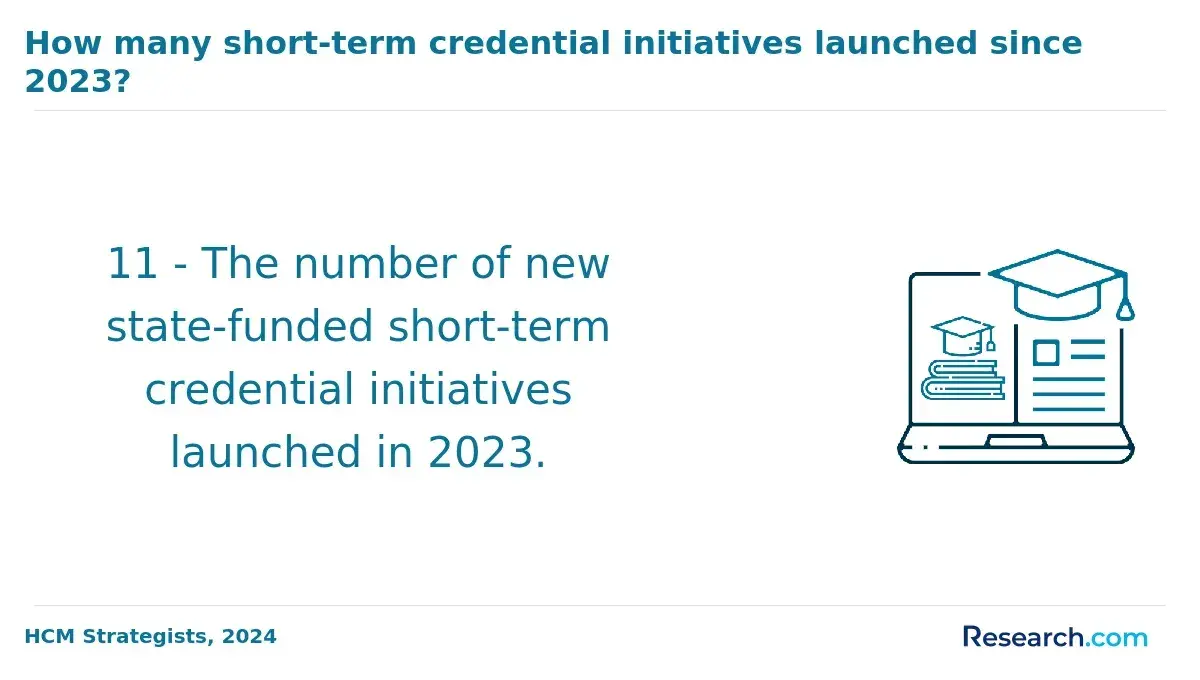
Which Types of Schools Have Experienced the Fastest Cloud Computing Tuition Growth?
Tuition inflation for cloud computing programs does not follow a uniform pattern across all institutions; instead, it reflects diverse funding structures, resource allocation priorities, enrollment pressures, and delivery modalities. A nuanced understanding of these factors is vital for interpreting cost trajectories and evaluating the long-term affordability and value of cloud computing education. Institutional financial models and programmatic specialization heavily influence the rate at which tuition rises, often more than prestige or geographic location alone.
- Private For-Profit Institutions: These schools have recorded the steepest tuition growth, frequently exceeding 7-12% annually. Reliant on tuition-driven revenue, they invest substantially in marketing, accelerated course offerings, and flexible online platforms to attract adult learners, resulting in higher price escalation compared to public counterparts.
- Public Community Colleges: Offering many cloud computing certificates and associate degrees, they tend to maintain moderate tuition increases. Their funding blends state support with enrollment-based tuition, which curbs aggressive price hikes and enhances accessibility for cost-sensitive, career-switching students.
- Research-Intensive Universities: While tuition at these institutions grows more steadily, their cloud computing programs often carry additional fees tied to specialized labs and faculty expertise. The combined effect of high operational costs with stable public or endowment funding results in measured increases rather than rapid inflation.
- Private Nonprofit Universities: With more diversified revenue streams including donations and grants, their tuition hikes for cloud computing degrees are moderate. Their pricing reflects investments in curriculum development balanced against competitive pressures and traditional academic governance that restrains excessive growth.
- Online-Only Universities: The scalable nature of online delivery can lower per-student costs, yet some programs still raise tuition due to investments in digital infrastructure and student support services aimed at retention, creating a complex dynamic where some prices rise faster despite lower physical overhead.
What Factors Are Driving Rising Costs in Cloud Computing Degree Programs?
The upward trend in costs for cloud computing degree programs stems from a complex interplay of institutional financial pressures and broader economic shifts rather than a singular factor. Public universities, in particular, face declining state appropriations, prompting a heavier dependence on tuition revenue to balance budgets. At the same time, many institutions are expanding administrative units tasked with compliance, student support, and industry alignment, adding layers of operational expense that ripple through program pricing. Such structural changes coincide with the ongoing need to refresh curriculum content and adopt emerging cloud technologies, both requiring substantial, recurring investment in specialized infrastructure and software licenses.
Faculty compensation is a significant contributor to rising costs, reflecting demand for instructors with current, practical cloud computing expertise who often command salaries above the average for academic staff. Data from the U.S. Department of Education indicates personnel costs can constitute around 65% of total expenditures in tech-centric programs, a figure that underscores labor's weight on tuition increases. Alongside labor, universities must absorb inflation-driven hikes in energy and facility maintenance, particularly relevant for data centers and high-performance computing labs. This multifaceted cost environment results in tuition growth that mirrors both competitive labor markets and the escalating operational requirements necessary to deliver relevant, industry-aligned cloud computing education.
A recent graduate recalled the challenges of the admissions cycle amid these financial dynamics. They described a period of waiting during rolling admissions, unsure whether earlier application submission would mitigate forecasted tuition hikes tied to the program's annual budget review. This uncertainty delayed their decision to commit while balancing the prospect of further tuition increases against completing prerequisites to be fully eligible. Eventually, the timing aligned to secure enrollment just before a new tuition tier took effect, illustrating how administrative cycles and funding shifts directly impact both strategic student choices and the affordability calculus of cloud computing degrees.
How Does Cloud Computing Tuition Growth Vary by State and Region?
Cloud computing tuition growth differs significantly across U.S. states and regions due to varied state funding policies, institutional structures, and regional economic conditions. These differences manifest not only in the base tuition rates but also in how rapidly costs escalate year over year. States with larger public university systems facing budget shortfalls often shift more financial burden to students, driving sharper tuition hikes. Simultaneously, regions with higher costs of living and stronger tech-sector demand for cloud expertise tend to see institutions investing heavily in advanced facilities and curriculum expansion, further increasing program costs. Such dynamics create a complex landscape in which assessing cloud computing tuition increase by state requires a nuanced understanding of these interrelated factors.
Key drivers of regional cloud computing program cost trends include variations in state appropriations and the degree to which public universities rely on tuition revenues. For example, Northeast and West Coast states experience annual tuition growth rates between 4 and 6 percent, reflecting reduced state funding and the presence of numerous research-intensive or private institutions with premium pricing strategies. Conversely, states in the Plains and Mountain regions often maintain more modest increases under 3 percent, supported by steadier government funding and lower operational costs. Workforce demand also heavily influences pricing; urban and tech hubs with competitive labor markets push institutions to offer specialized, costly programs aligned with employer expectations for practical competencies, whereas areas with less cloud industry activity see slower tuition inflation.
These regional disparities in tuition growth have broader implications for students' affordability and program selection, impacting the overall return on investment from cloud computing degrees. Prospective learners and current students must consider how tuition inflation interacts with local job market potential and living expenses, especially as mobility patterns shift and employers emphasize hands-on skills. For students evaluating options, understanding these tuition trends alongside workforce demand is crucial, particularly when deciding if pursuing a traditional degree path or alternative credentials better balances cost and career outcomes. This analytical perspective parallels decision-making processes seen in fields such as project management, where weighing the question is a project management degree worth it also factors cost against practical employment benefits.
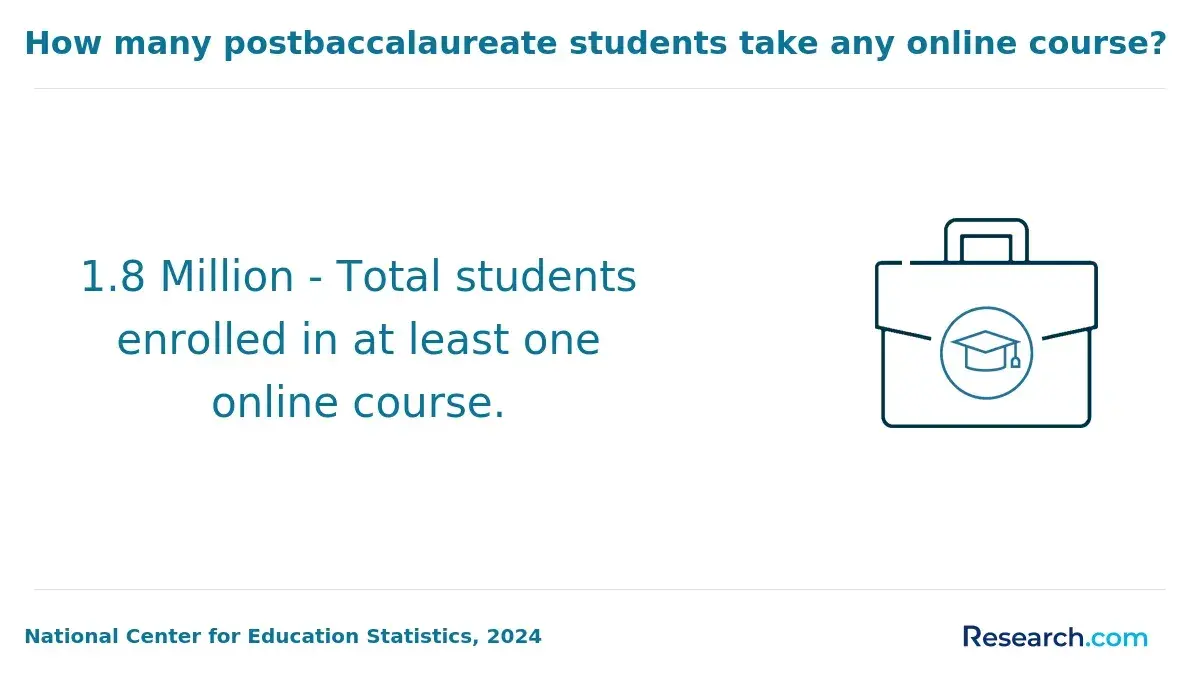
Are Online Cloud Computing Programs Becoming More Affordable Than Campus-Based Programs?
Online cloud computing programs have shown a comparatively slower growth in tuition costs than their campus-based counterparts, signaling a shift toward relative affordability in digital delivery formats. Between 2020 and 2024, average tuition for fully online cloud computing degrees rose about 3.5% annually, while traditional campus programs increased closer to 5% per year, according to recent data from the National Center for Education Statistics. This trend reflects differing pricing strategies shaped by delivery mode, where online offerings often adjust fees in consideration of scalability and market competitiveness rather than fixed facility costs. However, these pricing patterns vary widely depending on institutional mission, regional market pressures, and program quality signals, complicating straightforward affordability comparisons.
The fundamental cost drivers distinguishing online from campus programs center on divergent institutional overheads and investments in digital infrastructure. Online programs benefit from reduced expenses related to physical campus maintenance and in-person student services. Nevertheless, cost savings are partially offset by substantial investments in technology platforms, instructional design, and faculty training for effective online pedagogy. Serving online students may also require different resource allocations, such as expanded virtual advising and digital support services, which influence overall program pricing. These factors produce a nuanced economic landscape where affordability differences are neither purely structural nor temporary but contingent on institutional strategic choices around technology integration, scalability, and student outcomes.
A graduate of an online cloud computing program recounted a personal journey reflective of these dynamics. Faced with rolling admissions and a waitlisting process that extended longer than expected, the student hesitated between securing a spot at a nearby campus or proceeding with an online option that promised lower costs but uncertain timing. After several weeks of monitoring application status and financial aid offers, they committed to the online program, appreciating both the financial flexibility and adaptability it provided amid professional obligations. This experience underscored how timing and strategic decision-making during admissions can significantly affect perceived affordability beyond published tuition figures.
How Have Financial Aid and Scholarships Changed as Cloud Computing Tuition Has Increased?
Financial aid and scholarships for cloud computing programs have expanded in nominal terms but often lag behind the rapid increase in tuition costs. Institutional aid budgets have grown, yet these increments typically do not proportionally offset tuition inflation, leading to higher net expenses for students. The structure of aid has shifted, with a stronger emphasis on merit-based awards linked to relevant certifications and technical skills, reflecting employers' priorities rather than traditional academic achievements. Meanwhile, need-based aid continues to play a role, although strict eligibility criteria mean many middle-income students face limited support despite rising program costs.
These changes reflect several key dynamics in higher education financing. As competition among institutions intensifies, tuition discounting through merit scholarships has become a prevalent strategy to attract top candidates, often those who align with industry skill demands. Federal and state aid programs still underpin much of the financial aid landscape, but their growth has not matched tuition hikes, prompting increased reliance on private loans for many students. Institutions have also begun adopting integrated support models combining scholarships with internships or employer partnerships to help mitigate overall financial burdens more effectively, yet these remain unevenly available.
The net effect on student affordability is complex. While aid amounts nominally rise, net prices for many cloud computing students remain elevated, contributing to greater loan dependency and longer-term financial strain. These aid trends influence program choice and accessibility, potentially limiting entry for those without strong academic records or employer-aligned skills despite strong workforce demand. Understanding these nuanced financial aid evolutions is critical for prospective students to realistically assess cost-benefit tradeoffs and plan for debt management in pursuit of cloud computing credentials.
How Does Rising Cloud Computing Tuition Affect Student Debt After Graduation?
Rising tuition costs in cloud computing degree programs have a direct effect on student borrowing levels, driving many learners to rely more heavily on loans to finance their education. As tuition increases outpace available grants and scholarships, students face larger upfront expenses that often cannot be covered by savings or income, thereby increasing initial loan amounts. This dynamic intensifies the student loan burden after cloud computing degree completion, with graduates carrying heavier debt loads relative to earlier cohorts. Such borrowing patterns reflect not only program price inflation but also the structural limits of financial aid packages that fail to keep pace with rising costs in technology-focused education.
Several factors contribute to this debt growth beyond tuition sticker prices. The widening gap between actual program costs and financial aid affects students disproportionately across public and private institutions, with private programs typically charging significantly more. Interest accumulation during extended study periods further inflates total repayment obligations as many cloud computing students-especially adult learners balancing other financial responsibilities-may require longer to graduate or work part-time. Post-graduation incomes across cloud computing fields vary considerably, which complicates repayment capacity; higher debt can consume a disproportionate share of entry-level salaries, intensifying long-term financial pressures despite strong labor market demand. These intersecting factors highlight the nuanced ways rising tuition impacts student debt and affordability outcomes for cloud computing graduates.
Increasing loan balances contribute to repayment stress and may influence how prospective students evaluate the practical return on investment for cloud computing credentials. While some benefit from income-driven repayment plans or loan forgiveness options, others face heightened risk of default or delayed repayment, which can affect creditworthiness and professional mobility. These financial pressures also shape student decisions about program selection, often prompting consideration of alternative pathways such as certifications or employer-based training that may offer lower upfront costs. Understanding the complex relationship between tuition inflation, student debt, and career outcomes is essential for informed decision-making in this evolving sector. For comparative perspective on educational affordability in related fields, insights into the mechanical engineering degree landscape may offer useful context.
Do Higher-Cost Cloud Computing Programs Deliver Better Career Outcomes or Earnings?
The question of whether higher-cost cloud computing programs lead to better career outcomes or earnings is complex and resists simple conclusions. Tuition price alone is not a reliable indicator of improved employment prospects or higher starting salaries. Recent data from authoritative sources, including the U.S. Bureau of Labor Statistics and the National Center for Education Statistics, show that some lower-cost programs produce graduates with starting salaries close to those from more expensive institutions. This nuance is particularly evident when evaluating cloud computing program cost versus salary outcomes, where marginal salary gains from costly programs often fail to justify significantly higher tuition expenses.
Several factors beyond price shape career outcomes in cloud computing fields. Institutional prestige and regional industry connections can facilitate internship pipelines, employer partnerships, and access to specialized training that may enhance job placement. However, practical skills validated by certifications such as AWS or Microsoft Azure, plus tangible project experience, often weigh more heavily with employers than the alma mater's cost or brand. Geographic location also influences regional earnings differences after cloud computing degrees, given varied local demand and wage standards. Alumni networks and the depth of specialized program tracks further impact long-term career trajectories but do not consistently align with tuition levels.
Students must critically assess program offerings by weighing cost against measurable return on investment and labor market alignment. Decisions should emphasize how effectively a program integrates hands-on experience, industry-recognized certifications, and employer engagement rather than assuming higher tuition ensures success. For veterans and those seeking flexible study options, considering alternatives such as an electrical engineering degree online for veterans may also provide valuable insights into structuring cost-conscious, outcome-focused education pathways in technical disciplines.
What Do Current Tuition Trends Suggest About the Future Cost of a Cloud Computing Degree?
Recent tuition trends reveal a consistent upward trajectory in the cost of cloud computing degree programs, aligned with broader patterns in higher education inflation and historical tuition growth. The National Center for Education Statistics (NCES) 2024 data shows an approximate 4.2% year-over-year increase in tuition and fees for technology-related bachelor's programs, indicating this pace is likely to continue or even accelerate modestly. Adjusted for inflation, these increases reflect institutional efforts to address rising operational costs while navigating fluctuating public funding and shifting enrollment dynamics.
Key drivers influencing future tuition include sustained demand for cloud computing skills, which fuels competition among institutions to enhance program offerings through investments in specialized labs, certifications, and technology-enabled learning platforms. Funding constraints and the expansion of online and part-time formats-often with higher per-credit costs-particularly affect adult learners seeking flexibility. These factors, combined with the growing emphasis on practical experience and industry credentials, suggest pricing will remain complex and segmented rather than uniform, influenced as much by delivery mode and target demographics as by institutional cost structures.
Prospective students must interpret these tuition trends within the broader context of affordability challenges and evolving employer preferences. The premium on formal degrees may be partly offset by alternative credentials, but rising sticker prices increase reliance on borrowing or cost-benefit assessments favoring shorter, skills-focused pathways. Understanding these dynamics enables students to weigh educational investments realistically, balancing financial risk with long-term career value in a market where cloud computing expertise remains in high demand.
References
- Cloud Computing Education Market Size, Growth Drivers 2035 https://www.marketresearchfuture.com/reports/cloud-computing-education-market-28687
- Is cloud computing the future? - ECE https://www.ece.fr/en/is-cloud-computing-the-future/
- Top 7 Benefits of Cloud Services in Education You Should Know https://www.sotatek.com/blogs/cloud-services/cloud-services-in-education/
- Student Loan Debt Statistics [2026]: Average + Total Debt https://educationdata.org/student-loan-debt-statistics
- Cloud Computing Market Size, Share & Growth Report, 2034 https://www.fortunebusinessinsights.com/cloud-computing-market-102697
- Cloud Computing in Higher Education Market Size, Trends & Industry Outlook 2035 https://www.marketreportsworld.com/market-reports/cloud-computing-in-higher-education-market-14728825
- From technological dependency to economic capture: the cost of cloud & software services inflation to Europe - Cigref https://www.cigref.fr/from-technological-dependency-to-economic-capture-the-cost-of-cloud-software-services-inflation-to-europe
- Calaméo - From technological dependency to economic capture: the cost of cloud & software services inflation to Europe https://www.calameo.com/cigref/books/005869235ce0e8392fbb2
- Cloud Computing in Higher Education | Britto | Library Student Journal https://www.librarystudentjournal.org/index-php/lsj/article/view/289/321/
- Why 4-year colleges are tapping Amazon to help deliver cloud computing degrees https://www.highereddive.com/news/why-4-year-colleges-are-tapping-amazon-to-help-deliver-cloud-computing-degr/589750/
Other Things You Should Know About Cloud Computing
Rising tuition costs often coincide with more rigorous curriculum designs and greater hands-on learning demands in cloud computing programs. Prospective students need to assess whether the increased cost reflects a greater depth of skills training or simply institutional pricing strategies. If higher tuition supports intensive labs, real-world projects, and up-to-date technologies, the investment may translate to stronger job readiness. However, if program rigor doesn't scale with cost, students face financial burdens without proportional enhancements in knowledge or credentials.
As tuition rises, many students delay enrollment or extend time to completion to manage financial strain, which can delay entry into the workforce. This postponement affects career trajectory by deferring skill acquisition and earnings growth critical in fast-evolving cloud sectors. Students should prioritize programs that offer flexible pacing or modular credentials allowing incremental progress without sacrificing affordability or delaying career advancement.
When tuition inflation pressures budgets, students must evaluate whether a well-known program's brand significantly improves employer recognition and job placement over less expensive alternatives. If employer feedback and industry demand clearly favor graduates of prestigious programs, prioritizing reputation may justify the cost. Conversely, in cloud computing, many employers value practical skills and certifications over institutional prestige, so students might achieve comparable outcomes at lower tuition with hands-on focused programs.