2027 Cloud Computing Admissions Trends Report: Acceptance Rates, GPA Expectations, and Test Policy Changes

Co-Founder and Chief Data Scientist
Rapid growth in cloud infrastructure and enterprise reliance on cloud services pressures academic programs to align admissions with evolving workforce demands. Programs increasingly balance enrollment limits against rising applicant volumes fueled by diverse professional backgrounds and midcareer transitions. Acceptance rates, GPA thresholds, and testing policies reflect institutional responses to accreditation priorities and prerequisite mastery required for complex cloud architectures. Recent shifts in testing requirements often correspond with efforts to broaden accessibility without compromising foundational competence. Notably, the substantial presence of nontraditional students suggests a shifting demographic that influences both curricular design and admissions criteria, signaling ongoing adaptation to workforce development and educational accessibility challenges within cloud computing.
Key Things to Know About Cloud Computing Admissions Trends
- Acceptance rates for cloud computing programs fluctuate between 35% and 50%, reflecting moderate selectivity that requires candidates to balance academic credentials with relevant technical experience, highlighting a tradeoff in admissions evaluation.
- Average GPA expectations have risen slightly to about 3.3, signaling employer demand for stronger academic foundations, which may pressure applicants lacking rigorous STEM coursework to seek supplemental training or credentials.
- Test-optional policies remain common post-2023, improving access but potentially increasing admissions reliance on qualitative factors like portfolios and interviews, which lengthens evaluation time and complicates applicants' strategic planning.
- Key Things to Know About Cloud Computing Admissions Trends Key Things to Know About Cloud Computing Admissions Trends
- What Are the Current Acceptance Rates for Cloud Computing Degree Programs? Current Acceptance Rates
- What Is the Average GPA of Accepted Cloud Computing Students? GPA Requirement
- Are SAT or ACT Scores Still Required for Cloud Computing Degree Programs? SAT/ACT Requirement
- How Many Cloud Computing Programs Have Adopted Test-Optional Admissions Policies? Test-Optional Programs
- What Non-Academic Factors Do Cloud Computing Admissions Committees Consider? What Non-Academic Factors Do Cloud Computing Admissions Committees Consider?
- Which Types of Schools Are the Most Selective for Cloud Computing Applicants? Which Types of Schools Are the Most Selective for Cloud Computing Applicants?
- How Do Admissions Standards Differ Across States and Regions? Admission Standards by State
- How Do Admissions Requirements Compare Between Online and Campus Programs? Online vs On-Campus Admissions
- Is There a Relationship Between Admissions Standards and Student Success? Admission Standards & Student Success
- How Can Students Strengthen a Cloud Computing Program Application? Program Application Preparation
What Are the Current Acceptance Rates for Cloud Computing Degree Programs?
Acceptance rates for cloud computing degree programs in the United States vary significantly, typically ranging from 25% to over 60%, according to recent data from the U.S. Department of Education's College Scorecard and institutional admissions reports. More selective public and private universities offering specialized cloud computing tracks often report acceptance rates between 25% and 45%, reflecting both high demand and limited capacity for hands-on experiential learning components. Conversely, regional universities and community colleges tend to have acceptance rates exceeding 60%, focusing more on accessibility and aligning programs with industry certifications to rapidly meet workforce needs. These disparities in admission statistics for top U.S. cloud computing programs illustrate diverse market segments, where program format, geographic location, and institutional mission heavily influence selectivity and enrollment.
The variation in acceptance rates is driven primarily by institutional prestige, program resources, and applicant volume. Schools with stronger reputations and research ties tend to attract more competitive applicant pools, leading to tighter admissions thresholds, including an average GPA requirement typically between 3.0 and 3.7. Regional and less selective institutions, meanwhile, emphasize technical skill development and practical experience, often adopting test-optional policies that reduce reliance on standardized exams like the SAT or ACT. As interest in cloud computing continues to grow, institutions are balancing enrollment demand with infrastructure limits, which shape not only acceptance rates but also curricular emphases and student outcomes. Applicants must carefully assess these factors alongside their career objectives when considering program fit.
Competitive dynamics in cloud computing degree admissions increasingly reflect broader shifts in how technical education is delivered and evaluated. Many programs prioritize portfolios, relevant work experience, and demonstrated competencies over traditional metrics, signaling a move toward applied readiness rather than purely academic assessment. Understanding current acceptance patterns helps prospective students position themselves strategically and weigh opportunities across selective and accessible programs, each offering distinct advantages for immediate employability or alignment with elite employer networks. For those exploring options, including related pathways like an accelerated master's program social work, grasping these nuanced admission landscapes supports more informed decision-making.
What Is the Average GPA of Accepted Cloud Computing Students?
Recent admissions data from university fact books and U.S. Department of Education datasets reveal that the average GPA requirements for cloud computing programs generally range between 3.3 and 3.7 on a 4.0 scale. This typical GPA of accepted cloud computing students reflects a moderately selective profile, indicating that programs value strong academic performance alongside domain-specific technical abilities. Such GPA benchmarks underscore that these programs prioritize applicants who demonstrate both academic readiness and foundational knowledge crucial for advanced study in cloud environments. Institutions with transparent admissions reports often show that adherence to these GPA thresholds correlates with student success and retention in demanding curricula focused on cloud platforms and cybersecurity technologies.
GPA expectations in cloud computing degrees are influenced by several factors, including institutional selectivity, the competitive landscape of the technology sector, and diverse grading practices across public, private, and online institutions. More selective programs maintain higher GPA cut-offs to manage demand and ensure a cohort capable of meeting rigorous academic standards, while flexible institutions accommodate transfer applicants by weighing GPA alongside professional experience and certifications. This dynamic creates variability in accepted GPA ranges, reflecting broader enrollment strategies and program positioning. Furthermore, as some cloud computing degrees transition to holistic admissions models, GPA serves as an initial academic filter rather than a standalone determinant, balancing quantitative metrics with qualitative applicant evaluation.
Applicants aware of these benchmarks often tailor their preparation to meet or exceed GPA expectations while strategically supplementing their applications with relevant work experience and certification credentials. GPA thresholds signal program competitiveness but do not preclude admission for candidates who present strong practical expertise or industry involvement. Understanding these admissions nuances is critical for navigating program choices and expectations, particularly for transfer students who may encounter more flexible policies. For students evaluating financial and academic investment, exploring the cheapest masters degree options can complement GPA considerations in optimizing educational pathways within this field.
Are SAT or ACT Scores Still Required for Cloud Computing Degree Programs?
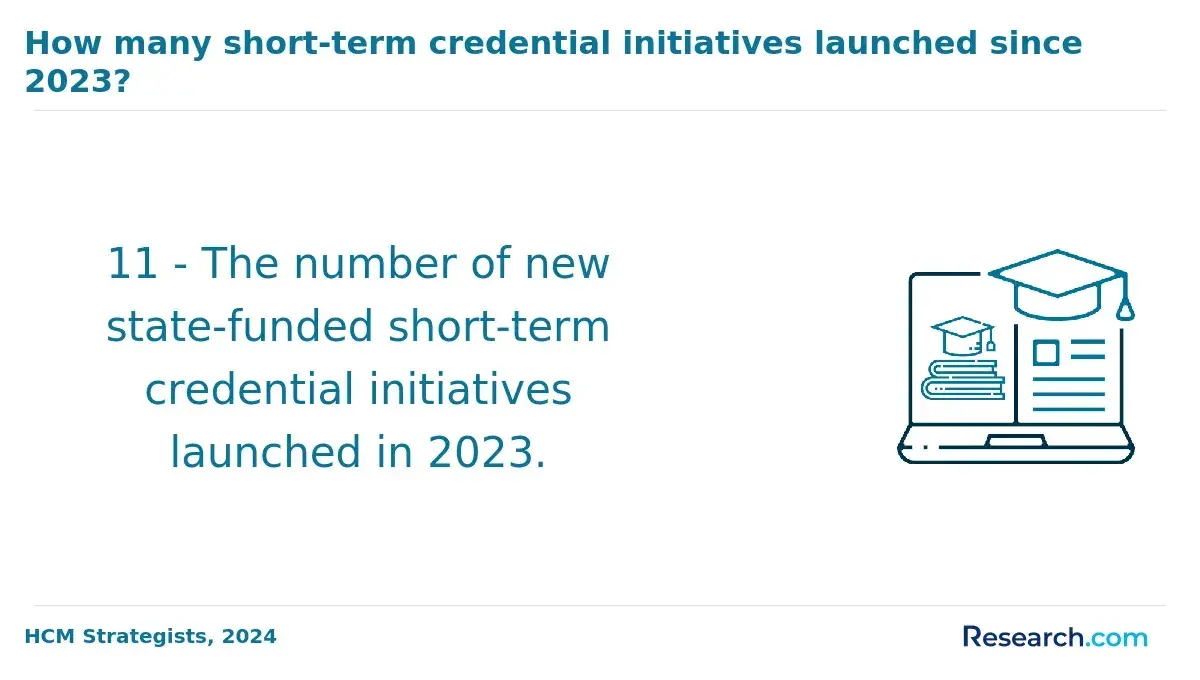
As of 2024, SAT and ACT requirements for cloud computing degree programs have largely diminished, with a majority of institutions adopting test-optional or test-blind admissions policies. According to recent updates from university admissions offices and NCES reports, about 70% of leading programs no longer mandate standardized test scores, instead emphasizing academic performance in STEM subjects, particularly math and computer science. These programs prioritize GPA alongside letters of recommendation and personal essays, reflecting a shift away from traditional reliance on standardized testing data. However, some institutions and specific transfer pathways still may request test scores if available, although they rarely factor decisively in admission decisions.
The decline in mandatory SAT/ACT scores is influenced by multiple factors, including equity-driven policy reforms aimed at reducing barriers to access for underrepresented groups, and strategic maneuvers by institutions to broaden applicant pools without compromising perceived selectivity. Public universities tend to lead in eliminating test requirements, while some private and highly selective schools maintain hybrid models to balance holistic review with admissions competitiveness. This trend also aligns with employer preferences emphasizing demonstrated skills and certifications over test performance, prompting programs to reevaluate admissions metrics and better align them with real-world outcomes and workforce demands.
One cloud computing student recounted that during their application cycle, uncertainty over standardized testing deadlines complicated planning. They hesitated to commit time to SAT preparation after their first attempt didn't meet target scores, but were relieved when programs signaled that test submissions were optional or not weighted heavily. This flexibility allowed them to focus on building a strong STEM GPA and relevant project experience, which in their case proved more impactful for admission. The rolling admissions timeline heightened some anxiety about potentially submitting late scores, so confirming up-to-date test policies early helped reduce that stress.
How Many Cloud Computing Programs Have Adopted Test-Optional Admissions Policies?
Recent data from sources such as FairTest and the National Center for Education Statistics indicate that between 45% and 55% of accredited Cloud Computing programs in the United States have shifted to test-optional admissions by 2024. This represents a notable increase from previous years and signals a broader institutional trend toward flexible evaluation criteria. The adoption rate reflects not only the evolving stance of individual colleges but also the aggregated influence of technical schools and universities responding to changing applicant demographics and standardized testing challenges.
Several factors underpin this shift. Equity considerations have driven institutions to lessen reliance on standardized tests, which often correlate with socioeconomic disparities rather than predictive academic success. Pandemic-driven disruptions further accelerated this transition, as many programs sought to maintain enrollment numbers amid testing access issues. Additionally, competition for diverse talent pools encourages schools to highlight holistic application components like GPA and relevant technical experience. However, some cloud computing programs maintain nuanced policies, recommending but not requiring tests for scholarship eligibility or honors candidacy, which reflects ongoing debates about testing's residual value.
The widespread move to test-optional admissions also influences application patterns and institutional selectivity. Removing mandatory test scores tends to increase applicant volume as barriers lower, yet programs must balance this with comprehensive applicant review practices to sustain enrollment quality. For prospective students and advisers, understanding each program's specific admissions stance-test-optional does not mean test-blind-is vital for informed decision-making. These policies thus echo broader shifts in higher education toward adaptable, equity-conscious admissions frameworks, shaping the future landscape of Cloud Computing education access and merit evaluation.
What Non-Academic Factors Do Cloud Computing Admissions Committees Consider?
Admissions decisions in cloud computing degree programs increasingly rely on a combination of academic achievements and non-academic factors to identify applicants with well-rounded potential. Holistic review processes acknowledge that grades and test scores provide an incomplete picture, prompting committees to consider personal qualities, relevant experiences, and contextual backgrounds that better predict success in the dynamic cloud computing landscape. This approach helps admit candidates capable of meeting both technical demands and collaborative, innovative workforce expectations.
- Relevant Professional Experience: Beyond academic records, many programs-62% according to a 2024 survey by the National Center for Education Statistics-prioritize direct engagement with cloud platforms such as AWS, Azure, or Google Cloud. This experience, whether through internships, part-time jobs, or independent projects, signals an applicant's practical understanding and ability to apply theoretical knowledge, often tipping the scale in competitive admissions.
- Letters of Recommendation: Recommendations serve as critical qualitative evidence, particularly when they emphasize problem-solving abilities, adaptability, and teamwork. Evaluators look for insights into personal attributes that academic metrics miss, such as initiative and interpersonal effectiveness, which are essential for navigating collaborative environments typical of cloud computing roles.
- Personal Statements and Essays: Admissions committees assess essays not merely for writing ability but as windows into motivation, creativity, and perseverance. These narratives help differentiate applicants with comparable academic profiles by revealing their capacity for growth, commitment to the field, and alignment with program values.
- Leadership and Collaborative Activities: Participation in hackathons, open-source contributions, or community tech initiatives provides concrete evidence of engagement outside formal education. These experiences reflect qualities that employers seek, including innovation and teamwork, and offer signals of an applicant's potential to contribute meaningfully to cohort dynamics and industry challenges.
- Demographic and Socioeconomic Backgrounds: Some programs incorporate these factors into their holistic review to foster diversity and inclusion, addressing skills gaps and expanding equitable access to the cloud computing workforce. This practice involves weighing such backgrounds contextually alongside other non-academic and academic criteria.
These non-academic factors interplay with traditional metrics to create a more nuanced applicant profile. This aligns with ongoing efforts across higher education to move beyond purely quantitative measures in fields like cloud computing, where practical skills and interpersonal capabilities are crucial. Such holistic evaluation methods reflect how cloud computing admissions committees evaluate experience and extracurriculars to build student cohorts that can thrive both academically and professionally.
For prospective students interested in related fields that also emphasize practical and non-academic considerations within admissions processes, understanding these complex evaluation frameworks is vital. Resources like the PsyD programs show similar trends in holistic assessments that value contextualized applicant backgrounds within specialized disciplines.
Which Types of Schools Are the Most Selective for Cloud Computing Applicants?
Selectivity in cloud computing program admissions varies significantly across institution types, shaped by factors such as applicant interest, program size, funding models, and institutional mission. Highly competitive programs often arise where demand outstrips seats and schools benefit from reputational advantages or robust resources. Meanwhile, other institutions manage broader access with more flexible admissions, addressing workforce needs through different enrollment and support strategies.
- Flagship Public Research Universities: These institutions frequently exhibit selective admissions driven by strong demand from academically accomplished candidates and limited program capacity. Their reputations for rigorous STEM education and research infrastructure attract applicants with competitive GPAs, often above 3.7, resulting in acceptance rates typically below 20% for cloud computing tracks. The combination of constrained funding structures and prioritization of research excellence further concentrates selectivity compared to many regional schools.
- Elite Private Universities: Admissions here are often even more restrictive, with acceptance rates frequently under 10% for specialized technology degrees. Their selectivity reflects a blend of smaller cohort sizes, holistic admissions emphasizing both academic credentials and technical project experience, and high applicant volume drawn by brand prestige and extensive alumni networks. These factors create intense competition and elevated academic thresholds relative to public counterparts.
- Regional Public Colleges: Often serving broader geographic and socio-economic populations, these institutions tend to have more accessible entry points for cloud computing programs. Acceptance rates commonly range from 50% to above 70%, supported by test-optional policies and prerequisite courses that balance academic readiness with practical experience. While demand can be high, the greater program capacity and mission to expand workforce pipeline reduce admissions pressure compared to flagship schools.
- Community Colleges Transitioning to Bachelor's Degrees: This category is marked by open or semi-open enrollment policies and an emphasis on foundational technical skills over strict GPA cutoffs. Programs are designed to widen participation, often offering stackable credentials and transfer pathways. Their selectivity levels are generally the lowest among four-year degree providers, reflecting institutional priorities of access and workforce responsiveness rather than selectivity-based prestige.
How Do Admissions Standards Differ Across States and Regions?
Admissions standards for cloud computing degree programs vary significantly across U.S. states and regions, influenced by differing institutional missions and applicant pools. Data from 2024 state university systems and the National Center for Education Statistics indicate that flagship public universities in tech-heavy states like California and Massachusetts enforce higher GPA cutoffs-often 3.4 or above-and integrate holistic evaluations of candidate academic rigor and relevant experience. In contrast, institutions in emerging or less saturated technology markets across the Midwest and South tend to adopt more flexible entry criteria, sometimes admitting students with GPAs near 3.0 or those who supplement academic gaps with industry certifications. These distinctions reflect not only competitive pressures from prospective students but also targeted responses to local workforce development goals and evolving educational policies such as test-optional admissions implemented since 2022.
The key drivers behind these regional admissions discrepancies include public funding disparities, variations in population density, and differentiated labor market demands. Urbanized areas with concentrated technology sectors benefit from robust institutional resources and a larger applicant pool, enabling selective admissions aligned with employer expectations for strong STEM foundations. Conversely, rural and less populated states prioritize practical skills and demonstrated applied competencies to meet immediate employer needs, often compensating for lower traditional academic metrics. Institutional selectivity is also shaped by state educational policies that promote broader access or maintain exclusivity to manage capacity. As a result, admission frameworks in cloud computing programs mirror broader regional ecosystem characteristics rather than uniform national standards.
A graduate recalled waiting anxiously during the rolling admissions period after applying to several programs across different states. While her application to a West Coast university with stringent GPA requirements remained under review for weeks, she hesitated to commit elsewhere, hoping for that selective acceptance. Ultimately, she accepted an offer from a Midwestern institution with a more flexible admissions process-made possible by her combined academic record and relevant IT certifications-recognizing that timing and strategic choice in regions with differing standards significantly impacted her educational pathway and eventual workforce entry.
How Do Admissions Requirements Compare Between Online and Campus Programs?
Admissions requirements for online and campus cloud computing programs diverge notably in how they balance selectivity, accessibility, and academic standards. Recent studies from 2024 reveal that online programs typically have higher acceptance rates and more flexible standardized testing policies, moving toward test-optional or test-blind models to accommodate a broader range of applicants. GPA expectations generally align across both formats, often around a cumulative 3.0 to 3.5, though campus-based programs at more prestigious institutions frequently demand higher cutoffs, sometimes exceeding 3.5. These distinctions reflect regional differences in cloud computing program acceptance rates and the varying institutional approaches to academic rigor and inclusivity.
The primary drivers behind these admissions variations stem from the differing objectives and student demographics each delivery model targets. Online programs often prioritize enrollment accessibility for working adults, career changers, and part-time students by integrating professional experience and conditional admission pathways to supplement conventional metrics. In contrast, campus programs maintain stricter GPA standards due to smaller cohort sizes, on-site resource investments, and expectations of traditional full-time students. Additionally, the scalability of online programs incentivizes more flexible admissions to manage growing demand while balancing academic quality and student support frameworks distinct from campus environments.
This divergence in admissions policies carries practical implications for student choice and perceptions of program value. While employers recognize degrees from both formats, campus offerings may confer advantages through more direct networking and internship opportunities, influencing early career mobility. Conversely, online pathways provide critical flexibility for individuals balancing work without sacrificing educational goals. Prospective students navigating these distinctions might also find value in exploring related fields with overlapping admission trends, such as cloud computing roles linked to healthcare systems; resources like the human services degree online may offer complementary insights into admission dynamics in adjacent sectors.
Is There a Relationship Between Admissions Standards and Student Success?
Recent data from 2024 highlight that stricter admissions standards in cloud computing degree programs-such as higher GPA requirements-often correlate with stronger student retention and graduation rates. For instance, the National Center for Education Statistics reports a notable 15% increase in graduation rates among programs enforcing minimum GPAs above 3.2, underscoring this association in the context of the impact of admissions standards on student success in cloud computing programs. However, it is important to recognize that selectivity alone does not fully account for these outcomes. Institutional factors like academic support quality, curriculum design, and industry partnerships also play crucial roles in shaping student achievement.
The relationship between stringent admissions criteria and student success is further complicated by variations in student demographics, access to resources, and program objectives. Programs that have relaxed standardized test requirements to boost access have maintained stable or improved employment placement rates, indicating that admissions frameworks focused solely on traditional metrics may overlook essential skills and experience valued by employers. Many cloud computing programs now incorporate portfolio reviews or practical skill assessments, reflecting the evolving demand for hands-on capabilities rather than purely academic indicators. Such complexities illustrate that the correlation between selective admissions and graduation rates is nuanced, and academic rigor must be balanced with support services tailored to diverse learner profiles.
For prospective students considering cloud computing paths, admissions selectivity should not serve as the sole marker of program quality or future career outcomes. Success in this field increasingly depends on practical skills and relevant experience, highlighting the importance of carefully evaluating program design and support structures alongside admissions standards. Those advising transfer applicants or veterans, including those exploring options such as an online cyber security degree for veterans, should weigh multiple factors beyond selectivity to gauge educational effectiveness and workforce alignment.
How Can Students Strengthen a Cloud Computing Program Application?
Successful cloud computing program applications arise from a synthesis of academic foundation, relevant practical experience, and clear alignment with program objectives. Admissions committees prioritize candidates who demonstrate readiness not only through grades but through integrated evidence of long-term potential and fit within the evolving technology landscape. Meeting baseline criteria is insufficient; applicants must present differentiated profiles reflecting both technical competence and contextual awareness to navigate competitive and often holistic selection processes.
- Maintain a Strong STEM GPA: Admissions panels consistently view a GPA above 3.5 in mathematics, computer science, or engineering courses as an indicator of academic rigor and problem-solving ability essential for cloud computing curricula. This benchmark signals capacity to master demanding coursework and contributes to predictive validity assessments during candidate evaluations.
- Acquire Practical Cloud Experience: Hands-on involvement through internships, cooperative education, or project-based work with cloud platforms offers tangible evidence of technical fluency and workplace readiness. By demonstrating applied skills, applicants reduce perceived risk and better communicate career focus, supporting holistic review outcomes.
- Submit Standardized Test Scores When Advantageous: While many programs have adopted test-optional policies, strong quantitative scores can reinforce an applicant's analytical strengths in evaluators' eyes, especially amid large applicant pools where such metrics help differentiate readiness objectively.
- Secure Well-Rounded Recommendations: Letters emphasizing communication, adaptability, and collaborative skills complement technical qualifications by signaling interpersonal effectiveness and resilience-qualities employers and admissions committees increasingly prioritize alongside domain knowledge.
- Demonstrate Cross-Disciplinary Awareness: Integrating cloud computing understanding with business, security, or data analytics contexts indicates intellectual versatility and practical situational awareness. This multidimensional perspective aligns with employer expectations for cloud professionals operating within complex IT ecosystems.
References:
- Cloud Computing Bachelor's Degrees | Top Online Programs 2024 https://www.itcareerfinder.com/program-rankings/best-cloud-computing-bachelors-degrees.html
- Cloud Computing and Cloud Related IT Professional Services https://www.gsa.gov/technology/it-contract-vehicles-and-purchasing-programs/multiple-award-schedule-it/cloud-and-cloud-related-services
- How to implement cloud computing in 2025? - Future Processing https://www.future-processing.com/blog/how-to-implement-cloud-computing/
- Cloud+ Certification | CompTIA https://www.comptia.org/en/certifications/cloud/
- Master of Science in Cloud Computing https://wscs.eu/master-of-science-in-cloud-computing/
- M.Tech In Cloud Computing Description: https://www.iitp-tle.com/mtech-cloud-computing.html
- How Cloud Improves Application Performance https://www.coresite.com/blog/how-cloud-improves-application-performance
- List of Colleges Dropping & Reinstating ACT/SAT Requirements https://progresslearning.com/news-blog/colleges-dropping-reinstating-act-sat-requirements/
- Online Master's Degree: Cloud Computing Systems https://www.umgc.edu/online-degrees/masters/cloud-computing-systems
- SAT and ACT Policies and Score Ranges for Popular Colleges and Universities https://www.compassprep.com/college-profiles/
Other Things You Should Know About Cloud Computing
Test-optional admissions reduce the availability of standardized metrics traditionally used to assess academic readiness, placing greater emphasis on GPA and coursework rigor. This shift means programs may face more variability in incoming student competence, potentially increasing the need for differentiated instruction or bridging courses. Prospective students should therefore prioritize maintaining strong academic records and relevant coursework to offset the lack of test scores, as these remain key indicators of their ability to manage the workload and technical demands.
Programs with elevated GPA thresholds often signal both rigorous curricula and stronger competition for limited spots, which can translate into better post-graduation outcomes but also higher academic stress. Students must weigh whether they have the foundational knowledge and time management skills needed to succeed in such environments or if a program with slightly lower GPA expectations and more practical, hands-on learning might better suit their long-term career goals and work-life balance.
Lower acceptance rates often indicate programs responding to surging industry demand by limiting enrollment to maintain quality and resources, rather than simply higher selectivity. This can result in cohorts with stronger peer networks and focused faculty attention, which benefit real-world skill acquisition. Students should assess programs not just by acceptance difficulty but by how well they connect education with practical skills and employer needs, as this influences job readiness after graduation.
Advisors should encourage students to concentrate on maintaining a solid GPA while strategically selecting programs where admissions policies acknowledge varied applicant experiences beyond test scores. Emphasizing consistent academic performance paired with relevant technical projects or internships can better position students amidst fluctuating acceptance criteria. The recommendation is to focus on demonstrating sustained capability rather than relying on any single metric, especially as admissions evolve toward holistic review approaches in cloud computing education.