2027 Cloud Computing Affordability by State: Where Students Pay the Most and Least

Co-Founder and Chief Data Scientist
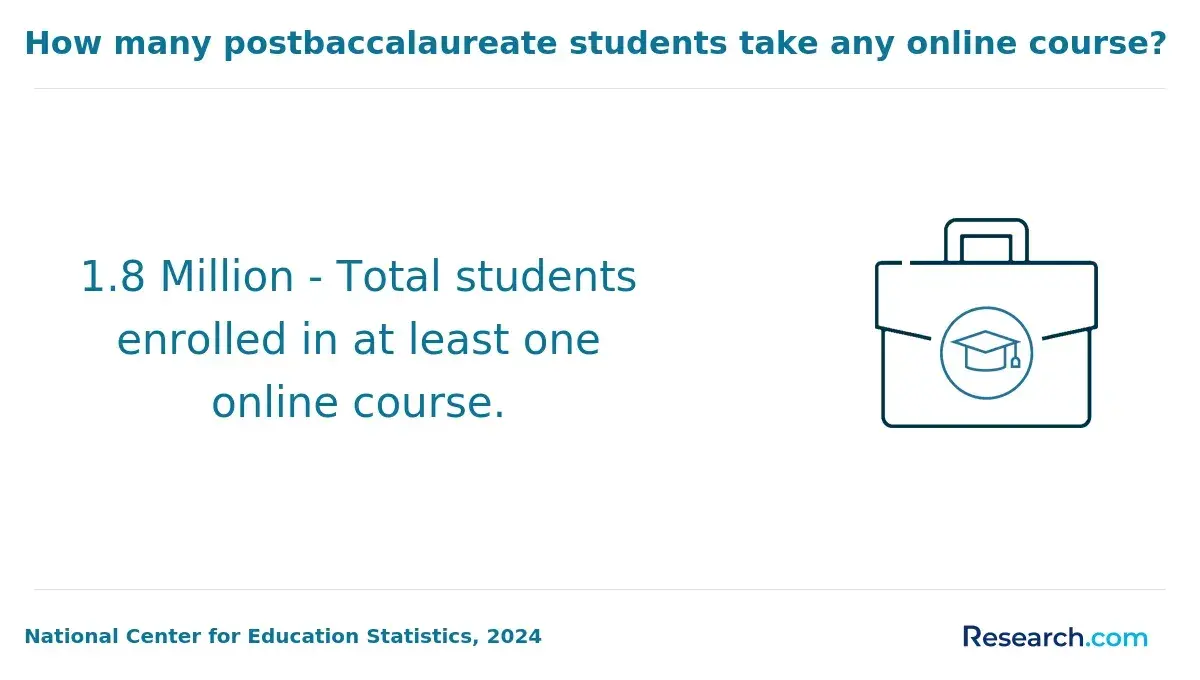
Choosing between a state university offering an in-state tuition of $7,000 annually and a neighboring state's out-of-state rate exceeding $20,000 can upend even the most careful student budget. For prospective cloud computing students, this disparity often obscures the total cost, including living expenses that can double the financial burden. A 2024 National Center for Education Statistics report shows that students in high-cost states borrow 35% more on average, reflecting deeper systemic differences in affordability and policy.
Understanding these cost realities is critical for making decisions that balance immediate expenses with long-term career prospects. This article examines cloud computing affordability by state to pinpoint where students face the greatest financial hurdles and where education investments stretch further.
Key Things to Know About Cloud Computing Affordability by State
- States with the lowest published tuition often offset affordability through higher living costs or limited financial aid, creating tradeoffs that affect total program expense beyond simple price comparisons.
- Employers in tech hubs prioritize skills over institutional prestige, yet programs in states with strong industry ties and cooperative education yield better internship and placement opportunities for cloud computing graduates.
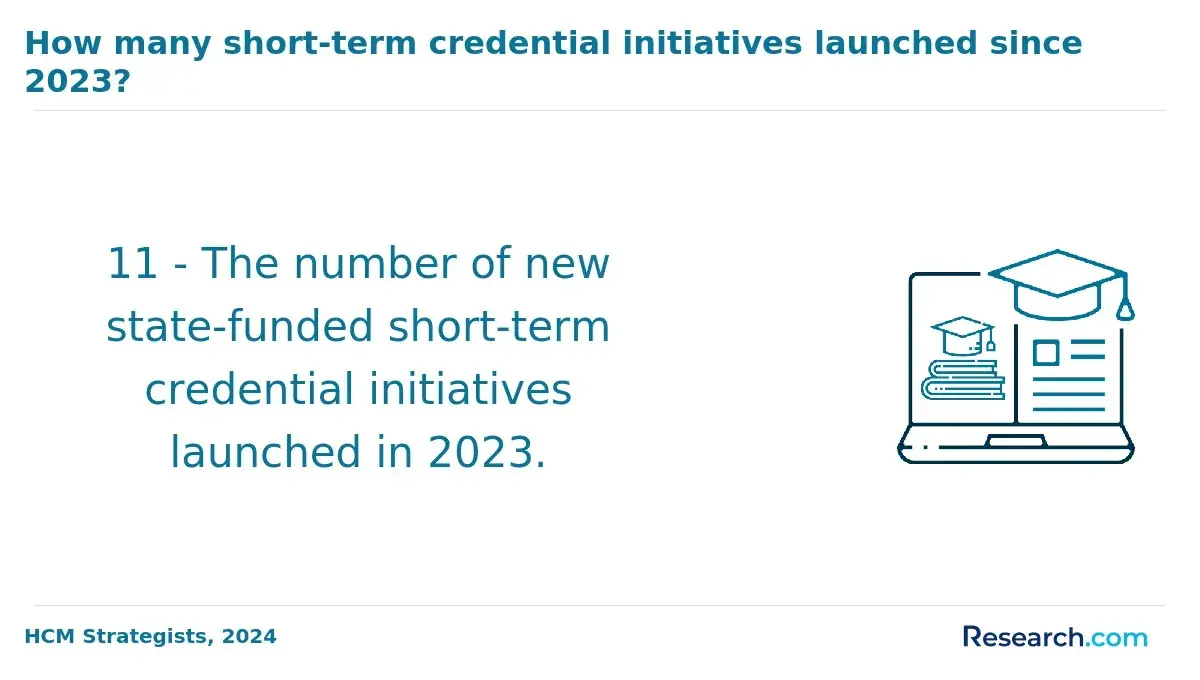
- Rapid shifts in state funding and enrollment post-2023 suggest timing affects access; opting for online or hybrid cloud computing routes varies in cost and completion speed, directly impacting students' debt and workforce entry.
- Key Things to Know About Cloud Computing Affordability by State Key Things to Know About Cloud Computing Affordability by State
- Which States Have the Most Affordable Cloud Computing Degree Programs? Most Affordable State Programs
- Which States Have the Highest Cloud Computing Degree Costs? Highest State Tuition Costs
- How Much Does a Cloud Computing Degree Cost by State? Degree Costs by State
- Why Does Cloud Computing Affordability Vary So Much Between States? State Affordability Variations
- How Do In-State and Out-of-State Tuition Rates Affect Cloud Computing Affordability? In-State vs. Out-of-State Rates
- How Does the Cost of Living Impact Overall Cloud Computing Affordability by State? Living Costs and Affordability
- Which States Offer the Best Value for a Cloud Computing Degree? Best Value State Degrees
- What Financial Aid and Scholarship Opportunities Can Reduce Cloud Computing Costs? What Financial Aid and Scholarship Opportunities Can Reduce Cloud Computing Costs?
- Are Online Cloud Computing Degree Programs More Affordable Than On-Campus Options? Are Online Cloud Computing Degree Programs More Affordable Than On-Campus Options?
- Is a Cloud Computing Degree Worth the Cost Based on Career Outcomes and ROI? Degree ROI and Outcomes
Which States Have the Most Affordable Cloud Computing Degree Programs?
State-level differences in tuition, public funding, and residency policies significantly shape the landscape of affordable cloud computing degree programs. For example, Wyoming's public universities, benefiting from robust state investments and a smaller student population, offer average in-state tuition nearly half the national average, directly impacting student debt and return on investment. These cost disparities mean that students residing in or able to claim residency in states with generous tuition rates gain a distinct financial advantage, while out-of-state learners often face higher fees unless regional agreements like the Western Undergraduate Exchange apply. Consequently, students weighing their options must consider how these structural factors influence not only upfront costs but also long-term degree completion strategies and employability outcomes tied to prudent debt management.
Factors beyond sticker prices, such as regional living expenses and institutional online education infrastructure, further alter real affordability. States in the Mountain West and Midwest often offer more than just lower tuition; the reduced cost of housing and daily expenses favors extended enrollment or part-time studies, which are common approaches for working students in cloud computing fields. Moreover, states supporting comprehensive online programs reduce relocation burdens, enabling broader access and flexible pacing that aligns with workforce demands.
A budget-conscious student comparing affordable cloud computing degrees by state must therefore assess how tuition interacts with these living and accessibility variables, recognizing that lower fees in isolation may not deliver the best economic value or academic fit for all circumstances. For a deeper understanding of practical implications when deciding on tech-focused fields, reviewing the best degree to get can provide valuable guidance.
Which States Have the Highest Cloud Computing Degree Costs?
States with the highest cloud computing degree costs typically combine limited state subsidies with expensive living environments and a dense network of research institutions and private colleges. These factors elevate both tuition and non-tuition expenses, disproportionately impacting non-resident students who face higher fees due to strict residency policies. For example, public universities in California report annual in-state tuition over $14,000, but the true financial burden intensifies in areas like San Francisco and Los Angeles, where housing costs inflate total attendance beyond $35,000. Such dynamics force students to weigh whether proximity to tech hubs and access to elite programs justify mounting debt compared to more affordable but geographically distant alternatives.
This geographic cost disparity often pushes prospective enrollees to reconsider not only where to study but how to pursue their degrees-many explore online programs or institutions in lower-cost states to mitigate financial strain without sacrificing program quality. Additionally, the concentration of prestigious universities in states like Massachusetts means students face sticker prices averaging $16,000 for tuition alone, with associated costs that can exceed $32,000 annually; however, these premiums correlate with less generous state funding and higher living costs around hubs like Boston. These realities highlight the importance of assessing total cost of attendance, residency eligibility, and institutional pricing models when making enrollment decisions, as these variables significantly influence long-term financial outcomes and opportunities within the cloud computing job market.
A recent graduate recalled carefully comparing upstate New York options against more costly urban schools where out-of-state tuition was nearly double in-state rates. Initially drawn to a well-known city university, they hesitated upon discovering fewer financial aid opportunities combined with exorbitant rent estimates. Ultimately, they chose a regional public institution with lower tuition but a robust online curriculum, balancing affordability with program reputation. The decision underscored how, beyond sticker price, students must scrutinize residency policies, hidden expenses, and local market conditions to determine true degree value rather than assuming costlier states inherently guarantee better returns.
How Much Does a Cloud Computing Degree Cost by State?
Tuition differences between states significantly shape the accessibility and financial planning for students pursuing a cloud computing degree. For instance, public in-state tuition can start as low as around $4,000 annually in states like Wyoming, while in others such as California, fees exceed $12,000, causing total expenses to vary widely. This disparity is compounded by residency policies-out-of-state students often pay two to three times more, markedly increasing borrowing needs or influencing decisions to seek local options, especially when combined with the reality that high-cost states often correspond to elevated living expenses.
State-level funding strategies and institutional mixes also directly affect degree affordability. Regions with numerous private universities, such as New York and Massachusetts, regularly see tuition rates surpassing $35,000 per year, limiting accessibility without substantial financial aid. Conversely, states with strong public systems, like Texas and Florida, mitigate cost pressures for residents but present tradeoffs for those relocating from elsewhere. Consequently, students must weigh how state residency rules, scholarship availability, and living costs collectively impact not just sticker price but the feasibility of completing a degree without excessive debt or needing to pursue online programs.
These cost variations highlight the importance of a strategic, region-sensitive approach to pursuing cloud computing education. Beyond immediate tuition, prospective students should factor in local job market conditions post-graduation, the possibility of leveraging in-state tuition policies, and the broader economic environment influencing total attendance costs. According to 2024 IPEDS data, these factors can mean the difference between manageable, regionally aligned investment and escalating financial obligations that alter degree choice and timing.
Why Does Cloud Computing Affordability Vary So Much Between States?
Differences in state funding priorities create substantial disparities in cloud computing degree affordability, often outweighing general tuition rates. States with robust public investment, such as Wyoming and North Dakota, can offer higher subsidies that significantly lower in-state tuition, making them more attractive for budget-conscious students. Conversely, regions with elevated living costs like California tend to embed these economic pressures into tuition and fees, increasing the overall expense even at public institutions. These variations complicate decisions for prospective students who must balance direct education costs against local living expenses and potential employment markets.
The composition of public versus private institutions further affects affordability, with private colleges typically charging more due to higher operational costs and less state subsidy. States dominated by private providers or struggling public systems often see steeper tuition rates, which can deter enrollment or prompt students to consider online programs or out-of-state options. Financial aid availability also varies widely by state, influencing net costs in ways not immediately transparent from sticker prices alone. Students pursuing cloud computing degrees must weigh these factors carefully, including residency policies and state-specific aid that may prioritize STEM or technology fields, all of which play critical roles in shaping accessible education pathways.
For learners comparing options, including online alternatives, understanding these dynamics is vital to making cost-effective, outcome-oriented decisions that align with long-term career goals and geographic mobility trends. This complexity underscores why state-by-state cloud computing degree affordability differences reflect much more than just tuition figures but a matrix of economic and policy-driven factors that shape student choices and trajectories. For those assessing program affordability, resources outlining affordable online MFT programs highlight how financial considerations intersect with educational delivery models nationwide.
How Do In-State and Out-of-State Tuition Rates Affect Cloud Computing Affordability?
Residency status fundamentally reshapes the economic feasibility of pursuing a cloud computing degree, with in-state and out-of-state tuition differentials driving crucial enrollment decisions. According to 2024 National Center for Education Statistics data, in-state students at public four-year schools pay about $10,500 annually, while out-of-state learners face nearly double that cost, around $22,500. This gap often compels prospective students to weigh the financial burden of paying premium tuition against relocating, seeking eligibility for residency reclassification, or targeting programs offering regional reciprocity discounts like the Western Undergraduate Exchange. Moreover, while some online cloud computing programs standardize tuition regardless of residency, many still maintain differential pricing, influencing cost calculations depending on whether students live in-state or out-of-state and if their chosen program operates in-person or remotely.
This tuition stratification also intersects with state funding formulas and financial aid availability, which frequently favor on-residence enrollees and can limit aid access for out-of-state students. For budget-conscious learners, this complicates the cost-benefit analysis of choosing a private institution with flat tuition fees but generally higher sticker prices versus a public university that offers a lower in-state rate but significant premiums for non-residents. These dynamics necessitate an informed approach considering not only sticker tuition but ancillary expenses like fees, housing, and the logistical realities of moving states for a better price versus retaining local access. Regional reciprocity programs ease these pressures unevenly, creating pockets of affordability that may not align with every applicant's location or eligibility.
A recent graduate recounted hesitating before committing to an out-of-state public university's cloud computing program because the tuition nearly doubled her budget. Although she contemplated relocating to gain residency, timing and documentation requirements made immediate reclassification unfeasible. The student ultimately enrolled paying the out-of-state rate but later found that online courses offered by the same institution allowed a more flexible and cost-consistent option. Reflecting on the experience, she recognized how nuanced tuition policies shaped her financial planning, emphasizing the importance of assessing residency rules early in the application process to avoid unexpected expenses and optimize long-term affordability.
How Does the Cost of Living Impact Overall Cloud Computing Affordability by State?
Higher education affordability for cloud computing degrees hinges on more than tuition; state-by-state living costs and cloud computing education expenses fundamentally shape students' financial realities. For instance, students enrolling in public universities in states with elevated housing costs such as California face significantly greater monthly living expenses than peers in lower-cost states like Arkansas. This disparity can influence decisions around part-time work, debt management, and even the choice between on-campus living or more affordable off-campus or online programs. Students narrowly focusing on tuition may underestimate the broader economic pressures of transportation, utilities, and healthcare that vary widely across regions.
Practical educational planning requires deeper scrutiny of these cost-of-living differences. Transportation expenses, frequently overlooked, fluctuate depending on whether a student relies on public transit in metropolitan areas or personal vehicles in rural states-affecting both budget and time management. Food prices and healthcare premiums also differ by state, adding hundreds to monthly expenditures and altering financial aid needs and repayment strategies. These complex factors mean that students must weigh enrollment choices not only by in-state versus out-of-state tuition but also by their capacity to absorb variable living expenses, influencing both degree completion timelines and career entry readiness. For those comparing options, it is useful to explore curated resources such as the best art therapy masters programs, which illustrate similar regional economic considerations across disciplines.
Ultimately, regional variations in living expenses profoundly impact cloud computing degree affordability and student outcomes. State-specific economic conditions shape not only immediate educational costs but also longer-term workforce integration prospects. Budget-conscious learners must incorporate housing availability, urban versus rural cost dynamics, and the interplay of daily necessities into their decision-making to fully understand the real costs of pursuing a cloud computing education.
Which States Offer the Best Value for a Cloud Computing Degree?
Evaluating the true value of a cloud computing degree requires moving beyond sticker tuition prices to consider factors like in-state tuition eligibility, financial aid availability, degree completion rates, and regional labor market demand. For instance, a state such as North Carolina, with moderate tuition around $9,000 annually and six-year graduation rates exceeding 65% for STEM fields, offers an advantage over cheaper states where lower completion rates can undermine return on investment. Students who fail to finish in a timely manner face increased debt without corresponding career benefits, making completion outcomes a crucial variable when comparing programs across states.
Regional employment conditions further complicate affordability assessments. Texas illustrates how lower in-state tuition averaging roughly $10,000, paired with a robust tech sector projecting more than 15% cloud computing job growth through 2030, can streamline the transition from education to employment. Conversely, states where cost of living or student debt levels are higher may undercut nominal tuition savings despite well-regarded programs. Additionally, policies affecting residency-based tuition and the distribution of financial aid reshape net costs and influence whether relocating to enroll or opting for online study is preferable, particularly for budget-conscious students seeking to maximize their long-term earnings potential.
What Financial Aid and Scholarship Opportunities Can Reduce Cloud Computing Costs?
The impact of financial aid on the affordability of a cloud computing degree varies significantly by state, driven largely by differences in federal and state funding structures. Federal grants like the Pell Grant remain critical for nearly 30% of undergraduates nationwide, directly reducing tuition without repayment obligations, which disproportionately benefits students in states with higher federal aid utilization. However, state-level grants and tuition reciprocity programs introduce variability that can either enhance or limit access depending on residency and renewal requirements, compelling many students to weigh the tradeoffs between out-of-state fees and potential grant eligibility when making enrollment decisions.
Institutional scholarships targeted at cloud computing and related STEM fields have seen a 15% growth, but these awards often prioritize academic metrics and full-time enrollment status, which may disadvantage working adults pursuing part-time study. Employer-sponsored tuition benefits offer an alternative route for employed learners, yet access is constrained by specific job roles and company policies, reducing uniform affordability. Additionally, layering of aid packages is subject to institutional rules that impact net costs, necessitating careful planning regarding application timelines and eligibility to maximize available support. The growing reliance on student loans as a fallback introduces longer-term financial considerations, especially since regional labor market variations affect salary potential and repayment capacity within cloud computing professions.
Are Online Cloud Computing Degree Programs More Affordable Than On-Campus Options?
Online cloud computing degree affordability in the United States depends heavily on how tuition rates, residency policies, and additional costs intersect. While online programs frequently advertise tuition that is 20% to 40% lower than in-state on-campus options, this advantage can be offset by technology fees, software requirements, and less institutional aid. For example, an out-of-state student enrolled in a public university's online program might pay similar tuition to on-campus peers if state residency discounts are unavailable, eroding potential savings. Moreover, part-time enrollment typical in many online pathways may extend time-to-degree, increasing opportunity costs and delaying employment in this competitive field.
Comparing in-state versus online cloud computing programs reveals nuanced tradeoffs beyond sticker price. On-campus students often face substantial expenses beyond tuition-housing, meal plans, and transportation can add over $10,000 annually-while online learners avoid these but must shoulder stable internet access and specialized technology investments. Financial aid patterns also diverge, with many online learners receiving less institutional support, which can narrow the net cost gap. These variables underscore the importance of analyzing total cost of attendance relative to personal circumstances and program delivery models.
Budget-conscious learners should factor in geographic and institutional differences in both pricing and financial aid availability to identify the most economical options. Those balancing military service commitments may find additional resources and tailored programs at military friendly universities online. Ultimately, selecting between online and campus-based cloud computing degrees requires a detailed examination of direct costs, hidden fees, and the timing of credential completion to optimize affordability and career readiness.
Is a Cloud Computing Degree Worth the Cost Based on Career Outcomes and ROI?
Determining the value of a cloud computing degree relative to its cost requires more than comparing tuition prices; it involves analyzing regional disparities in career outcomes and salary potential for cloud computing graduates by state. For instance, while states like California and New York impose high tuition fees exceeding $30,000 annually, their robust tech markets often justify this expense through elevated starting salaries and job availability.
Conversely, more affordable programs under $15,000 in states like Texas and Florida may offer lower immediate wage prospects but reduce debt burdens and financial pressure, creating distinct tradeoffs for budget-conscious students. The National Center for Education Statistics further notes that average four-year graduation rates around 55% can affect the total cost significantly when extended timelines and student debt are considered, leading many learners to explore online colleges starting this month to accelerate their degree path.
Beyond tuition, prospective students must account for opportunity costs and local job market conditions, given the projected 26% growth in cloud computing roles through 2032. Geographic mobility can influence ROI, as certain regions demonstrate stronger employer demand and higher compensation, reinforcing the importance of aligning educational investments with realistic employment pathways. Additionally, pathways including advanced certifications or graduate study can alter long-term earnings trajectories, but also introduce further time and financial commitments. Comparing these factors pragmatically helps assess a cloud computing degree's genuine worth while avoiding the pitfalls of solely tuition-focused decisions.
References
- Getting IT Right? How State Governments are Approaching Cloud Computing | Brookings https://www.brookings.edu/articles/getting-it-right-how-state-governments-are-approaching-cloud-computing/
- Amazon Web Services Scholarship - Foundation for California Community Colleges https://foundationccc.org/past-project/amazon-web-services-scholarship/
- Cloud Computing: 10 Things You Need to Know https://datacanopy.com/cloud-computing-10-things-you-need-to-know/
- How cloud computing helps with cost saving? https://www.devopsbay.com/blog/how-cloud-computing-helps-with-cost-saving
- Best Value Cloud Computing Programs 2026 https://hakia.com/degrees/cloud-computing/best-value-programs/
- Financing & Scholarships â Fund Your Future-Proof Tech Career | Skillspire https://www.skillspire.net/admission/financing-and-scholarships
- 5 cloud pricing factors and examples from top cloud providers https://www.flexera.com/blog/finops/5-cloud-pricing-factors-and-examples-from-top-cloud-providers/
- Top 6 Strategies on Saving Money in the Cloud in 2025 https://www.alphaus.cloud/en/blog/top-6-strategies-on-saving-money-in-the-cloud-in-2025
- Best Cloud Computing Courses Online https://thehorizonsunlimited.com/blog/best-cloud-computing-courses-online
Other Things You Should Know About Cloud Computing
Shorter programs may seem cost-effective initially, especially in states with higher tuition, but they often compress content and require a heavier workload, which can impact mastery and employability. In states with more affordable options, longer programs can provide deeper practical experience and better prepare students for complex cloud environments, ultimately benefiting long-term career growth despite a higher total cost. Students should prioritize program quality and alignment with employer expectations over just initial affordability, especially if state tuition differences are marginal.
In tech hubs with a high concentration of cloud-focused employers, such as Washington or California, employers often expect candidates to have hands-on experience with current cloud platforms and certifications beyond the degree. States with lower tuition but fewer tech companies might not offer the same network or industry alignment, making it vital for students there to seek supplemental credentials or internships. When comparing affordability, students should consider whether the local job market rewards degree holders or expects additional skills that require extra investment.
Public institutions generally offer lower tuition rates for in-state students but can vary widely in program intensity and industry connections, affecting graduate employability in cloud computing roles. Private schools within some states might be more expensive but provide stronger career services or updated curriculum tailored to employer demands, potentially leading to better job placement despite higher costs. Budget-conscious students should evaluate whether paying more at a private institution yields measurable returns in job offers and salary, or if a well-ranked public program suffices given their state's market.
Students who face relocation or academic challenges might experience increased costs and delays that undermine initial affordability advantages in certain states. Attrition rates in cloud computing programs vary with program rigor and support services, so states offering affordable tuition but less student assistance may result in longer time-to-degree and higher overall expenses. Prioritizing states with strong retention and completion support can improve financial outcomes, even if sticker prices for tuition are slightly higher.