2027 Grand Canyon University Online EdD in K-12 Leadership: Qualitative Research: Cost, Curriculum, Admissions, and Career Outcomes

Co-Founder and Chief Data Scientist
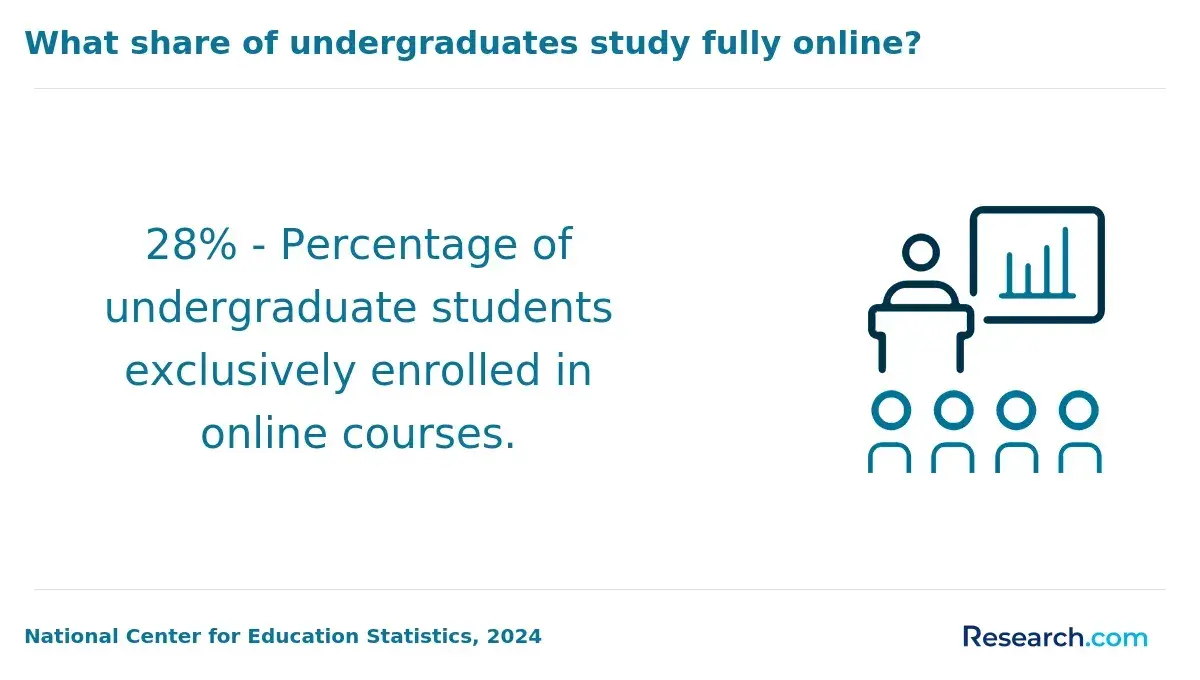
Choosing an online edD in K-12 leadership: qualitative research program involves weighing academic rigor, career goals, and the flexibility of study formats. Grand Canyon University presents a pathway designed for educators seeking to influence K-12 systems through qualitative inquiry. Yet, with online doctoral enrollments increasing by over 10% in 2024 according to the National Center for Education Statistics, discerning how well the program matches individual schedules and workforce demands is crucial. Understanding admissions criteria, curriculum depth, cost implications, and career outcomes is essential for prospective students to determine alignment with their professional trajectory and learning preferences.
This article explores these key dimensions to guide thoughtful decision-making about this program option.
Key Points About Grand Canyon University's EdD in K-12 Leadership: Qualitative Research Program
- A 60% acceptance rate indicates moderately selective admission, balancing accessibility with some admission rigor, which can affect cohort diversity and student preparedness.
- The $37,212 tuition reflects a significant investment, requiring students to evaluate return on investment especially considering potential salary growth in K-12 leadership roles.
- Employer recognition and alumni success in K-12 leadership highlight practical program outcomes, suggesting graduates can leverage this degree for career advancement in education administration.
What can students expect from Grand Canyon University's online EdD in K-12 Leadership: Qualitative Research curriculum?
Employers in K-12 education leadership increasingly value candidates who can apply qualitative research methods to address complex organizational challenges. The online EdD in K-12 leadership curriculum at Grand Canyon University reflects this demand by emphasizing leadership development grounded in robust qualitative inquiry. For example, an educator aiming to implement a district-wide equity initiative would benefit from skills in ethnographic research and thematic analysis cultivated by this program. This curriculum aligns well with broader U.S. EdD in K-12 leadership standards but stands out by prioritizing qualitative research courses in Grand Canyon University EdD program, offering a distinct methodological lens. Below are three core coursework components illustrating student preparation for workforce demands:
- Educational Leadership Theories: Students explore advanced leadership models tailored to K-12 contexts, requiring critical engagement with organizational change concepts. This prepares graduates to strategically influence school culture and policy.
- Qualitative Research Design: This course demands mastery of research frameworks such as case studies and ethnographies, essential for producing nuanced insights that drive evidence-based decisions in educational settings.
- Dissertation Seminars: Through iterative research proposal development and data coding, students develop the capacity to lead comprehensive projects that address real-world educational issues with methodological rigor.
Integrating theory with practice, the curriculum targets professionals seeking to transform K-12 environments by leading initiatives grounded in qualitative evidence rather than solely quantitative outcomes. Prospective students should evaluate how such training fits their career goals, especially compared to options focused more on quantitative analysis or administration. For those prioritizing actionable qualitative insight, Grand Canyon's approach offers relevant skill-building that resonates with current demands of educational organizations. When considering cost-benefit factors in educational investment, reviewing programs dedicated to practical payoffs like the easy degrees that pay well can provide additional perspective.
What are Grand Canyon University's admission requirements for online EdD in K-12 Leadership: Qualitative Research program?
Admission to Grand Canyon University's online EdD in K-12 Leadership: Qualitative Research program involves meeting specific secondary education benchmarks and demonstrating relevant academic preparedness. This is not a program with an open admission policy, meaning applicants must present solid evidence of prior academic achievement and language proficiency. For example, a prospective student who completed high school abroad will need to carefully compile credible credentials to verify their educational background and English skills. Below are key admission requirements candidates should expect:
- High School Completion: Applicants must provide proof of high school completion, such as a General Educational Development (GED) certificate. This ensures the foundational academic skills necessary for doctoral-level work.
- Secondary School Transcripts: While transcripts are required, the university suggests submitting documented secondary school rank and evidence of a college-preparatory curriculum to bolster the application. This helps demonstrate readiness for advanced study.
- English Proficiency: Submission of TOEFL scores is mandatory, reflecting the need for adequate language skills to engage fully with course materials and research expectations.
- Standardized Tests: Unlike many doctoral programs, SAT or ACT scores are not required and GMAT is not mentioned, reducing entry barriers based on these exams.
- Supplementary Materials: Letters of recommendation and formal demonstrations of competencies are recommended to provide a broader view of the candidate's academic and professional fit.
Is it difficult to get admitted to Grand Canyon University's online EdD in K-12 Leadership: Qualitative Research program?
Admission to EdD programs in K-12 leadership with a qualitative research focus typically demands a blend of academic readiness and demonstrated research interest, though these programs often exhibit moderate competitiveness rather than extreme selectivity. Compared to highly restrictive doctoral degrees, candidates with solid academic records and clear leadership goals can expect a reasonable chance at acceptance.
Grand Canyon University's online EdD in K-12 Leadership: Qualitative Research reflects this moderate admission difficulty, with a 60% acceptance rate out of nearly 48,000 applicants annually. The program's standards align with this, requiring SAT verbal scores between 540 and 620, math scores from 518 to 555, and ACT scores spanning 19 to 116, indicating they evaluate applicants on a spectrum of performance rather than demanding peak scores. This broader range means applicants who meet these benchmarks can be competitive without exceptional test results.
One graduate recalled feeling unsure about whether their test scores and background sufficed to meet admission expectations, especially given the large applicant pool. After focusing their application on leadership experience and research intentions, the eventual acceptance felt both a relief and recognition of a well-rounded profile. This experience underscores the importance of presenting a cohesive application that balances metrics with professional clarity rather than relying solely on standardized tests.
What is the cost of attending an online EdD in K-12 Leadership: Qualitative Research program at Grand Canyon University?
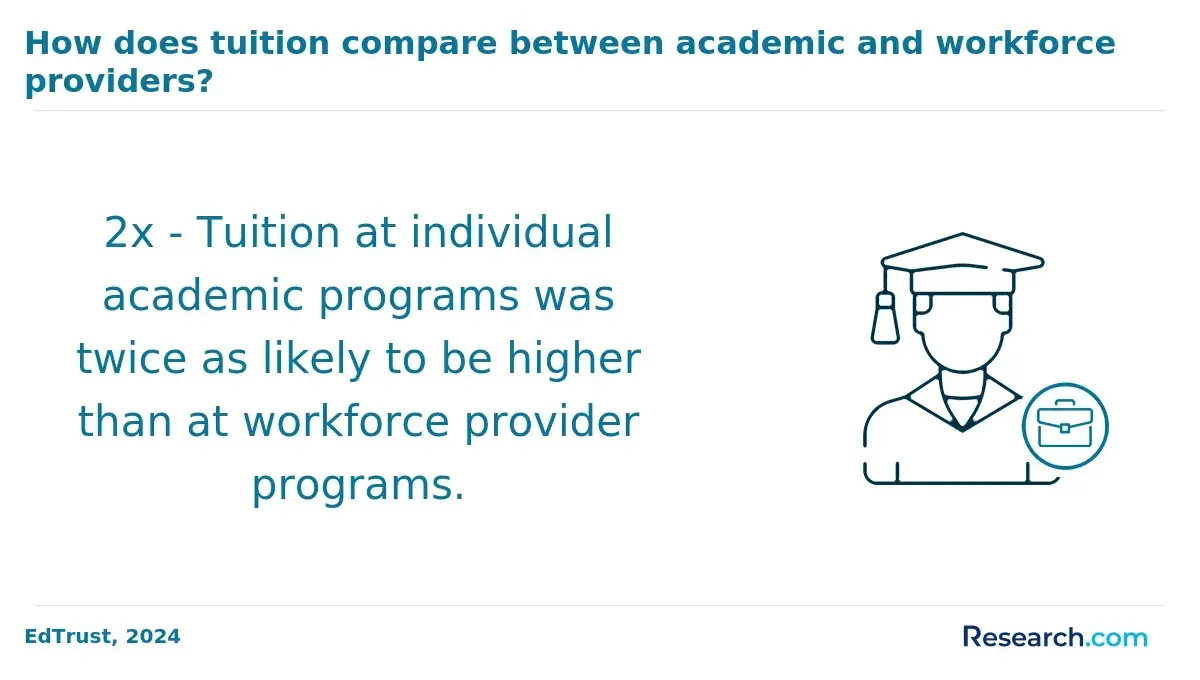
The tuition for an online EdD in K-12 Leadership: Qualitative Research program at Grand Canyon University is approximately $17,450 annually, excluding additional costs like books and supplies, which add around $1,100. While the total annual cost including fees, room, and board can approach $37,212, online learners typically avoid housing expenses, resulting in a lower overall financial burden. This cost structure is critical for prospective students balancing academic investment with ongoing personal and professional responsibilities.
In comparison to other institutions offering similar doctoral programs, Grand Canyon University's tuition aligns competitively with the national average for EdD programs in K-12 Leadership or qualitative research specialties. This pricing strategy, without additional online-specific technology fees, offers some financial predictability, which is a notable advantage for distance education candidates who need clear cost expectations. However, students should weigh these savings against program reputation and graduate outcomes in their decision-making process.
When evaluating the cost of online EdD in K-12 Leadership: Qualitative Research at Grand Canyon University, considering the comprehensive tuition and fees relative to the broader expenses helps frame the investment realistically. Many employers in K-12 education leadership value experience combined with advanced degrees but also assess the source and rigor of the credential, affecting long-term career implications for graduates.
Prospective students exploring doctoral options may also want to compare this program with more accelerated offerings to reduce time and cost commitments. For those interested in faster degree paths, reviewing available accelerated bachelor degree programs can provide insights into how program length and format impact total educational expenses and workforce entry timing.
Are there financial aid options for online EdD in K-12 Leadership: Qualitative Research students at Grand Canyon University?
Accessing financial aid for the online EdD in K-12 Leadership: Qualitative Research at Grand Canyon University requires balancing limited direct doctoral scholarships with broader institutional and external funding sources. Many doctoral candidates will need to piece together aid from multiple channels to make the program financially viable given that specialized grants are scarce. This fragmented funding landscape means potential students should actively pursue all available options to reduce out-of-pocket costs and consider how employer support or veteran benefits might offset expenses. Below are key financial aid avenues to explore:
- Institutional Scholarships: These are merit-based awards from the university, often tied to academic achievement or leadership potential. Doctoral applicants must inquire directly as availability for EdD students varies and typically requires separate applications or demonstrating relevant experience.
- Employer Tuition Reimbursement: Education professionals working in K-12 systems may qualify for partial or full tuition coverage through their school districts, especially when studies align with district goals. Documentation from employers and proof of enrollment are usually required.
- Veteran Benefits: Eligible military service members and their families can utilize GI Bill® programs or other military education benefits to help fund doctoral studies. Certification of service and coordination with the university's veterans affairs office are essential steps.
- Federal Aid Programs: Completion of the FAFSA grants access to federal Pell Grants, loans, and work-study options. While Pell Grants are less common for doctoral studies, federal loans offer flexible repayment suited for graduate students and remain a central funding source.
- Financial Aid Counseling: Engaging directly with GCU's financial aid advisors is critical to uncovering less advertised scholarships or aid packages tailored to doctoral candidates and to develop a comprehensive funding strategy.
What learning resources are available to online EdD in K-12 Leadership: Qualitative Research students at Grand Canyon University?
Access to comprehensive learning resources is a pivotal factor influencing student success in an online EdD in K-12 Leadership: Qualitative Research program. Choosing a program with robust academic and technical support can mitigate common challenges such as isolation, technological barriers, and uneven mentoring-issues that frequently affect online doctoral candidates. For example, a student balancing full-time teaching while conducting qualitative research benefits greatly when timely technical support and faculty mentorship are readily accessible. These resources not only sustain engagement but also help develop the complex research competencies expected by employers in educational leadership roles. Below are key resources that support students throughout their doctoral journey:
- Learning Management System: A user-friendly platform consolidates course materials, virtual classrooms, and communication channels, enabling smooth navigation and seamless access to content essential for qualitative research and leadership training.
- Technical Support: Dedicated assistance addresses connectivity and software issues promptly, reducing downtime and ensuring students can maintain focus despite geographic or work-related constraints.
- Academic Tutoring and Writing Assistance: Personalized guidance helps students meet doctoral-level expectations in research design, analysis, and scholarly writing, crucial for producing rigorous qualitative studies.
- Library and Research Databases: Specialized resources curated around qualitative methodologies and K-12 leadership topics equip students with targeted literature and data sources foundational to their research projects.
- Faculty Mentorship and Collaboration: Regular interaction with experienced faculty and virtual peer networks fosters skill refinement and supports professional growth tied directly to practical demands in educational settings.
Does Grand Canyon University's online EdD in K-12 Leadership: Qualitative Research program have in-person clinicals or practicums?
Practical experience requirements remain a significant consideration for doctoral candidates pursuing leadership roles in education, as many employers prioritize hands-on exposure through clinicals or practicums. Unlike traditional EdD programs that often necessitate in-person clinicals or administrative internships, Grand Canyon University's online EdD in K-12 Leadership: Qualitative Research deviates from this norm by not requiring in-person clinicals or practicums. This distinction can be pivotal for mid-career professionals seeking advanced degrees without interrupting their current roles or relocating for onsite components.
Industry standards for EdD programs in K-12 leadership frequently include observation, mentoring, or site-based practicum experiences to foster leadership competencies in real-world settings. However, Grand Canyon University online EdD K-12 Leadership practicum requirements emphasize research-driven leadership assignments instead. The program's structure revolves around qualitative research projects and applied dissertation work set in the students' local educational environments, bypassing logistical challenges inherent in scheduled onsite commitments.
This flexibility is an operational advantage for students balancing professional responsibilities but raises considerations regarding the depth of direct leadership practice obtained. For those weighing the tradeoffs, the absence of mandated in-person settings might influence employability in districts or organizations that value traditional clinical exposure. Nonetheless, the program's focus aligns with contemporary trends highlighting remote and applied scholarship in leadership studies. Students exploring compatibility with other advanced learning models might also consider offerings such as 6 week online courses with certificates as part of broader professional development planning.
What careers can graduates of online EdD in K-12 Leadership: Qualitative Research at Grand Canyon University secure?
The professional value of graduates from the online EdD in K-12 Leadership: Qualitative Research at Grand Canyon University is often measured by the ability to transition into influential educational roles that require both leadership and specialized research capabilities. Deciding to pursue such a degree involves weighing the prospects of managing complex educational environments against the demand for data-driven decision-making in K-12 systems. These graduates position themselves to influence school policy and practice through qualitative research, an increasingly valued skill as districts emphasize evidence-based strategies to enhance student success. For those seeking job opportunities for EdD in K-12 Leadership qualitative research graduates at Grand Canyon University, here are some key career pathways:
- School Principal: This role involves managing daily operations and staff within a K-12 school, requiring leadership skills and the ability to interpret qualitative research to improve teaching outcomes. Salaries vary widely but reflect substantial responsibility and experience.
- District Administrator: Overseeing multiple schools, this position focuses on strategic planning and resources allocation, often using research insights to guide district-wide educational initiatives. Compensation typically aligns with large-scale impact and administrative scope.
- Curriculum Coordinator: Responsible for developing and evaluating instructional programs, this job uses qualitative methods to adapt curricula for diverse student populations, enhancing inclusivity and effectiveness. Pay corresponds with expertise in educational design and assessment.
- Instructional Coach: Working directly with teachers, coaches provide professional development rooted in data from qualitative studies to improve classroom practice and student learning, with income reflecting specialized training support roles.
- Education Policy Consultant: Graduates may also advise on education reform, employing qualitative research to influence broader systemic change. Earnings vary based on consulting scale and clientele.
Choosing this path entails tradeoffs, including the need for strong communication and leadership alongside research proficiency, which some education careers demand simultaneously. The degree's direct applicability in these roles strengthens its appeal compared with less specialized educational doctorates. For those interested in broader comparative insights related to academic programs, the fastest online master's degree rankings can provide additional context when considering timelines and return on investment in education credentials.
What is the salary outlook for online EdD in K-12 Leadership: Qualitative Research graduates?
Salary prospects for graduates of the online EdD in K-12 Leadership: Qualitative Research at Grand Canyon University generally reflect moderate earning potential common within educational leadership roles. Median alumni salary approximates $42,186, though graduates in specialized education paths like Special Education and Teaching report lower median earnings near $35,016. This suggests that while the degree opens doors to leadership roles in K-12 settings, the financial returns may be constrained relative to professions outside education.
The career earnings outlook for Grand Canyon University EdD in K-12 Leadership graduates aligns with typical education administration salaries, which are lower than sectors such as Registered Nursing or Homeland Security. Those pursuing this path should weigh the tradeoff between stable employment and modest pay growth inherent in education roles. The degree's qualitative research emphasis may enhance eligibility for positions in curriculum development or policy analysis but may not substantially increase immediate salaries compared to other specialist education degrees.
For prospective students exploring doctoral options in education, it is prudent to compare these salary outcomes with alternative academic and professional routes. A growing share of mature learners seek online degrees for seniors that balance career advancement with realistic financial expectations, a factor that should influence decisions regarding this EdD program's practical value in the educational workforce.
How do you know if Grand Canyon University's online EdD in K-12 Leadership: Qualitative Research program is the right choice for you?
Identifying whether Grand Canyon University's online EdD in K-12 Leadership: Qualitative Research fits your professional path requires a careful appraisal of how well its features match your personal circumstances and long-term objectives. Choosing this program without aligning it to your working schedule, research interests, and career expectations can lead to challenges in completion or limited practical benefit. To guide this evaluation, consider these critical aspects:
- Flexibility and Scheduling: Assess how the program's asynchronous format accommodates your current full-time work and personal commitments. Flexibility in pacing is vital for educators who must balance demanding school environments with doctoral-level study.
- Practical Research Emphasis: Determine if the curriculum's focus on qualitative methods directly addresses your interest in K-12 leadership issues. Effective programs enable application of research to real-world educational challenges, making your degree more relevant to district or school-level leadership roles.
- Learning Environment and Support: Evaluate the degree of peer interaction and mentorship embedded in the culture, especially if collaborative and faith-informed settings support your motivation and persistence in rigorous doctoral work.
- Career Outcomes and Employer Recognition: Consider how the program's reputation and specific training align with the expectations of school districts or organizations where you aim to work. Verify if the credential meaningfully enhances leadership opportunities beyond certification requirements.
One graduate reflected on her experience balancing full-time teaching while evaluating program fit: "I initially hesitated because my schedule was packed, but the online structure allowed me to engage with coursework on weekends. What mattered most was that the research methods directly applied to problems I faced as a principal. I had looked at other programs, but few integrated qualitative work with leadership so closely. That connection kept me motivated, even when the workload was heavy." Her story underscores the importance of matching course demands and content focus to your specific role and ambitions before committing.
What Graduates Say About Grand Canyon University's EdD in K-12 Leadership: Qualitative Research Program
- Eliza: "Studying at Grand Canyon University provided a flexible but rigorous environment that allowed me to balance work and coursework while diving deep into qualitative methodologies. The hands-on research projects helped me create a professional portfolio that became a key asset during job interviews. Although I faced some challenges competing against candidates with traditional licensure, my specialized research skills enabled me to transition into a curriculum development role faster than I initially expected."
- Tess: "Grand Canyon University's EdD in K-12 Leadership: Qualitative Research program sharpened my ability to critically analyze school district policies and effectively communicate findings to diverse stakeholders. I appreciated the practical internships and case study approach, which prepared me well for leadership roles in a remote setting. While I noticed that salary growth can be limited without formal licensure, the degree opened doors in consulting and program evaluation that aligned with my career pivot towards educational equity."
- Vinn: "The in-depth coursework at Grand Canyon University pushed me to develop a clearer research focus within K-12 leadership, helping me understand workplace realities from both an administrative and classroom perspective. The program's emphasis on qualitative research techniques was invaluable in crafting proposals and grant applications in my current role. However, navigating hiring processes taught me that employers often prioritize a combination of certifications and demonstrated experience, so I complemented my degree with additional credentials while leveraging the degree's flexibility for remote work opportunities."
Other Things You Should Know About Degrees
The EdD in K-12 Leadership: Qualitative Research at Grand Canyon University is designed for working educators, but its accelerated terms and continuous course load can be demanding. While the online format offers flexibility in scheduling, the program expects consistent engagement and timely completion of assignments. Prospective students should prioritize strong time-management skills and may need to adjust work or personal commitments during more intensive modules to avoid burnout.
Focusing specifically on qualitative research methods means that the program may not cover quantitative or mixed-methods approaches in depth. This specialization benefits those seeking deep expertise in narrative, ethnographic, or case study research but might restrict versatility for roles expecting broader research competencies. Candidates aiming for diverse research portfolios should weigh this focus carefully against their intended career paths.
Grand Canyon University's EdD in K-12 Leadership emphasizes applied research over traditional academic theory, which can be advantageous for practitioner-focused careers but less so for those aiming for tenure-track positions. Students wanting a future in higher education research or publication in scholarly journals may find the program's orientation insufficient and should consider programs with stronger emphasis on theoretical frameworks and peer-reviewed scholarship.
References
- Doctor of Education, EdD https://catalog.ncu.edu/preview_program.php
- Online EdD Programs in K-12 Leadership and Administration (PK-12 Leadership) https://www.onlineeddprograms.com/specializations/k-12-leadership
- GCU K12 Resources | Canyon PD https://www.canyonpd.com/gcu-k12-education-resources/
- Trends for the Future of Education: How Cairn’s EdD Equips You to Lead https://cairn.edu/trends-for-the-future-of-education-how-cairns-edd-equips-you-to-lead/
- Best Online EdD in Higher Education Programs of 2025 https://www.eddprograms.org/schools/higher-education/
- EdD, with an emphasis in Leadership for Change (with optional concentrations) https://catalog.fielding.edu/preview_program.php
- Doctor of Education EdD Salary and Career Outlook https://teach.com/online-ed/education-degrees/online-edd-programs/edd-careers/
- Higher Education Services https://www.gce.com/